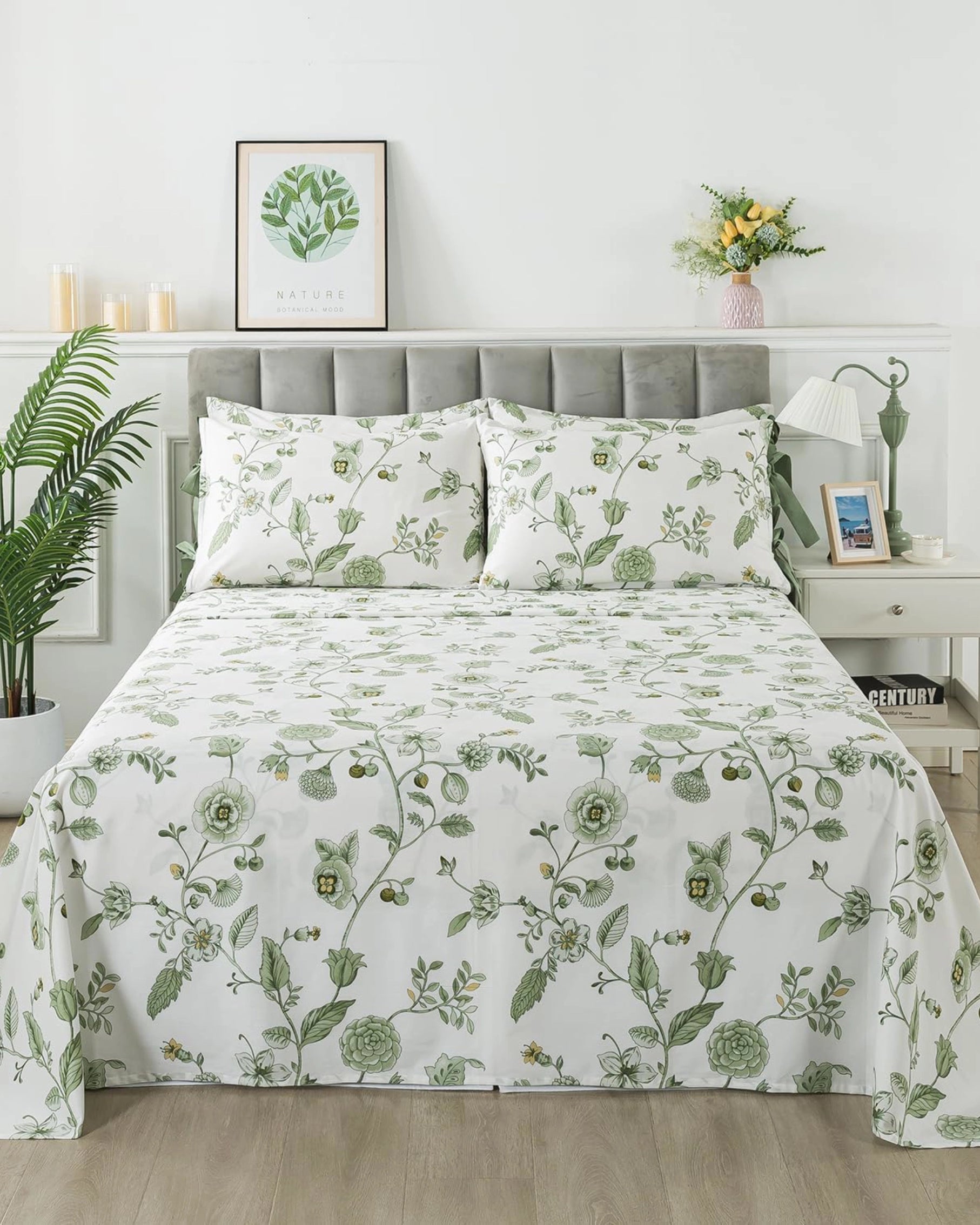


When we talk about soft bedding, most people think about one thing: fabric.
Cotton. Bamboo. Linen.
Thread count. Finish. Texture.
And while all of that matters, it’s only part of the story.
Because real softness—the kind you actually feel night after night—isn’t just about what your sheets are made of.
It’s about how everything works together.
The Myth of “Soft = Material”
It’s easy to believe that buying softer fabric solves everything.
But have you ever noticed:
-
Sheets that felt soft at first… but not anymore?
-
Bedding that looks beautiful, but doesn’t feel as comfortable over time?
That’s because softness isn’t fixed.
It changes based on use, care, and environment.
Material creates potential.
But system creates consistency.
What Softness Really Depends On
Softness is an experience built from multiple factors working together:
-
Fabric quality → the foundation
-
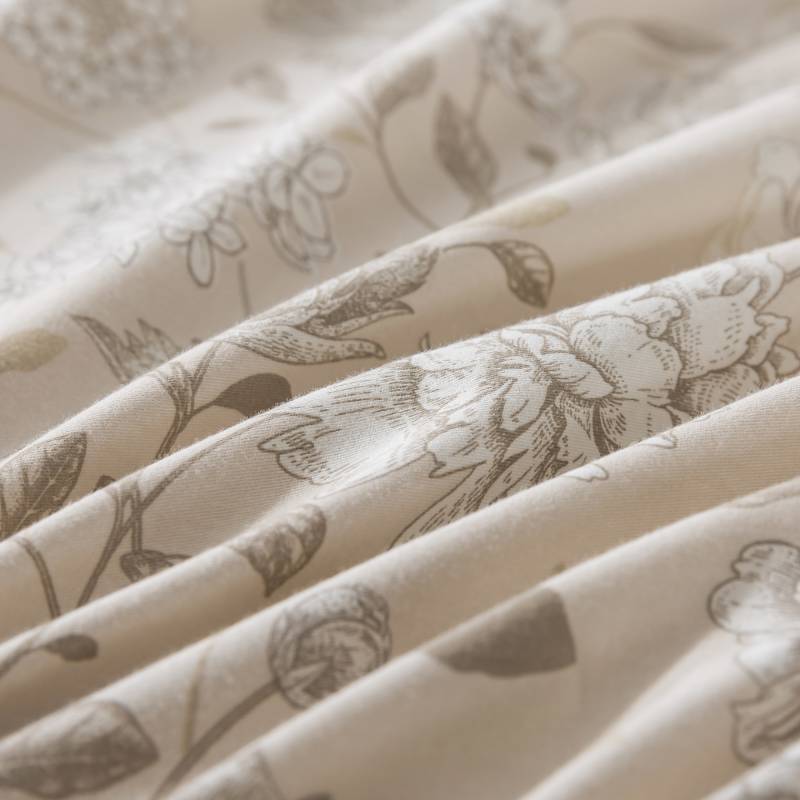
Weave & structure → how it feels on skin
-
Moisture & airflow → how it performs overnight
-
Usage patterns → how it holds up over time
When one part is off, the entire experience changes.
This is why even high-quality sheets can stop feeling soft.

The Missing Piece: How You Use Your Bedding
Most people unknowingly treat bedding in a way that reduces softness.
Using the same set every night creates:
-
Constant pressure on fibers
-
Faster breakdown of structure
-
Increased washing frequency
Over time, this leads to:
-
Flattened texture
-
Reduced airflow
-
A “dull” feeling, even when clean
It’s not that the fabric changed.
It’s that the system never existed.
Softness Needs Recovery Time
Just like anything that performs well, fabric needs rest.
When sheets are allowed to rotate:
-
Fibers regain their shape
-
Moisture fully dissipates
-
Structure resets
This is why rotated bedding often feels:
-
Softer
-
Lighter
-
More breathable
Not because it’s new—but because it’s recovered.
Building a Softness System
Instead of chasing “softer fabric,” build a system that protects softness.
1. Rotation
Use at least two sets, ideally three.
This reduces continuous stress and extends softness.
2. Layer Balance
Softness isn’t just sheets—it’s how layers interact.
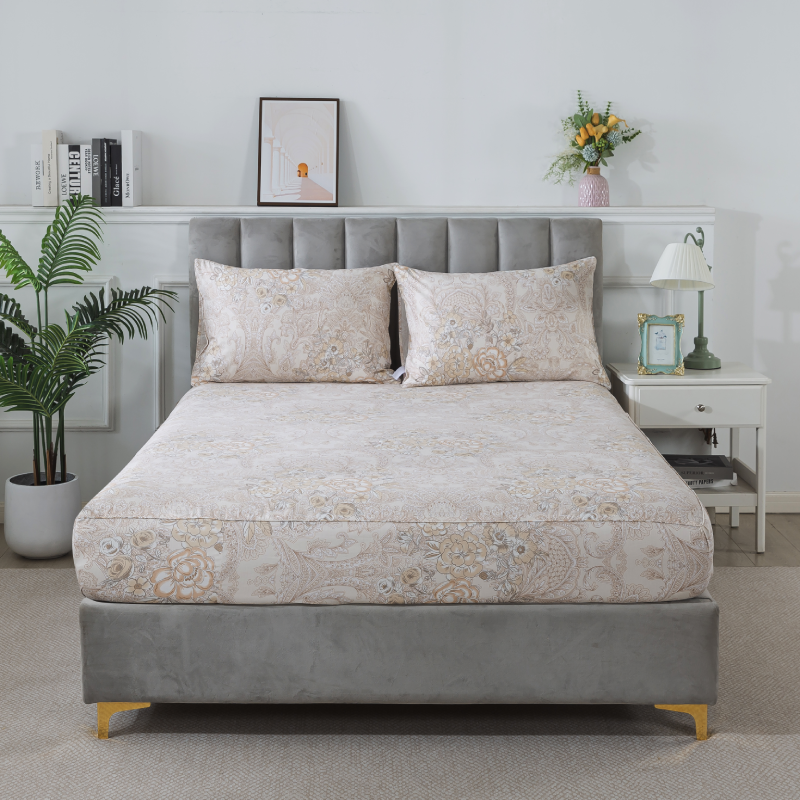
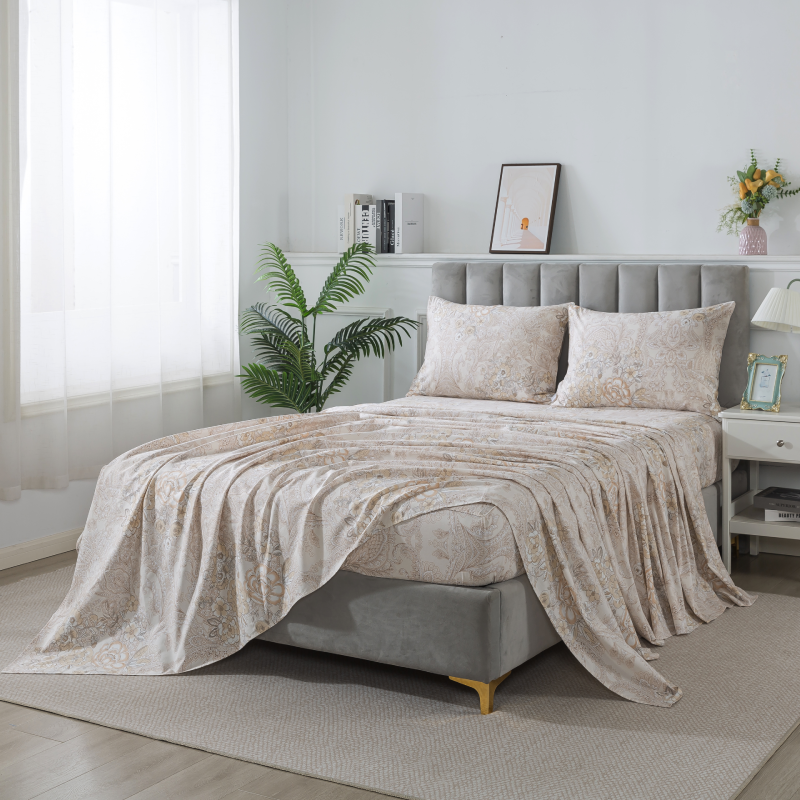
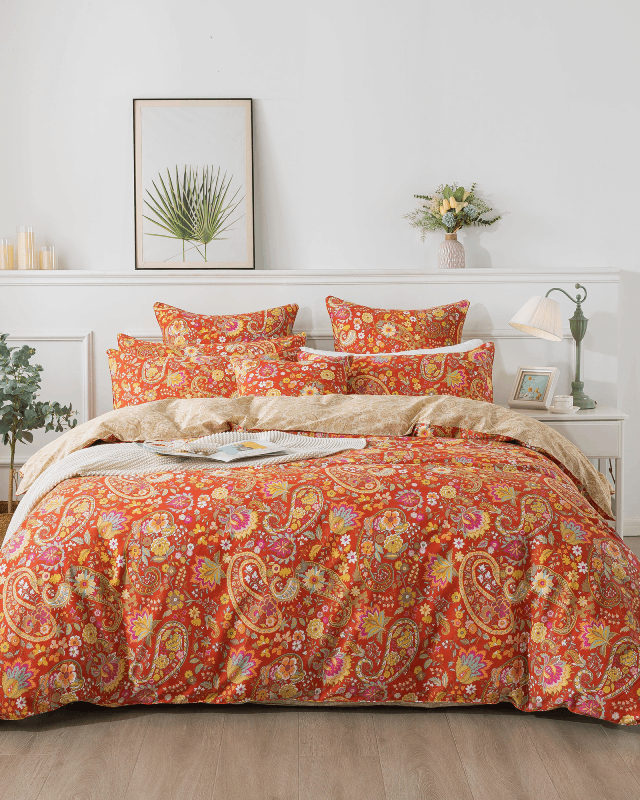
A breathable sheet paired with the right duvet cover creates:
-
Better airflow
-
More consistent comfort
If you’re refining your setup, coordinated options like
https://fadfay.com/collections/duvet-cover-set
can help everything work together more naturally.
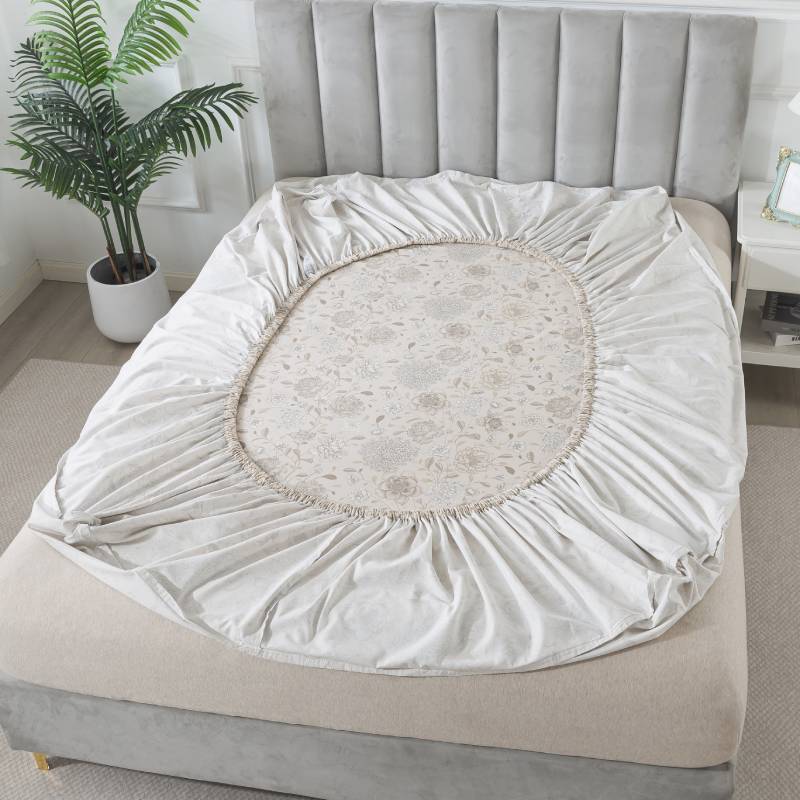
3. Washing Rhythm
Not too frequent. Not too delayed.
Overwashing wears fabric out.
Underwashing affects freshness.
A balanced rhythm keeps softness stable.
4. Texture Variation
Softness isn’t only smoothness.
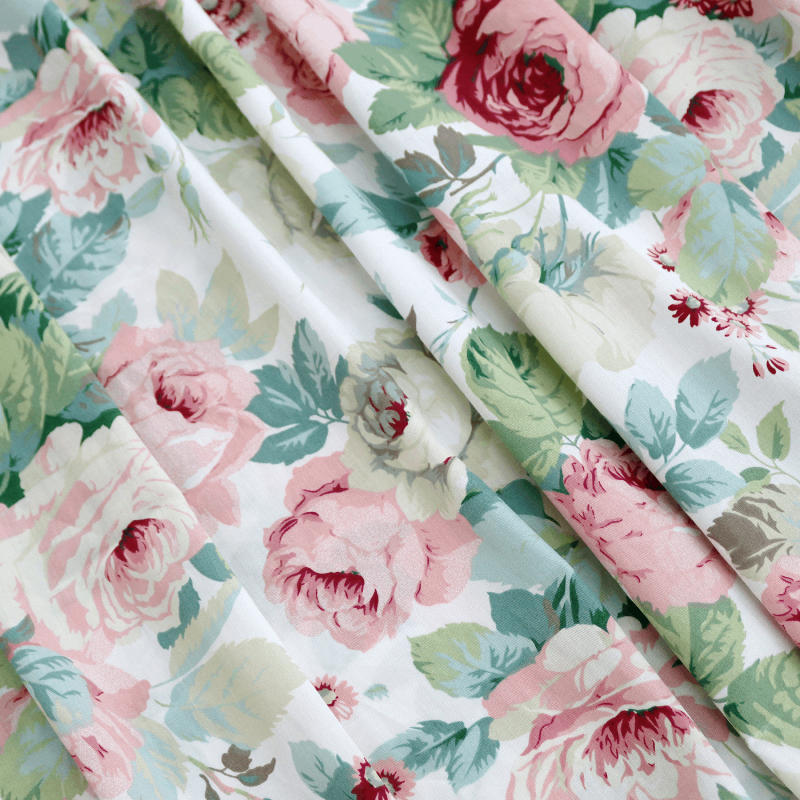
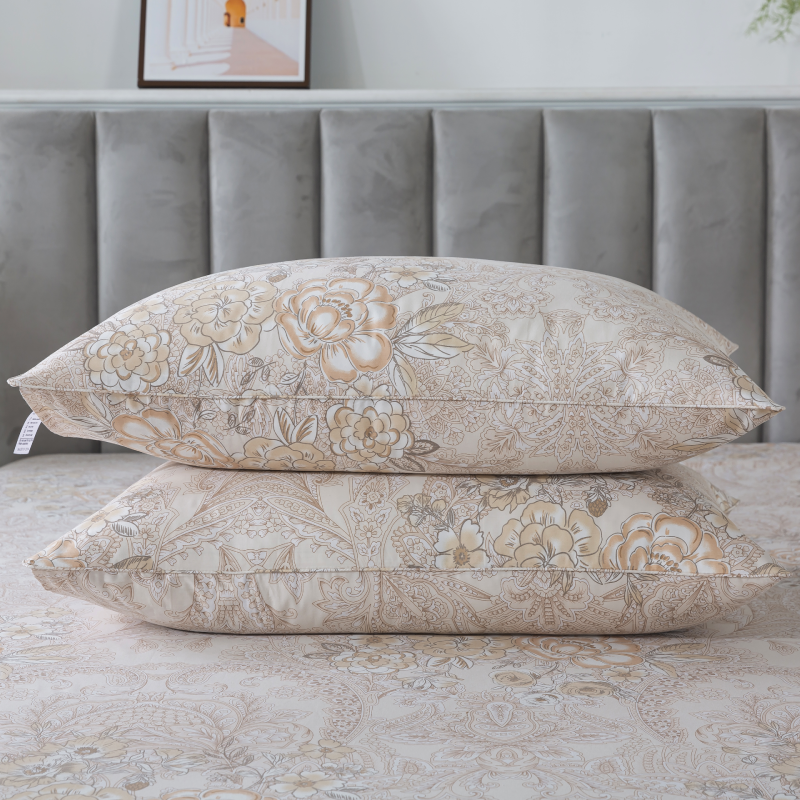
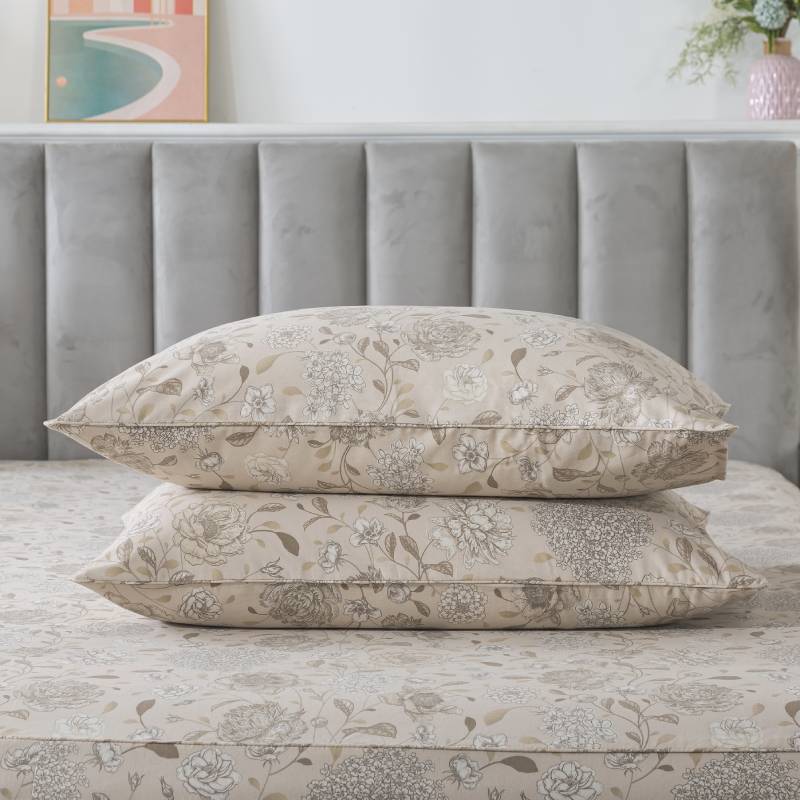
Adding subtle variation—like light patterns or layered textures—creates a more comfortable, less flat experience.
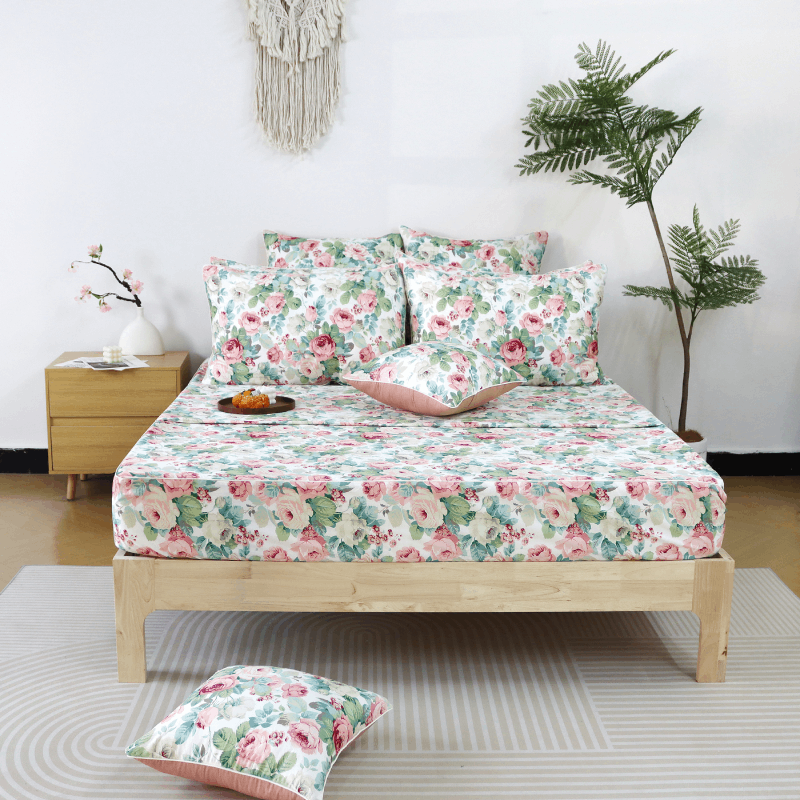
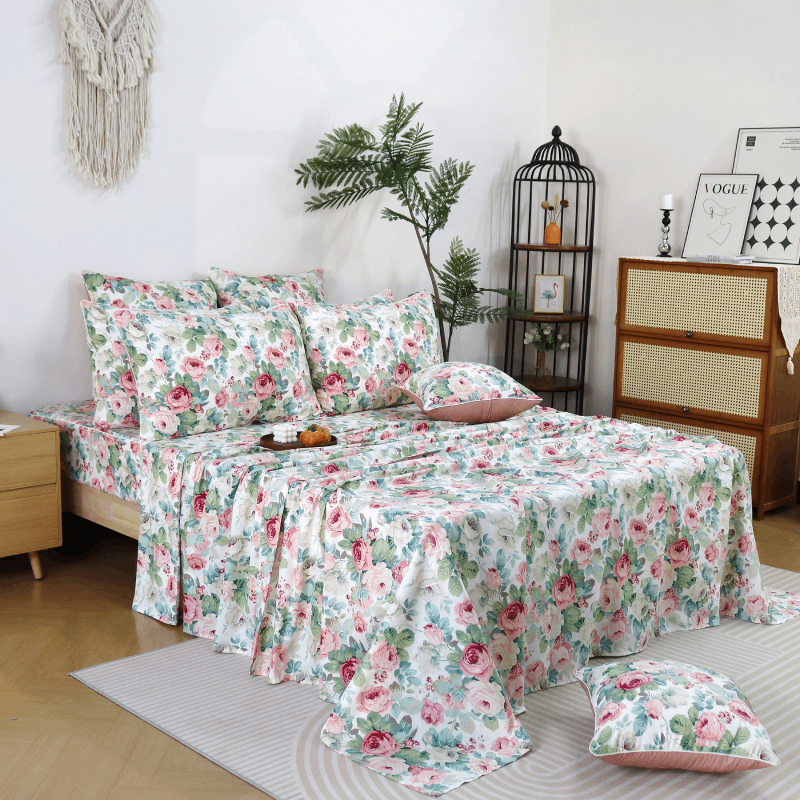
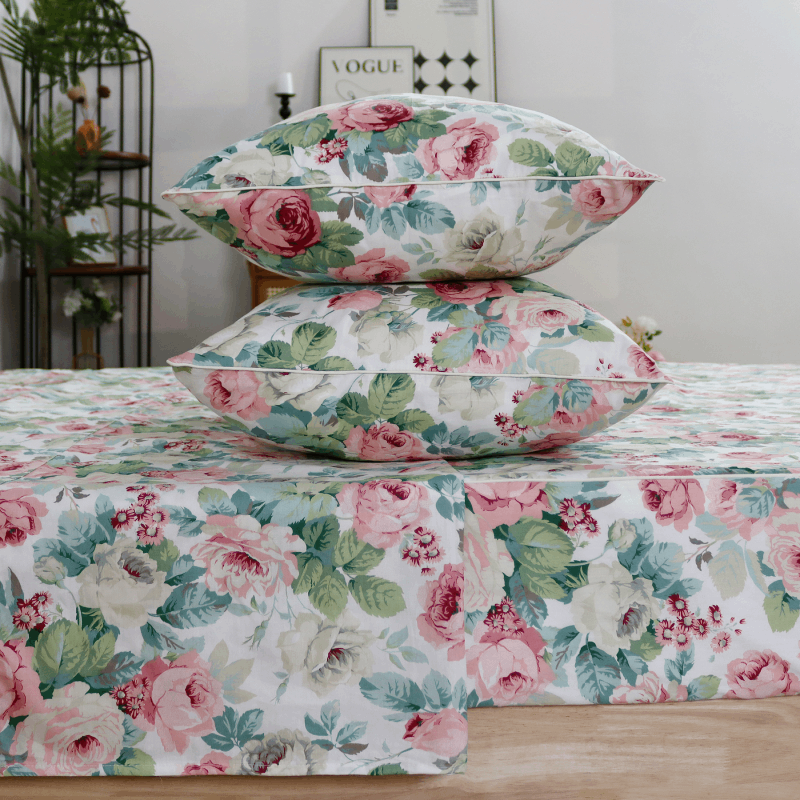
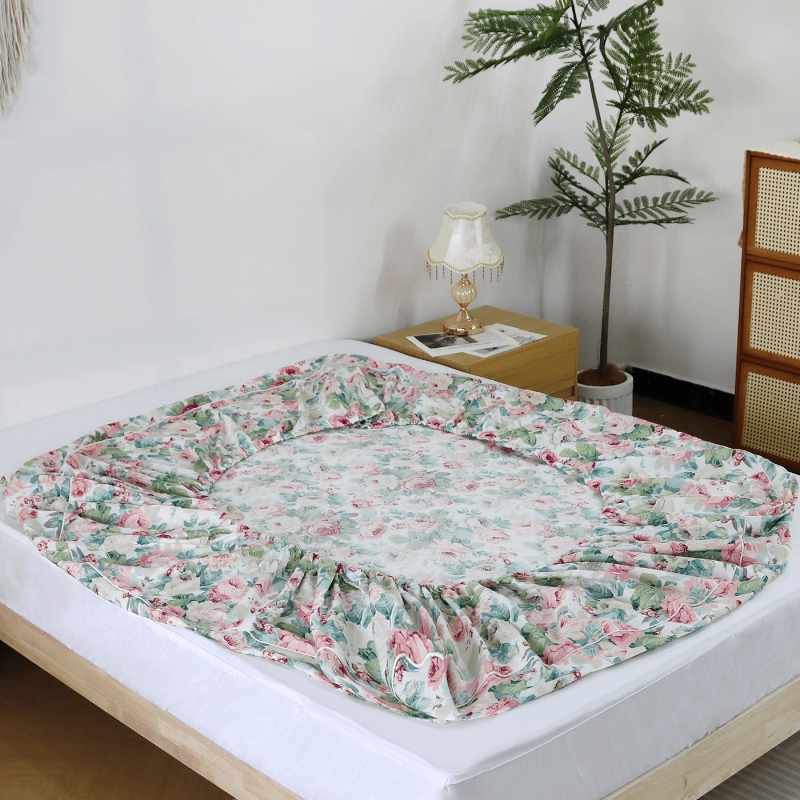
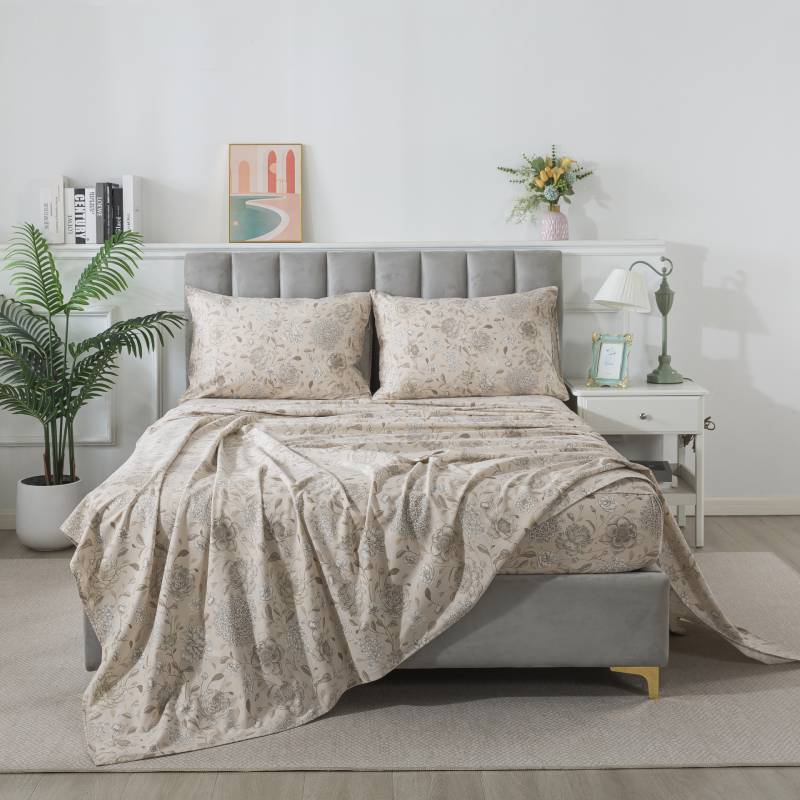
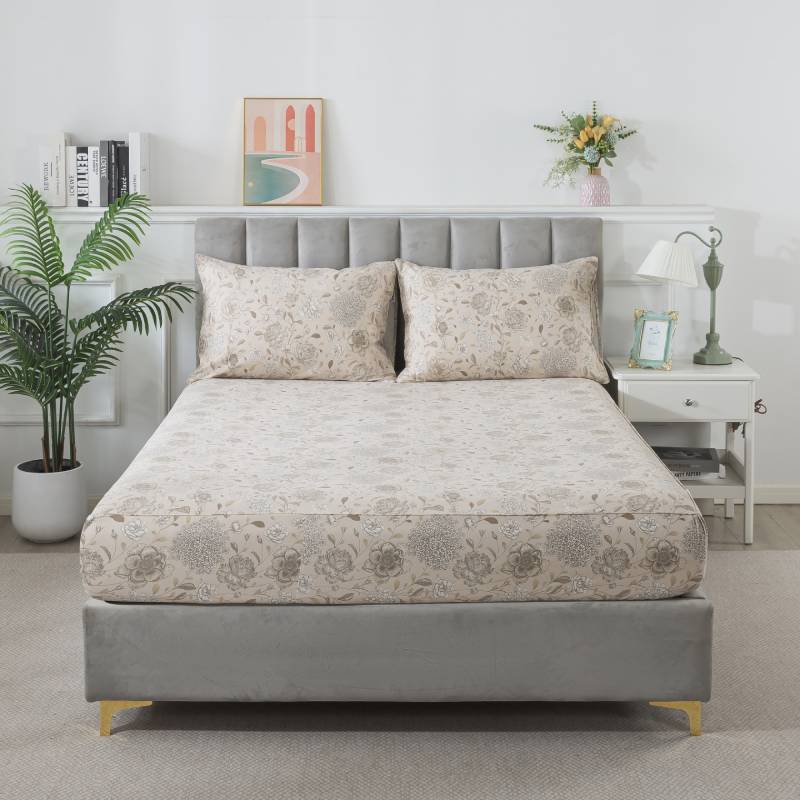
Switching between styles, such as soft florals from
https://fadfay.com/collections/sheet-set
can also refresh how softness feels visually and physically.

Why Some Beds Always Feel Better
Have you ever noticed that some beds just feel… better?
Not dramatically different. Just more comfortable.
That usually comes down to:
-
Well-maintained fabrics
-
Balanced layering
-
Consistent rotation
In other words—a system.
Softness You Can Rely On
The goal isn’t to find the softest sheet once.
It’s to create softness that lasts.
A system gives you:
-
Consistency
-
Longevity
-
Better daily comfort
Instead of chasing softness, you maintain it.
Final Thoughts
Softness isn’t a feature you buy.
It’s a result you build.
Fabric matters—but it’s only the beginning.
Because in the end, the softest bed isn’t the one with the best material.
It’s the one that’s supported by the right system.