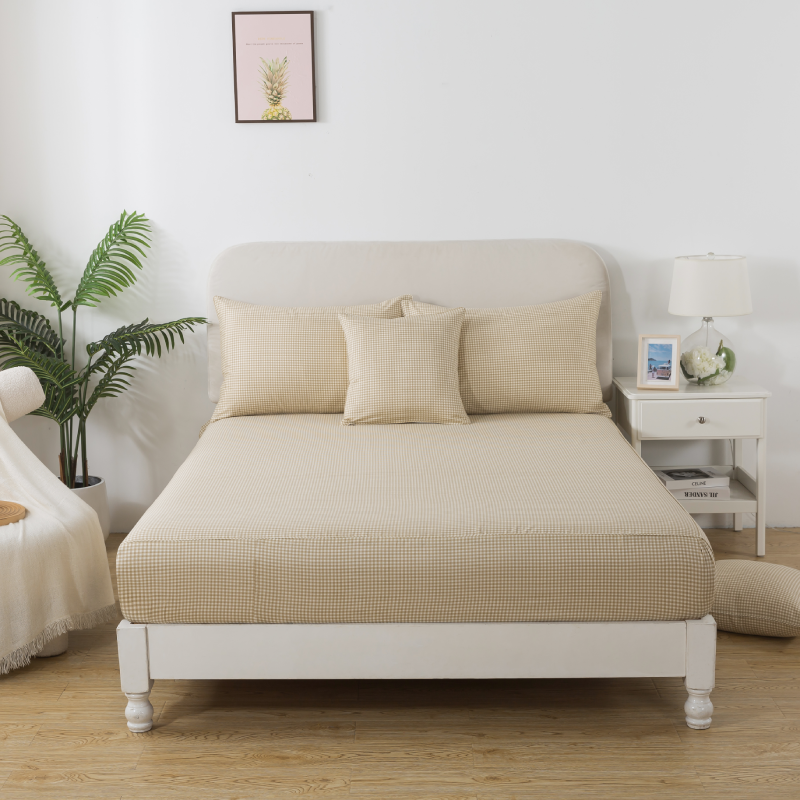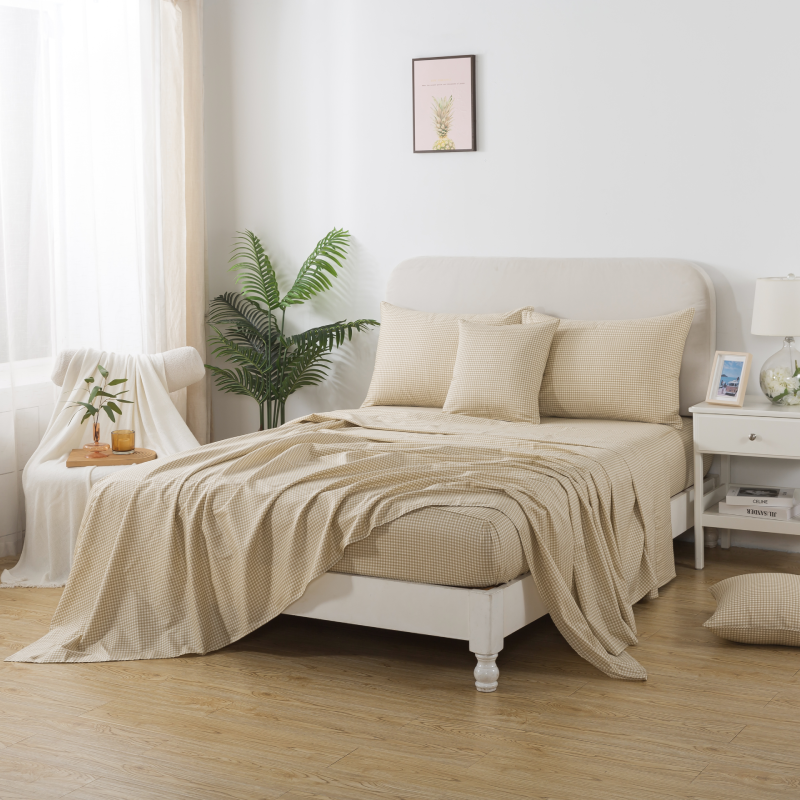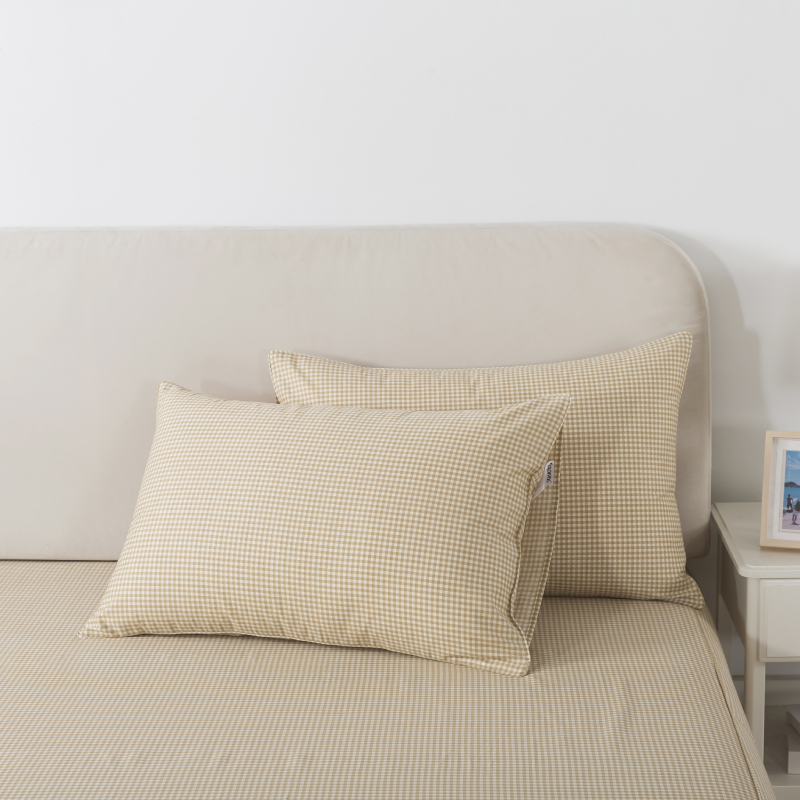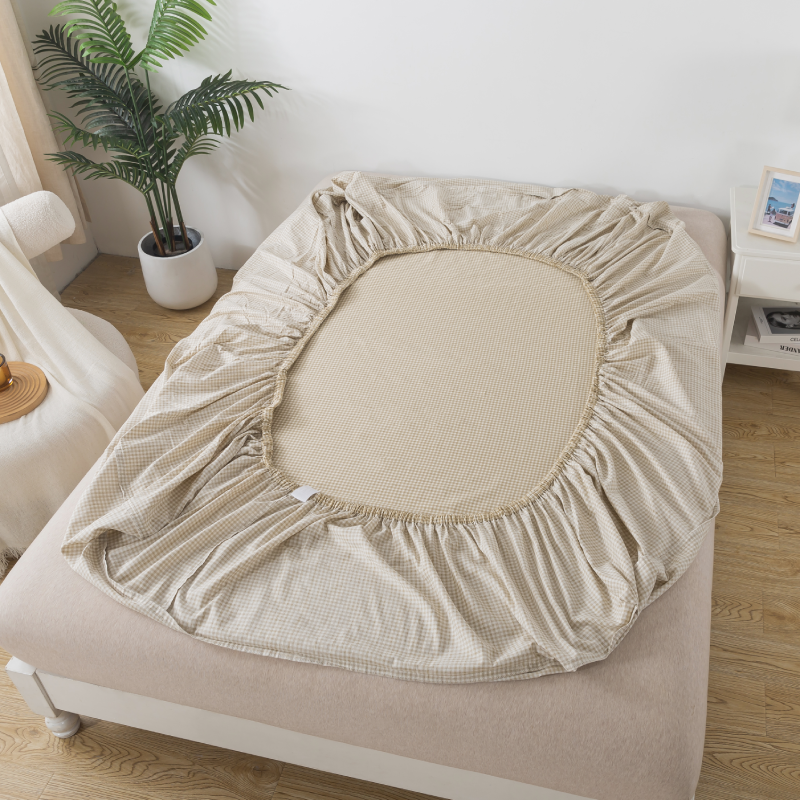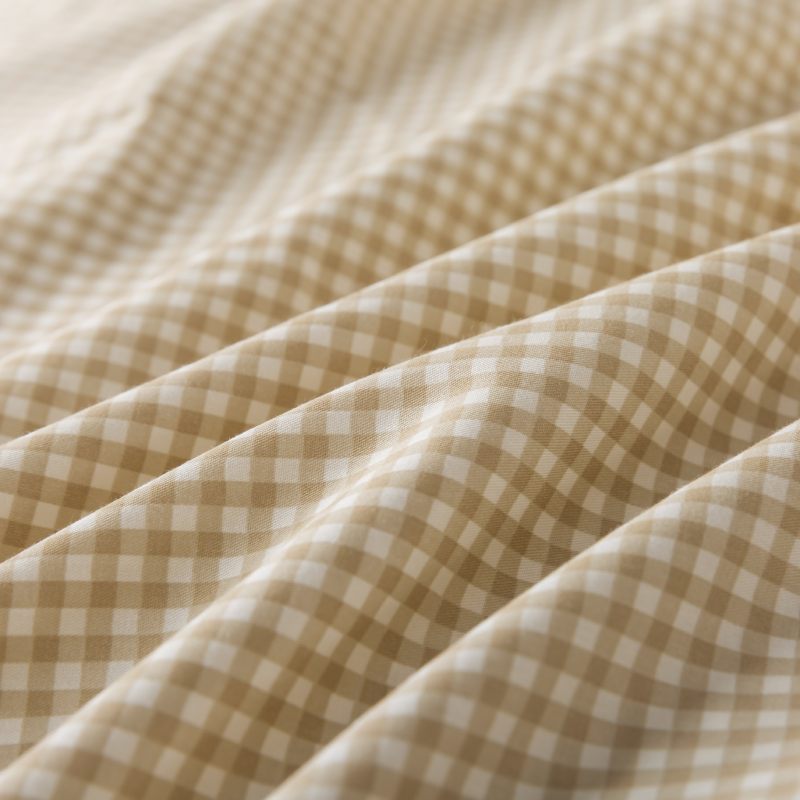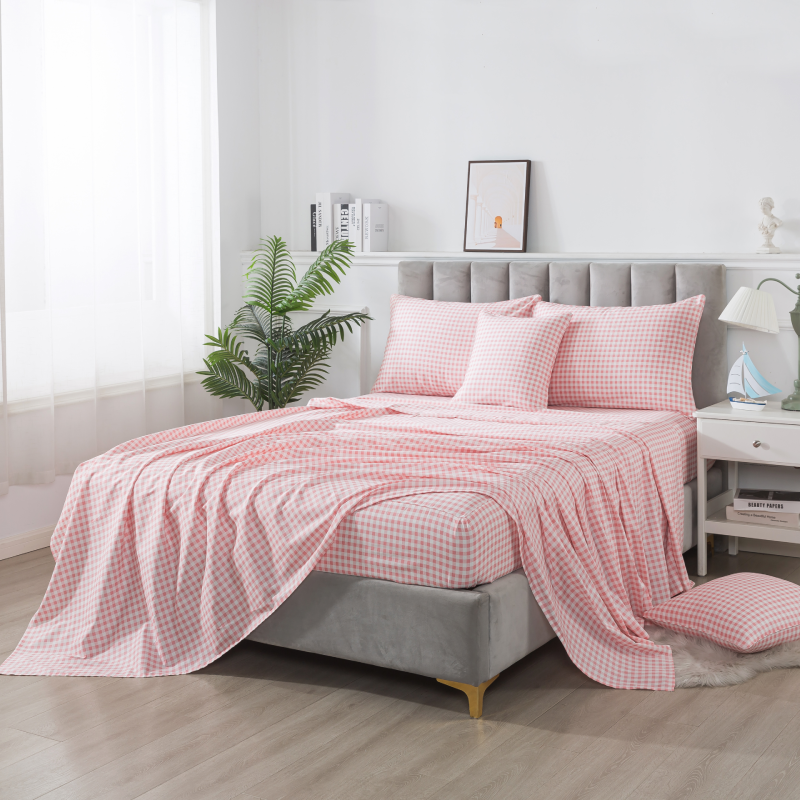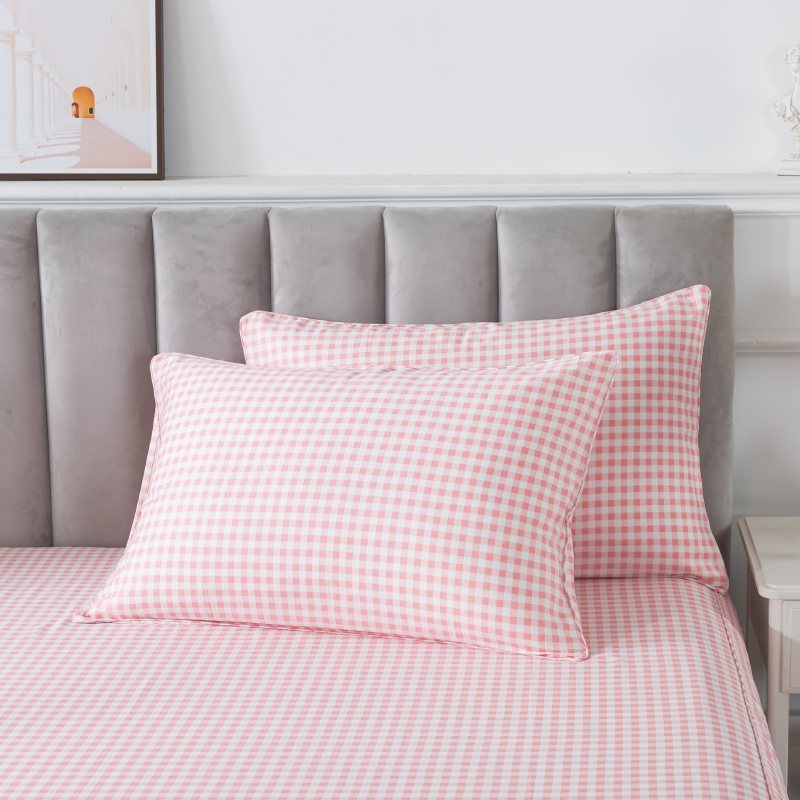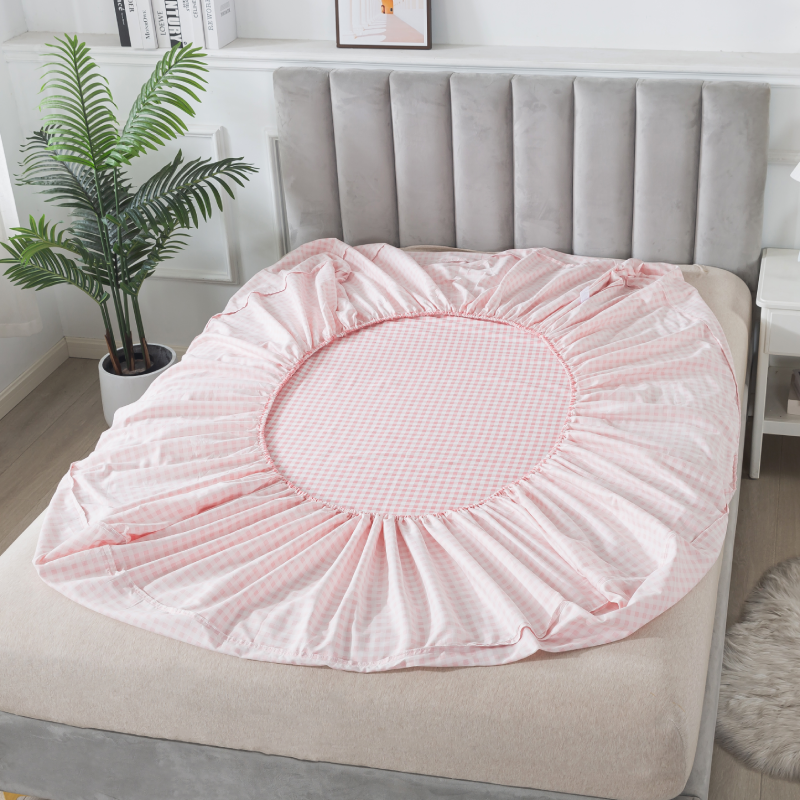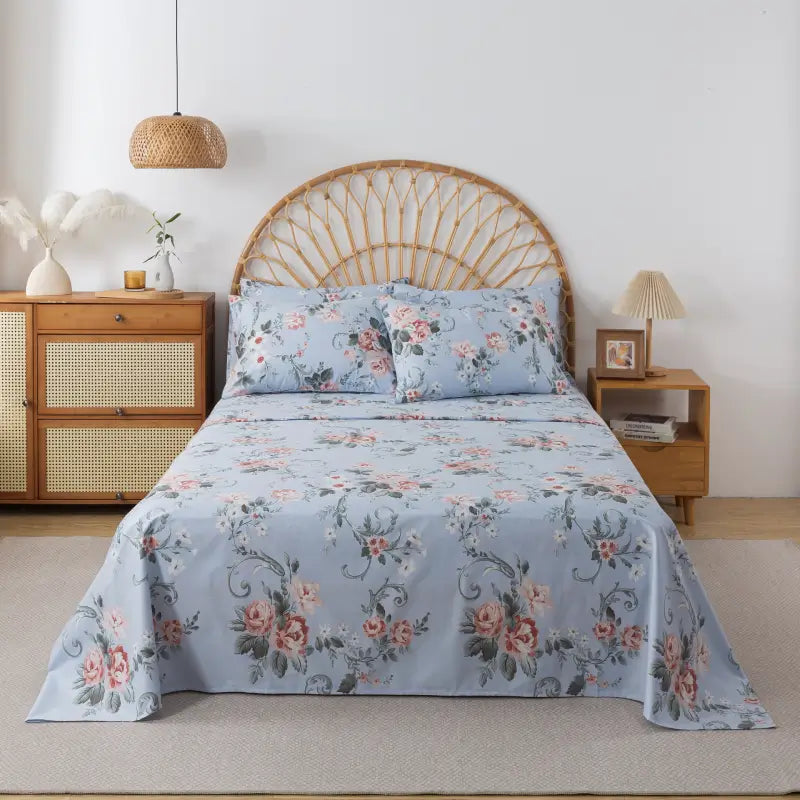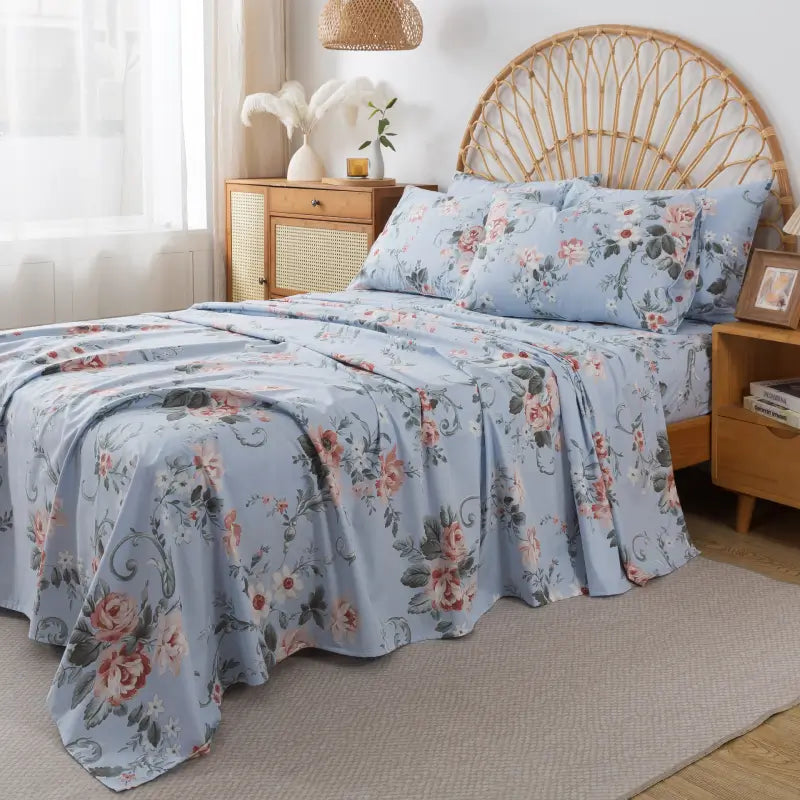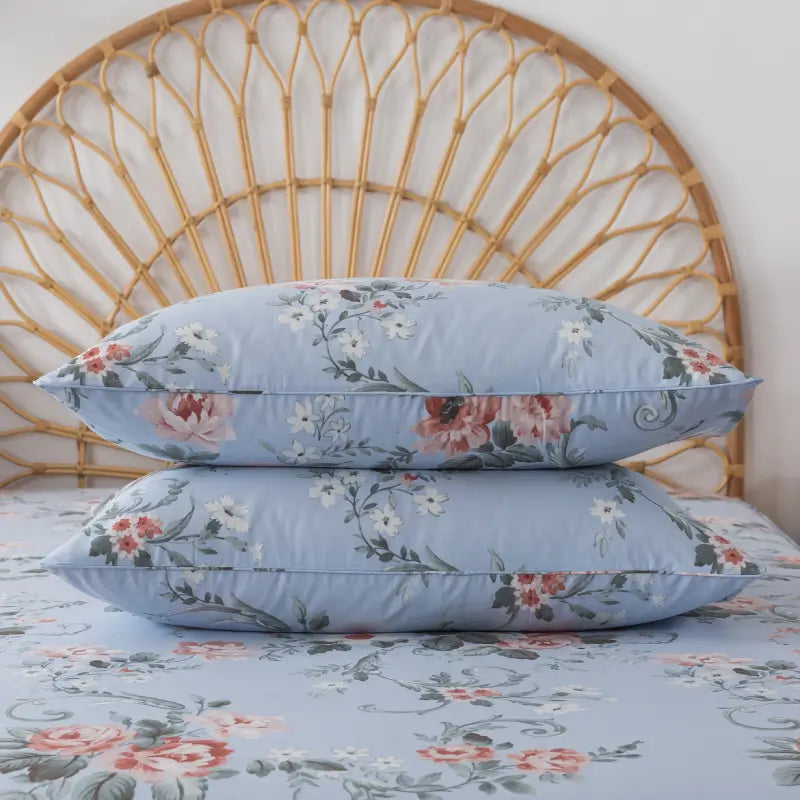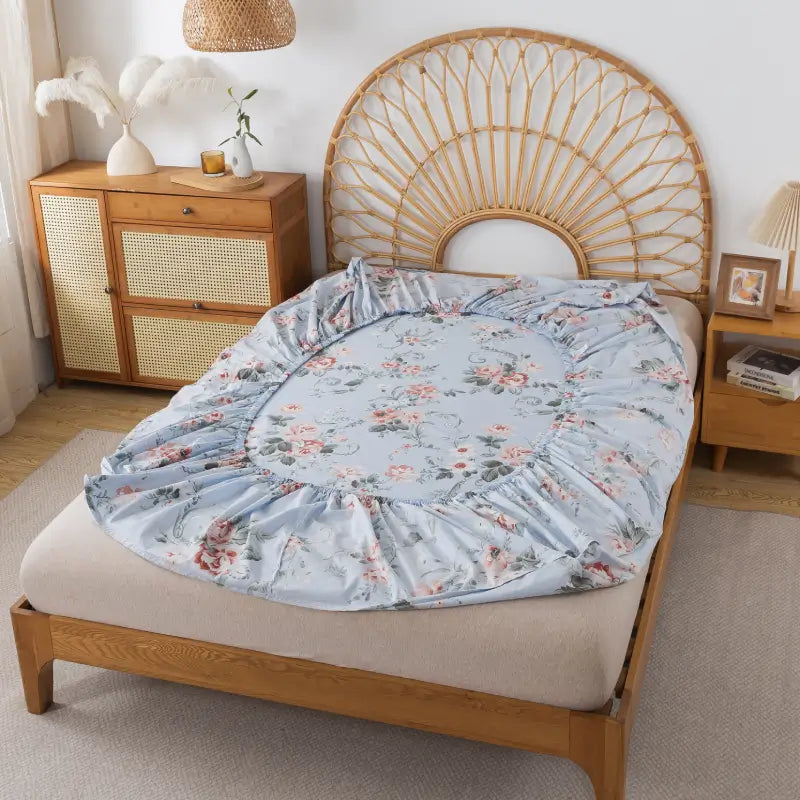
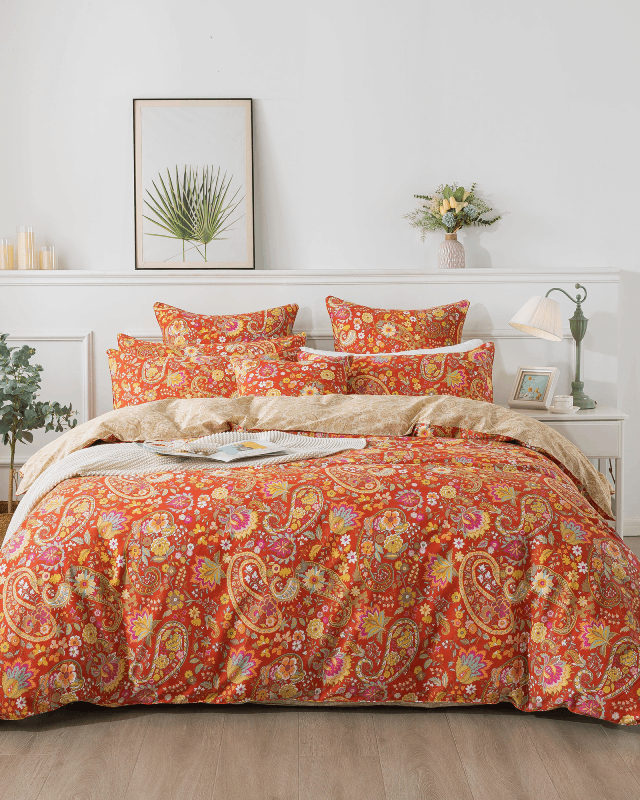
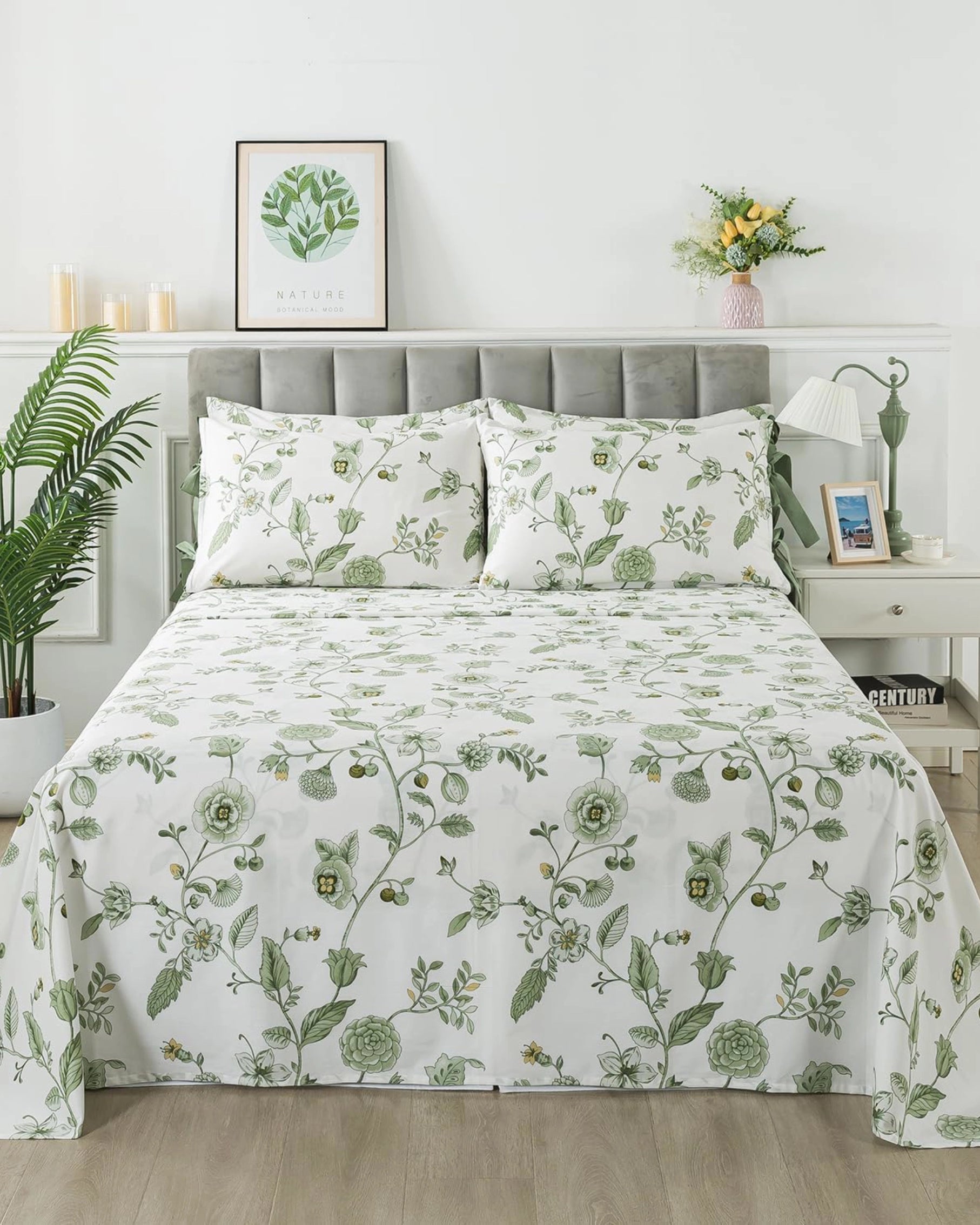


Refreshing your bedroom with each changing season doesn’t have to mean buying all-new furniture or redecorating from scratch. In fact, the most comfortable, lived-in spaces tend to evolve gradually—layer by layer—rather than through dramatic overhauls. With a few thoughtful adjustments, you can make your bedroom feel lighter in spring, cooler in summer, warmer in fall, and more cocooning in winter, all while keeping your core setup intact.
Here’s how to approach seasonal bedroom refreshes in a way that’s practical, sustainable, and genuinely enjoyable.
Start With the Textiles, Not the Furniture
If your bedroom feels tired, the issue is rarely the bed frame or dresser. It’s almost always the textiles. Bedding, throws, rugs, and curtains have the biggest visual and sensory impact—and they’re also the easiest to swap or layer.
Instead of replacing everything, think in terms of rotation:
-
One or two quilt sets you alternate through the year
-
A small collection of pillow covers in different weights
-
Lightweight throws and heavier blankets stored seasonally
This approach keeps your room feeling new without constant purchases.

Adjust Weight and Texture as the Seasons Change
Seasonal comfort is less about color trends and more about how materials feel against your skin.
-
Spring: Choose breathable cottons, lighter quilts, and smoother textures. Even keeping the same bedding, simply removing a heavy layer can make the room feel refreshed.
-
Summer: Focus on airflow and simplicity. Crisp sheets, fewer layers, and uncluttered surfaces help the room feel cool and calm.
-
Fall: Add texture rather than bulk. Think lightly quilted layers, soft throws at the foot of the bed, and fabrics with subtle depth.
-
Winter: Layer instead of replacing. Keep your base bedding and add warmth through extra quilts, textured pillow shams, or a heavier throw.
Small changes in thickness and hand-feel make a big difference in how a space feels seasonally.
Use Color as a Gentle Signal, Not a Statement
You don’t need dramatic color shifts to mark a new season. In fact, subtle changes often feel more natural.
Try adjusting:
-
Pillow covers (warm neutrals in fall, lighter tones in spring)
-
Throws or accent blankets
-
Small decorative objects on nightstands
Keeping your main bedding in a versatile palette allows these smaller elements to do the seasonal work without overwhelming the room.
Let Light Do Some of the Work
Seasonal changes in natural light already affect your bedroom—lean into that instead of fighting it.
-
In brighter months, use lighter curtains or keep windows more open.
-
In darker months, soften artificial lighting with warmer bulbs or an extra bedside lamp.
You’re not redecorating—you’re simply responding to how the room naturally changes throughout the year.
Refresh the Bed Styling, Not the Bed
Sometimes a room feels “stale” simply because it always looks the same. Try restyling what you already own:
-
Fold the quilt halfway instead of fully covering the bed
-
Layer pillows differently
-
Add or remove a throw rather than changing the entire setup
These small styling shifts can make your bed feel new without adding anything at all.
Keep a Consistent Base
The key to refreshing without replacing is having a stable foundation:
-
A bed frame you love
-
Neutral core bedding
-
A rug that works year-round
When the base stays consistent, seasonal updates feel intentional instead of chaotic—and your room always feels like your space.
Store With Intention
Seasonal refreshes work best when storage is simple. Fold off-season textiles neatly and keep them accessible, not buried. When it’s easy to rotate items, you’re more likely to actually do it.
Think of it less as storage and more as a quiet reset waiting for the right moment.
Comfort Is the Real Goal
Refreshing your bedroom isn’t about making it look different for the sake of change. It’s about responding to how you live, how you sleep, and how your needs shift throughout the year.
When your bedroom evolves gently—through texture, weight, and small visual cues—it stays comfortable, familiar, and deeply personal. And that’s something no full replacement could ever improve.