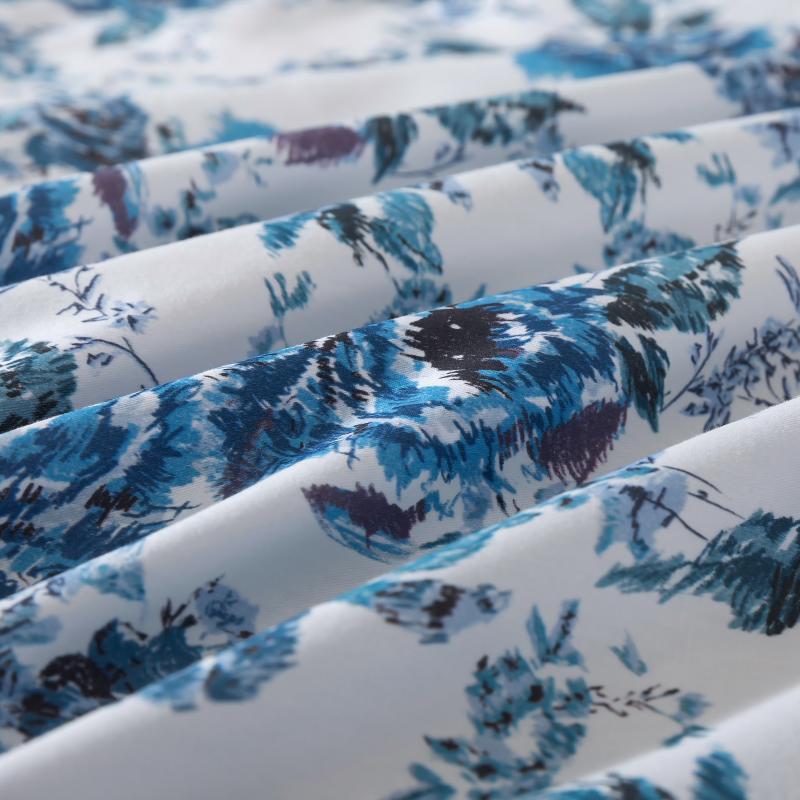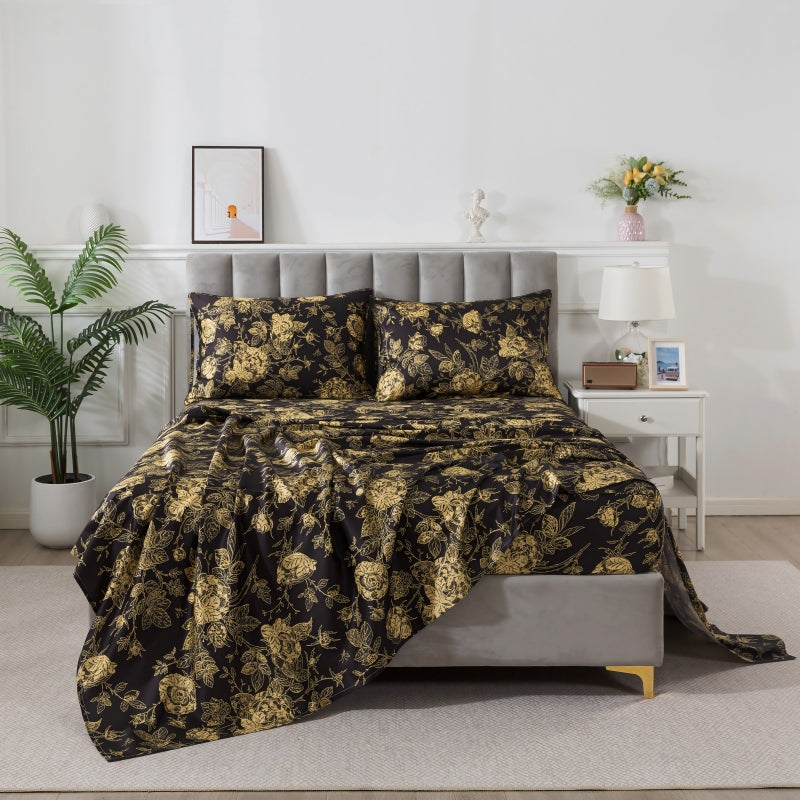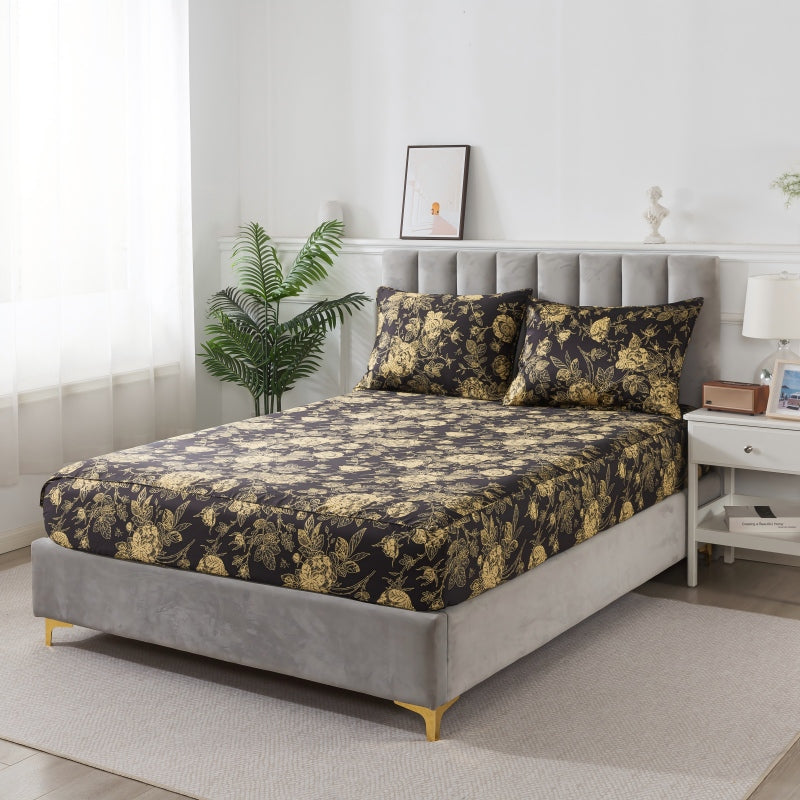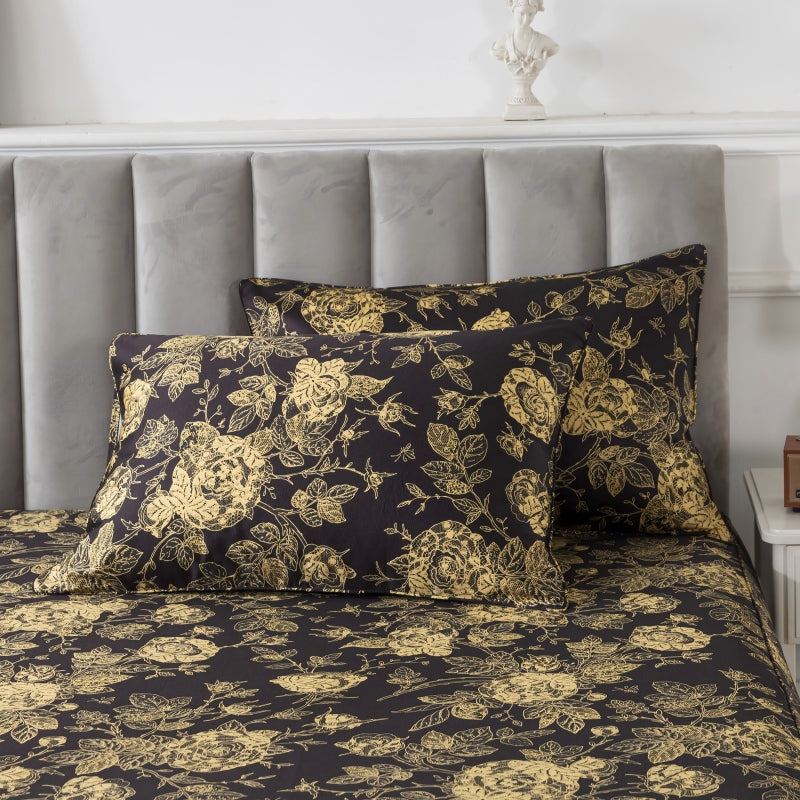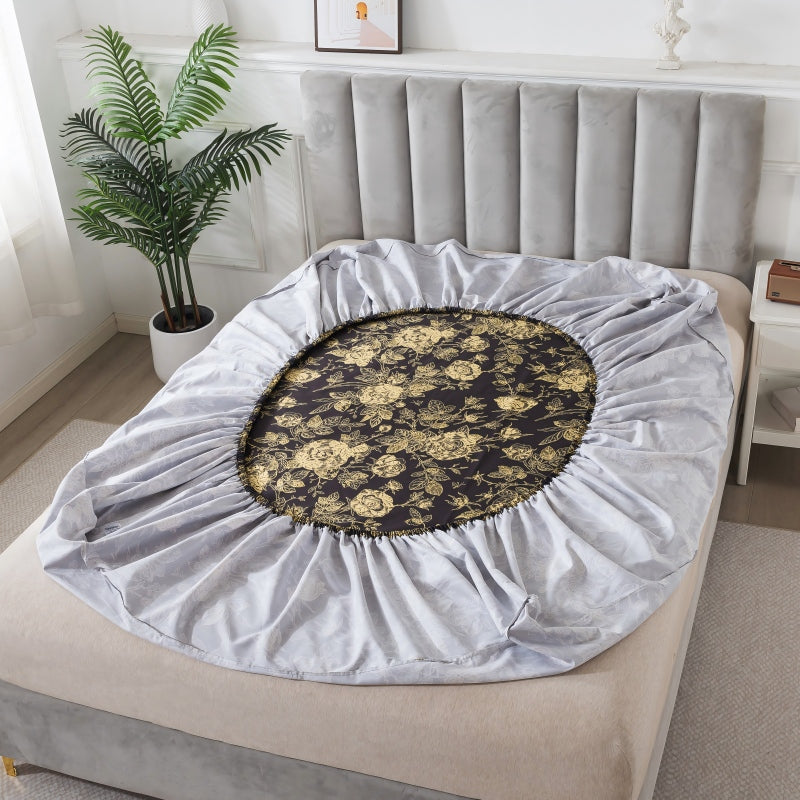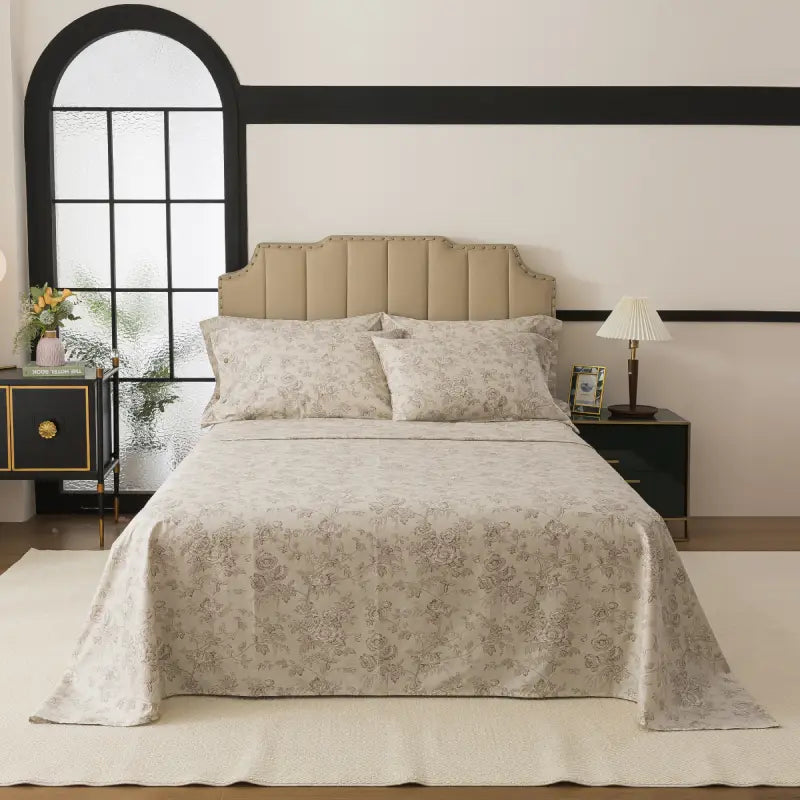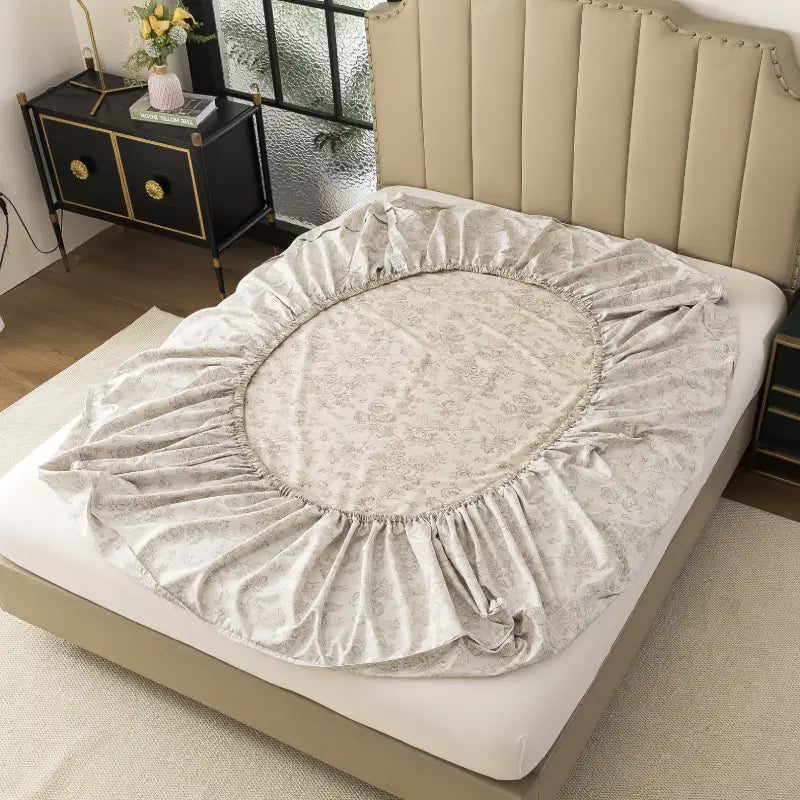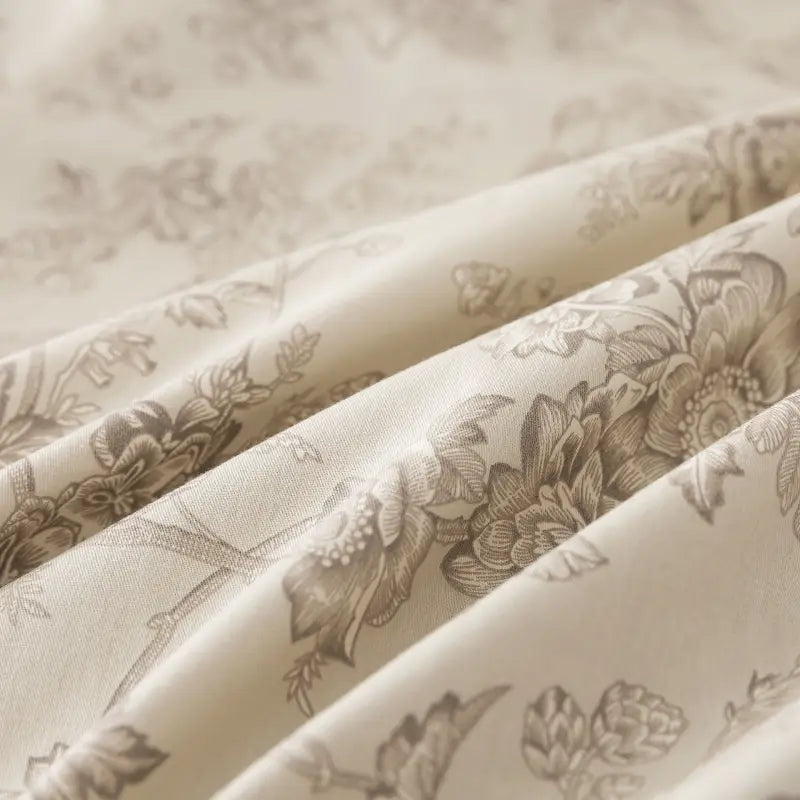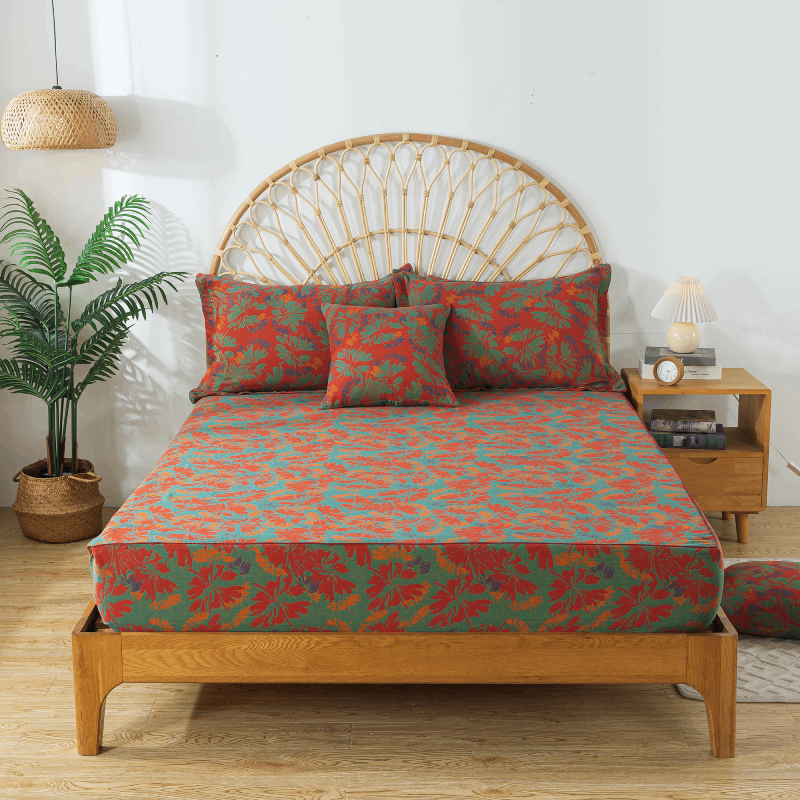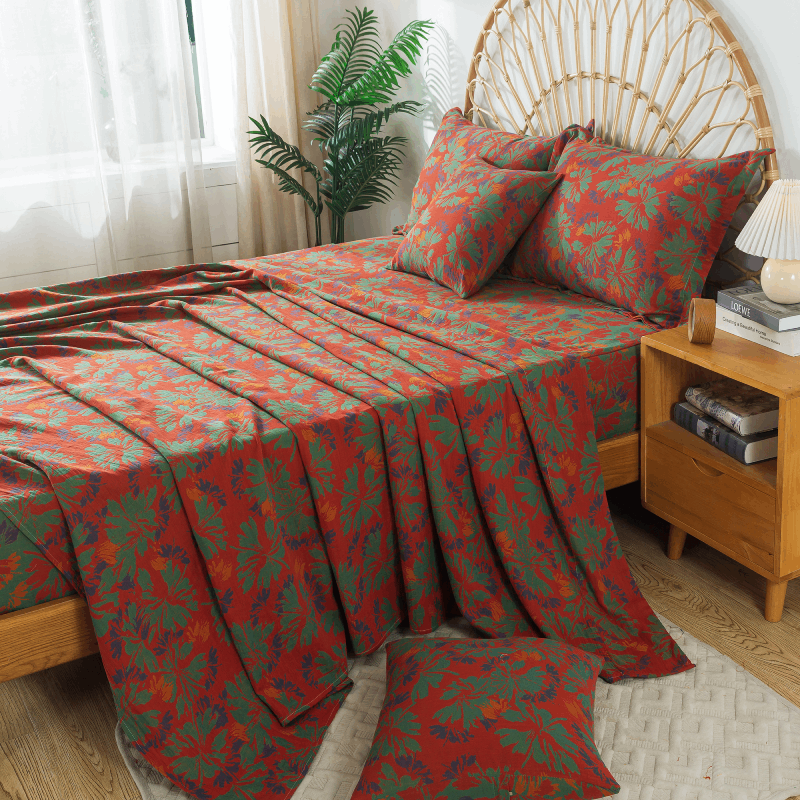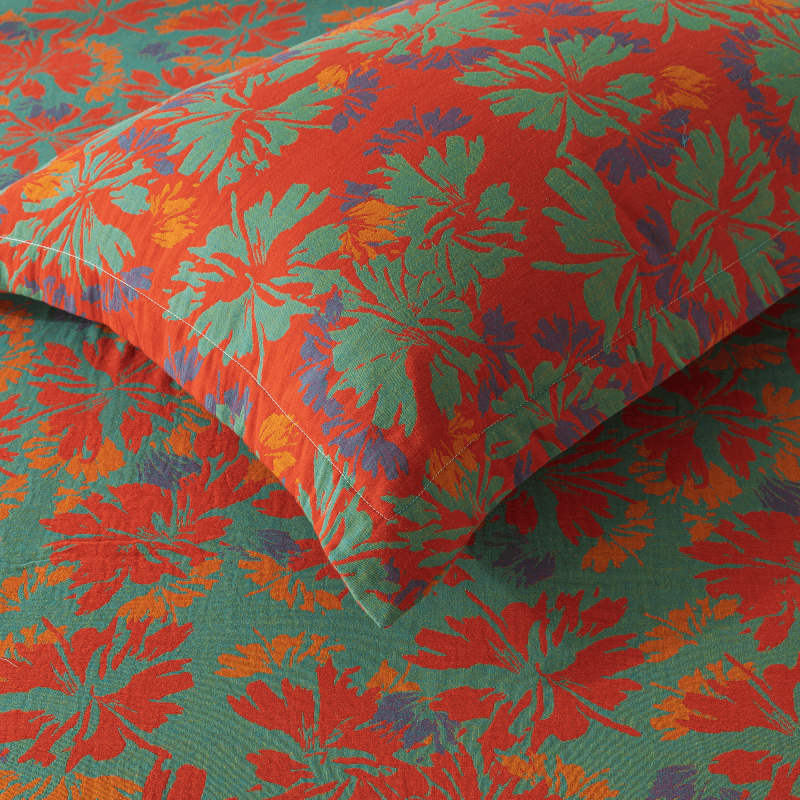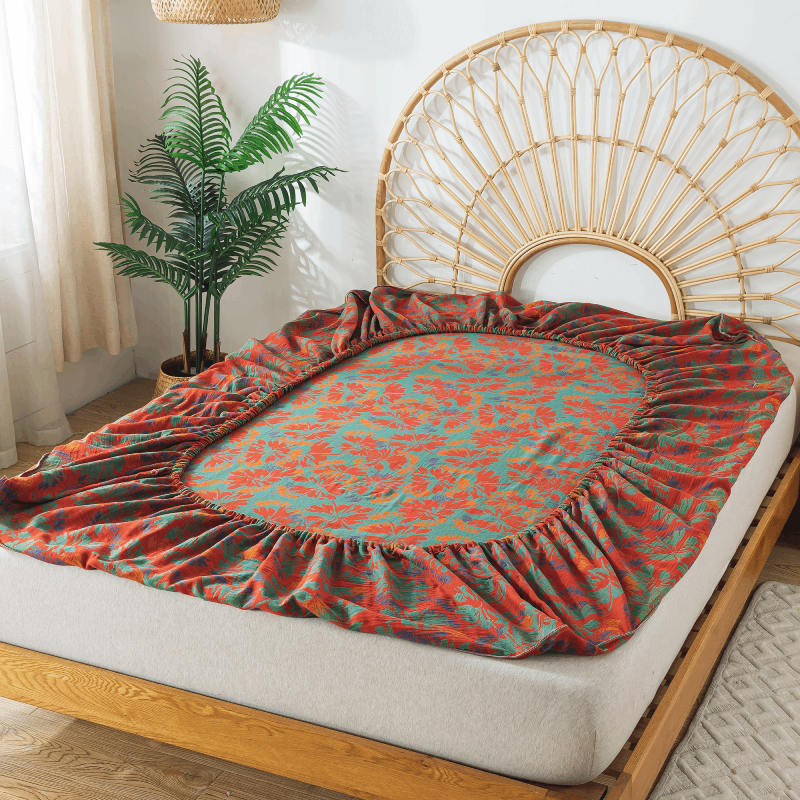
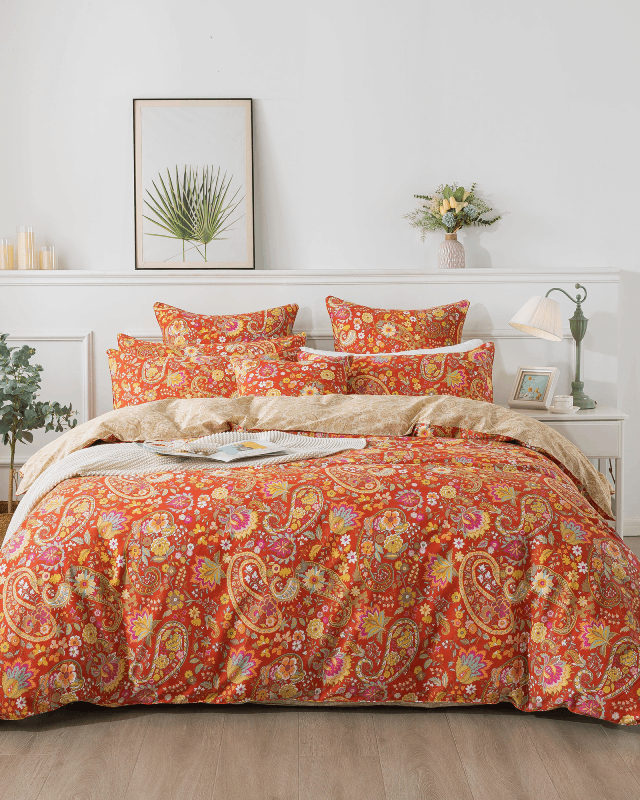
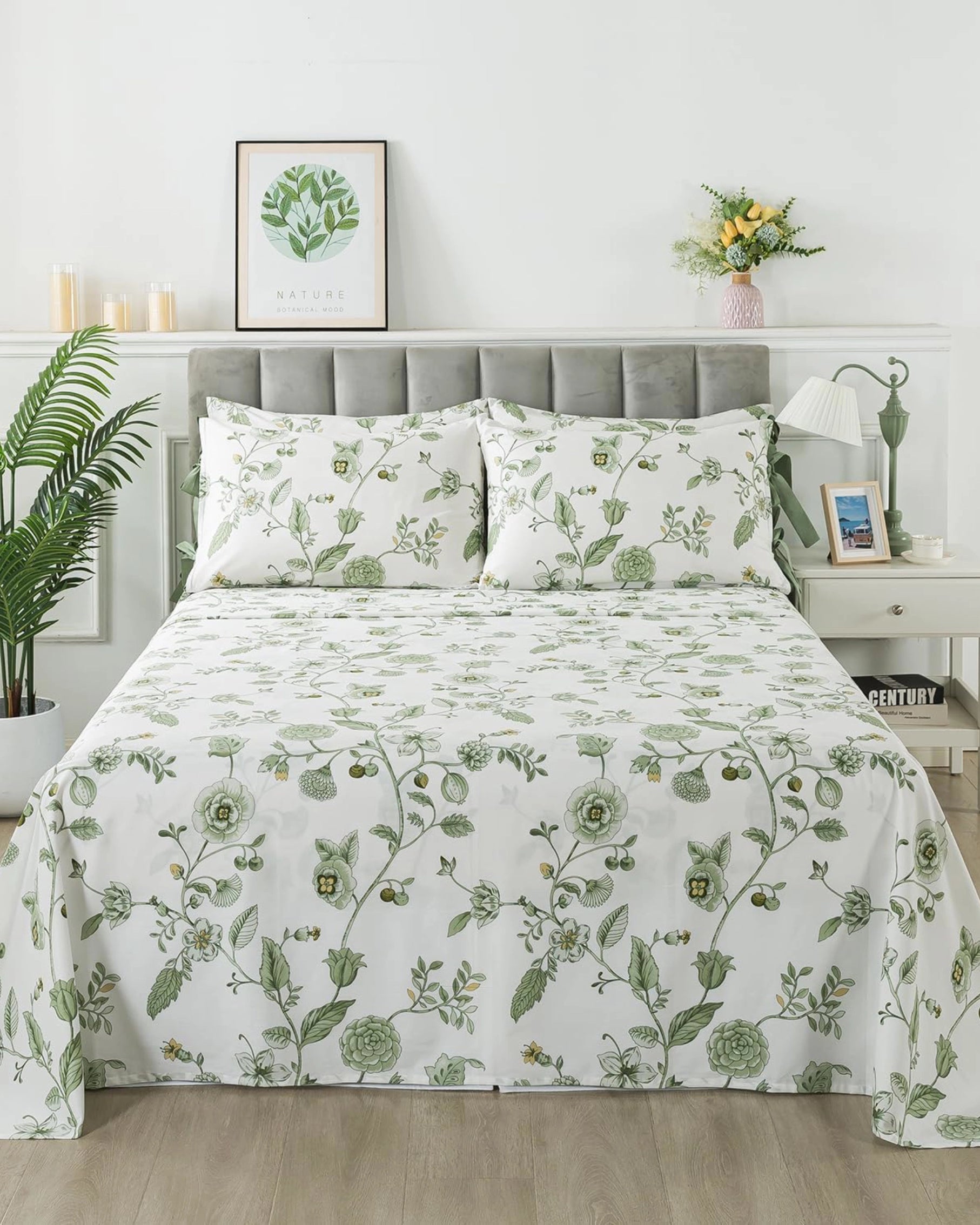


Mixing floral sheets with plain quilts and duvets is one of the easiest ways to create a bedroom that feels inviting, balanced, and thoughtfully styled. Floral bedding brings movement and personality, while solid-colored layers help calm the overall look.
The key is not simply choosing pieces you like individually. It is making sure the colors, scale, texture, and visual weight work together. With a few simple styling principles, floral sheets can become a versatile foundation for bedrooms ranging from romantic cottage style to clean modern interiors.
Start with the Colors in Your Floral Sheets
The easiest way to choose a plain quilt or duvet is to look closely at the floral pattern itself.
Most floral sheets contain several colors: a background shade, one or two dominant flower colors, and smaller accent tones. Instead of introducing a completely unrelated solid color, choose one that already appears in the print.
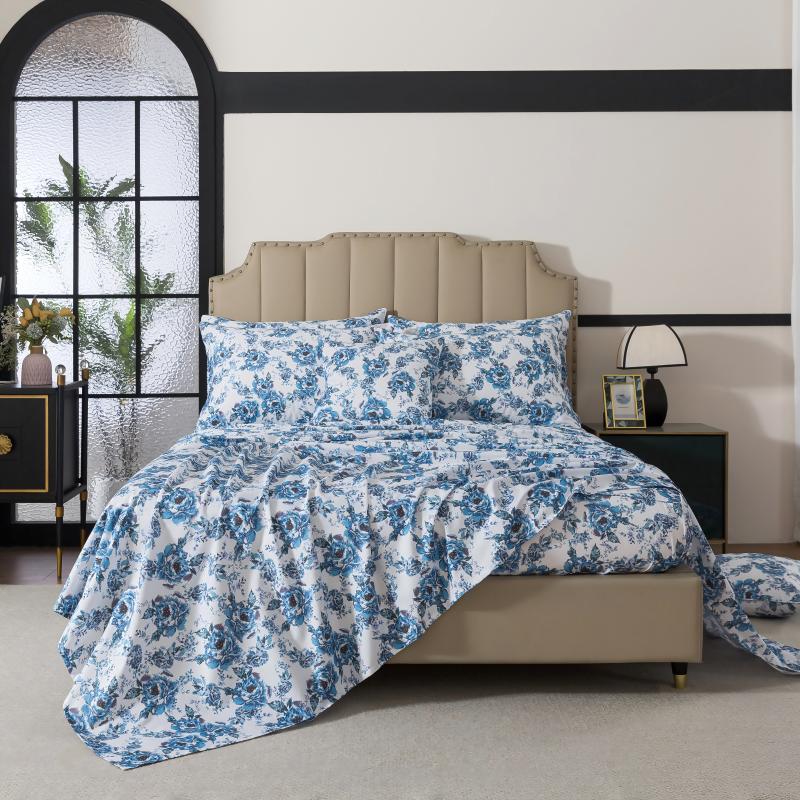
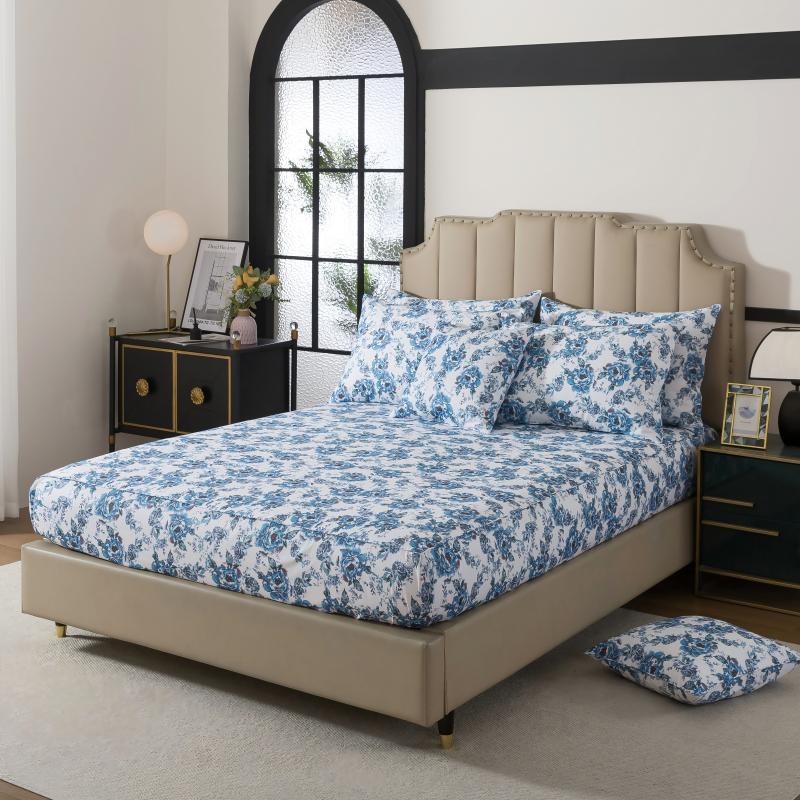
For example, floral sheets with soft green leaves can pair beautifully with a sage or muted green quilt. A pattern containing blue flowers may look especially cohesive with a dusty blue duvet.
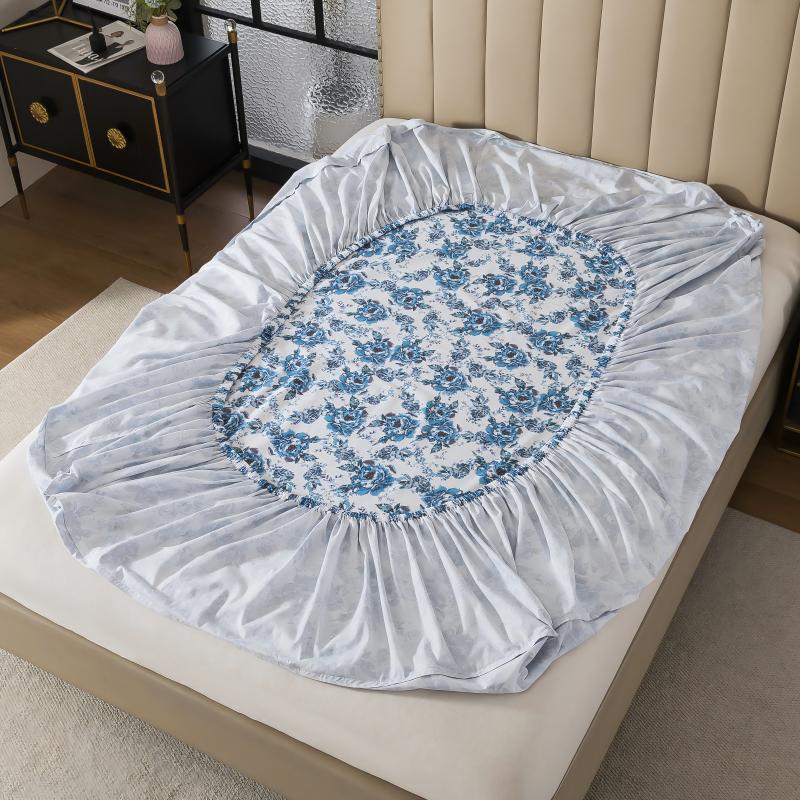
You can also choose the background color of the sheets for a quieter combination. This creates a more seamless appearance while allowing the flowers to remain the visual focus.
Let One Layer Be the Star
When floral sheets are visually detailed, the quilt or duvet does not need to compete for attention.
A plain outer layer creates breathing room around the pattern and prevents the bed from feeling overly busy. This is particularly important when the floral print features large blossoms, contrasting colors, or dense botanical details.
Think of the floral sheets as the decorative element and the solid quilt as the visual anchor.
If you prefer a softer bedroom, reverse the emphasis by choosing sheets with a delicate floral pattern and pairing them with a stronger solid color.

Consider the Scale of the Floral Pattern
Floral scale can dramatically change how a bedding combination feels.
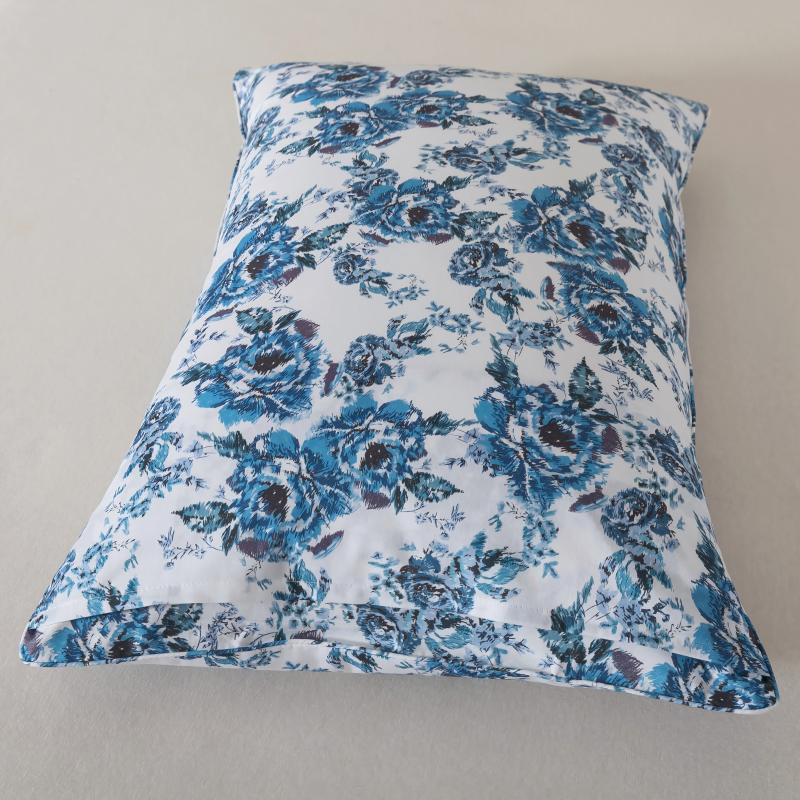
Large floral prints tend to make a stronger statement and work well with simple, understated quilts and duvets. Smaller floral patterns feel more subtle and can usually support slightly richer colors or textured solid layers.
For bedrooms with limited visual space, smaller patterns often create a lighter effect. Larger bedrooms can handle more dramatic botanical designs without appearing crowded.
The goal is balance rather than matching every element perfectly.
Use Neutral Quilts for an Easy Combination
When you are unsure which color to choose, neutral bedding is usually the safest option.
White, ivory, cream, beige, soft gray, and other understated shades can complement many floral patterns. They allow colorful prints to stand out while keeping the overall bedroom calm.
A white or cream quilt paired with floral cotton sheets can create a fresh farmhouse or cottage-inspired appearance. Beige and warm neutrals can make the same floral pattern feel more relaxed and earthy.
Neutral colors are also useful if you enjoy changing sheets seasonally because the same quilt can work with multiple prints.
Add Texture Instead of More Pattern
Plain does not have to mean visually flat.
A solid quilt with channel stitching, subtle embroidery, matelassé texture, puckering, or lightweight quilting can add dimension without competing with floral sheets.
Texture becomes especially useful when the color palette is simple. For example, white floral sheets paired with an ivory textured quilt may use very little color variation but still feel layered and sophisticated.
Cotton is particularly effective for this type of styling because its natural texture contributes to a relaxed, comfortable appearance.
Coordinate Pillowcases and Shams
Pillows provide another opportunity to connect the different bedding layers.
One approach is to use floral pillowcases that match the sheets, then place solid shams behind them in the same color as the quilt or duvet.
Another option is to use solid pillowcases and allow only a folded section of floral sheets to remain visible near the top of the bed.
These small changes can make the same bedding combination feel either decorative or minimal.
Fold the Quilt to Reveal the Pattern
You do not have to cover floral sheets completely.
Folding the quilt or duvet slightly below the pillows allows the printed top sheet or floral pillowcases to remain visible. This creates a layered look while maintaining the simplicity of the solid outer bedding.
You can also fold the quilt across the lower half of the bed for a more relaxed style.
This technique works especially well when you want to showcase a floral pattern without making it dominate the entire room.
Adjust the Combination with the Seasons
One advantage of mixing floral sheets with plain bedding is how easily the look can change throughout the year.
In spring and summer, floral sheets can be paired with white, pale blue, soft green, or lightweight neutral quilts for an airy appearance.
During fall, warmer solids such as beige, muted terracotta, or earthy green can make botanical prints feel more seasonal.
In winter, deeper colors and heavier quilted textures can create a warmer atmosphere while the floral pattern keeps the bedroom from becoming too dark.
Keep the Rest of the Room Balanced
Bedding is usually the largest textile feature in a bedroom, so it should work with the surrounding décor.
If your floral sheets are colorful, consider keeping curtains, rugs, and large furniture relatively simple. Small decorative details such as cushions, artwork, or flowers can repeat one or two colors from the bedding without recreating the entire pattern.
A well-designed bedroom does not require everything to match. Instead, repeating a limited palette throughout the room creates visual continuity.
Final Thoughts
Floral sheets and plain quilts or duvets naturally complement each other because they provide two different visual functions. The floral pattern introduces personality, while the solid layer creates structure and calm.
Start by selecting a color already found in your floral sheets, pay attention to the scale of the print, and use texture to add depth without adding unnecessary pattern. Neutral quilts offer maximum flexibility, while coordinated solid colors can produce a more intentional, expressive bedroom.
With the right balance, floral bedding can feel fresh rather than busy—creating a bed that is comfortable, layered, and easy to update as your style or the seasons change.