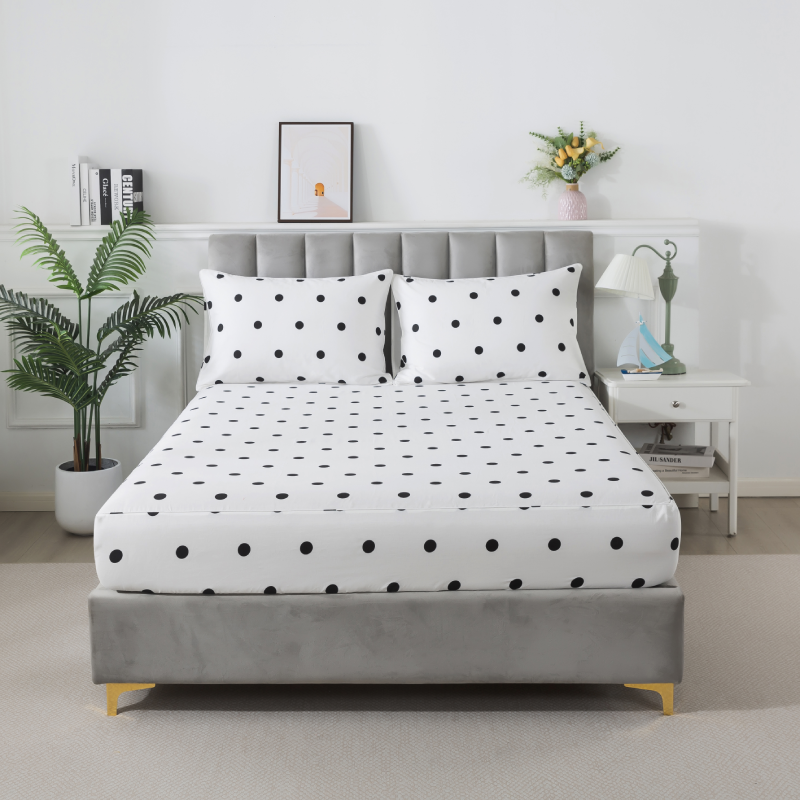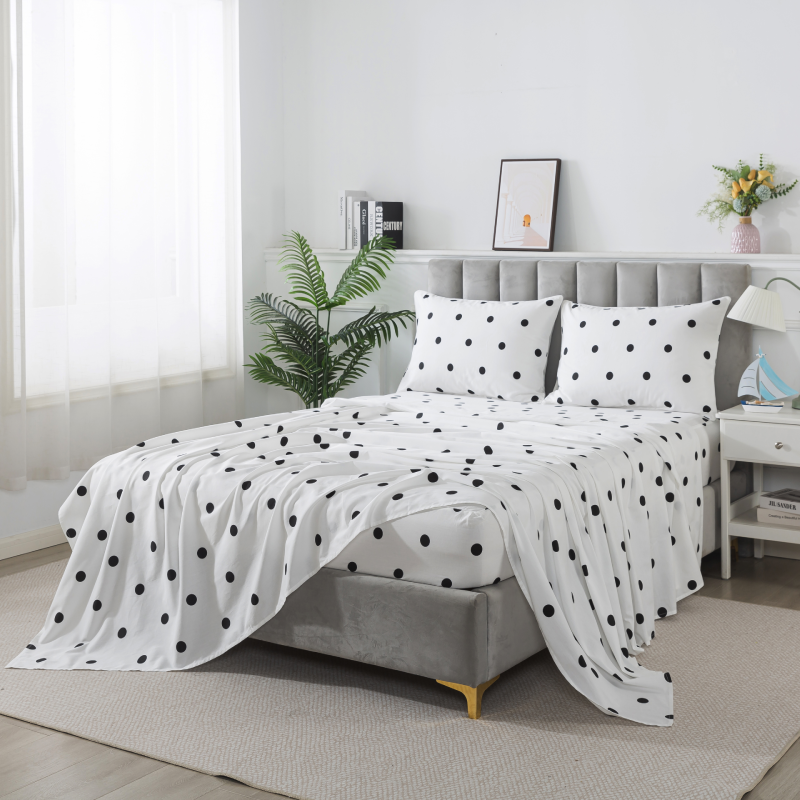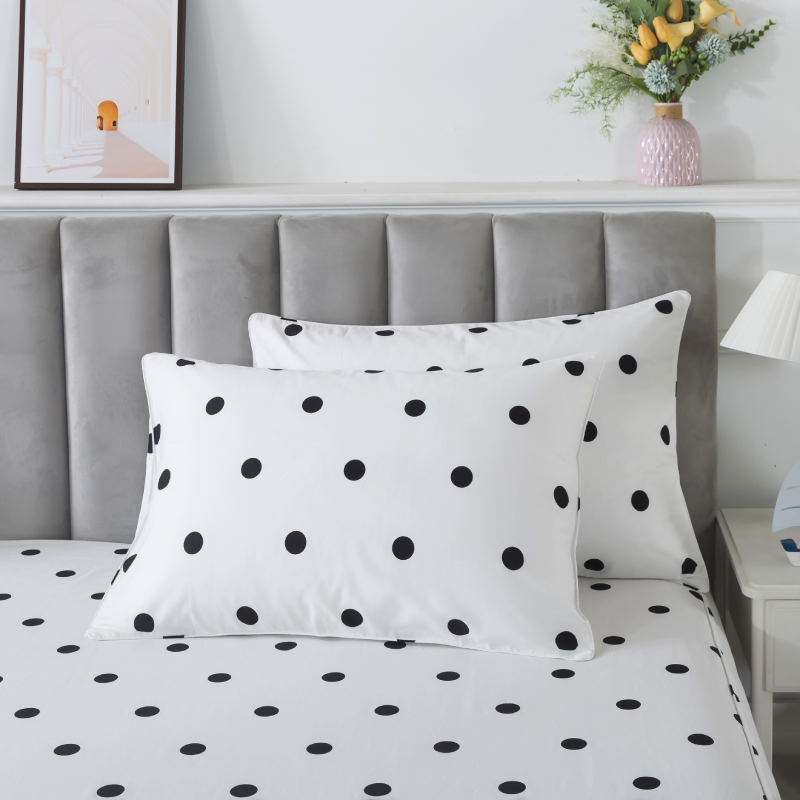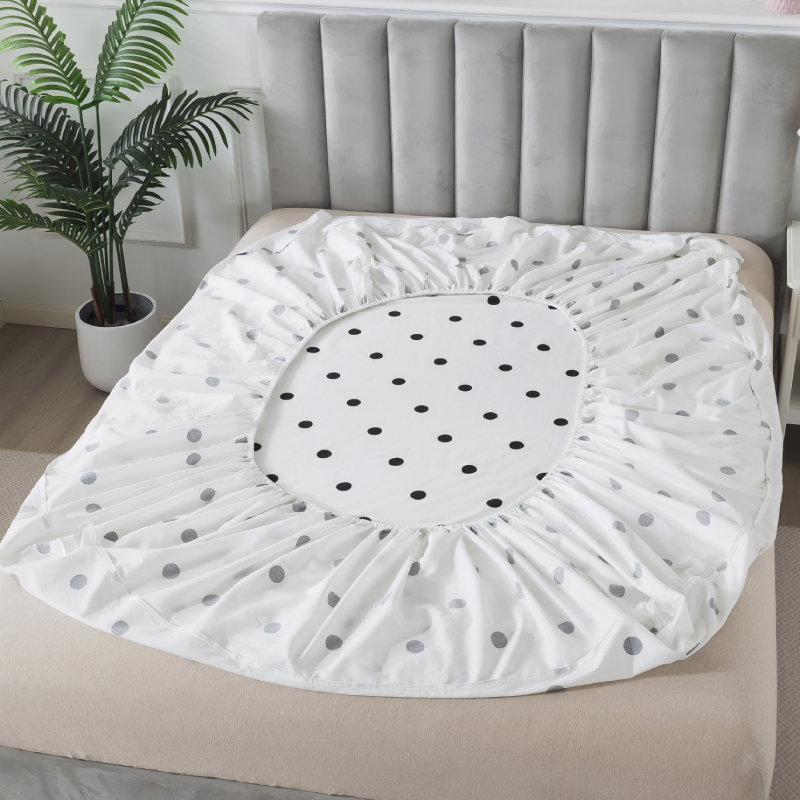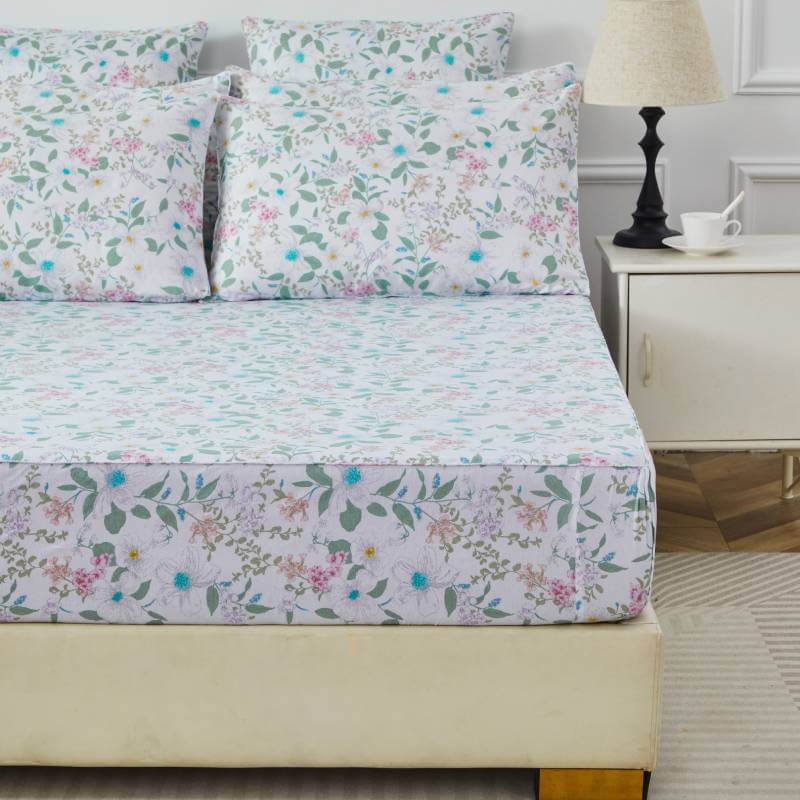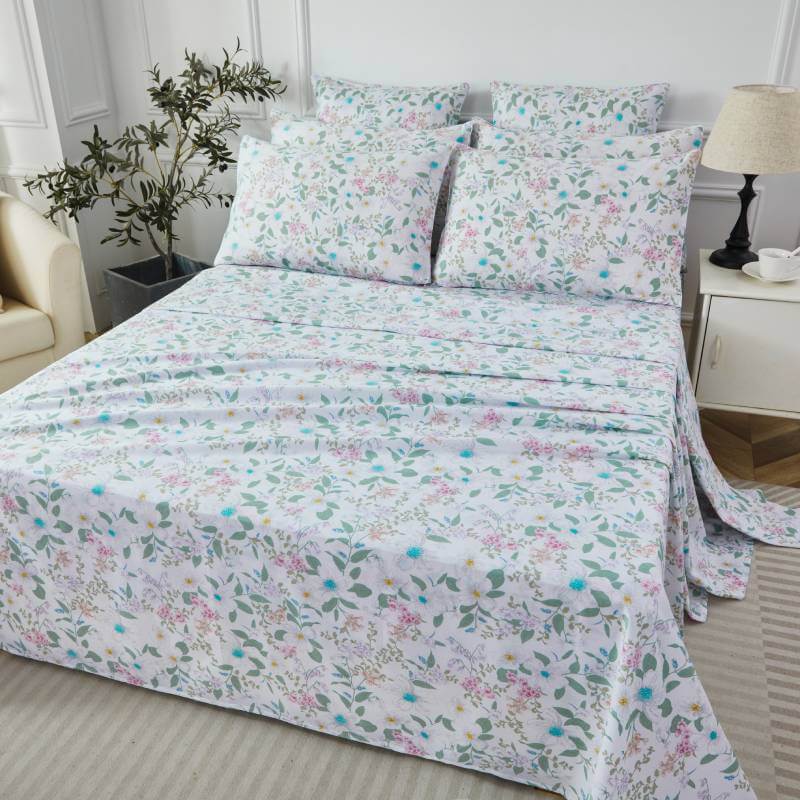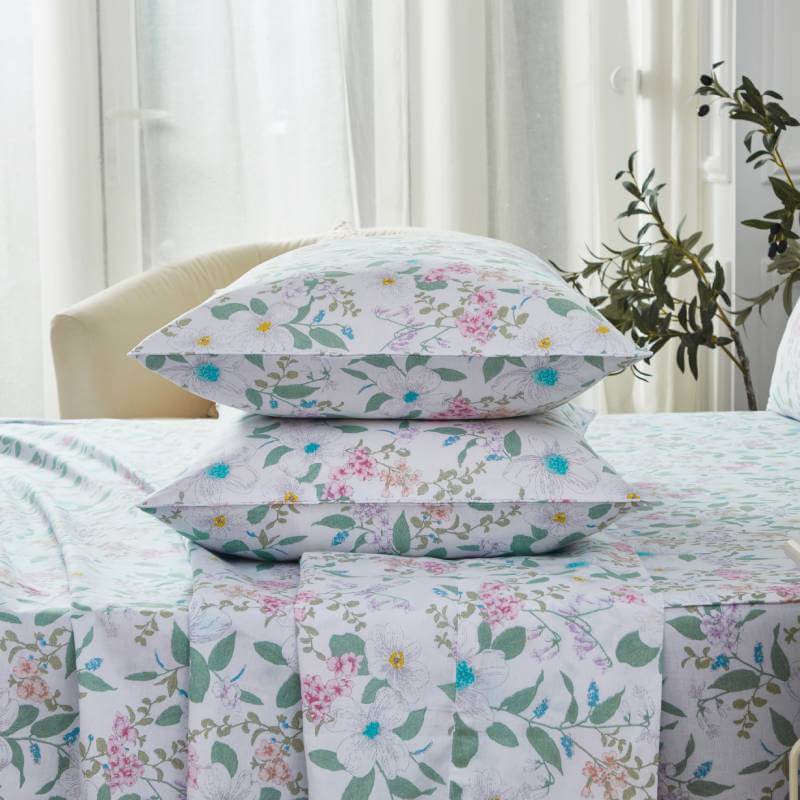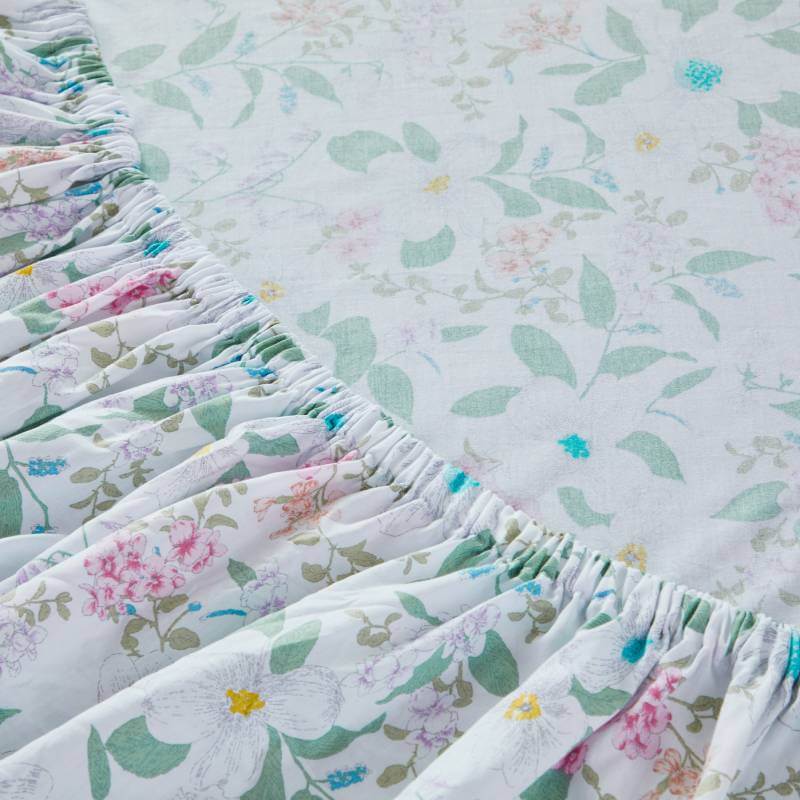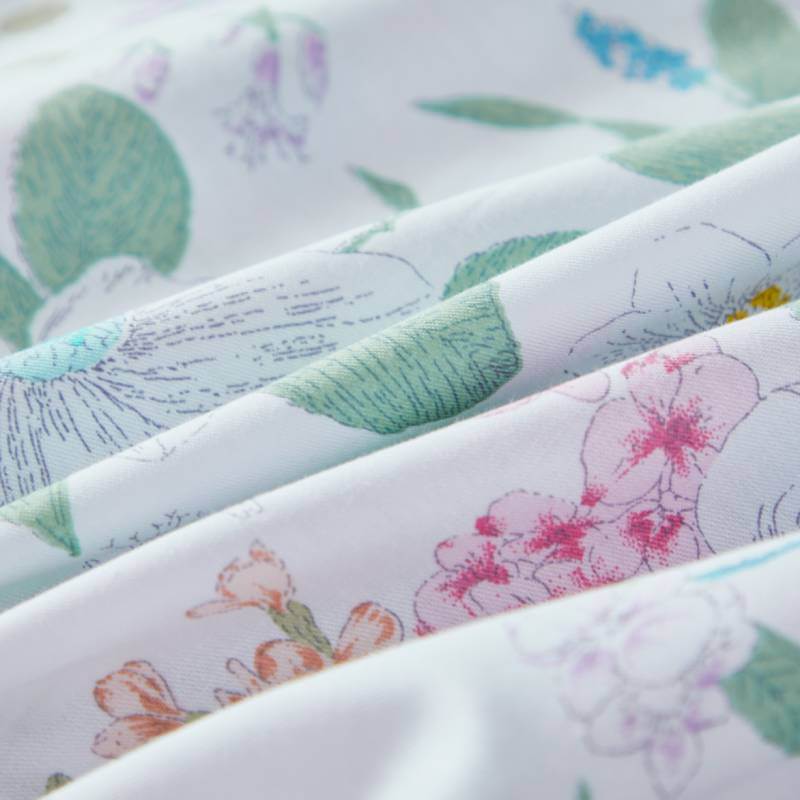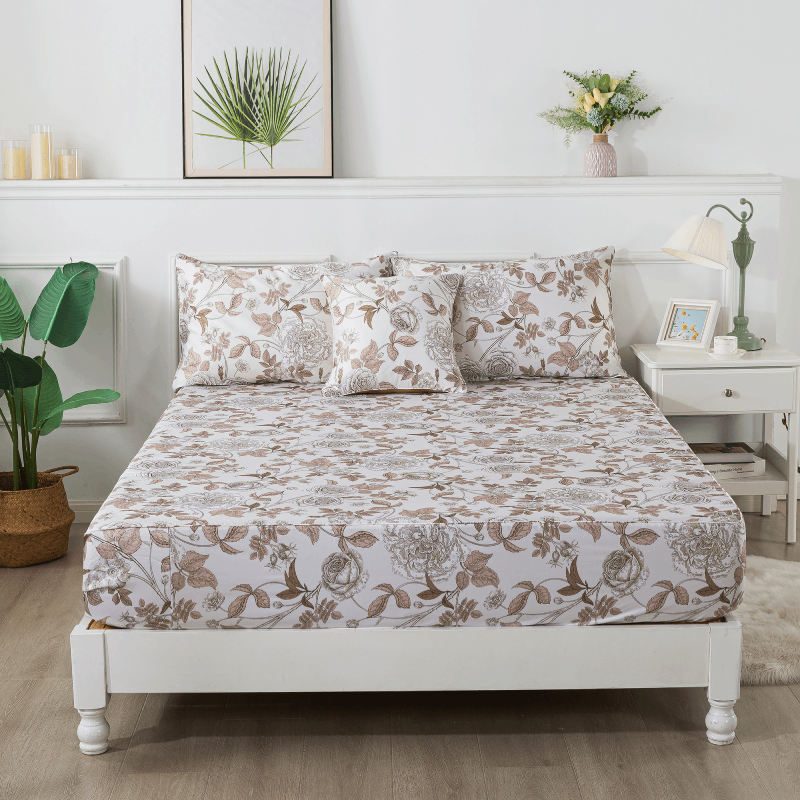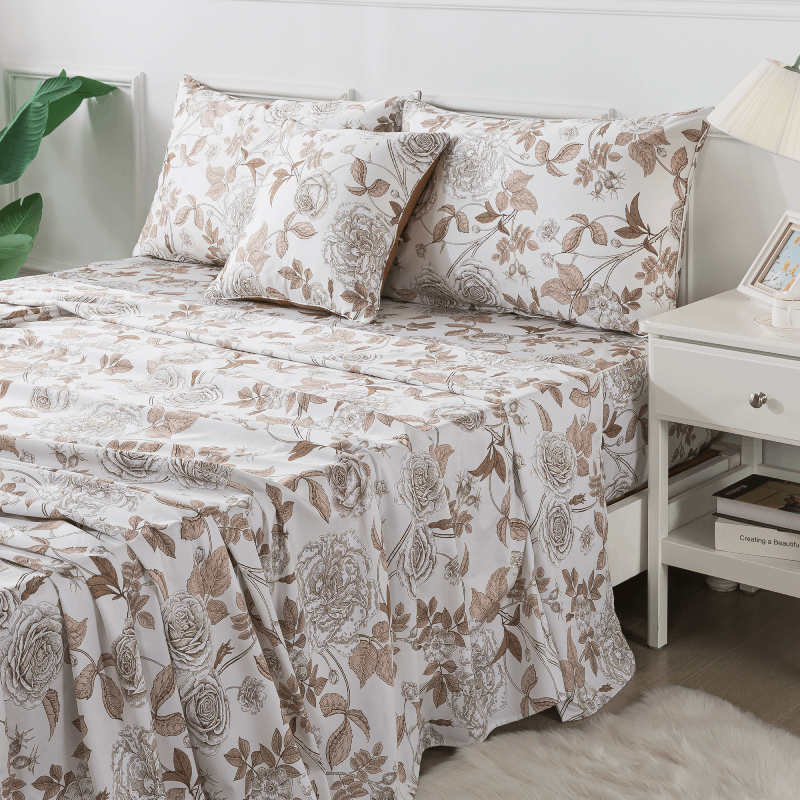
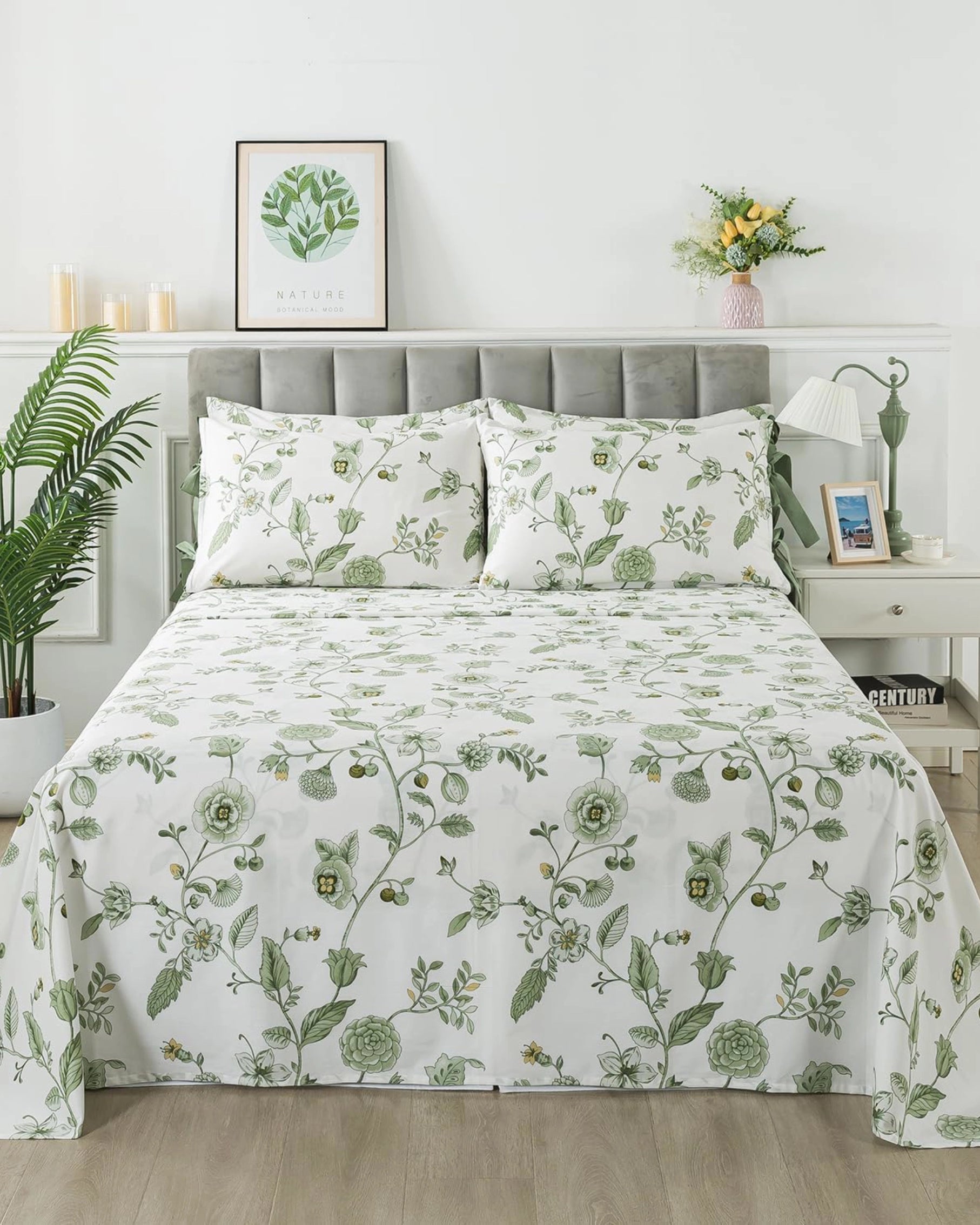


Creating a beautiful bed is not about buying a perfectly matched set. In fact, bedrooms often feel more comfortable and inviting when the bedding pieces coordinate naturally rather than looking overly uniform. Sheets, pillowcases, duvet covers, quilts, throws, and decorative pillows can all work together while still bringing their own texture, pattern, and personality to the space.
The key is knowing how to combine these elements with balance. Here are several practical ways to choose bedding pieces that feel connected, comfortable, and effortless.

Start with One Main Bedding Piece
Instead of choosing every item at the same time, begin with one piece that establishes the overall direction of the bed. This might be a floral quilt, a patterned duvet cover, or a cotton sheet set.
Your main piece can determine the general color palette, style, and mood of the room. For example, a botanical quilt may inspire soft natural colors and simple supporting pieces, while a classic floral duvet cover can become the foundation for a romantic cottage-inspired bedroom.
Once you have a clear starting point, selecting the remaining bedding becomes much easier.
Build a Simple Color Palette
Bedding pieces do not need to be identical in color, but they should share a visual connection.
A practical approach is to select two or three main colors from your statement bedding. One can become the dominant color, while the others appear more subtly throughout the bed.
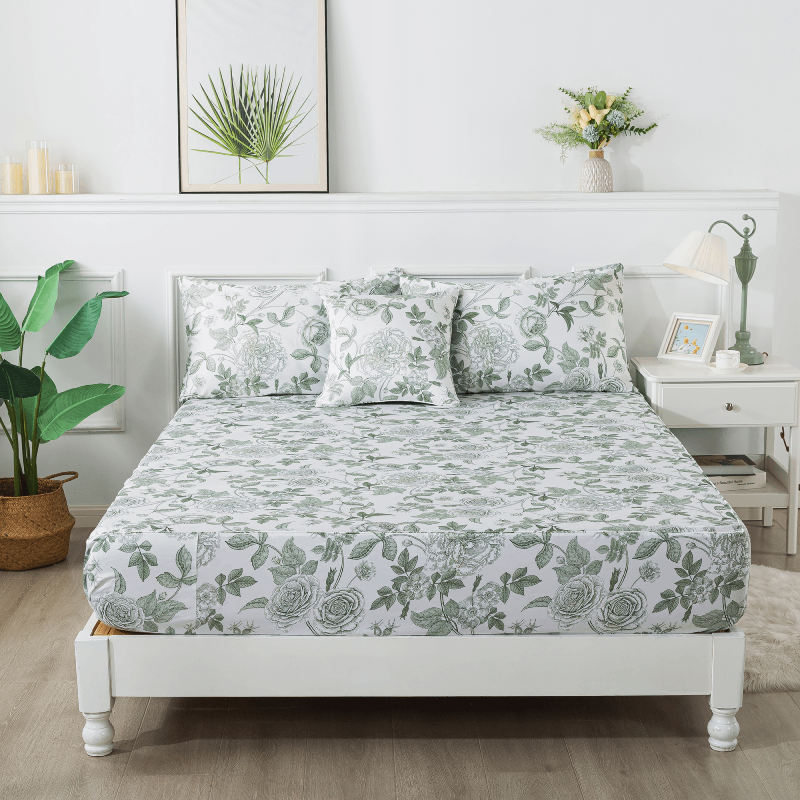
For example, if a floral quilt includes green leaves, warm cream tones, and muted blue flowers, you might choose cream sheets, blue pillowcases, and a soft green throw.
Repeating colors in small amounts helps different pieces feel intentionally connected.
Mix Patterns Carefully
Using more than one pattern can make a bed feel layered and interesting, but scale is important.
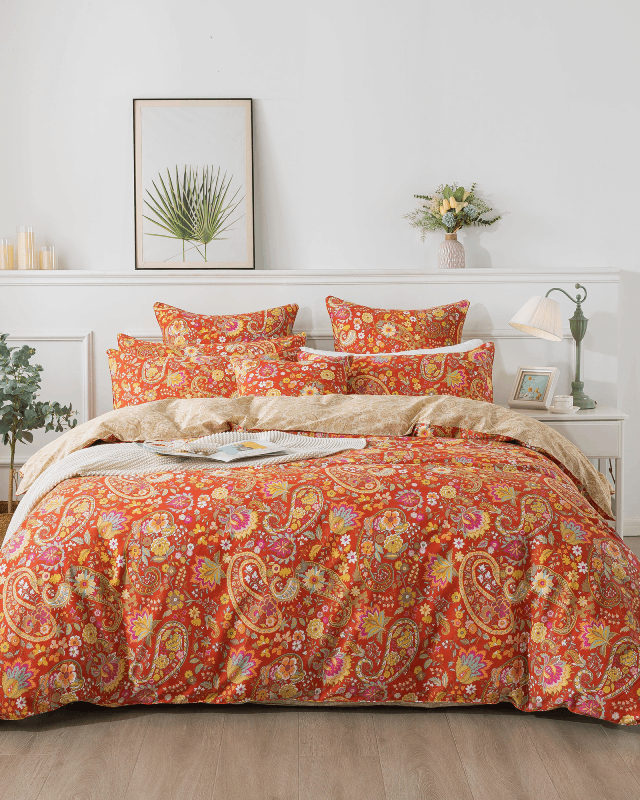
If your quilt or duvet cover features a large floral print, consider pairing it with smaller patterns such as delicate stripes, tiny botanicals, or subtle checks. Two large, highly detailed patterns placed together can compete for attention.
A useful combination might include:
- One statement floral pattern
- One smaller coordinating print
- One or two solid-colored elements
This creates visual variety without making the bed feel busy.
Let Texture Create Depth
Color and pattern are only part of bedding design. Texture can make even a simple color palette feel rich and complete.
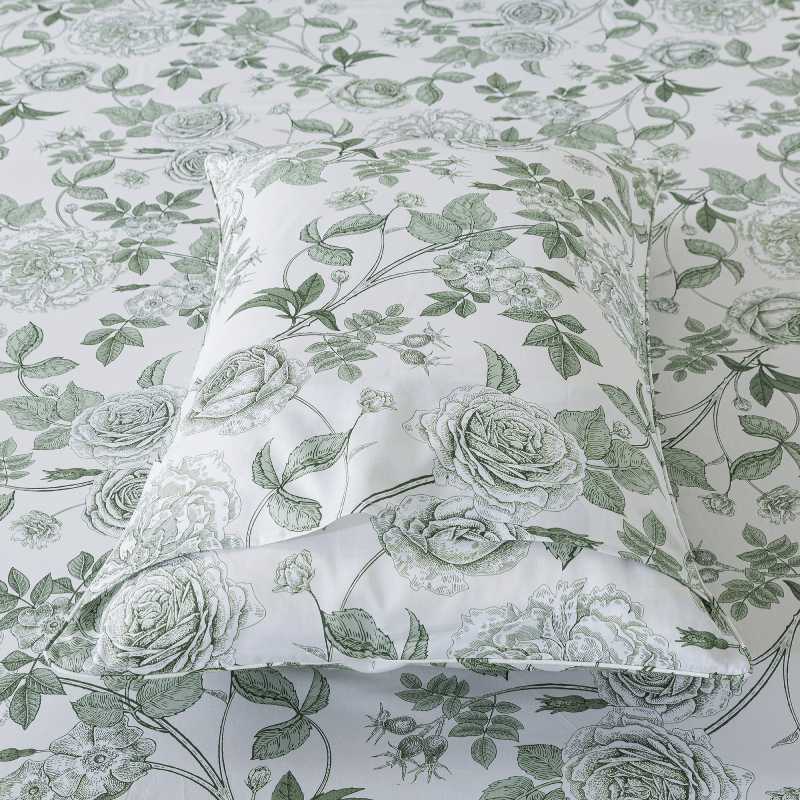
Cotton sheets provide a smooth foundation, while quilted stitching introduces dimension. Ruffled edges, woven blankets, embroidered details, or soft throws can add another layer of visual interest.
This is especially useful when working with neutral bedding. A bed made from several similar colors can still feel warm and sophisticated when the textures are different.
Coordinate Instead of Matching
A naturally styled bedroom rarely needs every pillowcase, sheet, and blanket to come from exactly the same collection.
Instead, look for relationships between pieces.
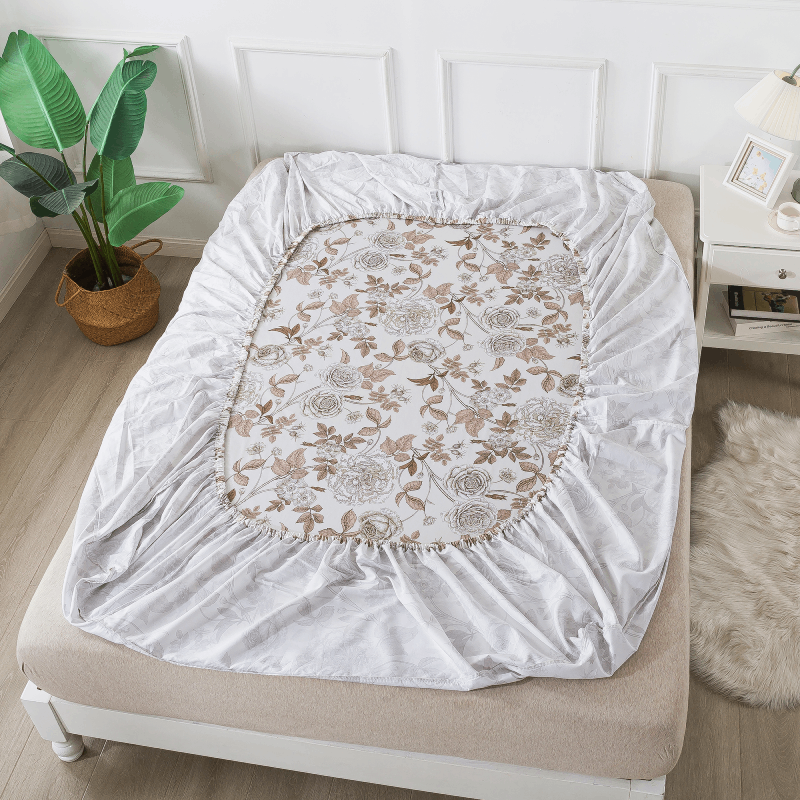
A pillow sham might repeat one small color found in the quilt. A fitted sheet may feature a subtle pattern that complements the duvet cover. A throw blanket might introduce a slightly deeper version of an existing color.
These small connections create harmony while allowing the bed to feel relaxed and personal.
Consider the Bedroom Around the Bed
Bedding should also work with the rest of the room.
Look at the wall color, flooring, curtains, furniture, rugs, and natural light before finalizing your bedding combination. If the bedroom already contains several decorative elements, simpler bedding may create better balance.
On the other hand, a neutral room can support more expressive floral or botanical bedding.
The goal is not to make everything match. Instead, the bed should feel like it belongs naturally within its surroundings.
Layer with a Purpose
More layers do not automatically create a better-looking bed. Each bedding piece should contribute either comfort, function, or visual interest.
Start with practical essentials such as breathable sheets and comfortable pillowcases. Then add the main quilt, comforter, or duvet cover. Finally, introduce optional layers such as a folded blanket, decorative shams, or accent pillows.
Keeping the number of layers reasonable makes the bed easier to maintain while still creating a finished appearance.
Choose Materials That Feel Good Together
Visual coordination matters, but bedding is ultimately something you sleep in every night.
Natural materials such as cotton are especially useful when combining different bedding pieces because they offer softness, breathability, and versatility across seasons. Cotton sheets can easily work beneath a quilt in warmer weather or a duvet during cooler months.
Choosing materials with similar comfort qualities also helps the bed feel cohesive beyond appearance.
Leave Room for Personality
A beautifully coordinated bed does not need to follow strict decorating rules.
You may enjoy combining vintage florals with simple stripes, botanical prints with ruffled details, or classic quilts with modern solid-colored sheets. Personal combinations often create rooms that feel more authentic than perfectly matched displays.
Use color, pattern, texture, and material as guides, but allow your own preferences to shape the final result.
Final Thoughts
Choosing bedding pieces that work together naturally is about creating connections rather than exact matches. Start with one main piece, develop a simple color palette, vary pattern sizes, introduce different textures, and consider how the entire bed relates to the surrounding room.
When each element complements the others without looking overly coordinated, the bedroom becomes more relaxed, layered, and welcoming.
The best bedding combination should not only look beautiful—it should also feel comfortable, practical, and completely at home in your everyday life.