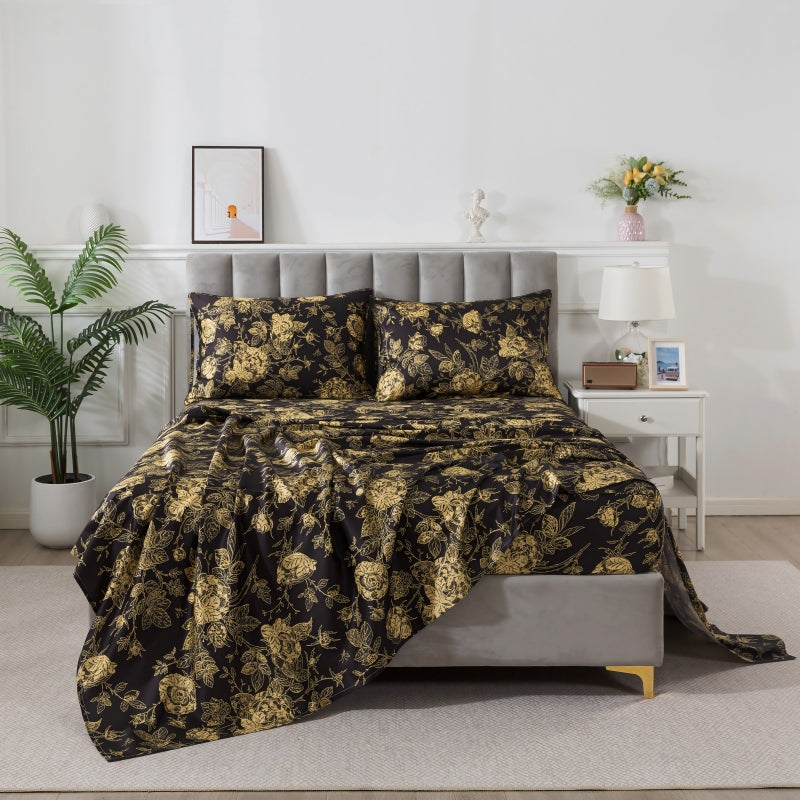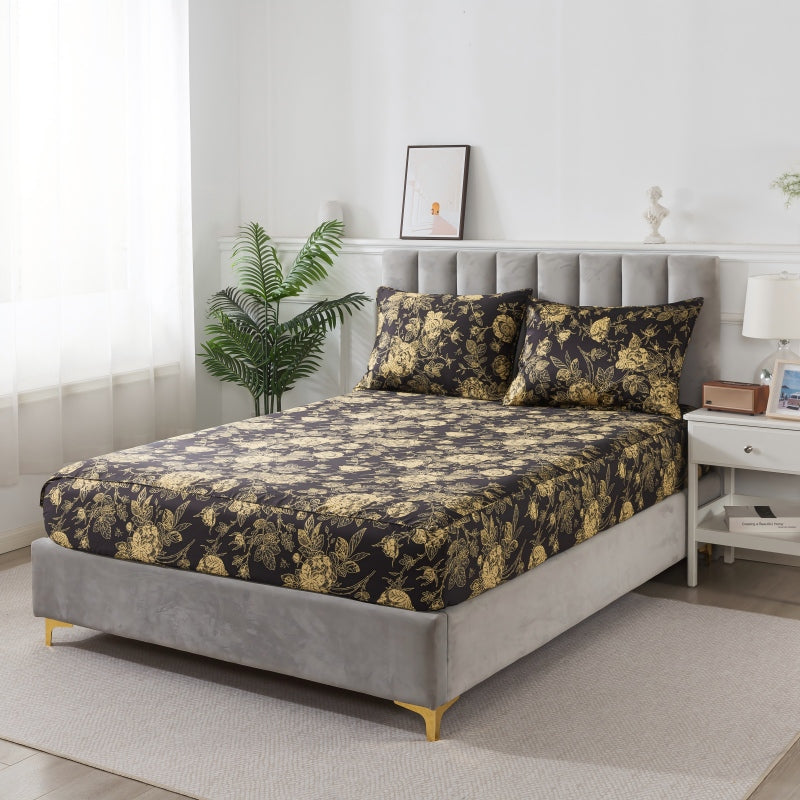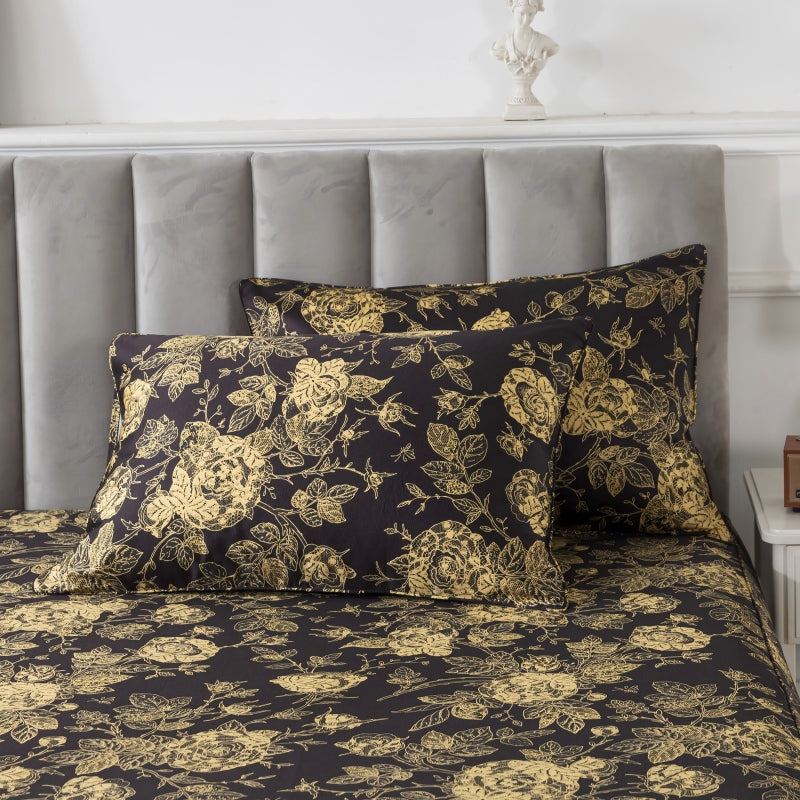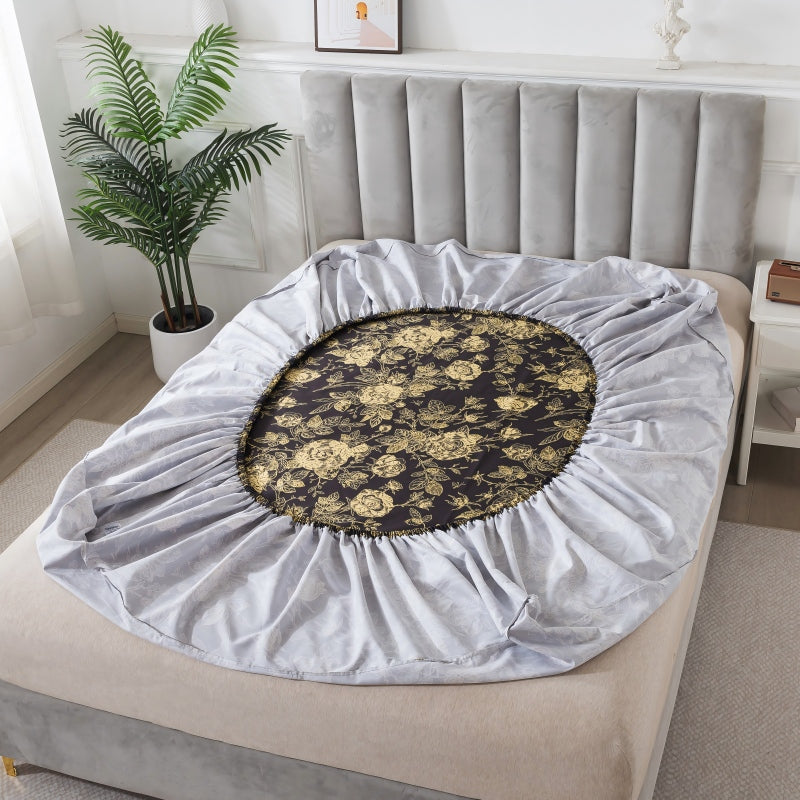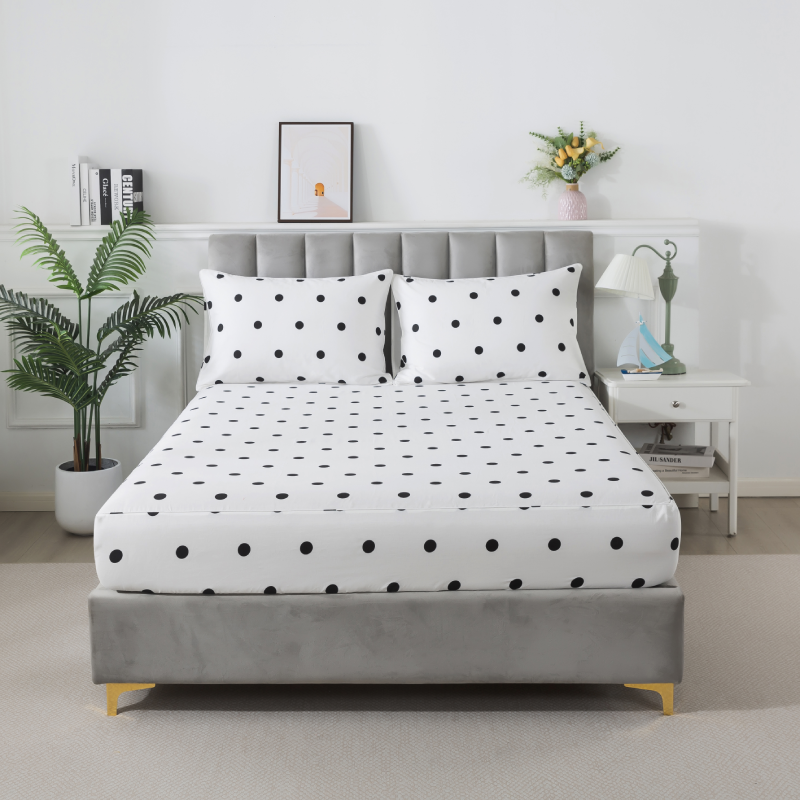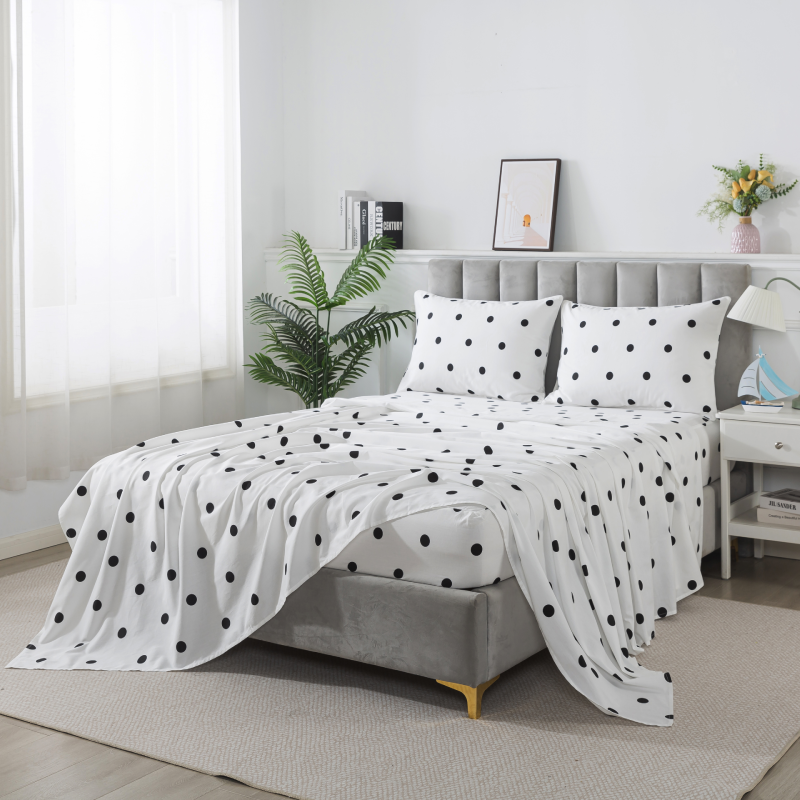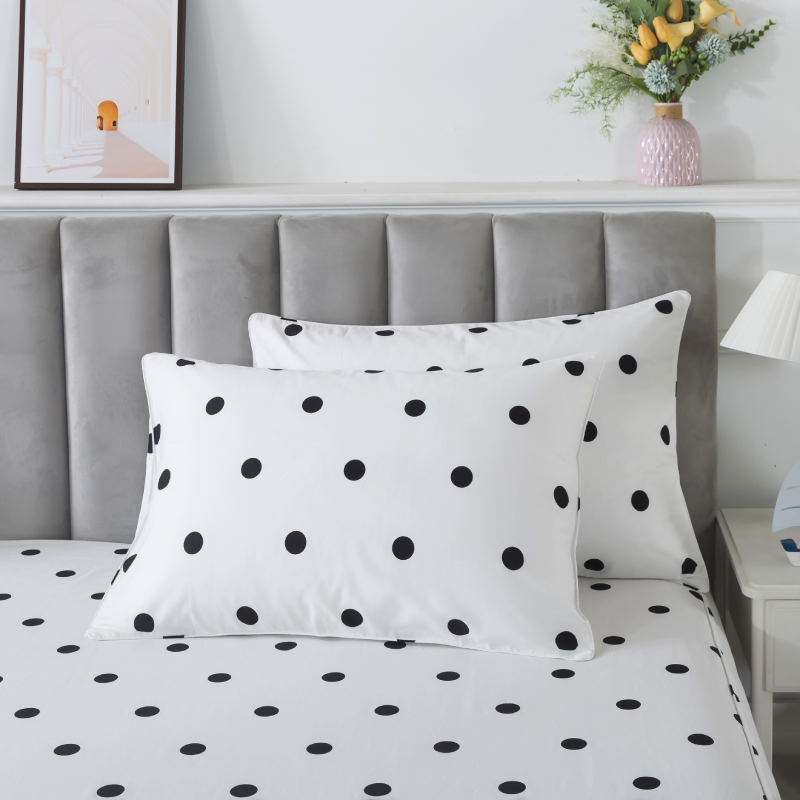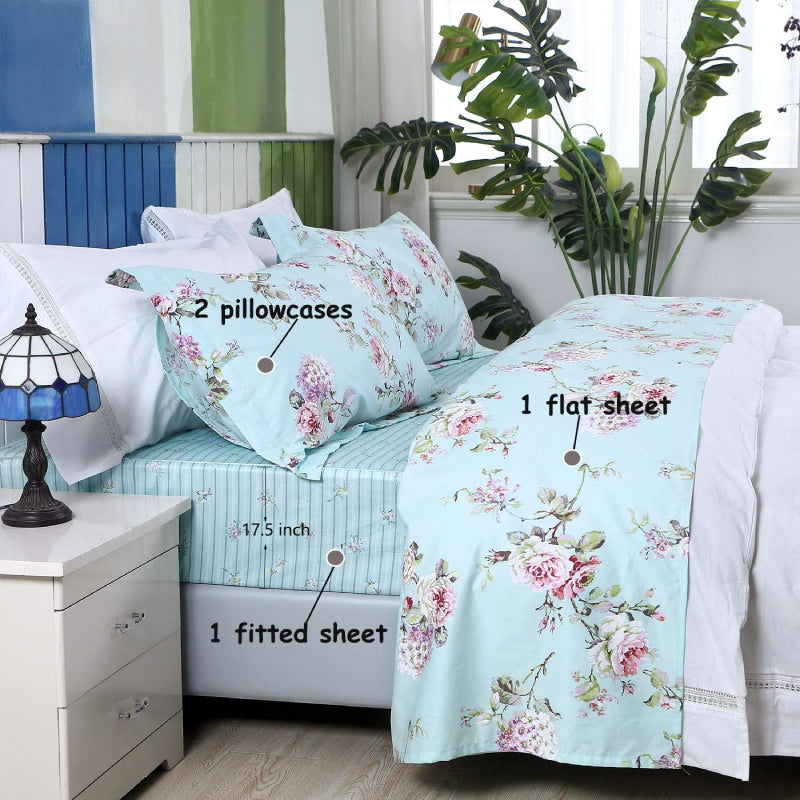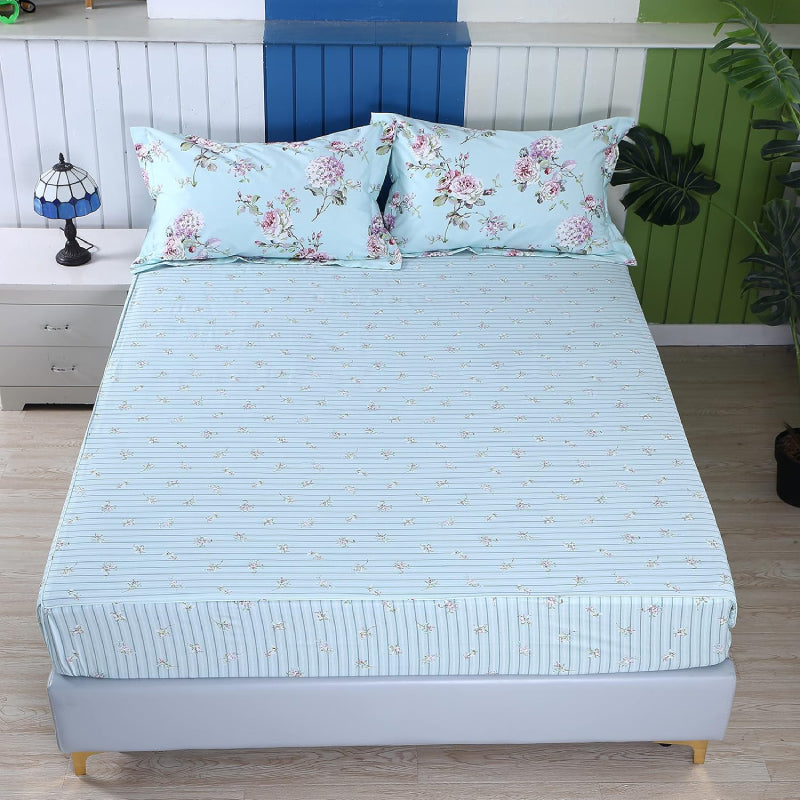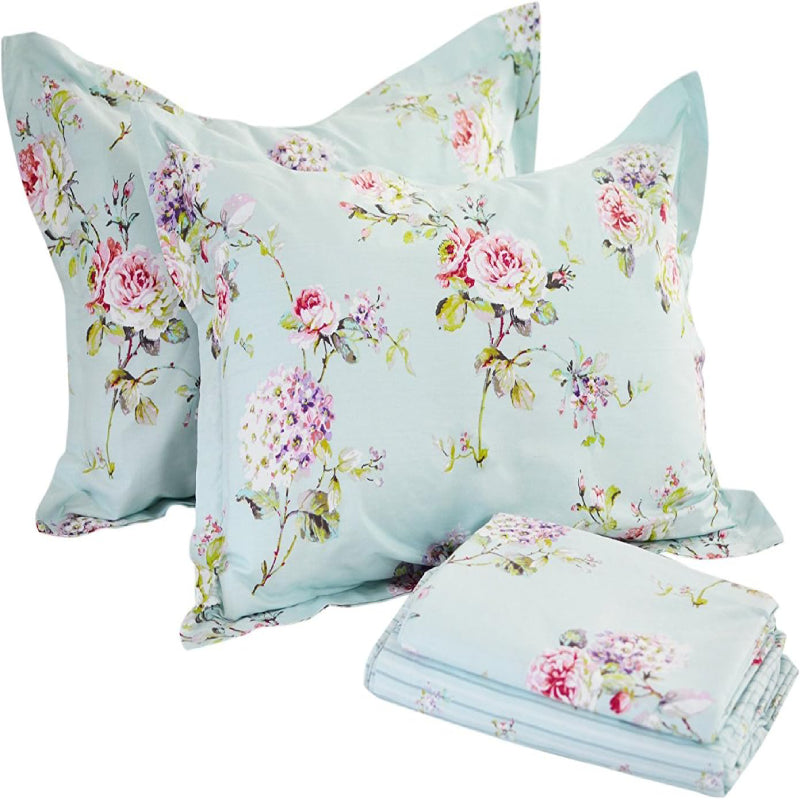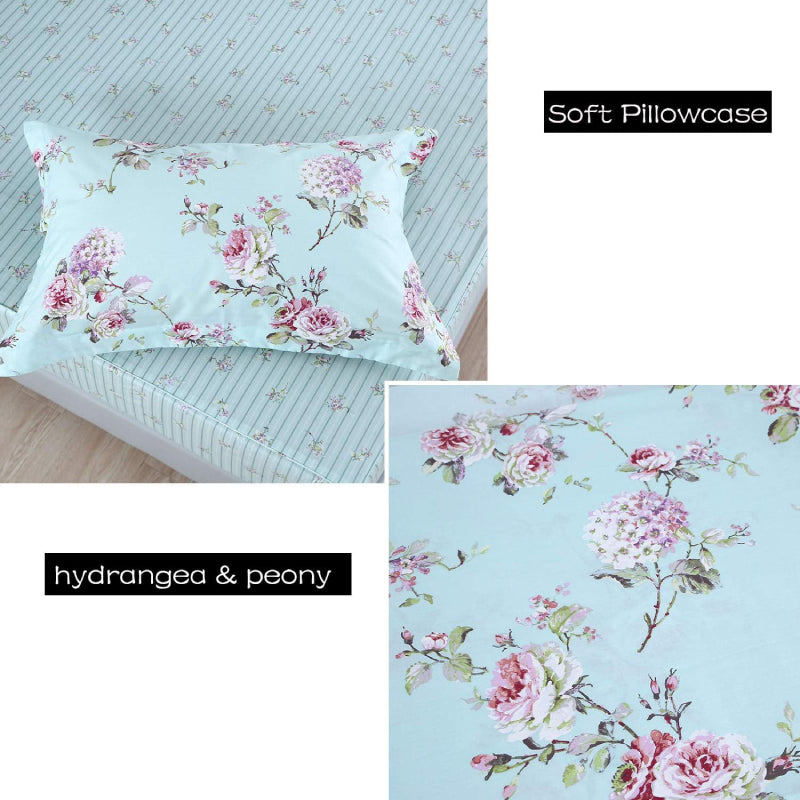
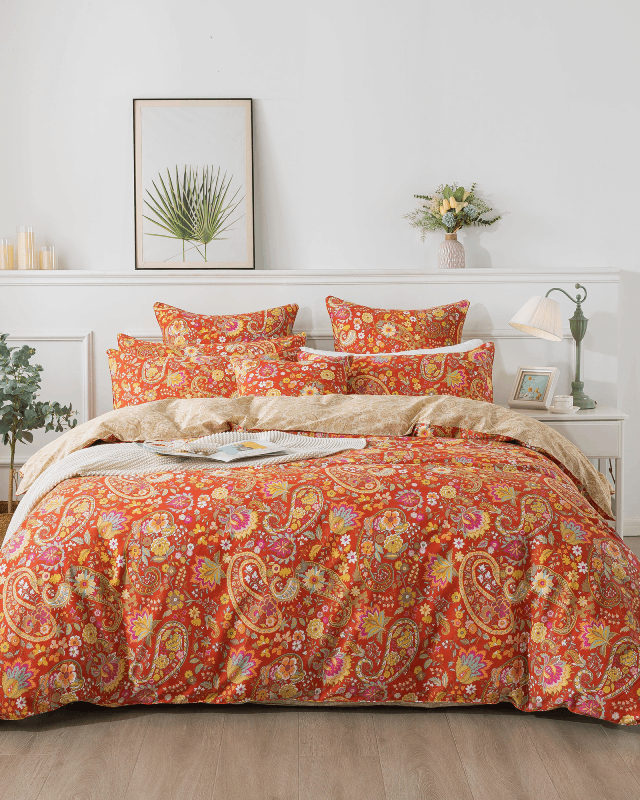
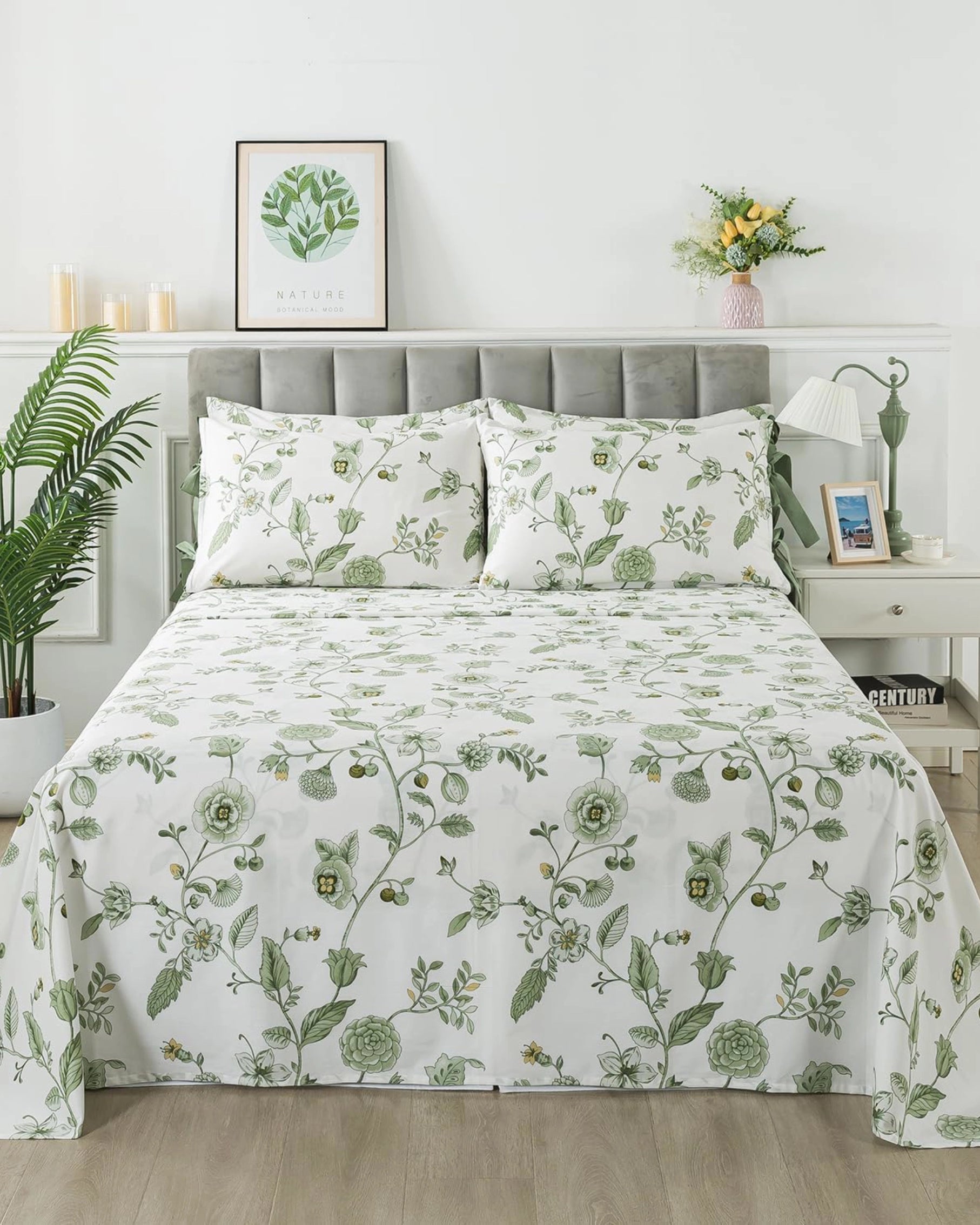


Floral sheets can instantly make a bedroom feel softer, warmer, and more expressive. Whether the pattern features delicate garden blooms, vintage roses, watercolor botanicals, or bold oversized flowers, floral bedding naturally becomes a visual focal point.
The challenge is choosing a quilt set that complements those sheets without making the bed look overly busy. The right quilt should create balance, support the color palette, and help the entire bedroom feel intentional.
Here are some practical ways to choose a quilt set that works beautifully with floral sheets.
1. Start With the Colors in Your Floral Sheets
Before choosing a quilt, look carefully at the colors already present in your sheets.
Most floral prints include one or two dominant colors along with several smaller accent shades. Instead of trying to match every color, select a quilt that connects with one of the quieter tones in the pattern.
For example, floral sheets with green leaves and pink flowers may pair well with a soft sage, cream, blush, or muted beige quilt. Using a secondary color rather than the strongest floral shade often creates a more balanced result.
2. Let One Pattern Be the Main Focus
When floral sheets have a detailed or colorful pattern, the quilt usually works best when it is visually simpler.
A solid quilt, lightly textured quilt, matelassé quilt, or subtle stitched design allows the floral print to remain the focal point while still adding depth to the bed.
If both the sheets and quilt contain strong prints, the bed can quickly feel crowded. A simple rule is to let one layer provide the pattern while the other provides texture.
3. Use Texture Instead of Another Busy Print
A quilt does not need a bold pattern to make the bed interesting.
Channel quilting, diamond stitching, scalloped edges, floral embroidery, matelassé textures, or delicate raised patterns can add visual dimension without competing with printed sheets.
Texture is especially useful when decorating cottage, farmhouse, French country, or romantic bedrooms because it creates character while keeping the overall appearance soft and coordinated.
4. Consider the Scale of the Floral Pattern
Pattern scale also matters.
Large floral prints already create significant visual impact. Pairing them with a quilt featuring small, understated stitching can help calm the composition.
Small floral prints, on the other hand, can work well with a slightly stronger quilt texture or decorative border.
Mixing different scales helps prevent the bedding from looking too repetitive.
5. Neutral Quilts Are the Safest Choice
When you are unsure which quilt will work, neutral colors are usually dependable.
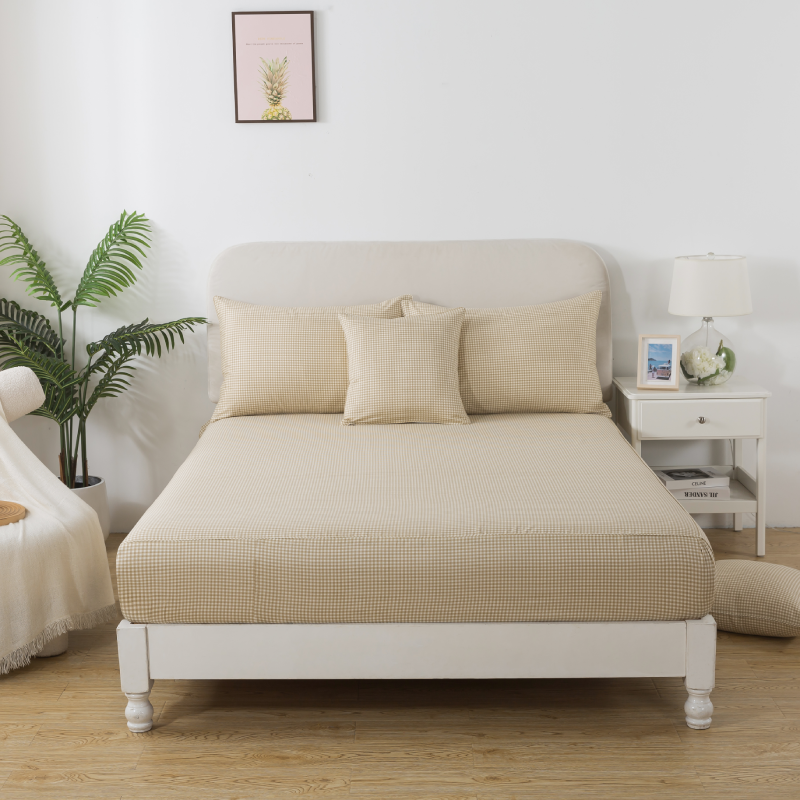
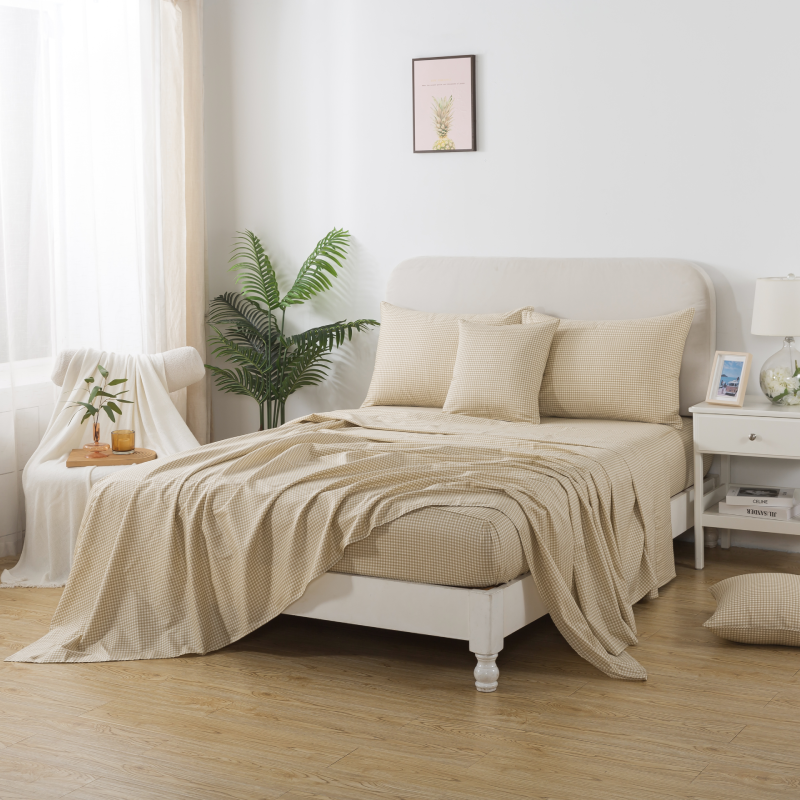
White, ivory, cream, oatmeal, beige, and soft gray can complement many floral patterns while keeping the bedroom bright and relaxed.
Neutral quilts also make it easier to change your sheets seasonally without replacing the entire bedding collection.
A simple cream quilt, for example, may work equally well with spring florals, summer botanical prints, and warmer autumn-inspired patterns.
6. Match the Mood, Not Just the Color
Color coordination is important, but the overall style of the quilt should also match the mood created by the sheets.
Vintage floral sheets often pair naturally with scalloped edges, traditional stitching, or lightly textured quilts.
Modern botanical sheets may look better with clean geometric quilting or simple solid designs.
Romantic floral bedding can work beautifully with soft ruffles or delicate embroidery, while farmhouse florals often benefit from relaxed cotton textures and understated stitching.
Thinking about style as well as color creates a more cohesive bedroom.

7. Keep the Pillow Layers Balanced
The relationship between your quilt and floral sheets becomes especially noticeable around the pillows.
If your pillowcases use the same floral print as the sheets, consider using solid quilt shams to create separation. Alternatively, floral pillowcases can be placed behind neutral shams so that only part of the pattern remains visible.
This creates layers without allowing the floral pattern to dominate every part of the bed.
8. Think About Seasonal Styling
Your quilt can also help floral sheets transition between seasons.
During spring and summer, lighter quilts in white, cream, soft blue, or pale green can create a fresh atmosphere.
In autumn, floral sheets can be paired with warmer shades such as taupe, muted gold, dusty rose, or earthy green.
During winter, thicker quilted textures and deeper complementary colors can make the same floral sheets feel warmer and more inviting.
9. Choose Comfortable Materials
Appearance matters, but bedding should also feel comfortable.
Cotton quilt sets are particularly versatile because they are breathable, soft, and suitable for layering throughout much of the year. Natural cotton also works especially well with floral bedding because its relaxed texture supports the comfortable, lived-in appearance often associated with botanical patterns.
Look for a quilt that feels pleasant against the skin and has enough weight for your preferred sleeping environment.
10. Create a Coordinated Bed, Not a Perfect Match
One of the most common decorating mistakes is trying to make every bedding element match perfectly.
A well-designed bed usually includes slight variations in color, pattern, and texture. Floral sheets might introduce the main pattern, while the quilt provides a quiet background and decorative pillows introduce one or two accent shades.
These differences give the bed dimension and make the arrangement feel natural rather than overly coordinated.
Final Thoughts
Choosing a quilt set to complement floral sheets is ultimately about balance. Start with the colors already present in the floral pattern, introduce texture instead of competing prints, and allow one bedding layer to become the visual focus.
Neutral and softly colored quilts are especially versatile, while subtle stitching and natural fabrics can add depth without overwhelming the design.
When color, texture, pattern scale, and comfort work together, floral sheets and a quilt set can create a bedroom that feels layered, welcoming, and beautifully complete.