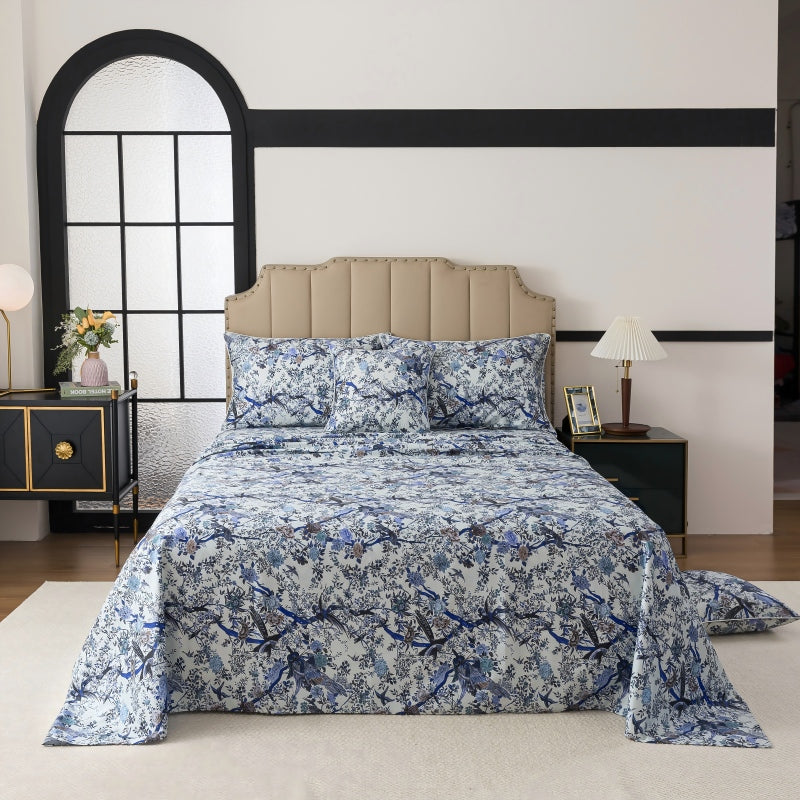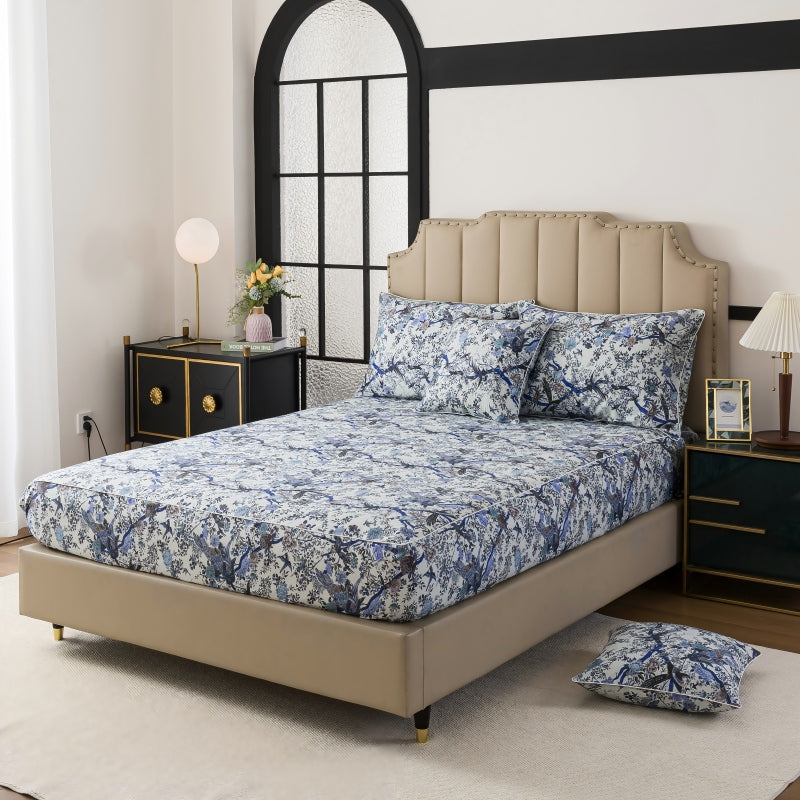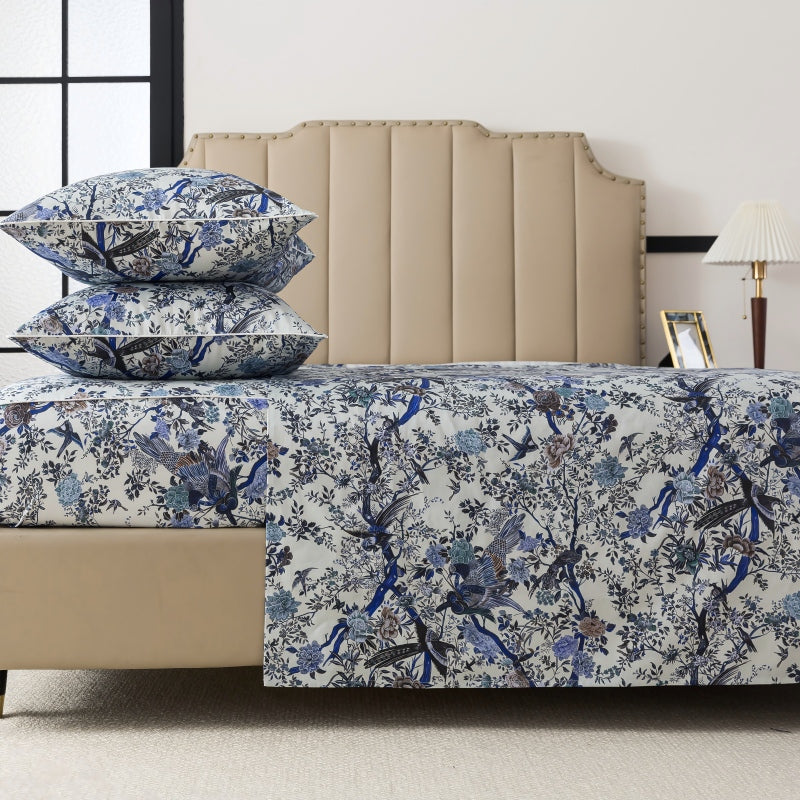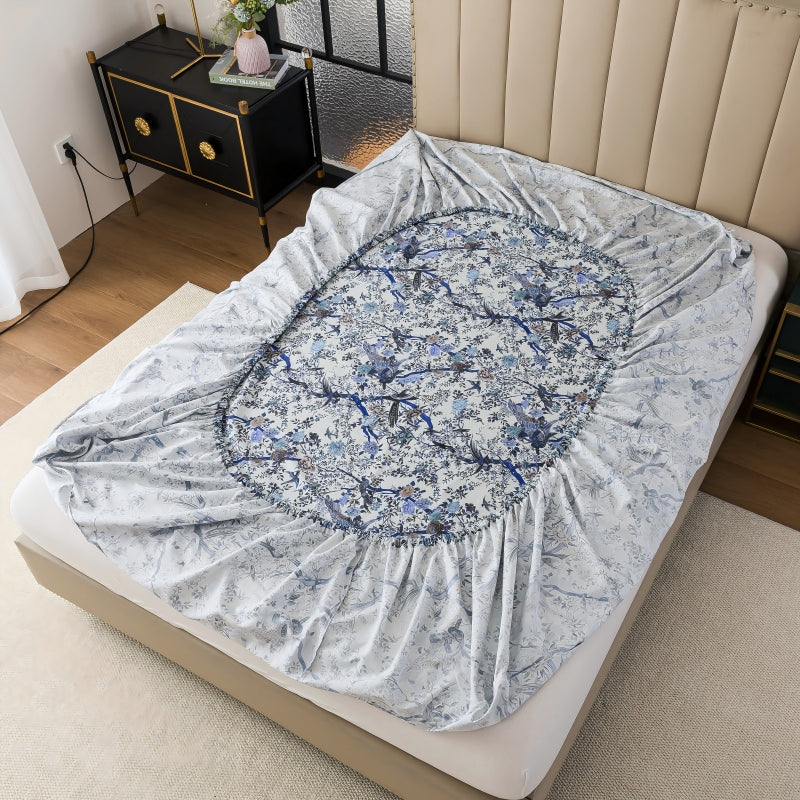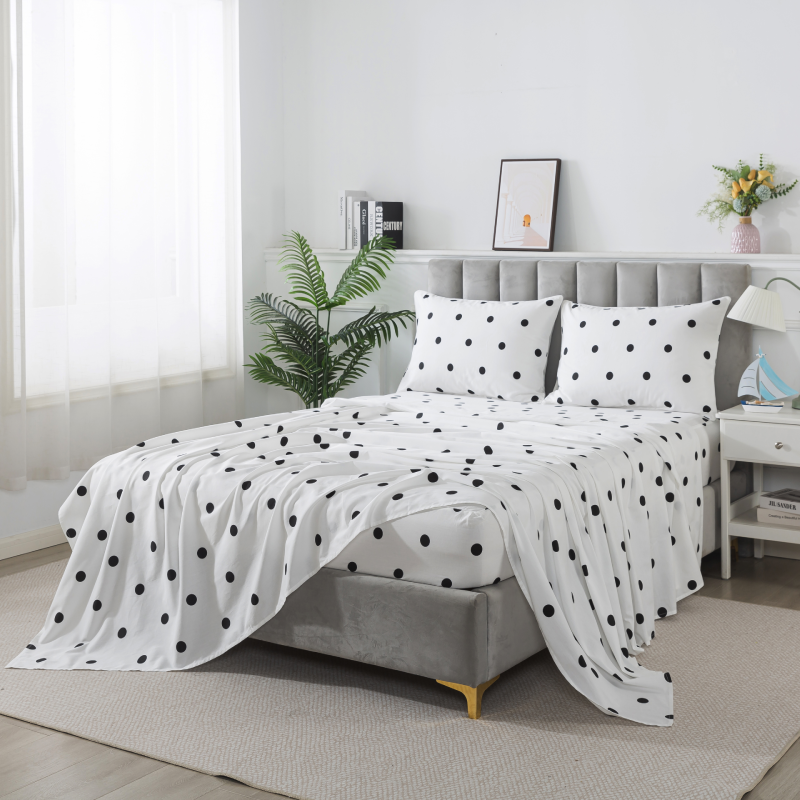


A beautifully styled bed is more than a place to sleep—it often becomes the visual center of the entire bedroom. While individual bedding pieces matter, the most inviting spaces usually come from layering sheets, pillows, quilts, and decorative elements in a thoughtful way.
Creating a complete bedding look does not require complicated styling. By starting with the right foundation and gradually adding texture, pattern, and dimension, you can build a bed that feels comfortable, coordinated, and effortlessly finished.
Start with Comfortable Sheets
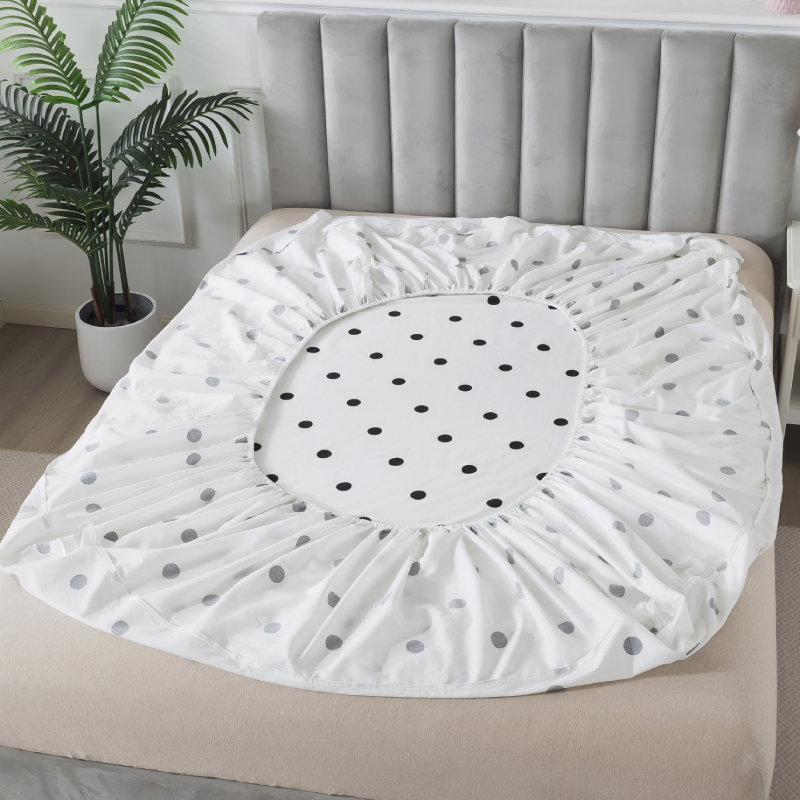
Every well-dressed bed begins with a good set of sheets.
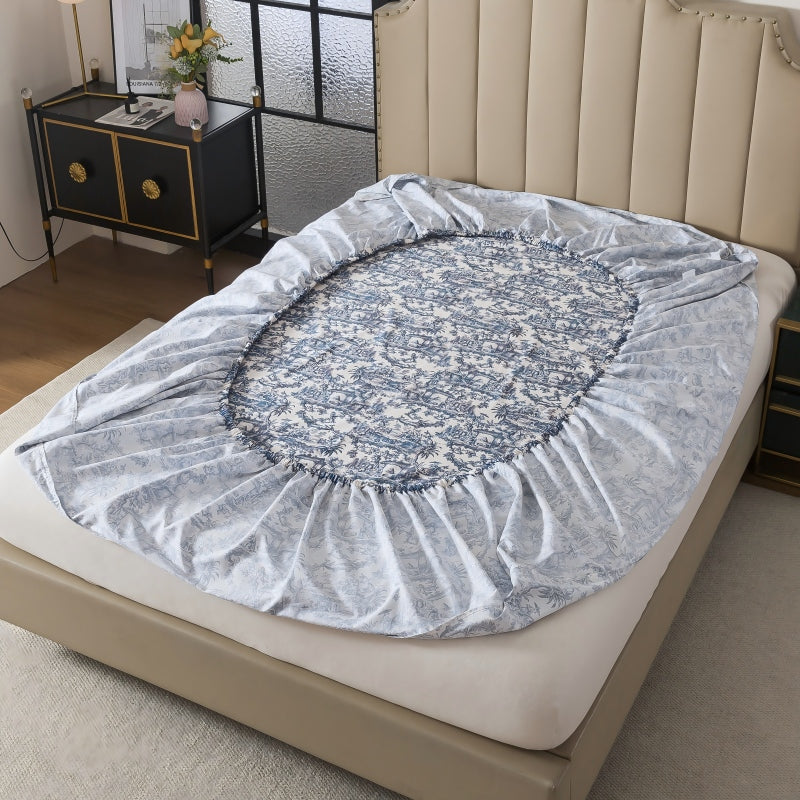
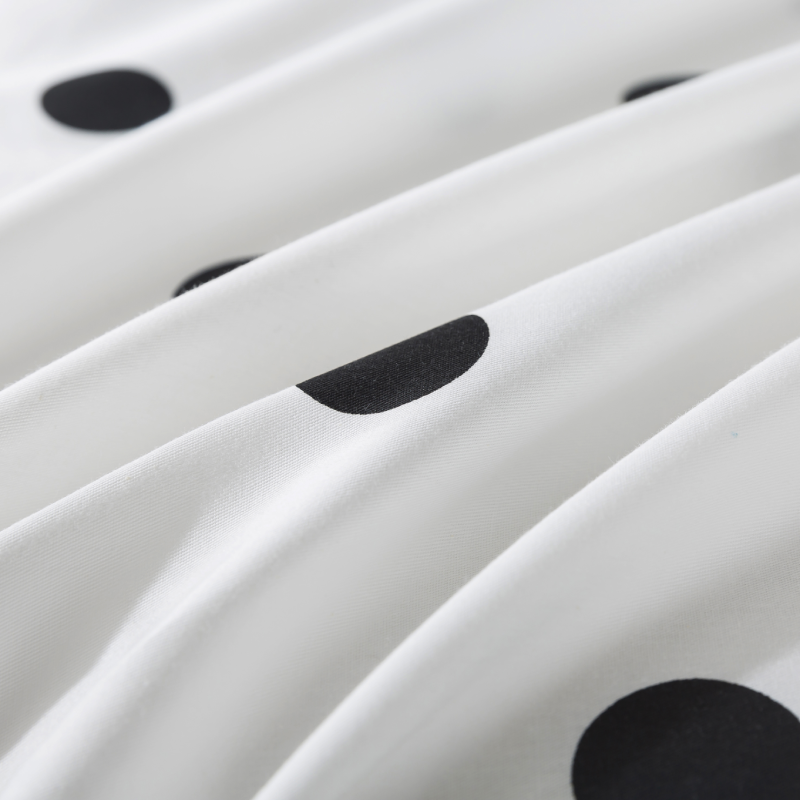
Because sheets are in direct contact with your skin throughout the night, comfort should come before decoration. Breathable fabrics such as cotton are especially suitable for everyday bedding because they feel soft, allow airflow, and work well across different seasons.
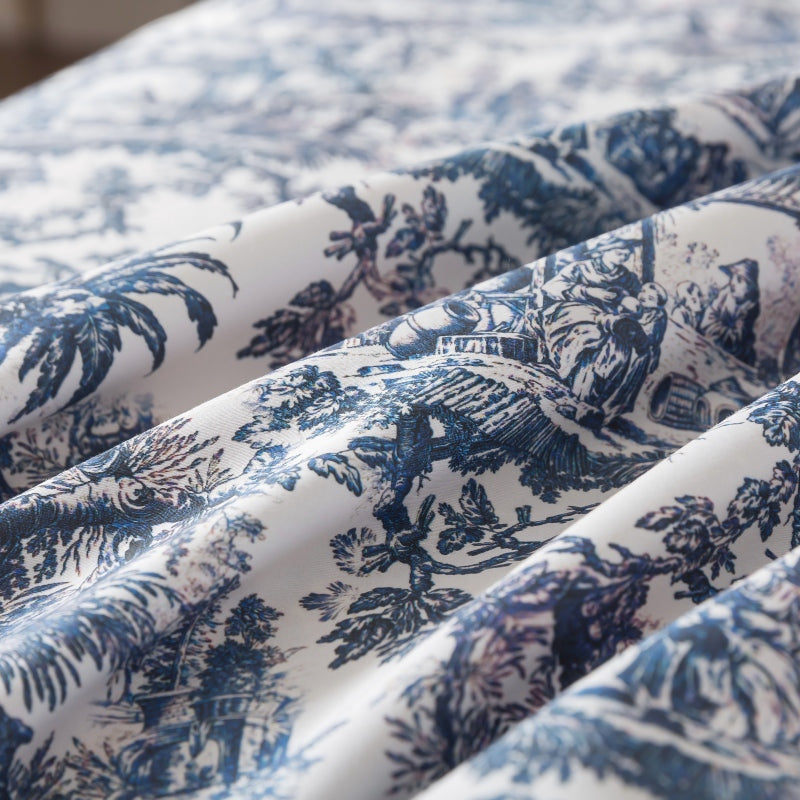
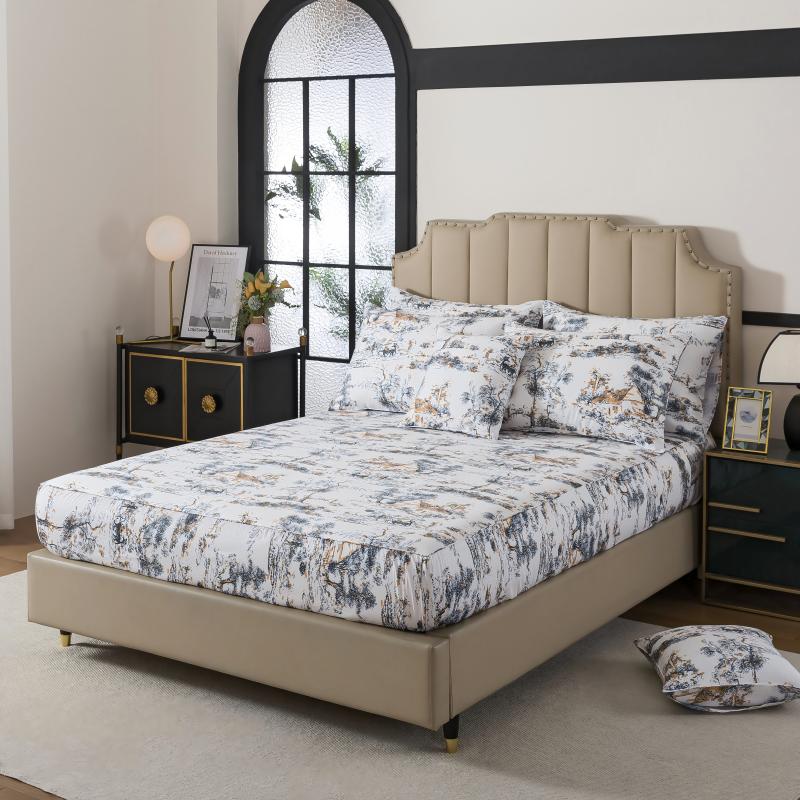
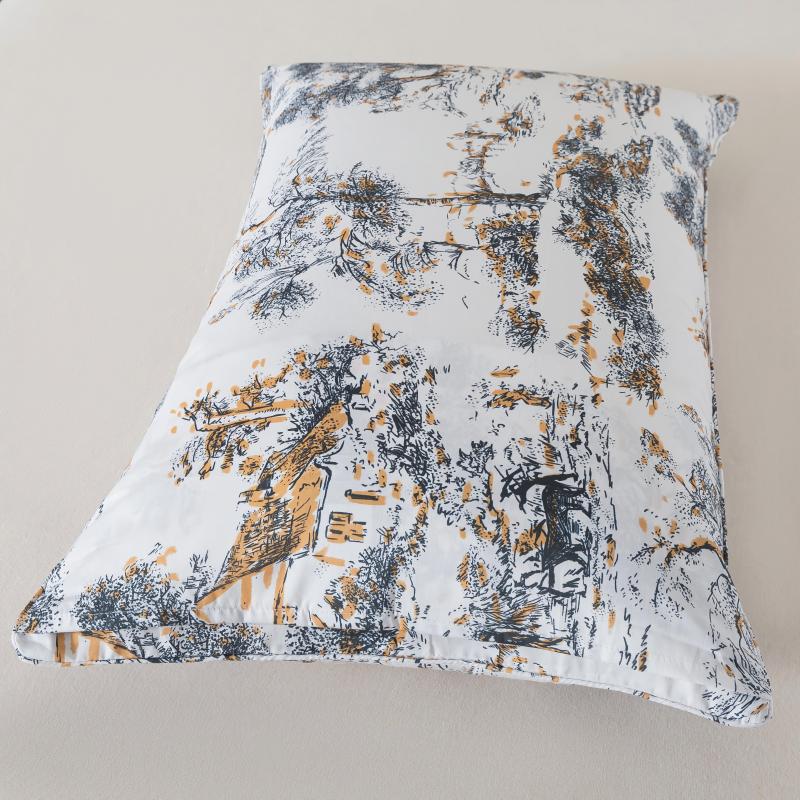
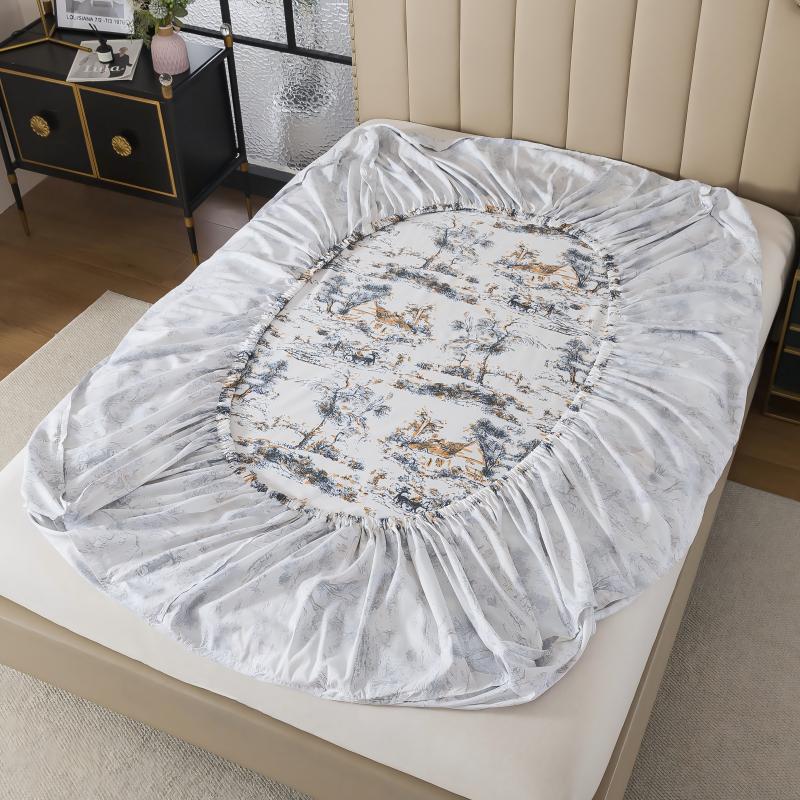
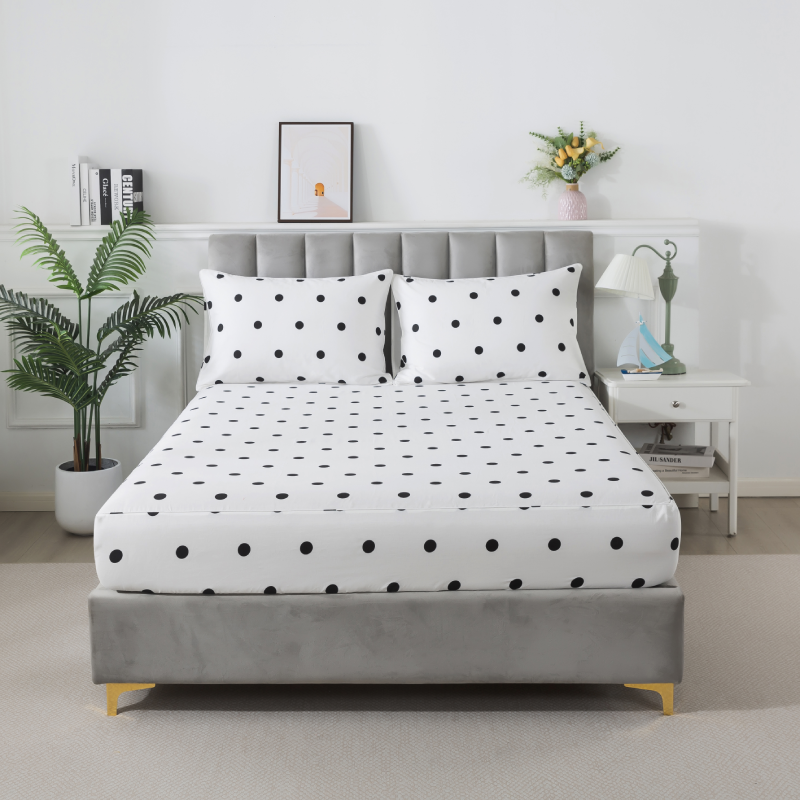
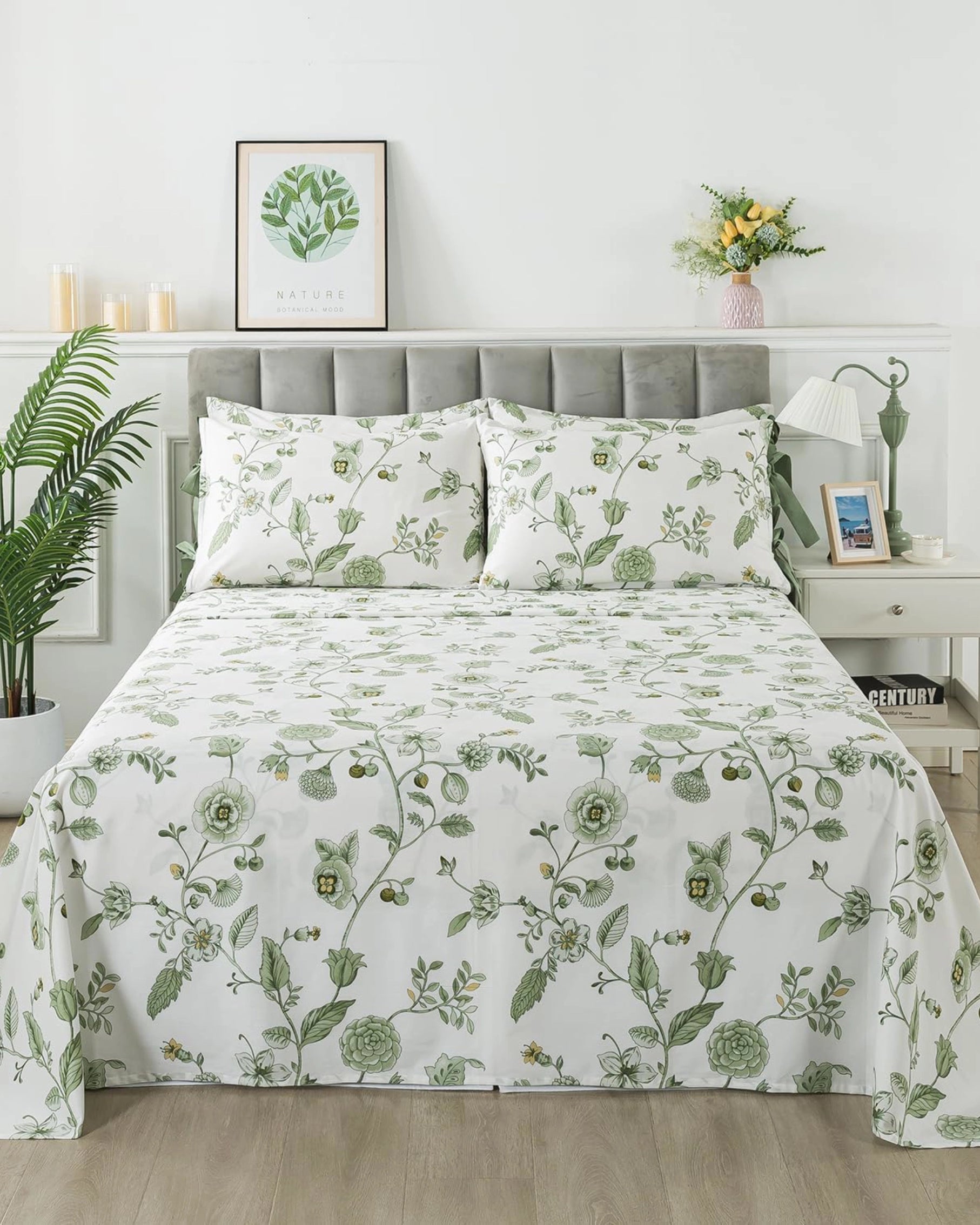
When styling the bed, think of your sheets as the foundation of the entire color palette. Neutral sheets create a calm base for patterned quilts, while floral or printed sheets can bring more personality to a simple quilt.
The goal is not necessarily to match every piece perfectly. Instead, choose sheets that share at least one color, tone, or design element with the layers above them.
Add the Right Pillow Layers
Pillows are both practical and decorative, making them an important part of the overall bedding arrangement.
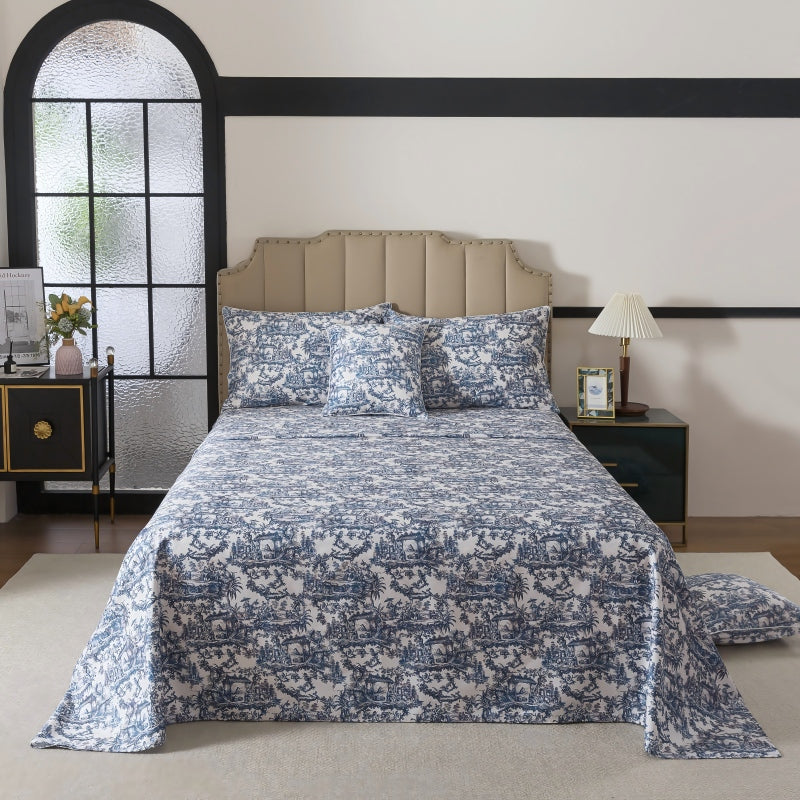
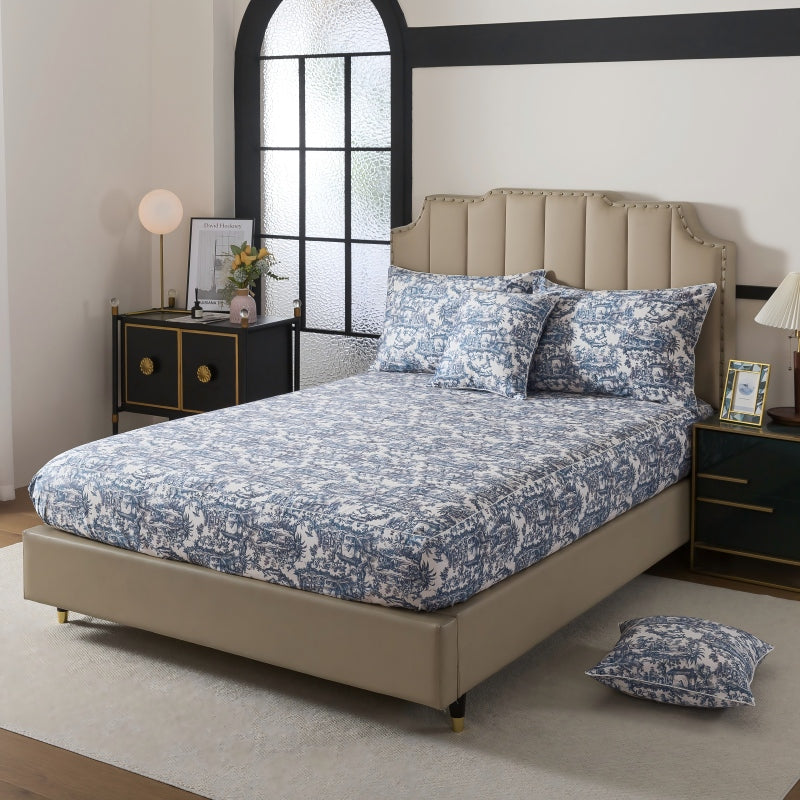
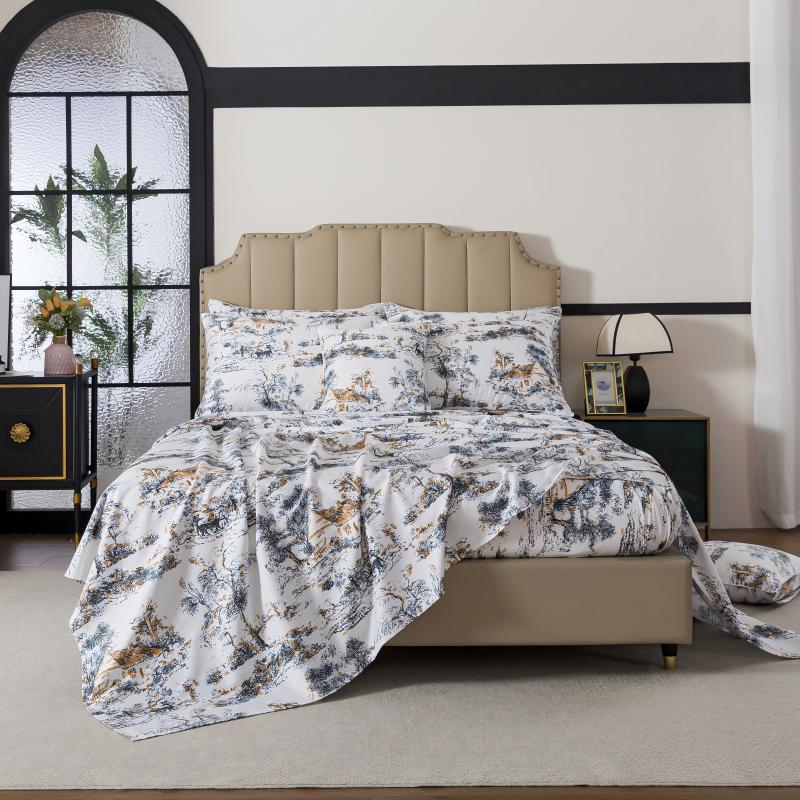
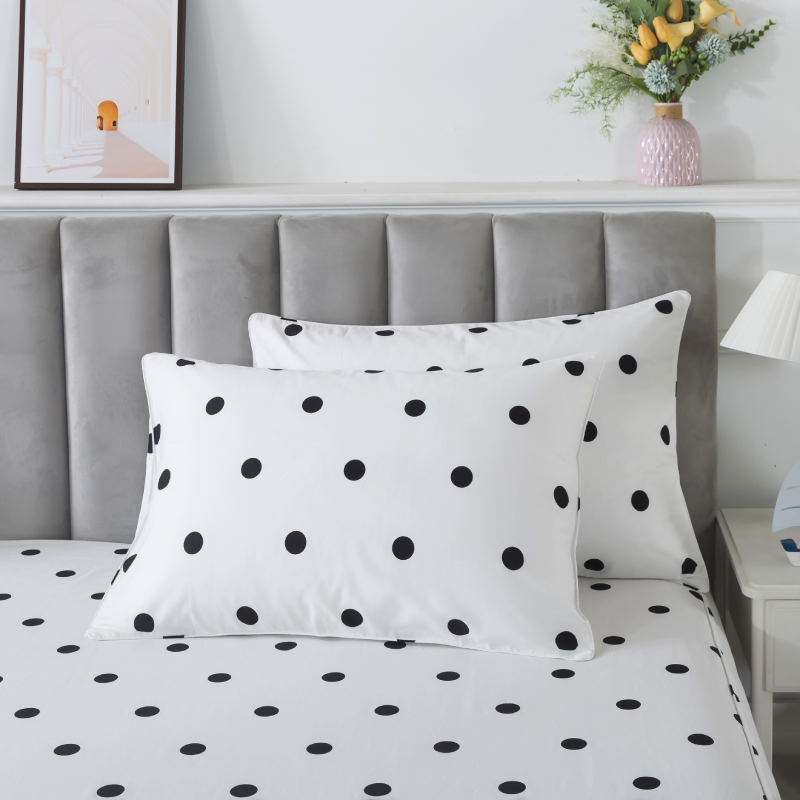
Begin with the pillows you use for sleeping. These can be placed flat or standing against the headboard. Next, add pillow shams that coordinate with your quilt or bedding set.
For a fuller look, decorative cushions can be placed in front. One or two accent pillows are usually enough to introduce an additional pattern, texture, or shape without making the bed feel overcrowded.
A simple arrangement might include:
- Two sleeping pillows
- Two coordinated pillow shams
- One decorative lumbar or square cushion
This creates visual depth while keeping the bed comfortable and functional.
Introduce a Quilt as the Main Layer
The quilt often becomes the most noticeable part of the bedding arrangement.
Its pattern, stitching, texture, and color can help define the entire bedroom style. Floral quilts can create a romantic cottage-inspired atmosphere, while geometric or solid designs often feel cleaner and more contemporary.
One of the advantages of using a quilt is its versatility. Quilts usually provide enough warmth for comfortable layering without appearing overly bulky. They can be used as the main bed covering during warmer months or combined with additional blankets during colder seasons.
For a polished look, spread the quilt evenly across the mattress and allow it to fall naturally along both sides of the bed.
Fold Back the Top Layer
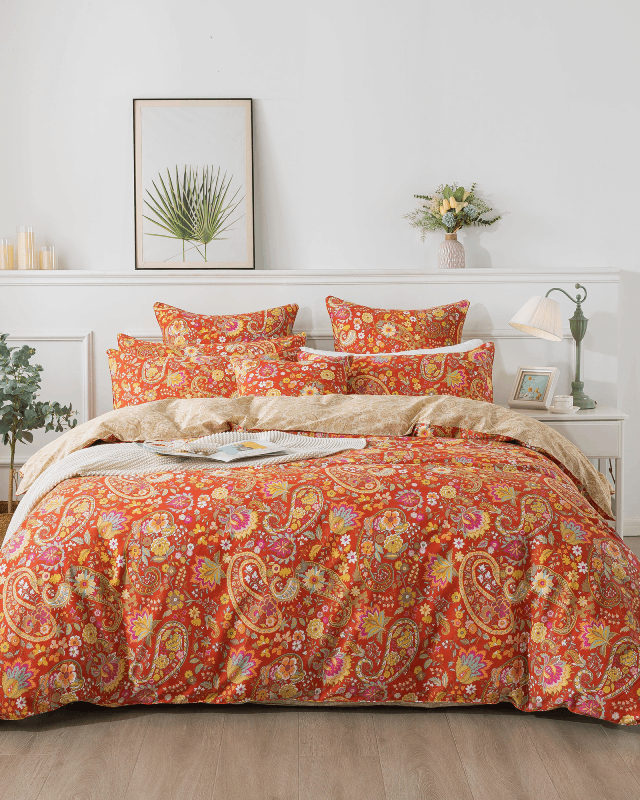
One of the easiest ways to make a bed look professionally styled is to fold the quilt slightly away from the pillows.
This simple technique reveals the sheets underneath and creates visible layers rather than covering everything with one large piece of fabric.
You can fold the quilt back approximately one-quarter of the bed length or create a softer, relaxed fold near the top.
If your sheets feature a complementary print, this is also an excellent way to showcase both patterns within the same bedding arrangement.
Mix Patterns with Balance
Pattern mixing can make a bedroom feel more collected and personal, but too many competing prints can quickly become overwhelming.
A useful approach is to combine patterns at different scales.
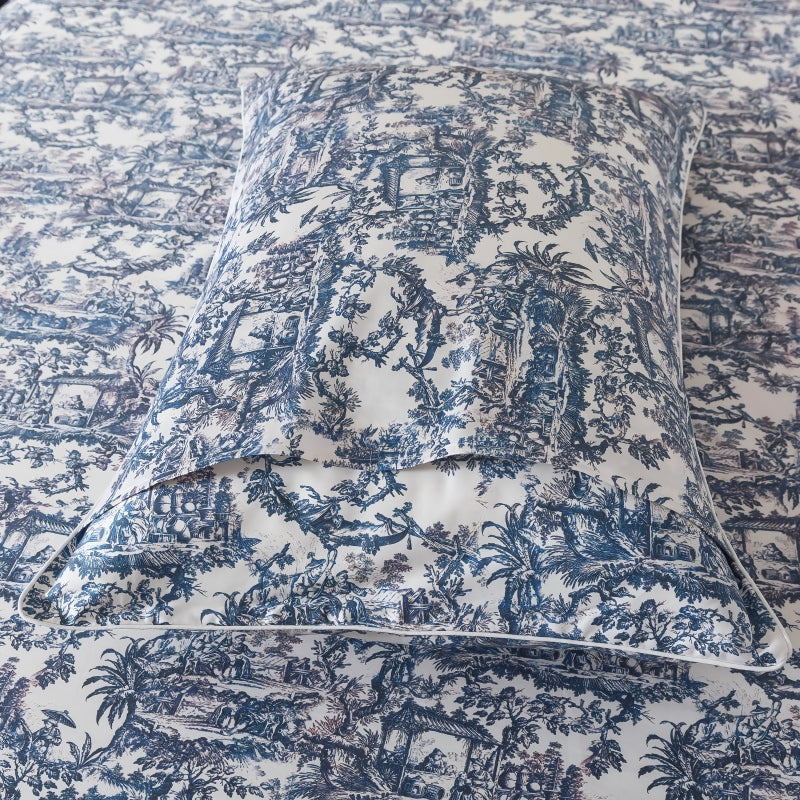
For example, a quilt with large floral motifs can be paired with sheets featuring smaller botanical details. A striped pillow may then introduce a subtle geometric contrast.
Try to repeat similar colors throughout the bedding layers so that different prints still feel connected.
The result should feel coordinated rather than perfectly matched.
Add Texture for More Dimension
Color and pattern are important, but texture is what often makes a bed feel especially inviting.
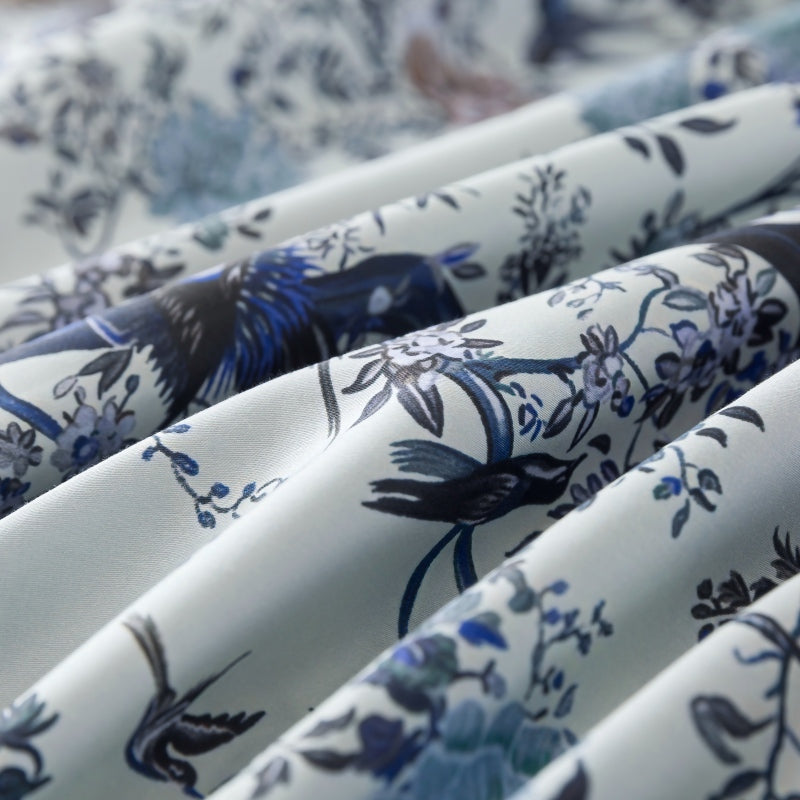
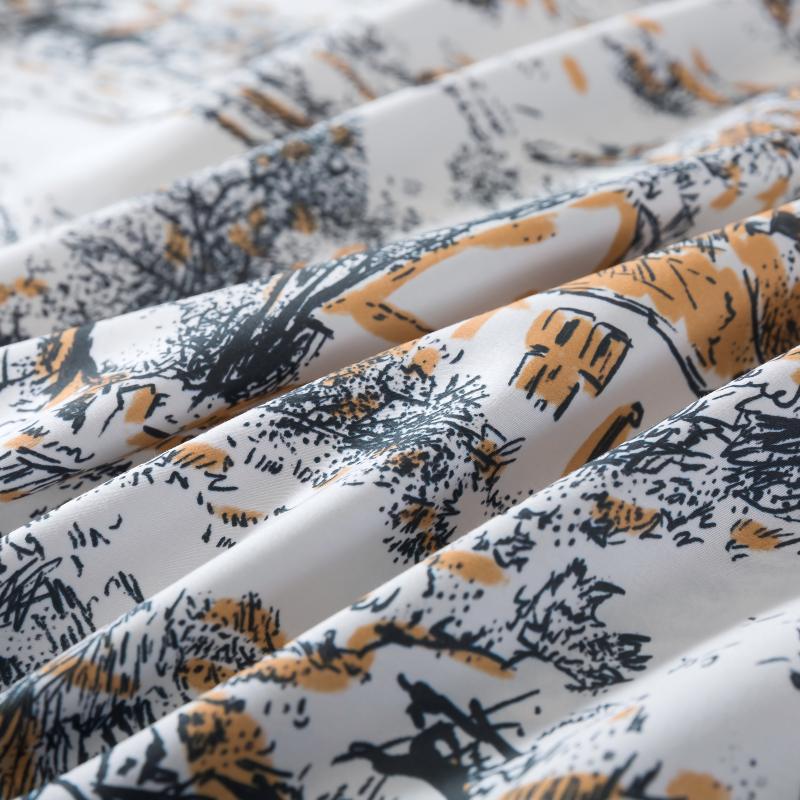
Quilted stitching, cotton weaves, ruffles, embroidery, and lightly textured blankets can all create visual depth.
When several bedding pieces use similar colors, texture becomes even more important because it prevents the bed from looking flat.
Consider combining smooth cotton sheets with a stitched quilt, then adding a textured throw at the foot of the bed.
Small differences in fabric surface can create a surprisingly sophisticated layered effect.

Finish with a Throw Blanket
A throw blanket is an optional but effective finishing layer.
Instead of spreading it perfectly across the entire bed, fold or casually drape it across the foot of the mattress. This creates a relaxed appearance while also providing extra warmth when needed.
The throw can introduce a contrasting color or simply repeat one of the shades already found in the quilt.
For bedrooms inspired by cottage, farmhouse, or French country interiors, a slightly relaxed placement often feels more natural than an overly symmetrical arrangement.
Consider the Entire Bedroom
A complete bedding look should also connect with the surrounding room.
Curtains, rugs, furniture, wall colors, and decorative accessories do not need to match the bedding exactly, but they should feel visually compatible.
If your quilt contains botanical patterns, for example, natural wood furniture and simple floral accents can reinforce the theme. If the bedding already includes several strong patterns, keeping the rest of the room quieter can help maintain balance.
Think of the bed as the starting point of the bedroom rather than an isolated decorative feature.
Create a Bed That Feels Personal
There is no single formula for building the perfect bedding arrangement.
Some people prefer minimal layers and neutral colors, while others enjoy floral prints, ruffles, and decorative pillows. The most successful bedding combinations are usually the ones that balance personal style with everyday comfort.
Start with breathable sheets, introduce coordinated pillows, layer your favorite quilt, and finish with subtle decorative details.
When every layer works together, the result is a bedroom that feels comfortable, welcoming, and thoughtfully designed—from the sheets underneath to the quilt on top.