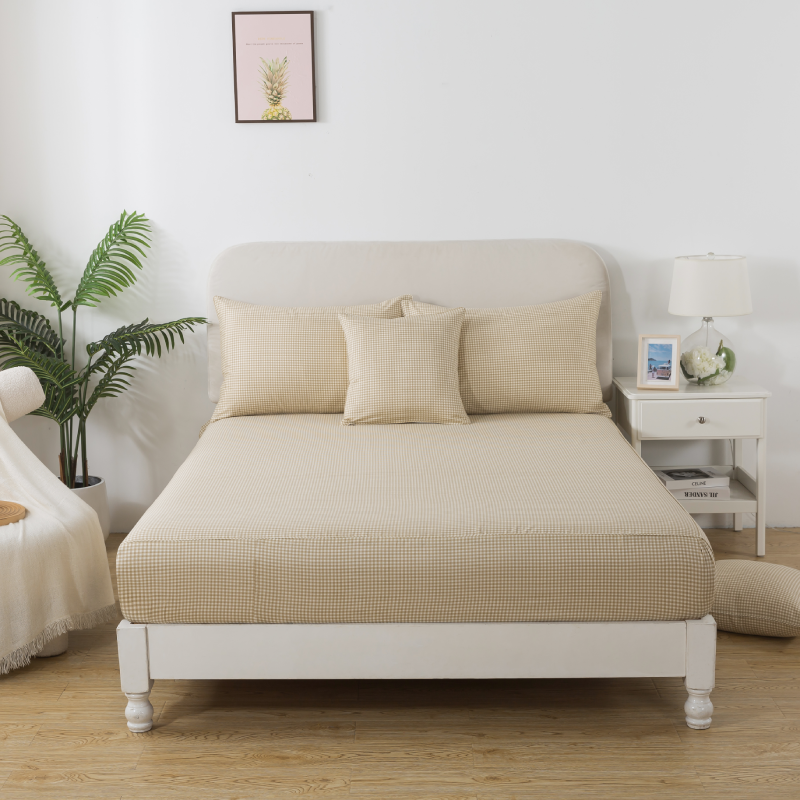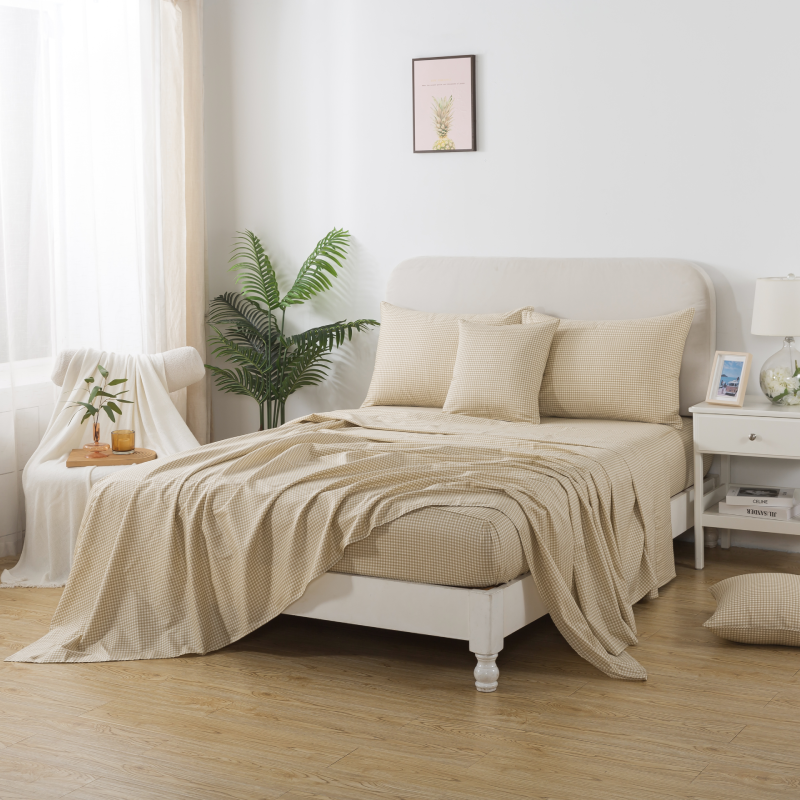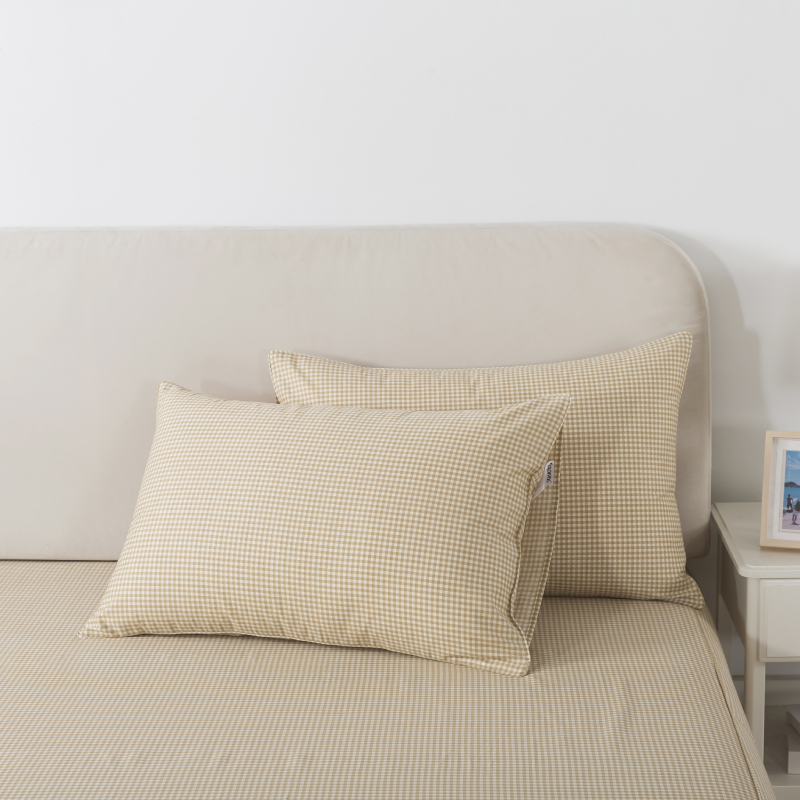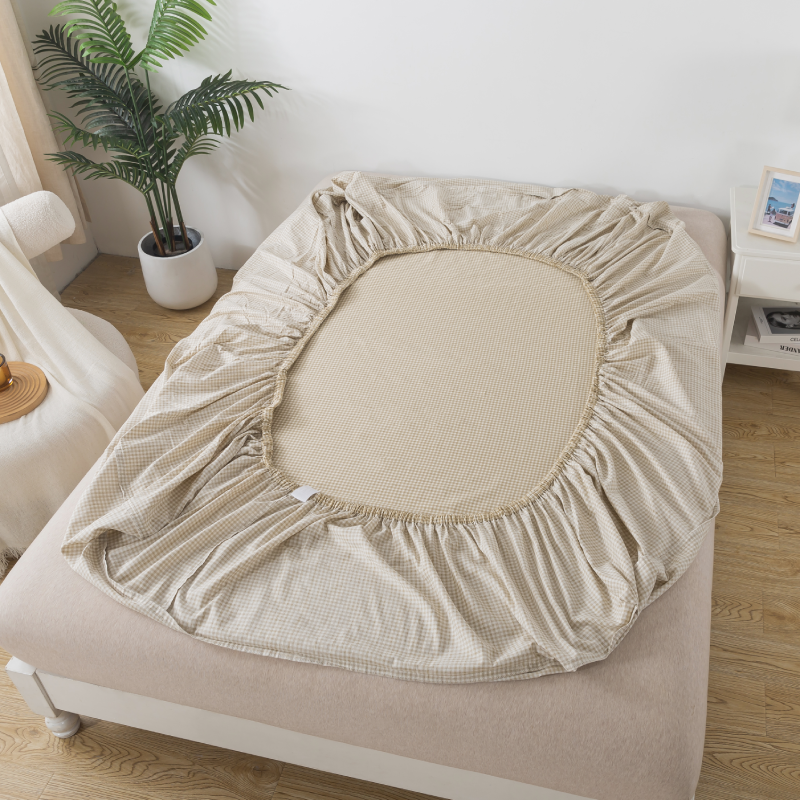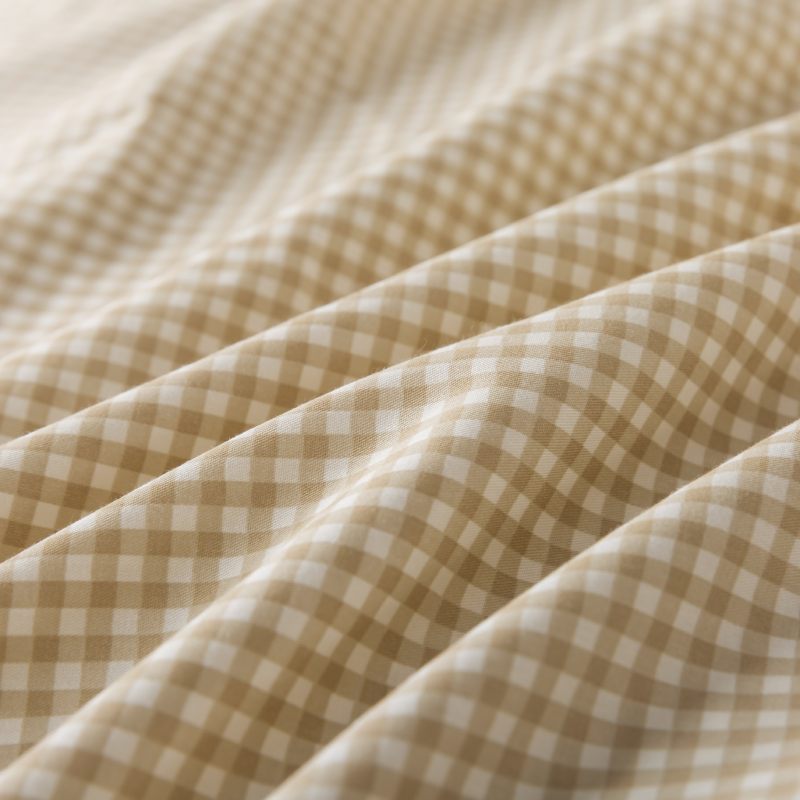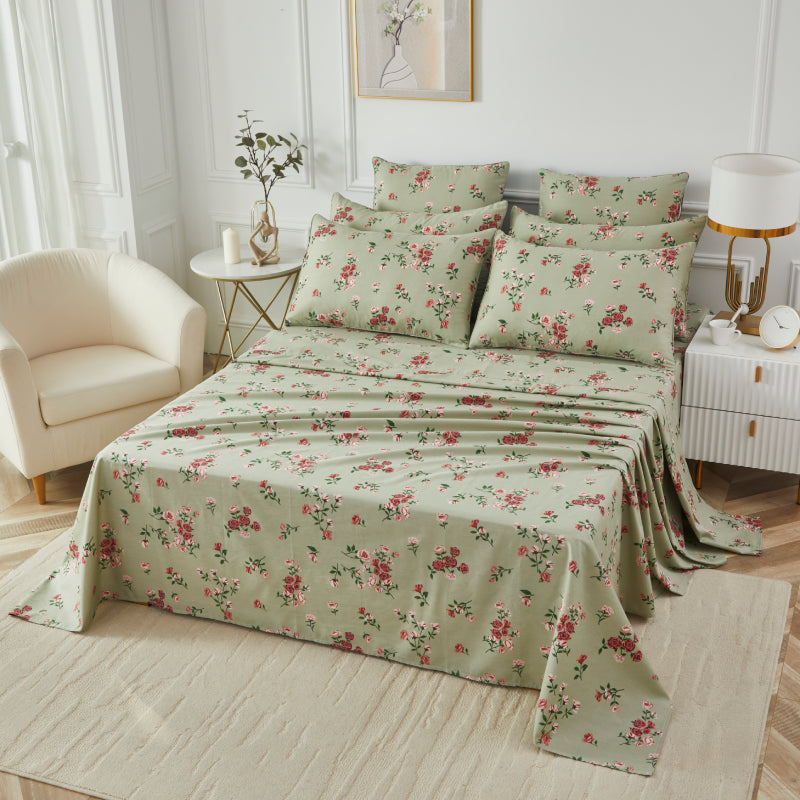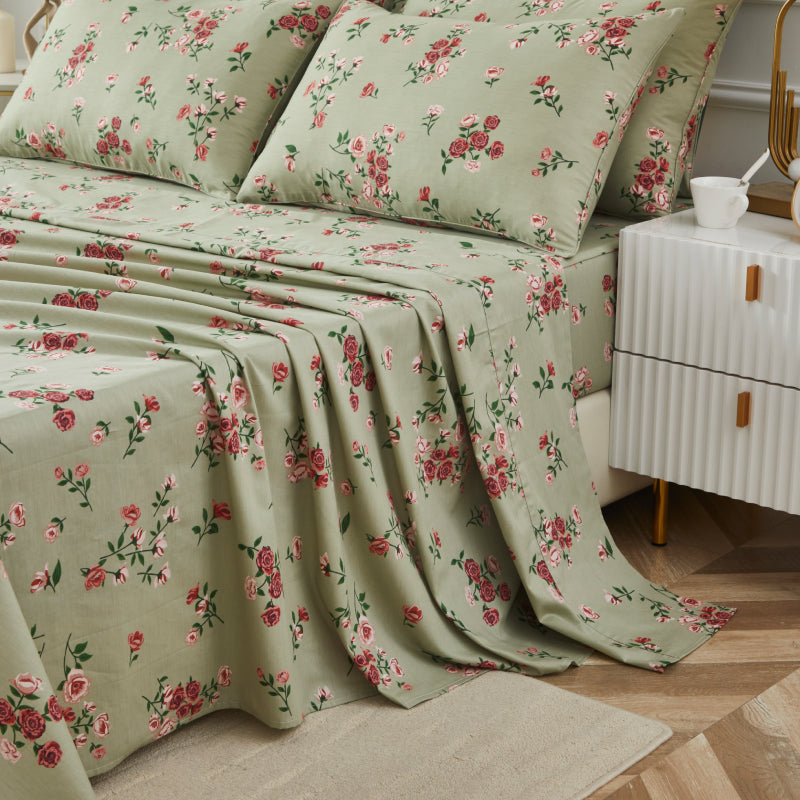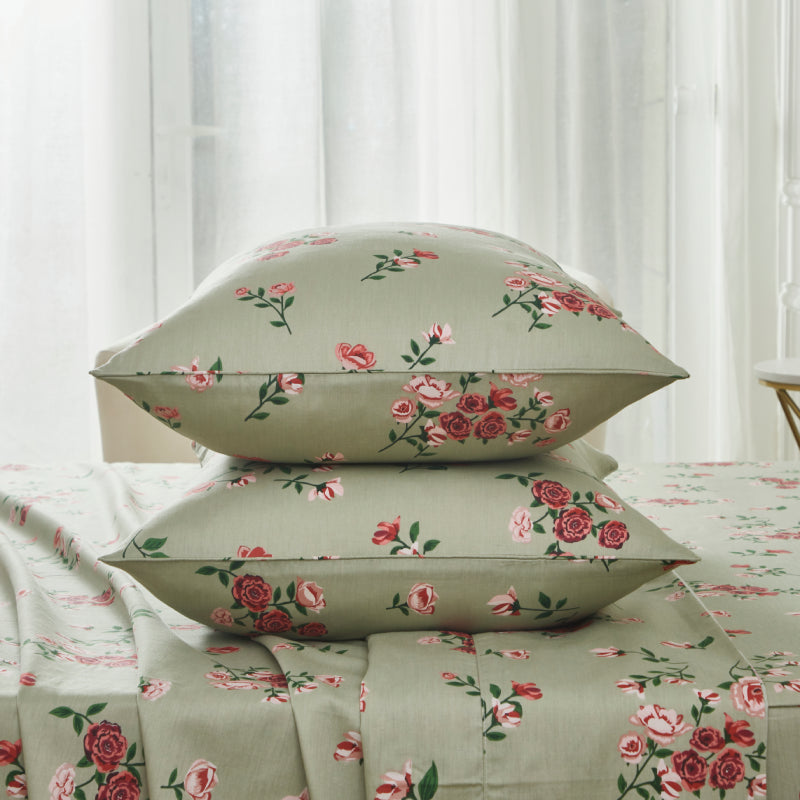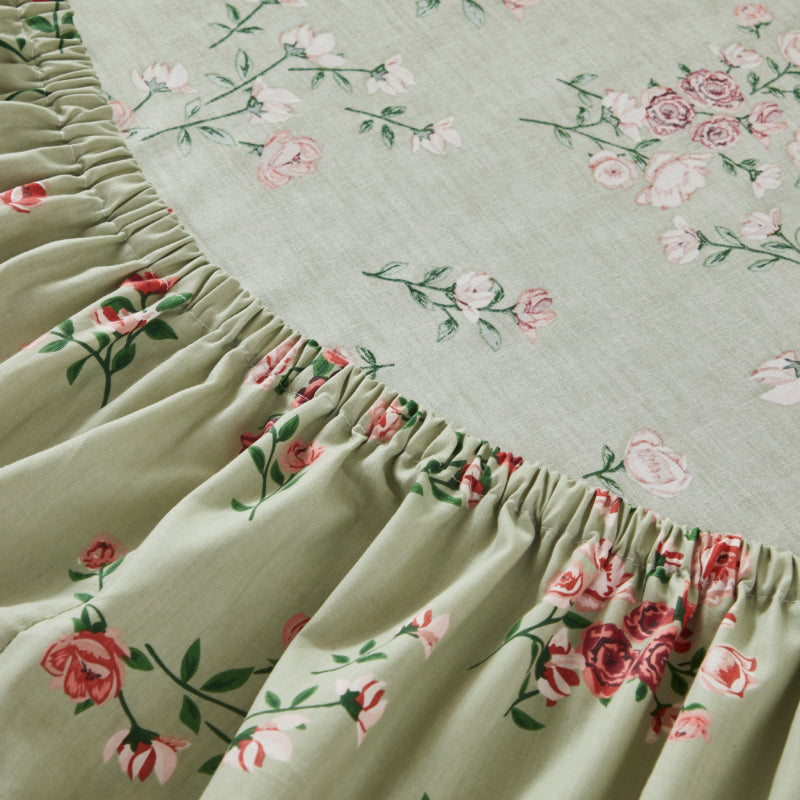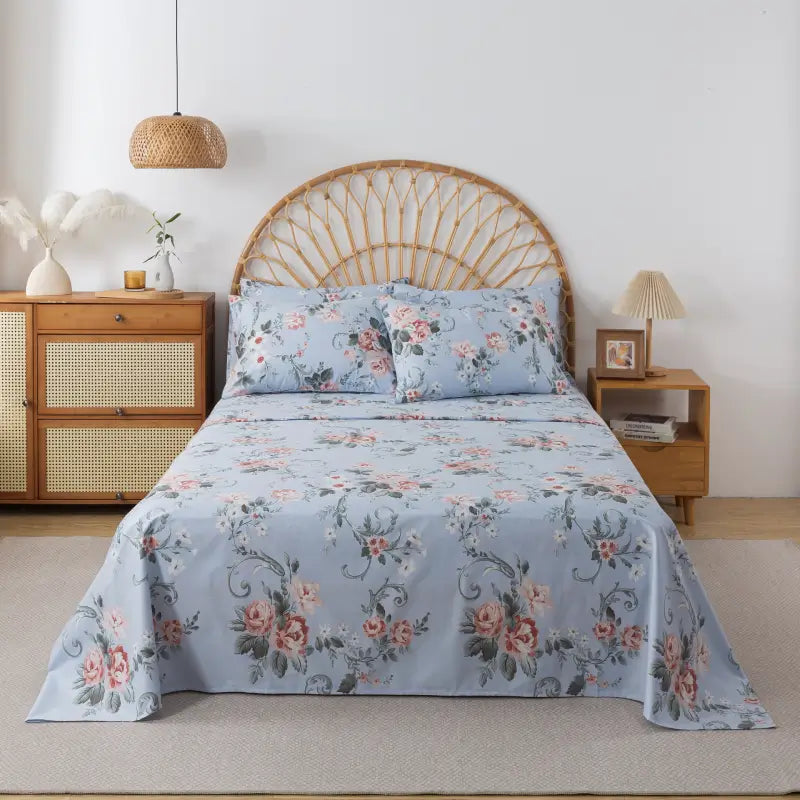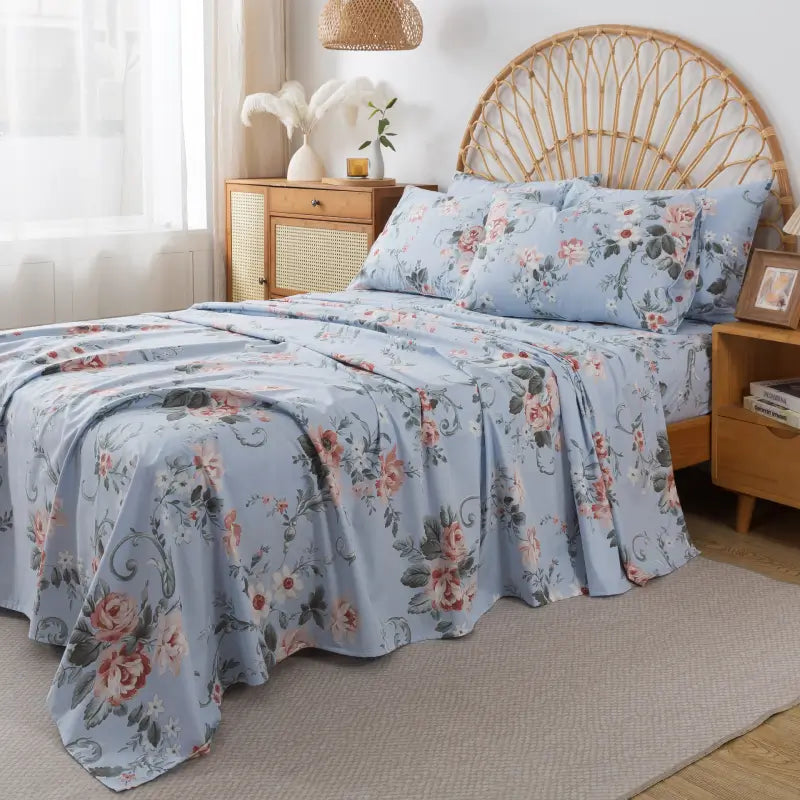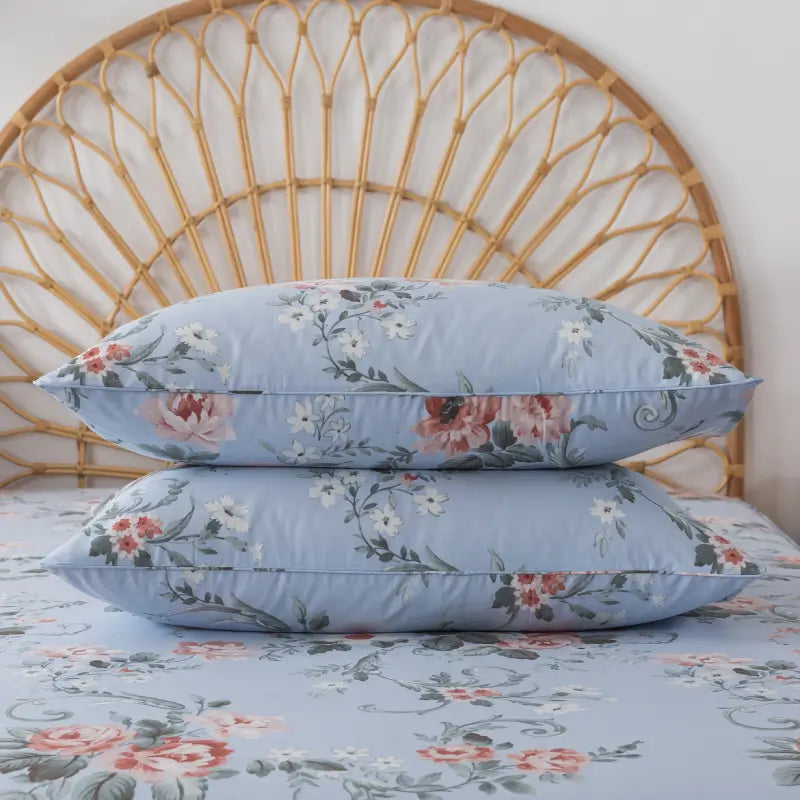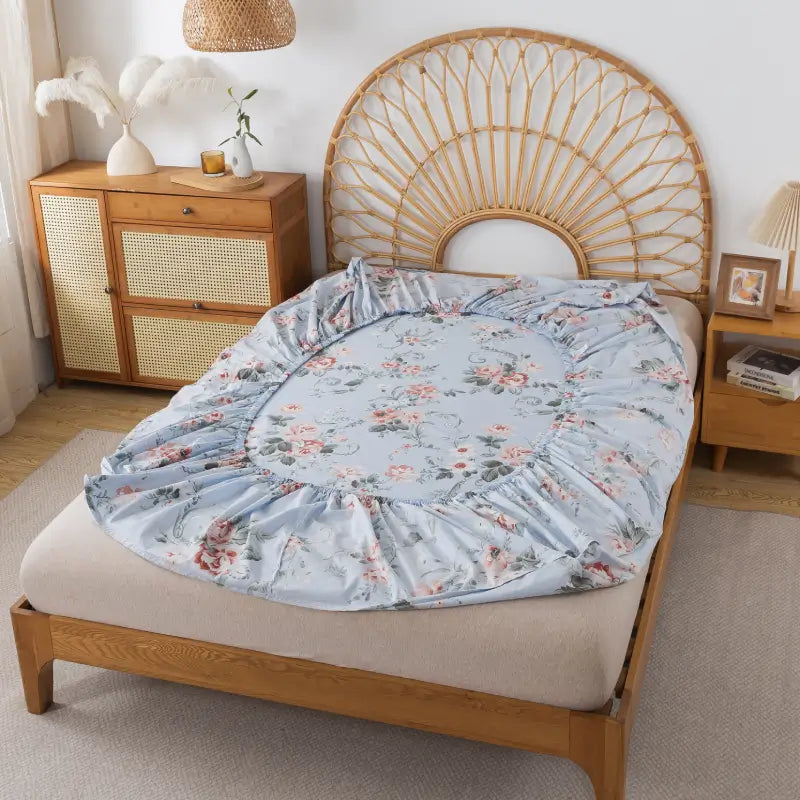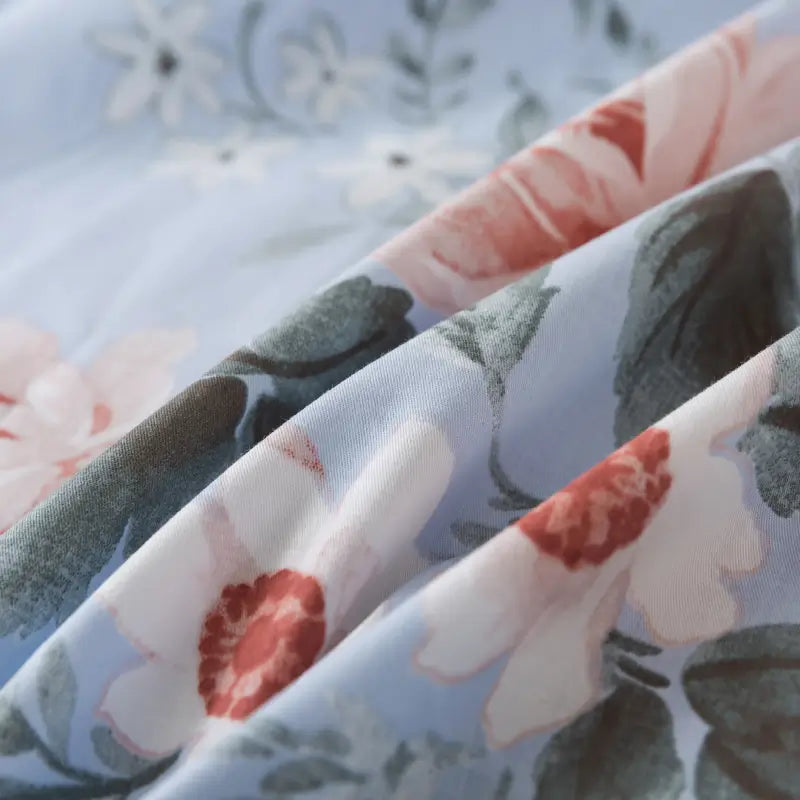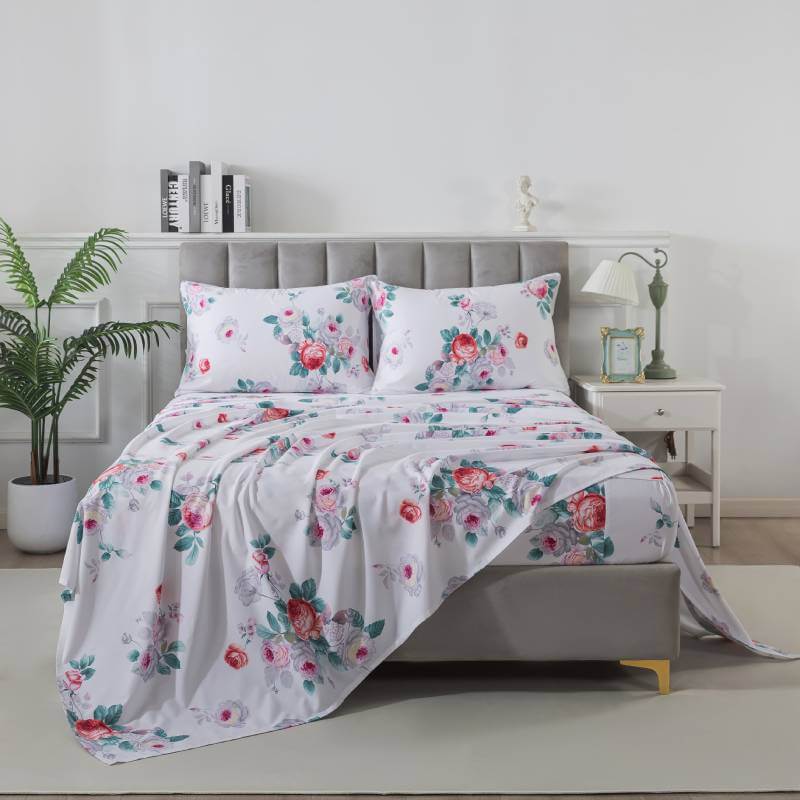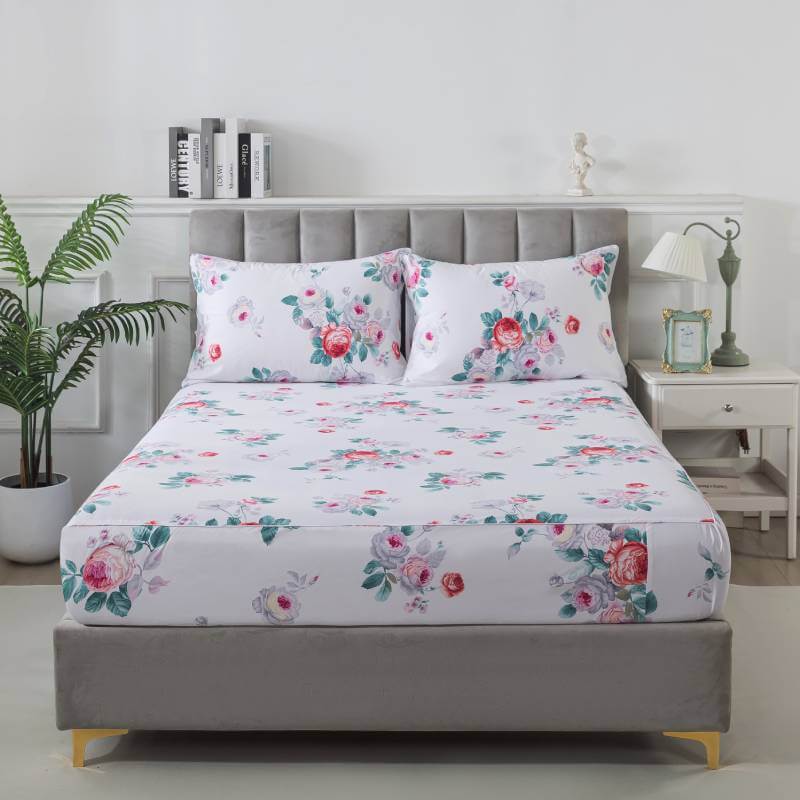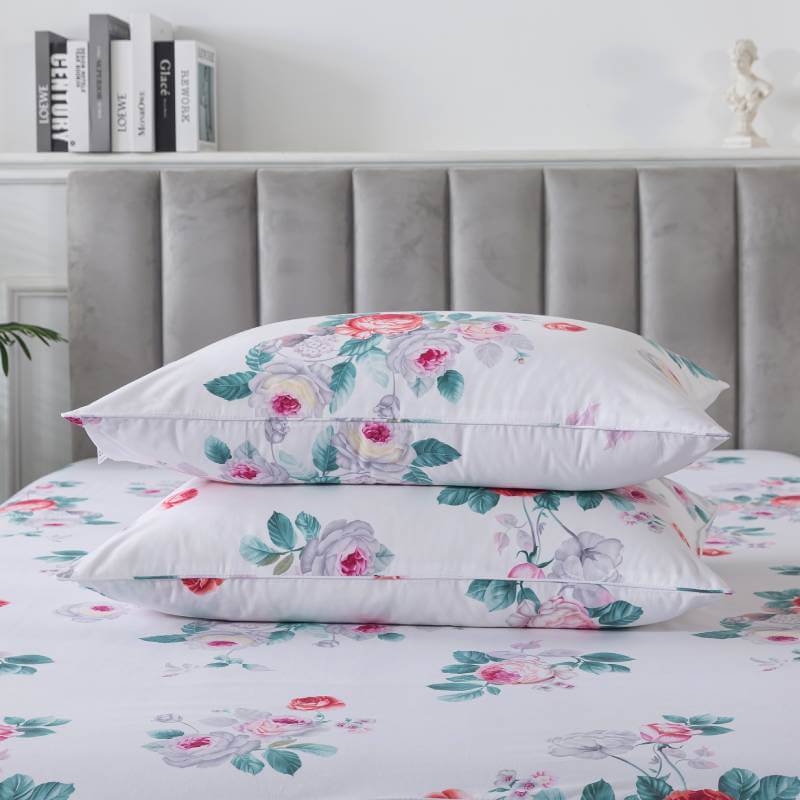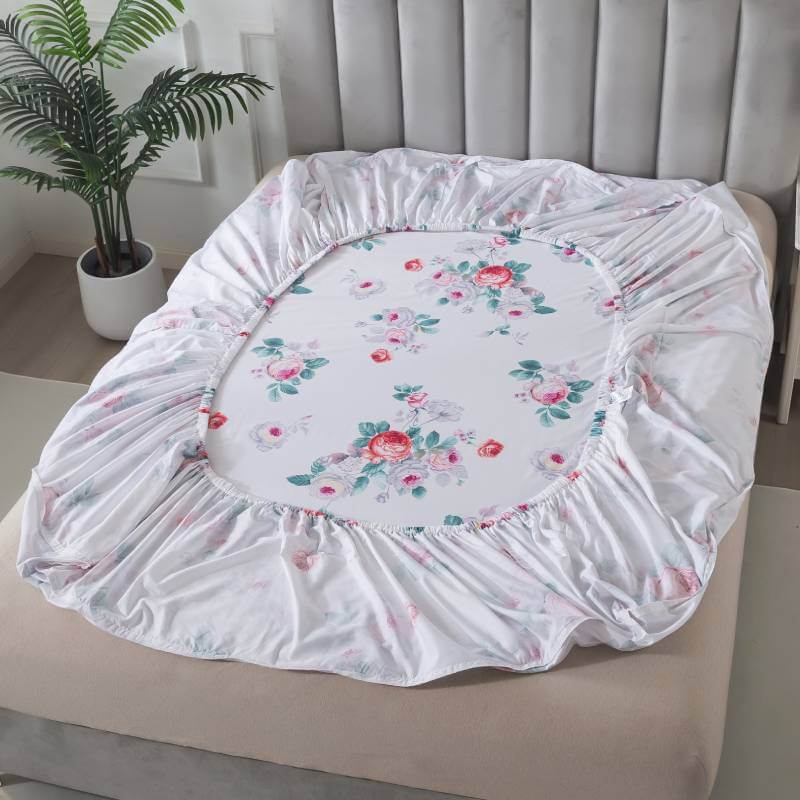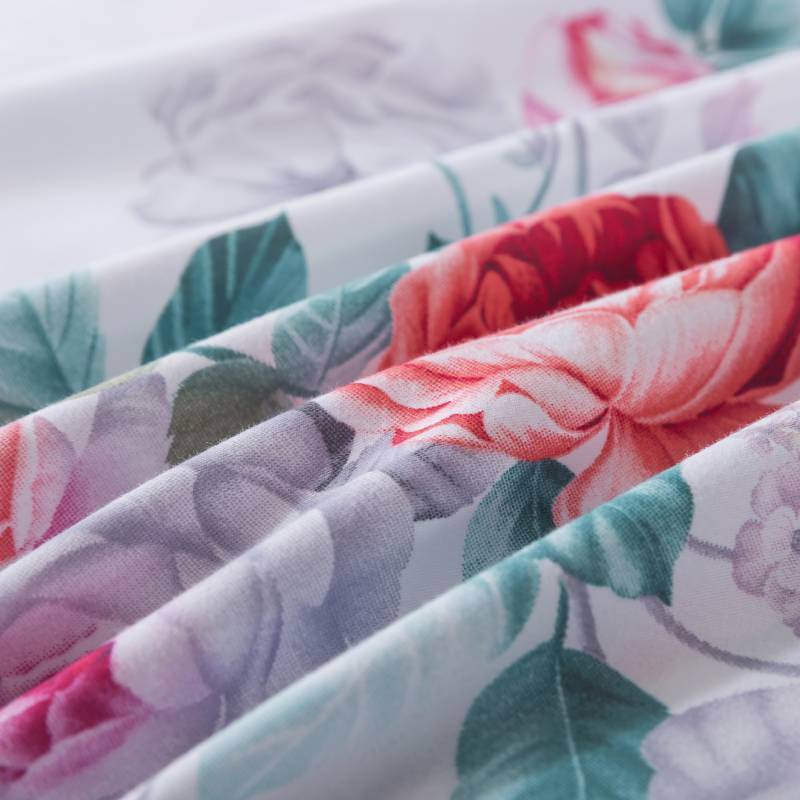
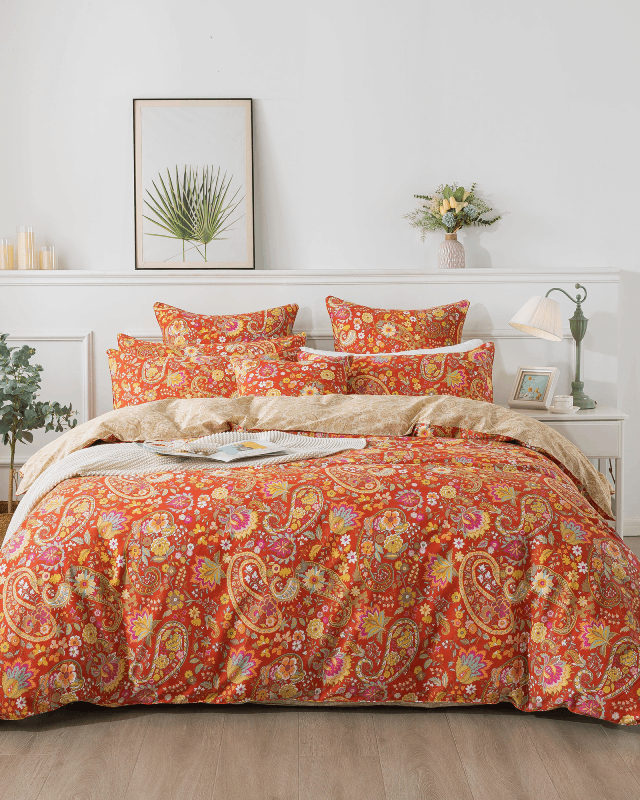
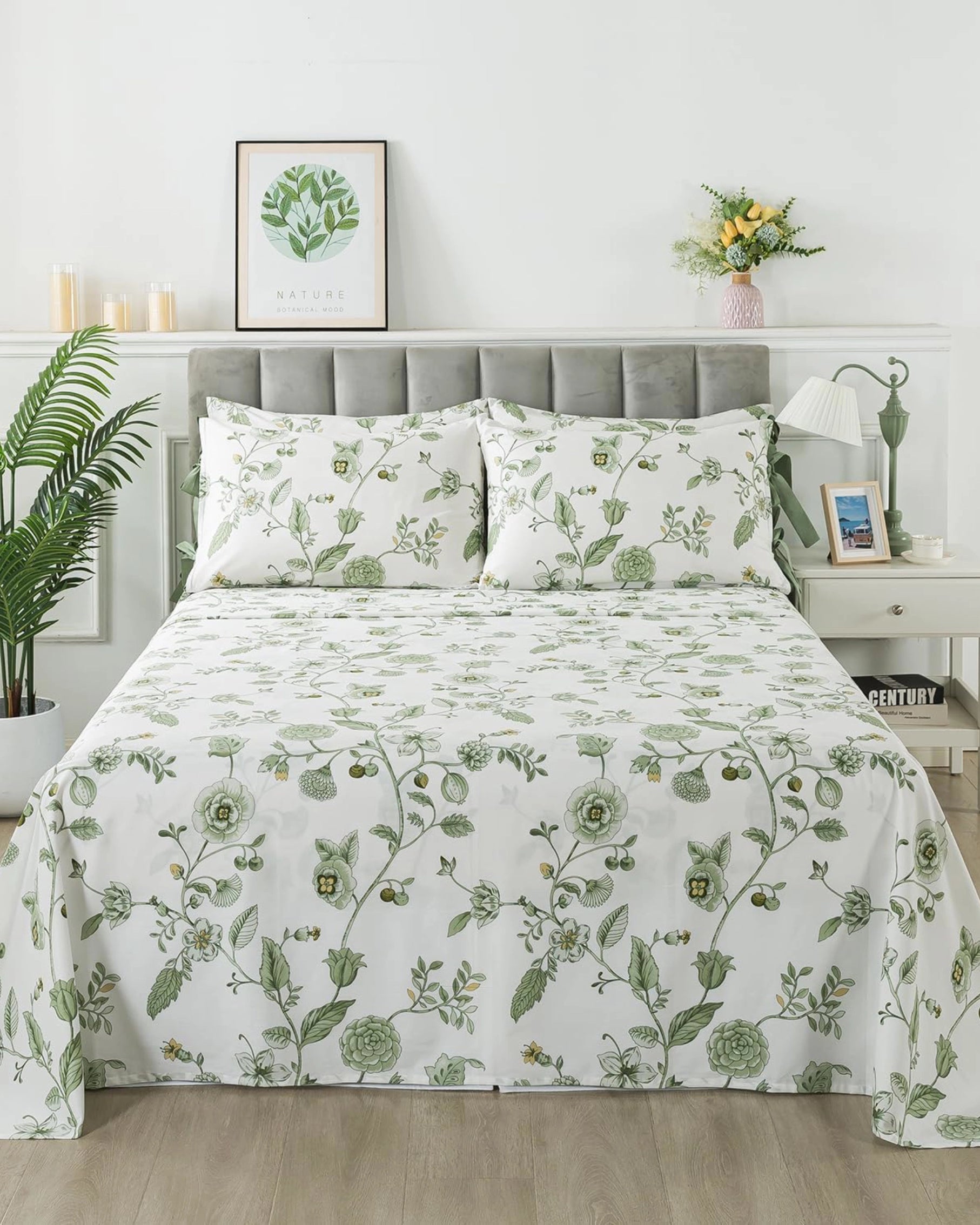


Textile patterns are one of the most influential yet often underestimated elements in interior design. Beyond color and material, patterns define the rhythm, personality, and emotional tone of a space. Whether subtle or bold, traditional or contemporary, textile patterns shape how a room feels, how it flows, and how it tells a story.
The Language of Patterns in Design
Patterns function as a visual language. Just as words convey meaning, patterns communicate mood and identity. Floral motifs often evoke softness and romance, geometric designs suggest order and modernity, while abstract patterns introduce creativity and movement.
In interior design, textiles—such as bedding, curtains, rugs, and upholstery—act as carriers of these patterns. Because they are flexible and replaceable, textiles allow designers and homeowners to experiment with style without committing to permanent structural changes.
For example, a bedroom featuring delicate botanical prints can feel calm and restorative, while bold, high-contrast patterns can energize a living room or workspace. The choice of pattern directly influences the psychological experience of the space.
Creating Visual Hierarchy and Balance
Patterns play a critical role in establishing visual hierarchy. A well-designed room typically balances dominant, secondary, and accent patterns.
- Dominant patterns: Large-scale prints that anchor the space (e.g., bedding or area rugs)
- Secondary patterns: Medium-scale designs that support the main theme (e.g., curtains or upholstered chairs)
- Accent patterns: Small-scale or subtle motifs that add detail (e.g., cushions or throws)
This layered approach prevents visual monotony while avoiding overwhelming clutter. The key is proportion and distribution. When patterns are scaled and spaced thoughtfully, they guide the eye naturally across the room.
Pattern Scale and Spatial Perception
The scale of textile patterns can significantly affect how large or small a space feels.
- Large-scale patterns can make a bold statement but may visually shrink smaller rooms if overused
- Small-scale patterns tend to create a sense of texture and can make compact spaces feel more open
- Vertical patterns (like stripes) can make ceilings appear higher
- Horizontal patterns can visually widen a room
Designers often use these principles strategically. For instance, a narrow bedroom can feel more expansive with horizontally patterned bedding or rugs, while vertical striped curtains can enhance perceived ceiling height.

Cultural and Emotional Influence
Textile patterns often carry cultural significance. From traditional floral prints inspired by European countryside aesthetics to intricate patterns rooted in Asian or Middle Eastern design, textiles can embed a sense of heritage and storytelling into interiors.
Emotionally, patterns influence how we respond to a space. Soft, organic motifs promote relaxation and comfort, making them ideal for bedrooms. In contrast, sharp, angular patterns can stimulate focus and are often used in offices or creative studios.
This emotional dimension is particularly important in spaces designed for rest and well-being. Thoughtfully chosen textile patterns can transform a room from purely functional to deeply comforting.
Seasonal and Lifestyle Adaptability
One of the greatest advantages of textile patterns is their adaptability. Unlike fixed elements like walls or flooring, textiles can be updated seasonally or as lifestyles evolve.
- Spring/Summer: Light, airy patterns such as florals or soft geometrics
- Fall/Winter: Richer, denser patterns with deeper tones
- Lifestyle changes: Pet-friendly or family-oriented spaces may benefit from patterns that conceal wear and add durability in appearance
This flexibility allows homeowners to refresh their interiors without major renovations. A simple change in patterned bedding or rugs can redefine the entire atmosphere of a room.
Patterns as a Reflection of Personal Identity
Ultimately, textile patterns are a powerful tool for self-expression. Minimalist interiors may favor subtle, tone-on-tone patterns, while more expressive spaces embrace bold, layered designs.
The key is coherence. Even in eclectic interiors, patterns should share a common thread—whether through color palette, theme, or texture—to maintain harmony.
For brands and designers alike, this is where textile design becomes storytelling. A carefully chosen pattern can evoke nostalgia, convey sophistication, or create a sense of everyday luxury.
Conclusion
Textile patterns are far more than decorative elements—they are foundational to how interiors look and feel. By influencing mood, spatial perception, and visual structure, patterns shape the essence of a space.
Whether through soft floral bedding, structured geometric rugs, or subtle woven textures, the right patterns can elevate interior design from functional to experiential. In the end, it is these details that transform a house into a home.