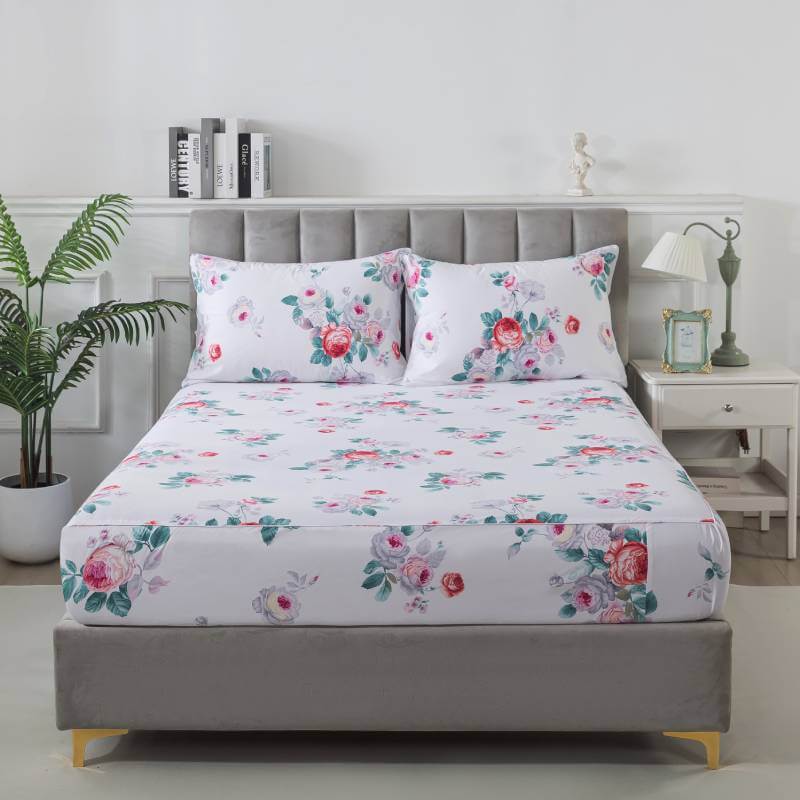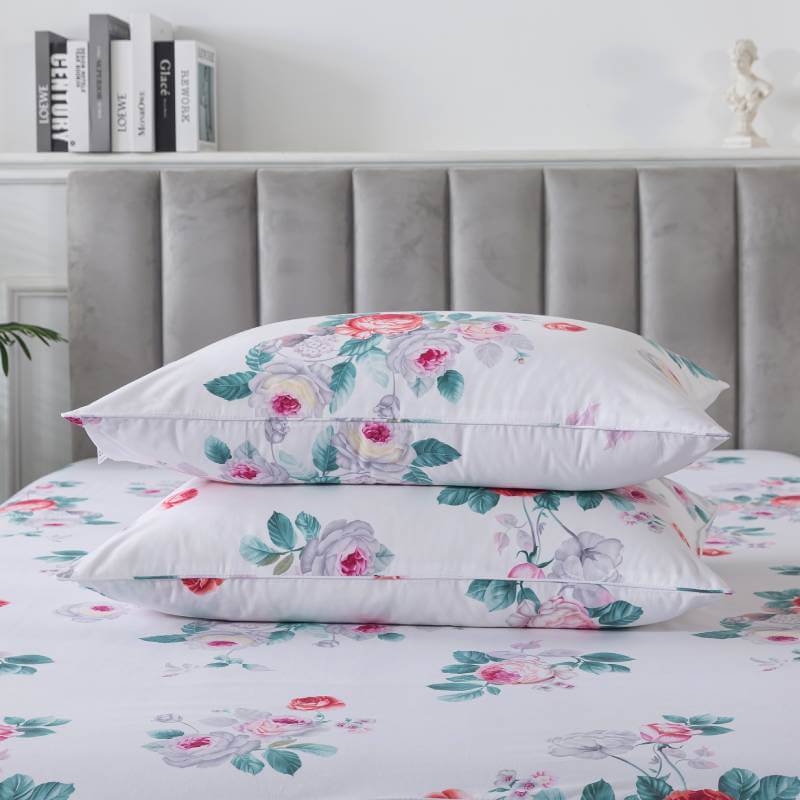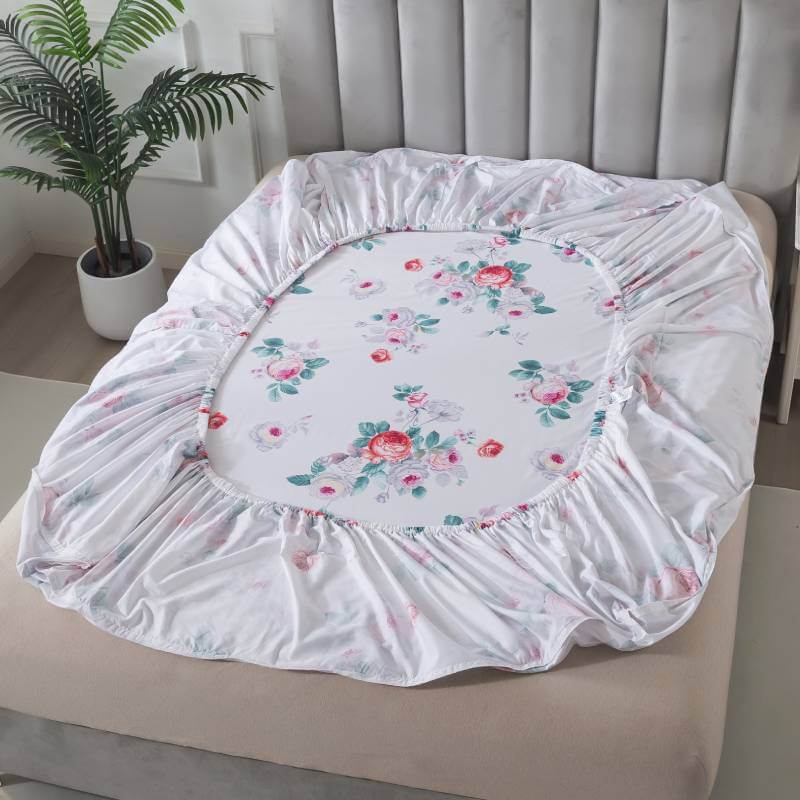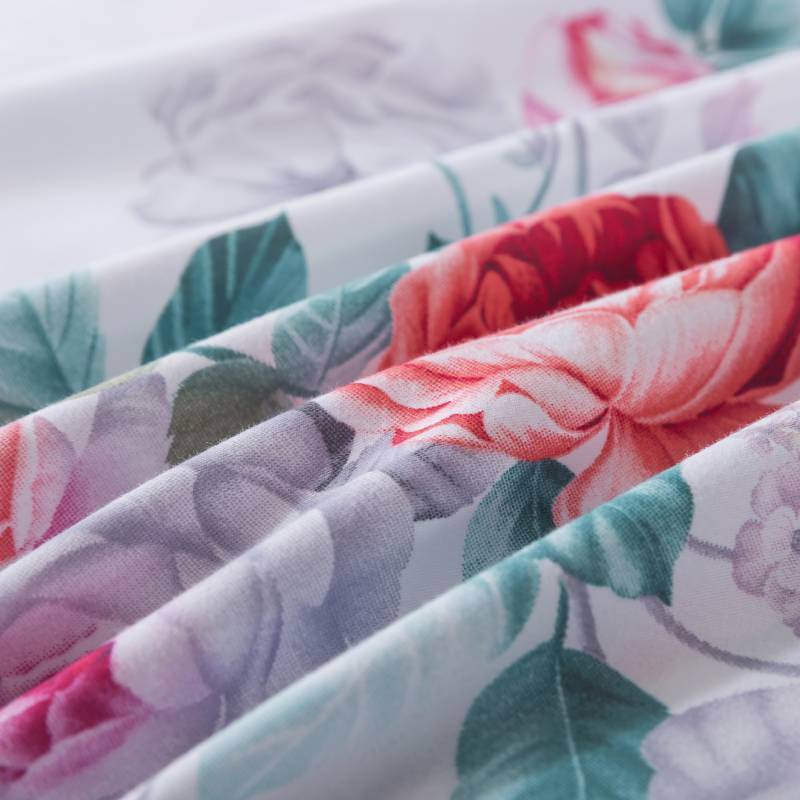
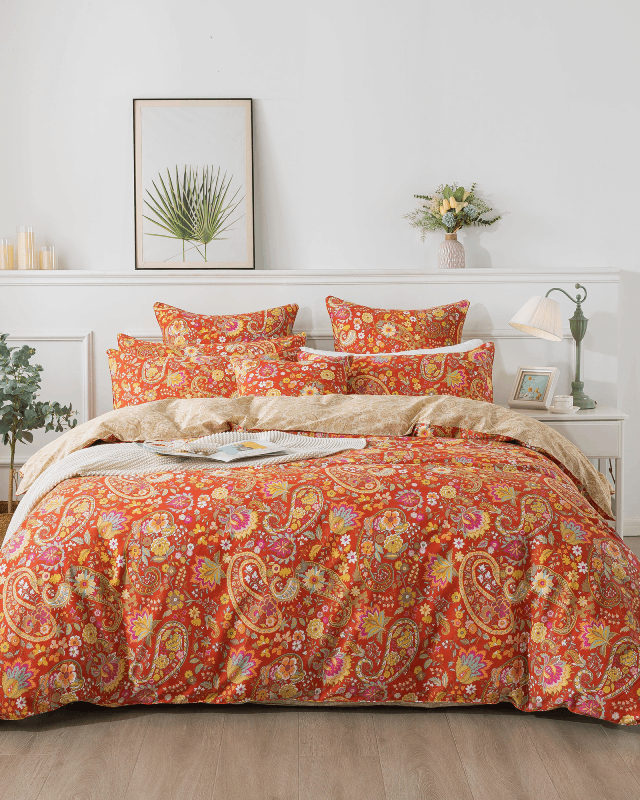
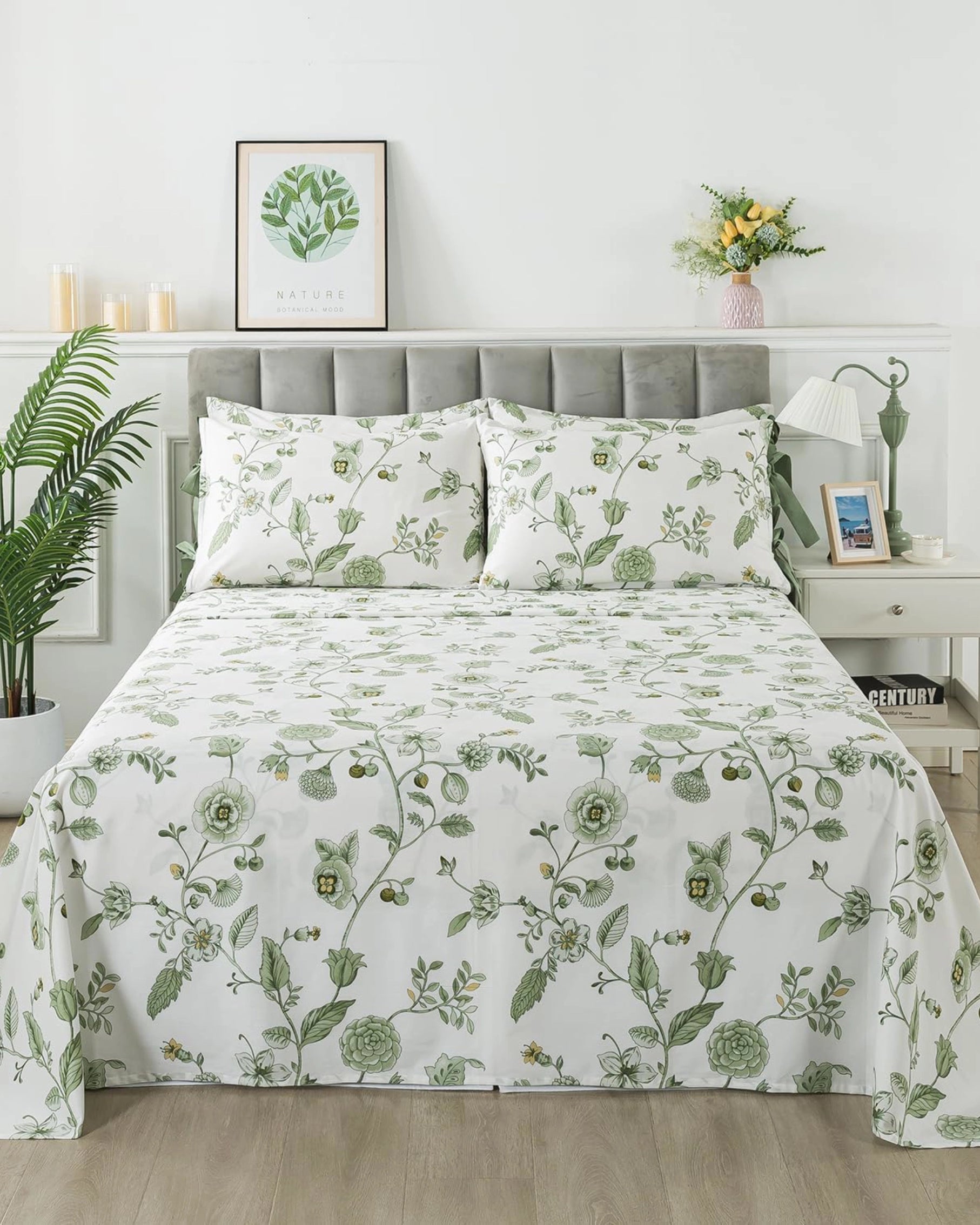


In real homes, bedding is rarely untouched. It gets pulled, washed, jumped on, wrinkled, shared with pets, and used through every season of life. A beautiful bed may catch attention at first glance, but what truly matters is how bedding performs after weeks, months, and even years of everyday family use.
For families, bedding is not simply decoration. It becomes part of morning routines, afternoon naps, movie nights, sick days, bedtime stories, and quiet weekends. Good bedding should not feel fragile or overly precious. It should support real living.
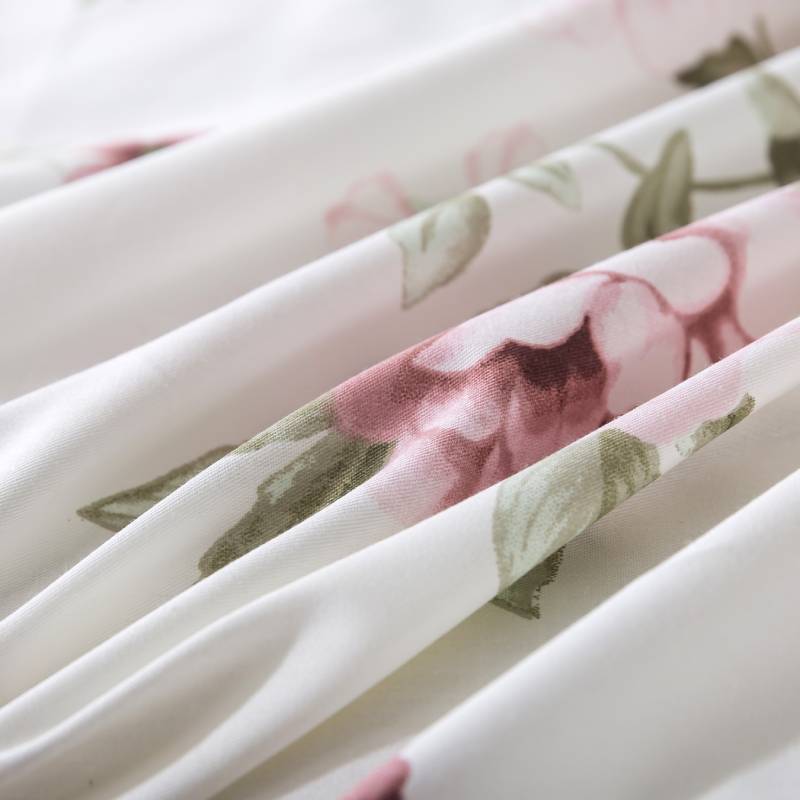
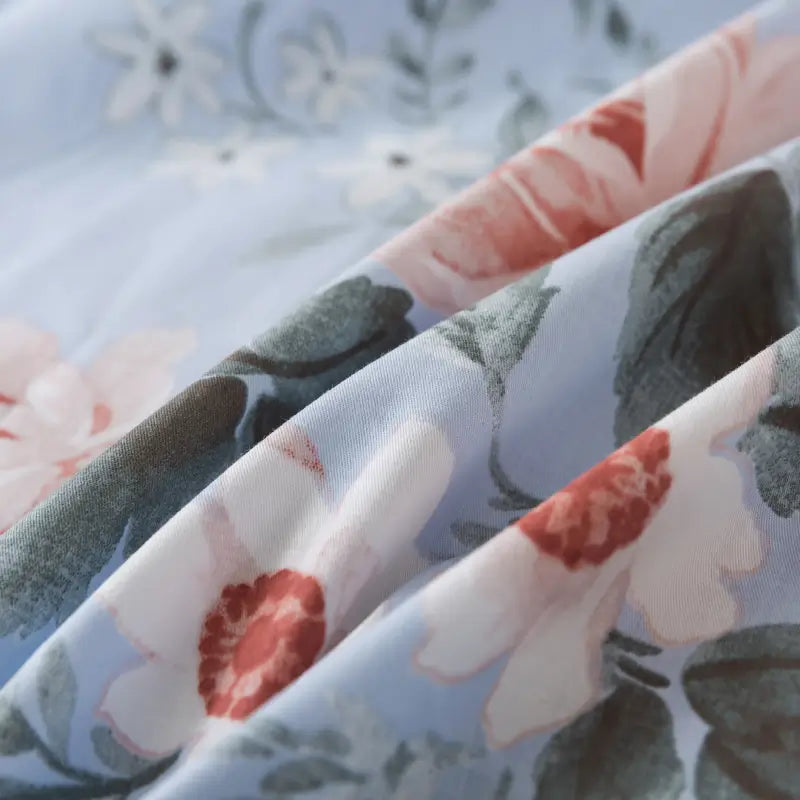
One of the first things families notice is comfort over time. Some fabrics feel impressive on the first night but quickly become stiff, rough, or worn after repeated washing. High-quality cotton bedding performs differently. It softens gradually, becoming more comfortable with use instead of losing its appeal. This is especially important in homes with children, where bedding is washed frequently and used heavily.
Breathability also plays a major role in daily life. Bedrooms can easily feel stuffy when fabrics trap heat and moisture. Natural cotton fibers help regulate airflow more effectively, creating a sleep environment that feels lighter and fresher throughout the night. For families living in warmer climates or homes with varying temperatures, breathable bedding often makes sleep noticeably more comfortable for both adults and children.
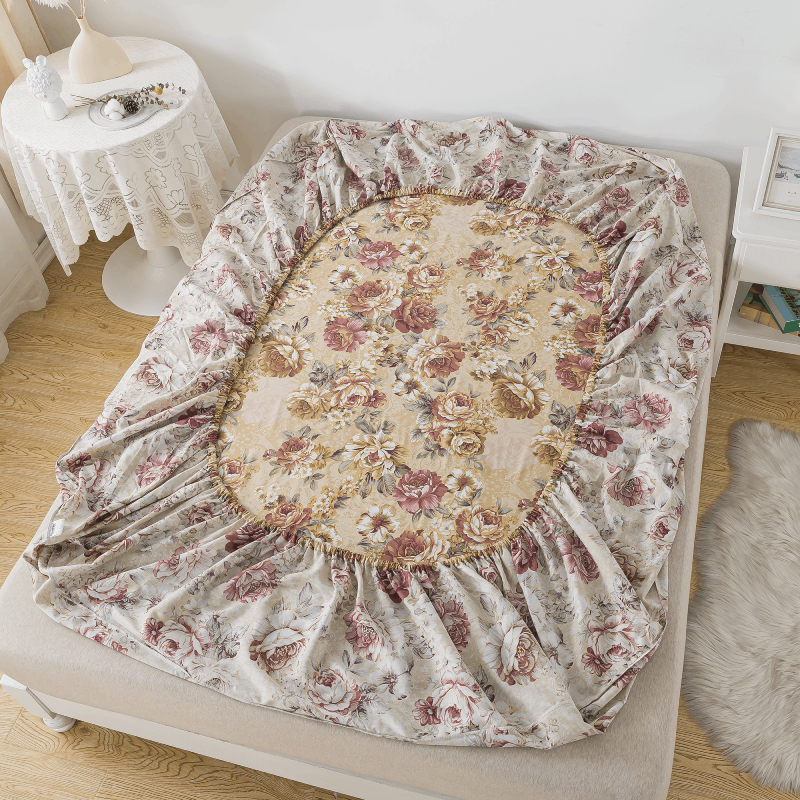
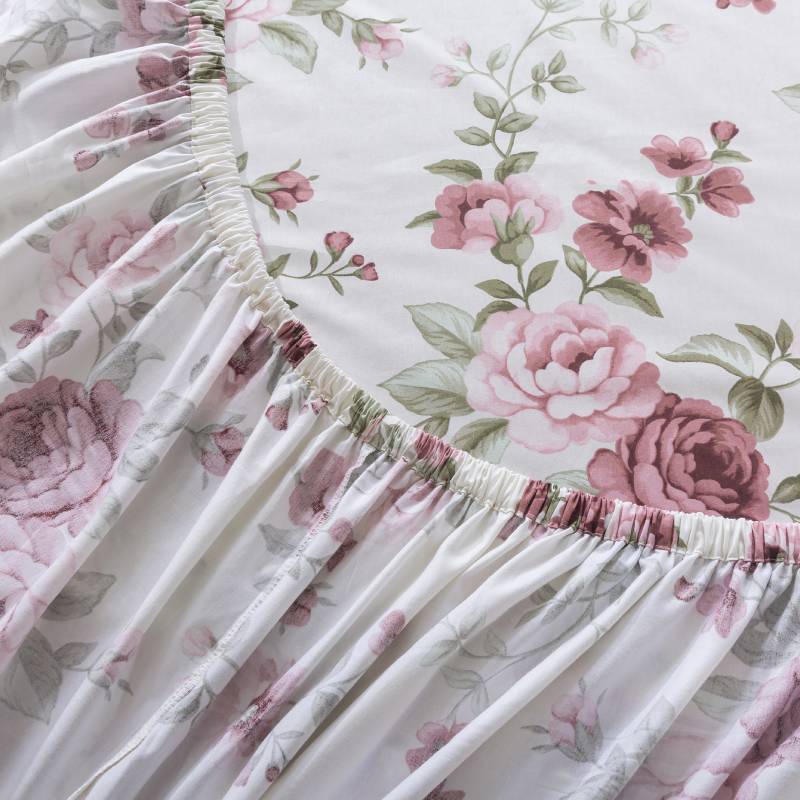
Durability becomes even more important in busy households. Children climb into bed with toys, pets curl up near pillows, and blankets are constantly pulled and adjusted. Bedding that easily pills, loses shape, or develops uneven texture can quickly make a bedroom feel untidy. Well-made bedding with careful stitching and durable fabric construction tends to maintain its appearance much longer, even with daily use.

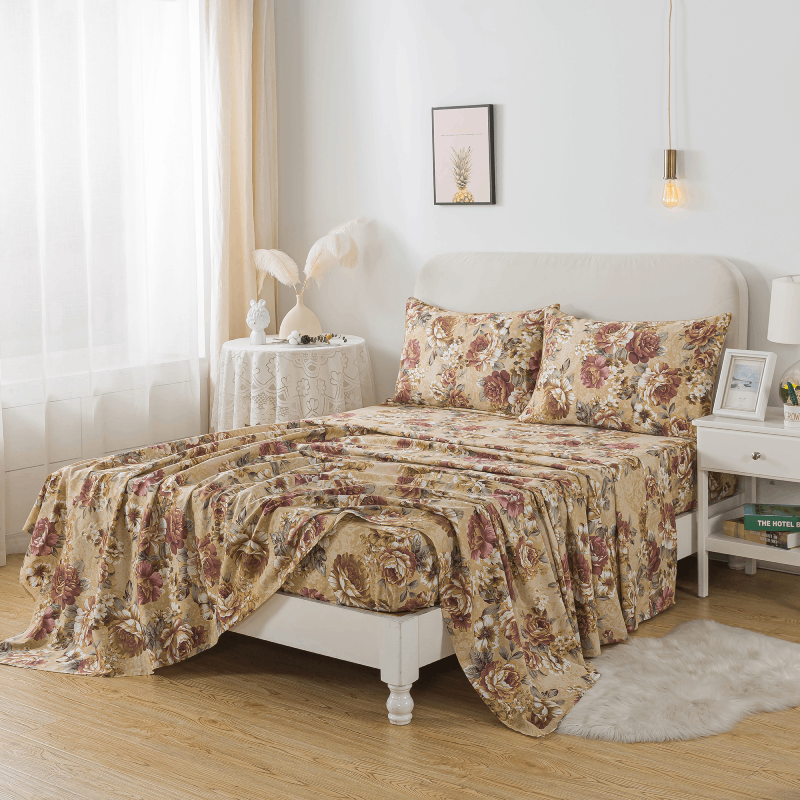
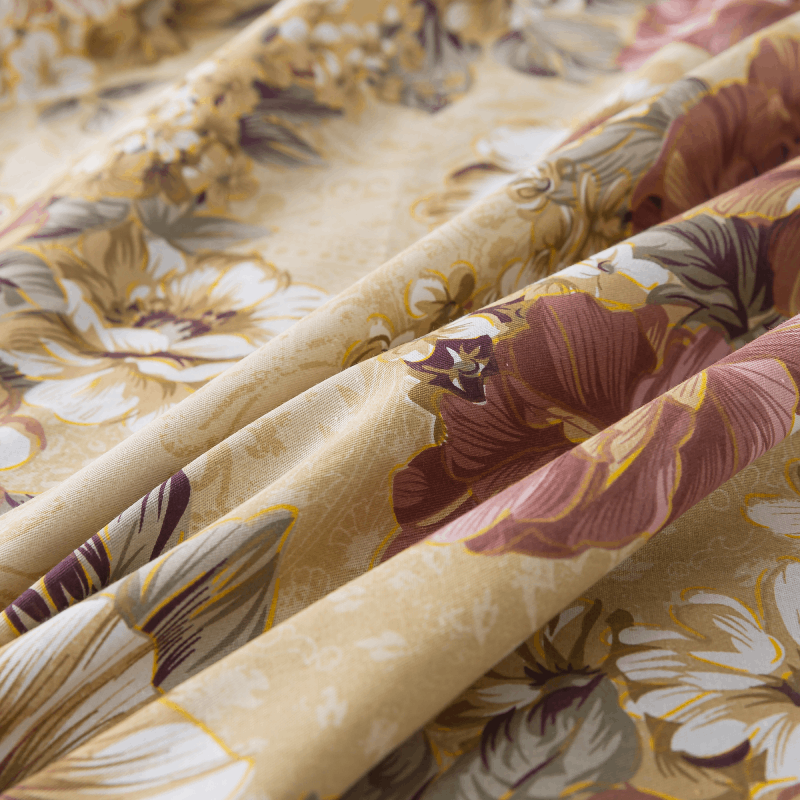
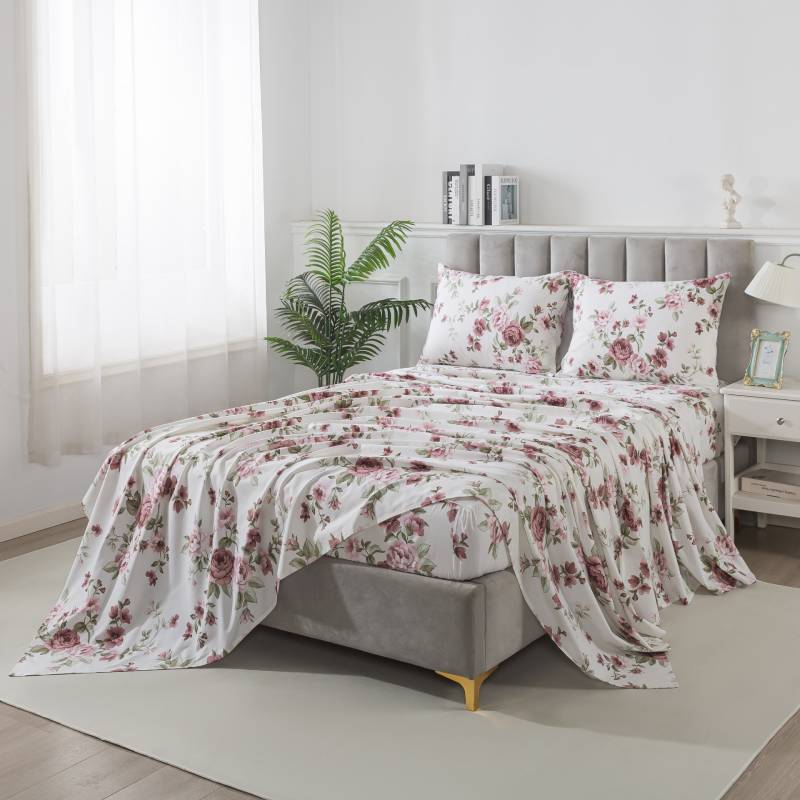
Another overlooked aspect of family bedding is ease of care. Families rarely have time for complicated maintenance routines. Bedding should wash easily, dry well, and return to the bed looking relaxed and inviting. Slight natural wrinkles in cotton bedding often add warmth and character instead of looking messy. In many homes, that lived-in softness feels more welcoming than perfectly stiff hotel-style bedding.
For pet owners, performance matters even more. Cats and dogs naturally become part of bedtime routines, whether they sleep near the foot of the bed or simply spend quiet moments there during the day. Bedding that attracts excessive hair or feels delicate under paws can become frustrating very quickly. Practical fabrics that remain comfortable, easy to clean, and durable under daily interaction tend to fit family life much better.
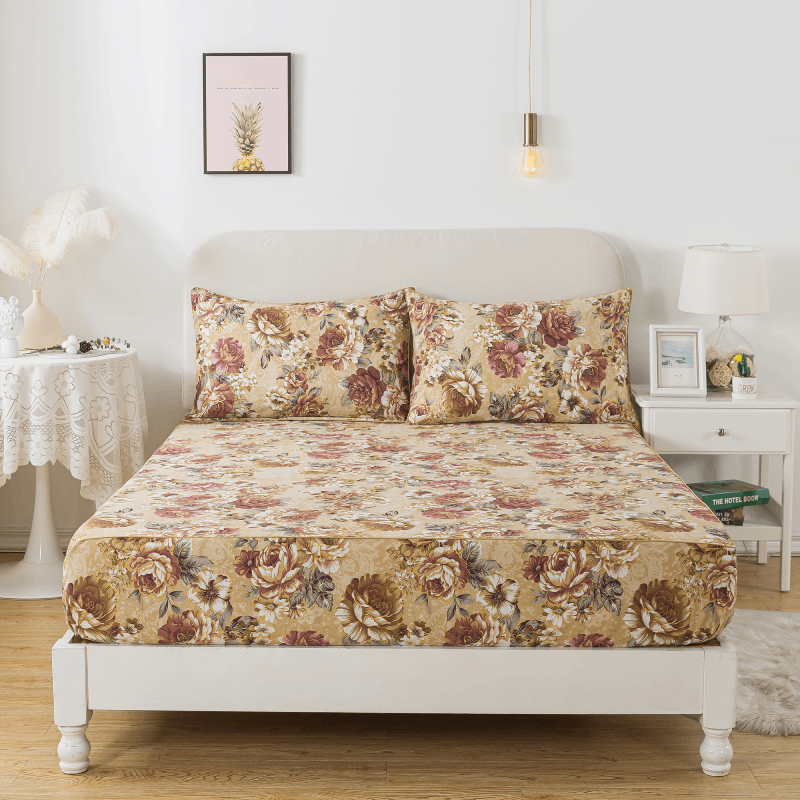
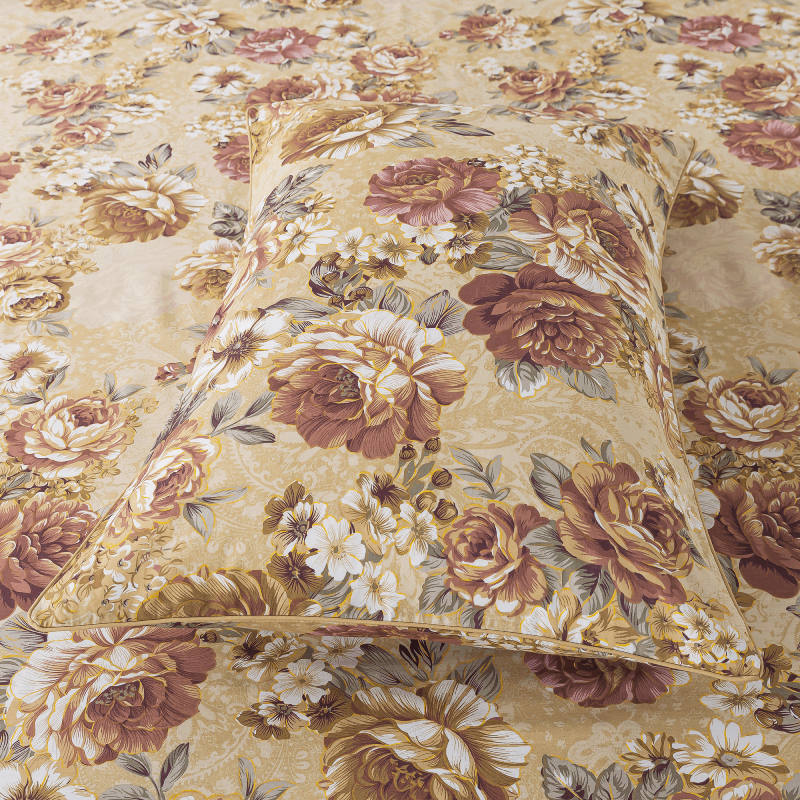
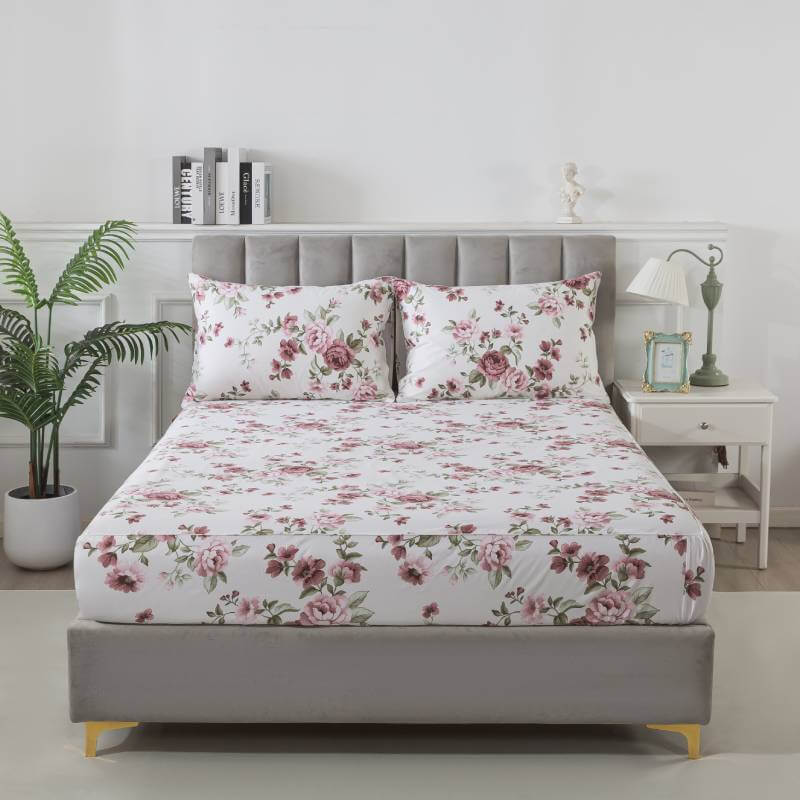
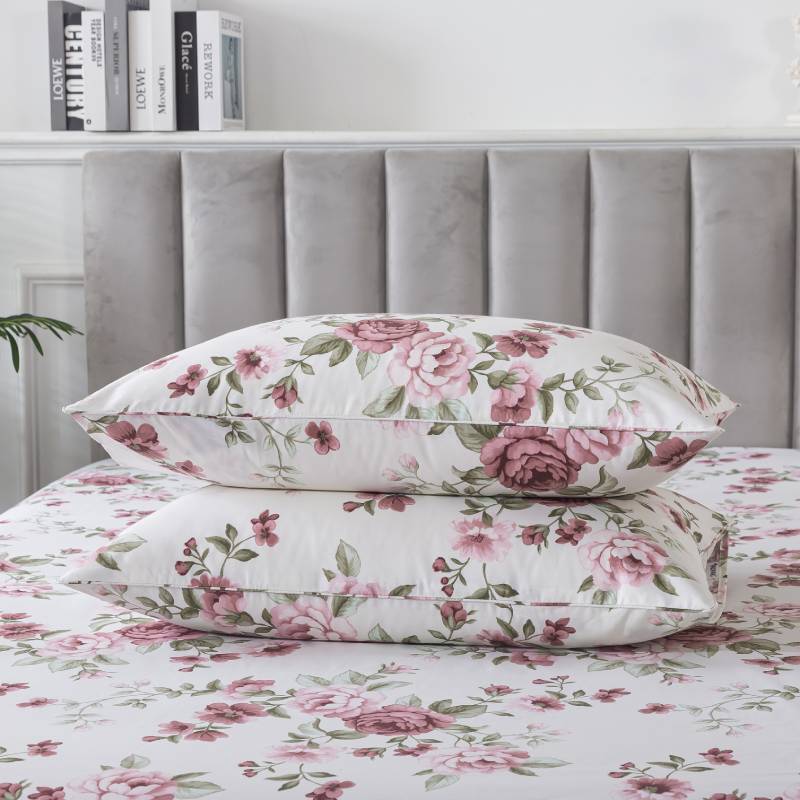
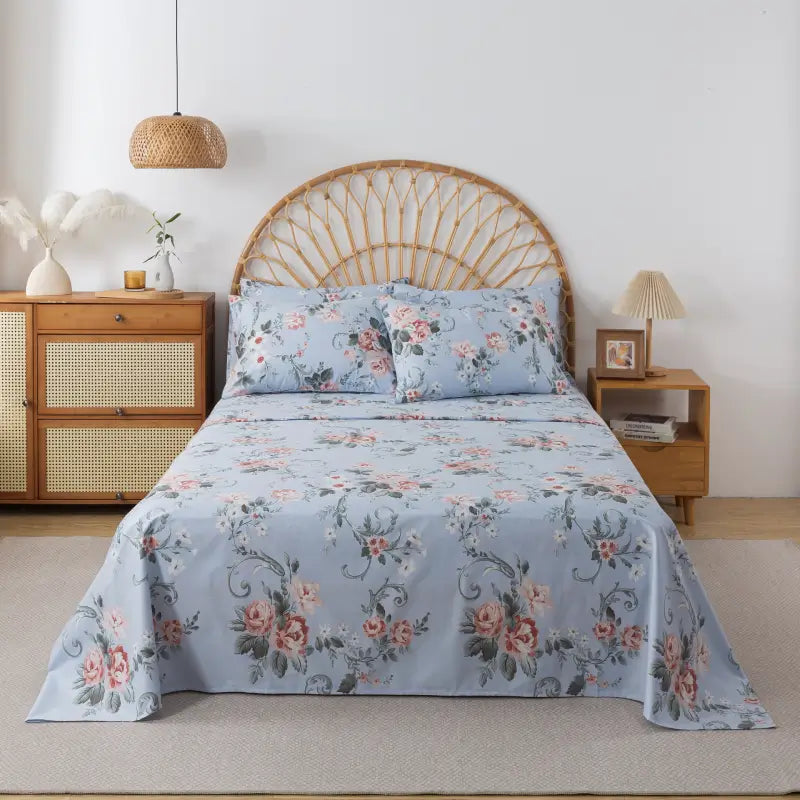
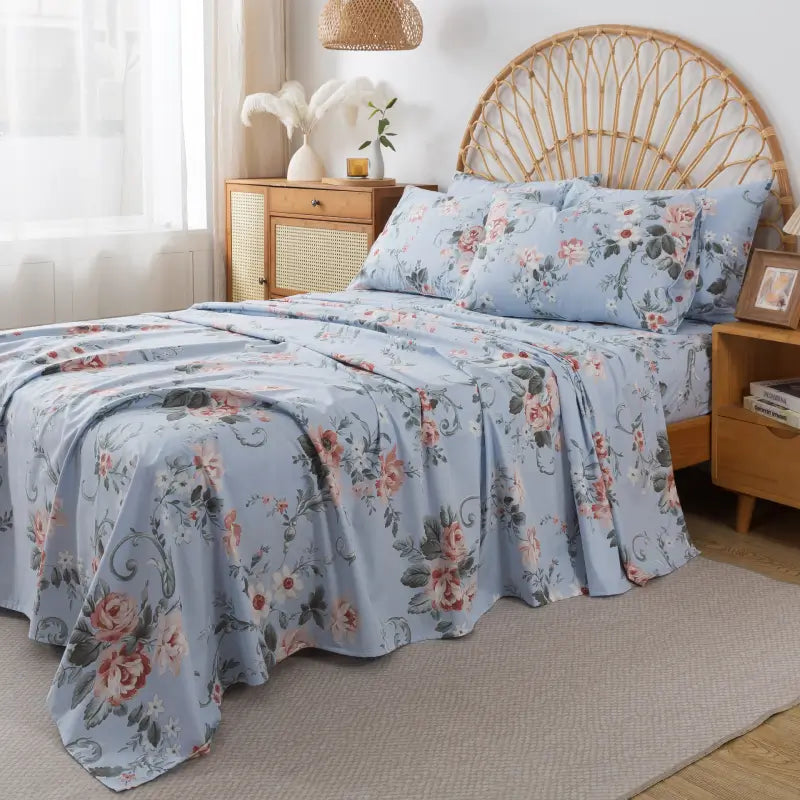
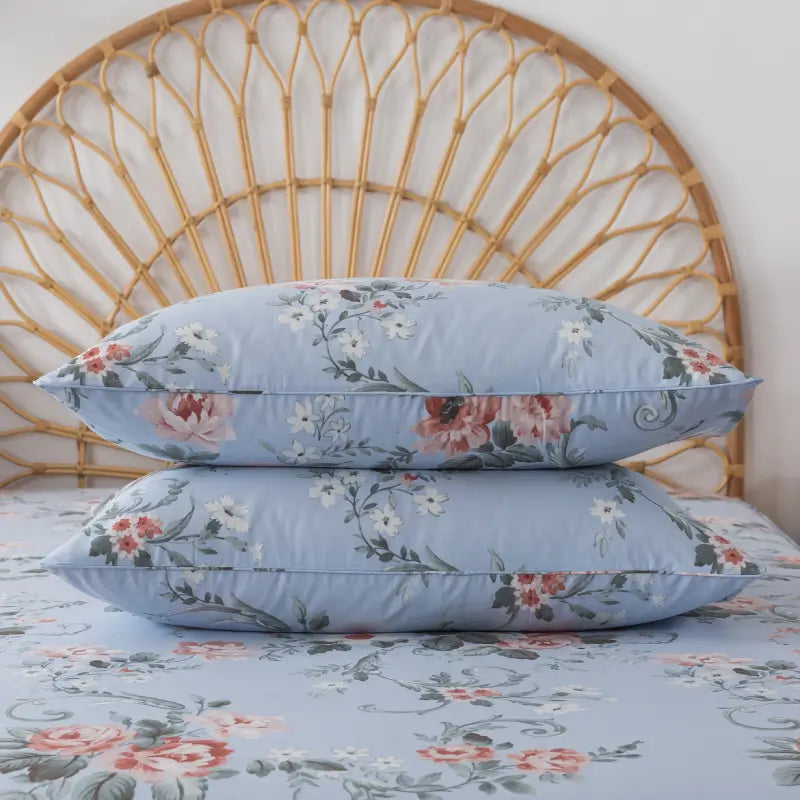
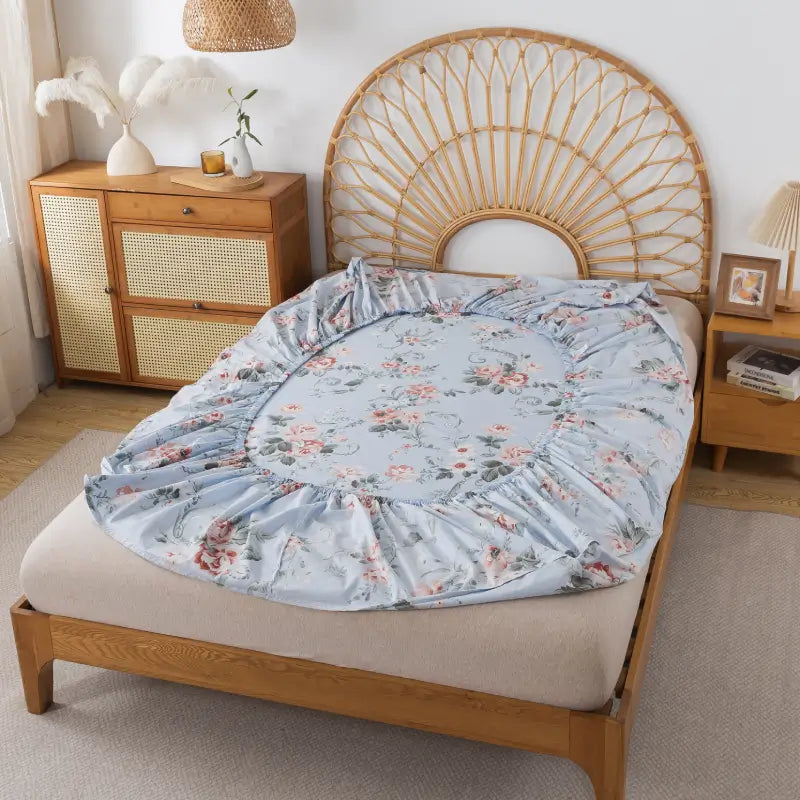
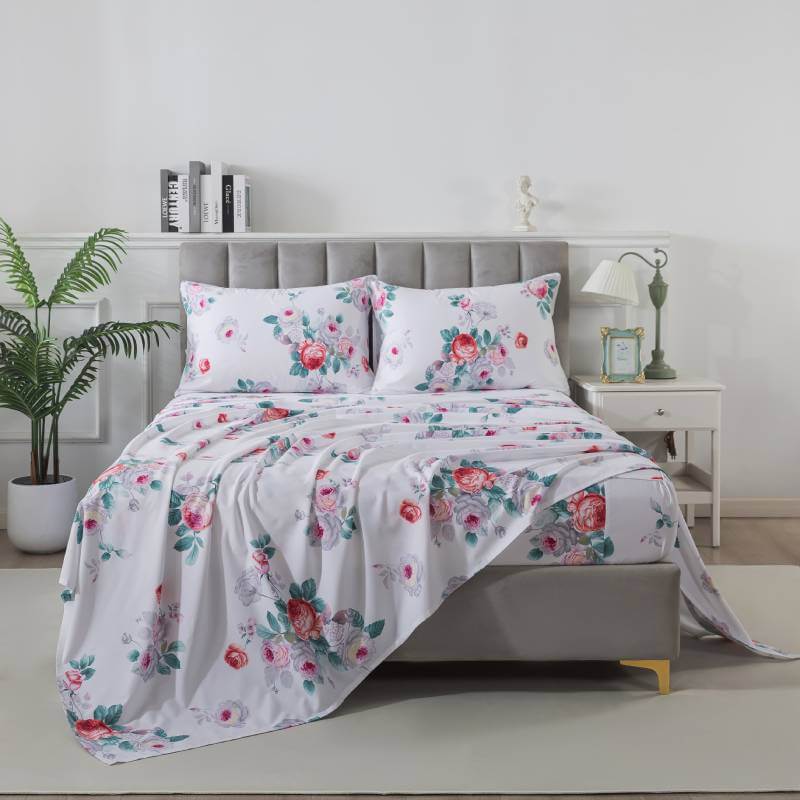
Design also affects how bedding functions emotionally within a home. Soft floral patterns, calming tones, and balanced textures can make bedrooms feel quieter and more restful after busy days. In family spaces, visual comfort matters almost as much as physical comfort. Bedding often becomes part of the atmosphere people return to when they want to slow down and rest.
Seasonal adaptability is another sign of well-performing bedding. Lightweight cotton bedding can feel cool and breathable during warmer months while still layering comfortably during colder seasons. Families often prefer versatile bedding that works year-round instead of needing constant replacement or storage changes.
Perhaps most importantly, good bedding ages gracefully. After hundreds of nights, repeated washing, and daily family use, it should still feel comforting. The colors may soften slightly, the fabric may become even gentler, and the bed itself may begin to look more personal and lived in. That kind of performance cannot be measured in a showroom or judged from packaging alone. It only becomes visible through everyday life.
In many ways, the best bedding is not the bedding that stays perfectly untouched. It is the bedding that continues to feel beautiful and comfortable while being fully lived in. For families, that balance between softness, durability, practicality, and emotional comfort is what truly defines long-term quality.