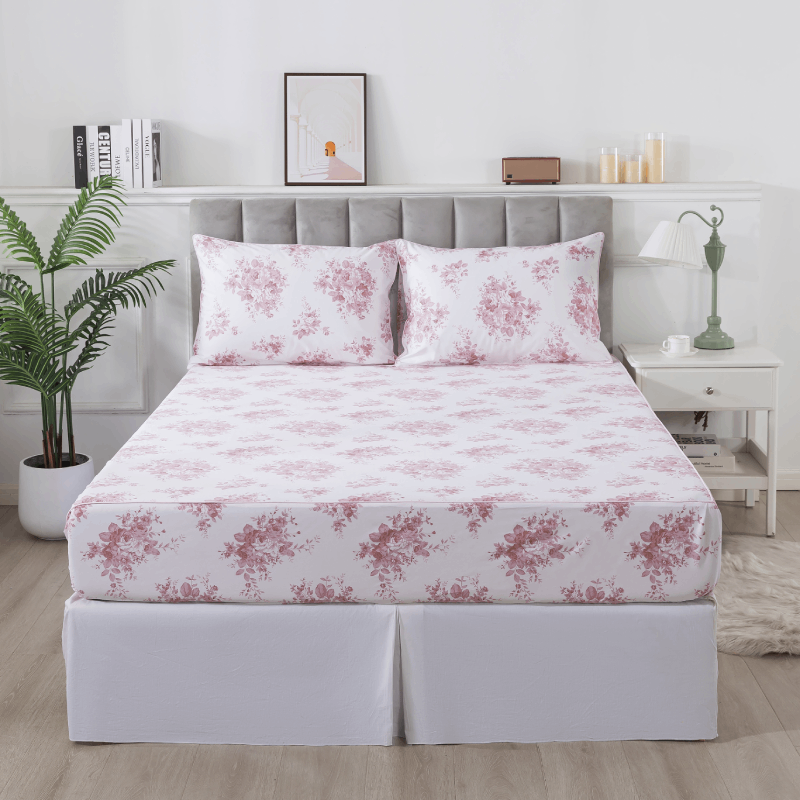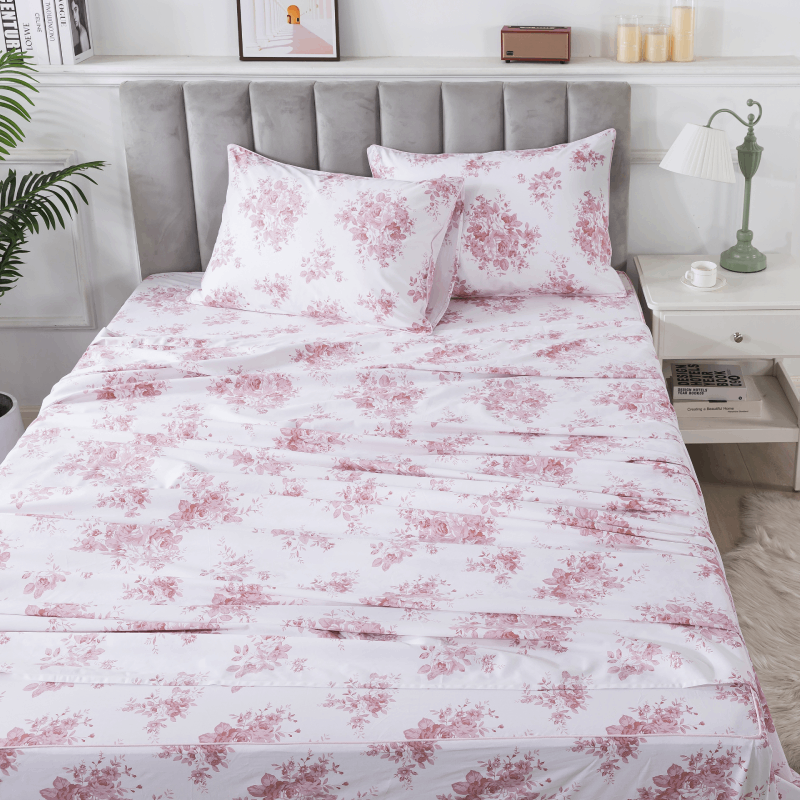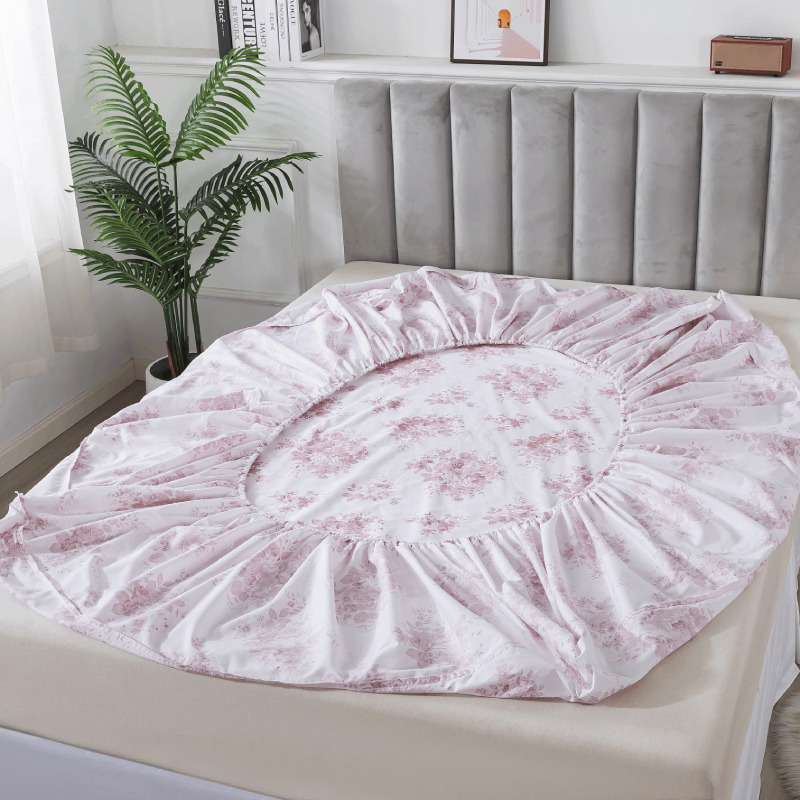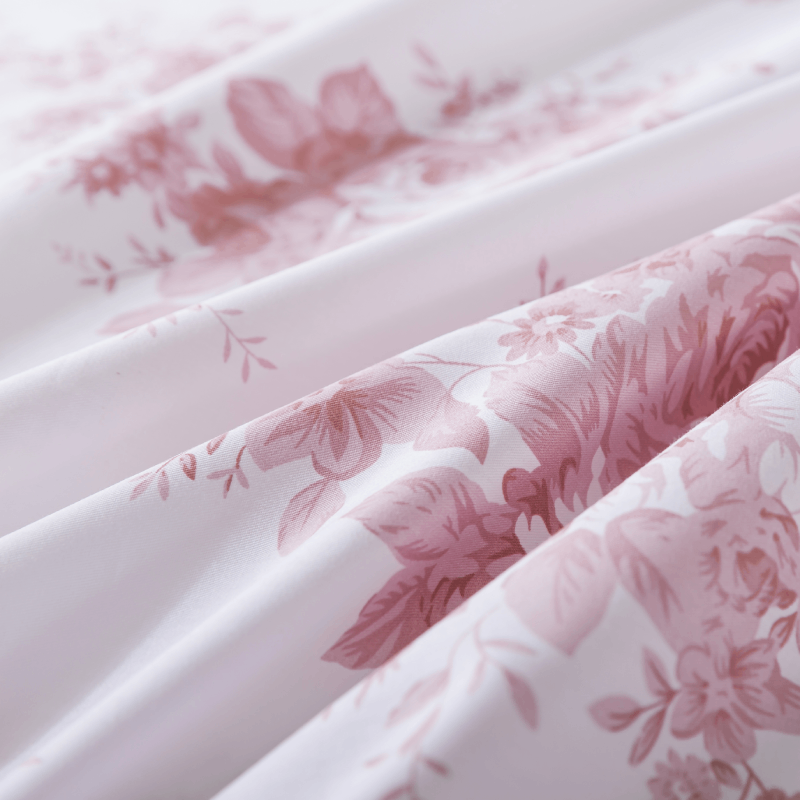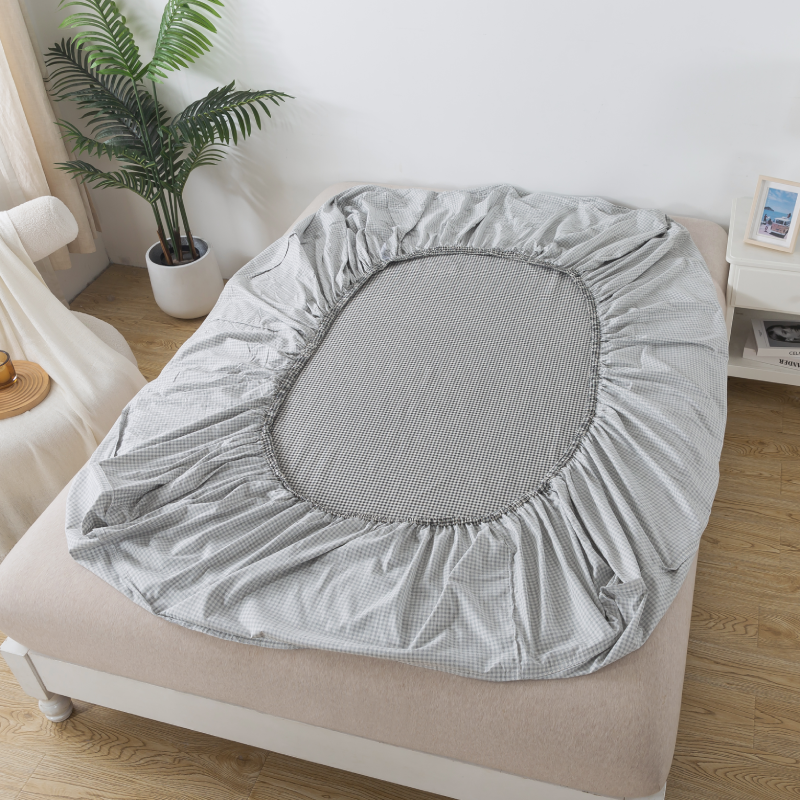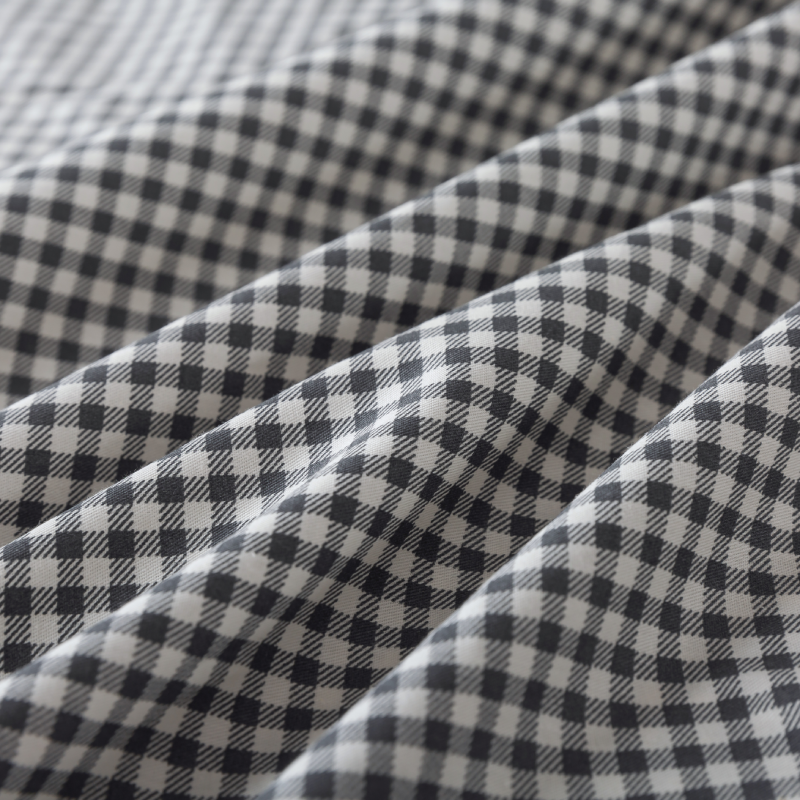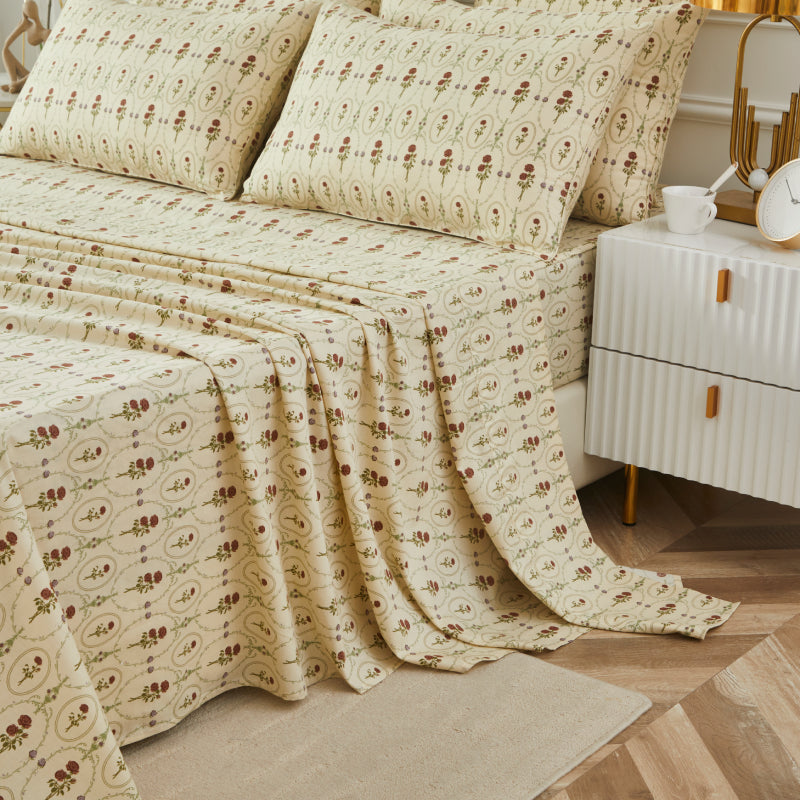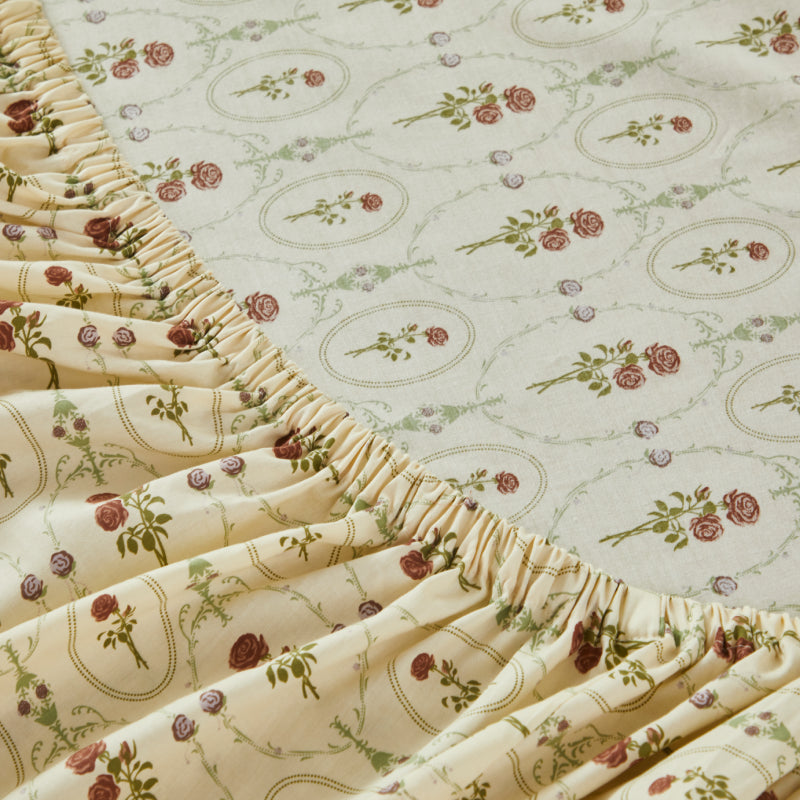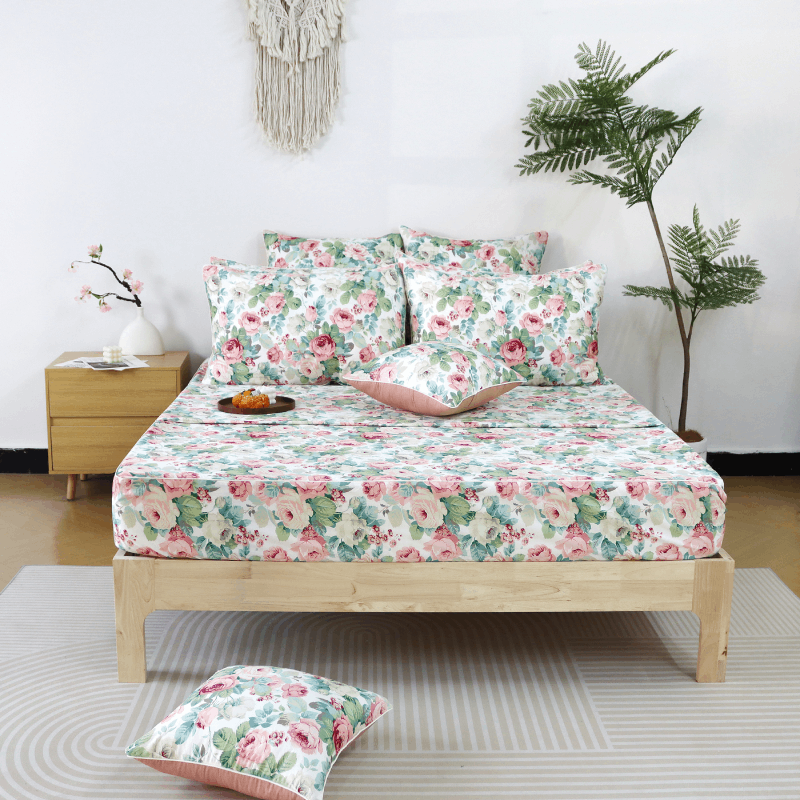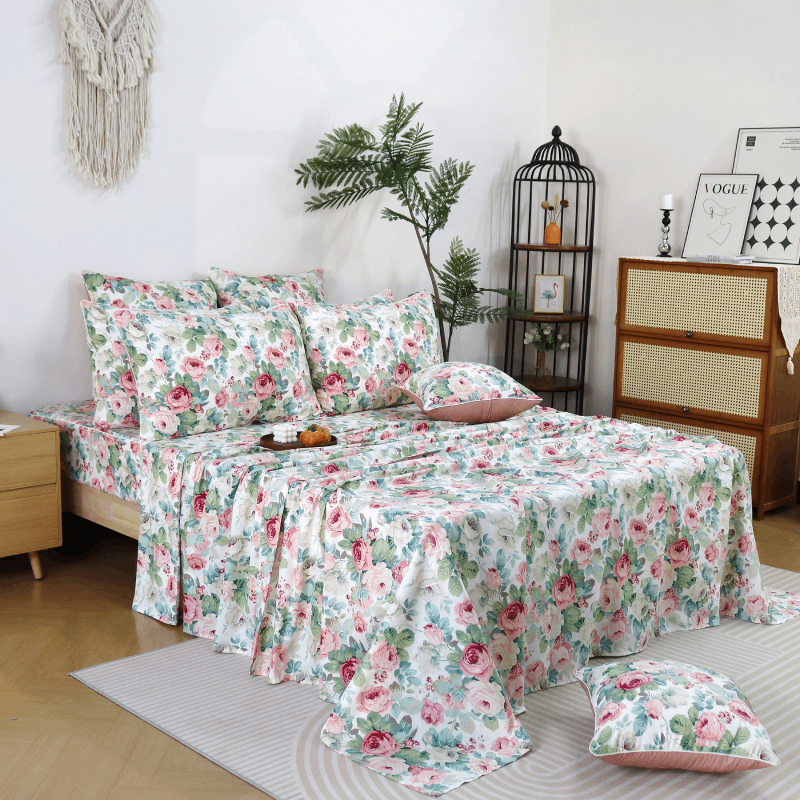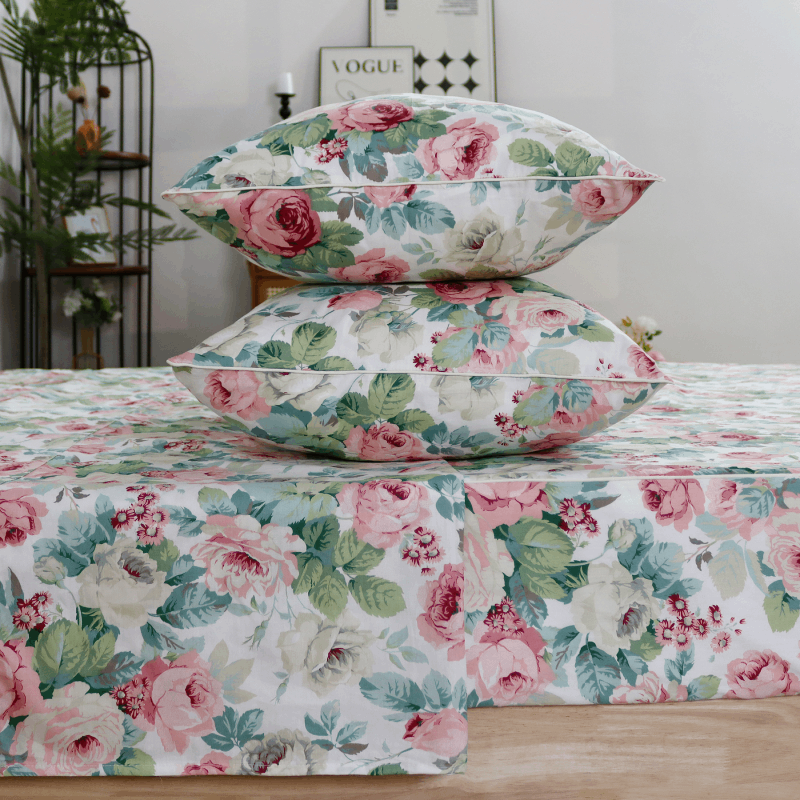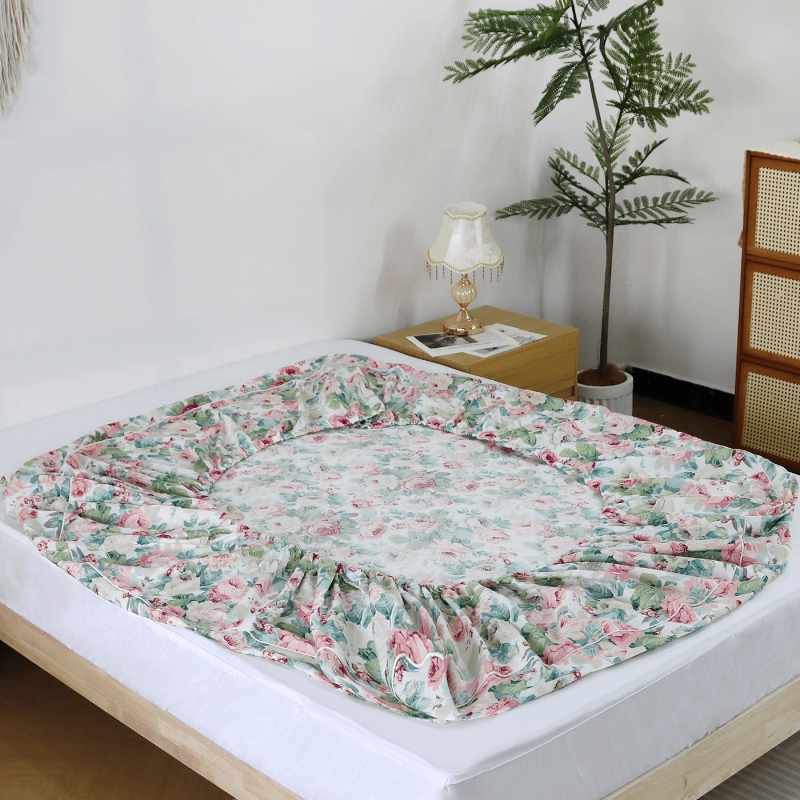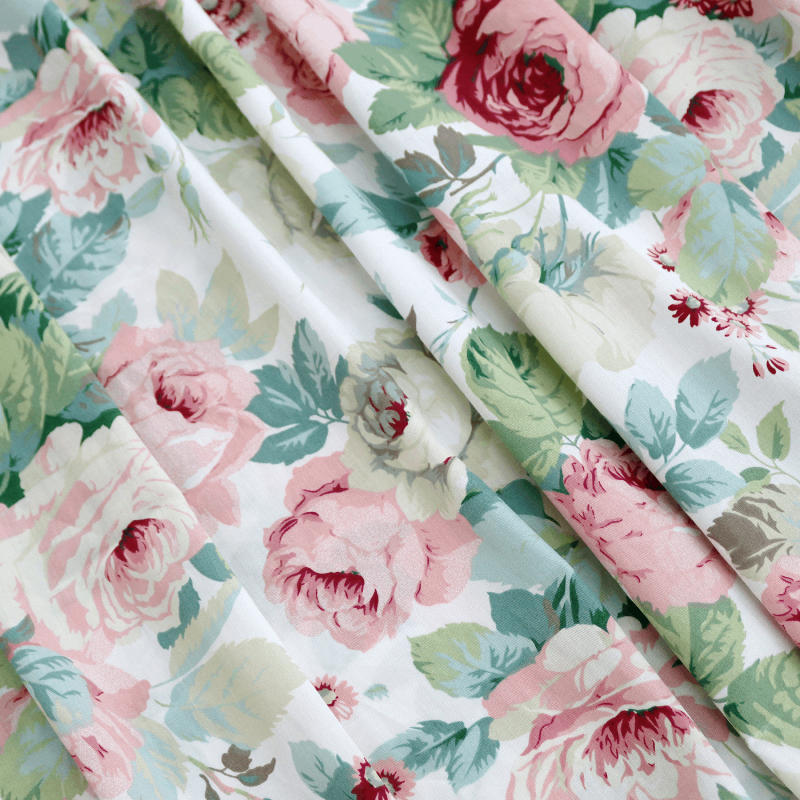




When choosing bedding, it’s easy to be drawn in by first impressions. Crisp folds, smooth surfaces, perfectly styled photos—on day one, almost any bedding can look beautiful. But real comfort isn’t defined by how something looks when it’s new. It’s defined by how it lives with you over time.
Bedding is not a decorative object. It’s something you touch every day, something that absorbs movement, heat, moisture, and the rhythms of real life. And that’s exactly why how bedding behaves over time matters far more than how it photographs on the first day.
The Illusion of “New”
Many bedding sets feel impressive at first. They arrive tightly folded, heavily pressed, sometimes even treated to feel extra smooth out of the package. On the bed, they look flawless—until life begins.
After a few nights, you may notice stiffness where softness was promised. After a few washes, the fabric may lose its structure, pill, or become uneven. What once looked luxurious now feels demanding—something you have to constantly adjust, replace, or tolerate.
That’s because day-one beauty is often engineered. Long-term comfort has to be earned.
Bedding Is a Material Relationship
Think about how you actually use your bed. You sleep. You nap. You sit. You read. You bring in warmth from your body, movement from turning, and sometimes pets that curl up beside you. Bedding has to respond to all of that—not just survive it, but adapt to it.
Over time, good bedding doesn’t fight back. It softens where it should. It relaxes into natural folds. It stays breathable instead of trapping heat. Its texture remains gentle instead of becoming rough or thin.
Bad bedding, on the other hand, reveals its weaknesses quickly. Seams strain. Fabrics stiffen or lose integrity. The bed begins to feel less inviting, even if it still “looks fine.”

Comfort Is Consistency, Not Perfection
One of the most overlooked qualities in bedding is consistency. A good set feels familiar every night. You don’t have to relearn how it behaves. It doesn’t surprise you with sudden changes in texture or temperature.
This kind of comfort isn’t flashy. It doesn’t rely on being perfectly smooth or wrinkle-free. In fact, it often looks more lived-in than styled. But that’s the point.
Wrinkles aren’t a flaw—they’re evidence of flexibility. Softness that deepens over time isn’t wear—it’s trust. When bedding holds up to repeated washing without losing its character, it becomes part of the home rather than something you’re constantly managing.
The Test of Washing and Use
If you want to know whether bedding is well made, don’t look at it on day one. Look at it after the tenth wash.
Does the fabric still feel balanced—neither too stiff nor too limp?
Does it dry evenly instead of twisting or warping?
Does it remain comfortable against bare skin without irritation?
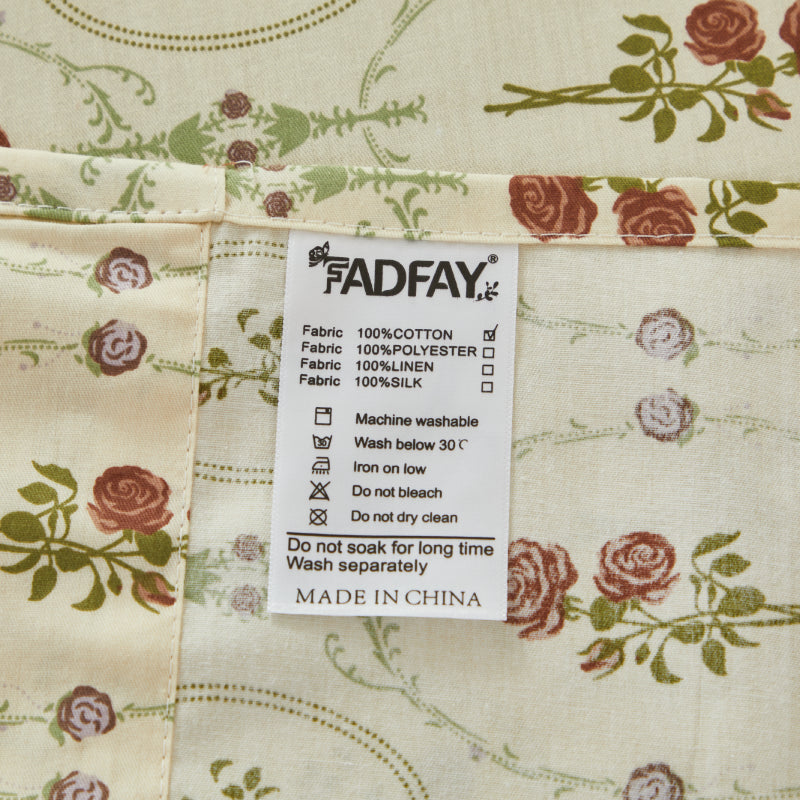
These are the real performance markers. High-quality cotton, thoughtful weaving, and honest construction show themselves gradually. They don’t need tricks to impress you early on.
Living With Bedding, Not Around It
The best bedding fades into your life in the best possible way. You stop thinking about it. You stop adjusting it. You stop wishing it felt different.
It becomes the background of rest—reliable, breathable, and calm. Even when it shows signs of use, it still feels right. That’s when bedding has done its job.
Because at the end of the day, bedding isn’t meant to stay perfect. It’s meant to stay comfortable.
Why Time Tells the Truth
Anyone can make bedding look good for a photo. But only well-made bedding continues to feel good after months and years of use.
So when choosing your next set, don’t ask how it looks on day one. Ask how it will feel on night one hundred. Ask whether it will age with you, soften with you, and adapt to your daily life.
Because true comfort isn’t about first impressions.
It’s about what remains, quietly, night after night.