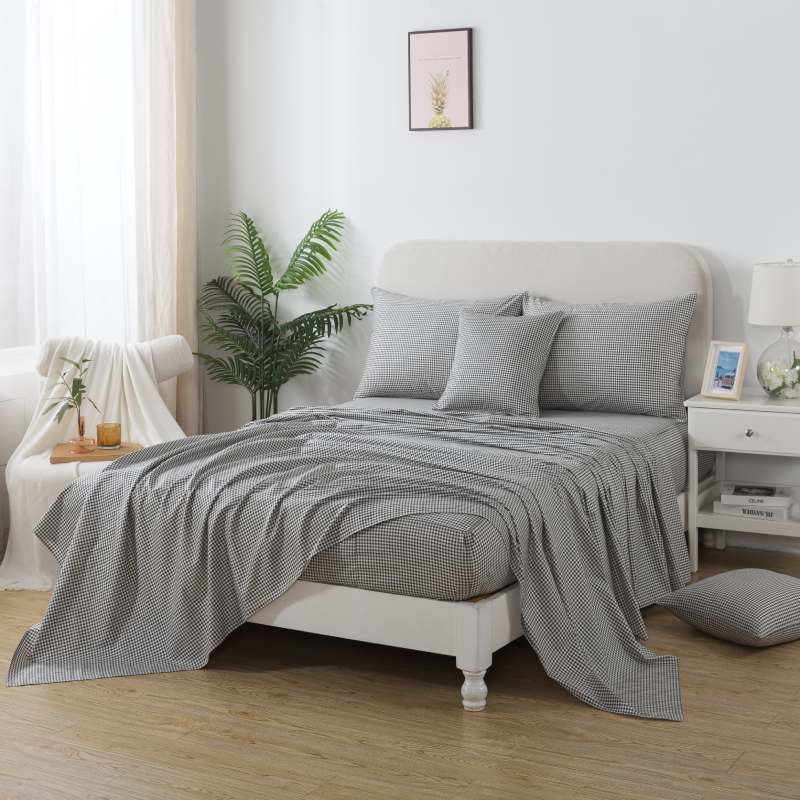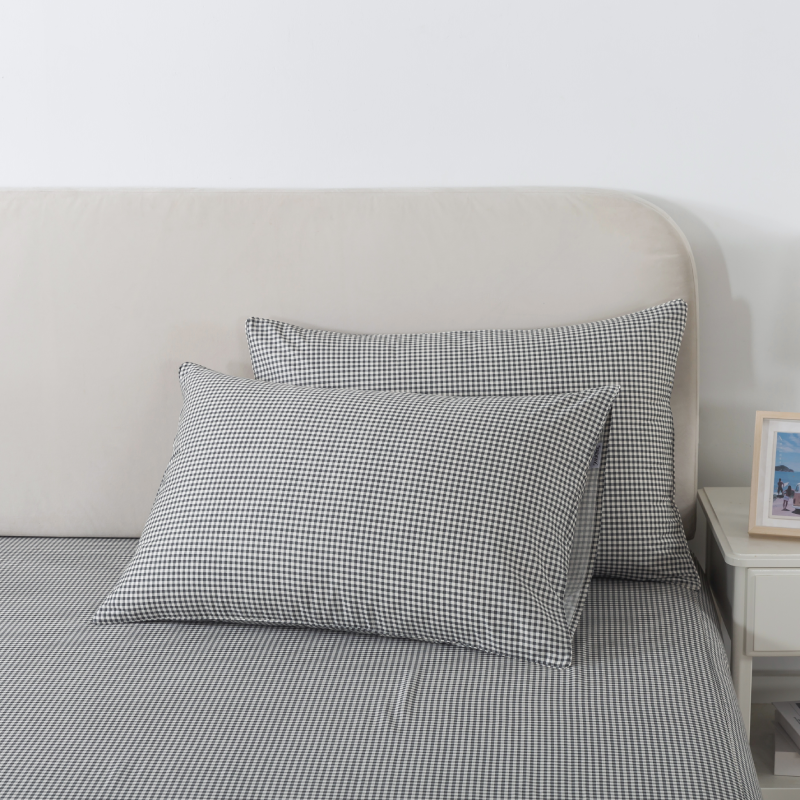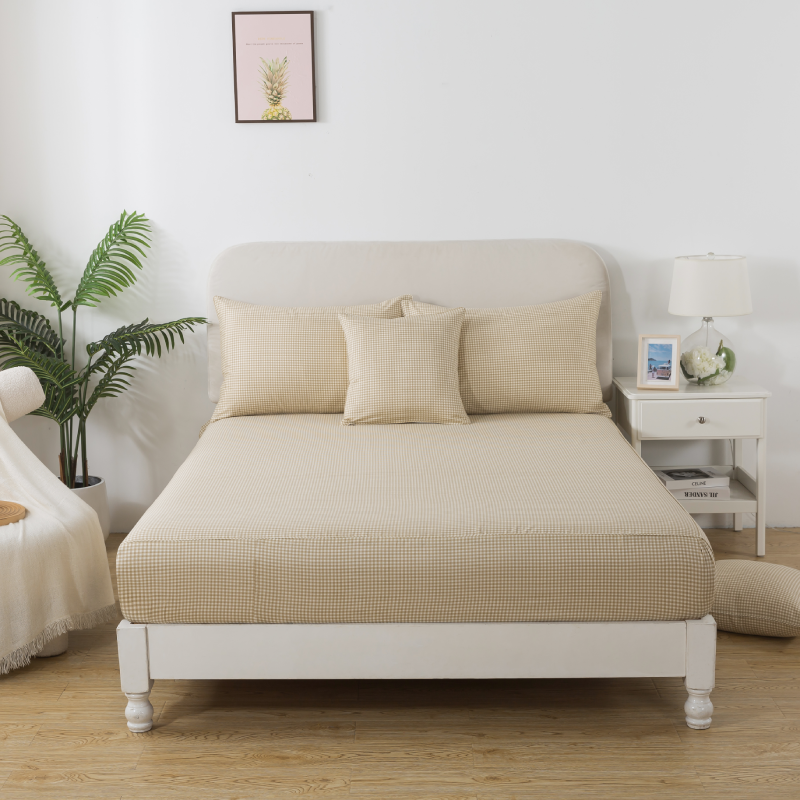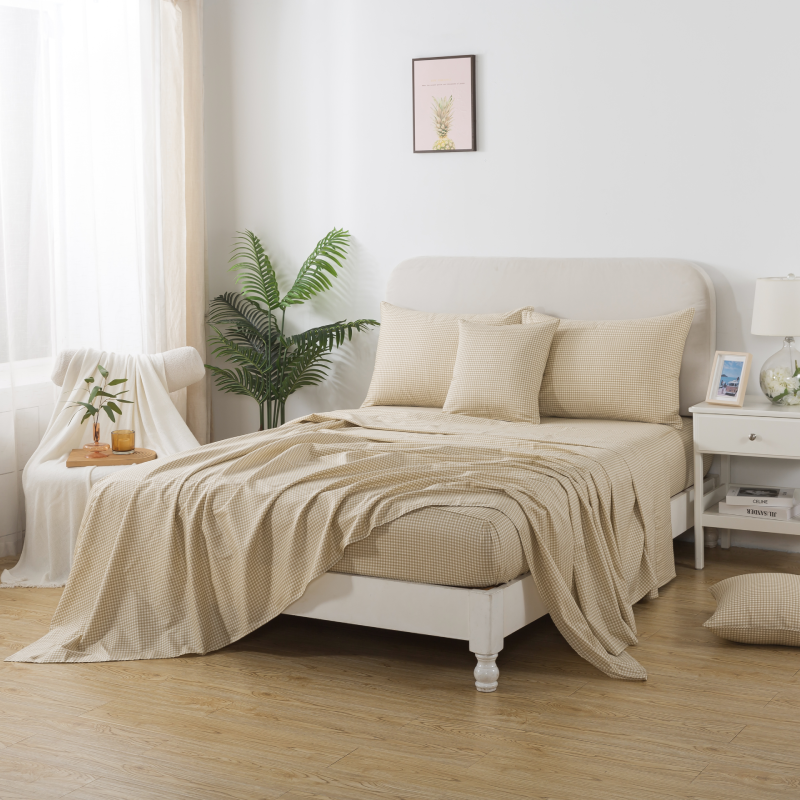

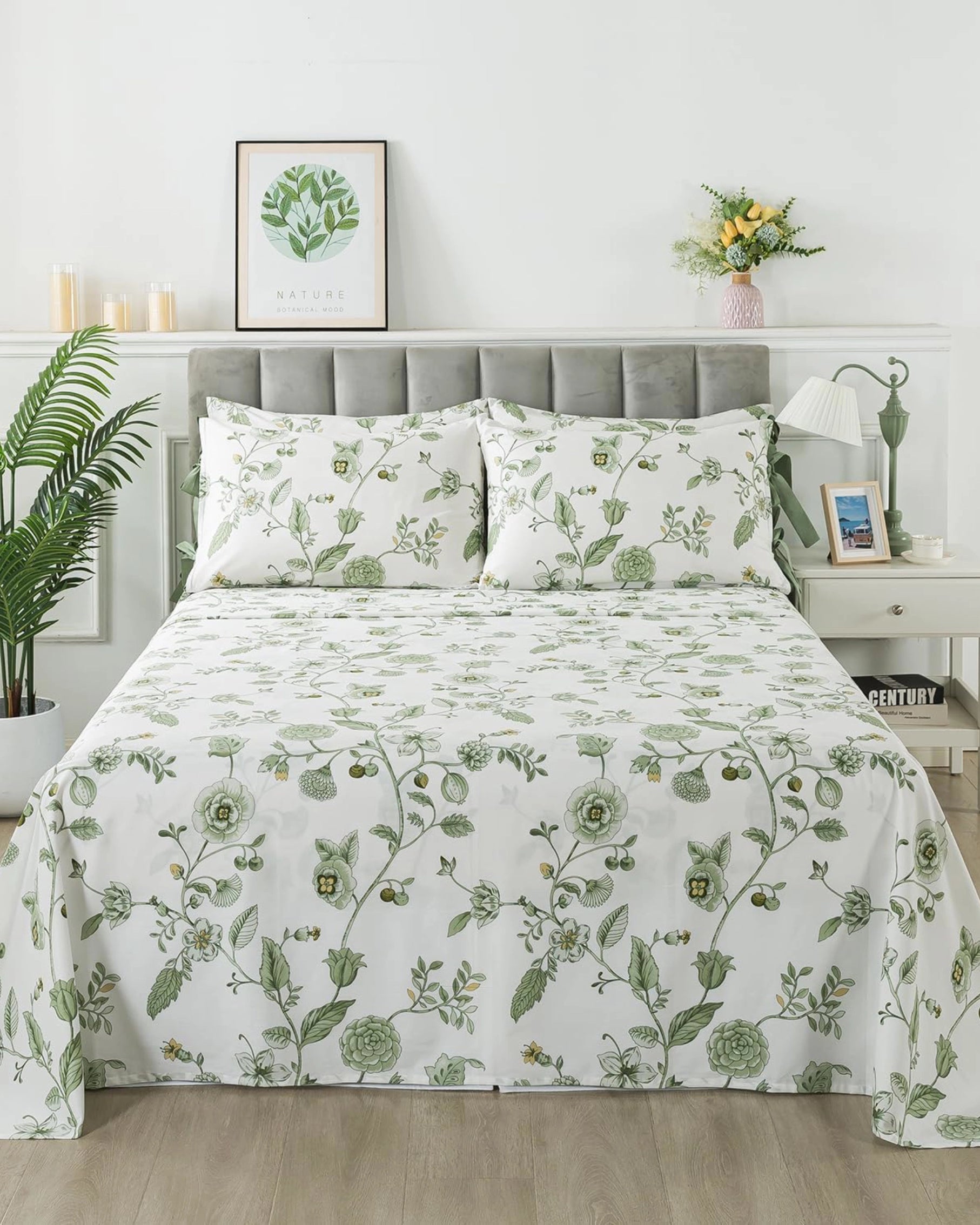


In a world that moves faster every day, the bedroom should be a place where time softens. It’s more than just a place to sleep—it’s a personal retreat where your body and mind can slow down, breathe, and reset. Thoughtful bedroom design can gently guide you into a calmer rhythm, turning ordinary moments into quiet rituals of rest and comfort.
Creating a bedroom that encourages you to slow down doesn’t require a dramatic renovation. Instead, it’s about intentional choices: soft materials, natural textures, calming colors, and a layout that invites relaxation.
1. Choose Calming Colors That Quiet the Mind
Color has a powerful psychological effect. Bright or overly saturated colors can stimulate energy, while soft, muted tones help the mind unwind.
To create a slower, calmer environment, consider colors such as:
-
Warm whites and cream tones
-
Soft sage or olive green
-
Dusty blue or pale sky blue
-
Warm beige and sand tones
-
Muted floral patterns inspired by nature
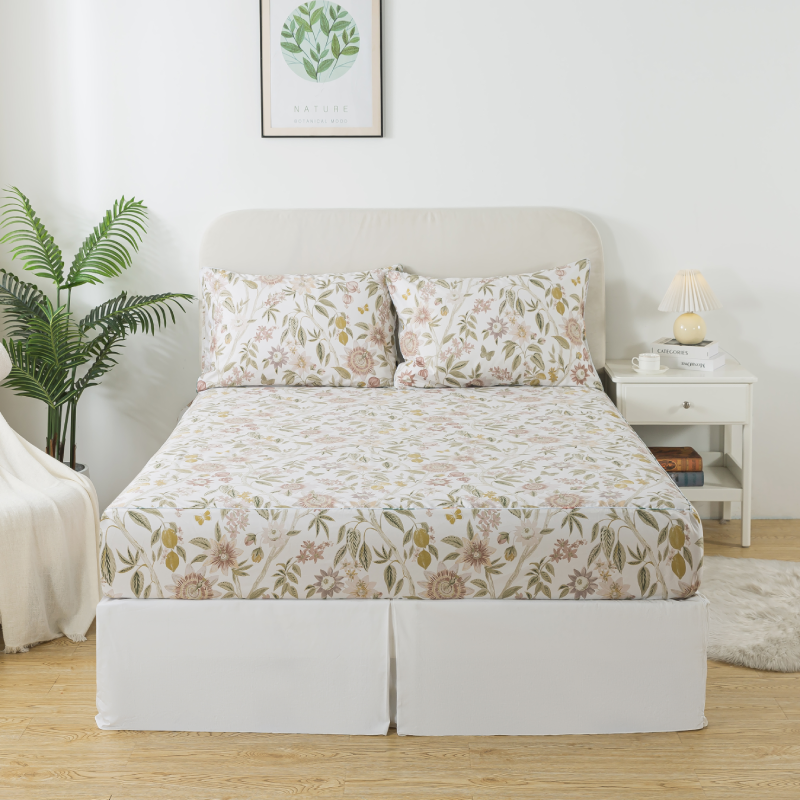
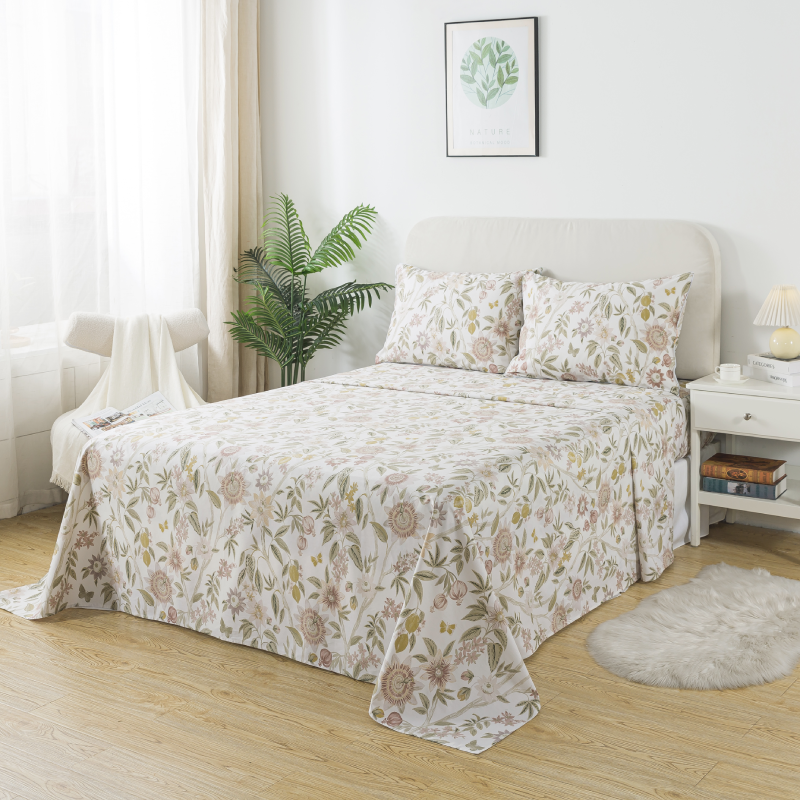
These colors reflect natural environments—fields, skies, gardens—and naturally encourage the body to relax. Floral bedding or nature-inspired patterns can also bring a subtle sense of calm and warmth into the room.
2. Prioritize Natural Materials
Natural materials create a more grounded and comfortable atmosphere than synthetic ones. They feel softer to the touch and allow the body to rest more easily.
Look for elements such as:
-
100% cotton bedding for breathability and softness
-
Linen curtains that filter sunlight gently
-
Wooden furniture with warm natural textures
-
Woven baskets or cotton rugs
Cotton bedding, in particular, plays a major role in sleep comfort. Breathable cotton allows air to circulate through the fabric, helping regulate body temperature and preventing overheating during the night.
Soft fabrics and natural textures together create a bedroom that feels inviting rather than overly polished or artificial.

3. Let Natural Light Shape the Space
Lighting dramatically influences how we feel in a room. Harsh overhead lighting can feel clinical, while soft layered lighting creates a sense of calm.
During the day, allow natural light to enter through sheer curtains or linen drapes. Sunlight gently illuminating bedding or wood surfaces can make the room feel peaceful and warm.
At night, replace bright ceiling lights with softer options:
-
Bedside lamps with warm bulbs
-
Wall sconces for indirect lighting
-
Small accent lamps to create layered light
This softer lighting signals to your brain that it’s time to wind down.
4. Reduce Visual Clutter
A crowded bedroom often leads to a crowded mind. When every surface holds objects, the brain continues processing visual information instead of relaxing.
To create a slower, more peaceful environment:
-
Keep nightstands simple and functional
-
Store unnecessary items out of sight
-
Limit decorative objects to a few meaningful pieces
-
Choose furniture with clean lines and open space
Minimalism doesn’t mean emptiness—it means leaving room for calm.
5. Make the Bed the Centerpiece
The bed is the emotional and visual anchor of the bedroom. When it feels inviting, the entire room feels restful.
Layering soft bedding can transform the bed into a place you genuinely want to return to at the end of the day.
Consider layering:
-
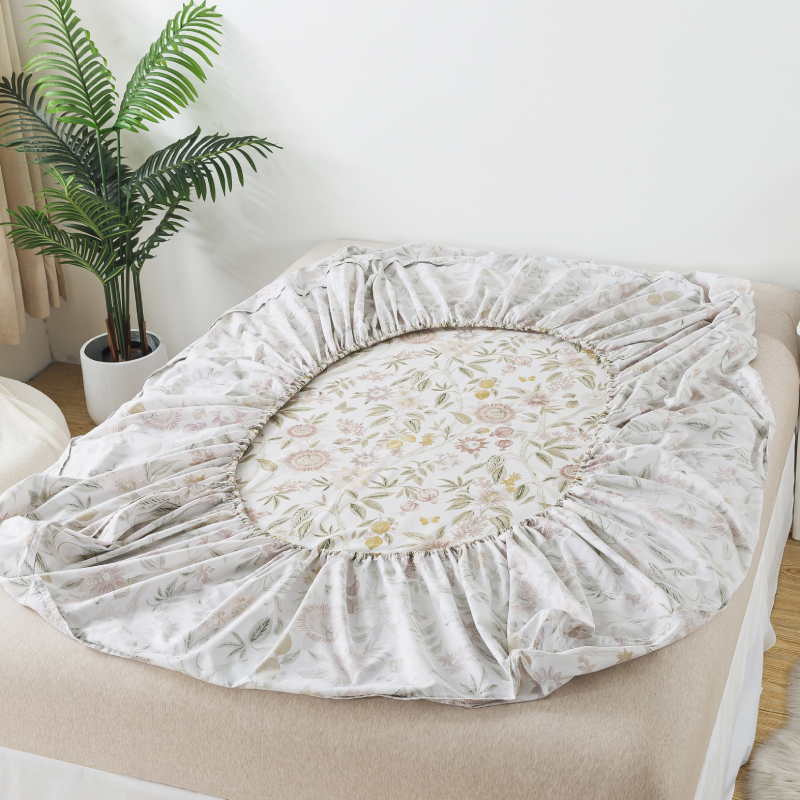
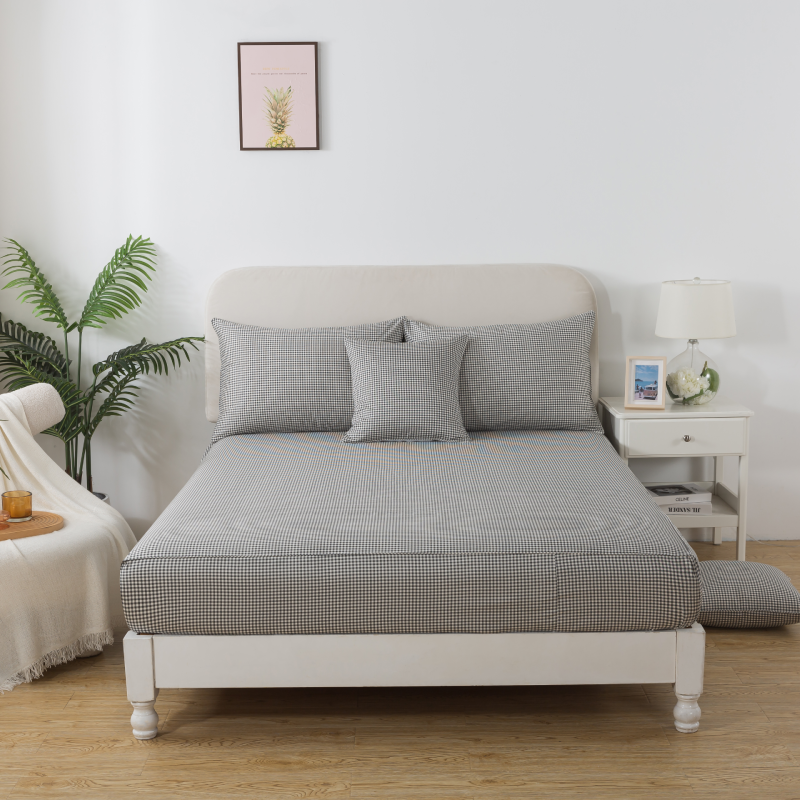
Breathable cotton sheets
-
A soft quilt or lightweight comforter
-
A few supportive pillows
-
A textured throw for warmth and visual softness
Patterns such as gentle florals or subtle prints add personality without overwhelming the room.
When the bed looks comfortable and welcoming, the bedroom naturally becomes a place of restoration rather than just another functional space.
6. Bring in Quiet Moments of Nature
Nature has a calming effect on the human nervous system. Even small elements can help reconnect the space to a slower rhythm.
You might add:
-
A small potted plant near the window
-
Dried flowers in a ceramic vase
-
Nature-inspired artwork
-
Floral textiles or botanical patterns
These touches introduce organic shapes and soft colors that echo the calmness of the outdoors.
7. Create Rituals Around the Space
A slow bedroom is not only about design—it’s about how you use the space.
Simple evening rituals can strengthen the room’s purpose as a place of rest:
-
Reading a few pages before bed
-
Lighting a soft bedside lamp instead of bright lights
-
Folding back the quilt slowly at night
-
Opening the window for fresh air in the morning
Over time, these small habits turn the bedroom into a space associated with comfort, quiet, and restoration.
A Bedroom That Feels Like a Pause
Designing a bedroom that encourages you to slow down is ultimately about intention. By choosing natural materials, calming colors, and a layout that reduces visual noise, you create a space that gently invites rest.
The goal isn’t perfection—it’s comfort. A slightly rumpled cotton quilt, sunlight across the bed, or the quiet presence of a plant in the corner can transform the room into a true sanctuary.
In a busy world, a bedroom designed for slowing down becomes something precious: a daily pause where the body can relax and the mind can finally rest.