

Seasonal decorating is fun—until it isn’t. One month you’re craving crisp white sheets and airy textures. The next, you want something warmer, softer, and more grounding. The problem is that a lot of bedding is designed to match a mood, not to last through changing temperatures, shifting light, and the way your home naturally evolves throughout the year.
If you’ve ever loved a bedding set in spring, then quietly stopped using it by fall, you already know the feeling: it didn’t age well with your space.
The goal isn’t to buy “all-season” bedding that feels bland. It’s to choose bedding that stays emotionally right—comfortably, visually, and practically—whether it’s July or January.
1) Choose a base that doesn’t depend on one season
The easiest way to avoid “seasonal regret” is to build your bedding around a base that looks natural in multiple lighting conditions. Seasonal bedding usually relies on obvious signals: bright tropical color for summer, heavy dark tones for winter, or overly themed patterns that feel limited.
Instead, look for tones that stay stable across the year:
-
warm whites that don’t feel cold in winter
-
soft neutrals like oatmeal, sand, fog gray
-
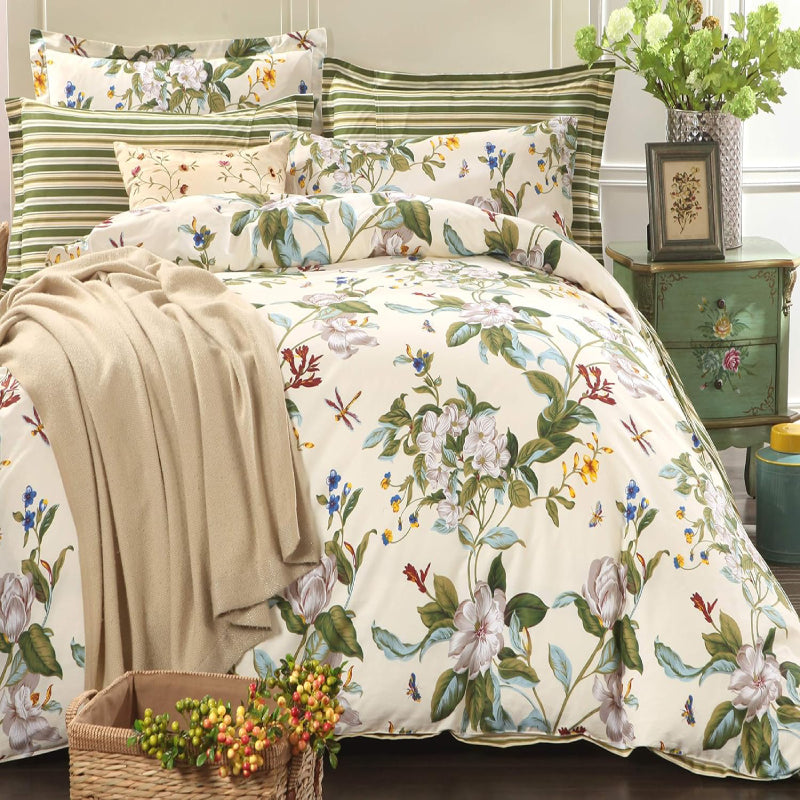
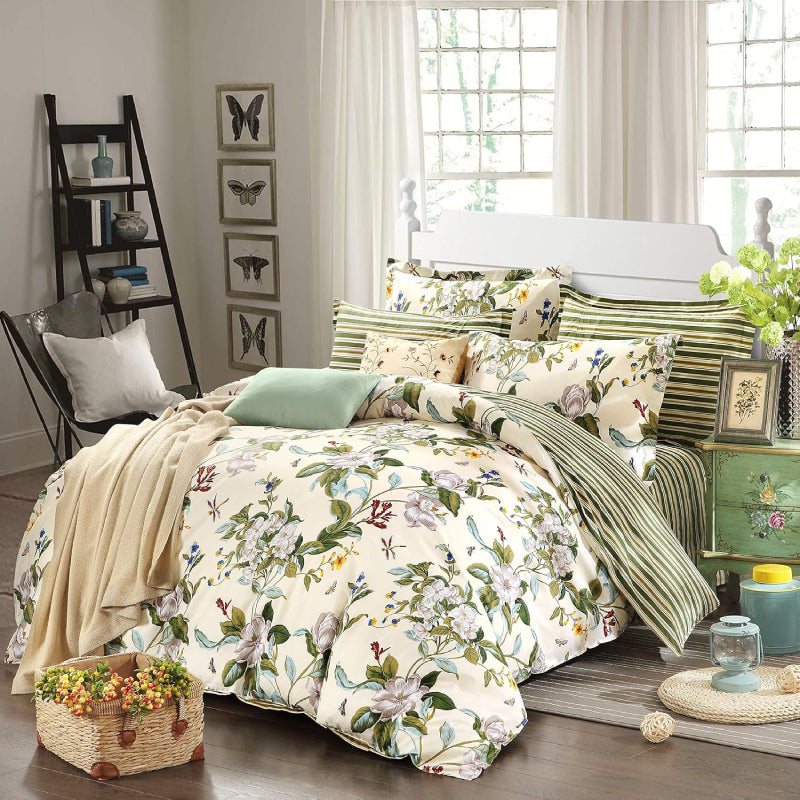
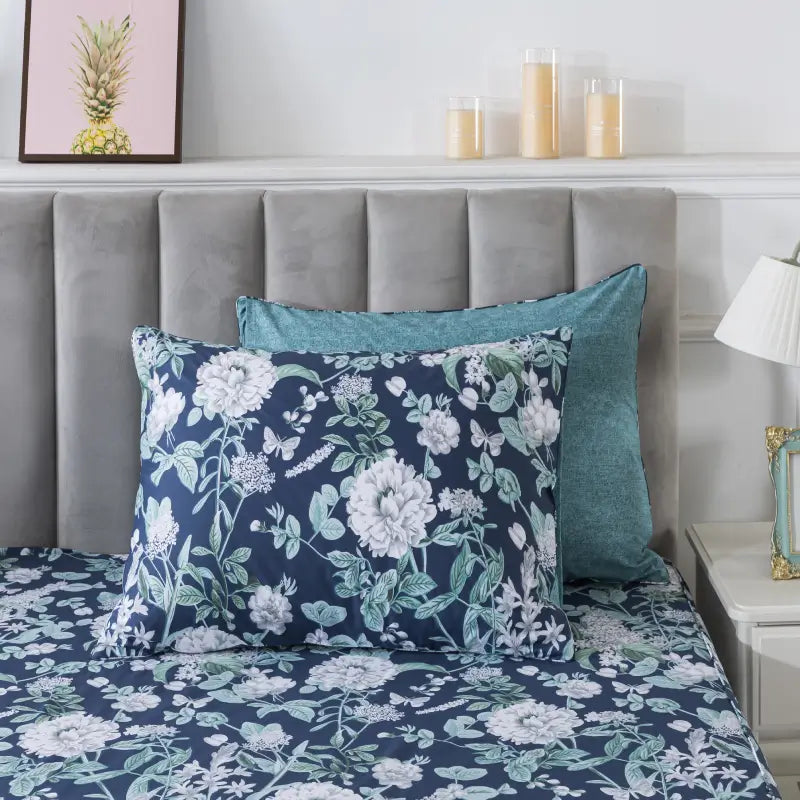
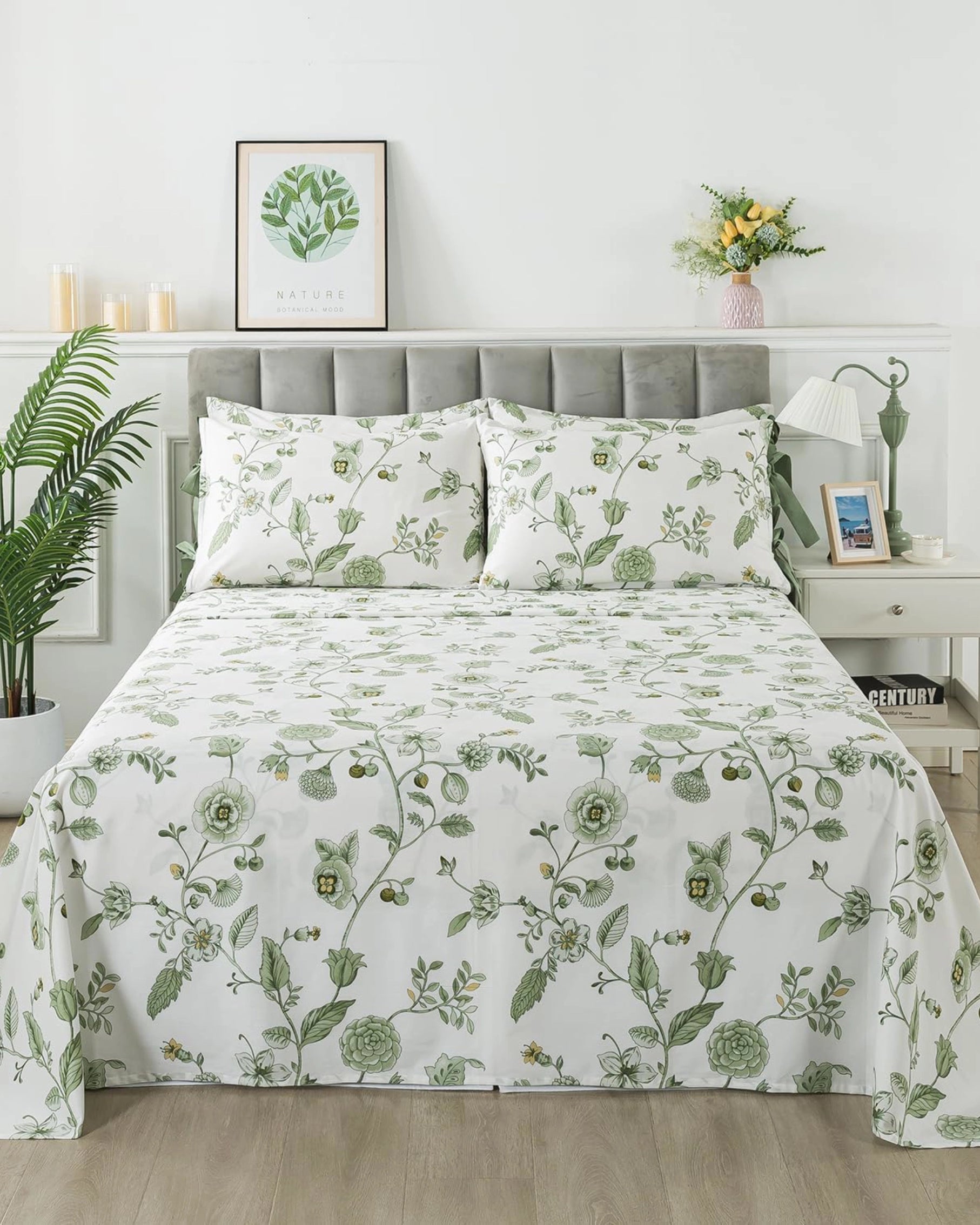
muted botanical tones (dusty green, faded blue, soft clay)
These colors don’t force the room into one vibe. They adapt.
If you love color, make the bedding calmer and let the color come from a throw blanket or decorative pillow that’s easy to swap.
2) The fabric matters more than the pattern
A bedding print can look beautiful online and still feel “wrong” at home. That’s often because texture reads more strongly than people think.
If your bedding only feels good in one season, the fabric may be too extreme:
-
too thin and crisp → feels cold later
-
too thick and heavy → feels sweaty in warmer months
-
too synthetic → traps heat and feels slippery year-round
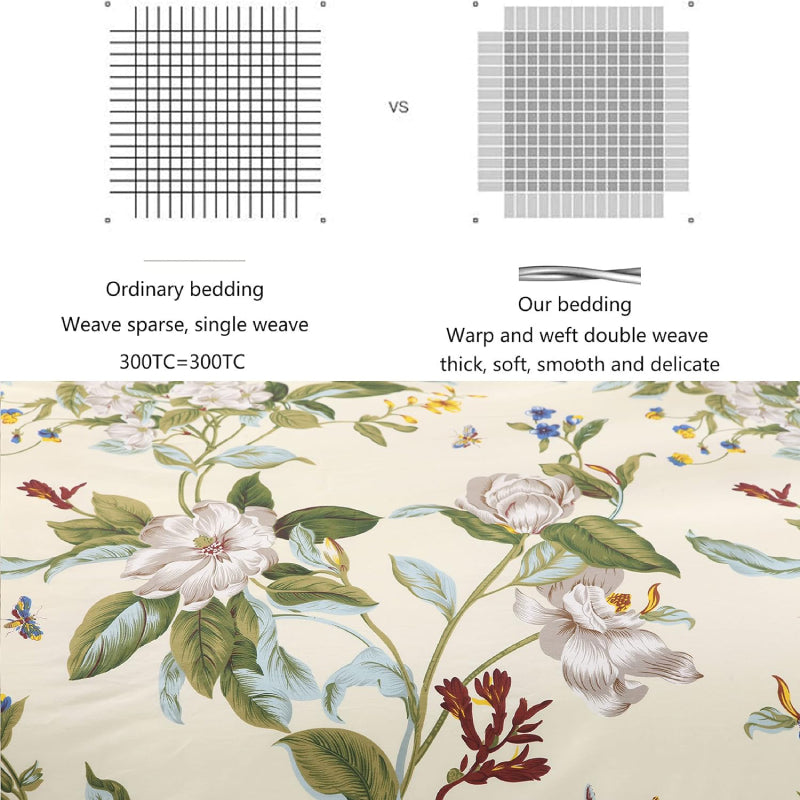
A good year-round fabric has one key quality: breathability without feeling flat.
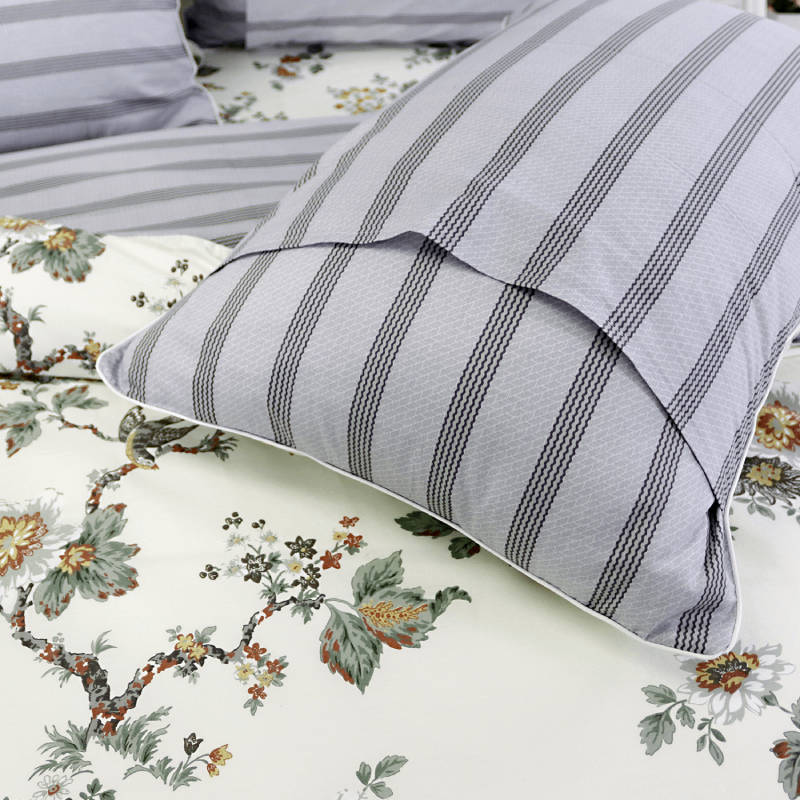
That’s why many people come back to cotton. It stays comfortable as your body temperature changes and it softens with time instead of breaking down.
If you want bedding that feels lived-in, not staged, prioritize fabric you can touch and trust—not just the look.
3) Pick prints that look “quiet” from a distance
Seasonal patterns tend to be loud in one way or another: high contrast, big motifs, or overly trendy color palettes. The problem isn’t that they’re ugly—it’s that they’re hard to live with.
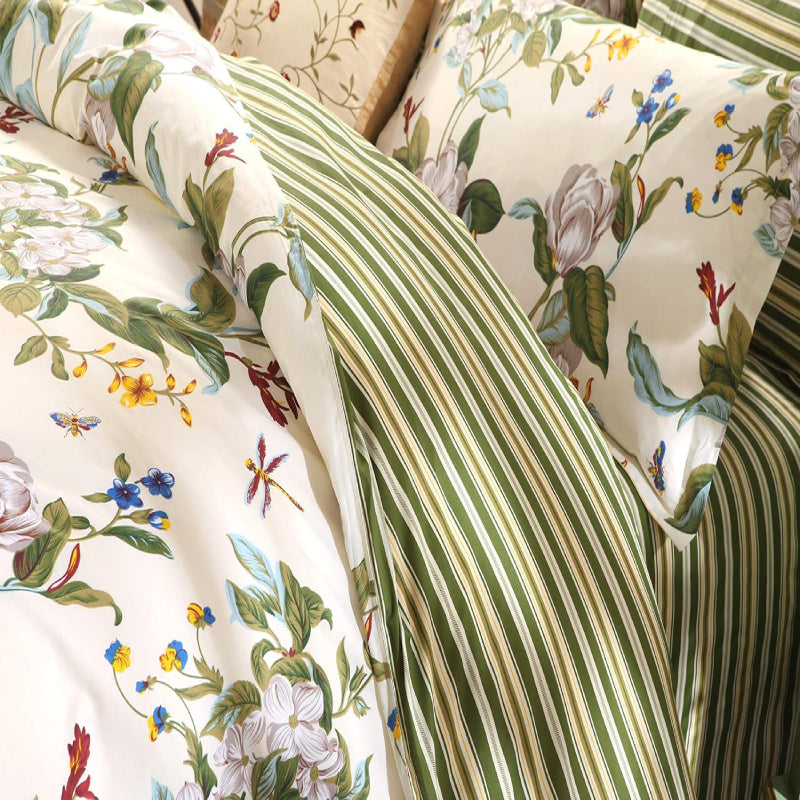
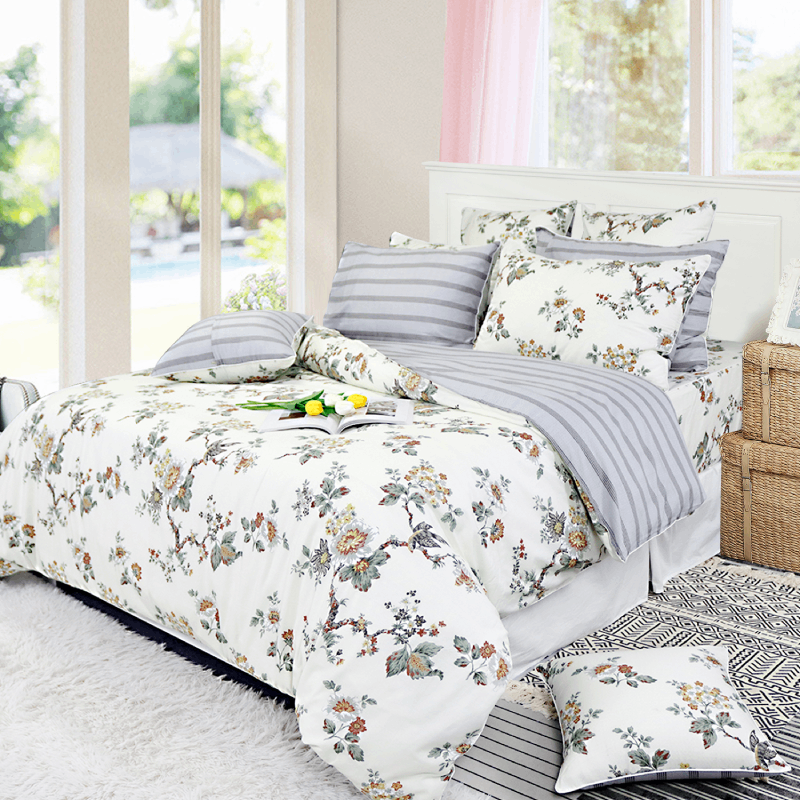
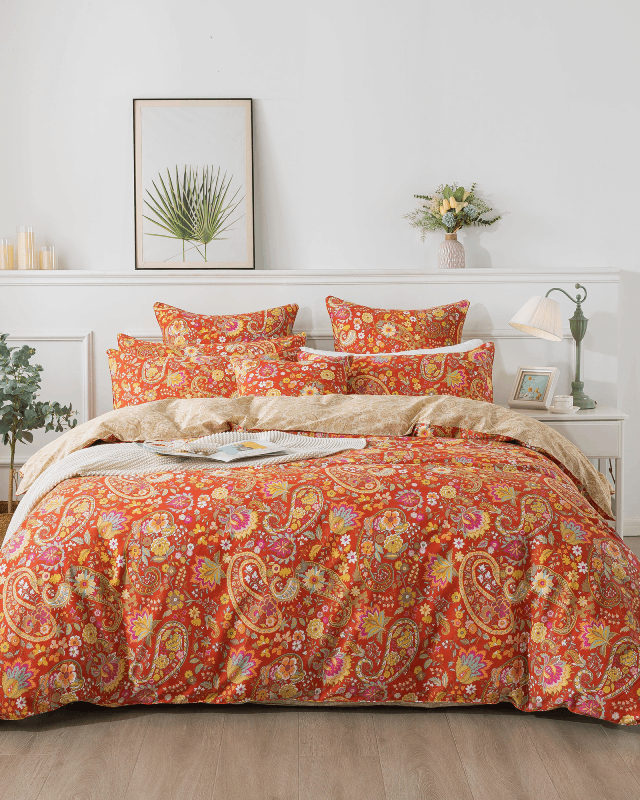
A bedding pattern that survives multiple seasons usually has a soft visual rhythm. It looks detailed up close, but calm from across the room. Think:
-
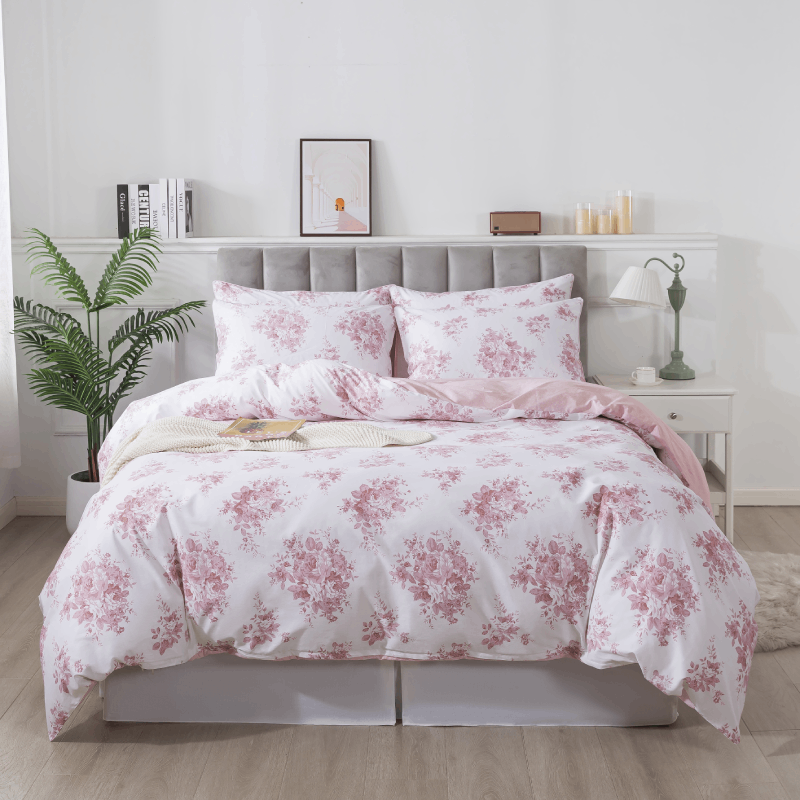
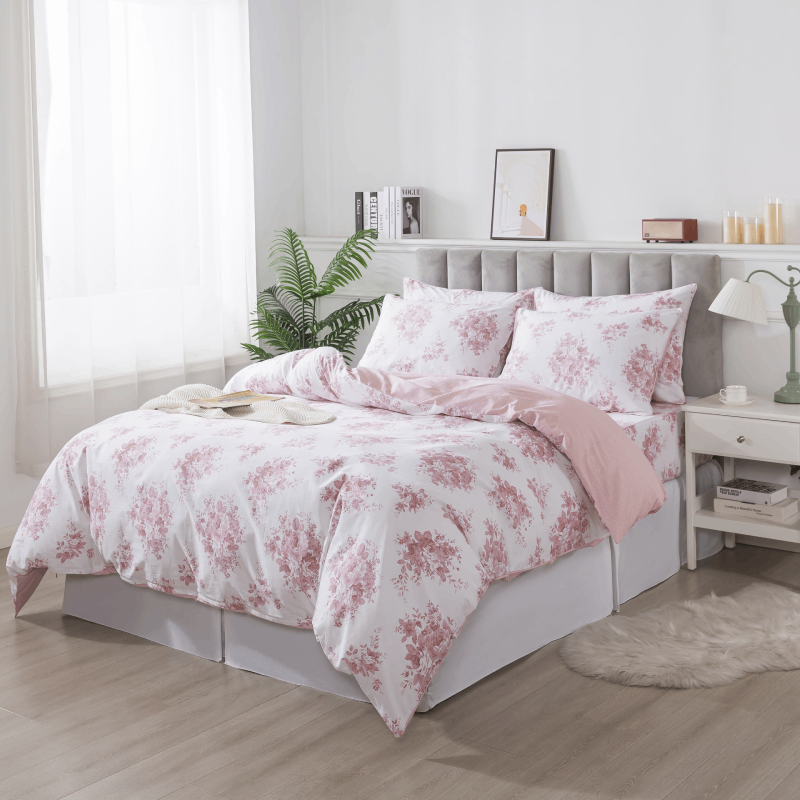
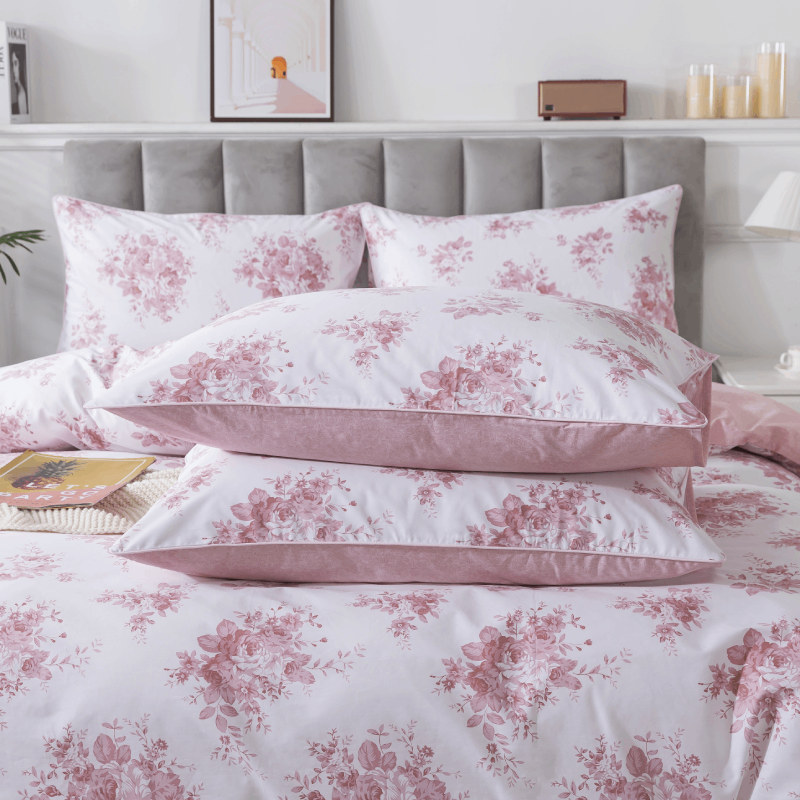
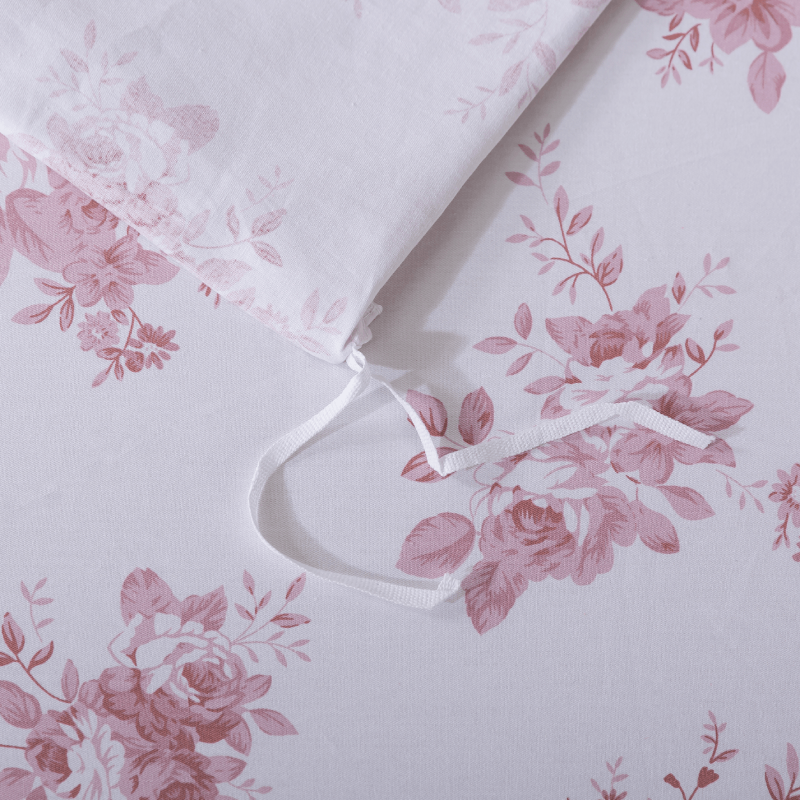
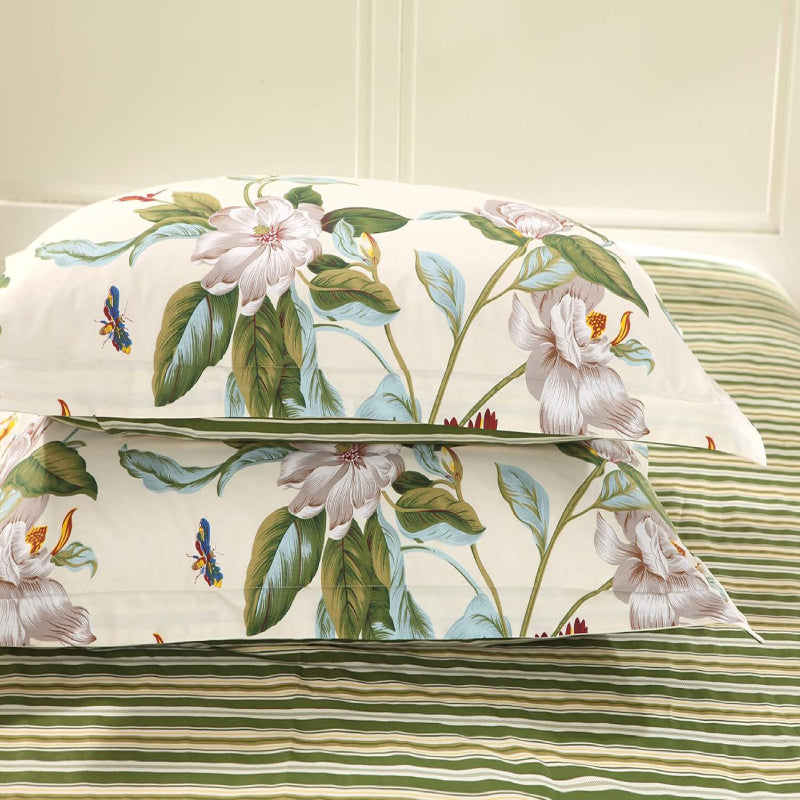
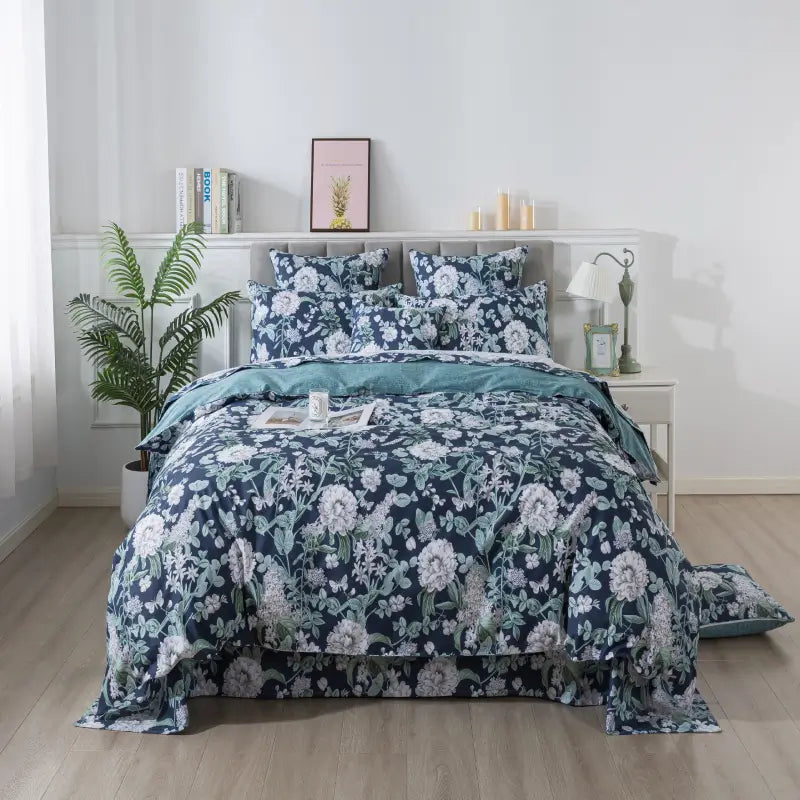
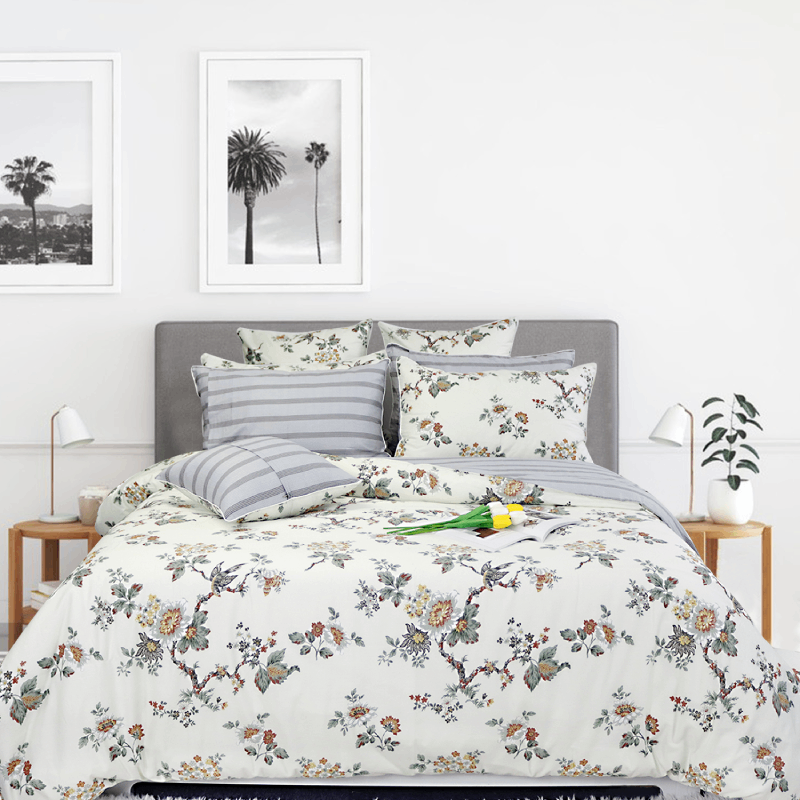
subtle florals that don’t dominate
-
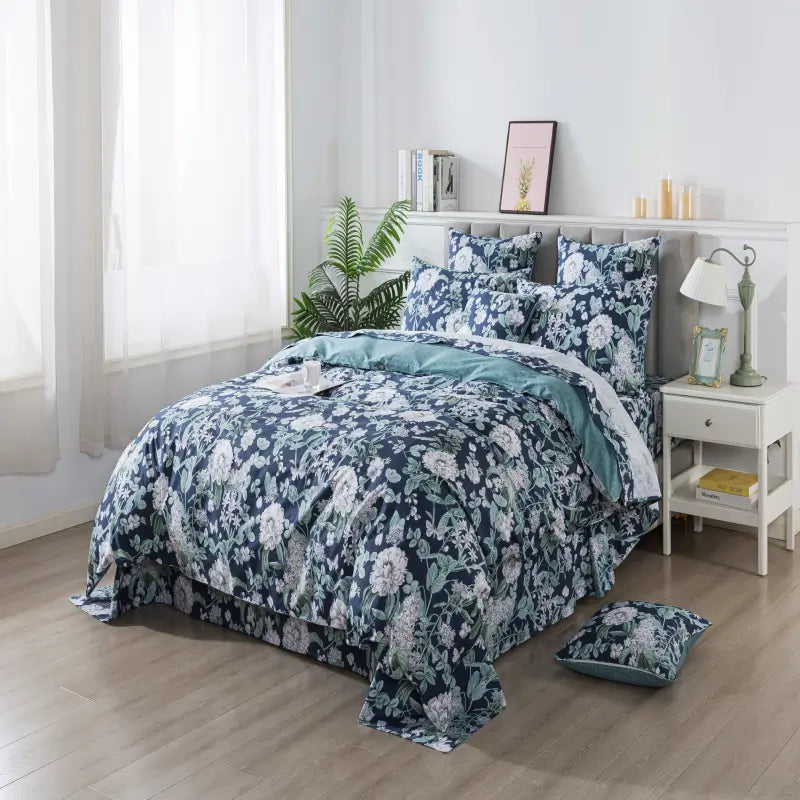
low-contrast prints that blend naturally
-
small patterns that read like texture
This is the difference between bedding that feels like a “spring look” and bedding that feels like a permanent part of your home.
If you ever feel like you need to redecorate the whole room to match your quilt set, it’s a sign the pattern is too controlling.

4) Avoid styles that only look good when perfectly arranged
Some bedding is made for photos, not for daily use. It looks amazing when the bed is crisp and styled, but the minute you sleep on it, it collapses into something messy and unsatisfying.
If you want bedding you’ll love across seasons, choose something that still looks good in real life:
-
relaxed, soft texture that holds shape naturally
-
quilting that keeps the bed looking “finished” without effort
-
comfort that improves after washing, not after “styling”
The best bedding doesn’t require constant correction. It simply settles into the room the way you do.
5) Build in flexibility instead of buying multiple full sets
You don’t need four completely different bedding setups. You need one strong foundation and a few strategic changes.
A practical, season-proof system can look like this:
-
One dependable quilt set as the core layer
-
One lightweight blanket for summer or warm nights
-
One warmer layer for winter (extra quilt, throw, or duvet insert)
-
Two pillowcase options (one fresh/light, one soft/deeper tone)
This way, your bedding can shift with the season without being replaced.
You’re not rebuilding the bed—you’re adjusting the temperature and mood.
6) Choose comfort that holds up under repetition
A lot of bedding feels “special” at first, then slowly becomes disappointing. The fabric pills. The softness fades. The shape changes. The pattern loses its charm.
The bedding you still love after the season changes is almost always the bedding that stands up to real life:
-
frequent washing
-
daily body contact
-
pet hair and movement
-
the messy middle of normal living
Durability isn’t just about strength—it’s about keeping its softness and structure without becoming stiff or thin.
If a bedding set only looks good when it’s new, it’s not an investment. It’s a temporary mood.
7) Let your bedroom feel consistent—even when the world isn’t
Your home doesn’t need to reinvent itself every season. Most people don’t actually want their bedroom to feel like a theme. They want it to feel familiar, calm, and reliable.
That’s what makes season-proof bedding worth choosing: it becomes part of your rhythm.
When the weather changes, your schedule shifts, and life gets louder, your bedroom doesn’t have to follow the chaos. The bed can stay steady.
A quilt you still love after the season changes isn’t necessarily the boldest or trendiest one. It’s the one that stays comfortable, looks natural, and feels like it belongs—no matter what month it is.
Final Thought: Bedding that lasts isn’t “timeless”—it’s adaptable
Timeless doesn’t mean boring. It means your bedding still feels right even when your space evolves, your light changes, and your daily life looks different from last season.
So when you’re choosing your next set, don’t ask:
“Does this look like spring?”
Ask:
“Will I still want to come back to this when everything shifts again?”
That’s the kind of bedding you’ll love longer than a season.