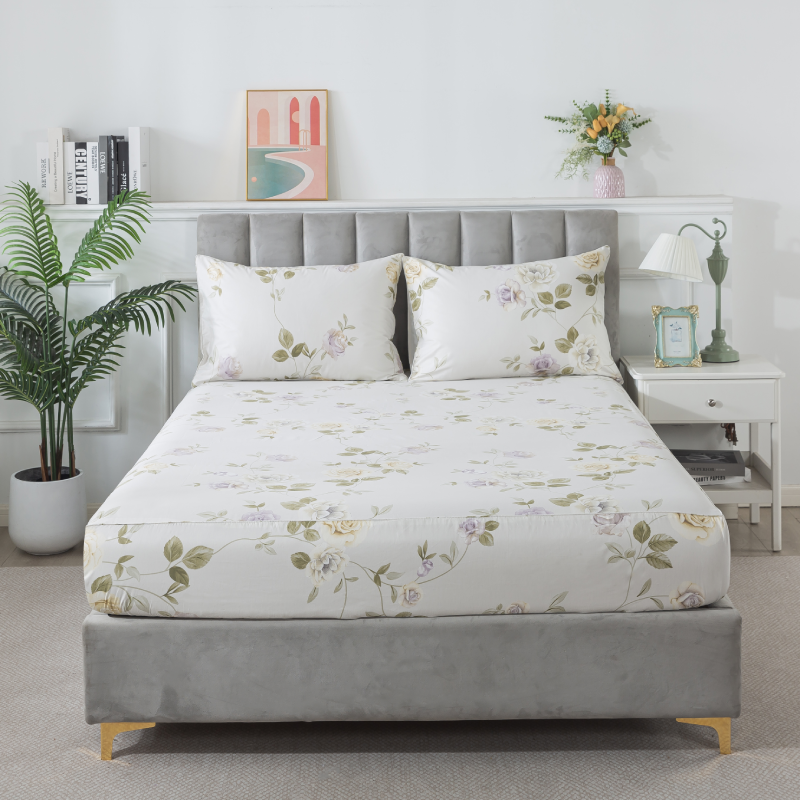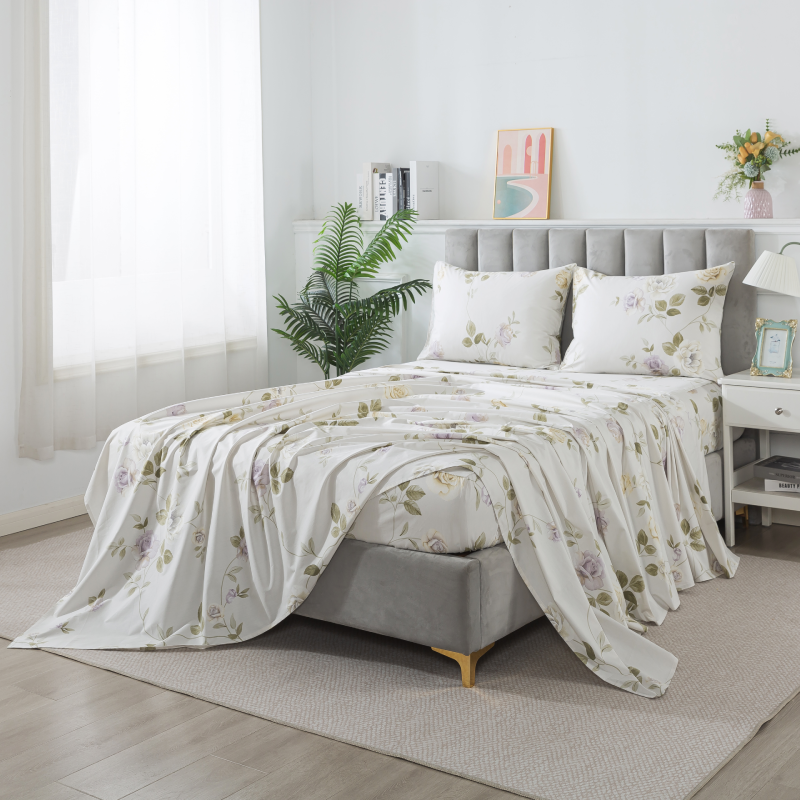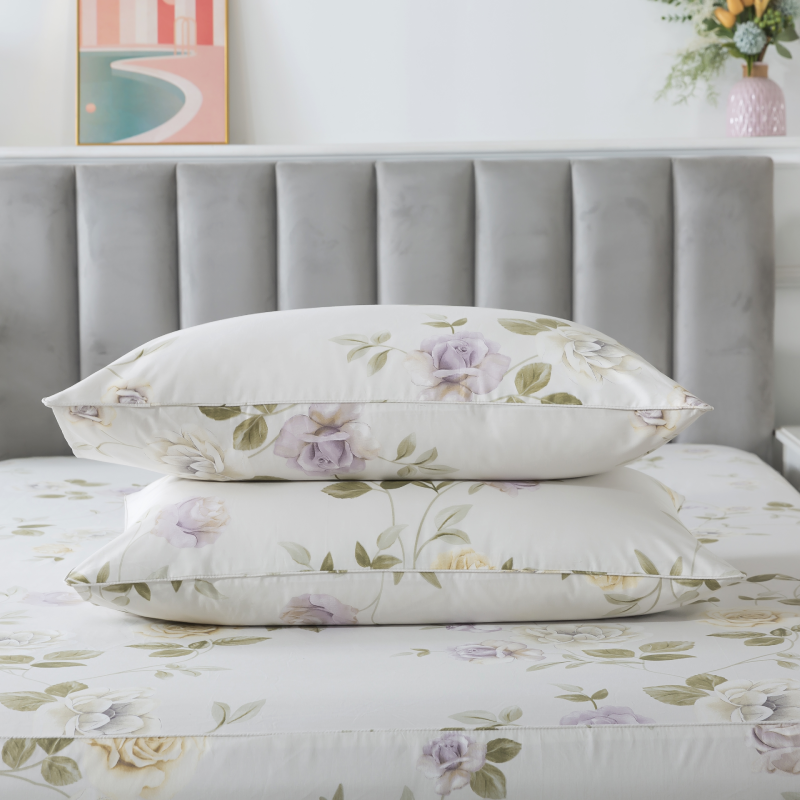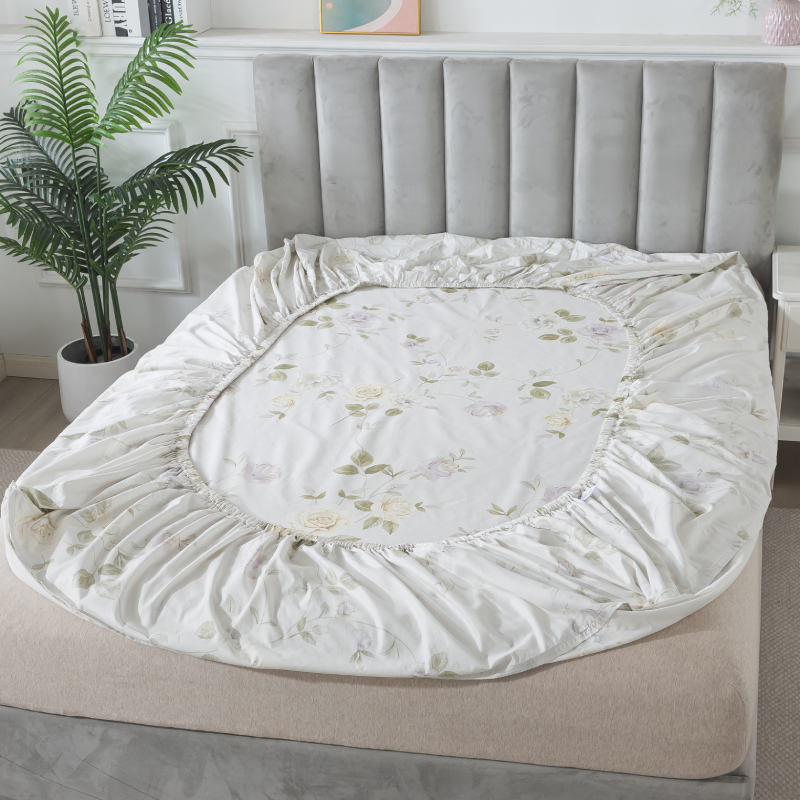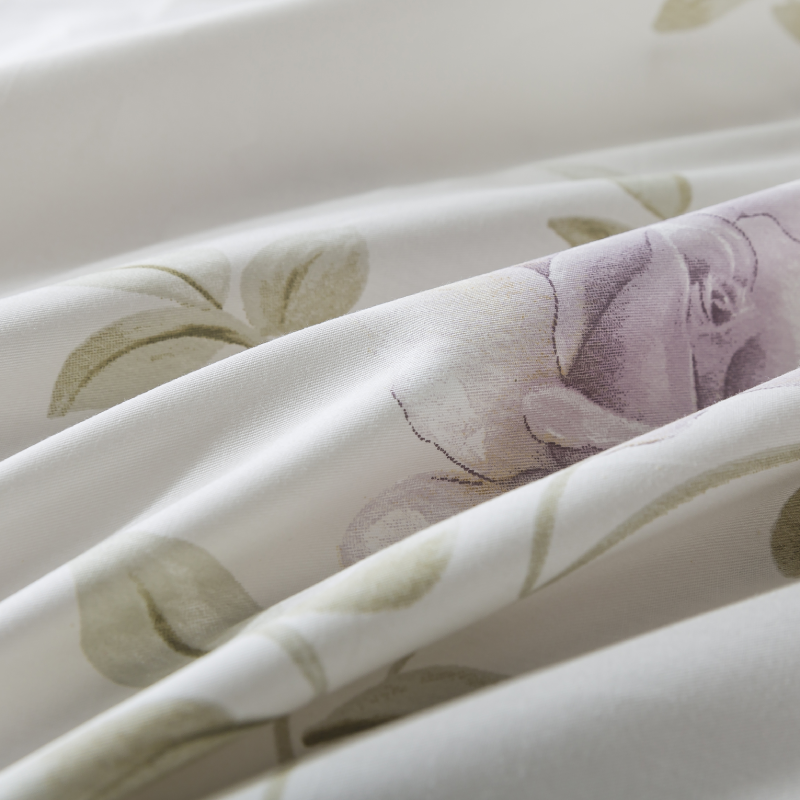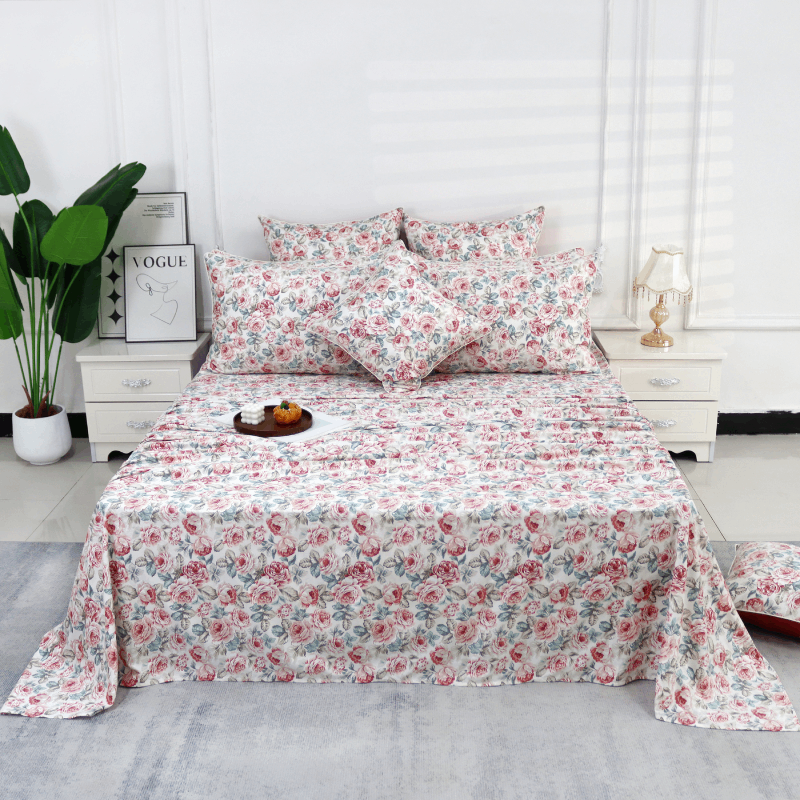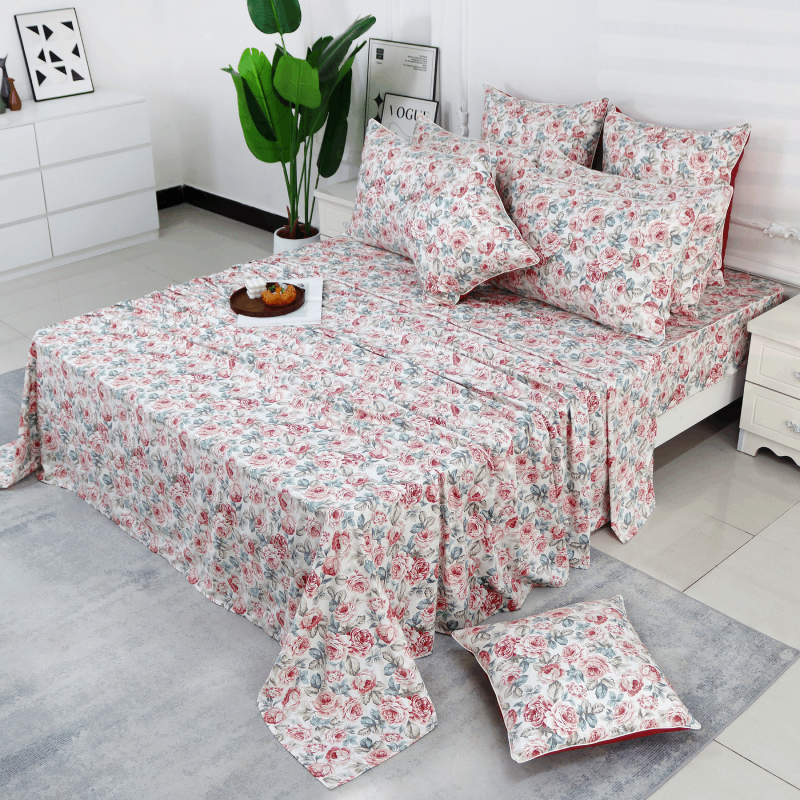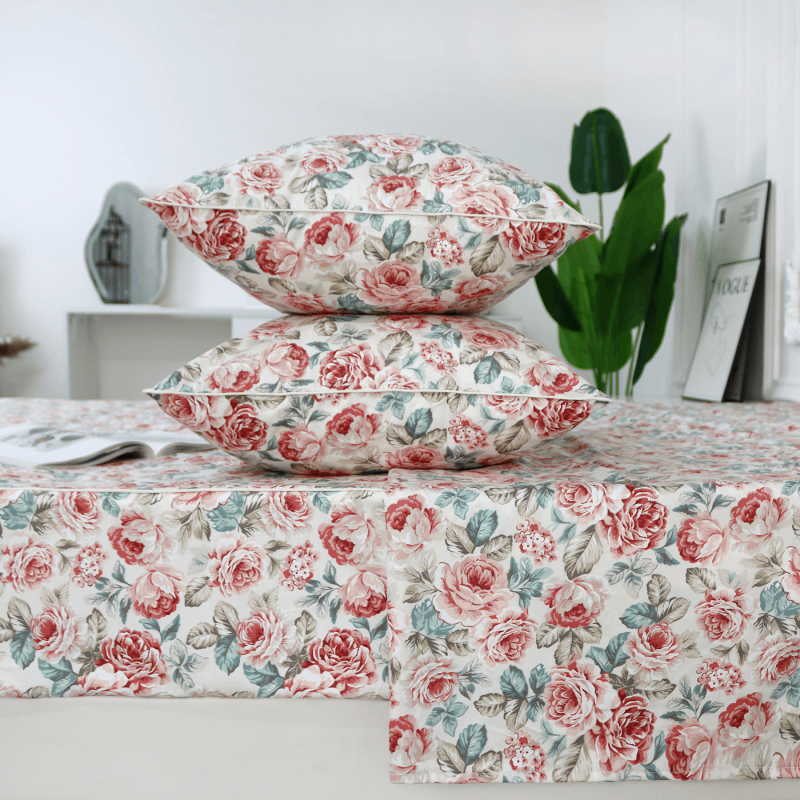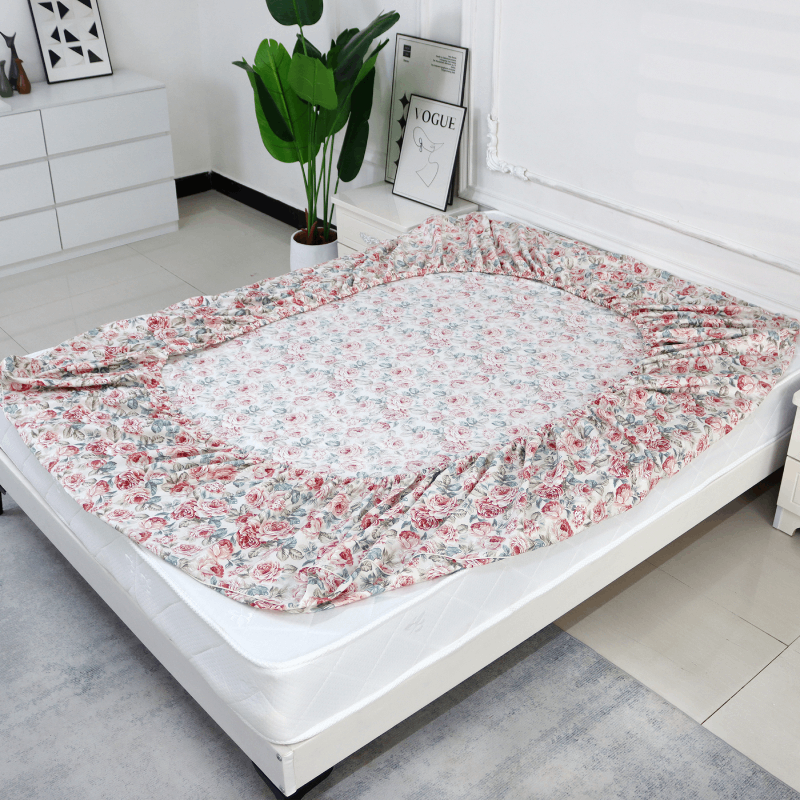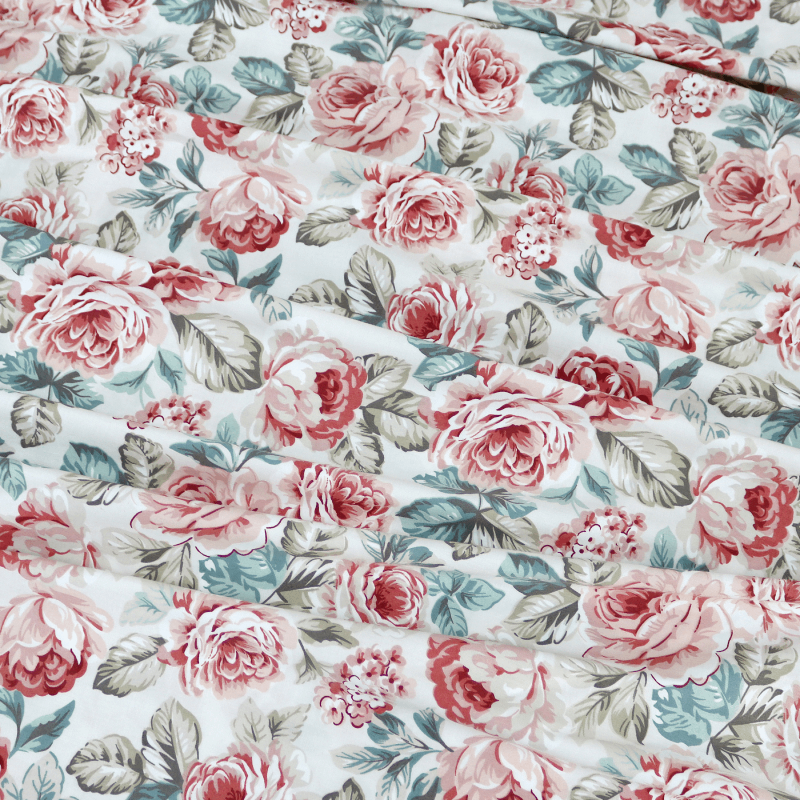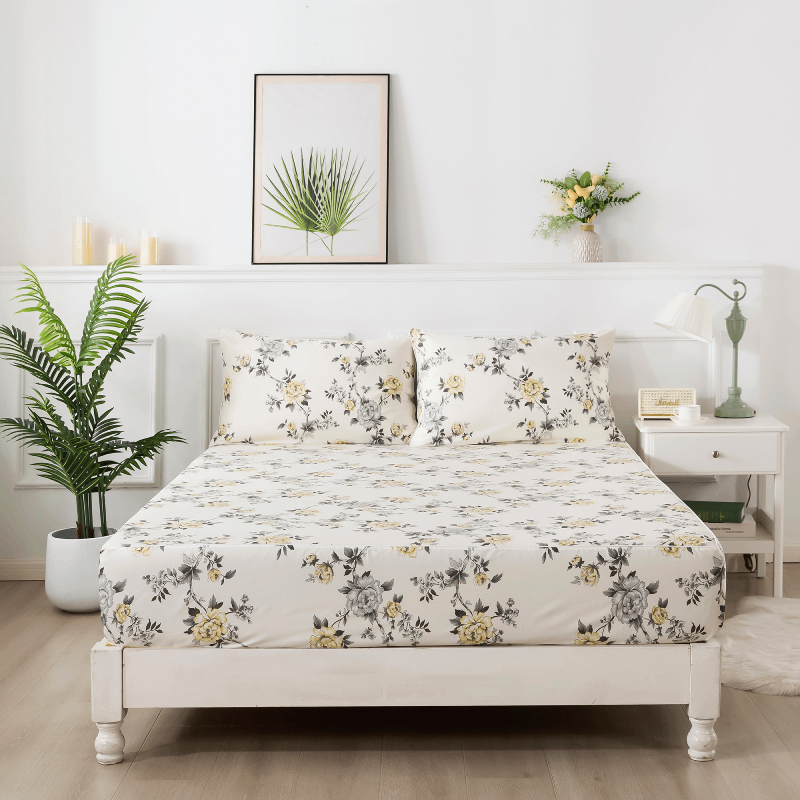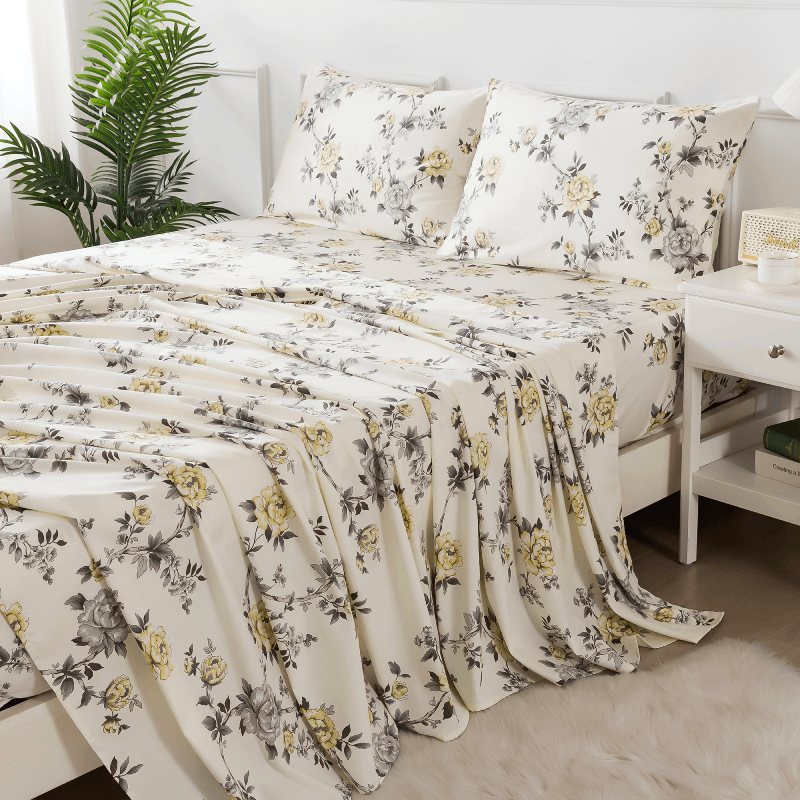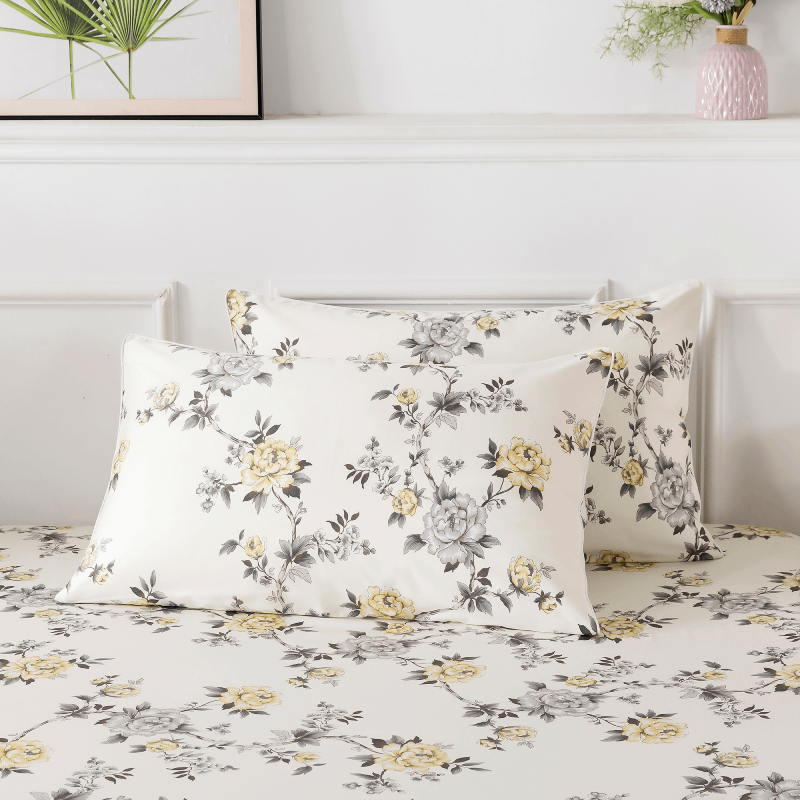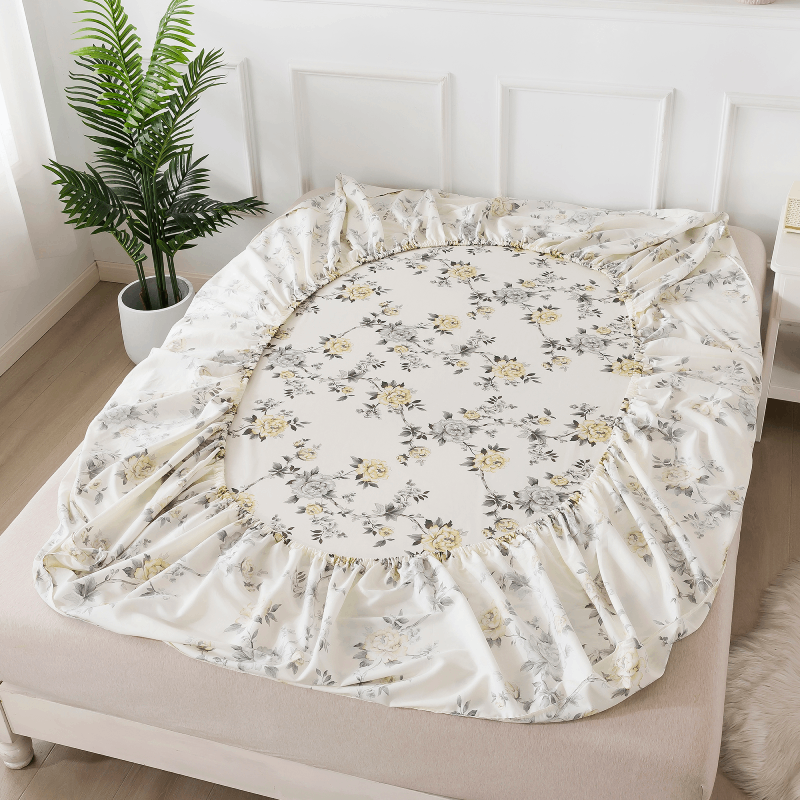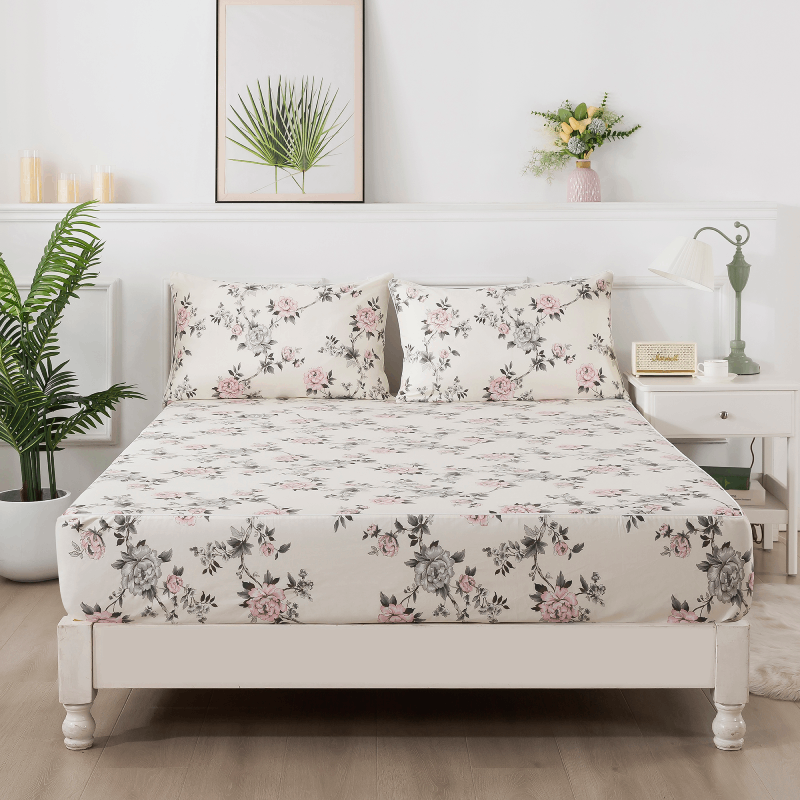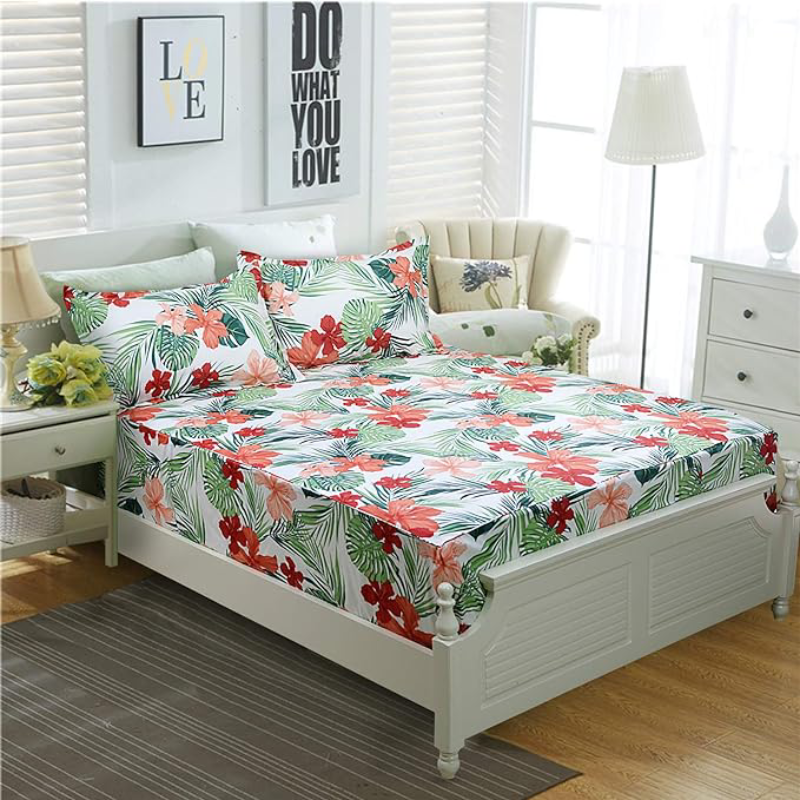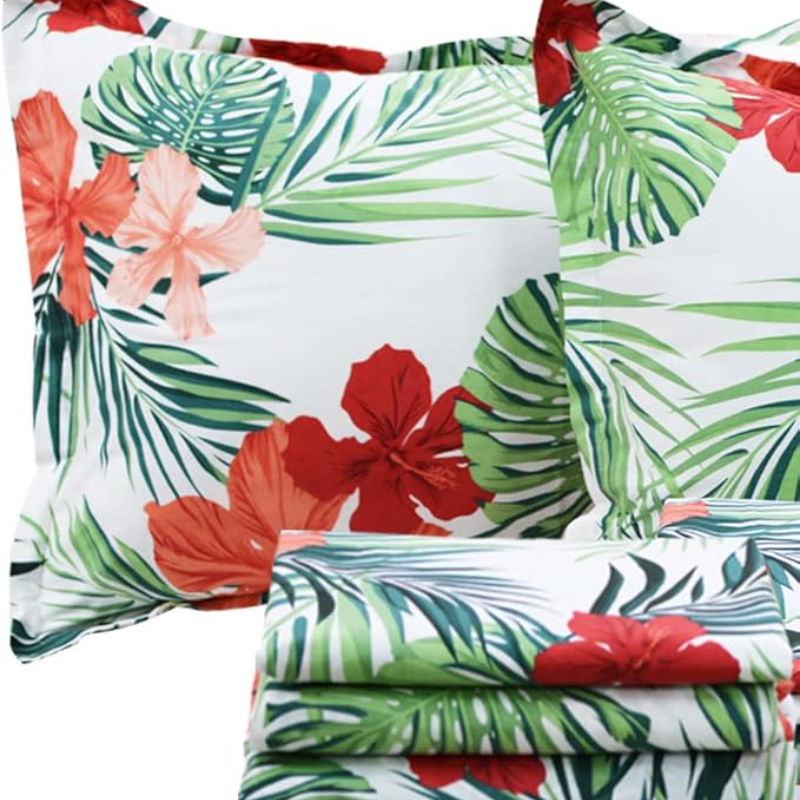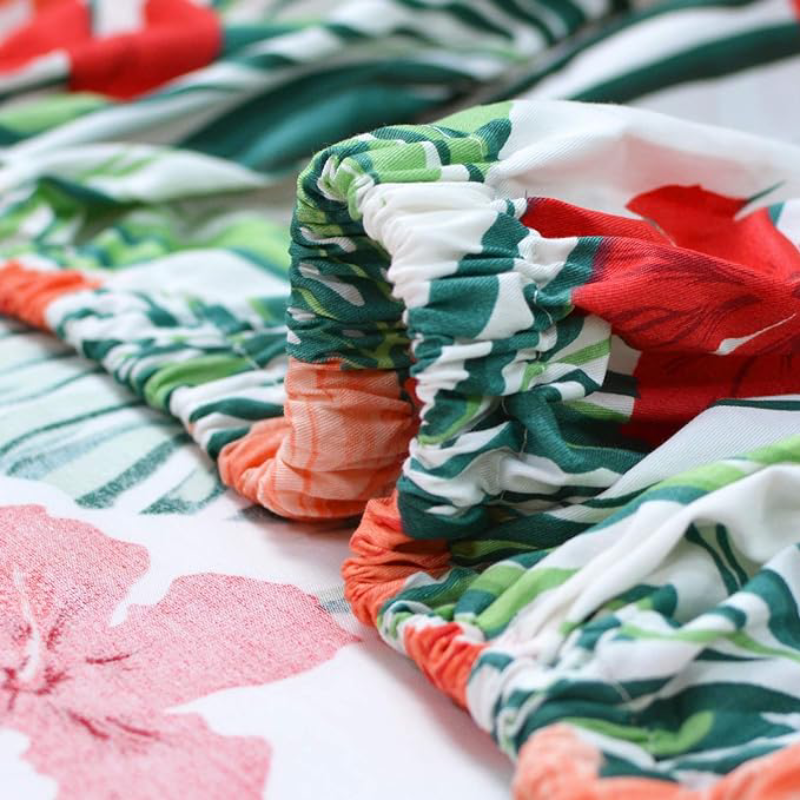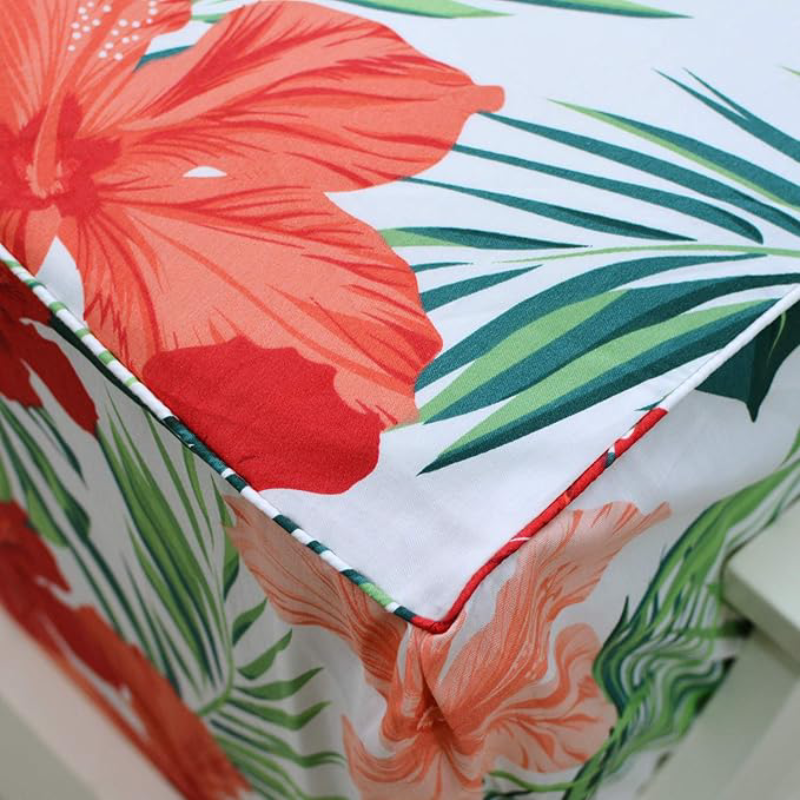
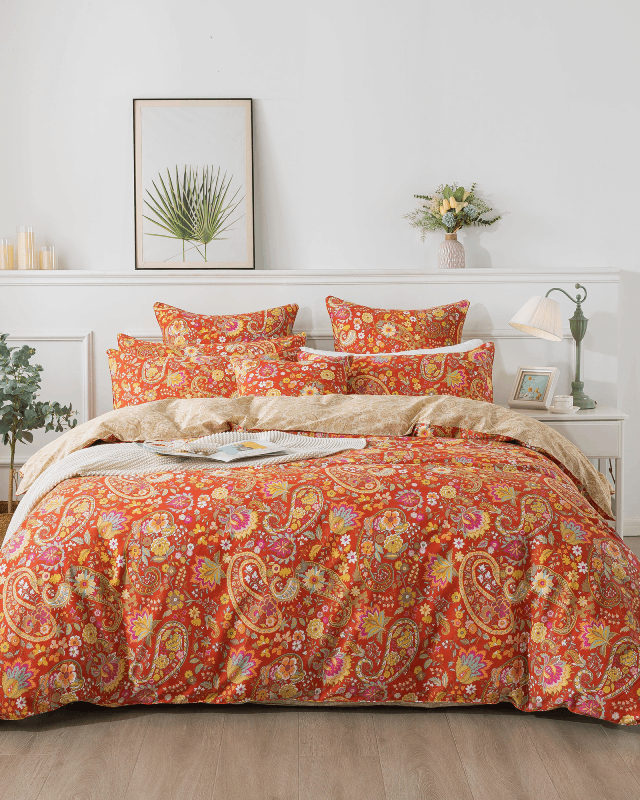



Your sheets go through more than you think.
Every night, they carry:
-
Your body weight
-
Your movement
-
Heat and moisture
-
Repeated pressure in the same places
And yet, most of us treat bedding as something that doesn’t need a break.
One set. Every night. Washed, dried, and used again.
But what actually happens when your sheets never get to rest?

Fabric Doesn’t Just Wear—It Fatigues
We often think of wear as something visible—tears, thinning fabric, or fading color.
But long before that, something more subtle happens: fatigue.
When sheets are used continuously:
-
Fibers stay compressed
-
Natural structure weakens
-
The fabric loses its resilience
This isn’t damage you notice immediately.
It’s something you feel.
Sheets stop feeling soft. They feel flatter. Less responsive. Slightly “off.”
Why Softness Slowly Disappears
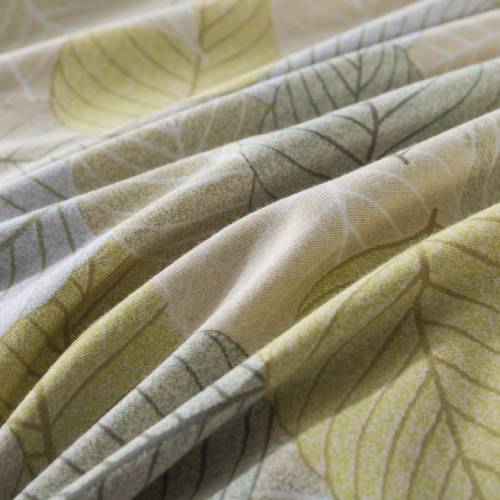
Softness isn’t just about material—it’s about structure.
High-quality fibers are designed to:
-
Bounce back
-
Maintain airflow
-
Adapt to movement
But without rest, those fibers don’t have time to recover.
Instead:
-
Surfaces become smoother in a worn-down way
-
Texture loses dimension
-
The fabric feels dull rather than soft
This is why sheets that once felt amazing can gradually feel ordinary—even if they’re still “in good condition.”
The Impact of Constant Washing
When you only own one set, washing becomes more frequent—and more urgent.
This creates a cycle:
-
Use
-
Wash
-
Dry
-
Repeat immediately
Over time:
-
Fibers weaken faster
-
Friction from washing increases wear
-
Softness fades more quickly
It’s not just usage—it’s the combination of use and repeated washing without recovery time.
Moisture and Heat Build Up Over Time
Sheets don’t just handle pressure—they manage your body’s environment.
Each night, they absorb:
-
Moisture
-
Body heat
-
Oils from your skin
When sheets are reused immediately after washing, they don’t fully reset at a structural level.
Over time, this contributes to:
-
Reduced breathability
-
Heavier feel
-
Less freshness—even when clean

Why Rest Actually Matters
Rest allows fabric to recover.
When sheets are not in use:
-
Fibers relax back into their natural shape
-
Moisture fully dissipates
-
The structure regains balance
This is why rotated bedding often feels noticeably better—even if it’s the same material.
It’s not just “fresh”—it’s restored.
The Simple Fix: Rotation
The solution isn’t complicated.
Let your sheets rest.
Rotating between two or three sets:
-
Reduces continuous stress on fibers
-
Extends softness over time
-
Improves overall comfort
It also removes the pressure of immediate reuse.
If you’re building a simple rotation, having an extra set ready—like a breathable option from
https://fadfay.com/collections/sheet-set
can make the transition effortless.
You Feel the Difference Before You See It
The most interesting part?
You’ll notice the improvement before you can explain it.
Your bed feels:
-
Softer
-
Lighter
-
More comfortable
Not because it’s new—but because it’s been allowed to recover.
A Small Change That Extends Everything
Letting your sheets rest doesn’t just improve comfort—it extends their lifespan.
Instead of wearing out one set quickly, you:
-
Distribute usage
-
Reduce washing frequency
-
Maintain quality longer
It’s a simple shift with long-term benefits.
Final Thoughts
Sheets aren’t designed to be used nonstop.
They’re designed to perform—and like anything that performs well, they need time to recover.
So if your bedding doesn’t feel as soft as it used to, the problem might not be what you bought.
It might be how you’re using it.
Sometimes, the best thing you can do for your sheets…
is nothing at all.
Just let them rest.