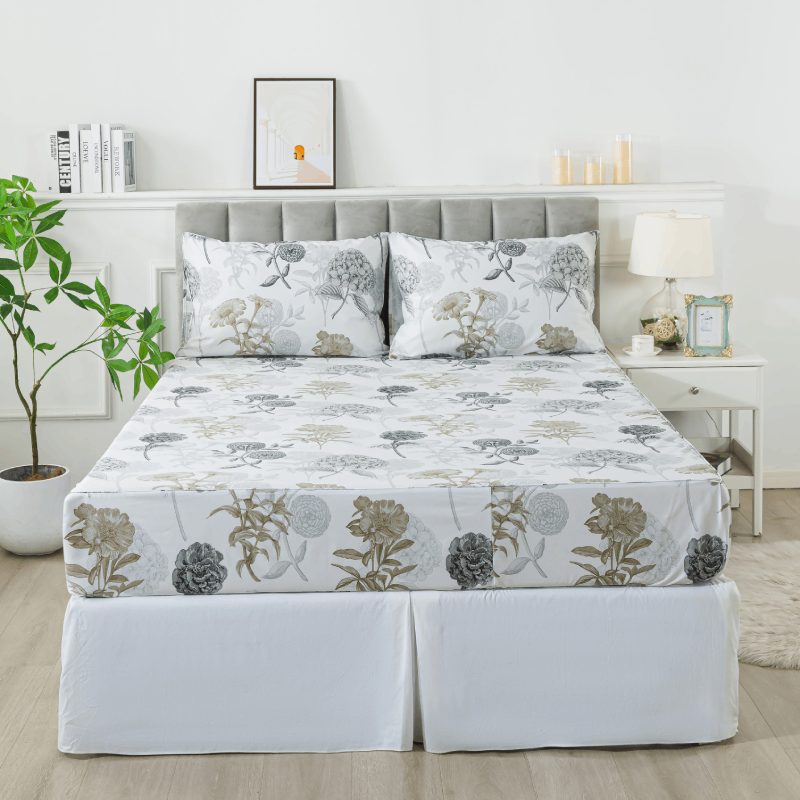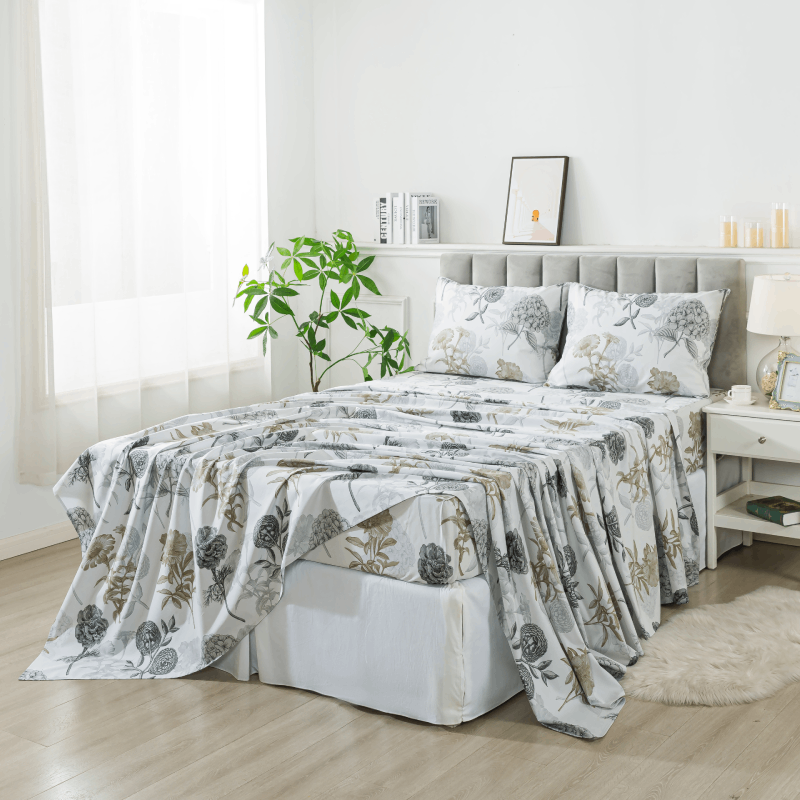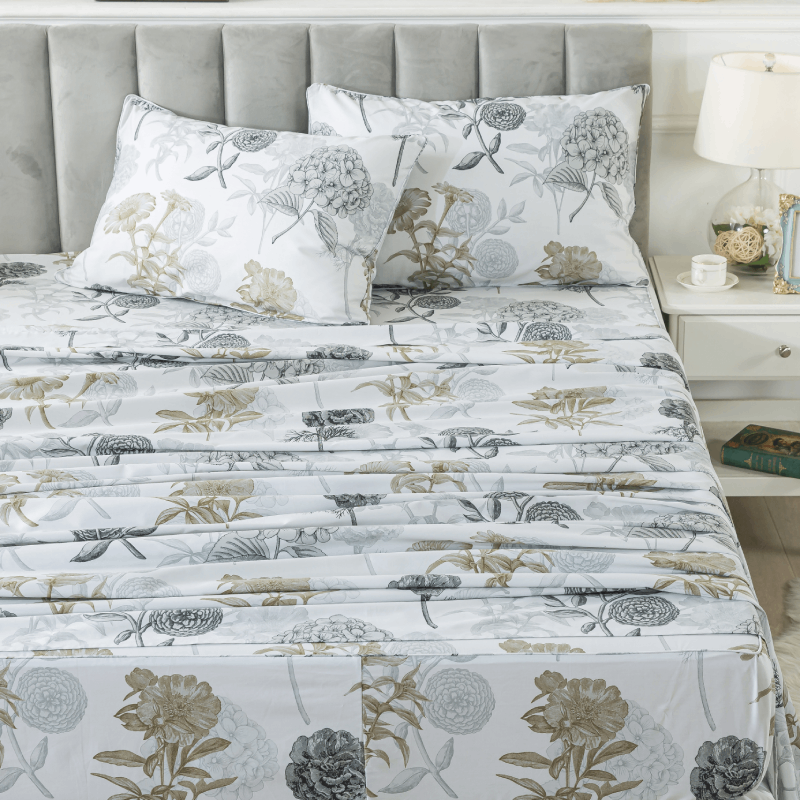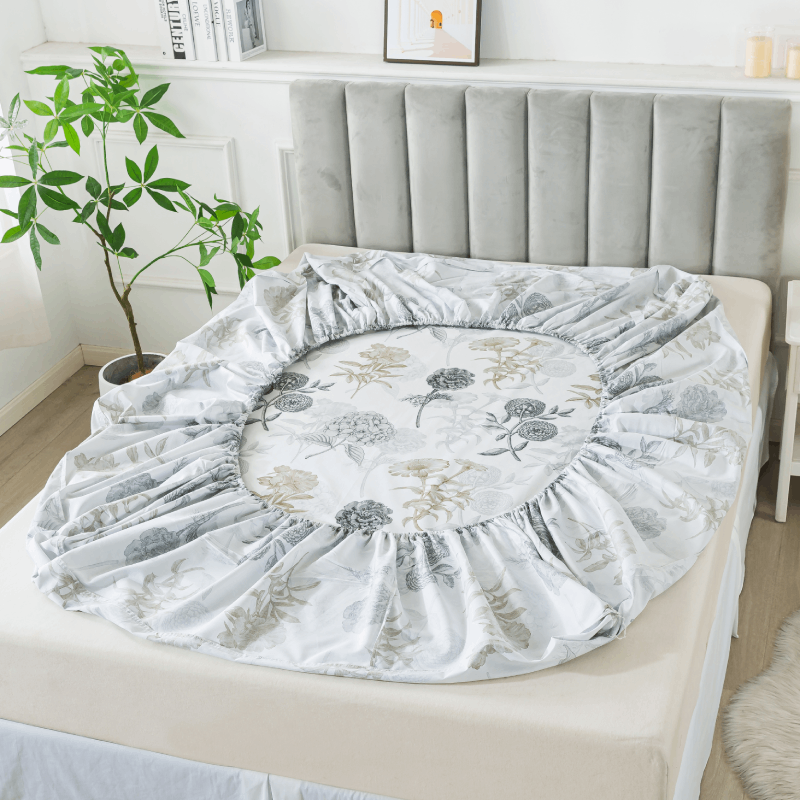


When designing a bedroom, most people focus on color palettes, furniture, or lighting. However, one of the most influential yet underestimated elements is visual weight—the perceived heaviness or lightness of objects within a space. Among all soft furnishings, floral bedding plays a powerful role in shaping this perception.
Understanding how floral patterns affect visual weight allows you to control the atmosphere of your bedroom—whether you want it to feel light and airy, grounded and cozy, or bold and expressive.
What Is Visual Weight in Interior Design?
Visual weight refers to how “heavy” or “light” an object appears based on several design variables:
- Color: Dark tones appear heavier; light tones feel lighter
- Pattern density: Busy patterns increase visual weight
- Scale: Larger elements feel more dominant
- Texture: Thick or glossy materials appear heavier
- Contrast: High contrast adds visual intensity
In a bedroom, the bed is typically the focal point. This makes bedding—especially floral designs—a key determinant of the room’s overall balance.
Light Floral Bedding: Creating an Airy, Relaxed Space
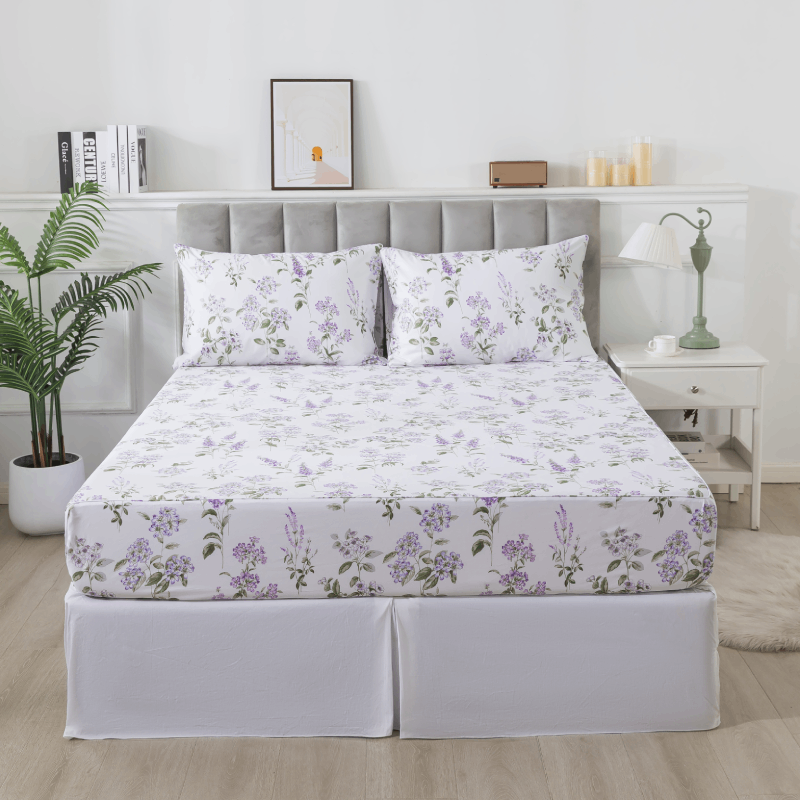
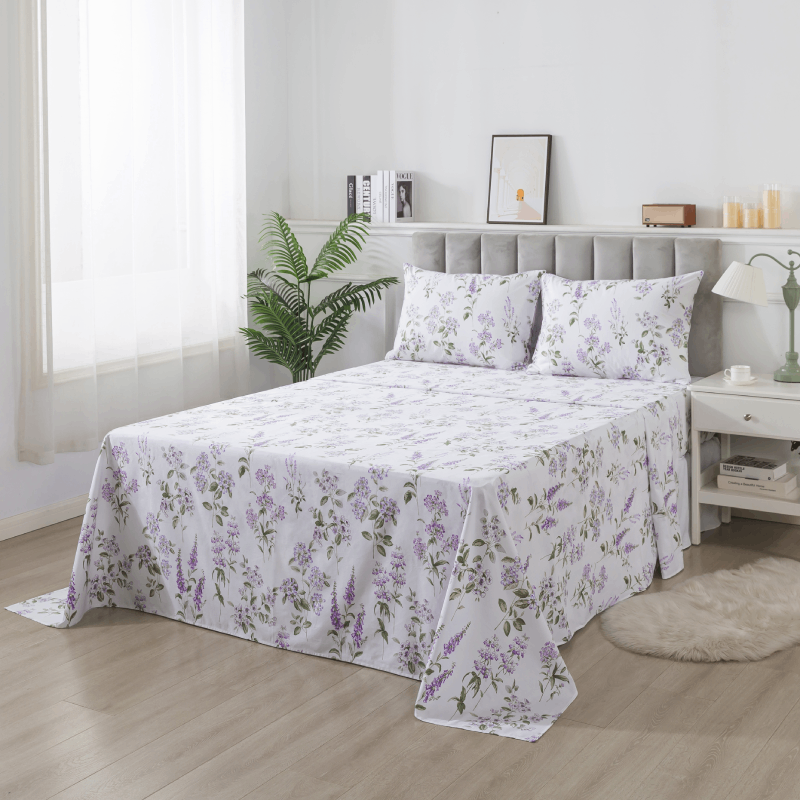
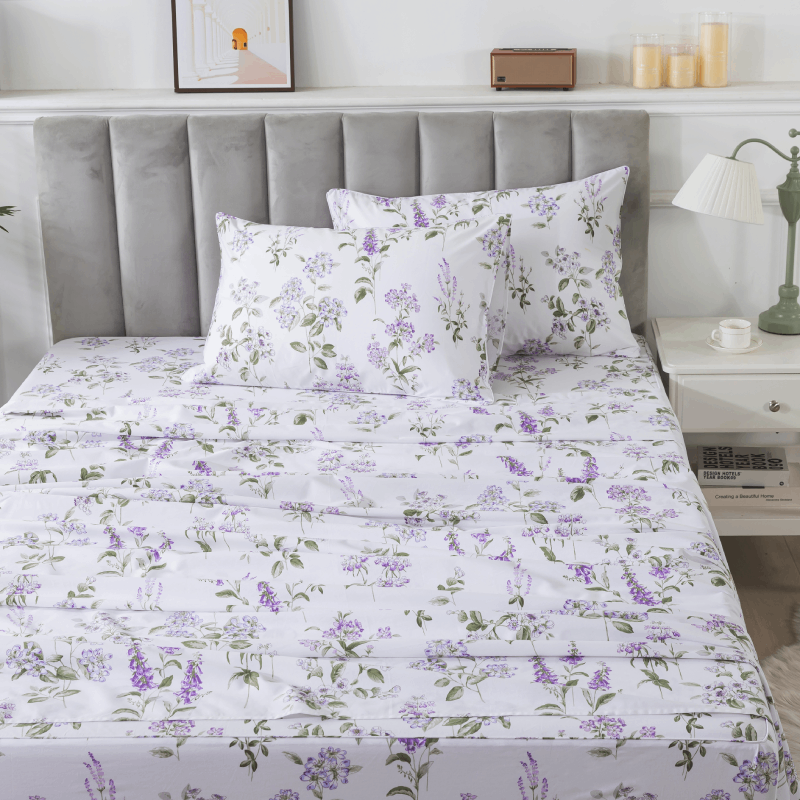
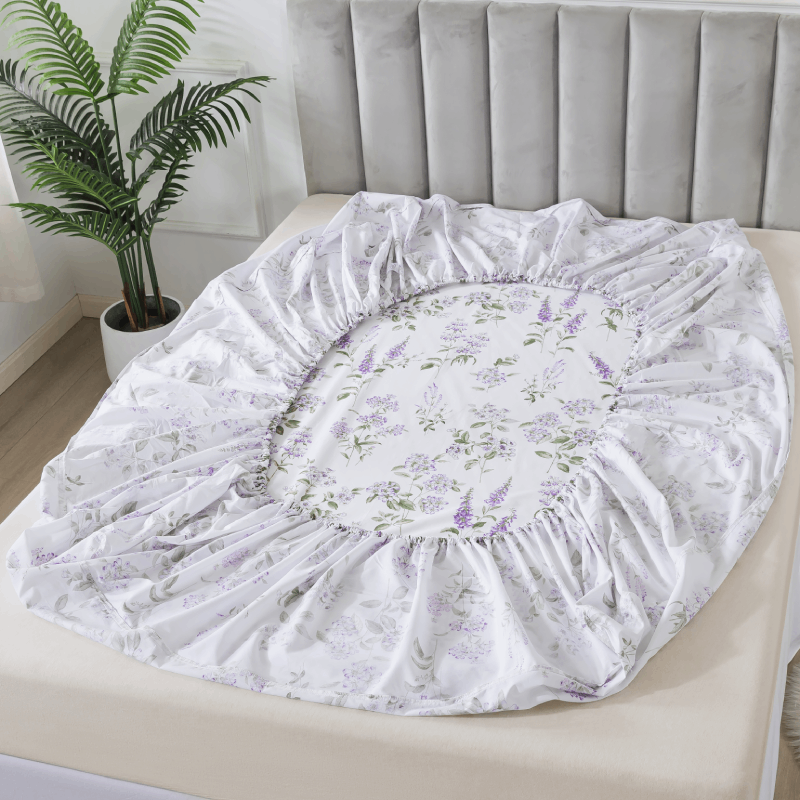
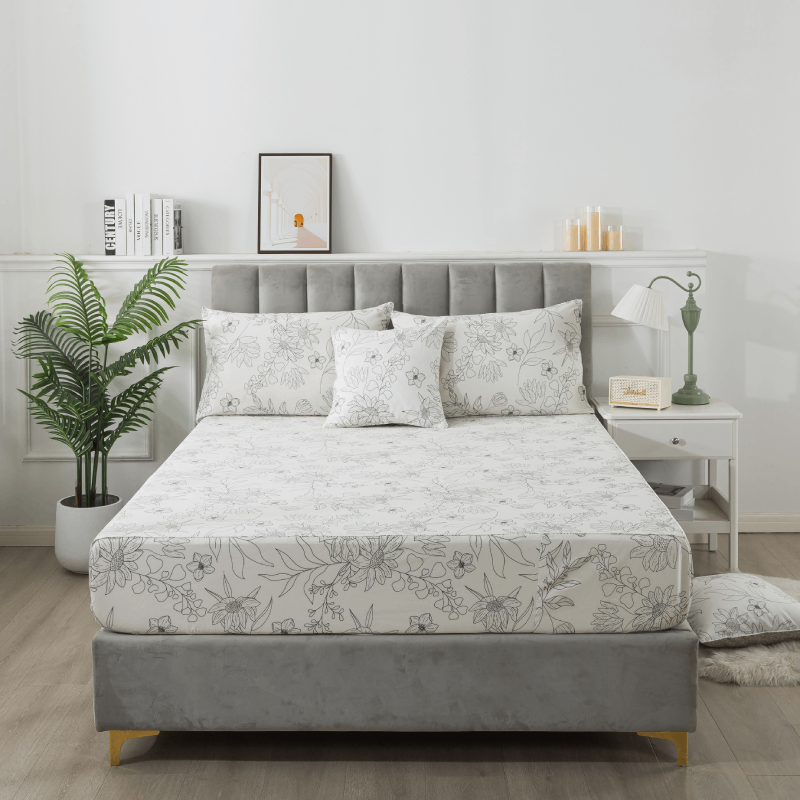
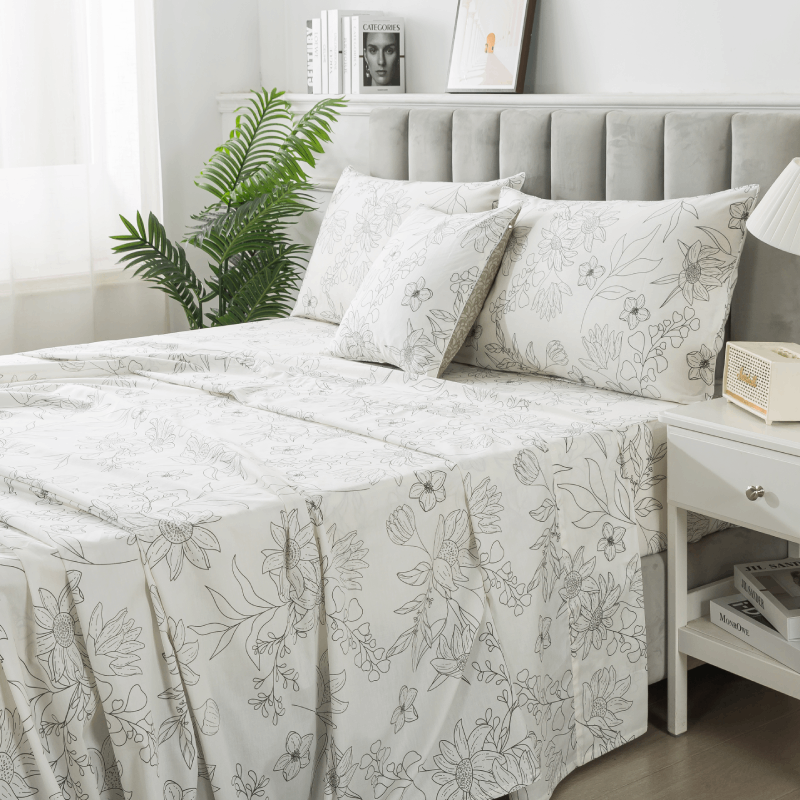
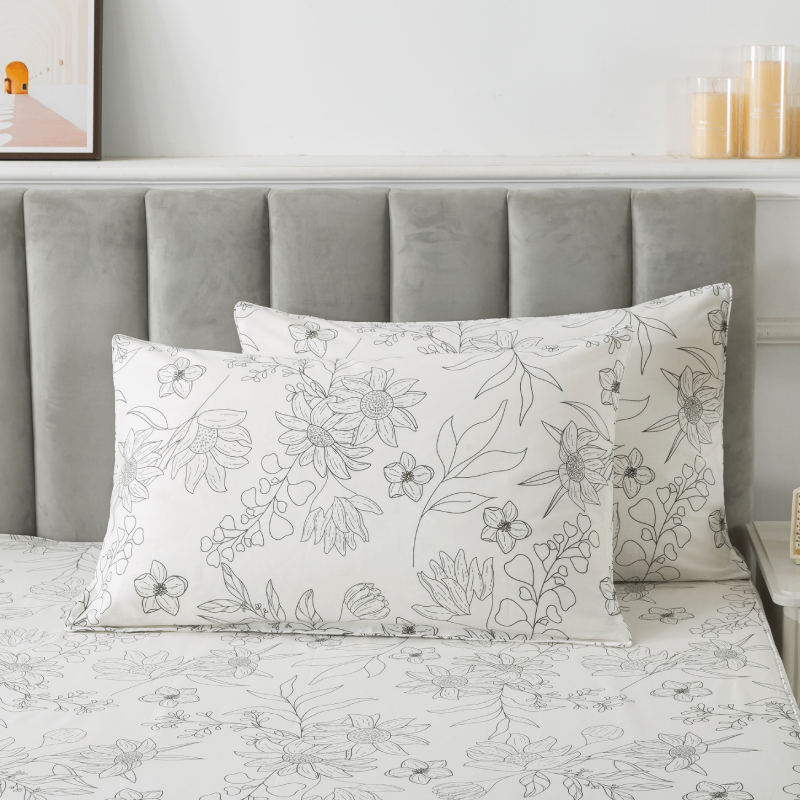
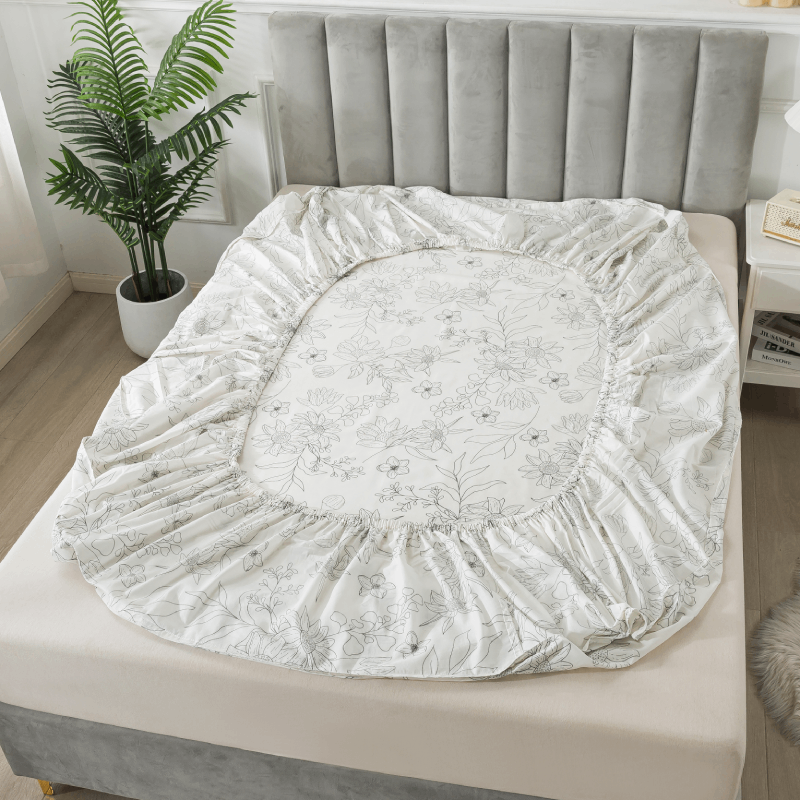
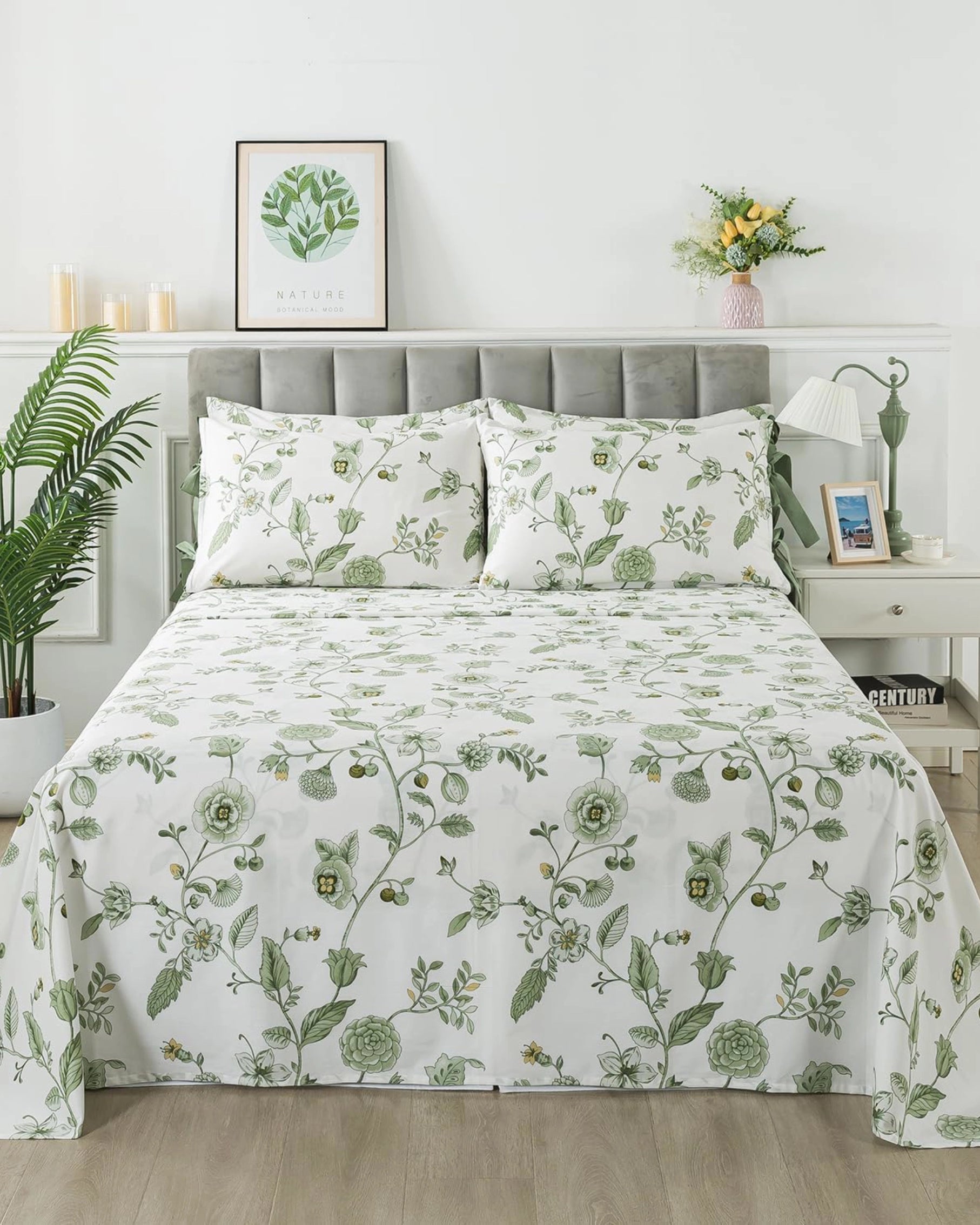
Floral bedding with a light background, soft tones, and delicate patterns reduces visual weight. It helps the room feel:
- More spacious
- Brighter and breathable
- Calm and restorative
Key characteristics:
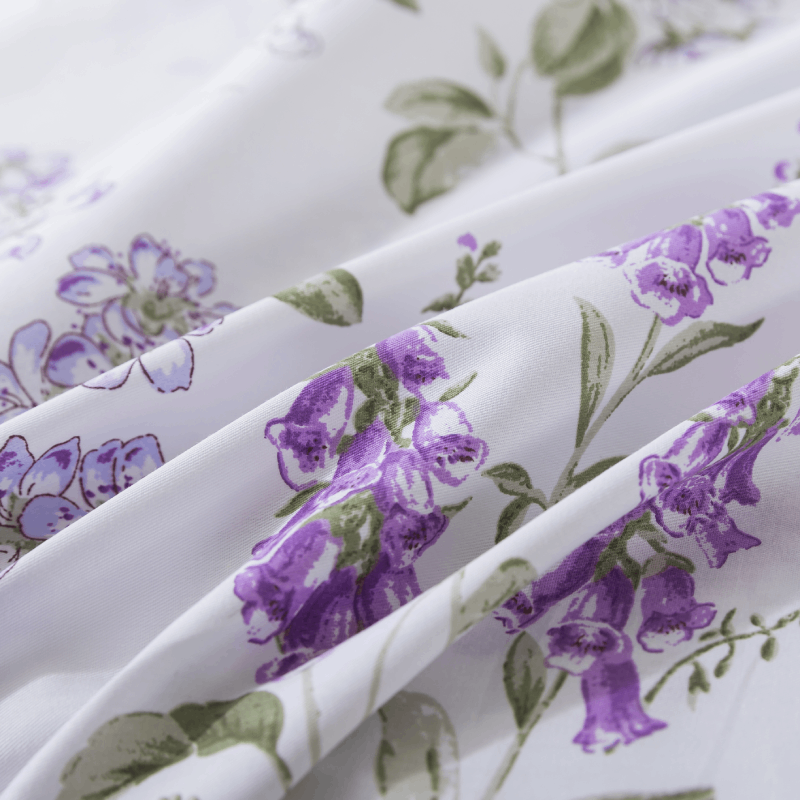
- Small-scale floral prints
- Pastel or muted color palettes
- White or cream backgrounds
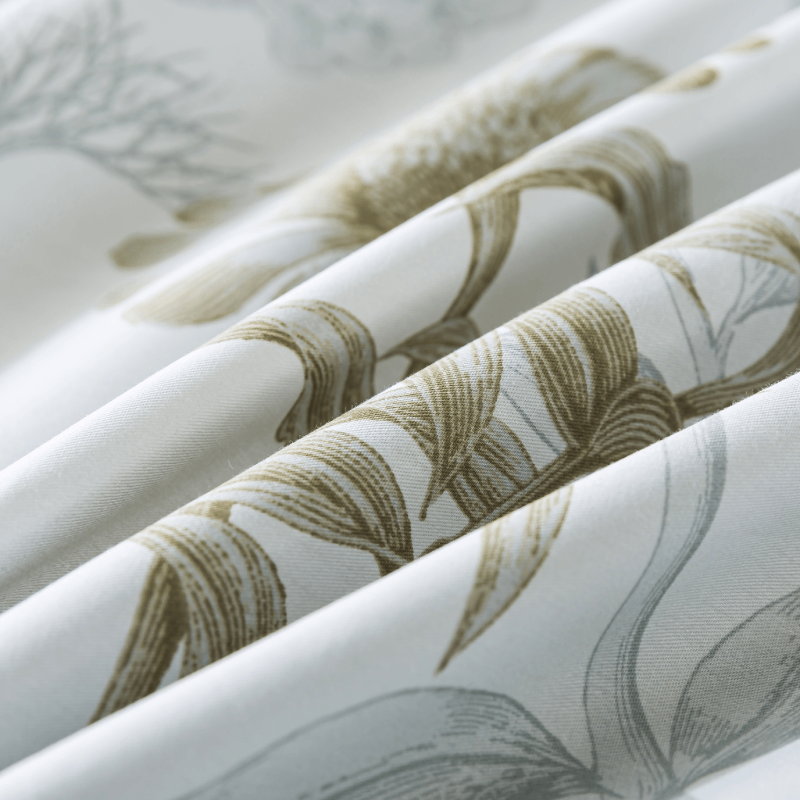
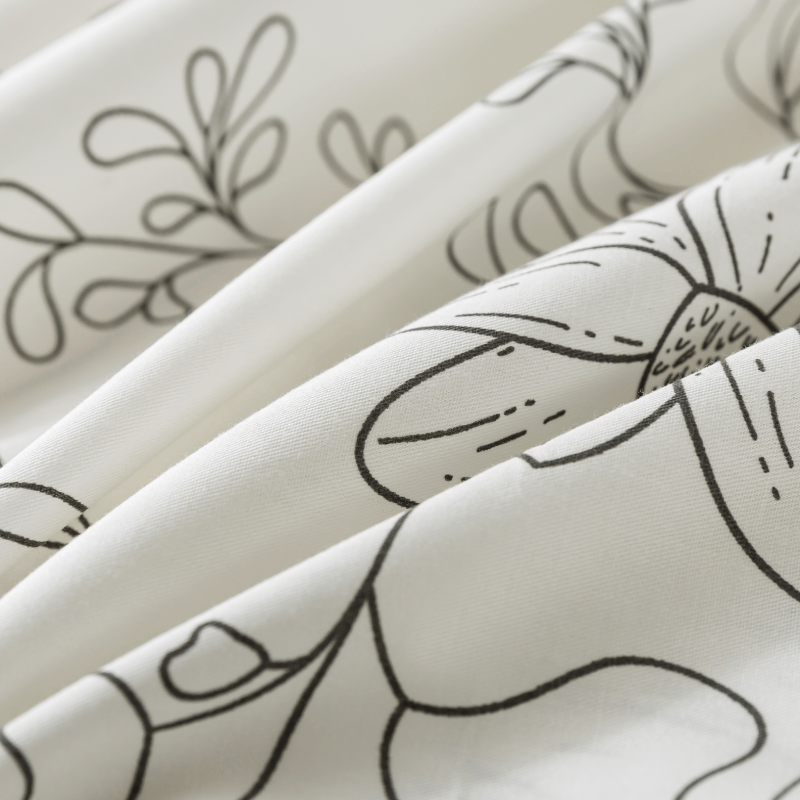
- Soft, natural fabrics like cotton
This approach works especially well in smaller bedrooms or spaces with limited natural light. The bedding visually recedes, allowing the room to feel open rather than crowded.

Bold Floral Bedding: Adding Depth and Presence
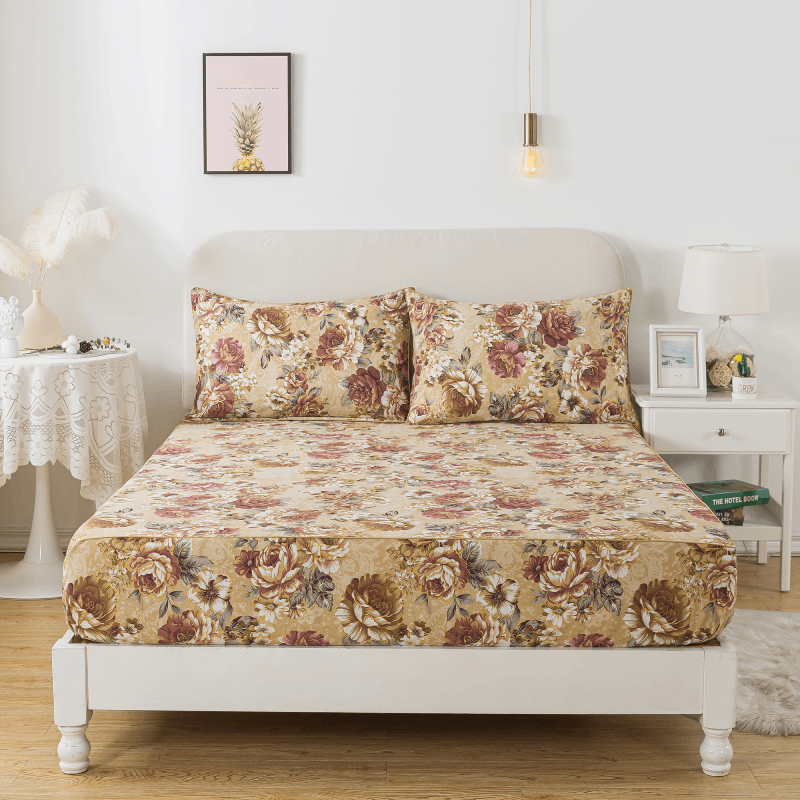
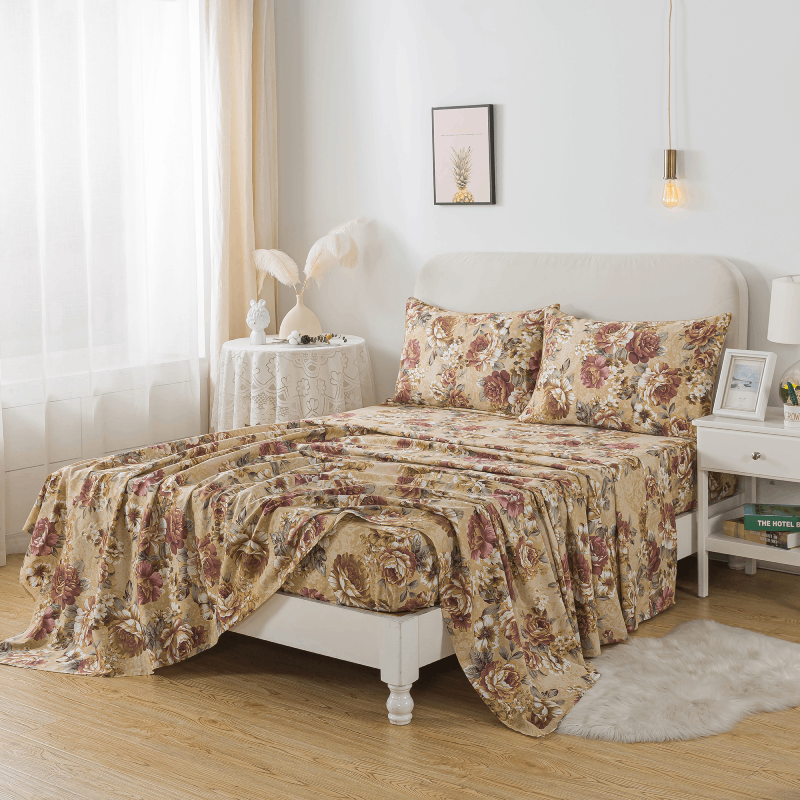
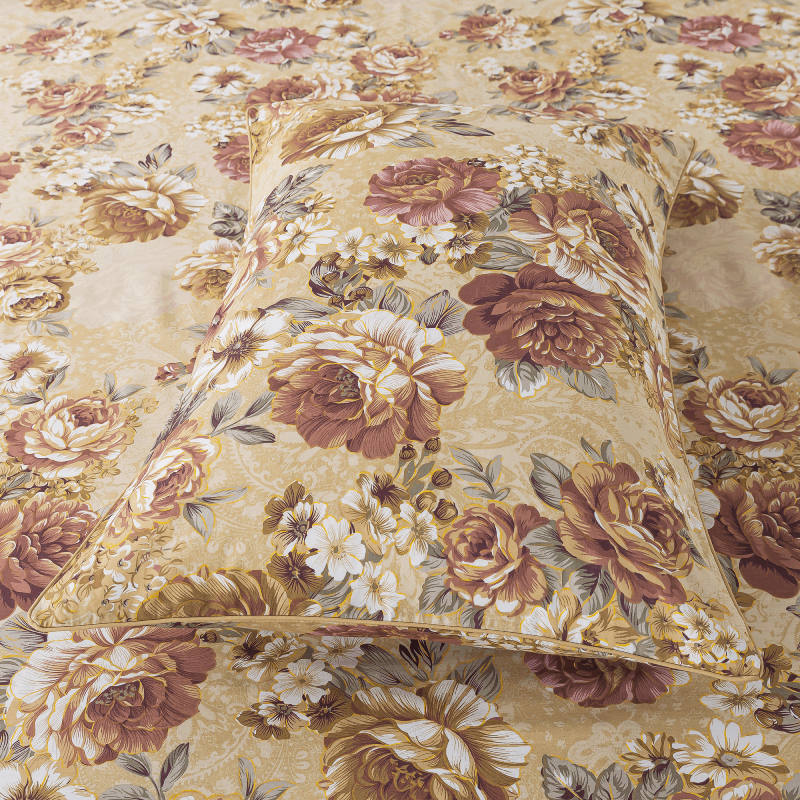
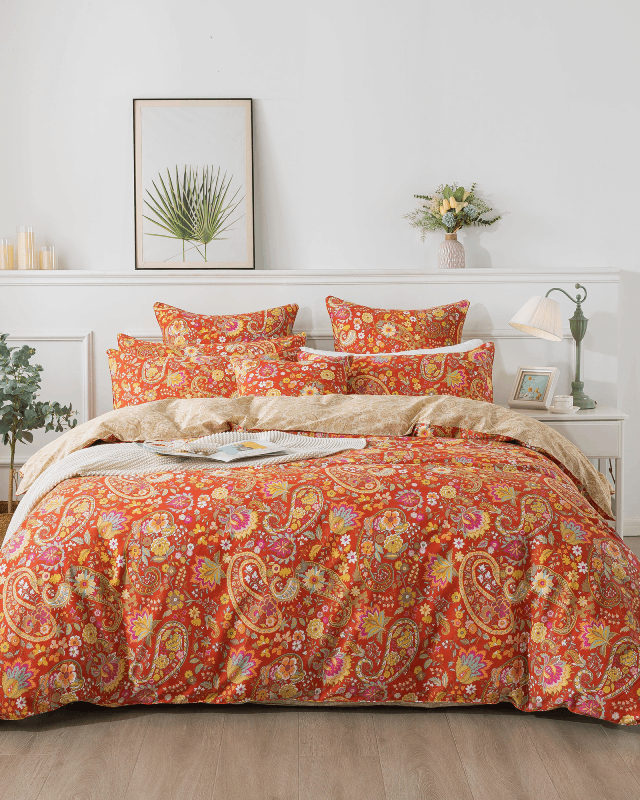
In contrast, large-scale or high-contrast floral patterns increase visual weight, making the bed feel more substantial and grounded.
Effects on the space:
- Anchors the room visually
- Creates a strong focal point
- Adds richness and personality
- Makes large rooms feel more intimate
Key characteristics:
- Dark backgrounds (navy, forest green, burgundy)
- Large, detailed floral motifs
- High contrast between pattern and base color
This type of bedding is ideal for larger bedrooms or spaces that feel too empty. It introduces visual density and balance.
Pattern Density: Finding the Right Balance
Not all floral bedding is equal—even within the same color palette. Pattern density significantly affects visual weight:
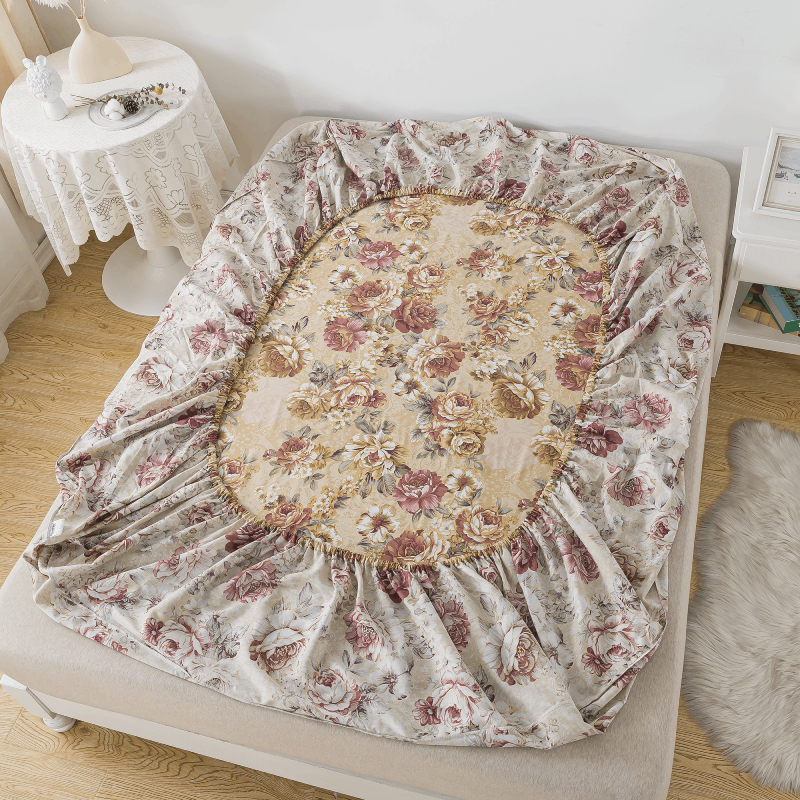
- Dense, tightly packed florals → heavier, more decorative
- Sparse, spaced-out florals → lighter, more modern
Dense patterns can feel luxurious but may overwhelm smaller rooms. On the other hand, minimal floral designs maintain a clean and breathable aesthetic.
Balancing bedding with surrounding elements is key. If your floral bedding is visually heavy, keep other elements—like curtains and rugs—more neutral and simple.
Color Temperature and Emotional Impact
Floral bedding also carries emotional weight, influencing how a room feels psychologically:
-
Warm tones (reds, oranges, yellows):
Increase visual weight and create warmth and intimacy -
Cool tones (blues, greens, lavenders):
Reduce visual weight and promote calmness -
Neutral tones (beige, ivory, soft gray):
Provide balance and versatility
Choosing the right color temperature ensures the room feels cohesive both visually and emotionally.
Fabric and Texture: The Subtle Influencer
Texture plays a quieter but important role in visual weight:
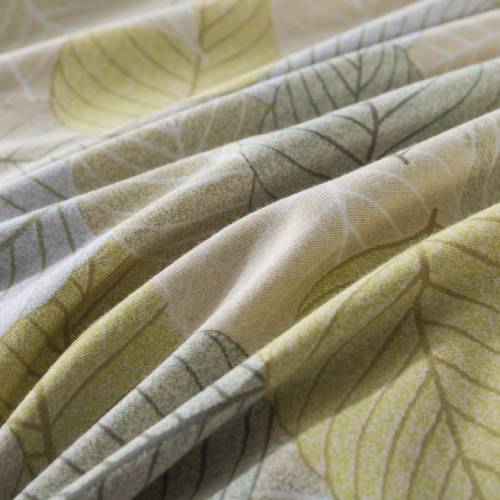
- Lightweight, breathable cotton feels visually and physically lighter
- Heavier or glossy fabrics appear more structured and dense
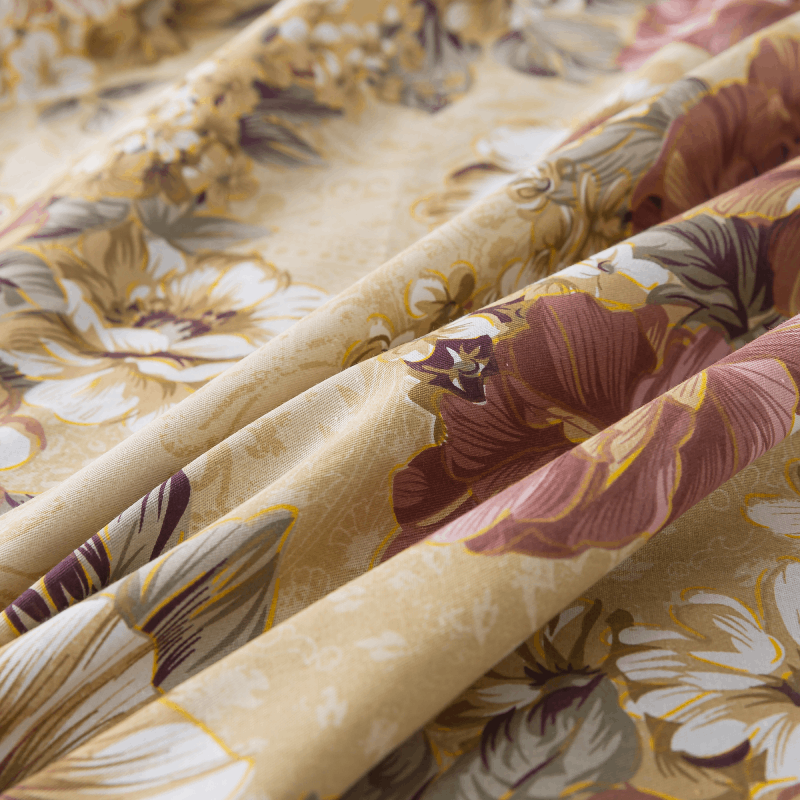
- Natural textures, such as slightly crinkled cotton, soften the overall look
This is why cotton floral bedding often creates a relaxed, lived-in feel—it reduces visual stiffness and enhances comfort.
Practical Styling Tips
To effectively manage visual weight using floral bedding:
1. Match Bedding to Room Size
- Small rooms → light, minimal florals
- Large rooms → bold or darker florals
2. Control Contrast
- High contrast increases visual weight
- Low contrast creates a softer, cohesive look
3. Layer Strategically
Combine floral bedding with:
- Solid-color sheets
- Neutral throws
- Simple pillows
This balances the visual impact without overwhelming the space.
4. Consider Everyday Use
Choose patterns and materials that:
- Maintain a clean look with minimal effort
- Work well in real-life settings, including homes with pets
- Stay comfortable after repeated use and washing
Final Thoughts
Floral bedding is more than a decorative choice—it’s a design tool that shapes how your bedroom feels and functions.
By adjusting pattern scale, color, density, and texture, you can control visual weight with precision:
- Light florals create openness and calm
- Bold florals add depth and character
The goal is not just visual appeal, but a balanced environment that supports comfort, relaxation, and everyday living.