

Trends move quickly. Bedrooms shouldn’t have to.
A space meant for rest, recovery, and everyday living works best when it feels steady over time—not when it constantly asks for updates. The goal isn’t to avoid style, but to build one with enough depth and flexibility to age well. Here’s how to create a bedroom style that still feels right years from now.
Start With How the Room Is Used, Not How It Looks
Before colors, patterns, or furniture, consider behavior.
How do you enter the room at the end of the day?
Do you read in bed? Share it with pets? Need easy-care surfaces?
Is the room bright in the morning or dim most of the day?
A style built around real habits lasts longer because it continues to make sense. When aesthetics serve function, they don’t feel dated—they feel justified.
Choose a Calm, Flexible Base
Timeless bedrooms usually begin quietly.
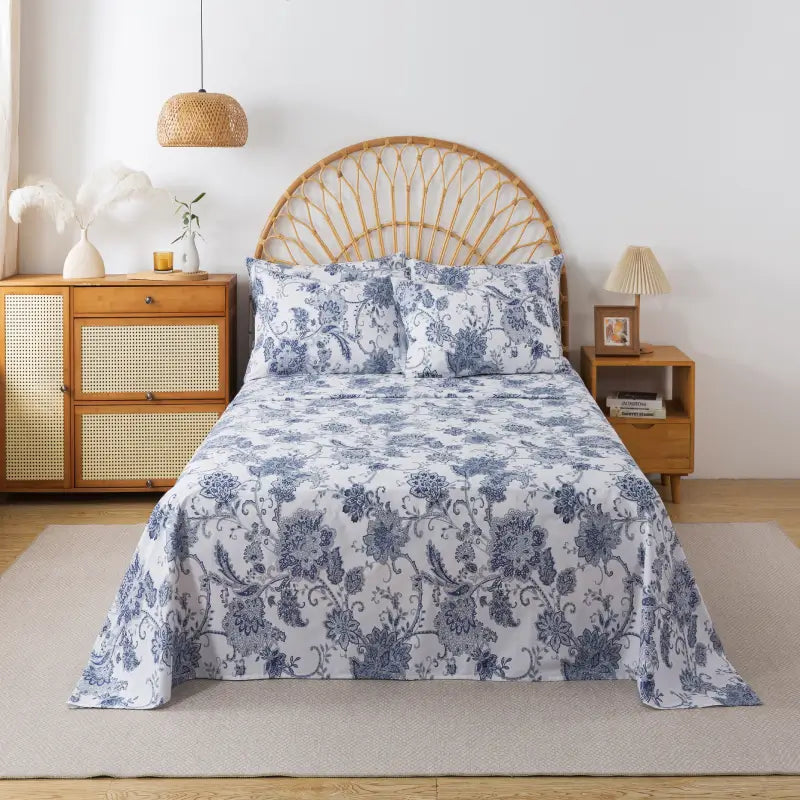
Neutral wall colors, simple flooring, and restrained furniture shapes give you room to evolve without forcing change. This doesn’t mean everything must be beige or minimal—only that your foundation shouldn’t compete for attention.
A calm base allows personality to live in layers, which are easier to adjust over time.
Let Texture Do More Work Than Color
Color trends age quickly. Texture ages slowly.
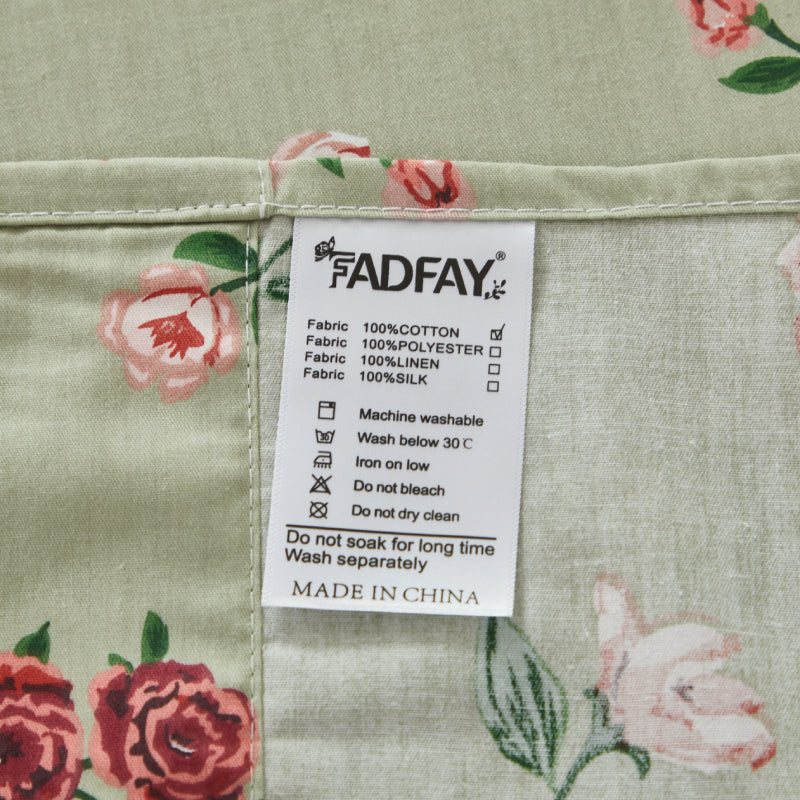
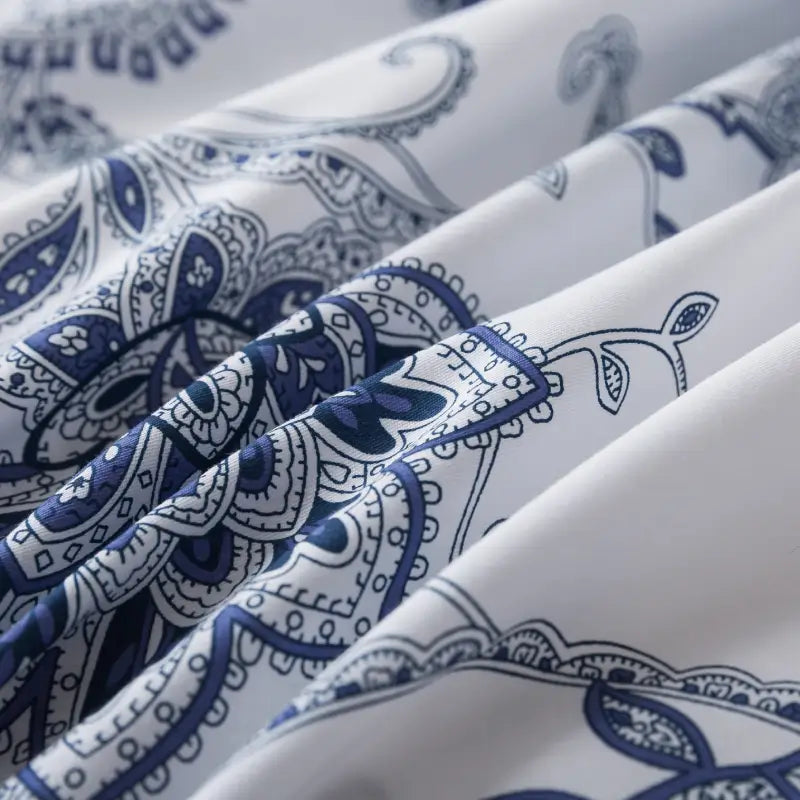
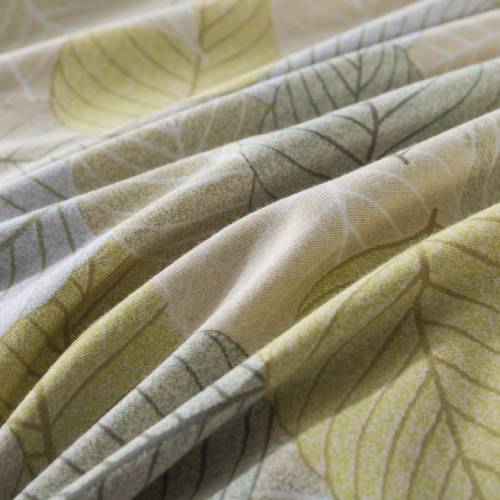
Think washed cotton instead of glossy finishes. Think wood grain, woven rugs, matte ceramics, soft quilts. These elements hold visual interest without locking you into a moment in time.
When your room relies on texture rather than trend colors, it feels richer—and remains relevant longer.

Use Pattern With Restraint, Not Fear
Patterns don’t make a room feel dated. Overuse does.
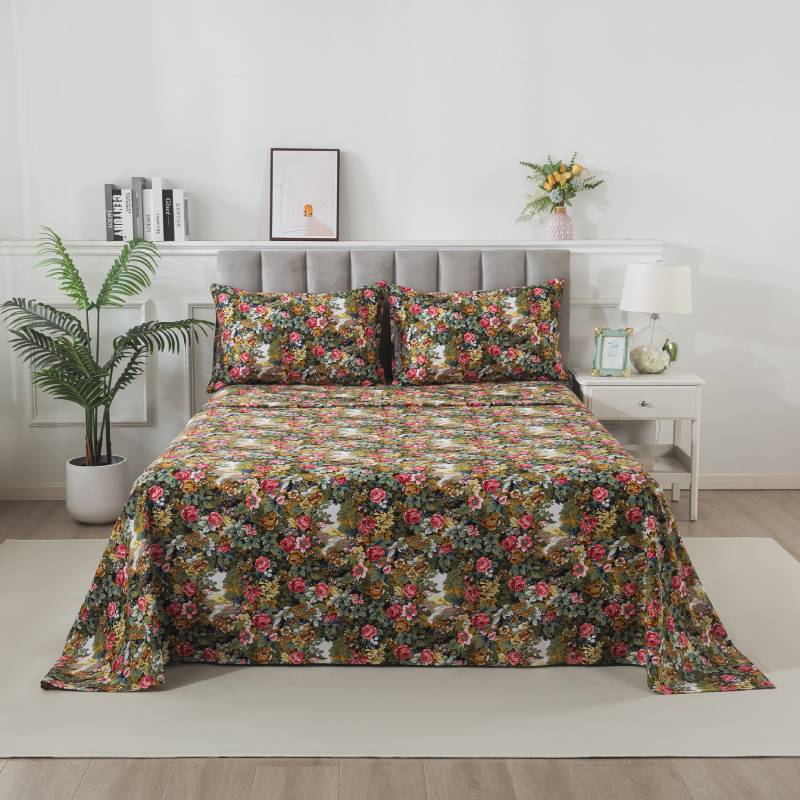
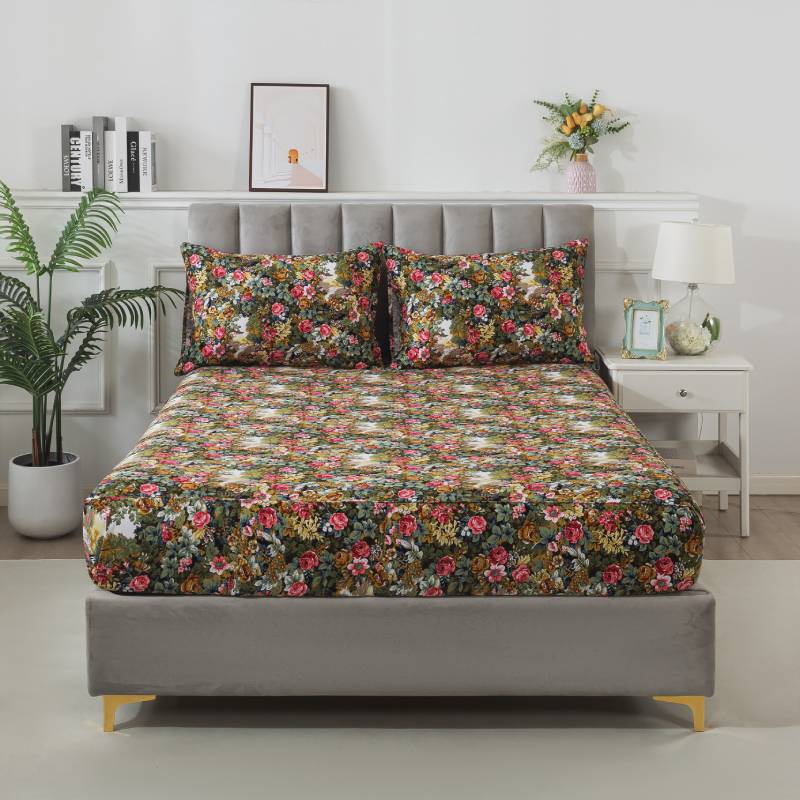
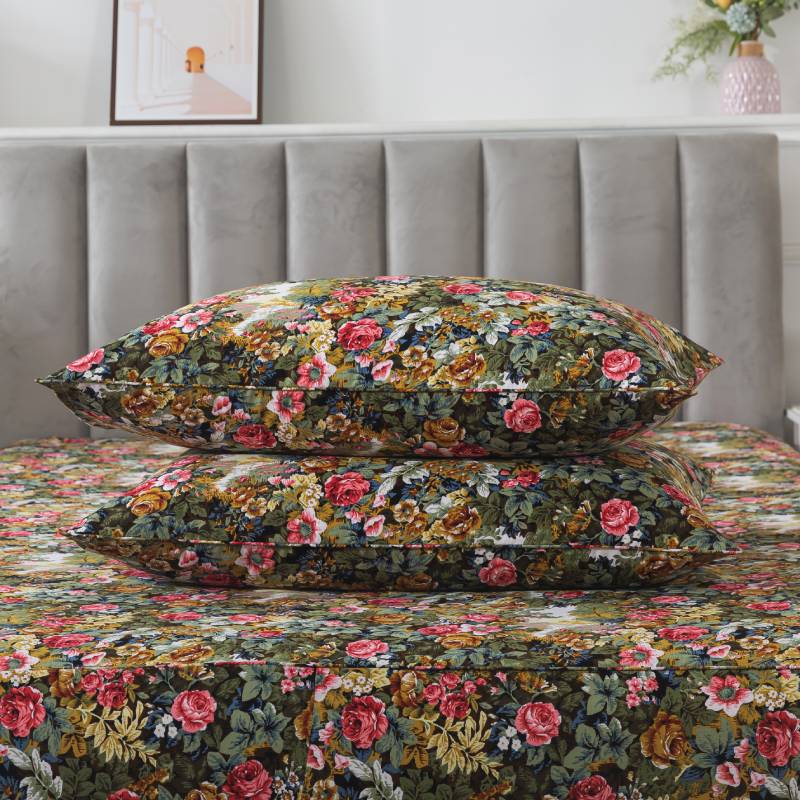
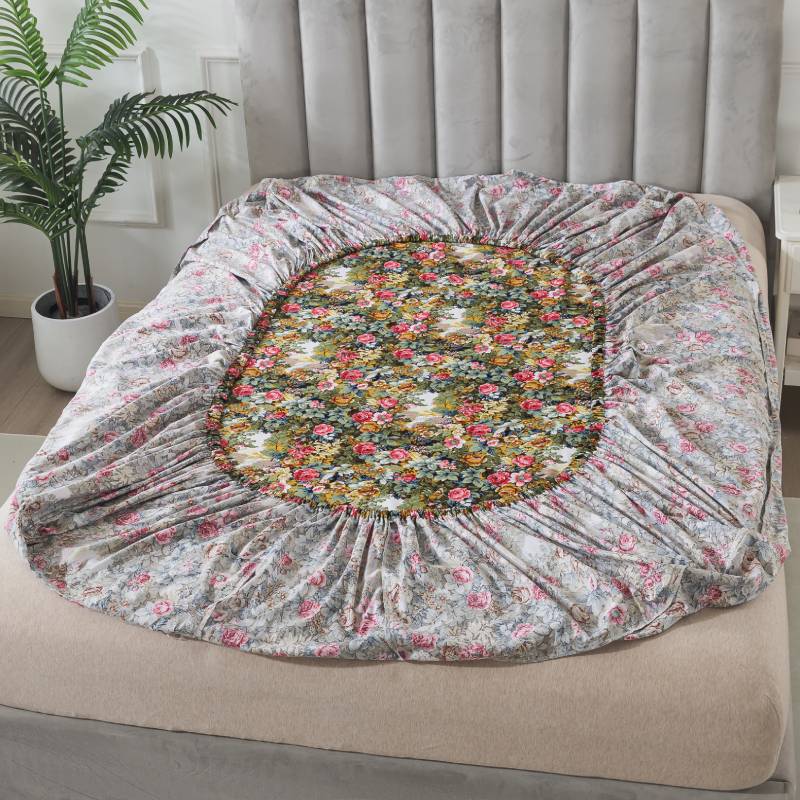
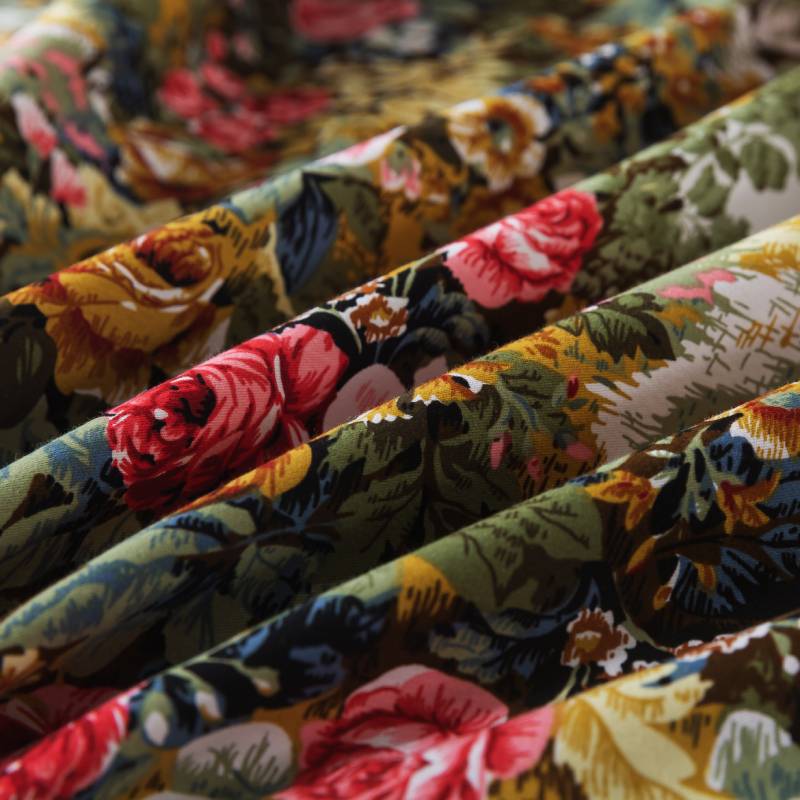
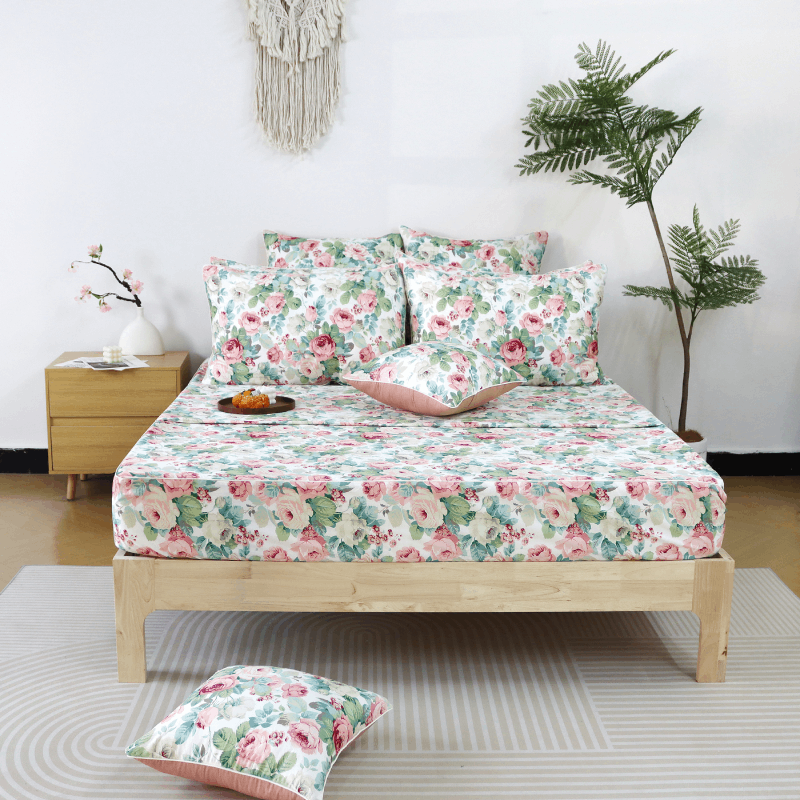
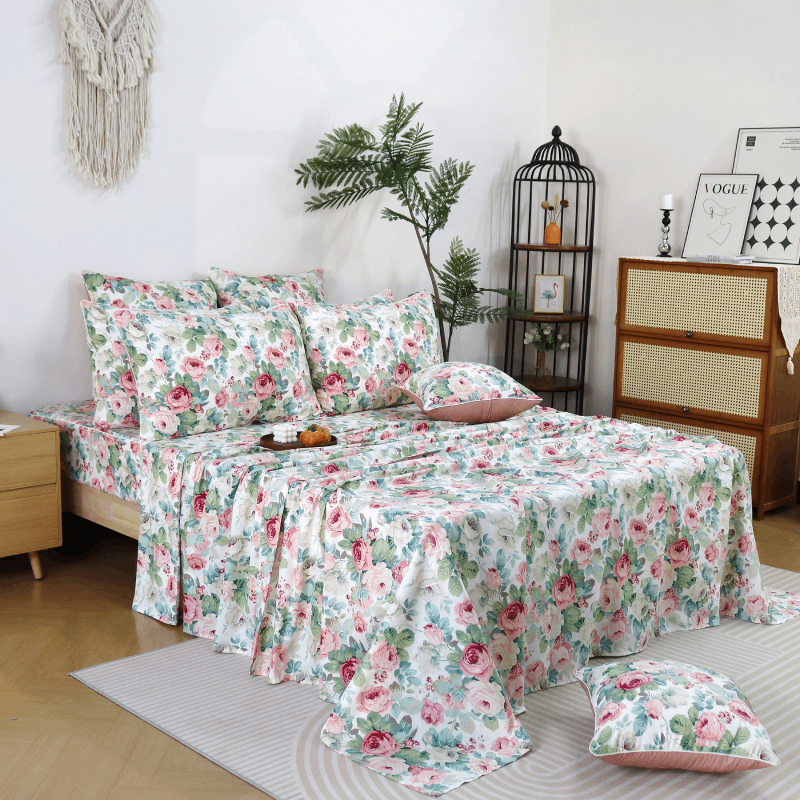
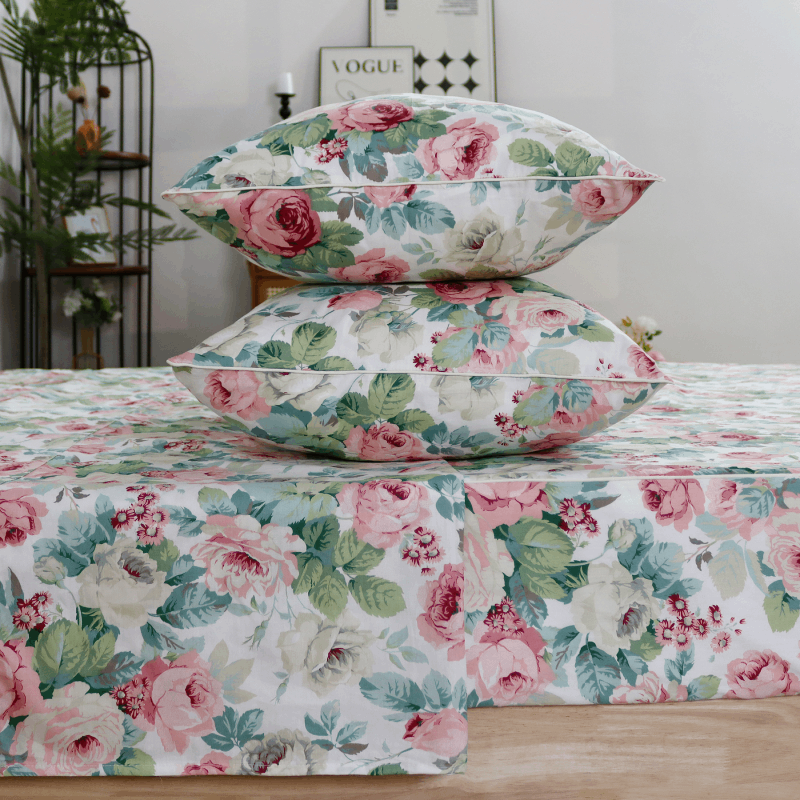
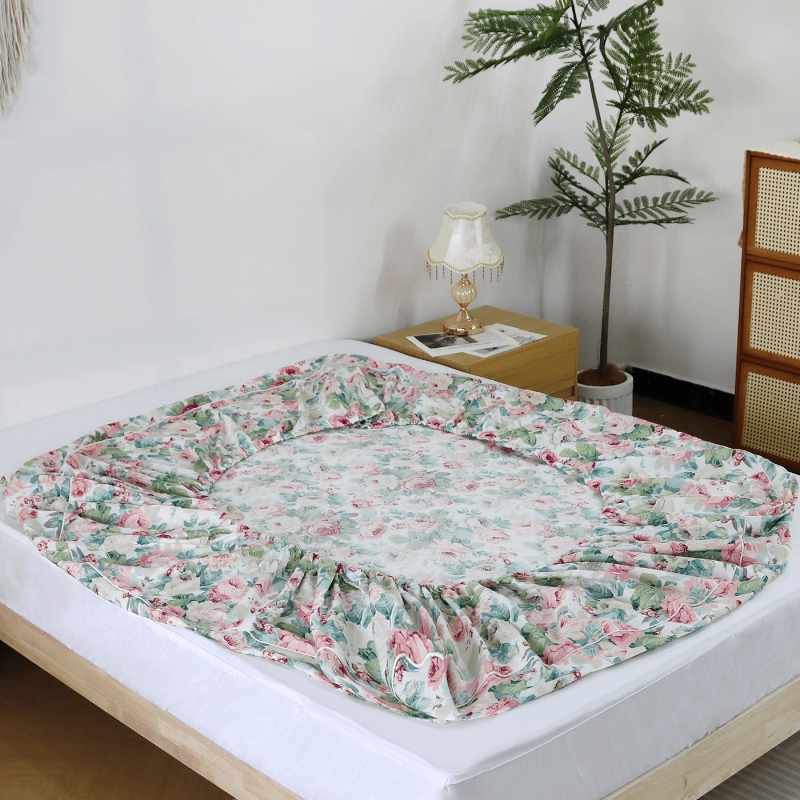
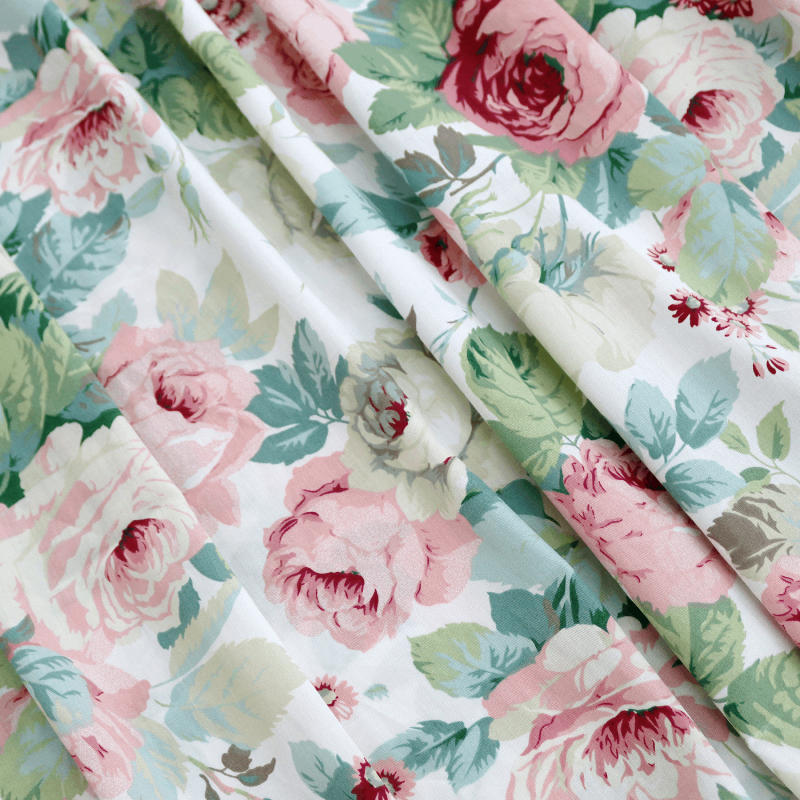
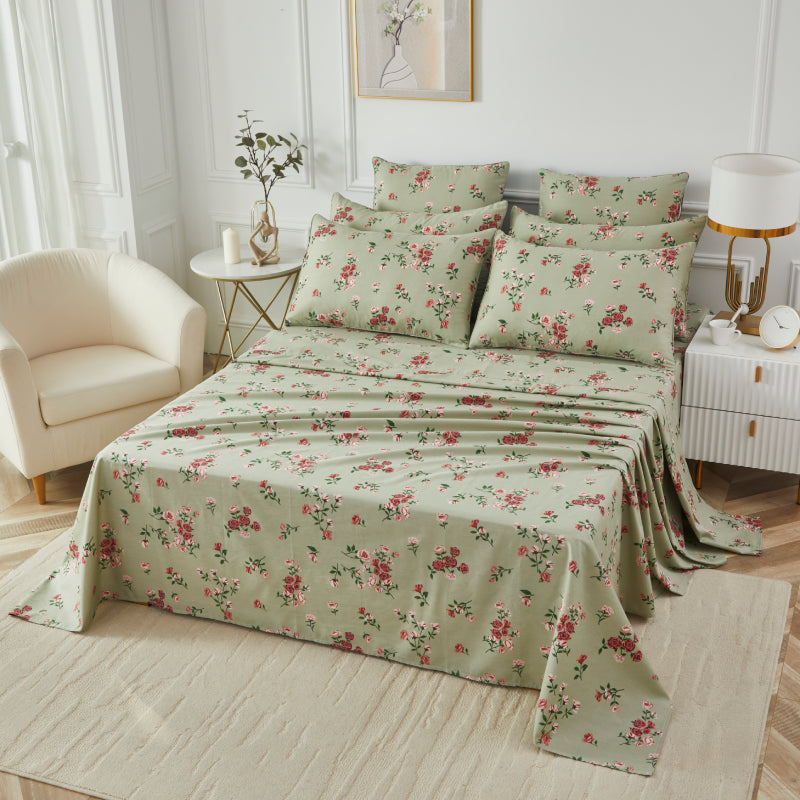
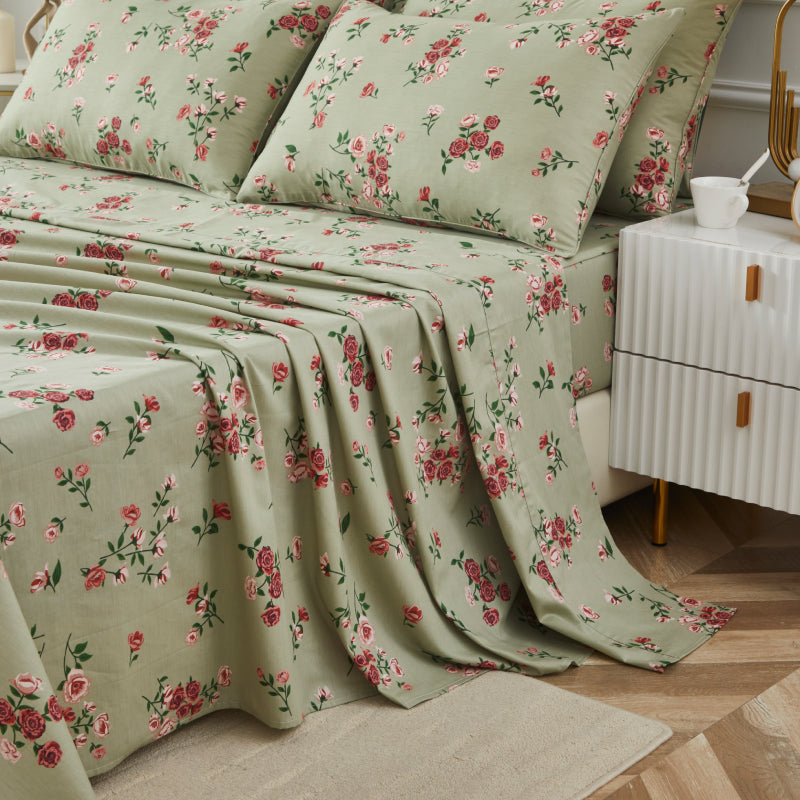
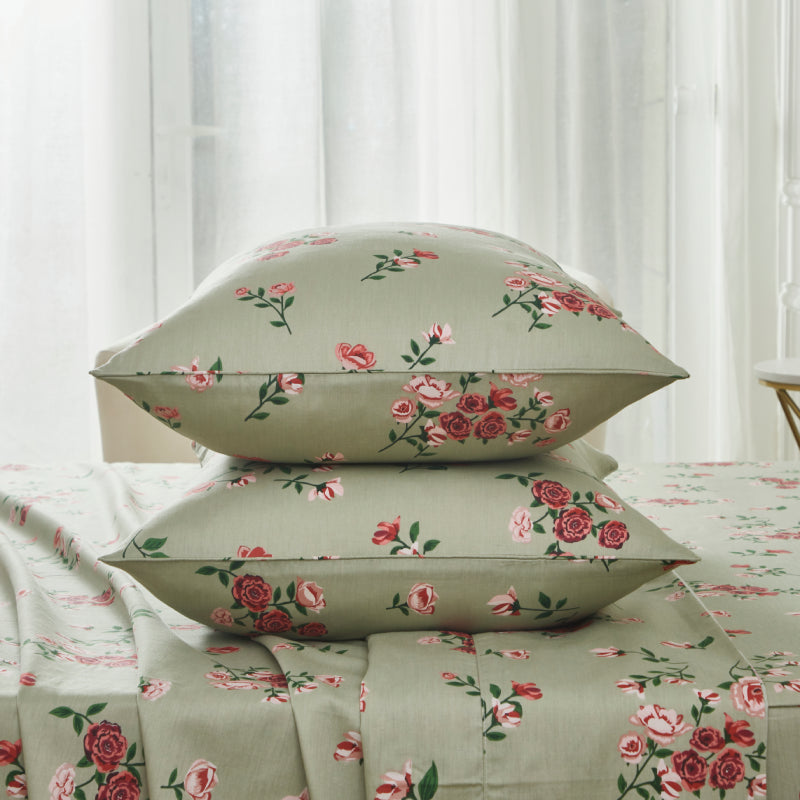
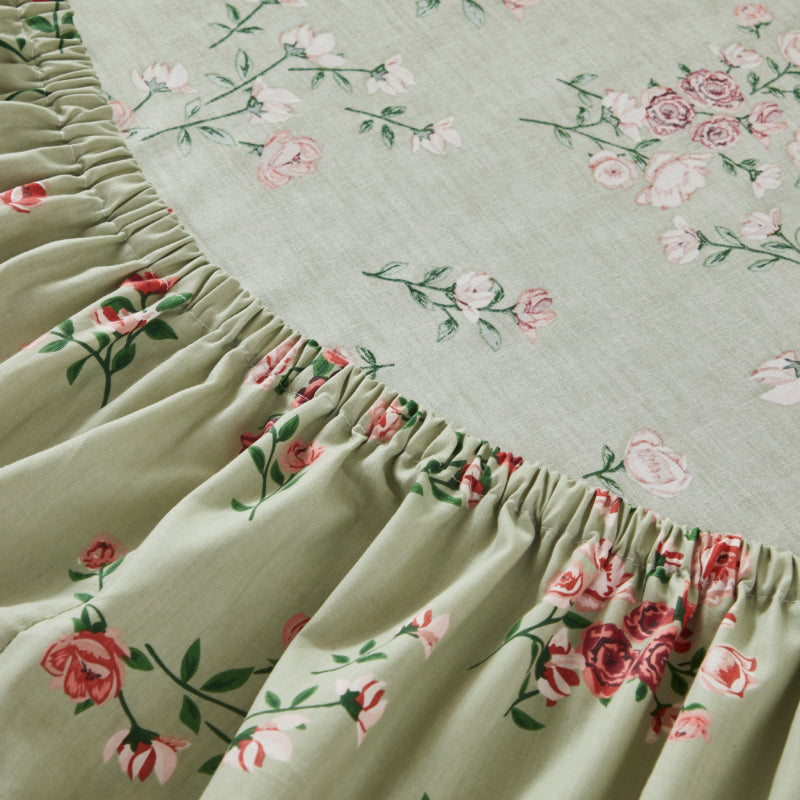
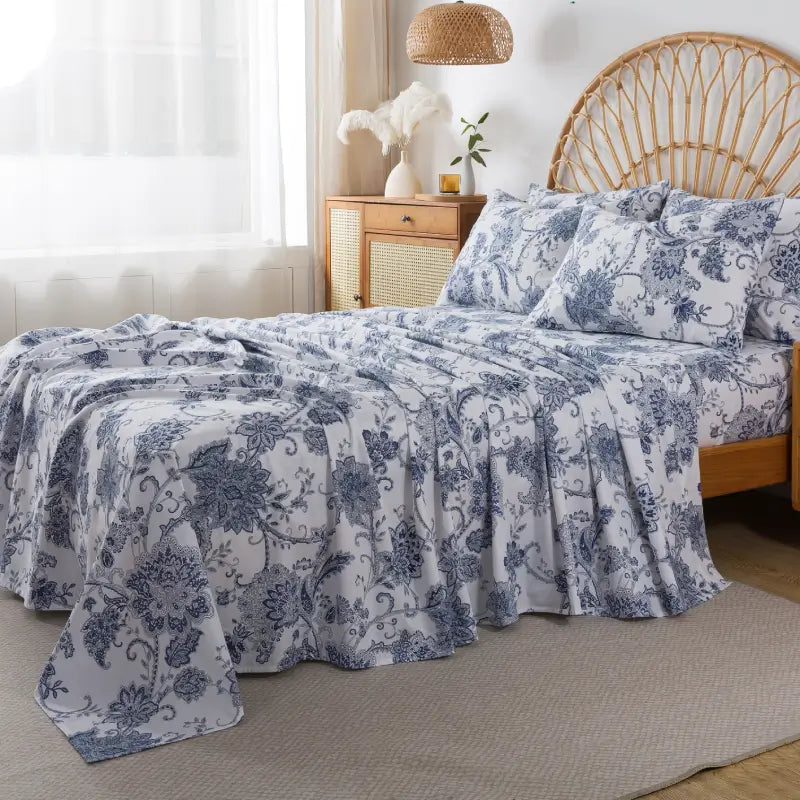
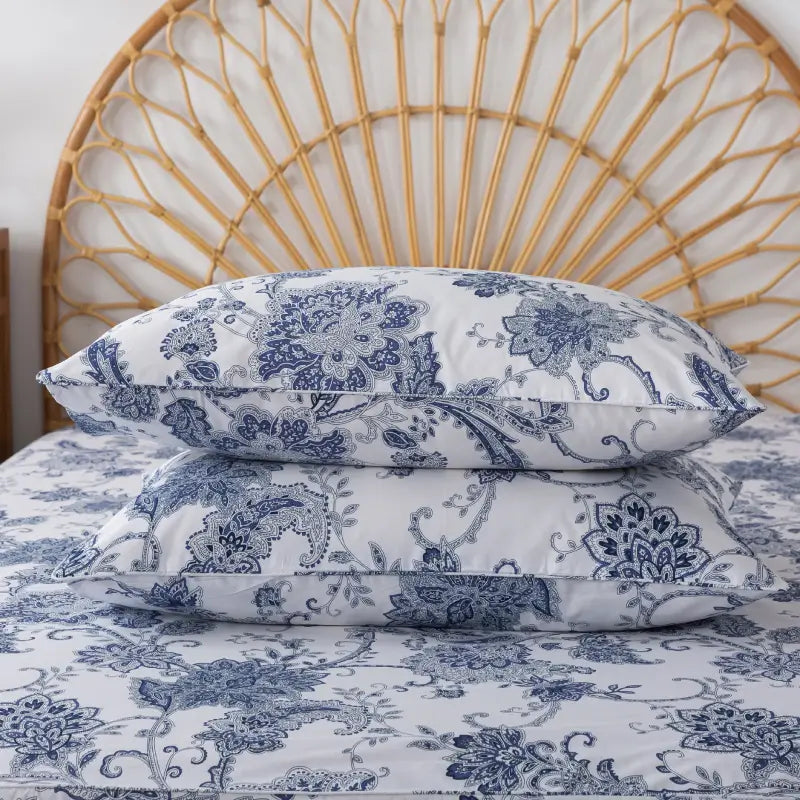
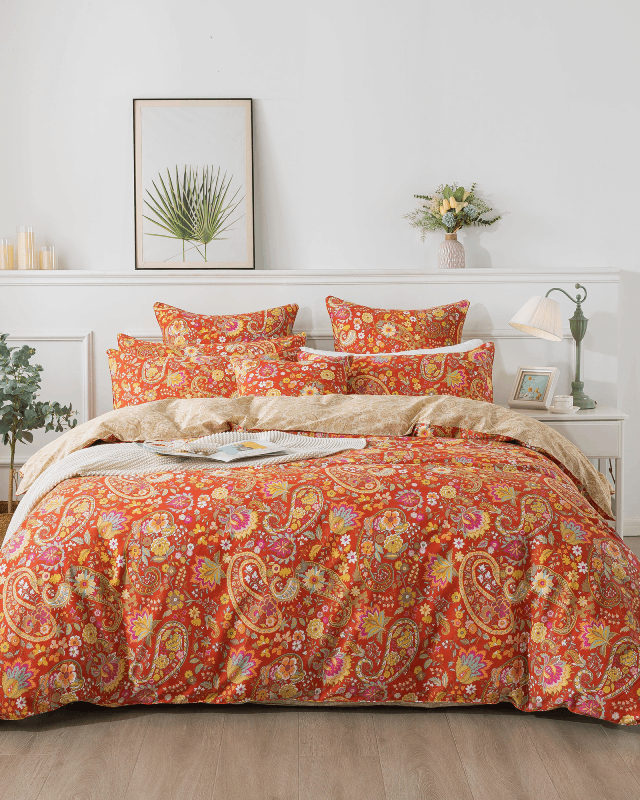
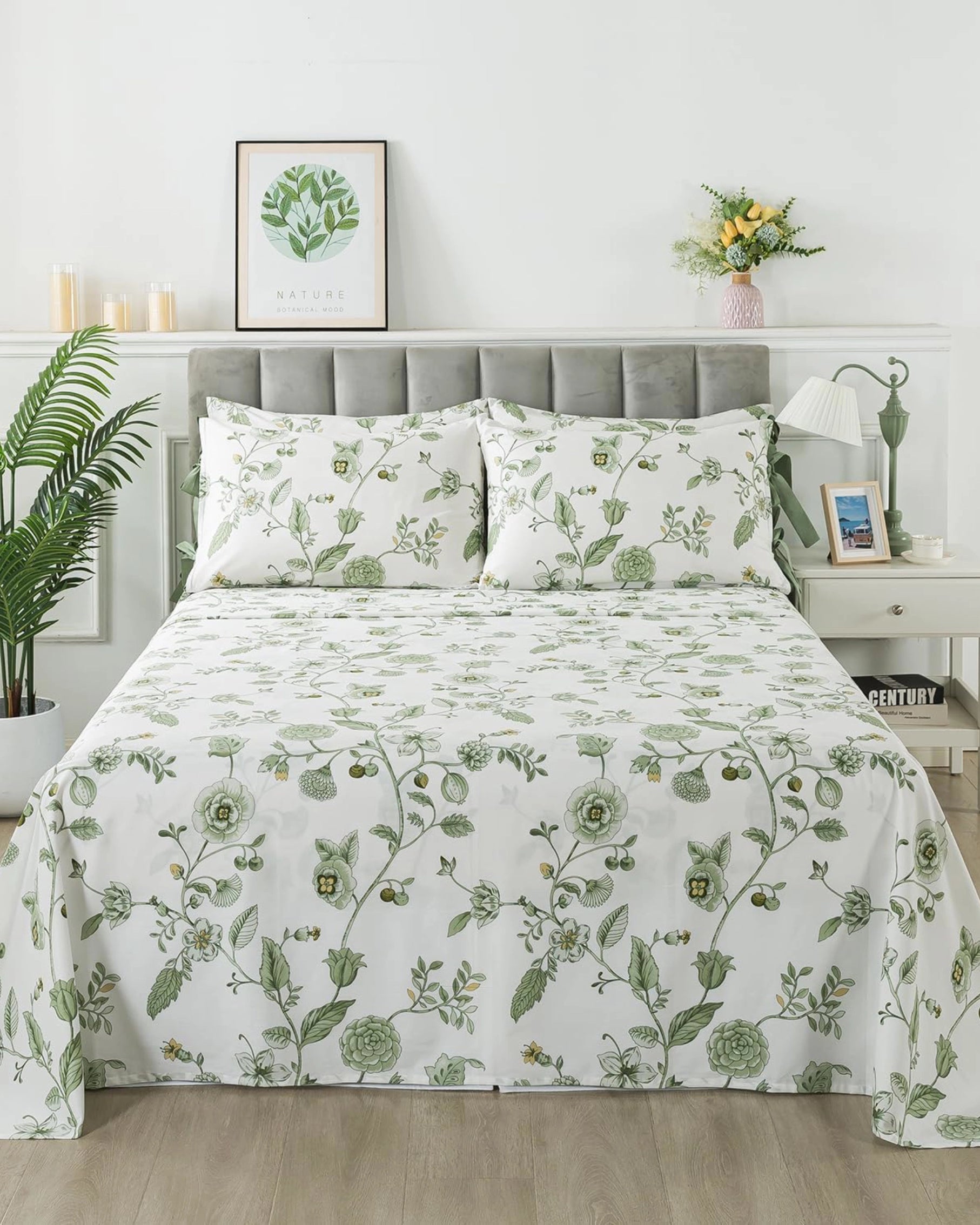
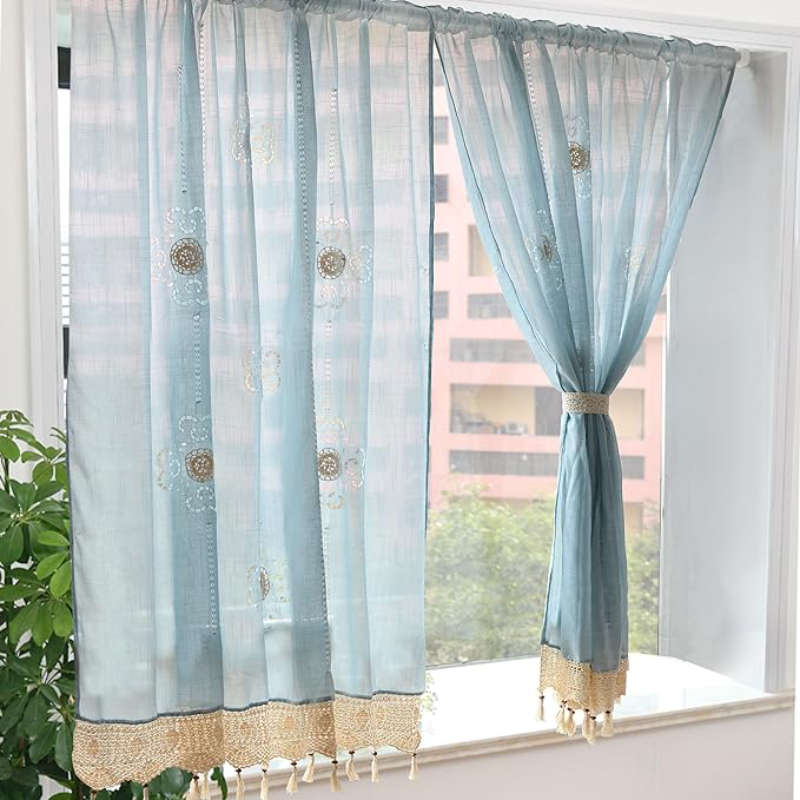
Subtle florals, small-scale prints, or low-contrast patterns bring life without shouting. They work especially well on textiles—bedding, pillows, curtains—where softness naturally blends visual detail into the room.
If a pattern feels comfortable to live with, not just impressive at first glance, it’s far less likely to feel old later.
Invest Emotionally in the Pieces You Touch Most
Furniture and décor can rotate. Comfort should not.
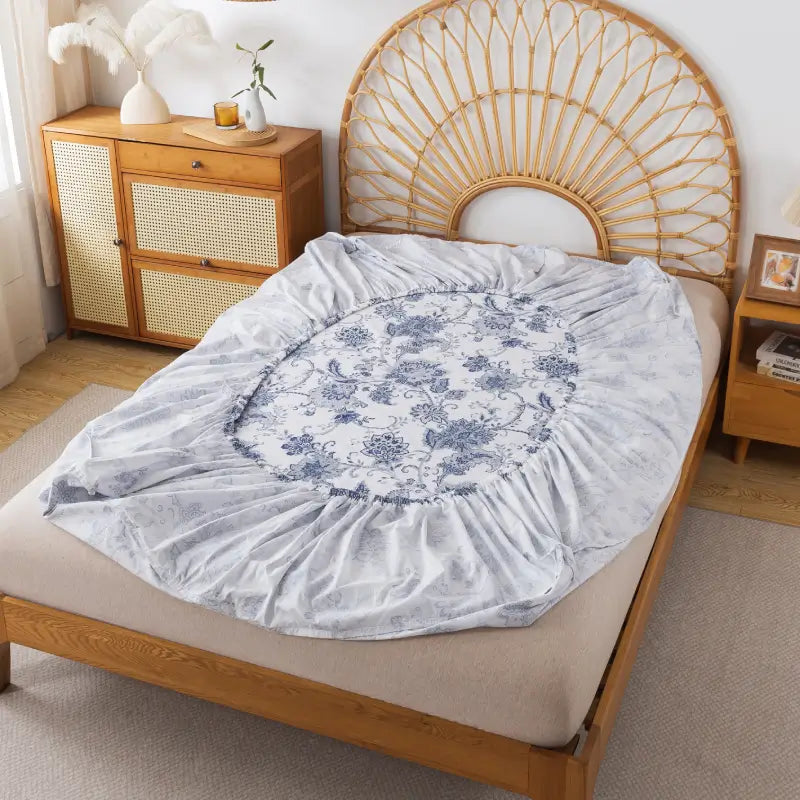
Your bedding, pillows, and textiles are the elements you interact with every day. If these feel right—soft, breathable, dependable—the room maintains value even as tastes shift.
A bedroom that feels good is forgiven for not being “on trend.”
Avoid Over-Styling
One of the fastest ways a bedroom becomes dated is trying too hard.
Too many styled pillows. Too many matching sets. Too many decorative gestures that exist only for the photo.
A lived-in room—slight wrinkles, personal objects, space to move—feels honest. Honesty lasts longer than polish.
Leave Space for Change
A timeless bedroom isn’t finished. It’s adaptable.
Leave visual space for future adjustments:
-
Swap bedding seasonally
-
Change one accent color every few years
-
Rotate art or lighting
When change is expected, it doesn’t feel disruptive. It feels natural.
Let the Room Grow With You
Your life will change. Your bedroom should be able to change quietly with it.
The most enduring bedroom styles aren’t tied to age, trend cycles, or design rules. They’re built on comfort, balance, and restraint. They respect daily life. They don’t demand reinvention.
When a bedroom feels good to return to—night after night—it never really gets old.
A bedroom doesn’t need to impress the moment you walk in.
It needs to support the moment you lie down.
Build from there, and time will do the rest.