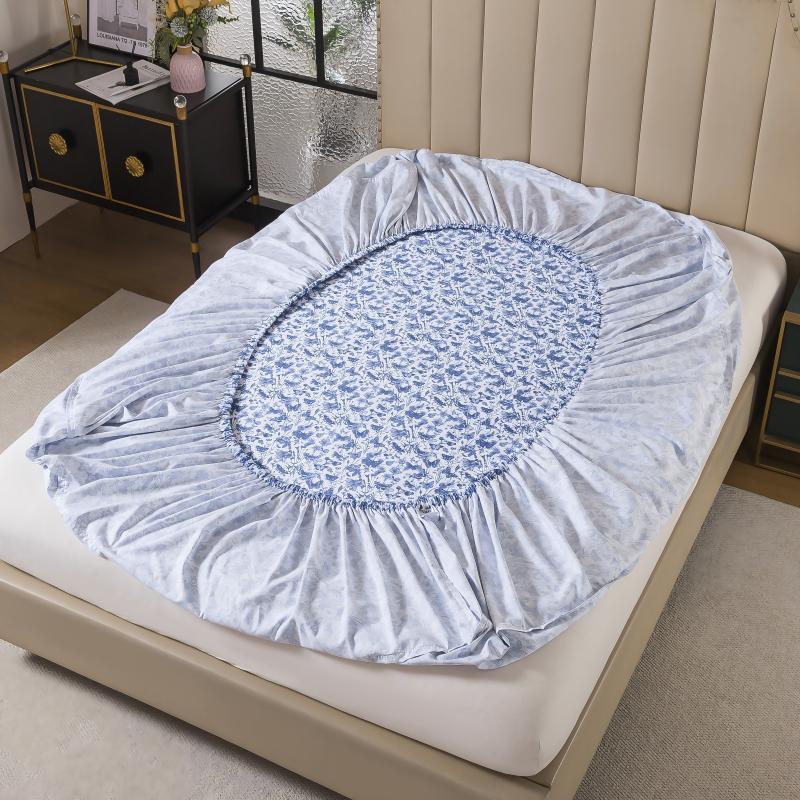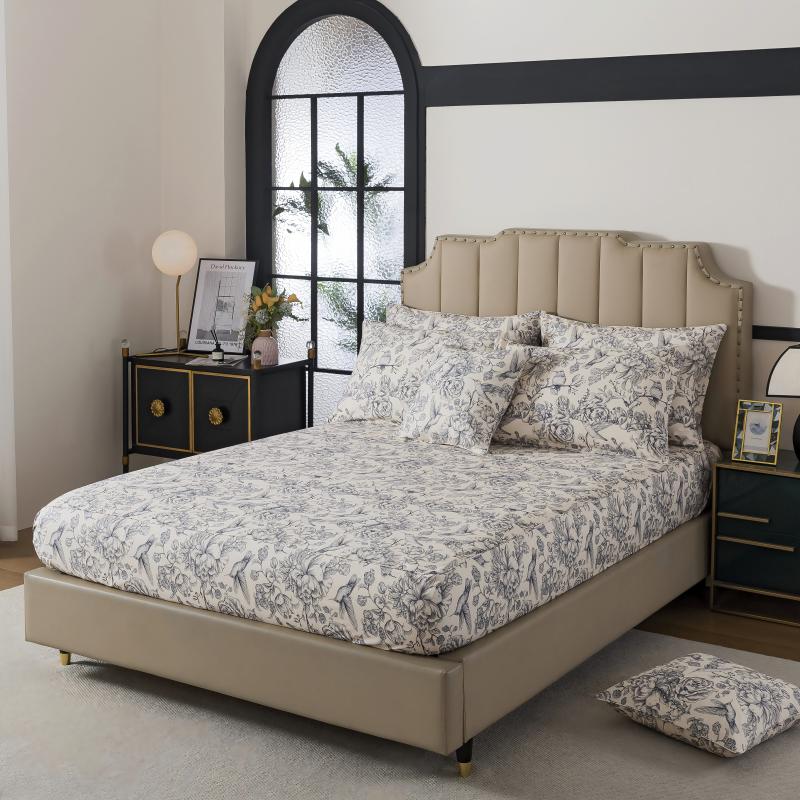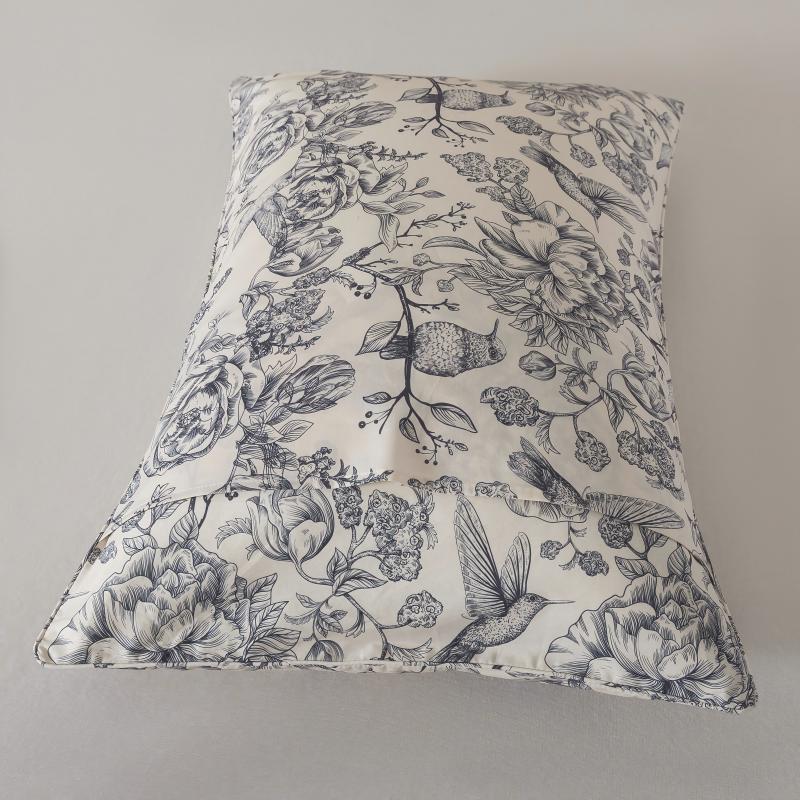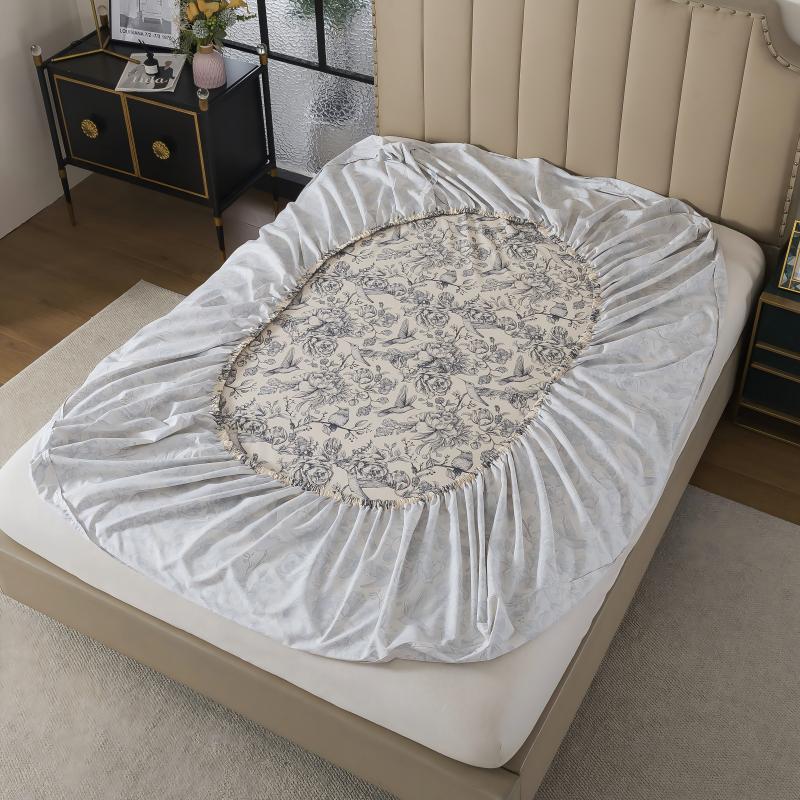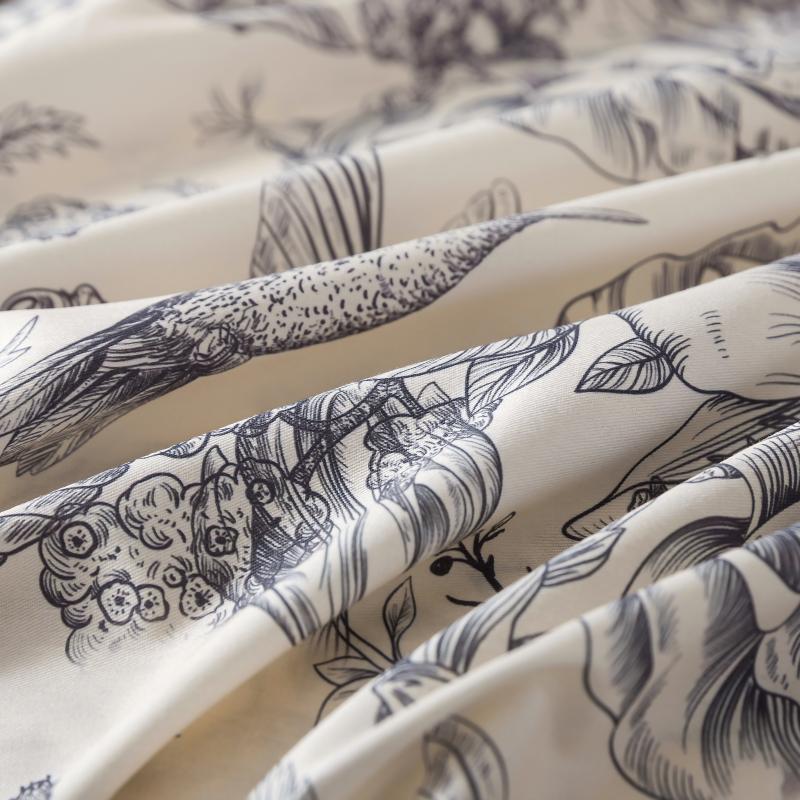


For years, perfectly smooth bedding was seen as the standard of a well-kept bedroom. Crisp corners, flat sheets, and an untouched surface all suggested order and elegance. But today, many people are beginning to appreciate a softer kind of beauty—the kind that feels natural, relaxed, and lived-in.
Wrinkle-friendly fabrics are part of this shift. Instead of fighting every crease, these materials allow texture to become part of the design. They do not need to look overly polished to feel beautiful. In fact, their gentle wrinkles often make a bedroom feel warmer, more personal, and more inviting.
The Beauty of Natural Texture
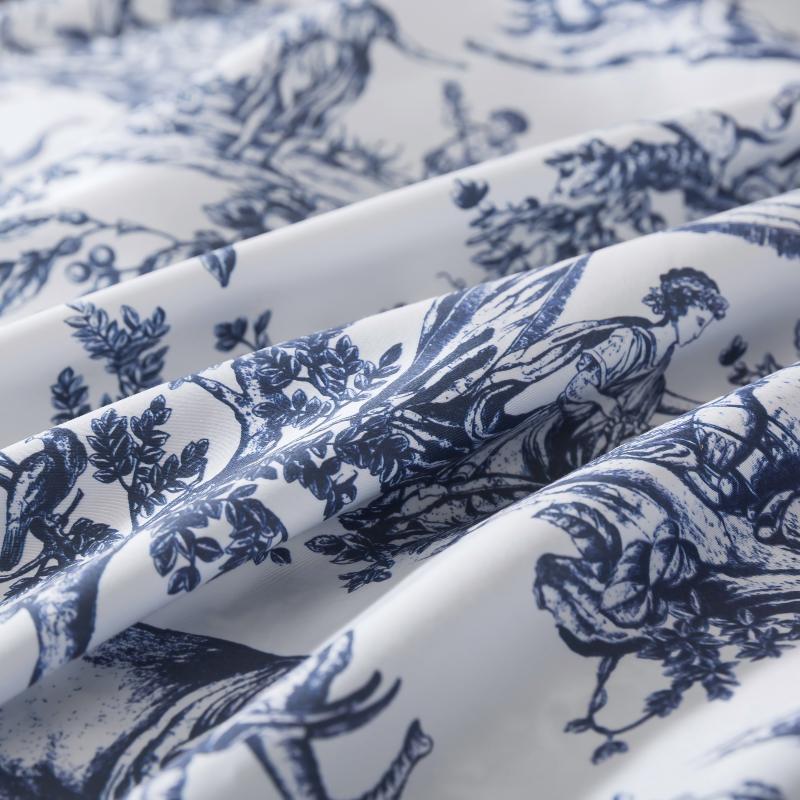
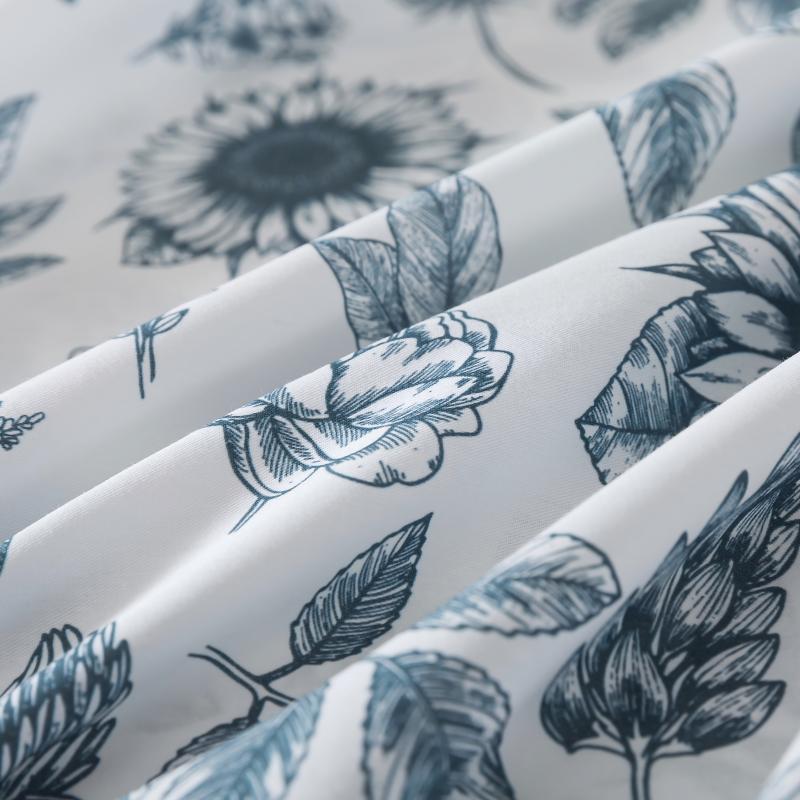
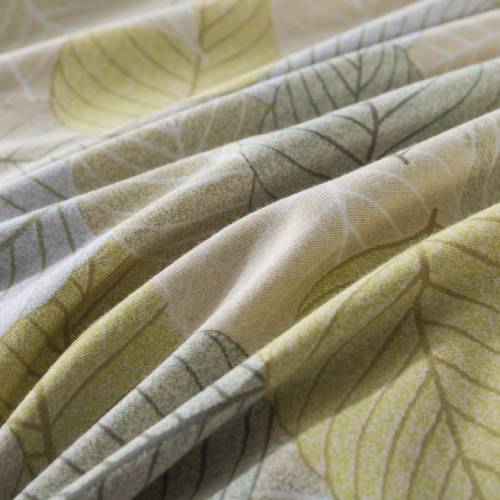
Some fabrics are meant to move, soften, and settle over time. Cotton, linen, and gauze-style textiles often develop a relaxed surface after washing and everyday use. Rather than appearing messy, these subtle creases create depth. They catch the light differently, adding a quiet richness to the bed.
A completely flat bed can sometimes feel formal or untouched. A slightly rumpled one feels more human. It suggests that the room is not only styled for appearance, but also used for rest, comfort, and daily living.
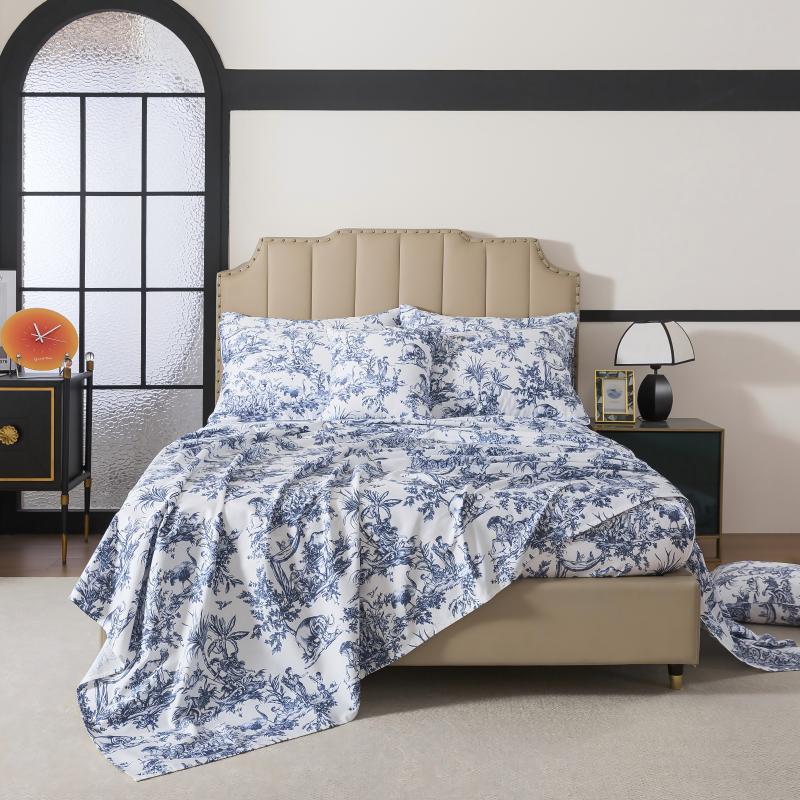
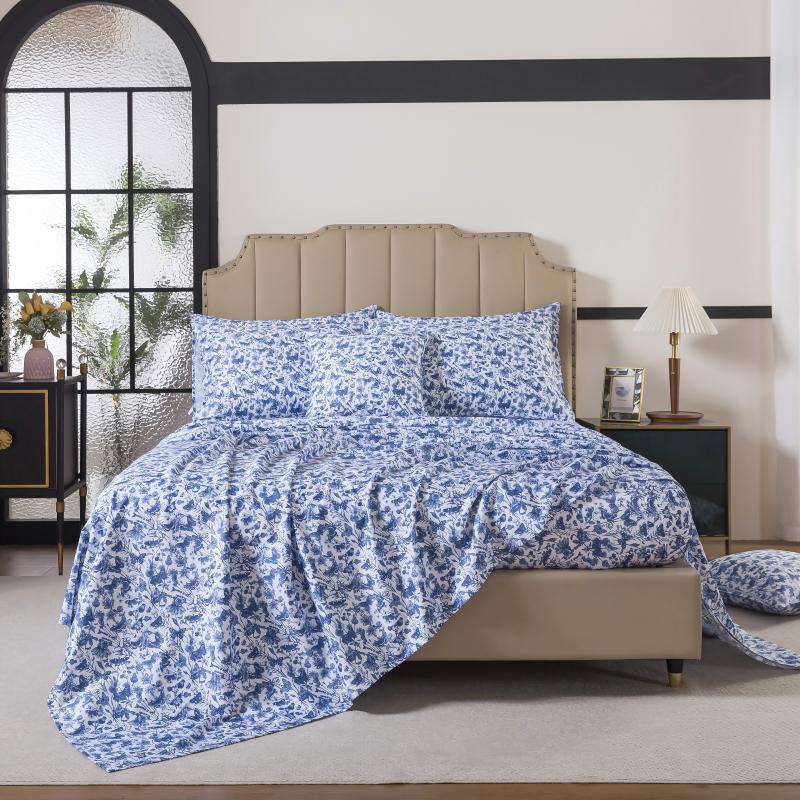
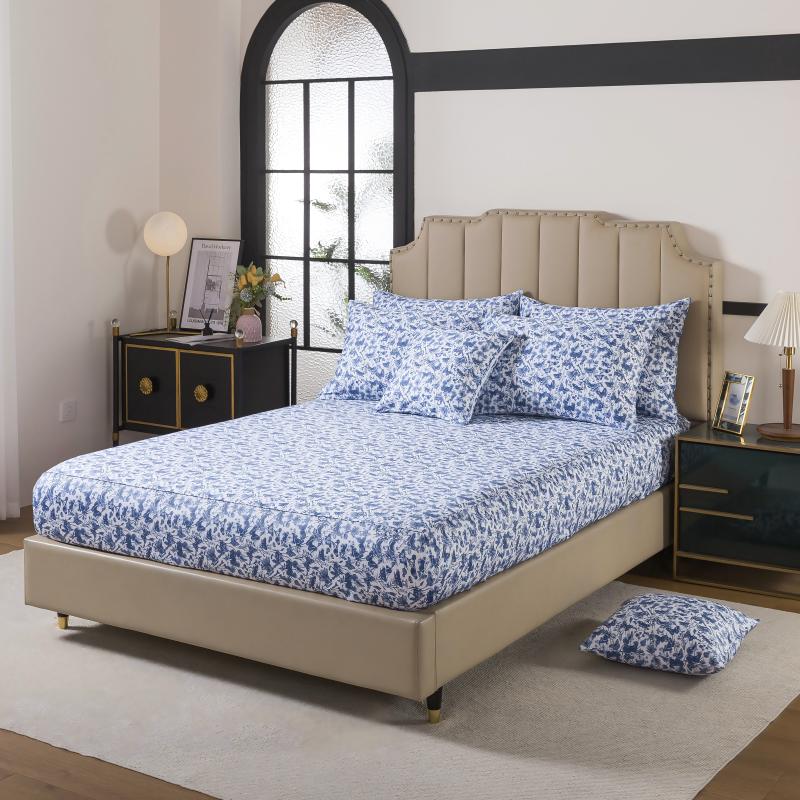
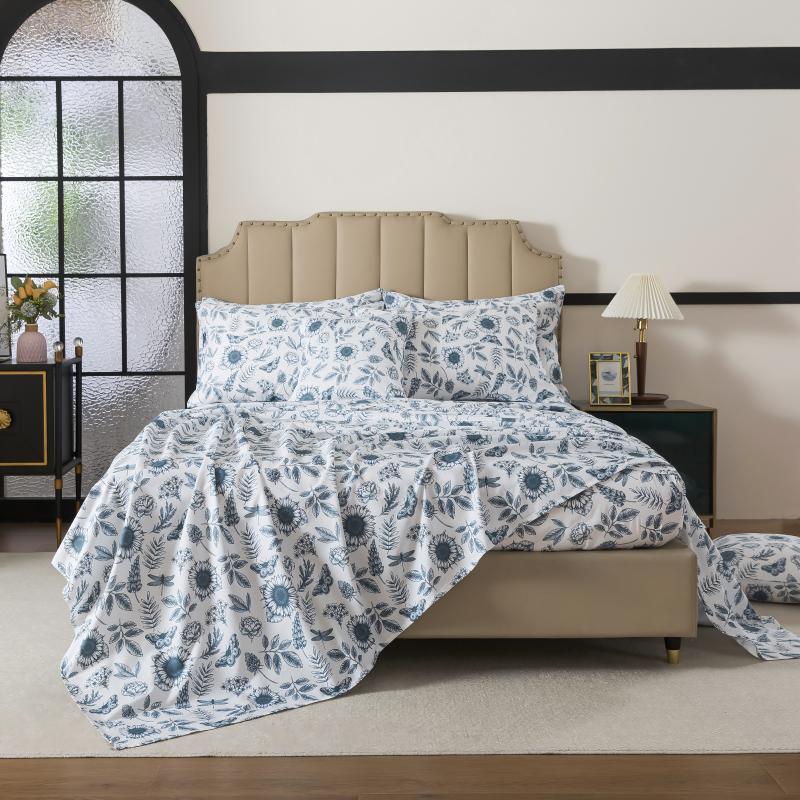
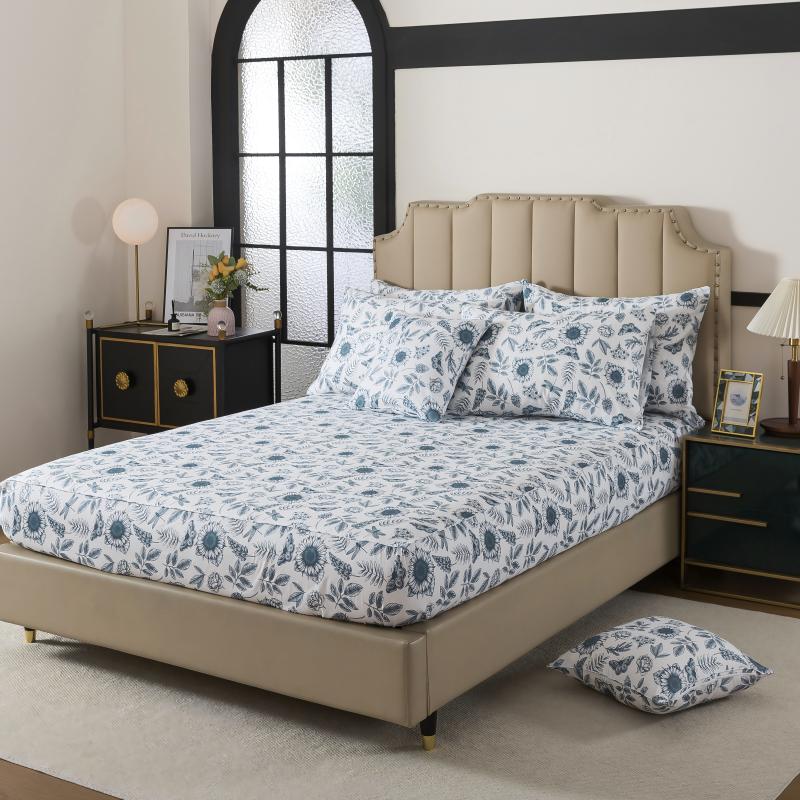
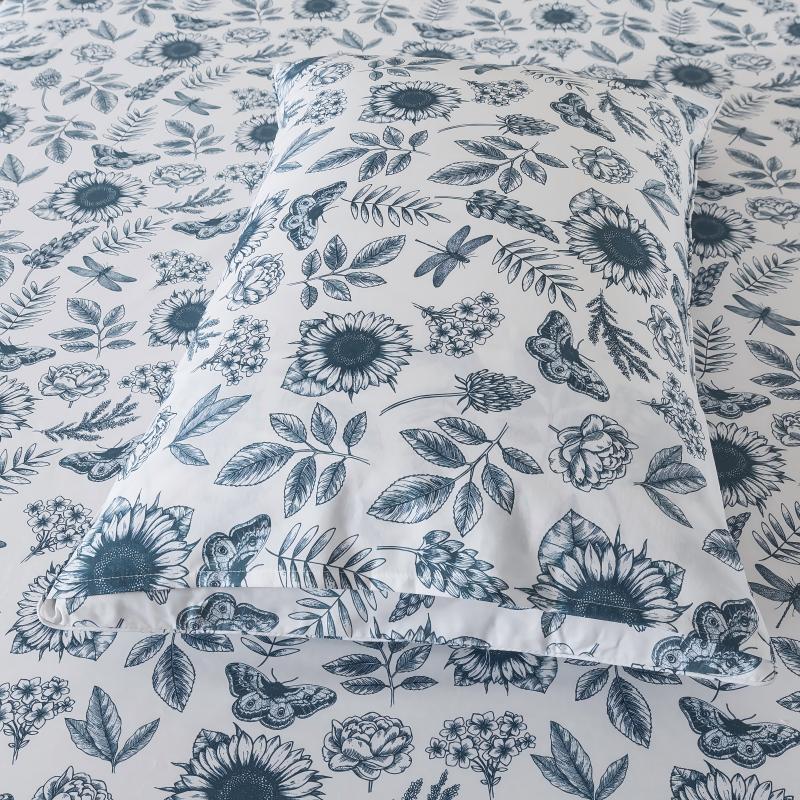
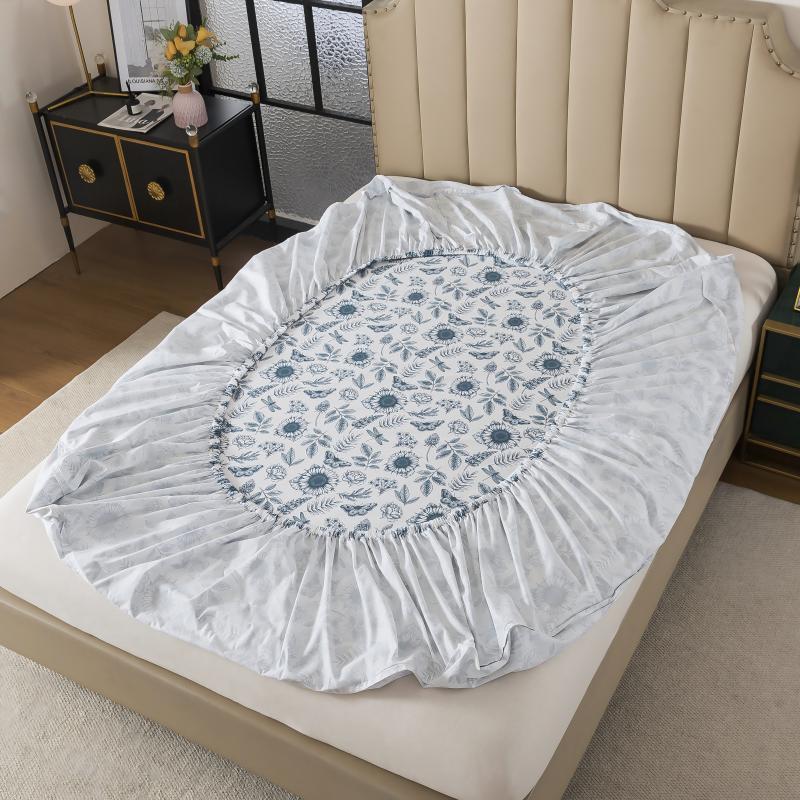
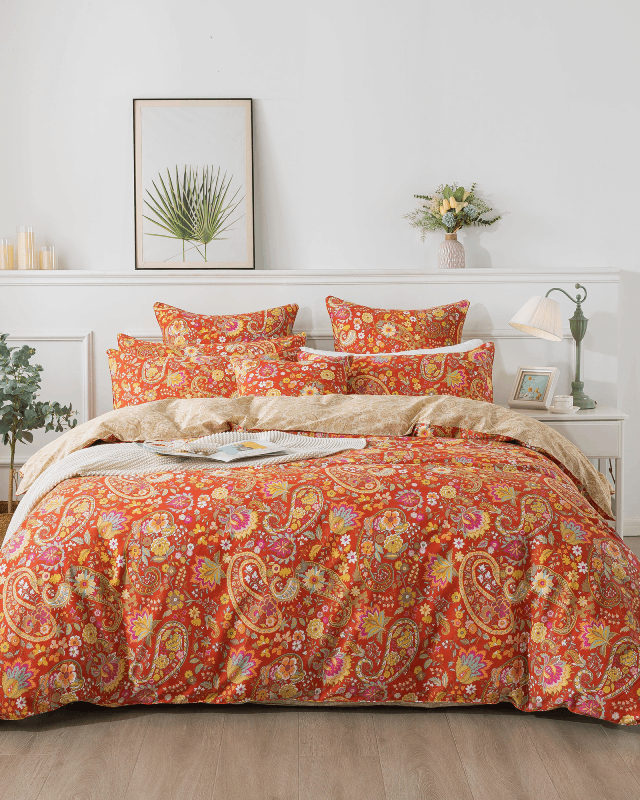
This is especially true in bedrooms designed around softness. Floral prints, vintage-inspired patterns, ruffled edges, and layered bedding often look more natural when the fabric is not perfectly pressed. A few wrinkles can make the whole space feel more effortless.
Why ‘Lived-In’ Feels More Comfortable
A lived-in bedroom has a different kind of charm. It does not look careless; it looks comfortable. The bedding feels like something you can actually climb into, not something you are afraid to disturb.
Wrinkle-friendly fabrics help create this feeling because they reduce the pressure of perfection. You do not need to iron every sheet or smooth every corner before the room feels complete. After washing, drying, and making the bed, the fabric can keep its own natural character.
This makes daily life easier. A bed can look beautiful in the morning without requiring too much effort. It can still feel fresh, clean, and elegant while showing a little movement in the fabric.
For busy homes, this matters. Bedrooms are not showrooms. They are places where people sleep, read, rest, and spend quiet moments. Bedding that looks better with gentle wrinkles fits naturally into real routines.

Cotton and the Softness of Everyday Use
Cotton is one of the best fabrics for this kind of relaxed beauty. It is breathable, soft, and easy to live with. Over time, cotton bedding often becomes more comfortable as it is washed and used.
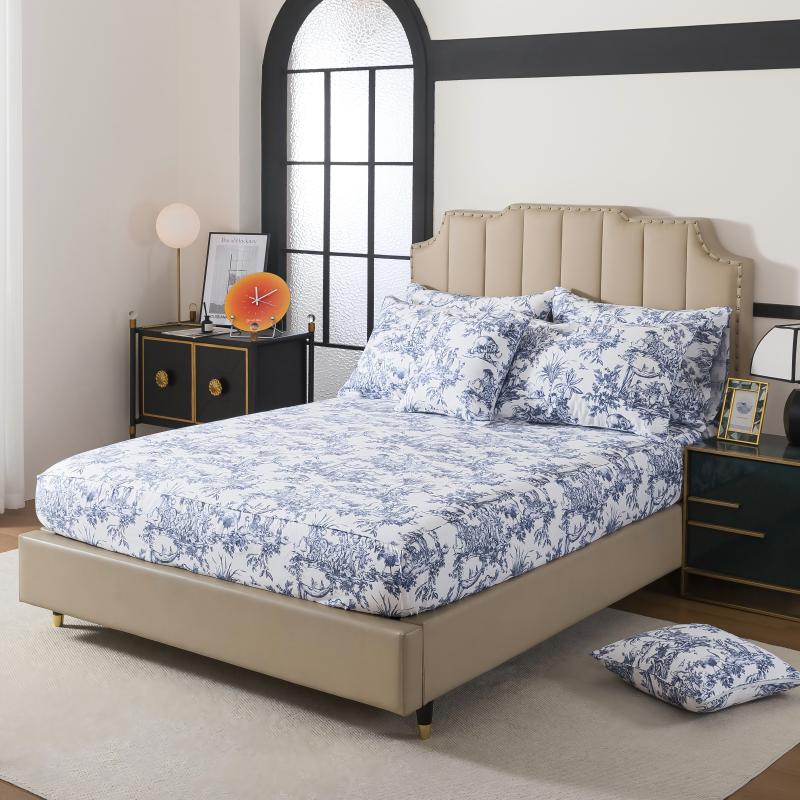
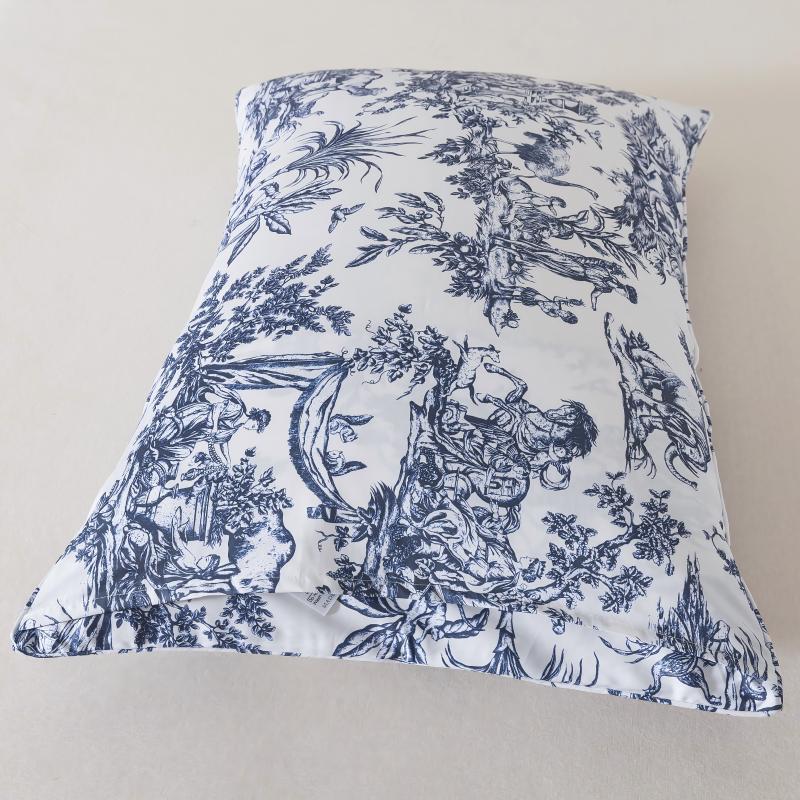
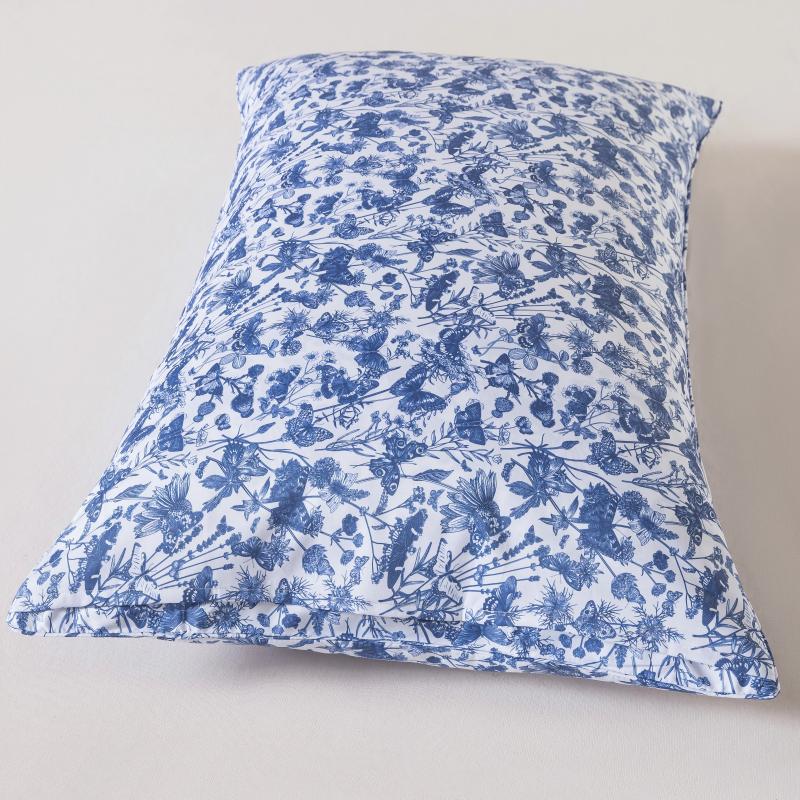
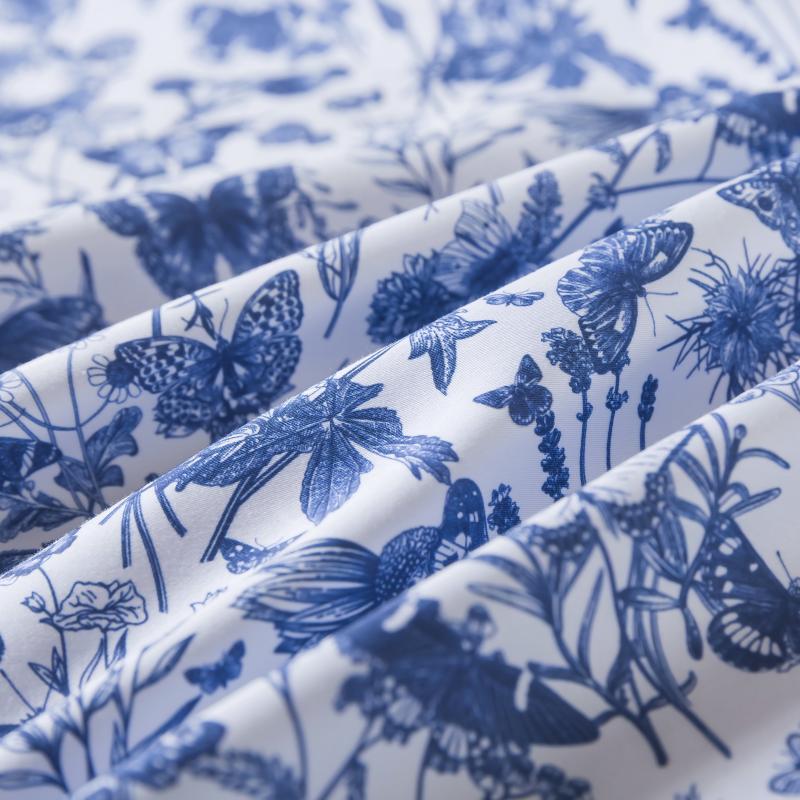
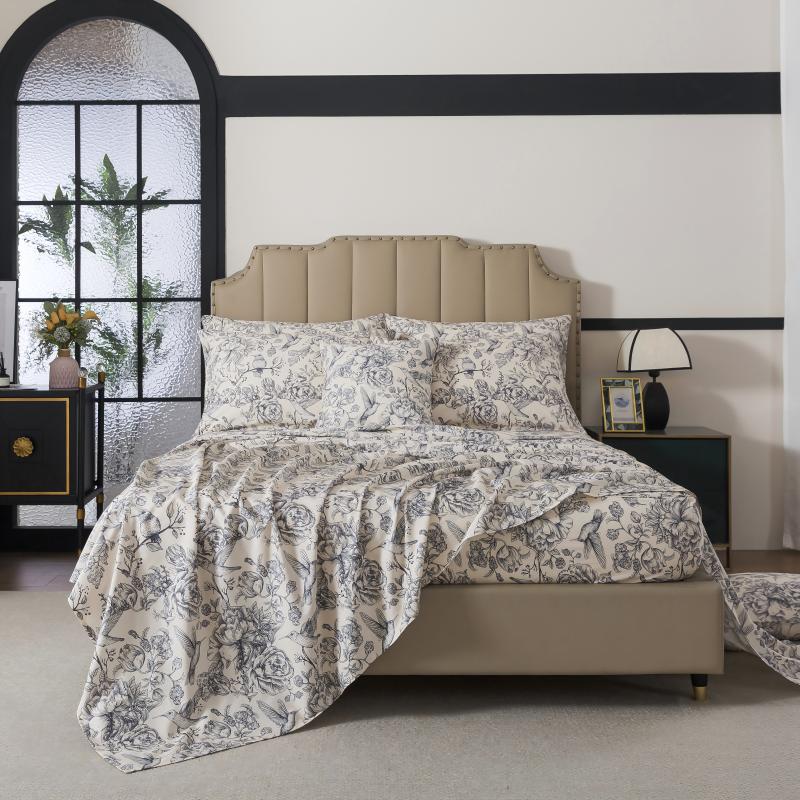
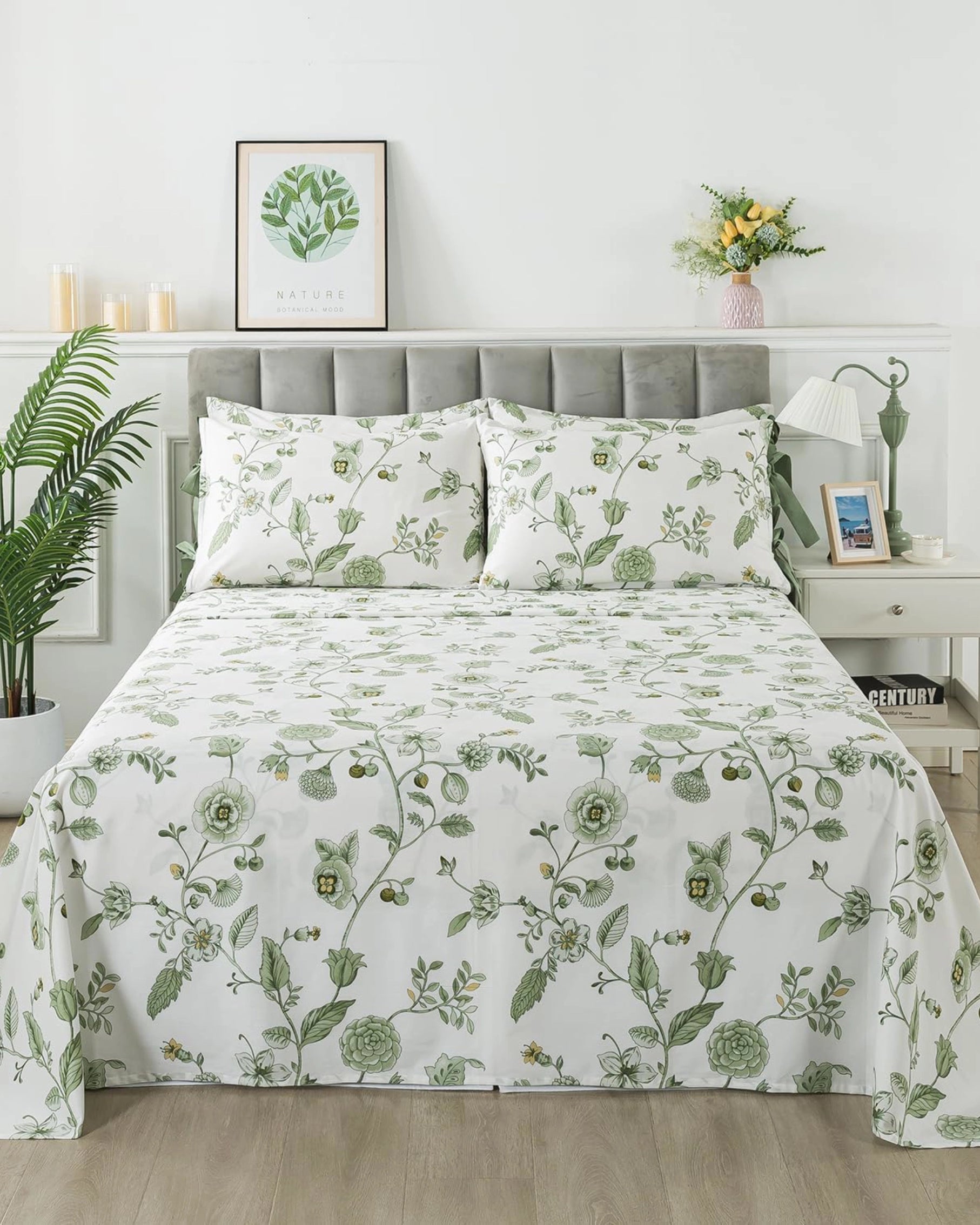
Unlike synthetic fabrics that may appear too shiny or stiff, cotton has a more natural surface. It can hold prints beautifully while still feeling soft against the skin. Floral patterns, toile designs, botanical prints, and cottage-inspired styles all pair well with cotton’s gentle texture.
When cotton bedding has a slightly wrinkled look, it often feels more inviting rather than unfinished. The creases help soften the pattern and make the bed feel warm and approachable.
This is why many people love cotton bedding not only for how it feels, but also for how it ages. It becomes part of the home’s rhythm.
A Better Fit for Cottage and Vintage Style
Wrinkle-friendly fabrics work especially well with cottage, farmhouse, vintage, and French country bedroom styles. These interiors often celebrate softness, natural materials, and quiet details. They are not about sharp perfection. They are about warmth, comfort, and character.
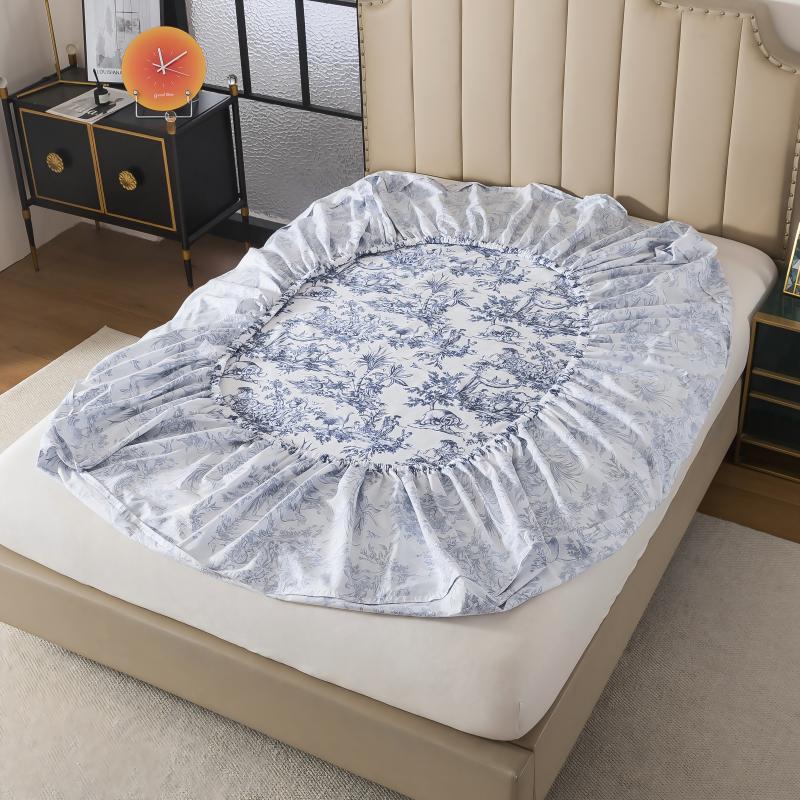
A floral bedding set with a slightly relaxed surface can feel more authentic than one that looks overly crisp. A ruffled edge does not need to sit perfectly flat. A quilt or sheet set can have movement and still look elegant.
In fact, small imperfections often make these styles more beautiful. They give the room a sense of ease, as if the space has been loved and lived in over time.
This is where wrinkle-friendly fabrics shine. They support a bedroom style that feels graceful without being too formal.
Less Maintenance, More Ease
One of the biggest advantages of wrinkle-friendly bedding is simple: it saves time.
Not everyone wants to iron sheets, steam duvet covers, or constantly remake the bed to achieve a perfect surface. With the right fabric and design, wrinkles do not need to be treated as a problem. They can become part of the overall look.
This does not mean the bed should look untidy. The key is balance. Clean bedding, thoughtful layering, and a soft color palette can make natural wrinkles look intentional. A neatly arranged pillow, a folded quilt, or a relaxed duvet can give structure while still keeping the room comfortable.
The result is a bedroom that feels styled, but not forced.
How to Style Wrinkle-Friendly Bedding
To make lived-in bedding look beautiful, start with fabrics that already have a soft, natural feel. Cotton is a strong choice because it is breathable and comfortable for everyday use.
Next, choose patterns that work well with texture. Florals, botanicals, stripes, toile prints, and soft vintage designs all look lovely with gentle creasing. These patterns do not require a perfectly flat surface to look complete.
Layering also helps. A slightly rumpled sheet set can look elegant under a quilt, duvet, or coverlet. Mixing textures gives the bed more depth and makes small wrinkles feel natural.
Finally, avoid over-styling. A lived-in bed should feel inviting. The goal is not to make the room look careless, but to make it feel calm, soft, and easy to enjoy.
When Wrinkles Tell a Better Story
Wrinkles in fabric are often seen as something to remove. But in the right setting, they tell a better story. They show softness, movement, and daily life. They make a bedroom feel less rigid and more welcoming.
A lived-in look does not mean giving up beauty. It means choosing a kind of beauty that fits real homes. It values comfort over perfection and texture over stiffness. It allows bedding to look natural after washing, resting, and being used every day.
In a world that often asks everything to look flawless, wrinkle-friendly fabrics offer something gentler. They remind us that comfort can be beautiful, and that a bed does not need to look untouched to feel complete.
Sometimes, the most inviting bedroom is not the one with the smoothest sheets. It is the one that feels ready to welcome you in.