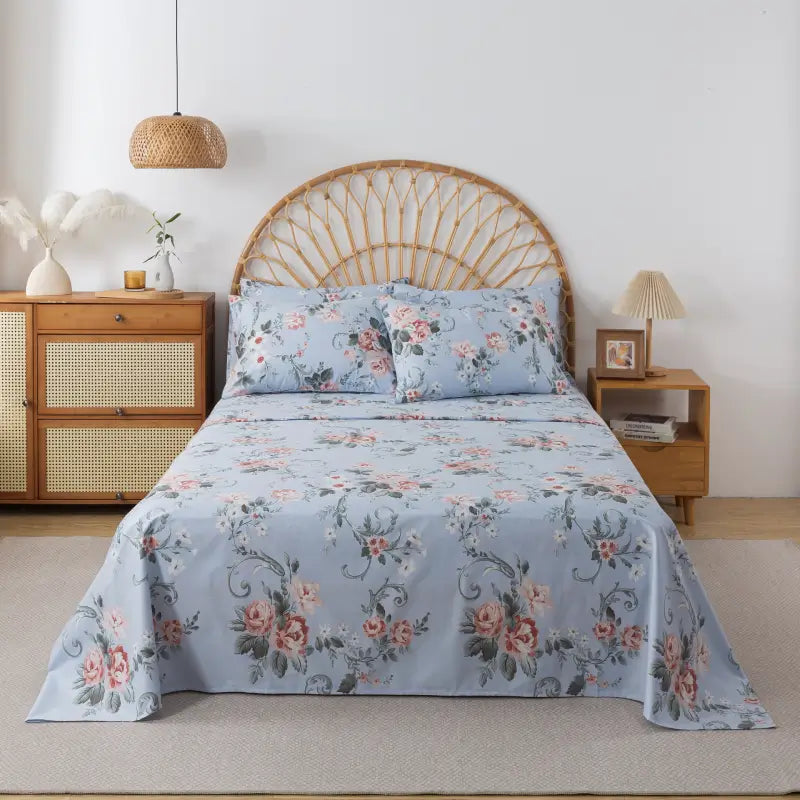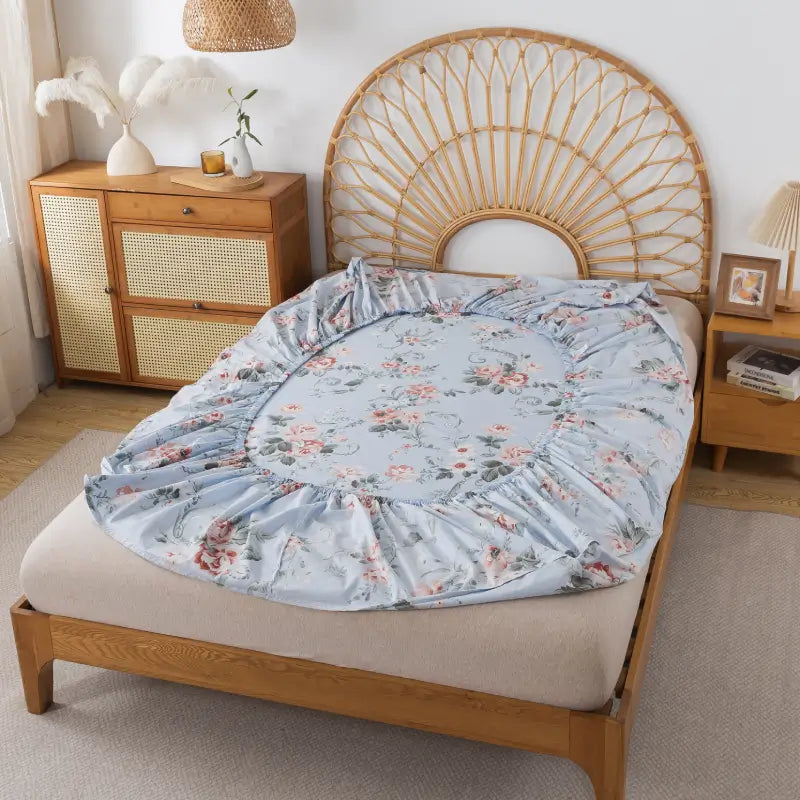

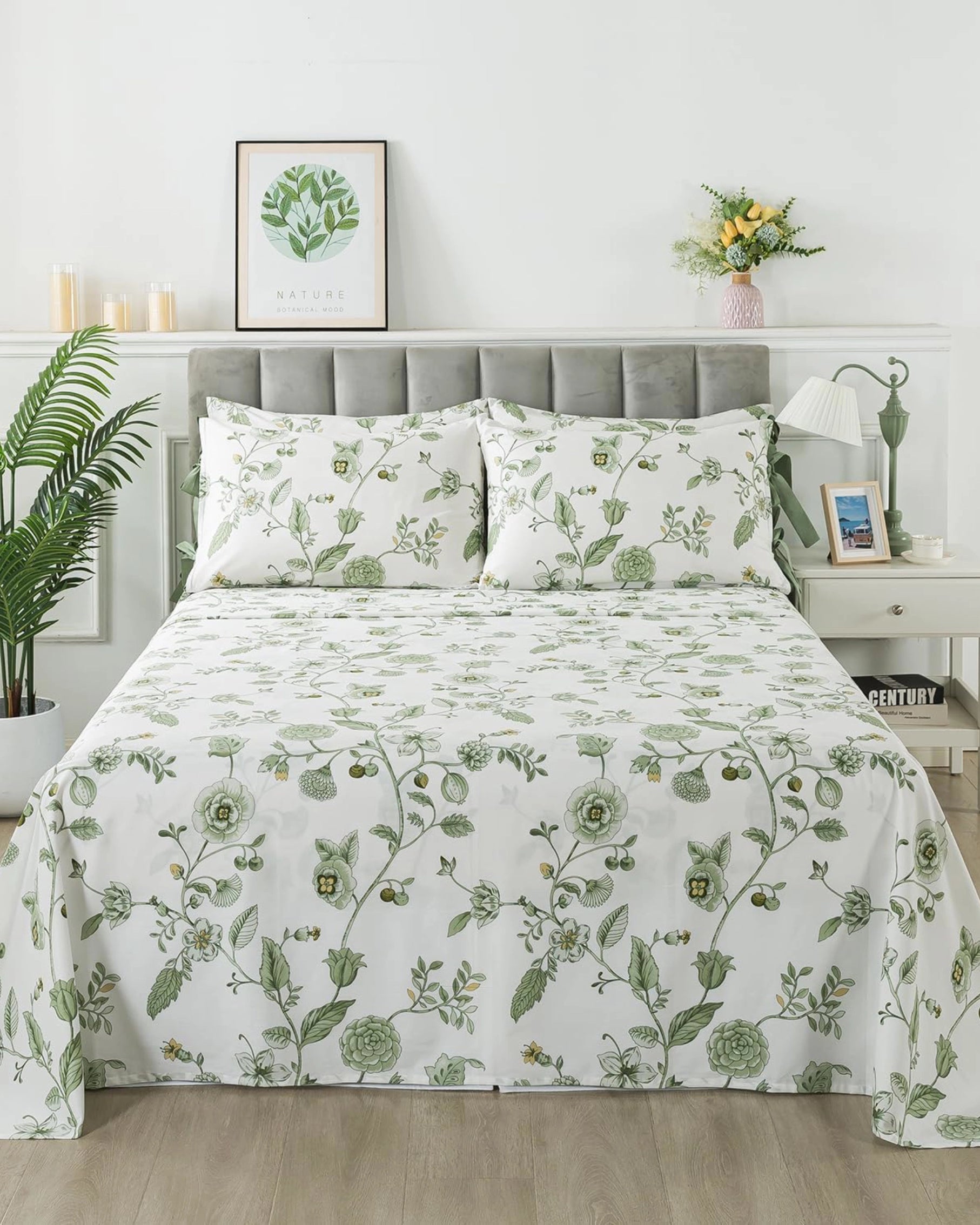





You upgraded your bedding.
The colors work.
The fabric feels soft enough.
It looks good in photos.
And yet—your bedroom still doesn’t feel quite right.
It’s a common experience, and it has very little to do with whether your bedding is nice. The issue is that most people think of bedding as a visual upgrade, when in reality, bedding is an environmental one. A bedroom doesn’t feel complete when it looks finished; it feels complete when it supports how you actually live and rest.
“Nice” Isn’t the Same as Right
Many bedding sets are designed to impress at first glance. Smooth surfaces, bold patterns, crisp folds—everything looks intentional. But that intention often stops at appearance.
After a few nights, reality sets in:
-
The fabric traps heat.
-
The texture feels slightly artificial against skin.
-
The sheets shift or wrinkle in ways that feel distracting rather than lived-in.
-
You become aware of the bedding instead of forgetting it’s there.
A bedroom begins to feel incomplete when the elements meant to support rest demand attention instead.
Comfort Is a System, Not a Feature
We often search for comfort in single attributes: thread count, material claims, softness ratings. But comfort isn’t one thing—it’s a system.
Your bedding interacts with:
-
Your body temperature throughout the night
-
Your skin’s sensitivity after long days
-
Your movement while sleeping
-
The ambient feel of the room, morning and night
When bedding doesn’t respond well to these factors, the room feels subtly off-balance—even if everything looks “nice.”
That sense of incompleteness is your body noticing that something isn’t working in harmony.

The Missing Layer: How Bedding Lives With You
What many bedrooms lack isn’t better styling—it’s bedding that adapts to daily life.
Think about what actually happens on your bed:
-
You sit on it at the end of the day.
-
You nap, scroll, read, stretch.
-
Pets jump up. Laundry piles happen. Sheets are washed often.
-
The bed is used, not preserved.
Bedding that only looks good when untouched creates tension in a lived space. When you’re subconsciously trying to keep your bed “presentable,” the room stops feeling like a place to exhale.
A complete bedroom allows for imperfection—soft creases, relaxed layers, textures that look better used than arranged.
Visual Harmony vs. Sensory Harmony
Many bedrooms achieve visual harmony: matching colors, coordinated décor, balanced layouts. But sensory harmony is more important.
Ask yourself:
-
Does your bedding feel breathable at 2 a.m.?
-
Does it feel calming when you first lie down?
-
Does it invite rest—or do you notice friction, heat, stiffness?
When sensory harmony is missing, the room never quite settles. You may change pillows, rearrange furniture, or add décor, but the unease remains because the foundation—the bed itself—isn’t fully supportive.
Why Simplicity Often Feels More Complete
Bedrooms that feel finished often share one trait: restraint.
Not minimalism for its own sake, but intentional simplicity. Bedding that isn’t trying to perform or impress allows the room to breathe.
Natural textures, balanced weight, and materials that age well tend to disappear into daily life—in the best way. When bedding stops asking for attention, the room feels quieter. More resolved.
That quiet is often what people mean when they say a bedroom finally feels “complete.”
Completion Is a Feeling, Not a Look
A complete bedroom doesn’t announce itself.
It’s the moment you lie down and your shoulders drop.
It’s the absence of adjustment.
It’s waking up without thinking about what needs to be fixed.
If your bedroom still feels incomplete despite having “nice” bedding, it’s not a failure of taste. It’s a sign that the space hasn’t yet aligned with how you rest, move, and live.
When bedding supports real life—not just appearance—the room stops feeling staged and starts feeling whole.
And that’s when a bedroom finally becomes a place you don’t think about—because it’s doing exactly what it should.