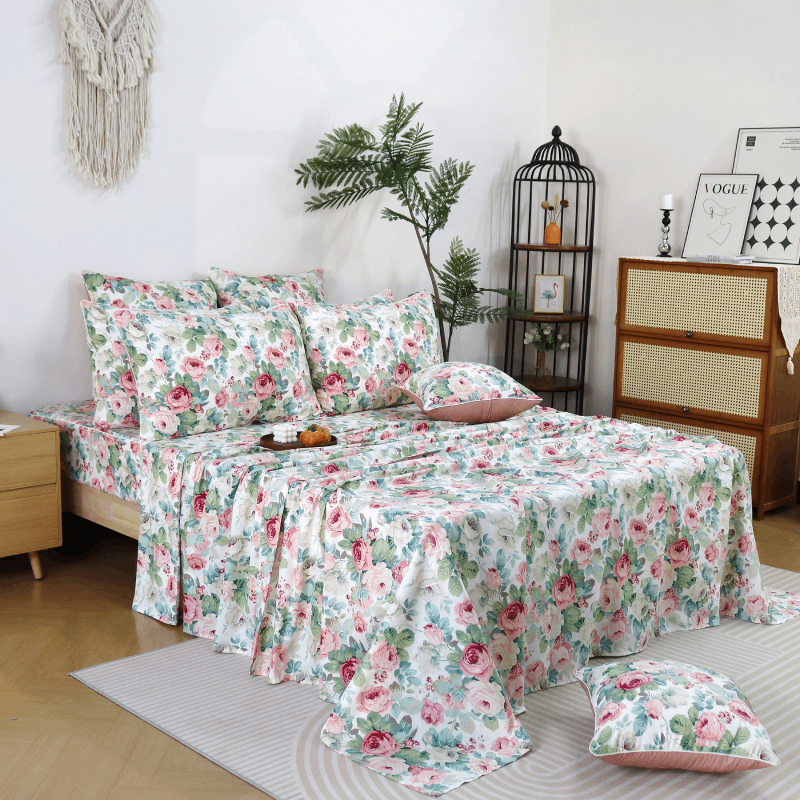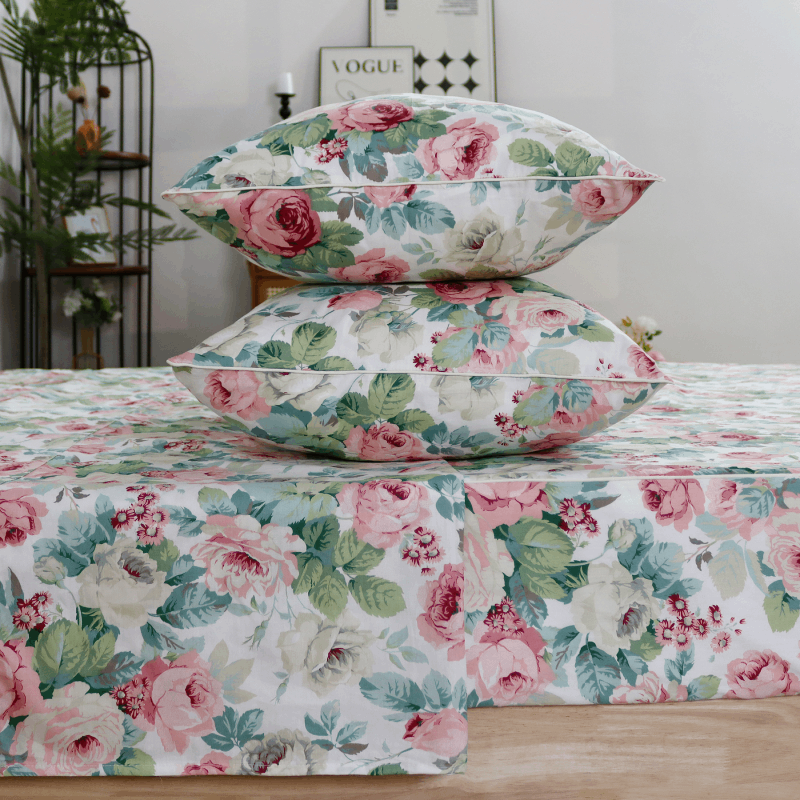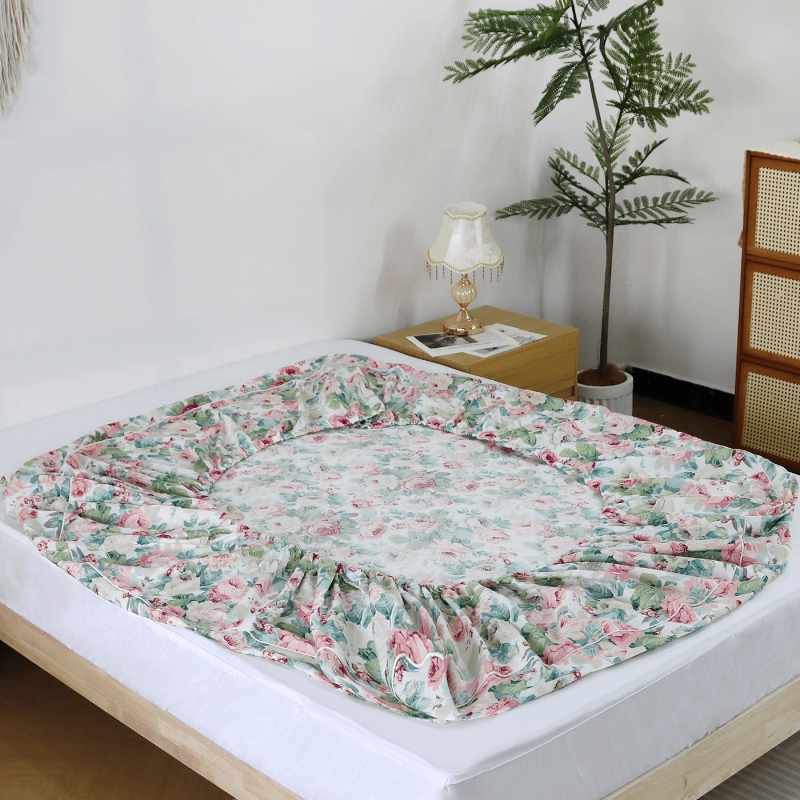




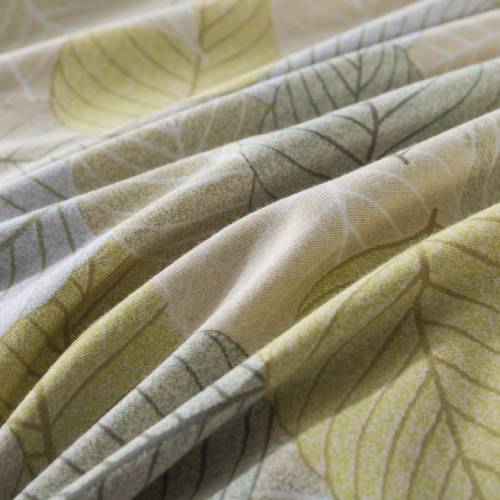



You invested in a quality mattress, yet every morning you wake up feeling stiff, restless, or unsatisfied with your sleep. If this sounds familiar, you’re not alone. Many people assume a good mattress guarantees comfort—but in reality, bedding plays an equally critical role in how your bed feels night after night.
This article explores the often-overlooked reasons your bed may still feel uncomfortable and how the right bedding choices can completely transform your sleep experience.
Your Mattress Is Only Half the Equation
A mattress provides support, but bedding determines how your body interacts with that support. Sheets, duvets, pillows, and even fabric texture affect temperature, pressure points, and overall comfort.
If your bedding works against your mattress, even the best mattress can feel wrong.
1. Your Sheets May Be Trapping Heat
One of the most common causes of discomfort is overheating during sleep. Many bedding fabrics retain heat and moisture, disrupting your body’s natural temperature regulation.
Signs this might be the issue:
- You wake up sweaty or restless
- You kick off covers during the night
- Your sheets feel sticky or heavy
Breathable materials like cotton allow airflow and help regulate body temperature, making sleep feel lighter and more natural.
Explore breathable options in a cotton bedding collection designed for everyday comfort.
2. Rough or Stiff Fabrics Create Micro-Discomfort
Even subtle fabric irritation can keep your body tense without you realizing it. Stiff, overly treated, or low-quality fabrics create friction against your skin, preventing deep relaxation.
Softness matters more than many people think:
- It signals your body to relax
- It reduces subconscious movement
- It improves overall sleep quality
If your sheets don’t feel inviting when you get into bed, your body won’t fully settle—even on a supportive mattress.
3. Your Bedding Layers Are Working Against You
Too many layers can feel heavy and restrictive. Too few can feel insecure or cold. An unbalanced setup often leads to tossing and turning.
A comfortable bed usually includes:
- A fitted sheet that stays smooth
- A breathable flat sheet or duvet cover
- A lightweight but insulating comforter or quilt
Layering should feel flexible, not bulky.

4. Your Pillows Are the Real Problem
Many people blame their mattress when the real issue is pillow height or firmness. A pillow that doesn’t align your neck properly can create discomfort throughout your entire body.
Consider:
- Sleeping position (side, back, stomach)
- Pillow fill and loft
- How pillows interact with your sheets and duvet
Pillows are part of your bedding system—not separate from it.
5. Texture and Weight Affect How Safe Your Body Feels
Comfort isn’t just physical—it’s psychological. Bedding that feels too slippery, too heavy, or too tight can prevent your body from feeling secure enough to rest deeply.
Well-chosen bedding should feel:
- Soft but not suffocating
- Light but reassuring
- Familiar and calming
Textured weaves, gentle quilting, and washed finishes help create that sense of ease.
6. Your Bedding Doesn’t Match Your Sleep Habits
If you’re a light sleeper, sensitive to temperature, or prone to movement, your bedding choices matter even more.
Ask yourself:
- Do I sleep hot or cold?
- Do I move a lot at night?
- Do I prefer weight or lightness?
The wrong bedding setup can undo the benefits of a great mattress.

The Fix: Treat Your Bed as a System
A truly comfortable bed is a combination of mattress, bedding, and personal habits. When all three align, sleep quality improves dramatically.
Upgrading your bedding doesn’t mean replacing everything at once. Even changing one element—like sheets or a duvet cover—can make your bed feel completely different.
Final Thoughts
If your bed feels uncomfortable despite a good mattress, don’t rush to replace it. Look first at what touches your body every night. The right bedding can unlock the comfort your mattress was designed to provide.
Sleep better not by buying more—but by choosing smarter.