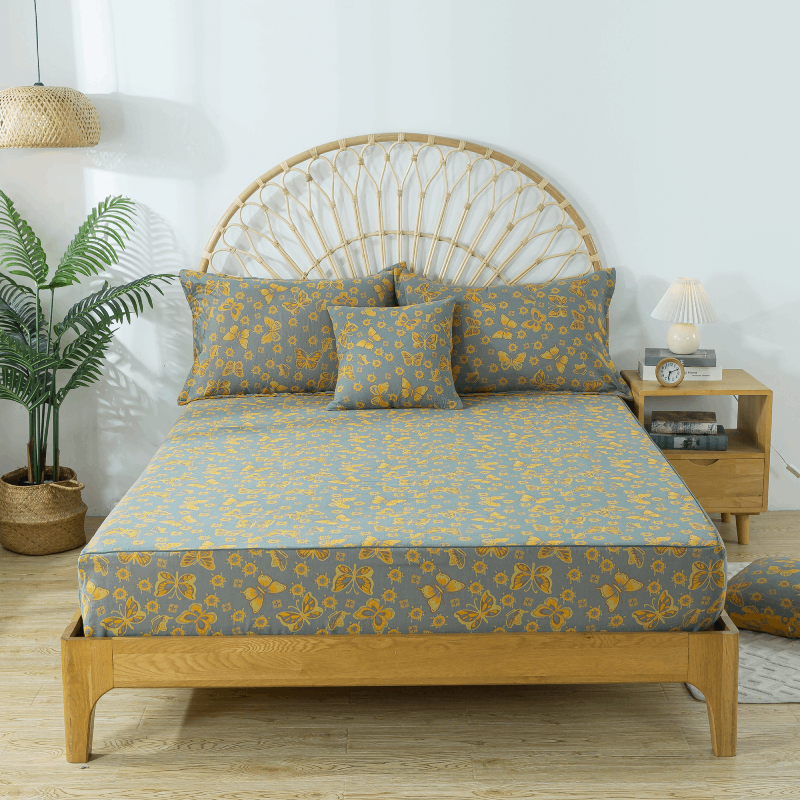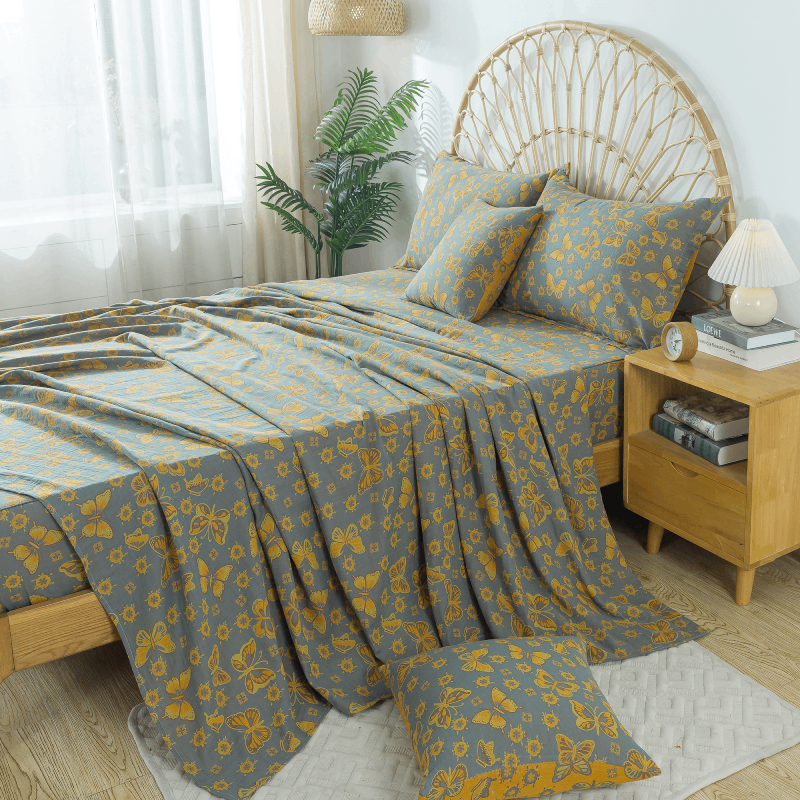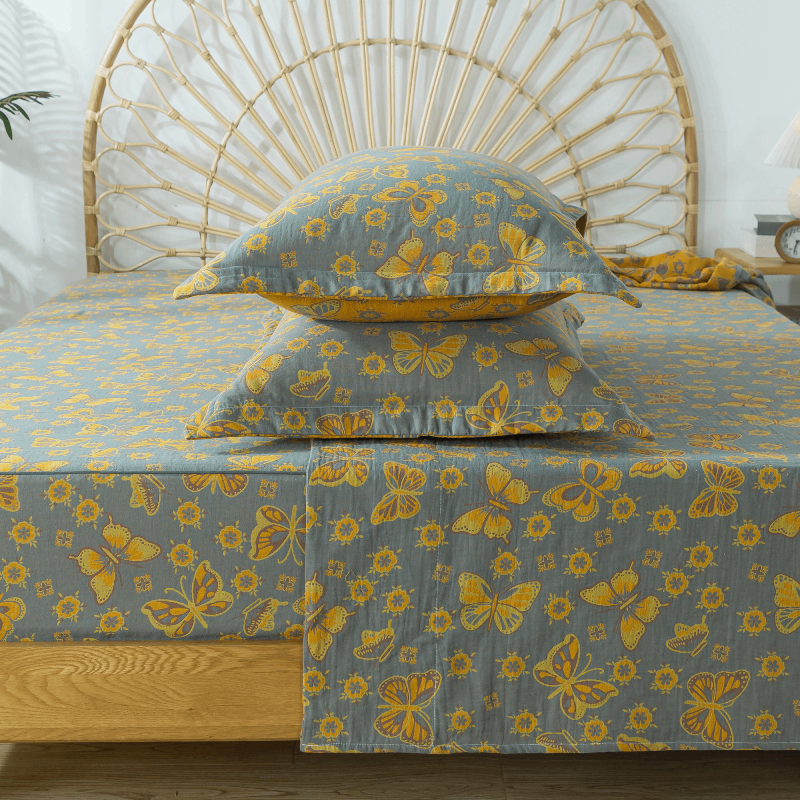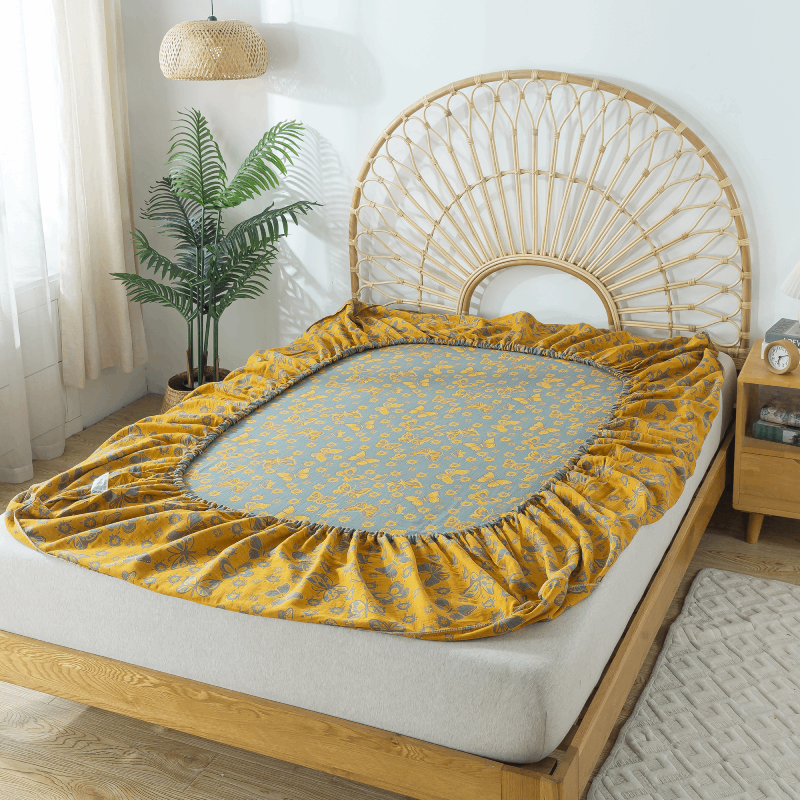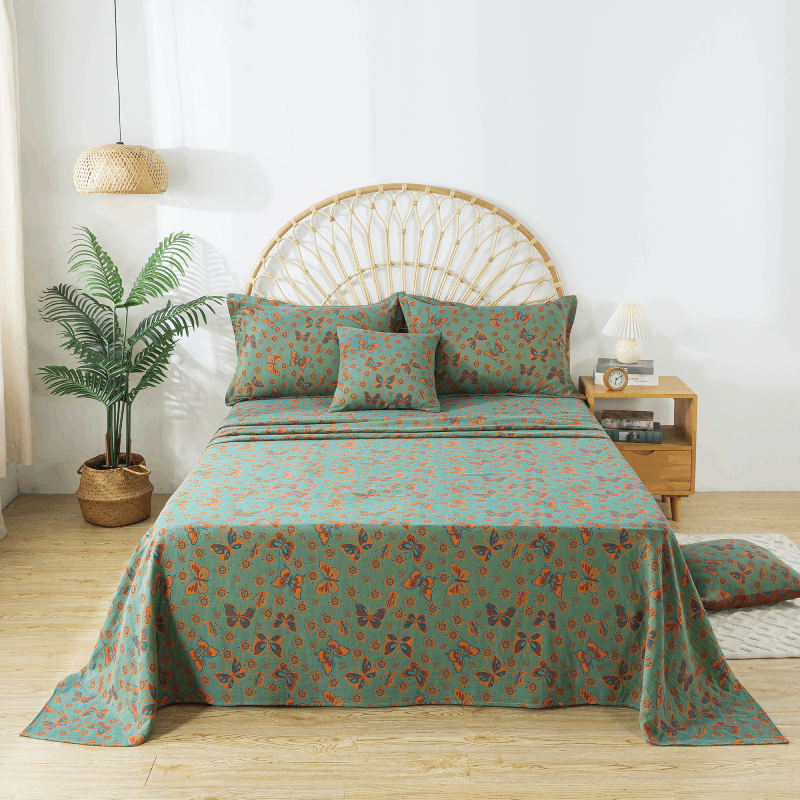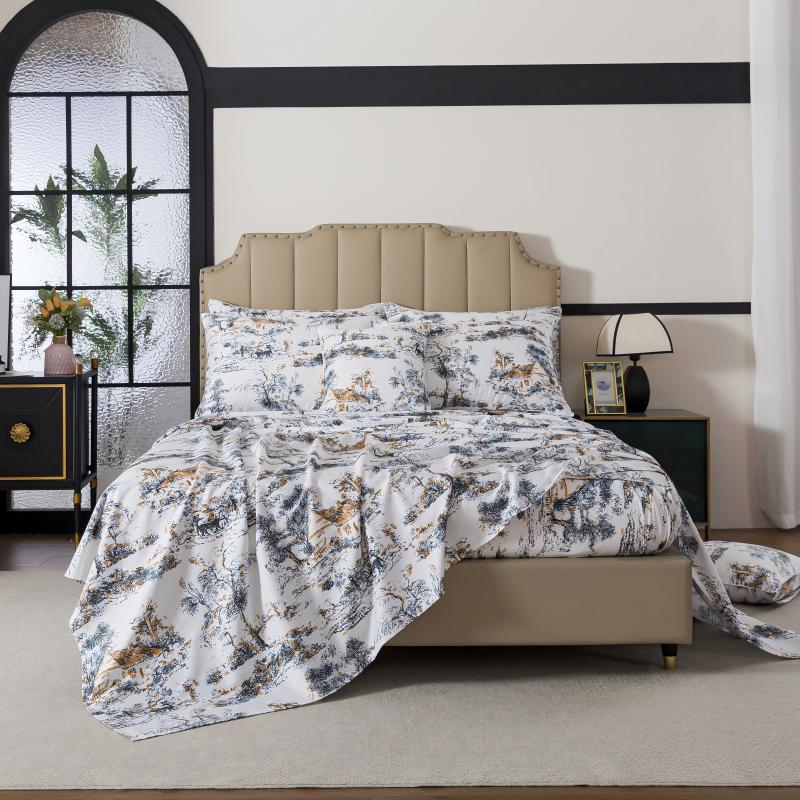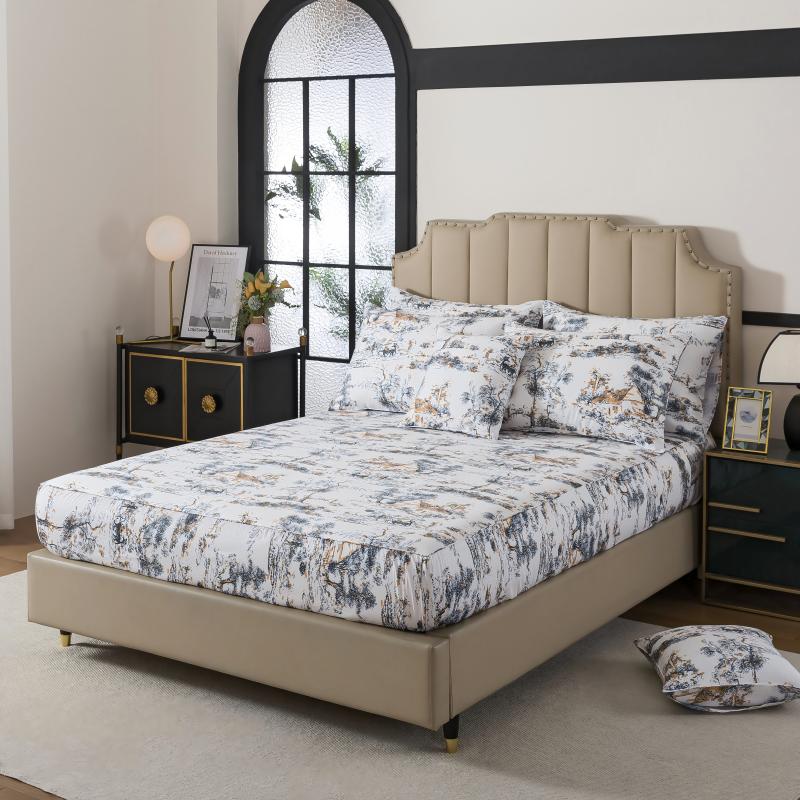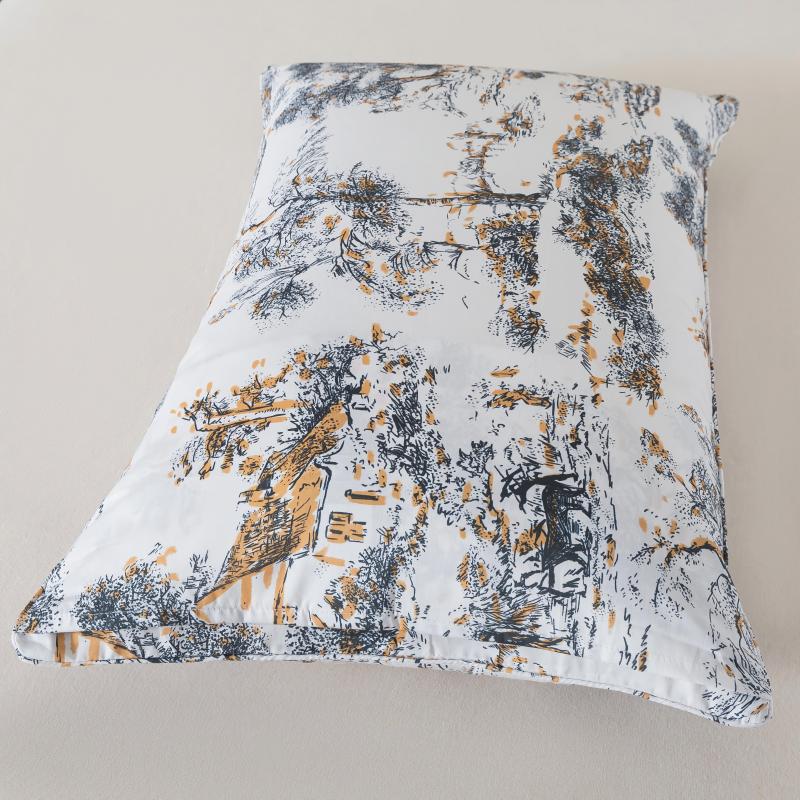


Personal style is often associated with clothing, accessories, and the way we present ourselves in public. Yet some of the clearest expressions of individual taste appear in a much more private place: the bedroom. At the center of that space is the bed, which often becomes the foundation for the room’s entire visual identity.
The colors, patterns, textures, and layers chosen for a bed can reveal personal preferences before any other decorative element is added. Whether the look is romantic, minimalist, playful, traditional, or relaxed, bedding has the power to transform an ordinary room into a space that feels deeply personal.
The Bed Sets the Visual Direction
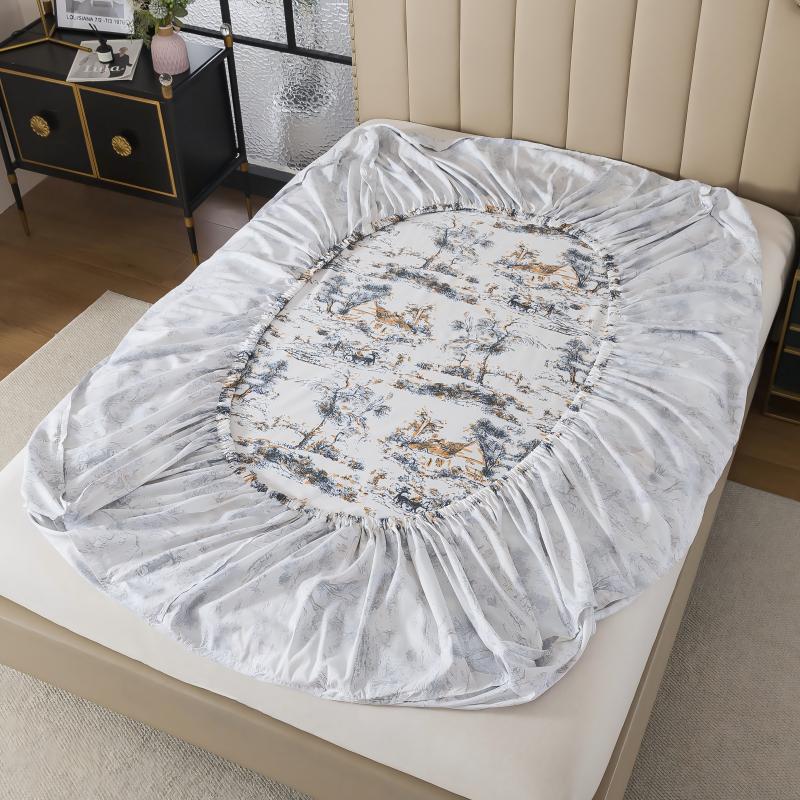
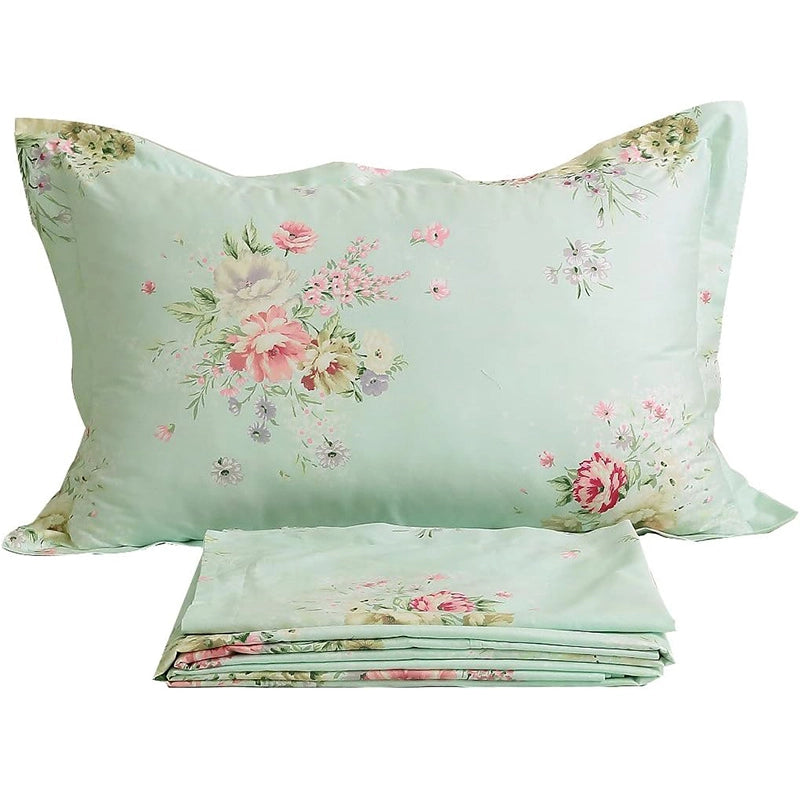
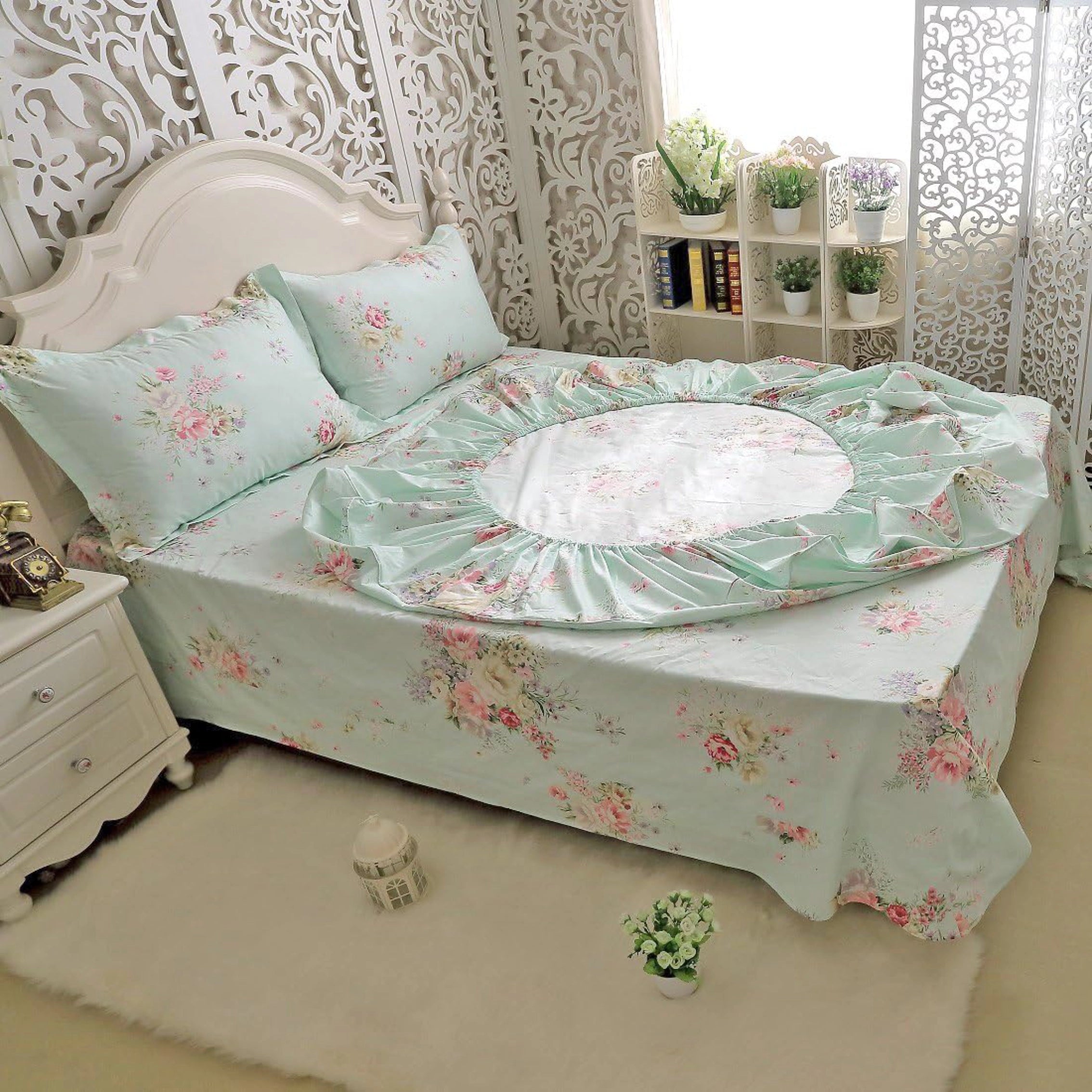
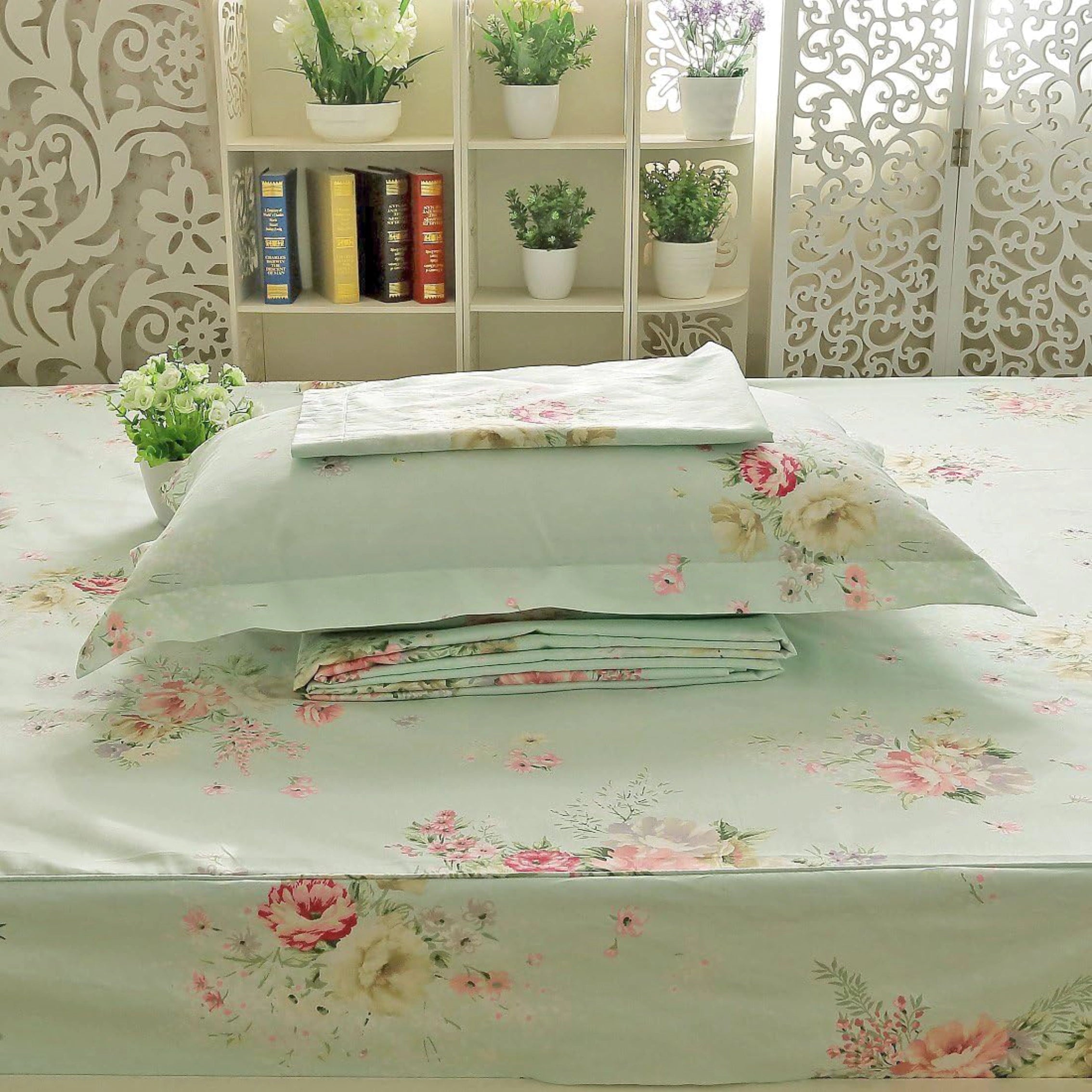
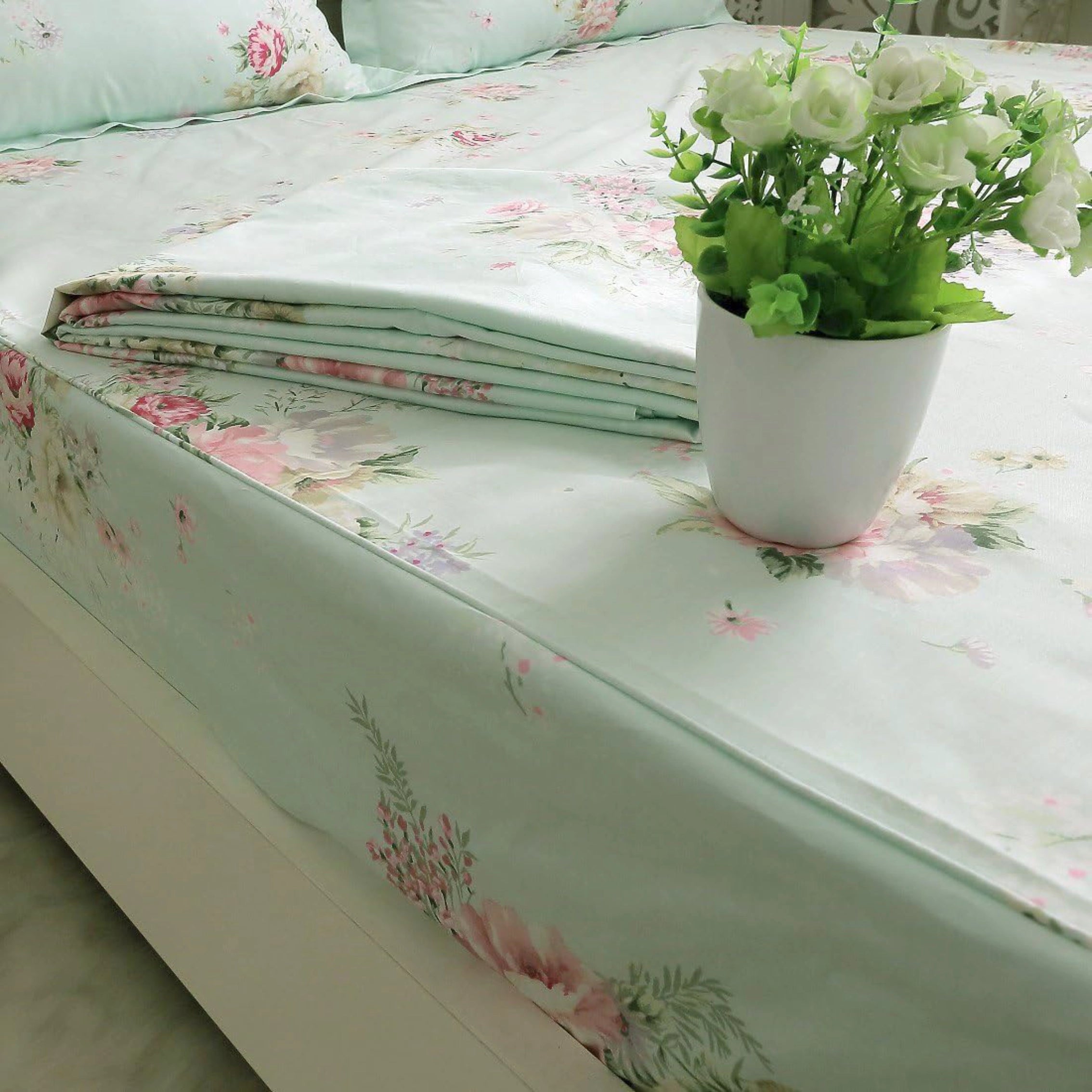
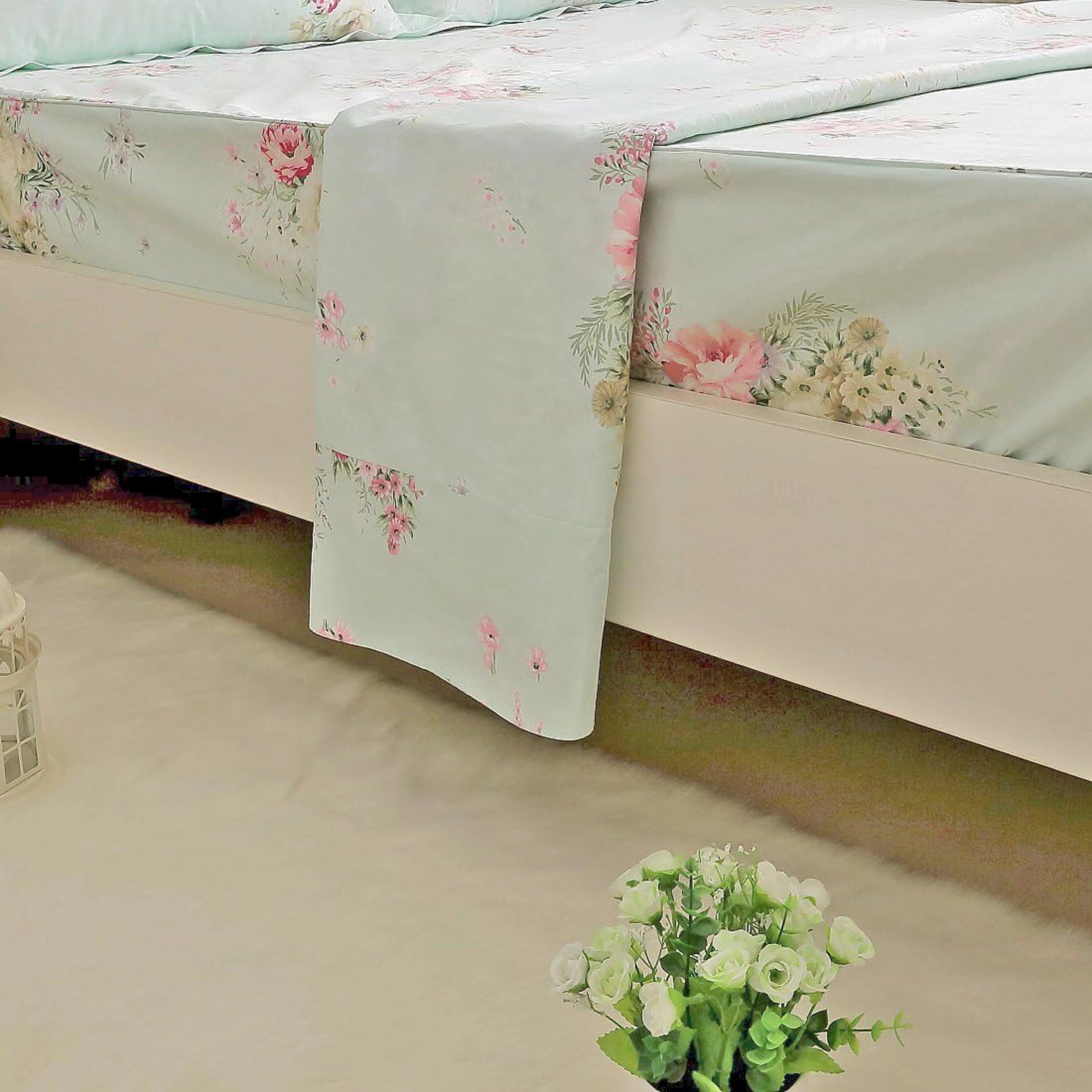
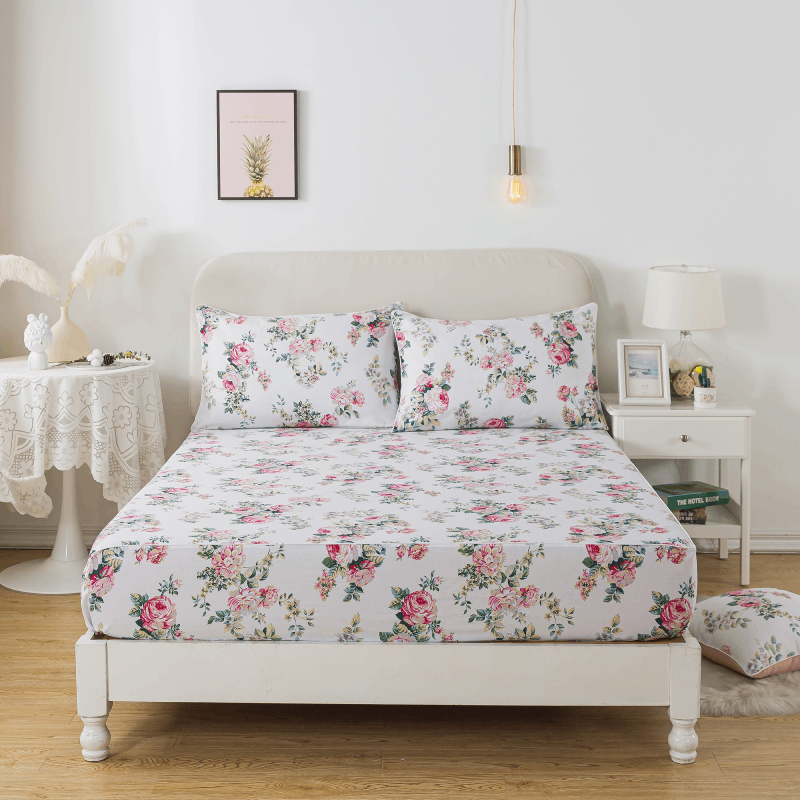
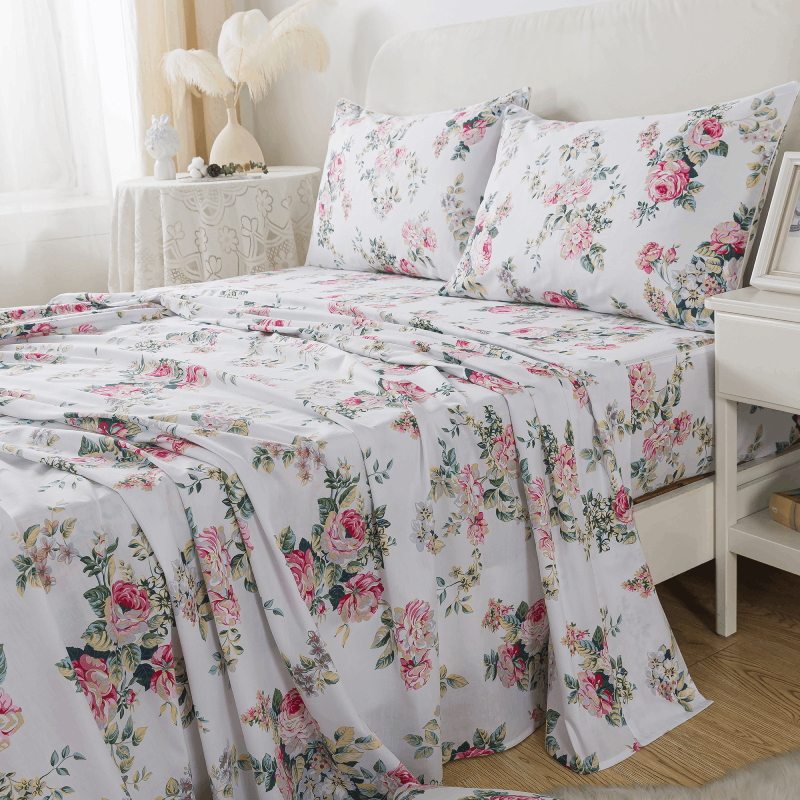
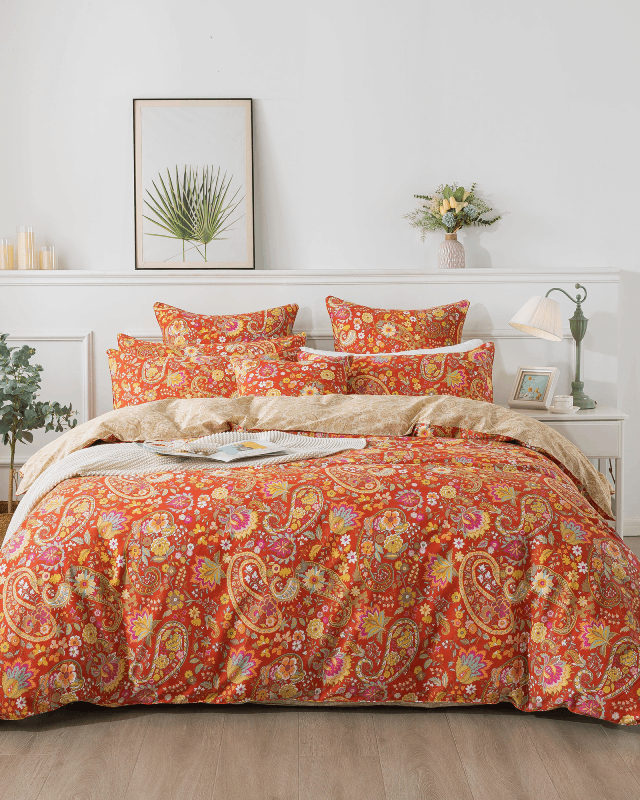
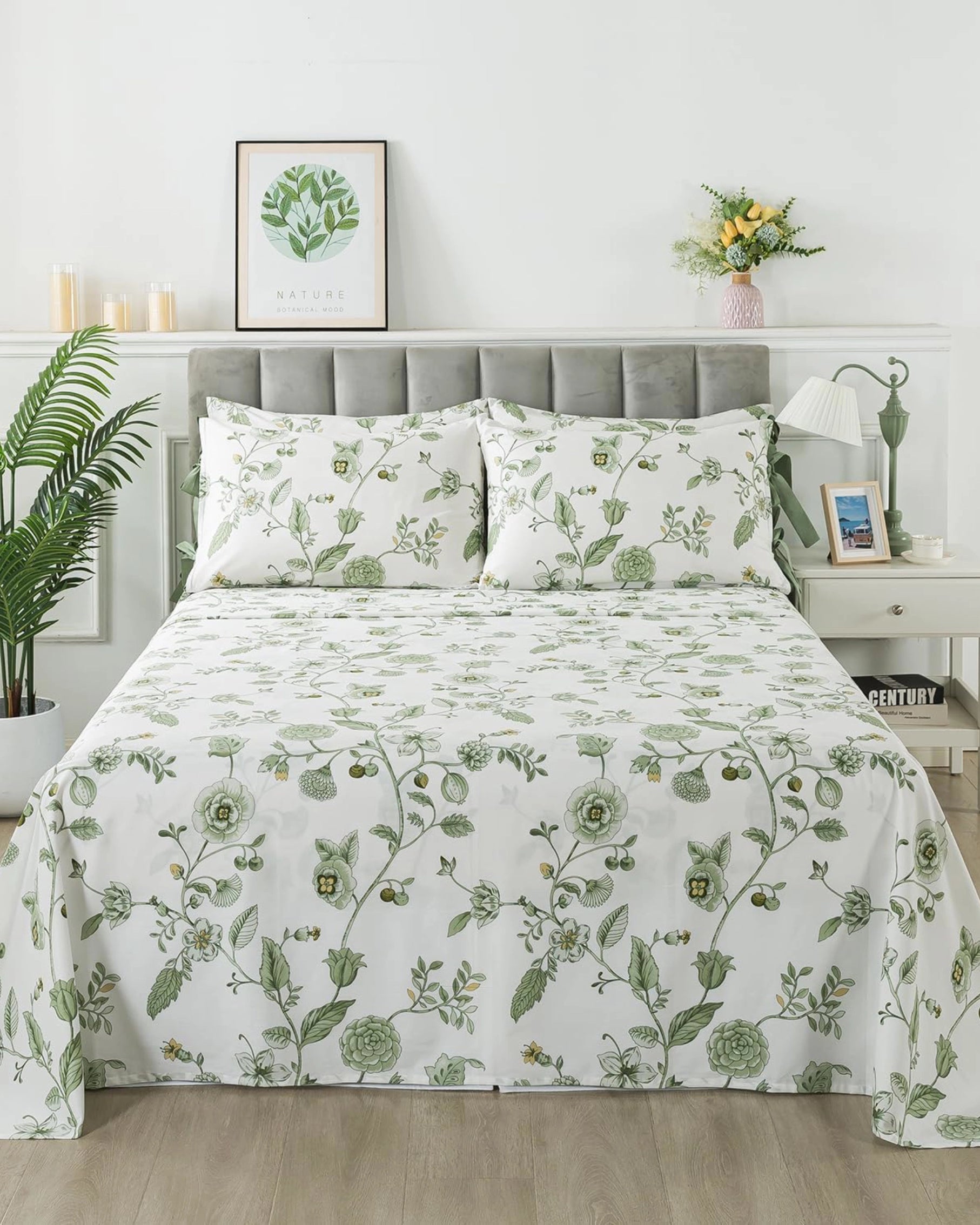
Because the bed is usually the largest piece of furniture in the bedroom, it naturally attracts attention. A floral quilt set may introduce a soft cottage-inspired atmosphere, while clean stripes or solid tones can create a more modern and structured appearance.
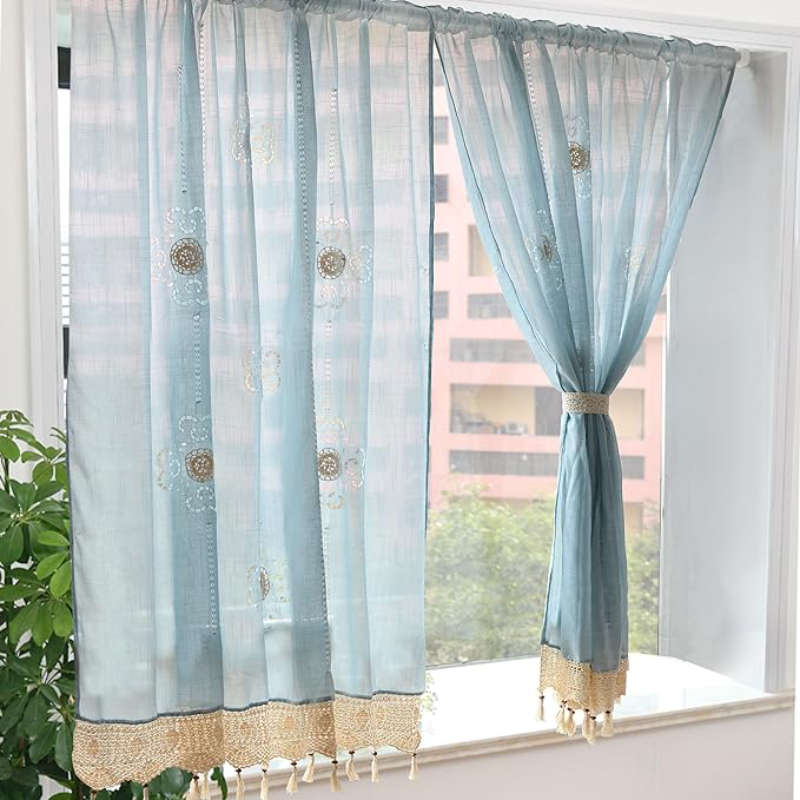
Once the bedding is selected, other design decisions become easier. Curtains, rugs, lamps, wall art, and decorative accessories can all be chosen to complement the bed. In this way, bedding does more than complete the room—it establishes the visual direction.
A thoughtfully chosen quilt, duvet cover, or sheet set can act as the starting point for the entire bedroom design.
Color Reflects Personality
Color is one of the most immediate ways to express personal style. Warm botanical tones can make a bedroom feel welcoming and grounded, while soft pastels create a gentle and peaceful atmosphere. Deep, dramatic shades may suggest confidence and sophistication, while fresh neutrals offer calmness and flexibility.
There is no single correct bedroom color palette. The most successful choice is one that feels comfortable and authentic to the person using the space.
Some people are naturally drawn to energetic colors and expressive prints. Others prefer quiet tones that help reduce visual stimulation. Bedding makes it possible to surround yourself with colors that support both your personality and your desired mood.
Patterns Tell a Story
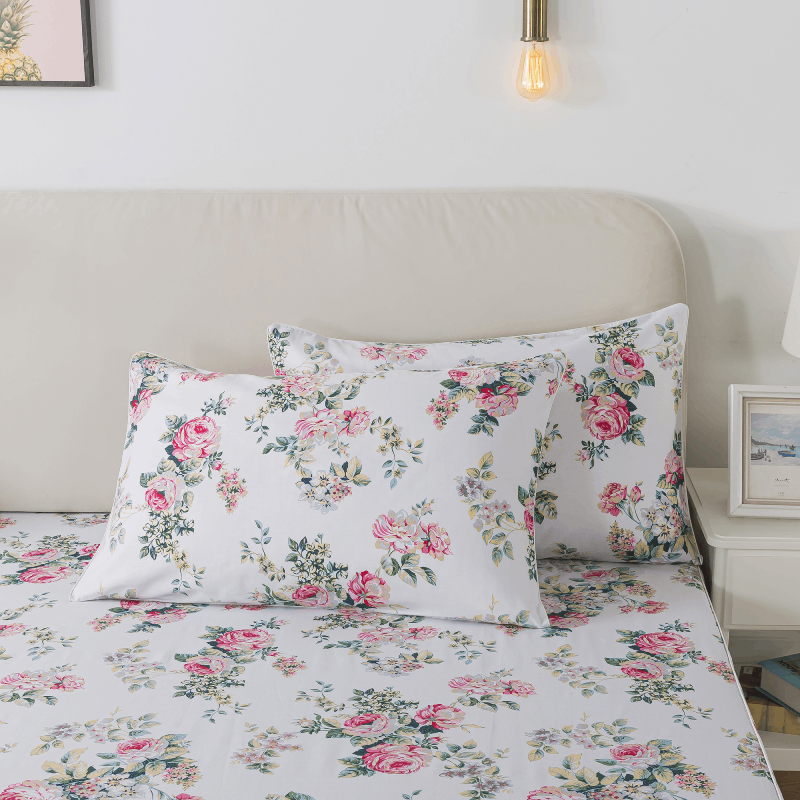
Patterns give a bedroom character. Florals may evoke gardens, vintage interiors, or romantic countryside living. Geometric prints can feel contemporary and organized. Animal, sports, or nature-inspired designs may reflect hobbies, memories, or personal interests.
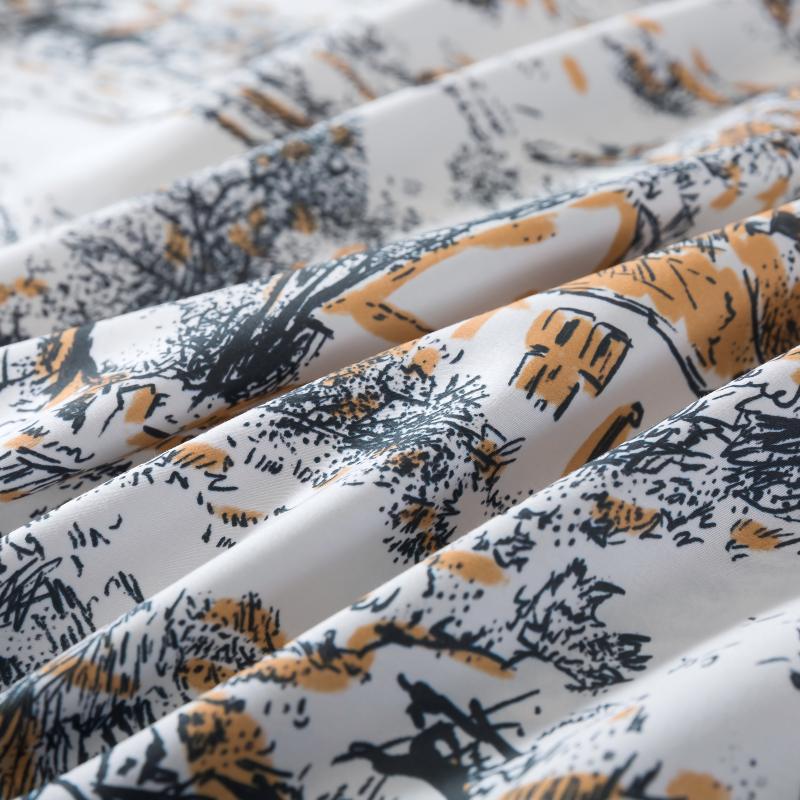
Even subtle patterns can influence the atmosphere of the room. Delicate stitching, quilted botanical shapes, or small-scale prints add depth without overwhelming the space.
Choosing a pattern is not simply a decorating decision. It is also a way of deciding what kind of story the bedroom should tell.
Texture Adds Emotional Warmth
Personal style is not only visual. It is also experienced through touch.
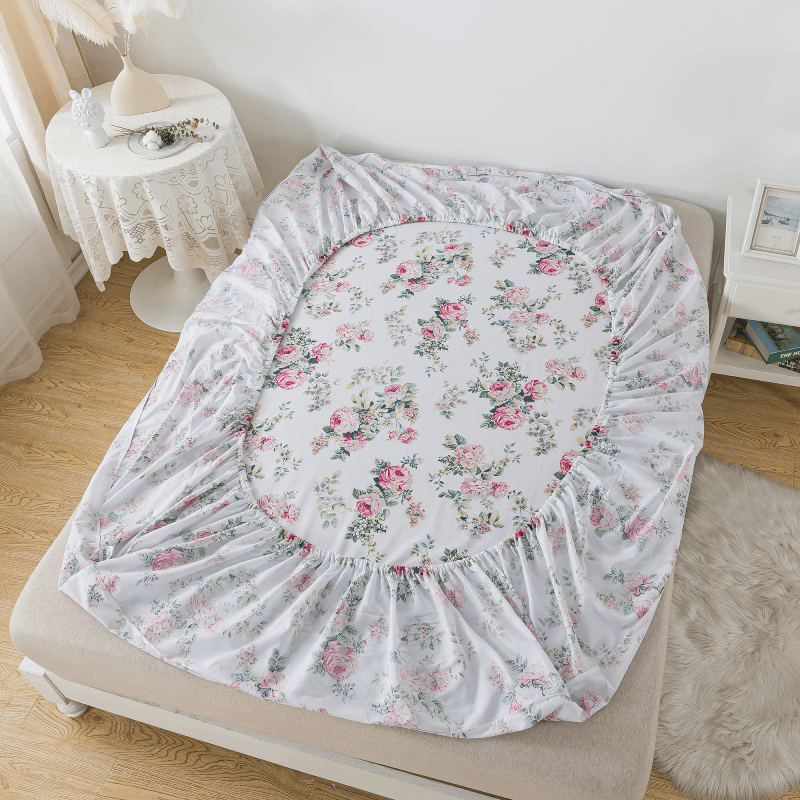
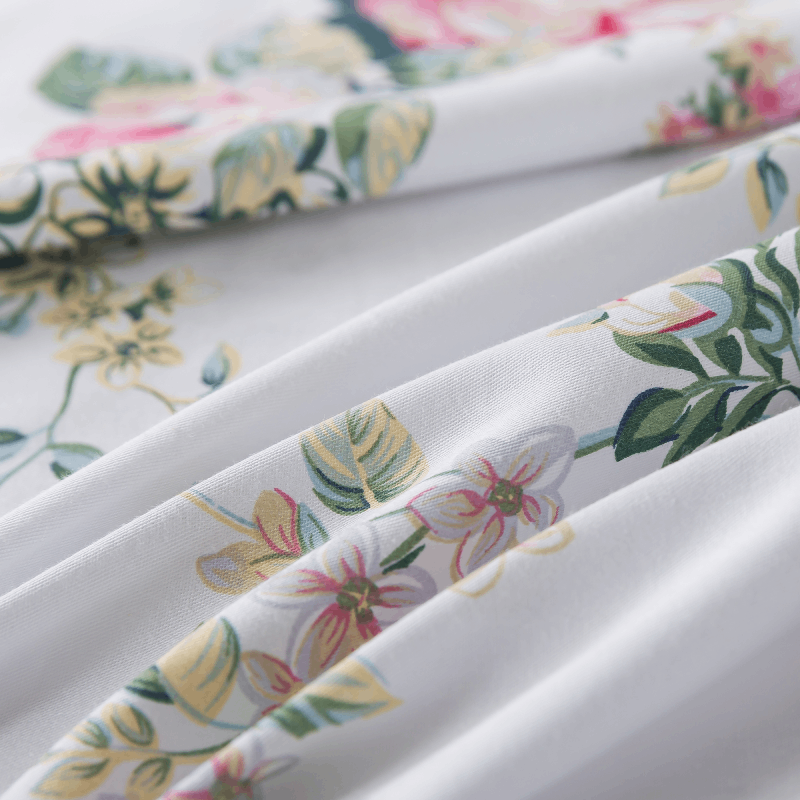
The softness of cotton, the dimension of quilted stitching, the relaxed appearance of gauze, and the gentle movement of ruffled edges all contribute to the personality of a bed. These tactile details can make a room feel more inviting and emotionally comforting.
Natural materials are especially valuable because they combine beauty with everyday practicality. Breathable cotton bedding, for example, supports comfortable sleep while also creating a relaxed and timeless appearance.
A bed that looks beautiful but feels uncomfortable will never fully express a thoughtful personal style. Comfort and design should work together.
Layering Makes the Space Feel Individual
Layering is one of the simplest ways to give a bed a distinctive look. A quilt can be folded over a duvet, decorative pillows can introduce contrasting prints, and a lightweight throw can add seasonal texture.
These layers do not need to match perfectly. In fact, carefully combining different patterns, textures, and tones often creates a more natural and collected appearance.
A bedroom should not feel like a showroom. Small variations and personal details make the space feel lived-in and unique. The goal is not perfect coordination, but visual harmony.

Bedding Can Evolve with Your Style
Personal style changes over time. A bedroom that once felt bright and playful may later become calmer and more refined. Bedding offers an easy way to reflect those changes without replacing furniture or completely redesigning the room.
Changing a duvet cover, quilt set, or pillowcase collection can immediately refresh the space. Reversible bedding provides even more flexibility, allowing the atmosphere to shift simply by turning the fabric over.
Seasonal changes can also influence bedding choices. Lightweight layers and fresh patterns suit warmer months, while richer textures and deeper tones create warmth during cooler seasons.
A Private Expression of Identity
Unlike public-facing style, bedroom design does not need to impress anyone else. It can be guided entirely by personal comfort, memory, and preference.
A favorite floral pattern may recall a childhood garden. A carefully chosen quilt may create the peaceful feeling of a countryside retreat. A simple cotton duvet cover may reflect a preference for practical, understated beauty.
These choices may appear small, but together they create a meaningful environment. The bedroom becomes more than a place to sleep; it becomes a personal retreat shaped by individual taste.
Final Thoughts
Personal style begins with the bed because the bed influences both the appearance and the emotional atmosphere of the bedroom. Through color, pattern, texture, and layering, bedding creates a visual language that feels intimate and authentic.
The most stylish bedroom is not necessarily the most fashionable one. It is the one that feels comfortable, expressive, and unmistakably yours.
By choosing bedding that reflects your personality and supports your daily comfort, you create a space that welcomes you home every night.