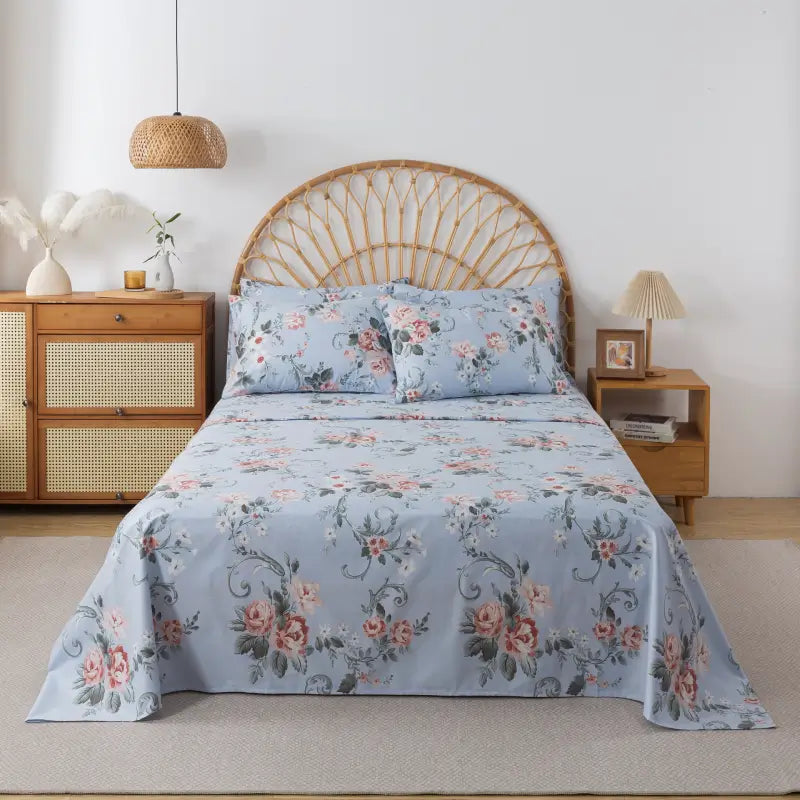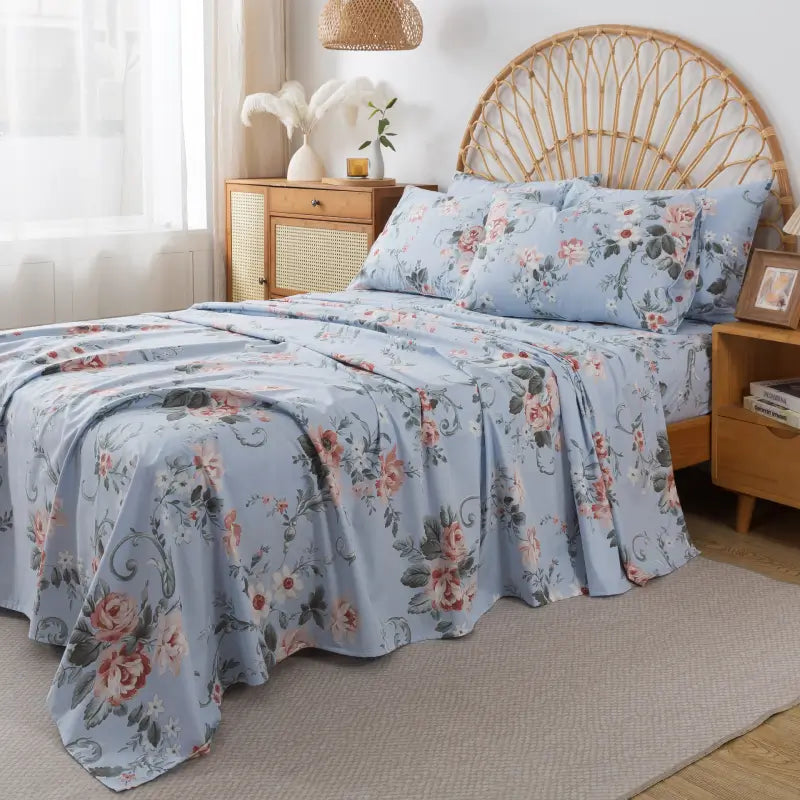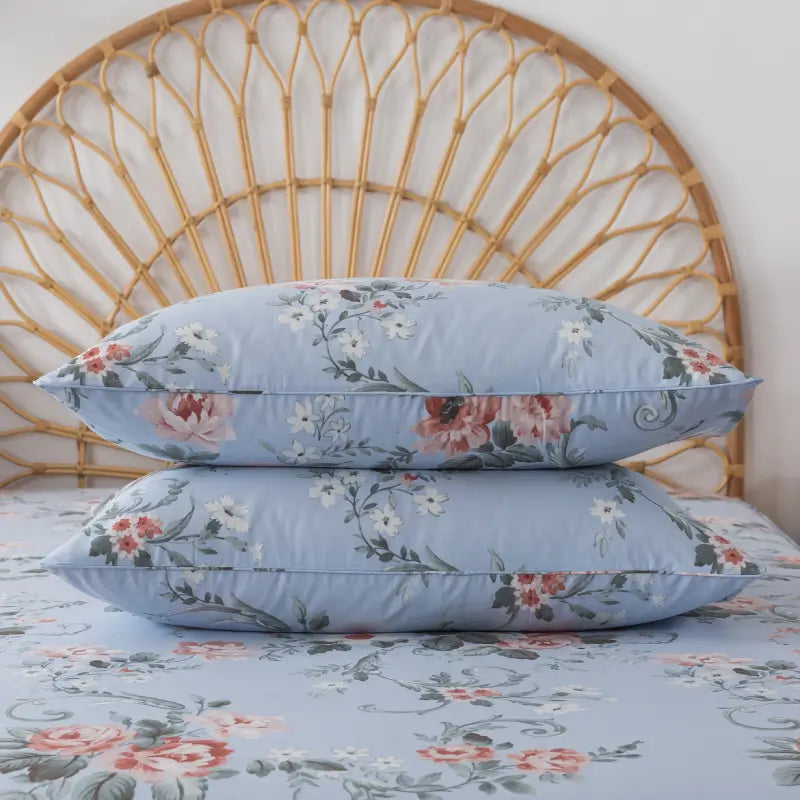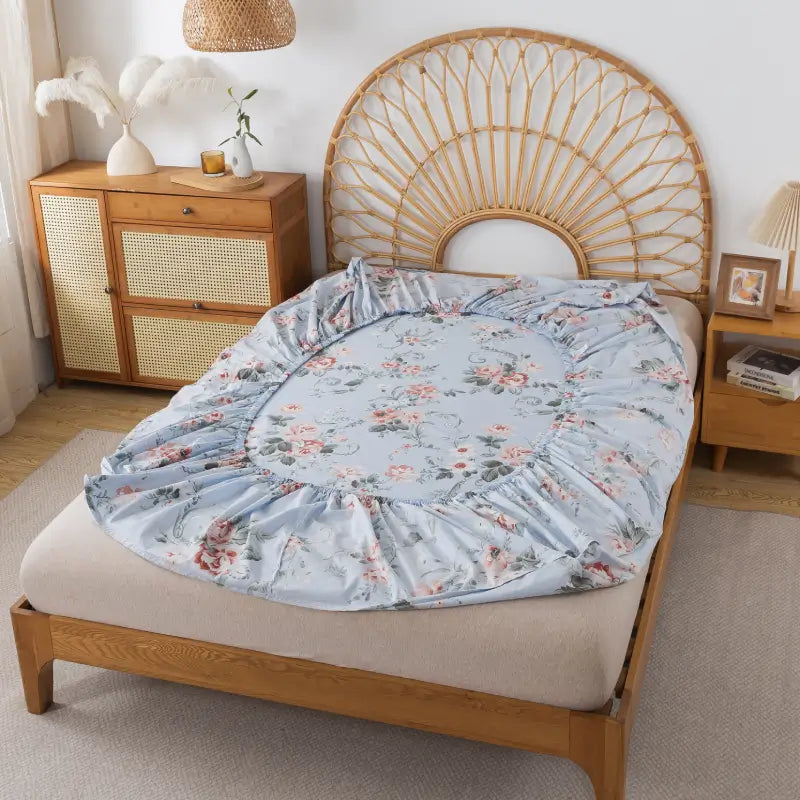


Walk into any well-curated bedroom on Pinterest or in a showroom, and you’ll notice a pattern: neutrals dominate. White. Beige. Soft gray. Safe choices. Clean lines. Minimal distractions.
And yet, when people describe the bedroom they actually dream of, they often mention florals, botanicals, vintage prints, soft romantic motifs, or something that feels personal and alive.
So why does patterned bedding feel risky?
And more importantly—why shouldn’t it?
The Psychology of “Safe” Design
In interior design, risk is usually about permanence. A sofa is expensive. Wall color takes effort to repaint. Built-ins are fixed decisions. So we default to neutrality.
Patterned bedding gets lumped into that same mental category—What if I get tired of it?
What if it clashes?
What if it looks too busy?
But here’s the reality: bedding is one of the most flexible design elements in your entire home.
Unlike furniture, it’s:
-
Easy to switch seasonally
-
Affordable compared to large pieces
-
Visually impactful without structural commitment
From a design perspective, bedding is low-risk, high-return.
Pattern Isn’t Chaos — It’s Structure
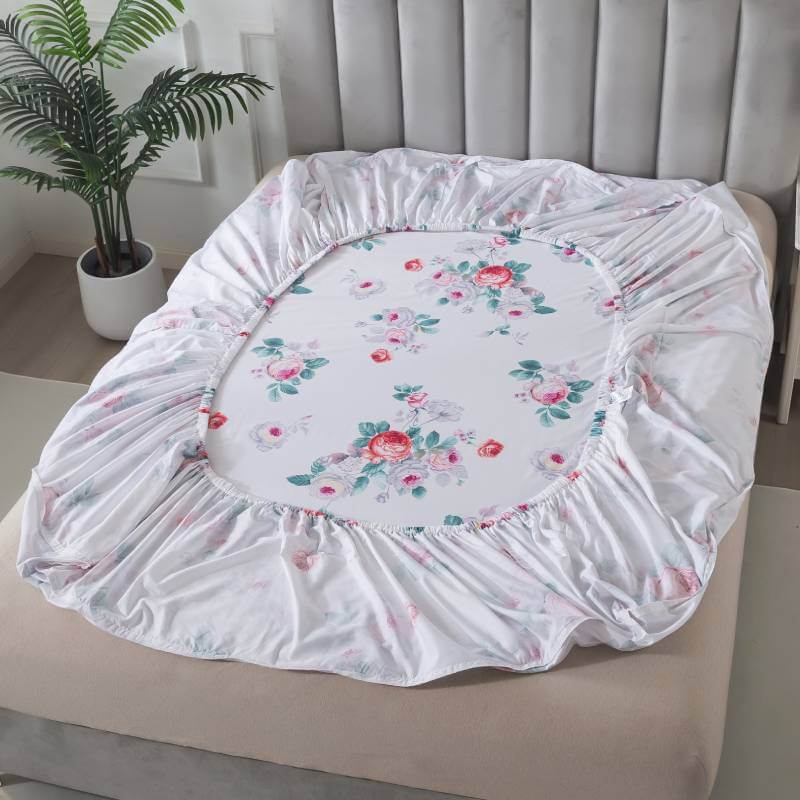
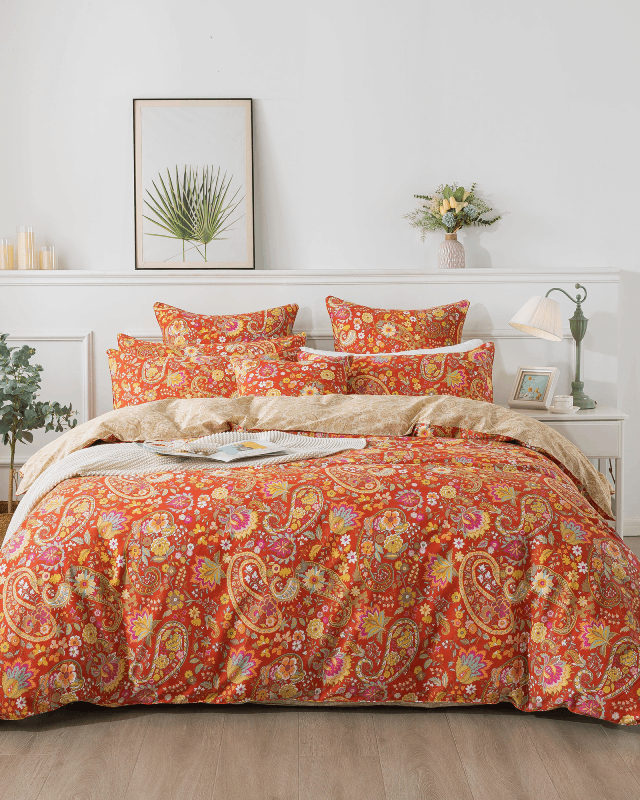
Many people equate pattern with visual noise. But well-designed patterns are built on rhythm, scale, and balance.
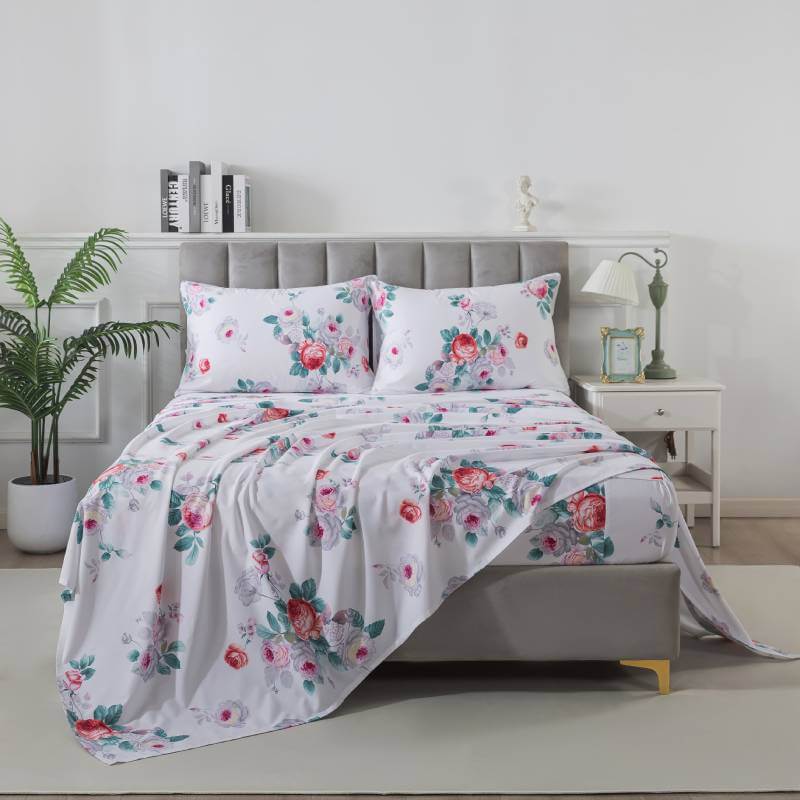
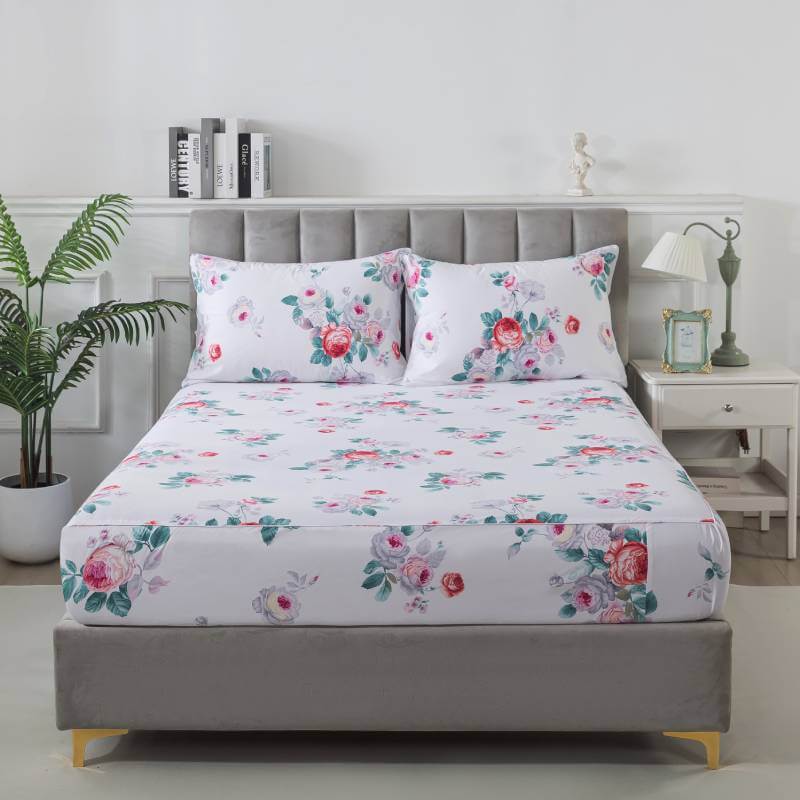
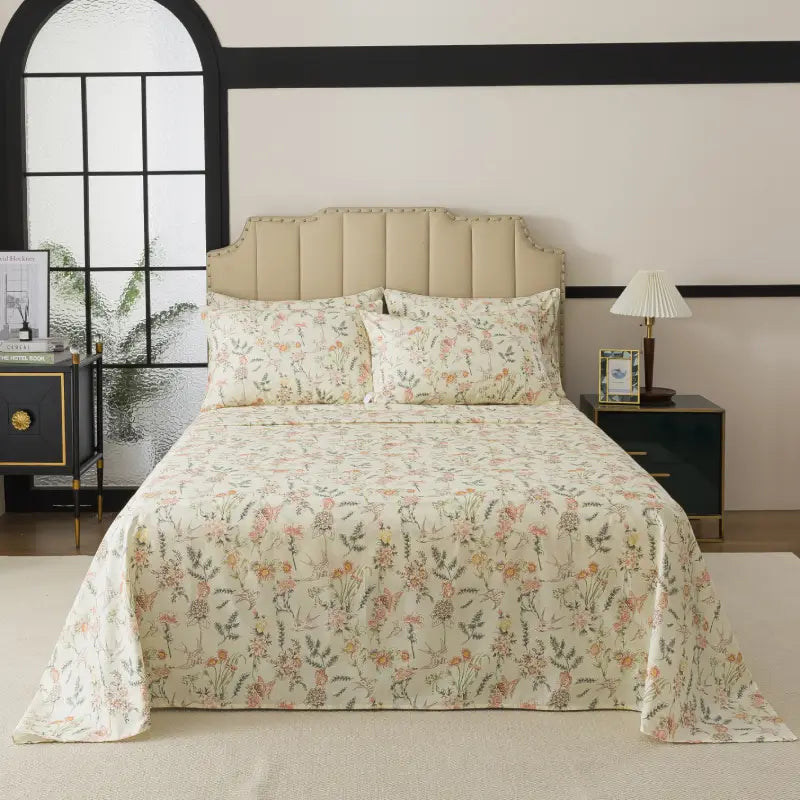
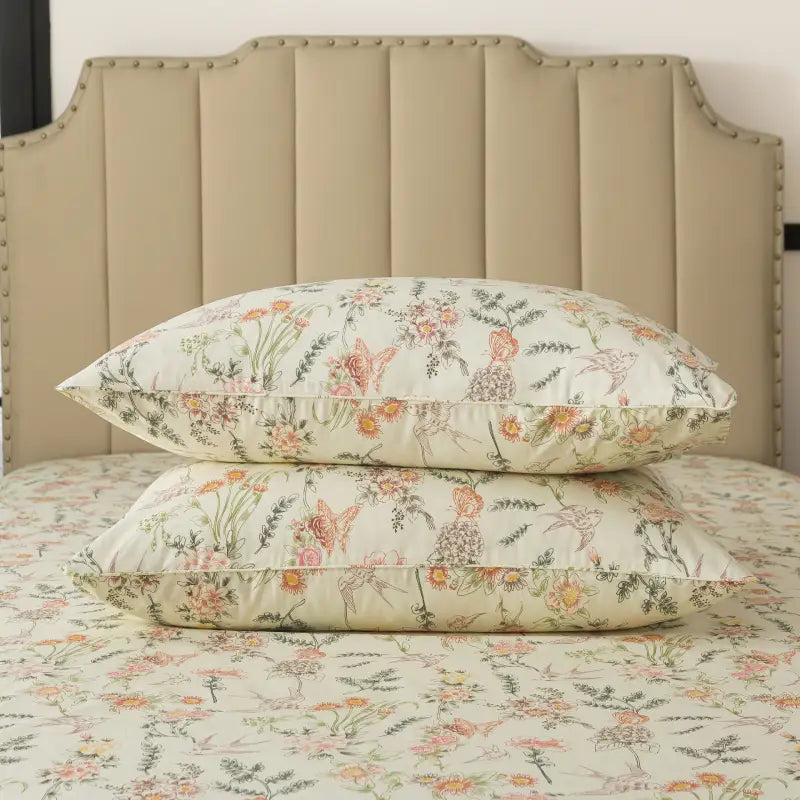
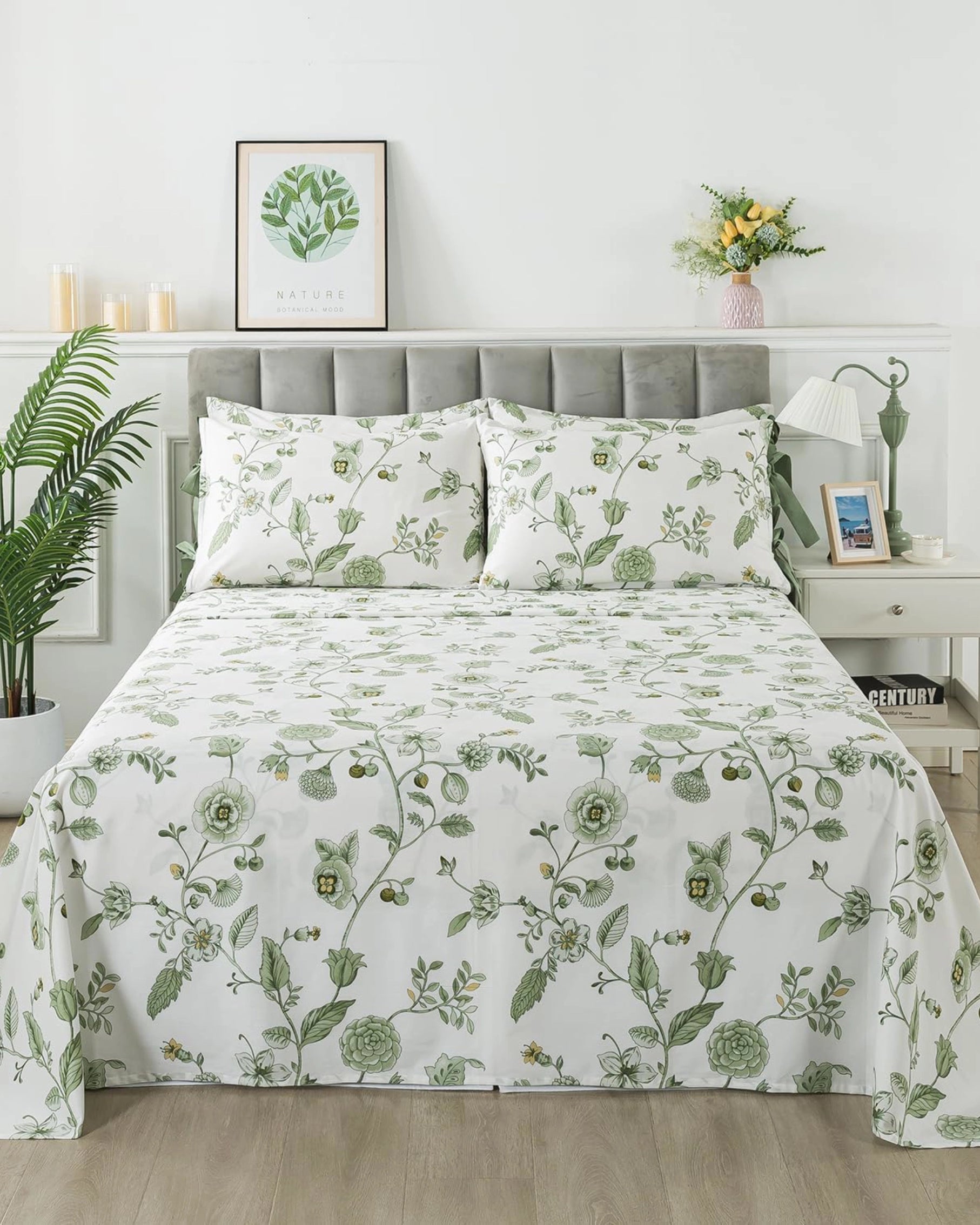
A thoughtful floral or botanical print isn’t random decoration. It’s structured repetition. It guides the eye. It softens hard architectural lines. It adds depth that plain fabric simply cannot provide.
Pattern functions as:
-
A focal point
-
A storytelling device
-
A way to introduce color without overwhelming a space
In fact, a room with too many solids can feel flat or emotionally cold. Pattern introduces dimension.
The Emotional Layer Neutrals Can’t Deliver
Neutrals create calm. But pattern creates character.
A delicate floral print can evoke:
-
Garden mornings
-
Vintage romance
-
Cottage comfort
-
Slow, intentional living
A subtle botanical can bring:
-
Freshness
-
Nature indoors
-
A sense of softness and breathability
The bedroom is not a showroom. It’s a personal retreat. Emotion matters here more than minimalism.
When you choose patterned bedding, you’re not just selecting a design—you’re choosing a mood.
Scale and Balance: The Real Key
If patterned bedding feels risky, it’s usually not about the pattern itself—it’s about scale mismatch.
Here’s what works:
-
Large-scale florals in rooms with simpler furniture lines
-
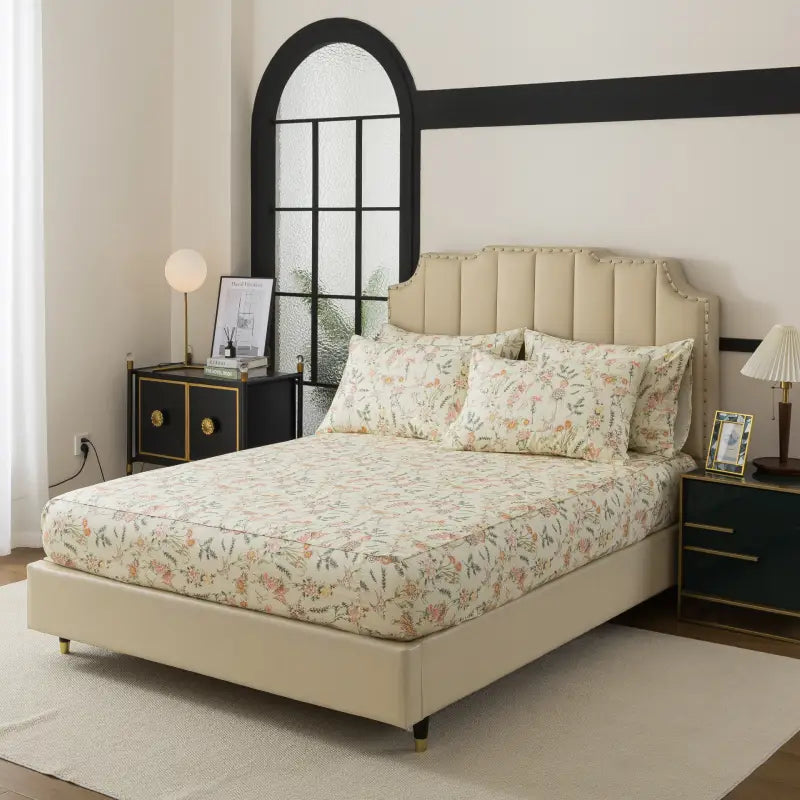
Small-scale ditsy prints in cozy, layered spaces
-
Balanced contrast between wall color and bedding tones
-
Repetition of one color from the bedding in pillows, art, or a throw
Pattern becomes harmonious when it’s integrated, not isolated.
The solution isn’t avoiding pattern. It’s coordinating it intentionally.

Texture Makes Pattern Softer
Another reason patterned bedding sometimes feels overwhelming is when the fabric lacks softness.
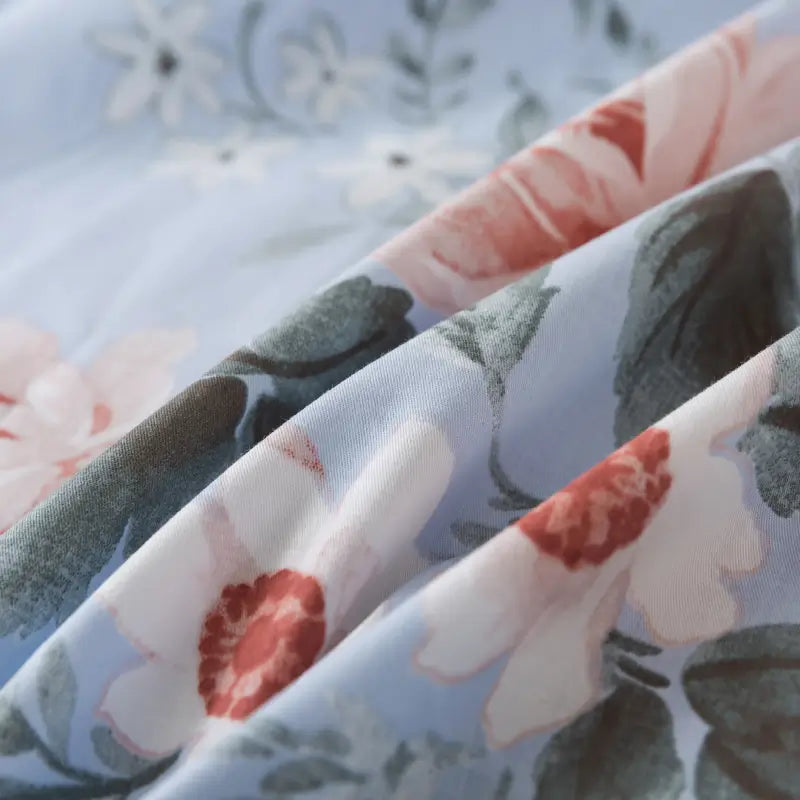
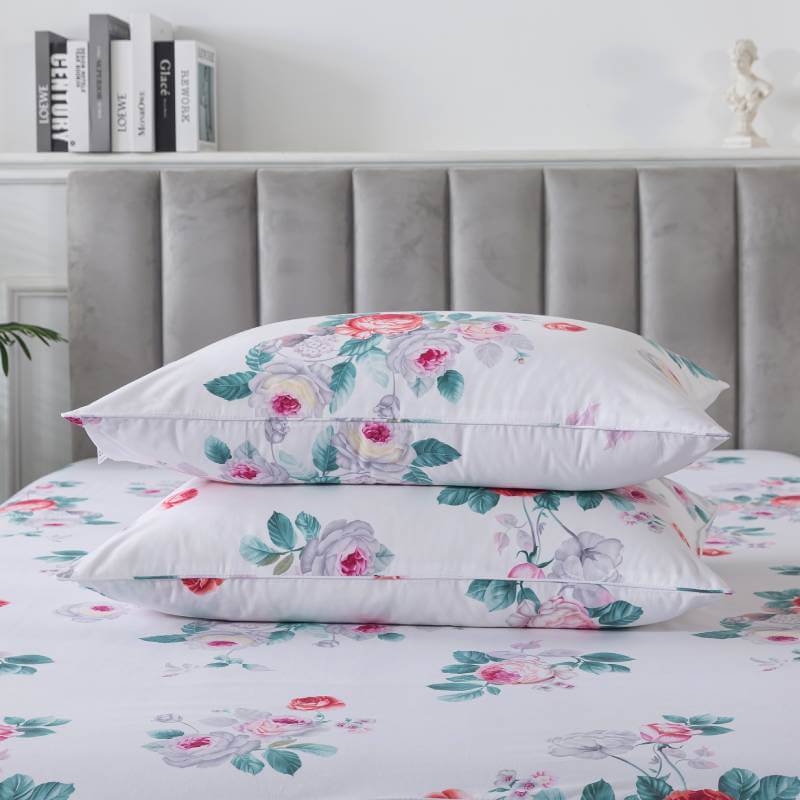
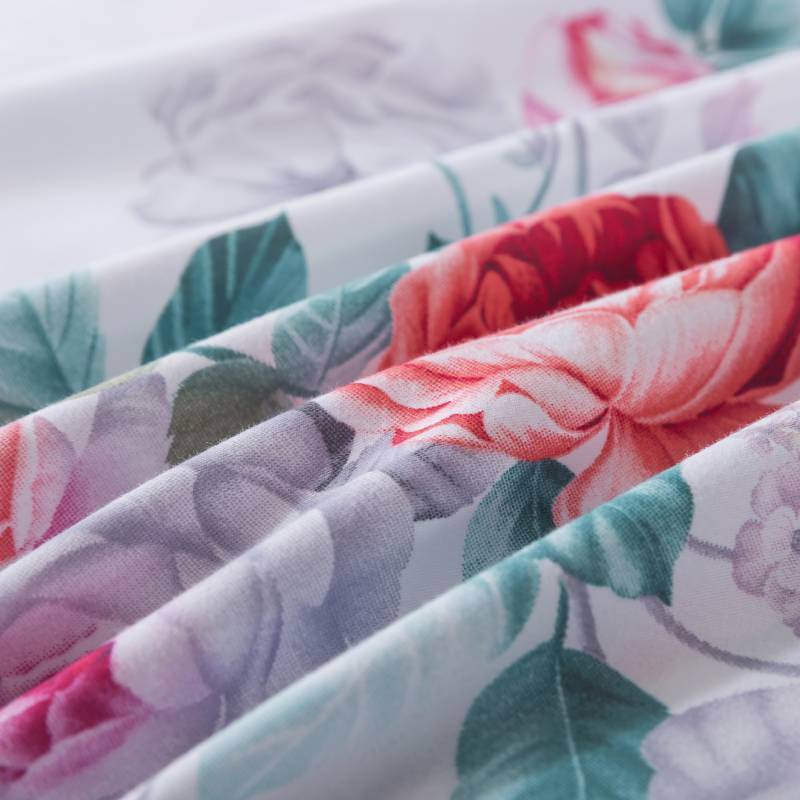
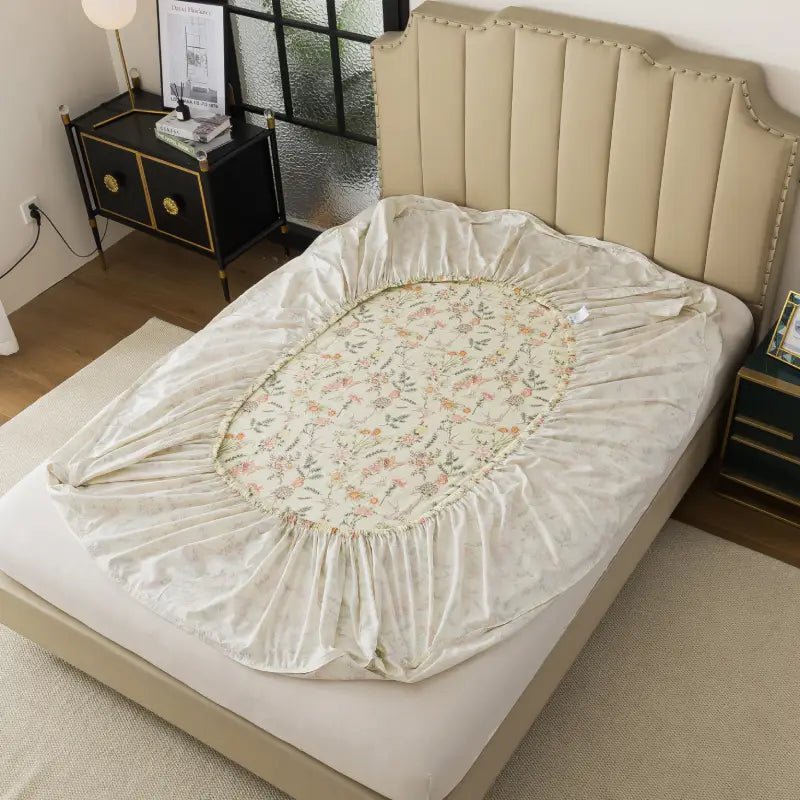
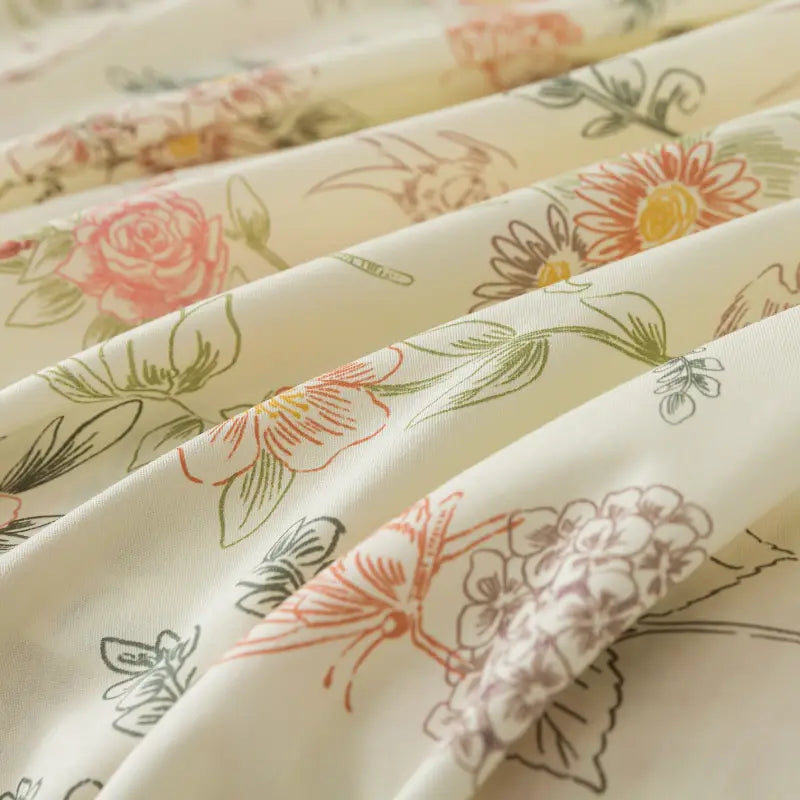
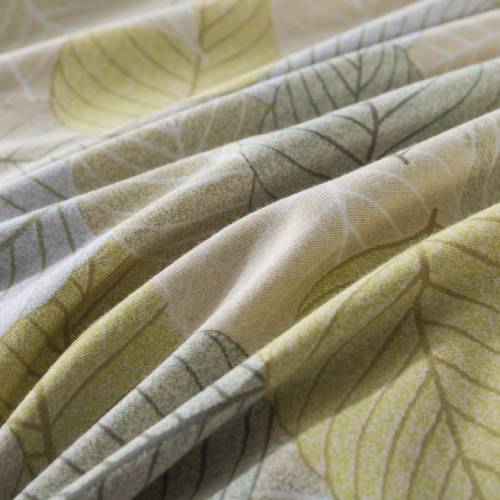
On stiff or synthetic materials, prints can appear sharp or overly saturated. But on breathable cotton, especially natural weaves, the pattern softens. The colors diffuse slightly. The surface feels lived-in instead of loud.
Fabric matters.
When pattern is printed on high-quality cotton, it doesn’t shout. It settles.
Seasonal Flexibility
One practical advantage of patterned bedding is seasonal storytelling.
Spring:
-
Florals
-
Light botanicals
-
Soft pastels
Autumn:
-
Deeper florals
-
Muted vintage tones
-
Warm, earthy palettes
Winter:
-
Darker backgrounds with delicate prints
-
Layered quilts with subtle pattern
Because bedding is changeable, you can evolve your bedroom without replacing furniture. That flexibility reduces the “risk” significantly.
The Myth of “Timeless” Design
There’s a persistent belief that neutral equals timeless.
But historically, homes have always embraced pattern—Victorian florals, French toile, cottage prints, patchwork quilts. Pattern is not a trend. It’s tradition.
What feels timeless is not the absence of pattern—it’s quality, proportion, and intention.
A thoughtfully chosen print in a breathable, durable fabric will outlast fast-trend minimalism.
Pattern as Personal Expression
Minimalism can sometimes erase personality.
Pattern restores it.
It allows you to:
-
Reflect your taste
-
Express nostalgia
-
Introduce artistry
-
Create warmth
A bedroom with patterned bedding feels inhabited. It feels layered. It feels human.
And that’s rarely a design mistake.
Why It Shouldn’t Feel Risky
Let’s be practical.
The “risk” of patterned bedding is reversible.
The reward is emotional depth, visual softness, and character.
If you’ve hesitated before, consider this:
Start with a pattern that feels calm rather than bold. Choose breathable natural fabric so the print feels gentle rather than graphic. Let the bedding be the statement while the rest of the room remains simple.
Design is not about avoiding risk entirely. It’s about making intentional choices with low consequence and high return.
And bedding is one of the safest places to do that.
Final Thought
Patterned bedding often feels risky because it’s visible. It takes up space. It makes a statement.
But bedrooms aren’t meant to be invisible.
They’re meant to feel like you.
And sometimes, the difference between a room that looks styled and one that feels alive is simply the courage to choose a pattern.