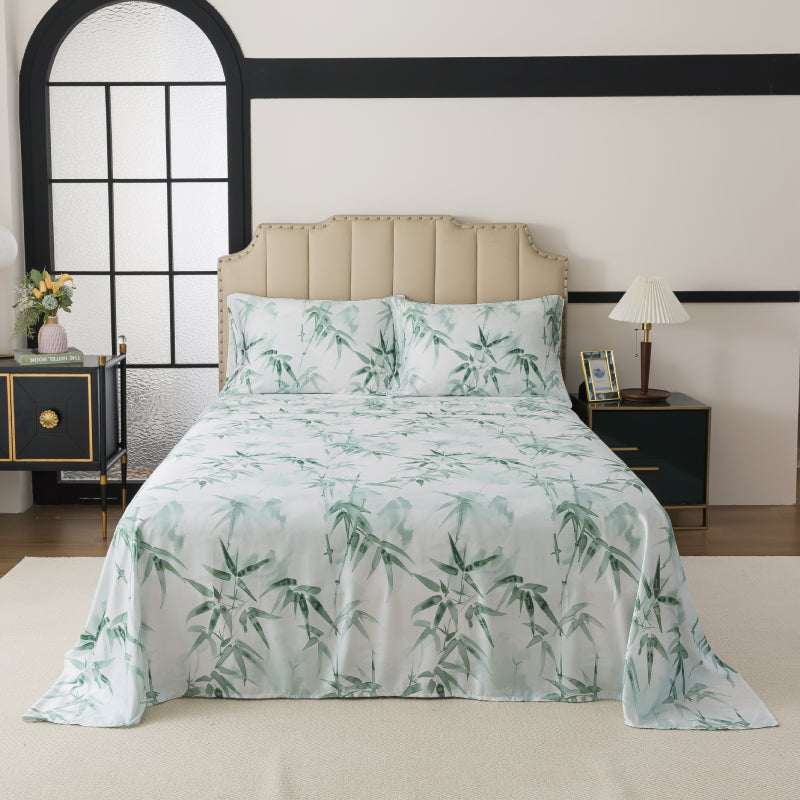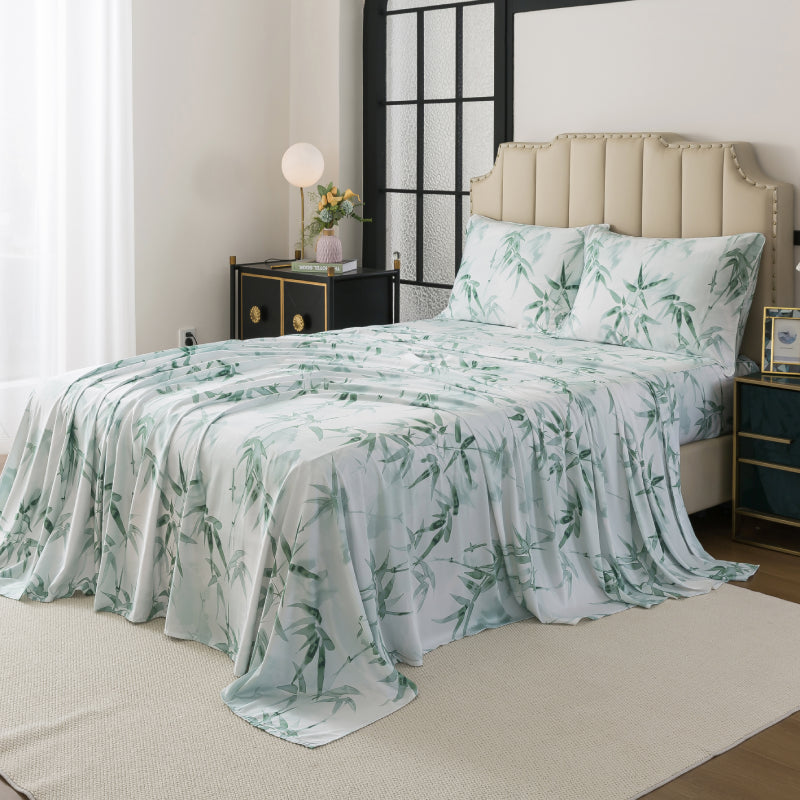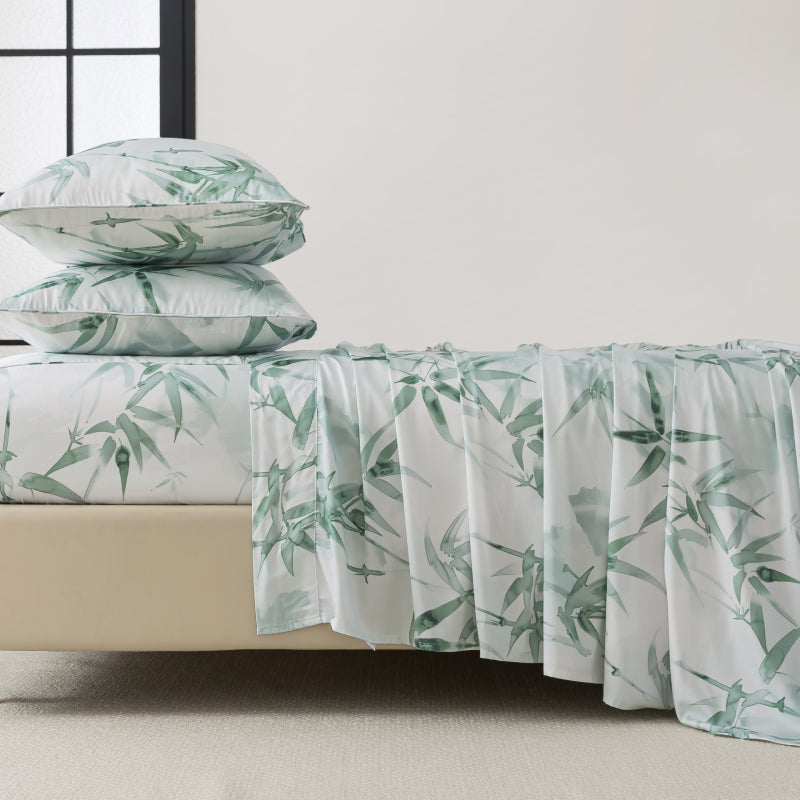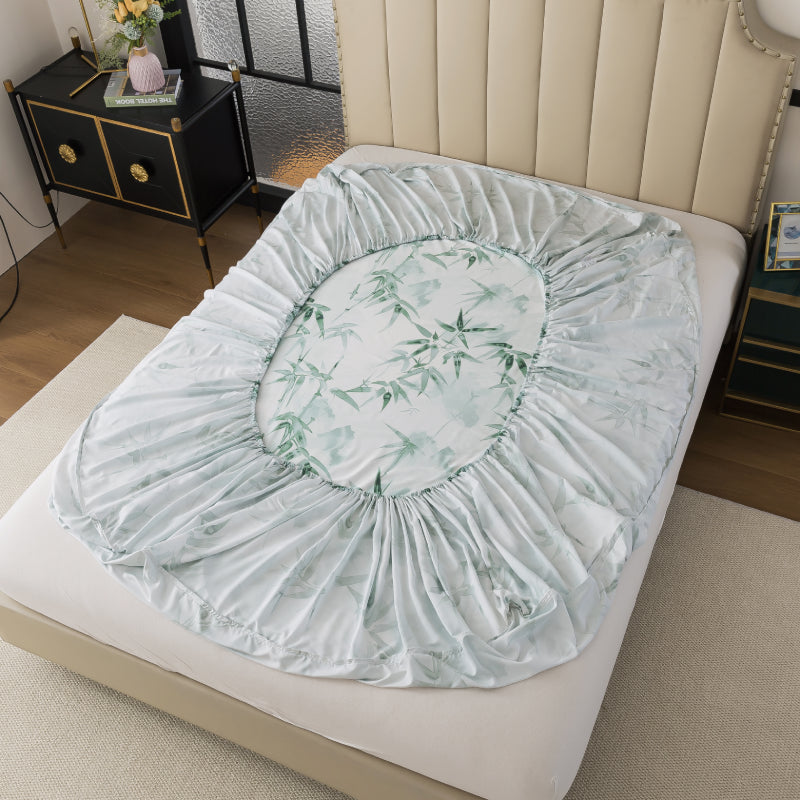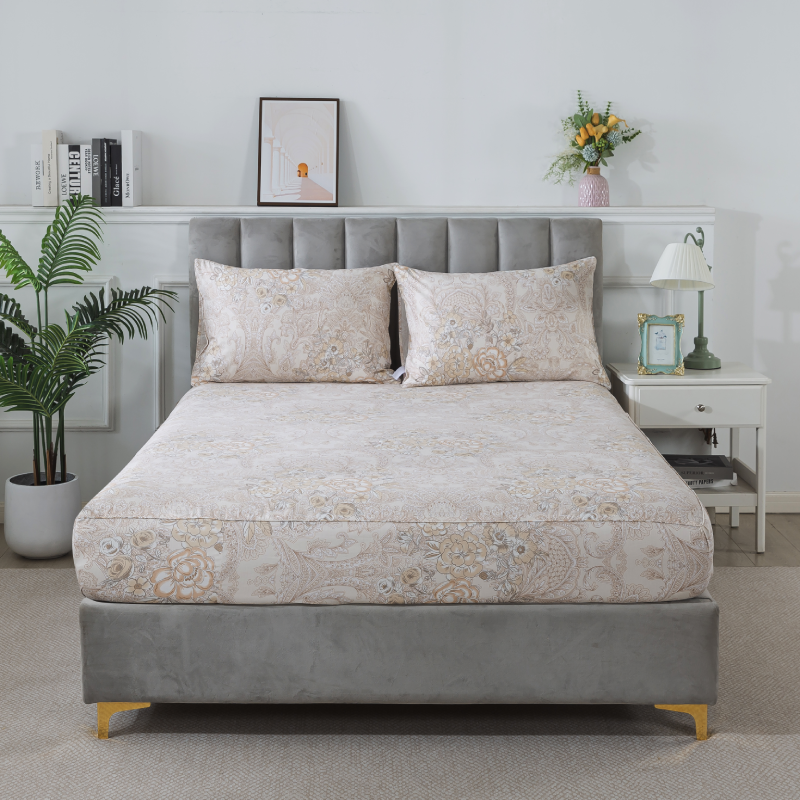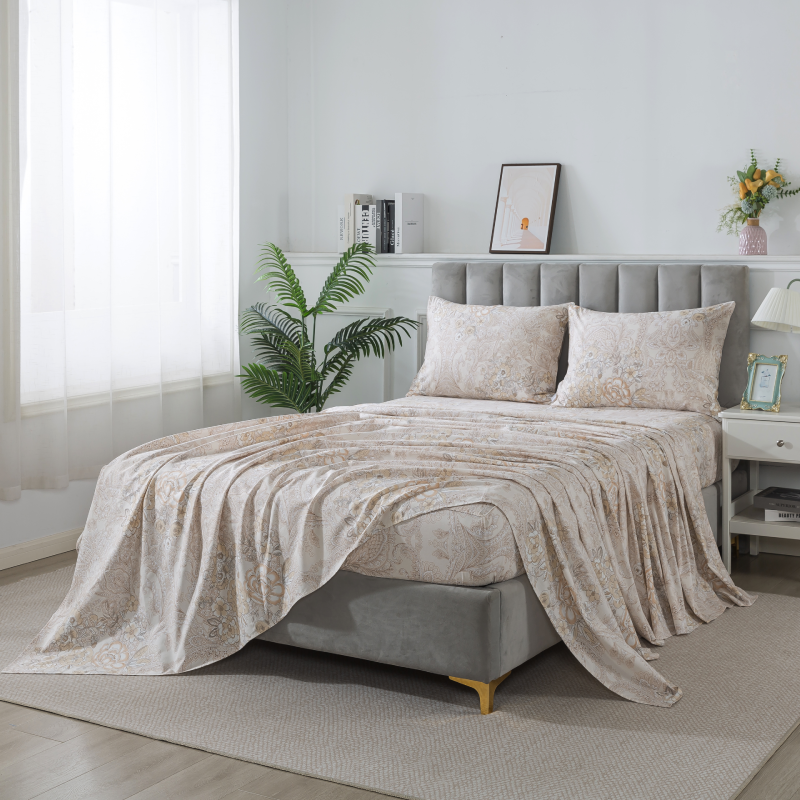


A bedroom should feel like more than a place to sleep. It is one of the most personal spaces in a home—a room shaped by individual routines, memories, tastes, and comfort preferences. While furniture creates the basic structure of the room, patterned bedding often provides the character that makes the space feel truly personal.
From delicate florals to expressive botanical prints, patterned bedding can transform a simple bedroom into a space that reflects the person who lives there.
Patterns Express Personality Instantly
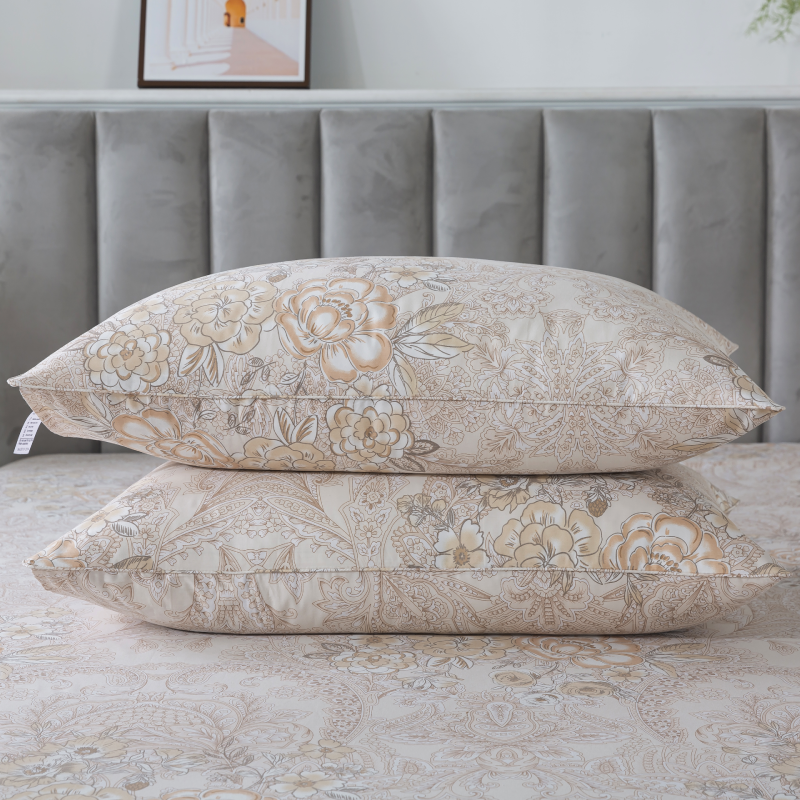
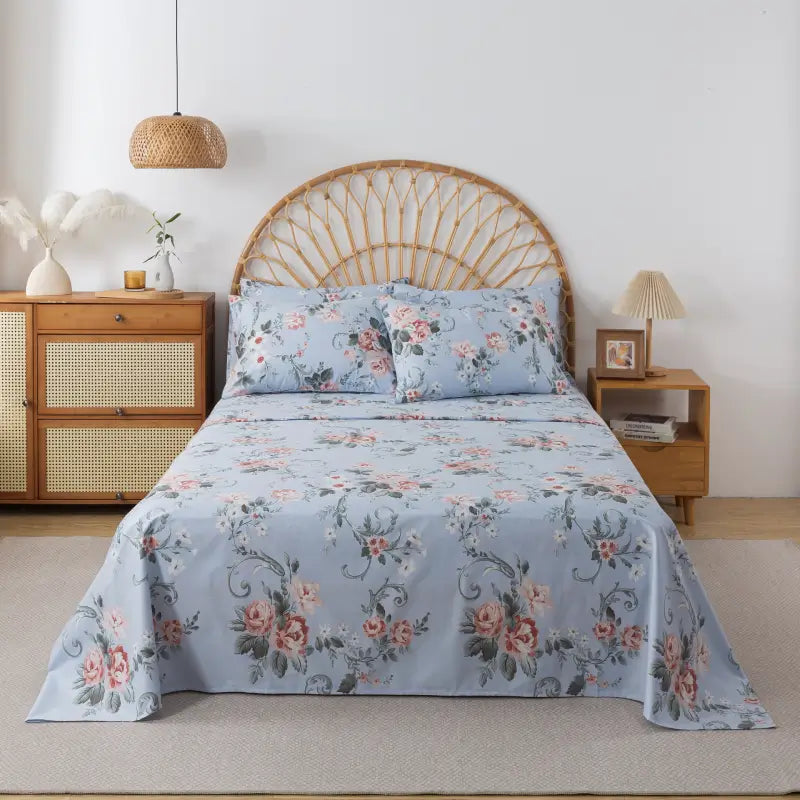
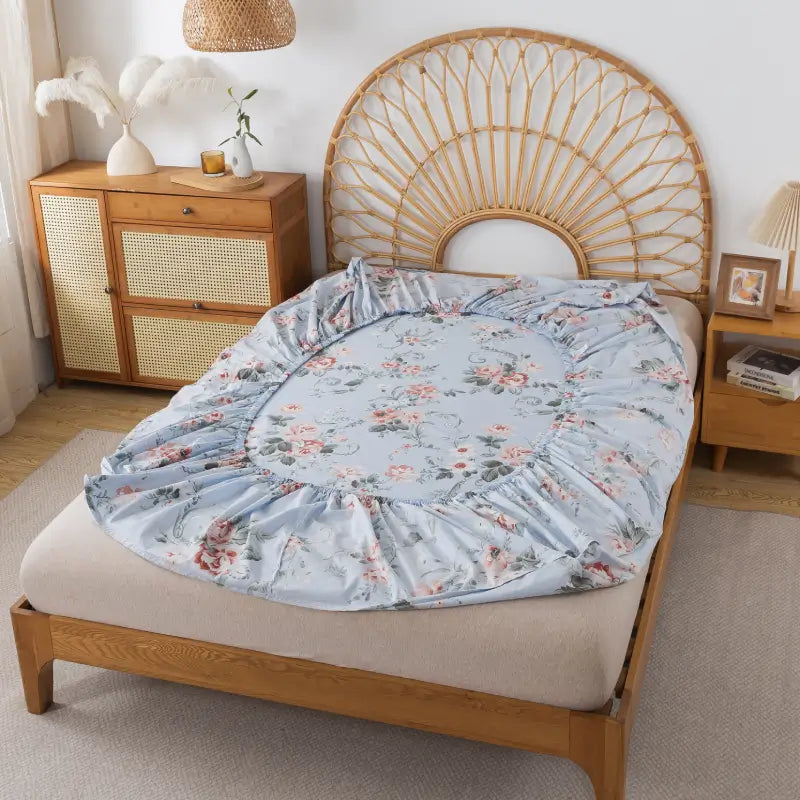
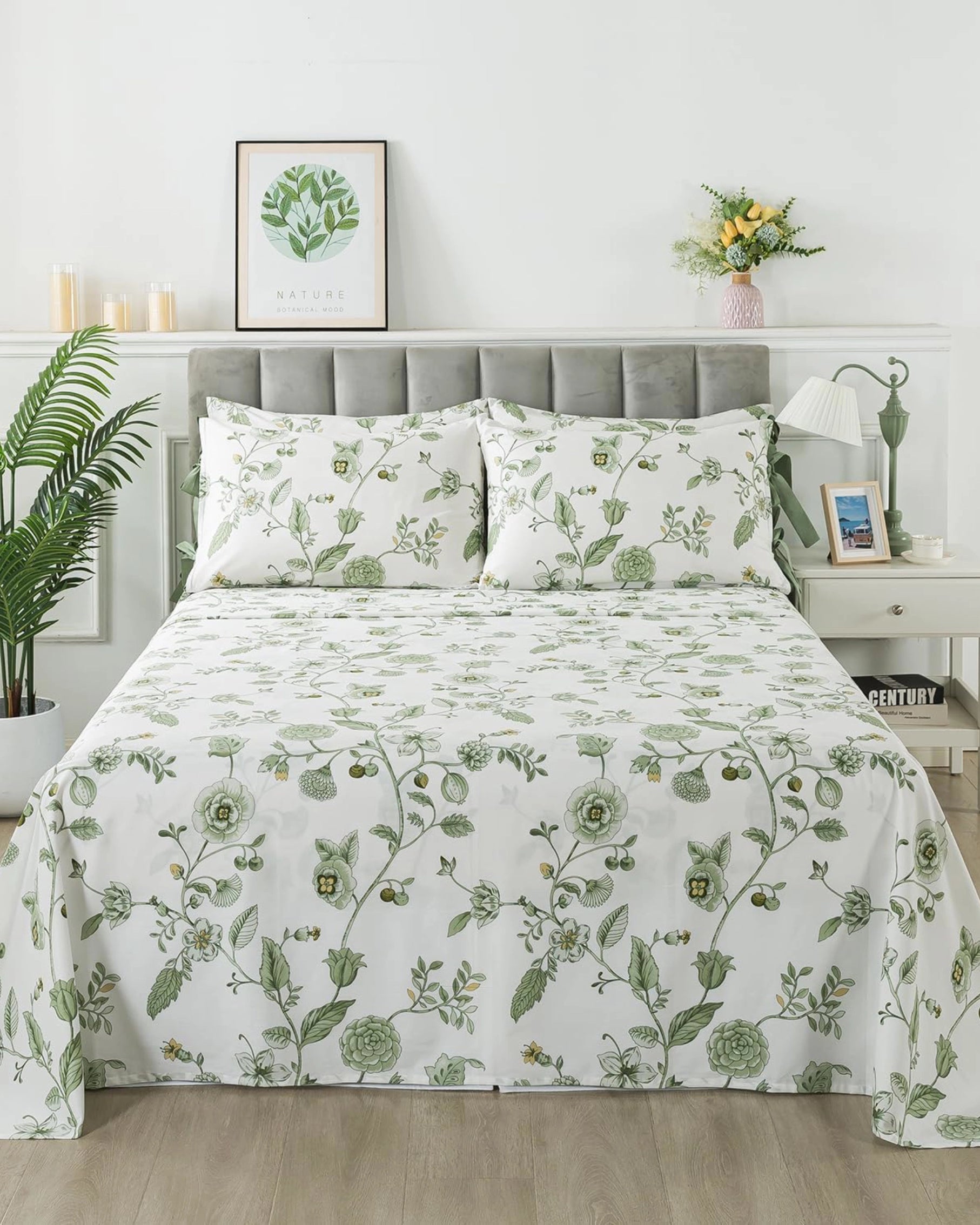
Plain bedding creates a clean foundation, but patterned bedding communicates more about personal style. A vintage floral print may suggest a love of romantic interiors, while a bold botanical pattern can create a lively, nature-inspired atmosphere. Small-scale prints often feel delicate and understated, whereas larger motifs can make the bed the visual centerpiece of the room.
Because the bed is usually the largest surface in a bedroom, the pattern chosen for it has a strong influence on the overall mood. It can make the room feel relaxed, artistic, nostalgic, playful, or refined without requiring major renovations.

A Bedroom Feels Less Generic
Many bedrooms contain similar essential pieces: a bed, nightstands, lamps, curtains, and storage furniture. Without distinctive textiles, these elements can sometimes make a room feel predictable.
Patterned bedding introduces visual detail that separates one bedroom from another. Even when two rooms have similar layouts, a unique quilt set, duvet cover, or sheet set can create a completely different impression.
This is especially useful in neutral bedrooms. White walls and simple furniture provide flexibility, while patterned bedding adds enough color and detail to prevent the space from feeling unfinished or impersonal.
Patterns Help Tell a Visual Story
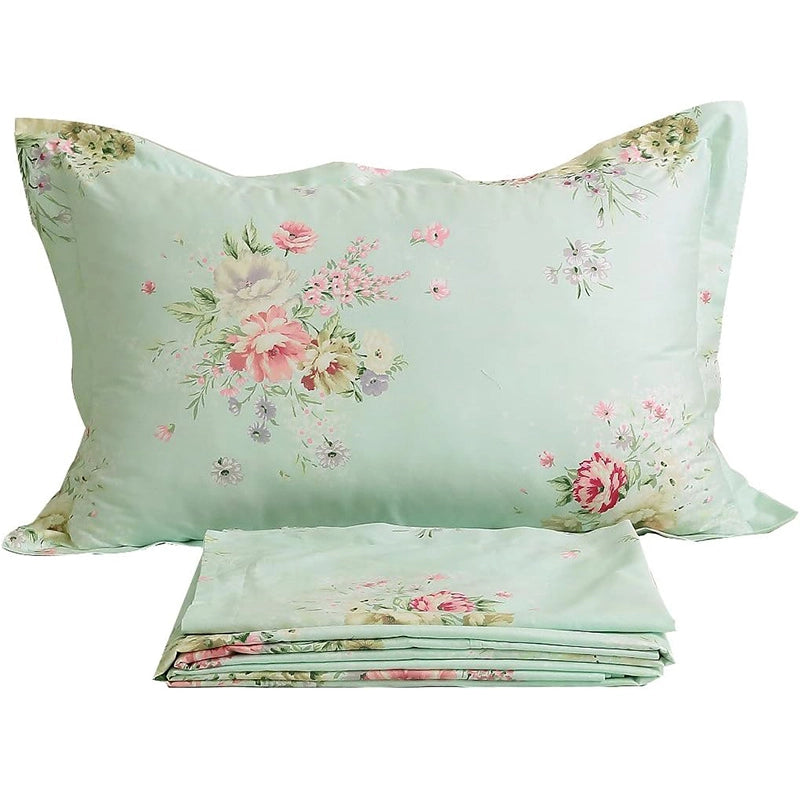
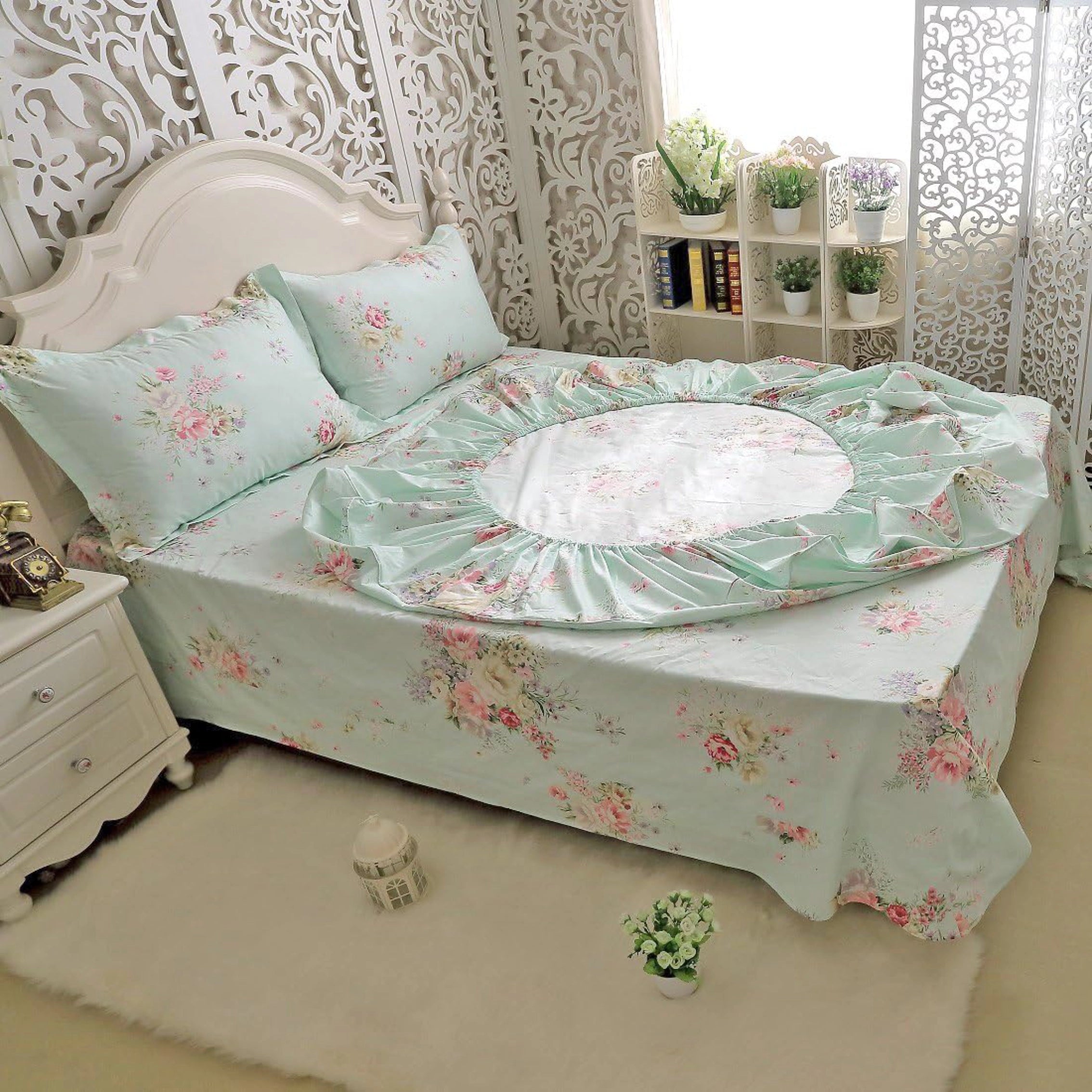
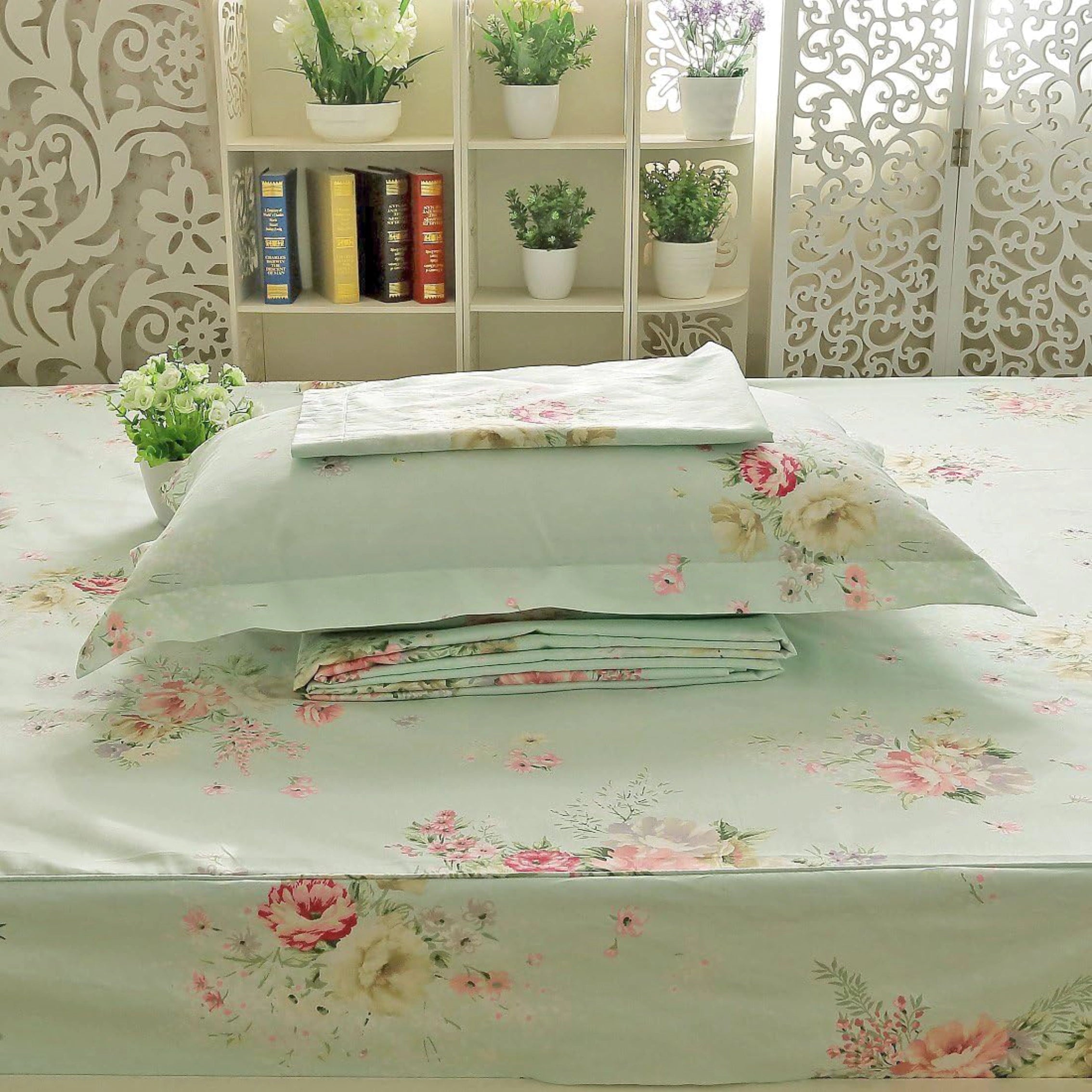
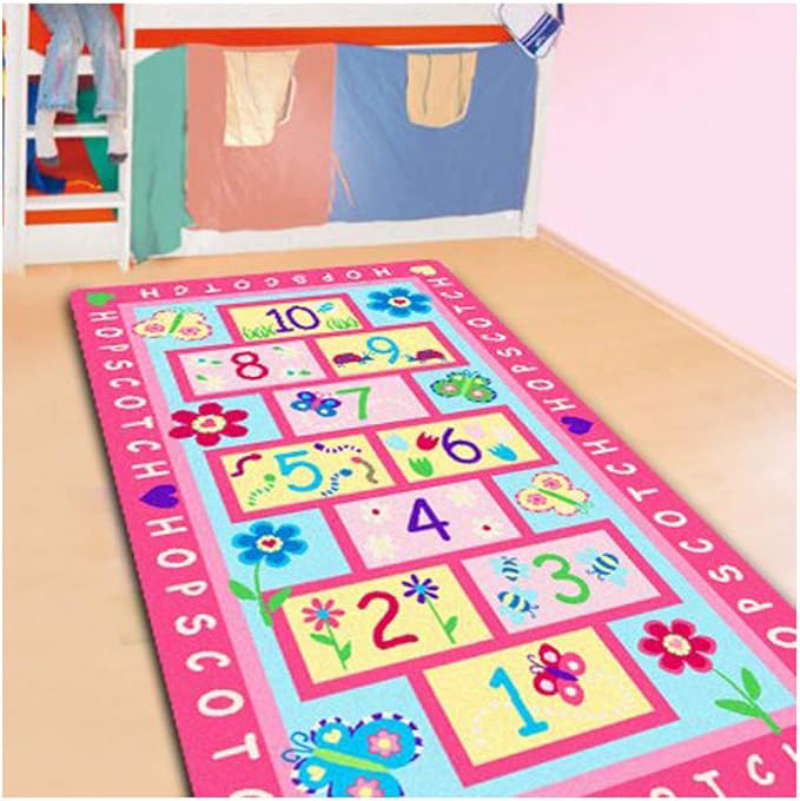
A thoughtfully chosen pattern can establish the story or theme of a bedroom. Floral bedding may support a cottage-inspired setting, while toile prints can introduce a sense of traditional elegance. Botanical motifs may connect the room to nature, and playful prints can give a child’s bedroom a cheerful identity.
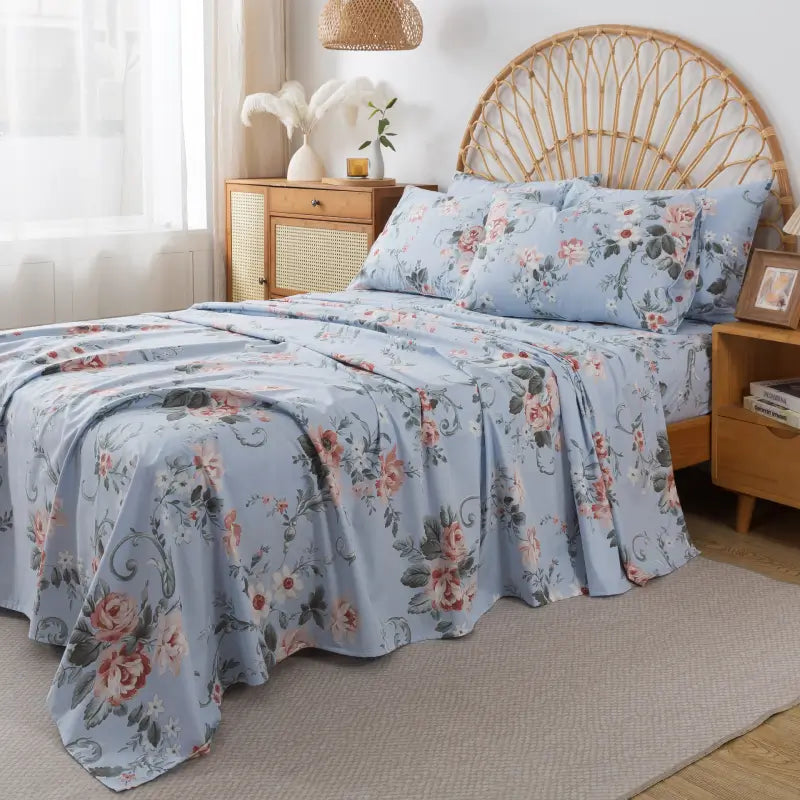
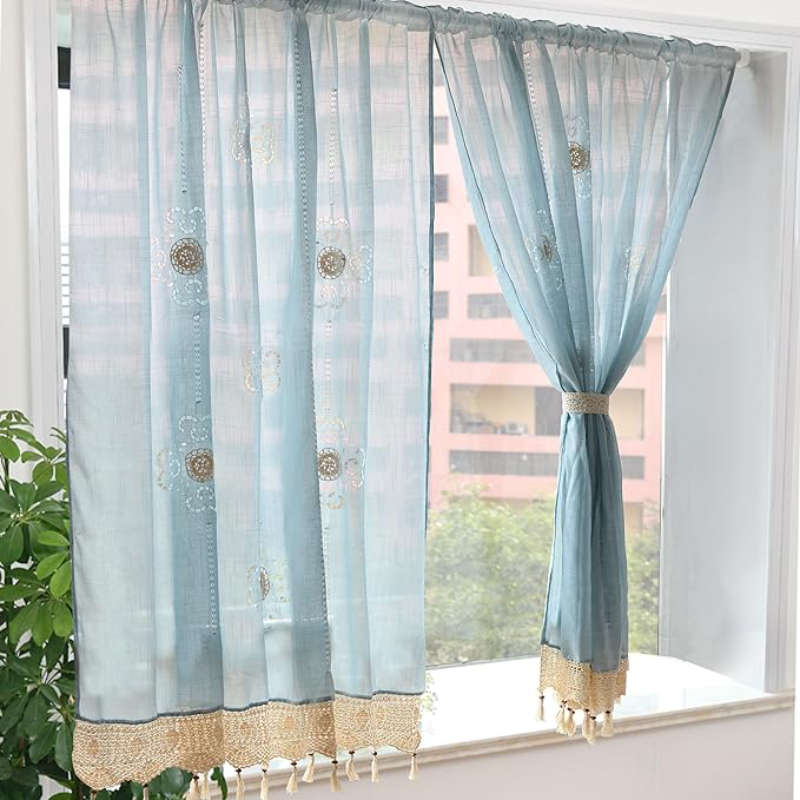
The surrounding décor can then build on that story. Colors from the bedding may appear again in curtains, rugs, artwork, or decorative pillows. Repeating a few details creates a coordinated space without making every item look identical.
The result feels collected and intentional rather than overly matched.
Patterned Bedding Adds Depth and Warmth
Bedrooms need softness, both physically and visually. Patterned textiles naturally introduce layers of shape, color, and movement, helping the room feel warmer and more inviting.
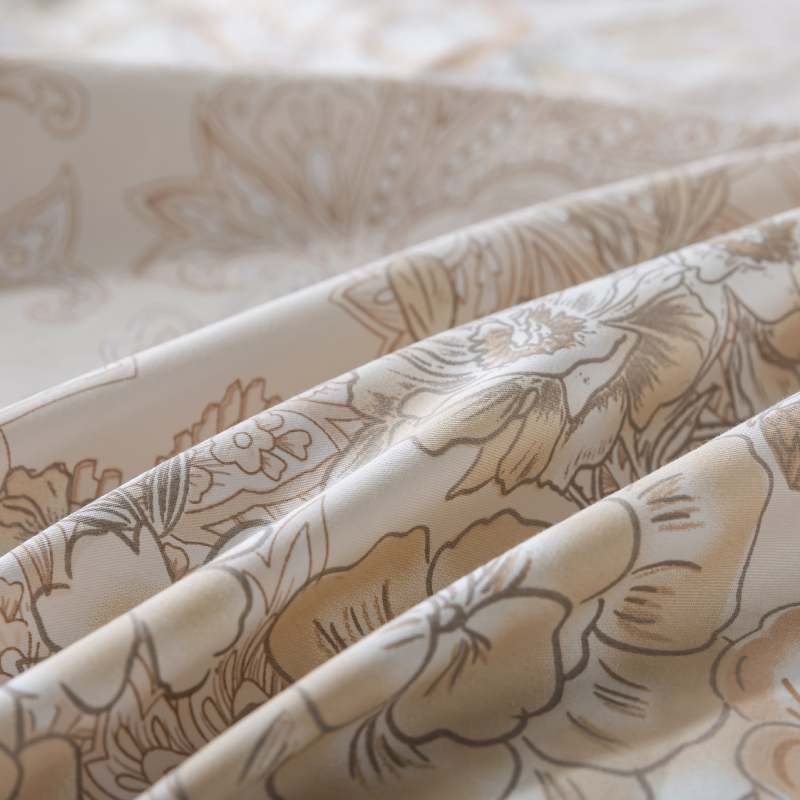
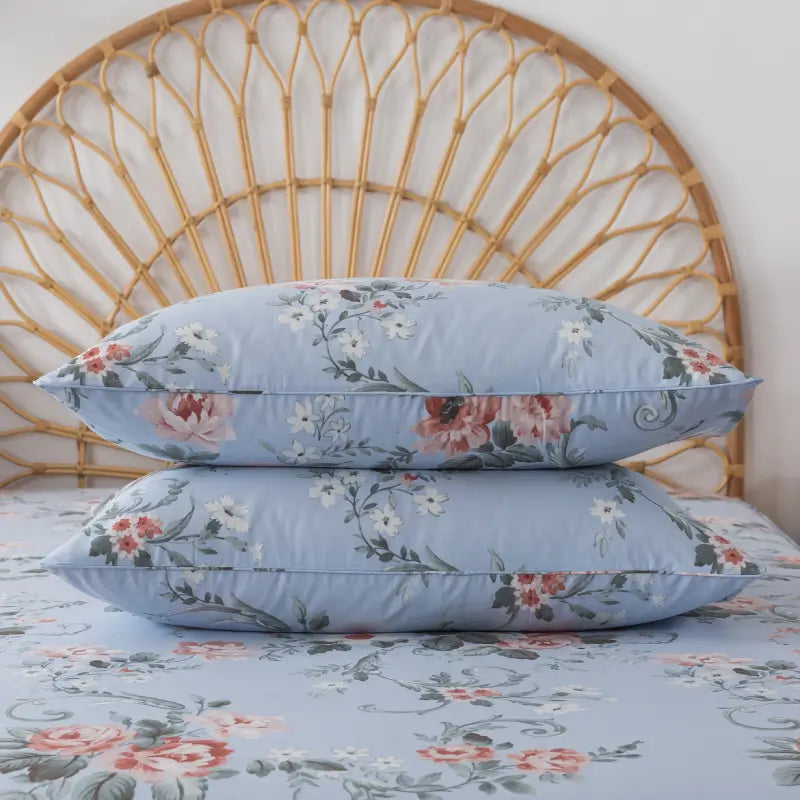
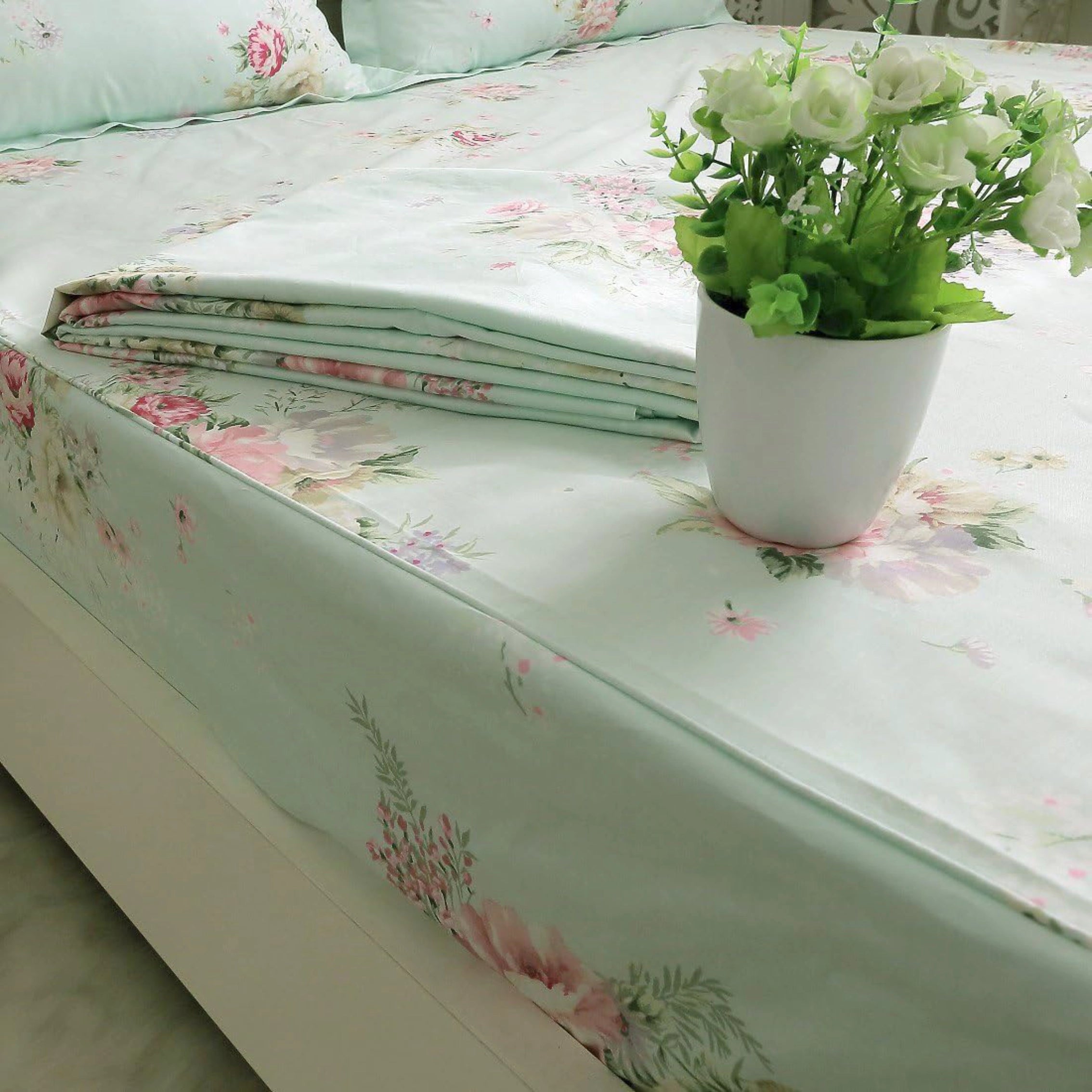
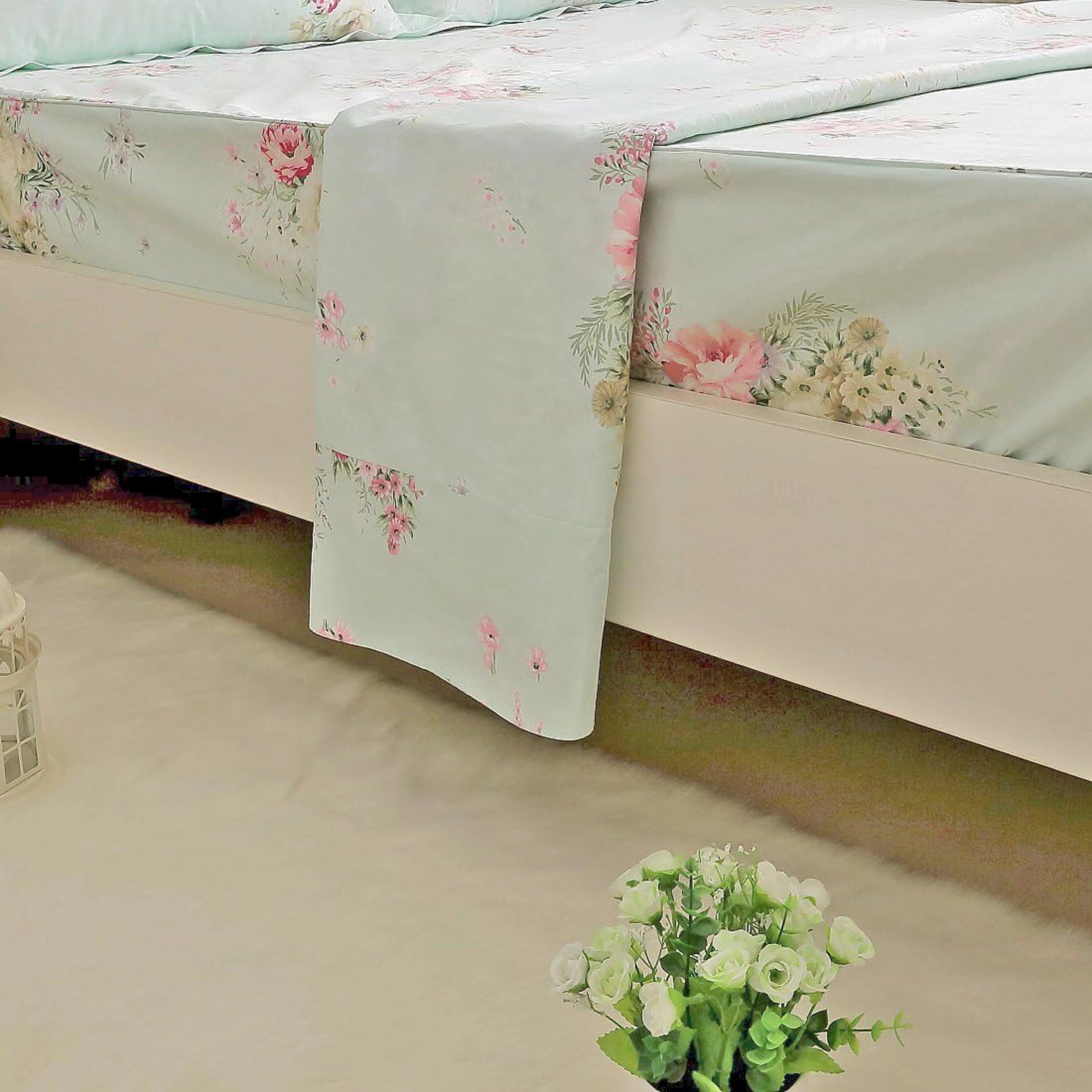
A floral quilt placed over crisp cotton sheets adds dimension to the bed. A patterned duvet paired with solid pillowcases creates contrast. Even a subtle print can soften sharp furniture lines and large empty surfaces.
This visual layering makes the room feel lived in and comfortable, which is particularly important in spaces designed for rest.
It Makes Seasonal Changes Easier
Personal style is not always fixed. Many people prefer lighter, brighter interiors during spring and summer, then richer and cozier surroundings during autumn and winter.
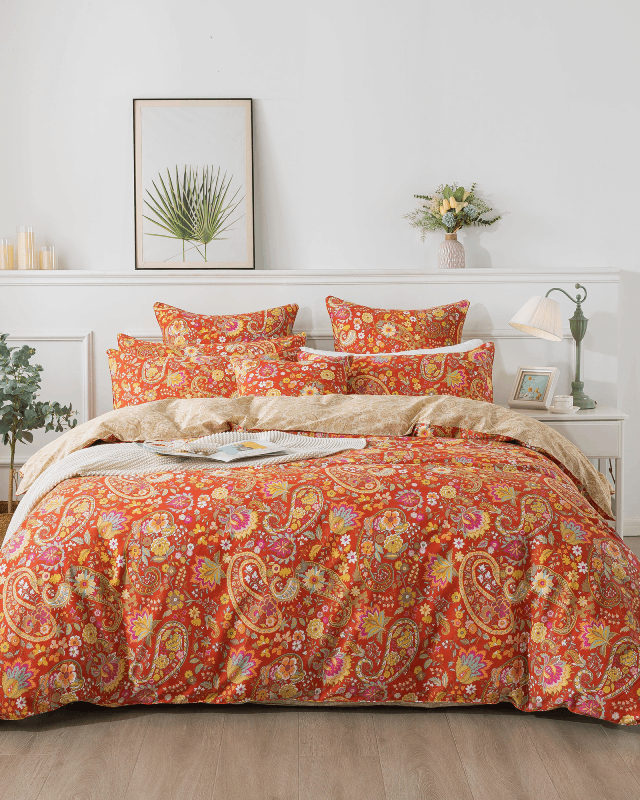
Changing patterned bedding is one of the easiest ways to refresh a bedroom seasonally. Fresh botanical prints can make the room feel airy in warmer months, while deeper florals or detailed paisley patterns can create warmth during cooler seasons.
Because the main furniture remains unchanged, bedding allows the room to evolve without requiring a complete redesign.
Patterns Can Reflect Personal Memories
Patterns often create emotional connections. A floral print may resemble a childhood garden, a countryside home, or a favorite travel destination. A traditional motif might recall family textiles, while a particular color combination may simply feel familiar and comforting.
These associations help a bedroom feel emotionally personal, not just visually attractive. The design becomes meaningful because it connects the room to experiences and preferences that belong to the individual.
Mixing Patterns Creates a Collected Look
Patterned bedding also offers opportunities for creative styling. Florals can be paired with stripes, botanical designs with small geometric accents, or detailed prints with textured solid fabrics.
The key is to create balance. One pattern should usually remain dominant, while secondary patterns support it through similar colors or scale. For example, a large floral duvet can be paired with smaller printed cushions and simple curtains.
This approach creates a bedroom that feels curated over time rather than copied directly from a showroom.
Comfort Still Matters
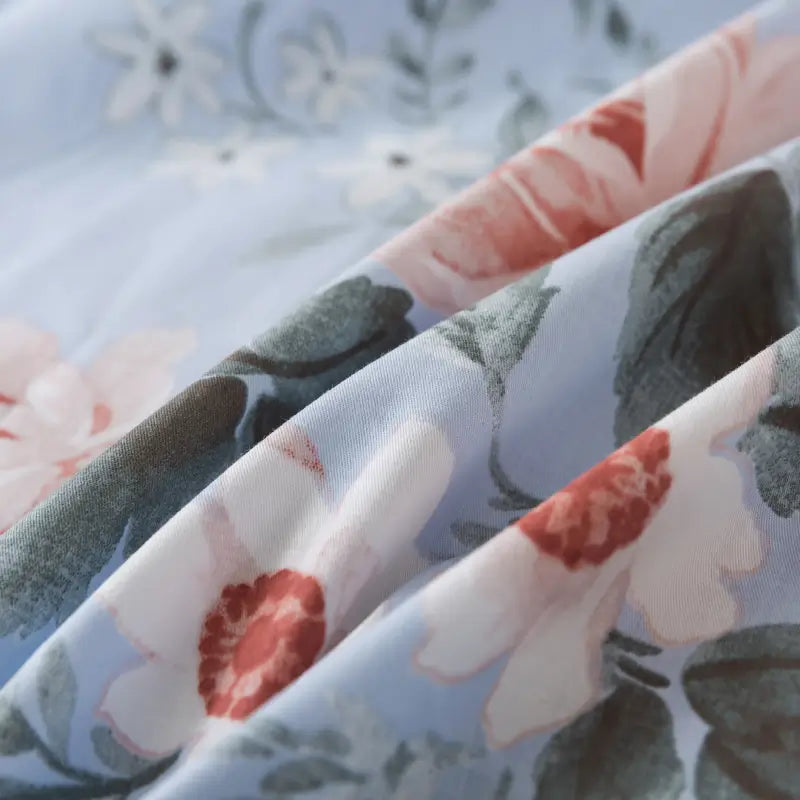
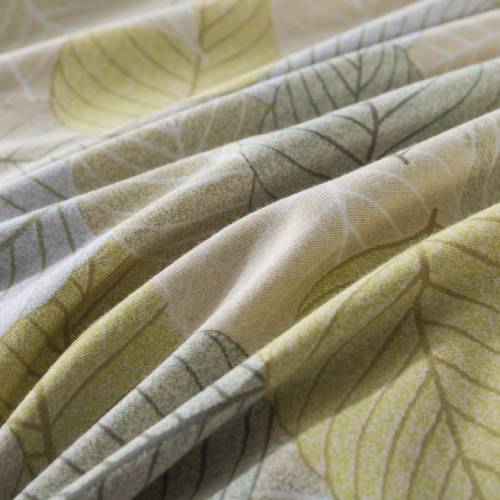
A beautiful pattern is most effective when paired with comfortable fabric. Since bedding touches the skin throughout the night, materials such as cotton can support softness, breathability, and everyday usability.
Patterned cotton bedding combines visual personality with practical comfort. It can make the room feel expressive during the day while still providing a pleasant sleeping environment at night.
The best bedroom design should not force a choice between style and comfort. It should offer both.
A More Personal Place to Rest
Patterned bedding has the ability to change how a bedroom feels without changing its basic structure. It introduces personality, builds atmosphere, supports seasonal updates, and connects décor with personal memories.
Most importantly, it helps turn a functional room into an individual retreat. Whether the pattern is subtle or bold, traditional or modern, the right bedding makes the bedroom feel less like a standard interior and more like a space that truly belongs to you.