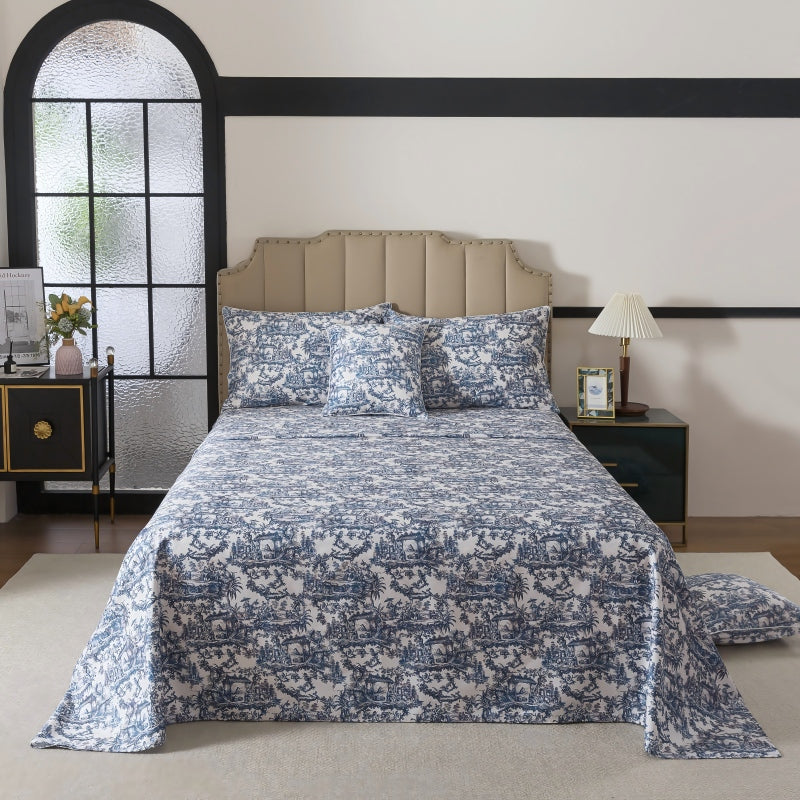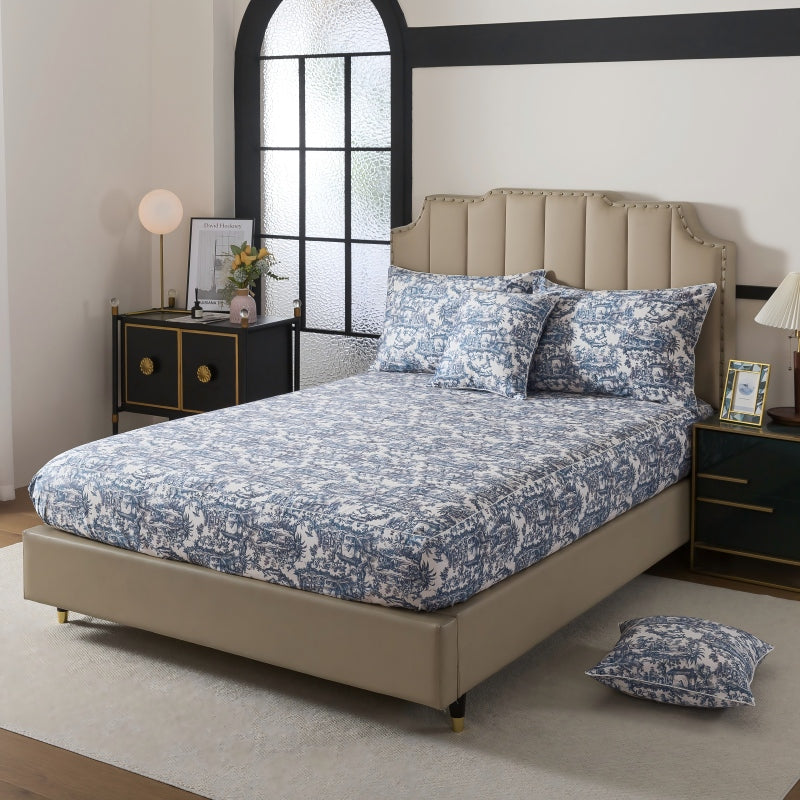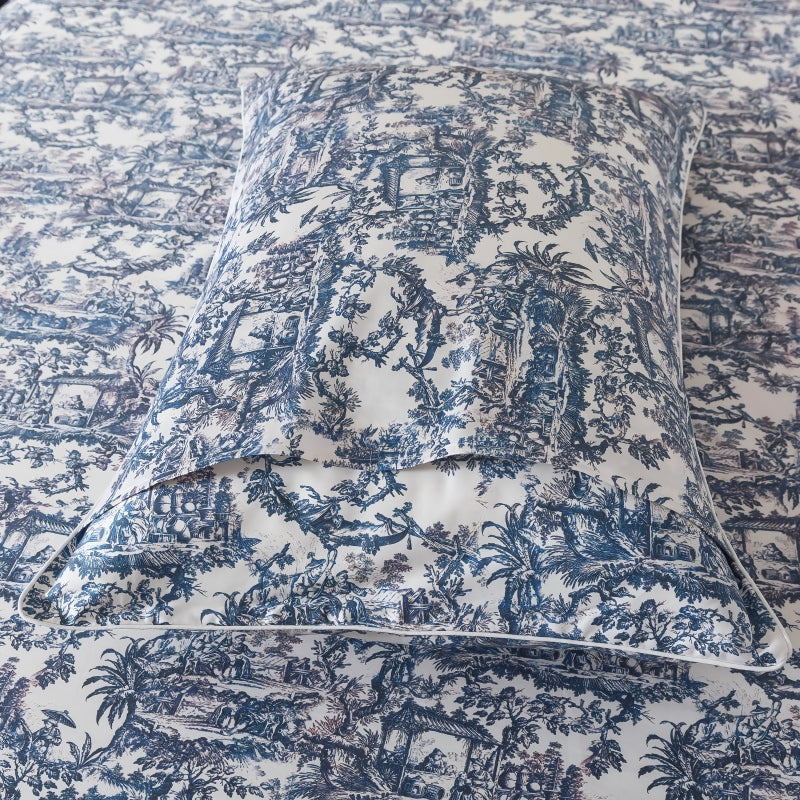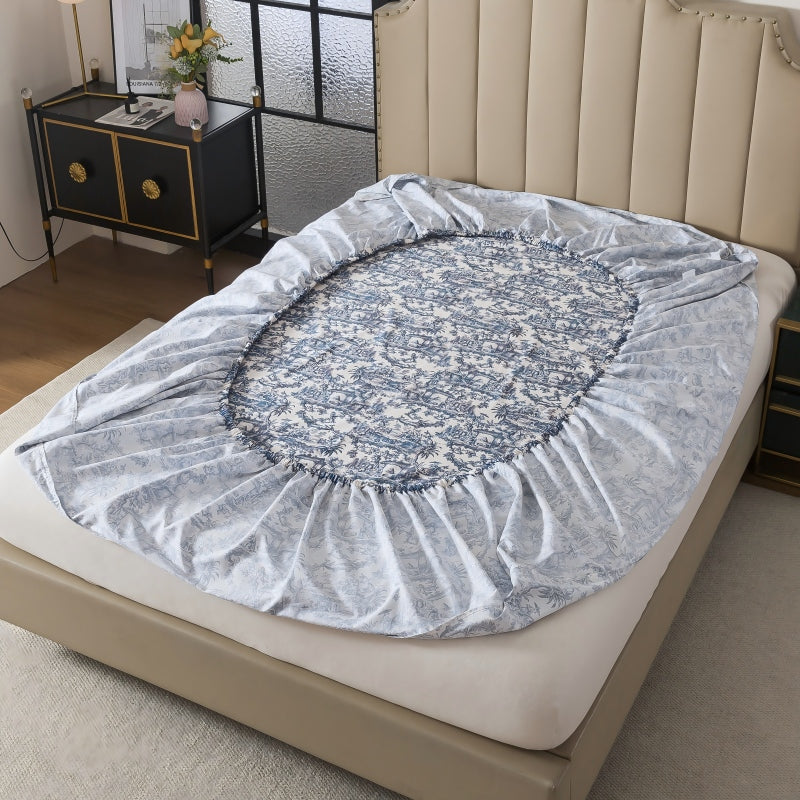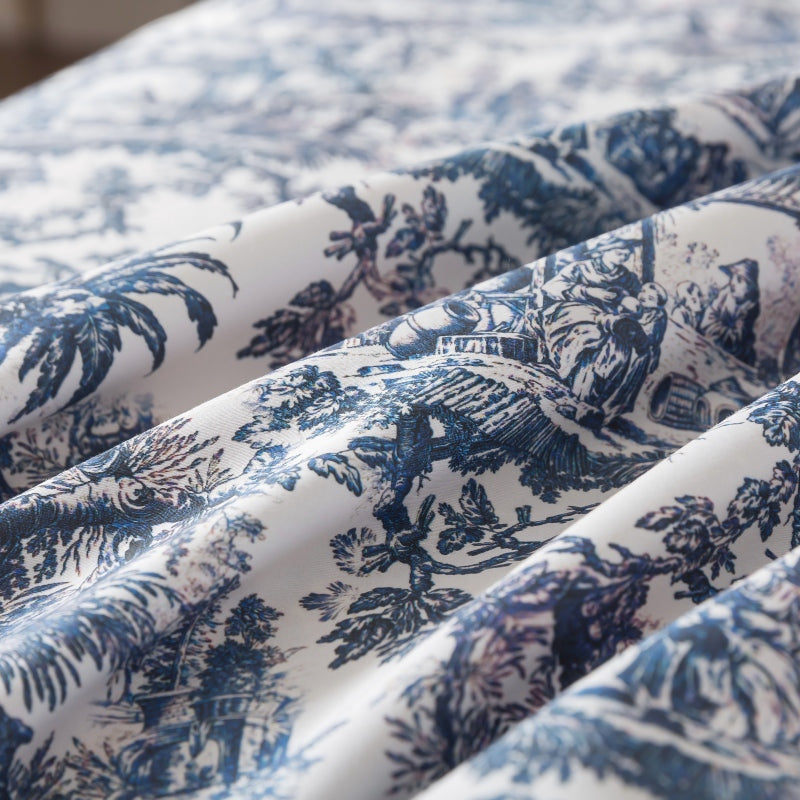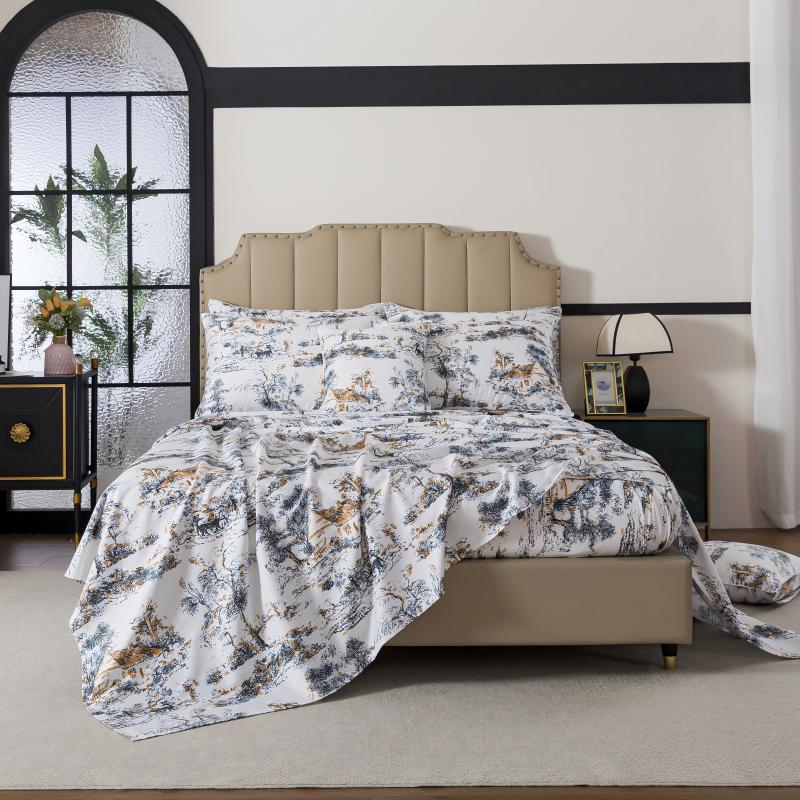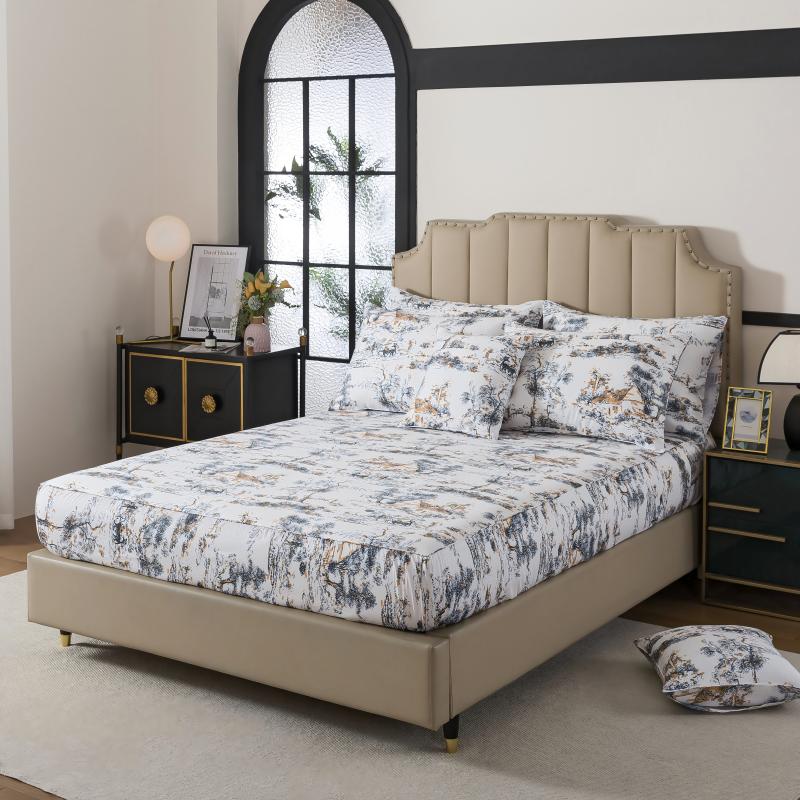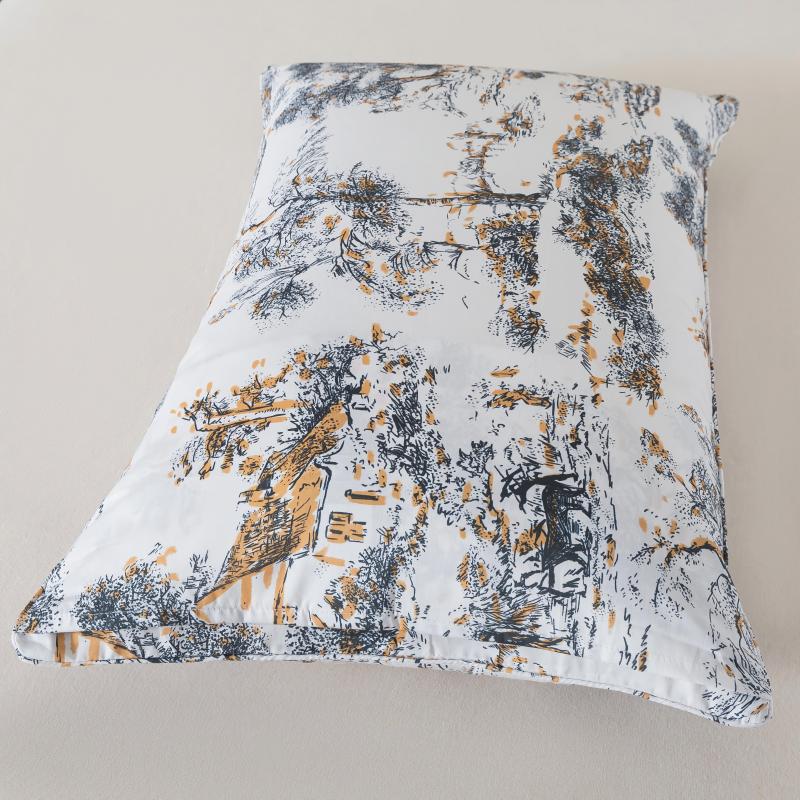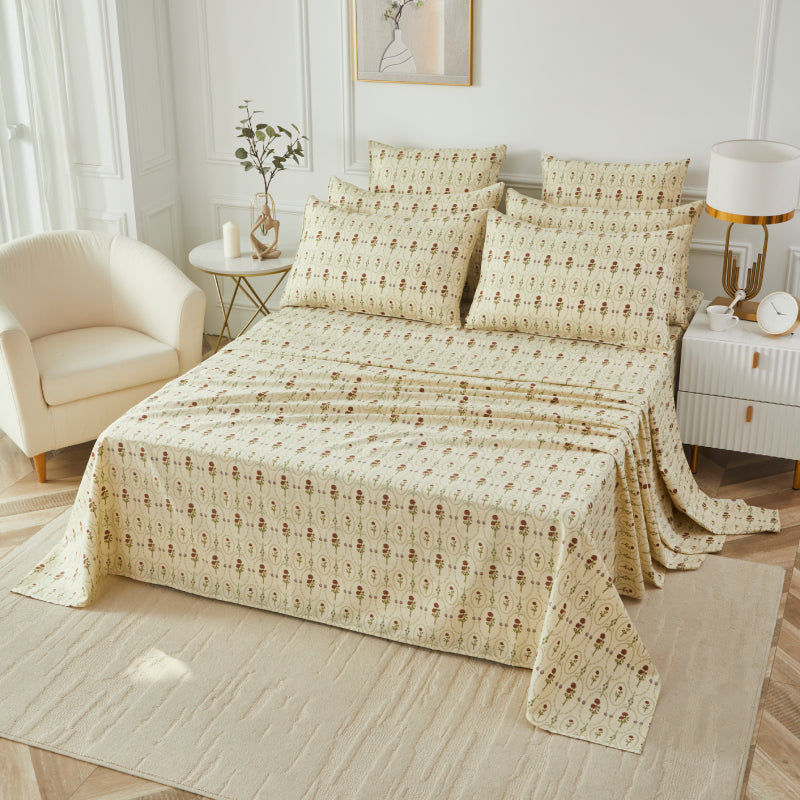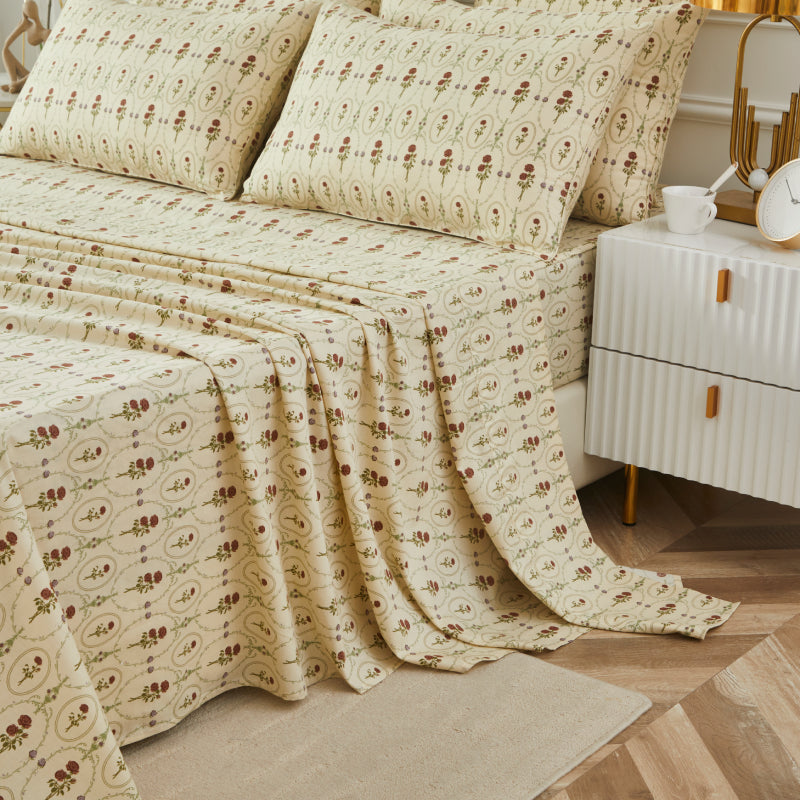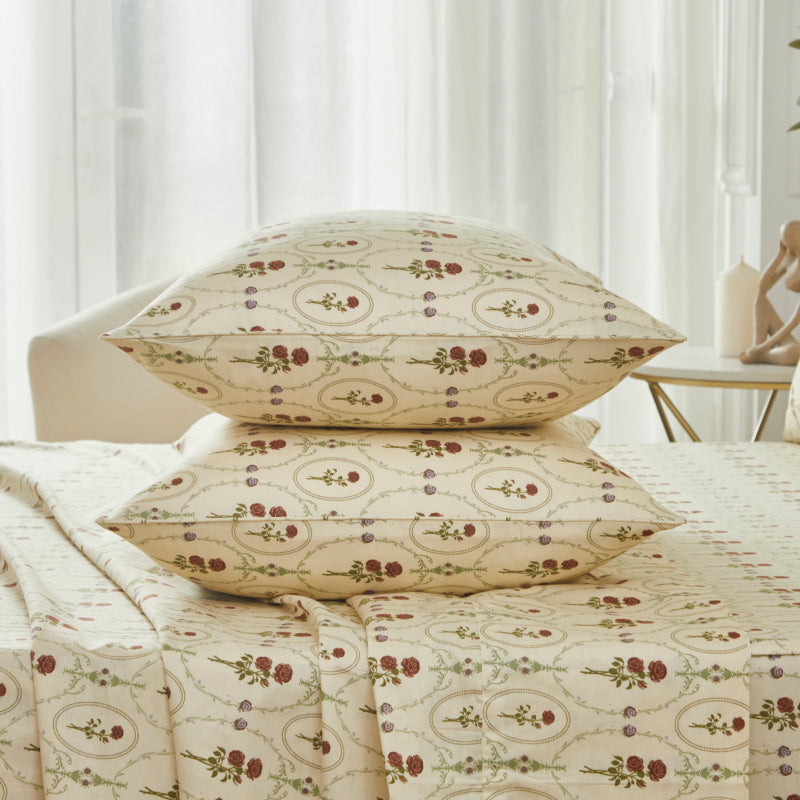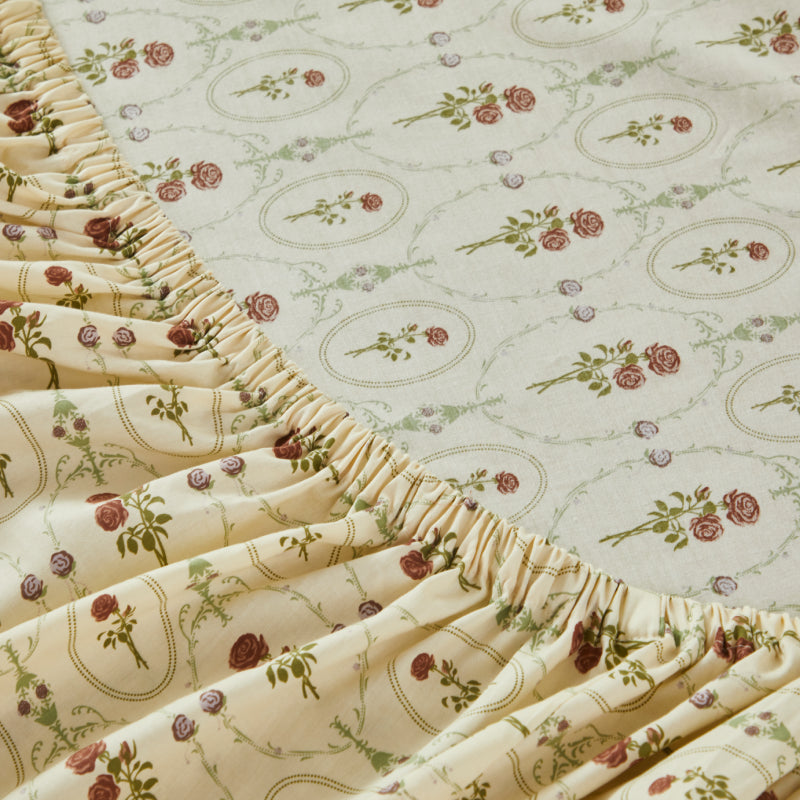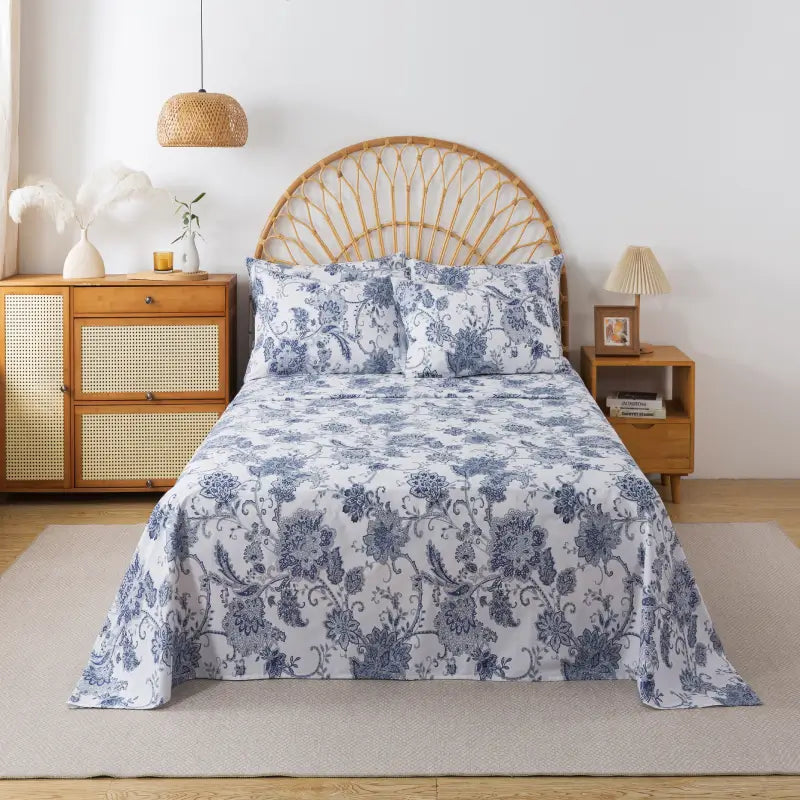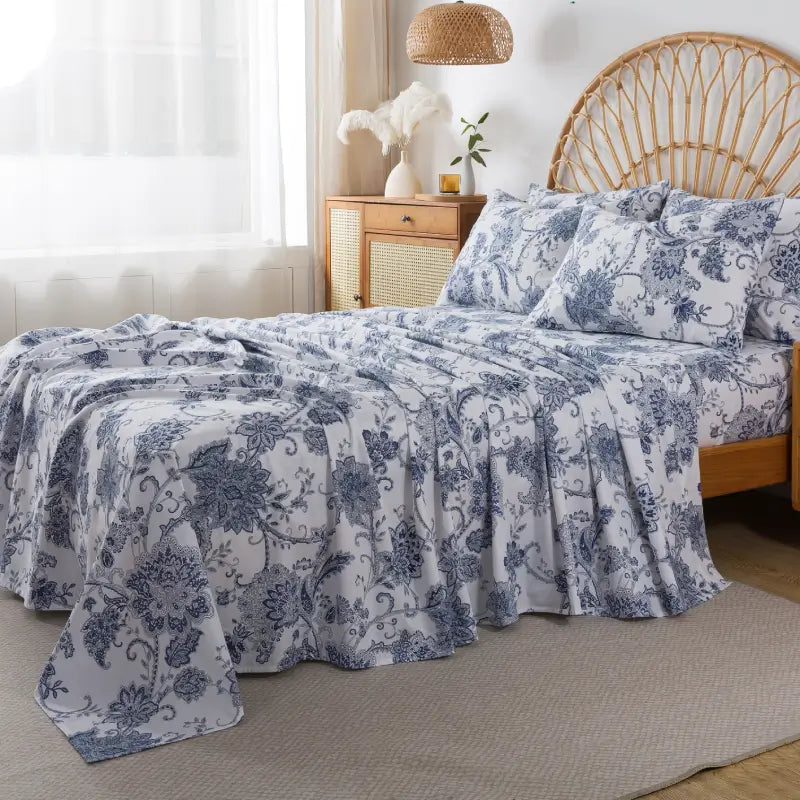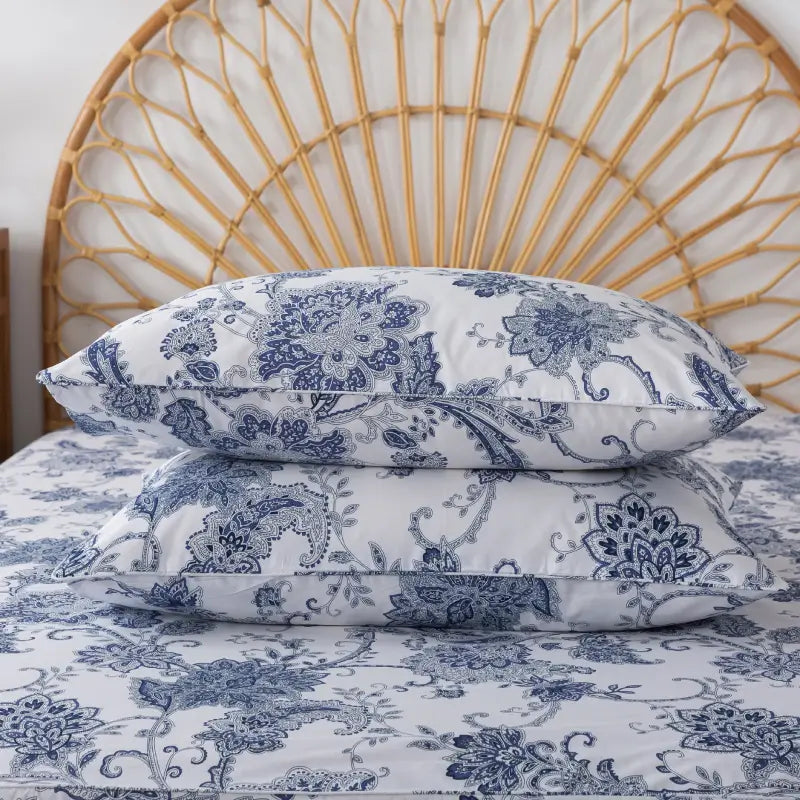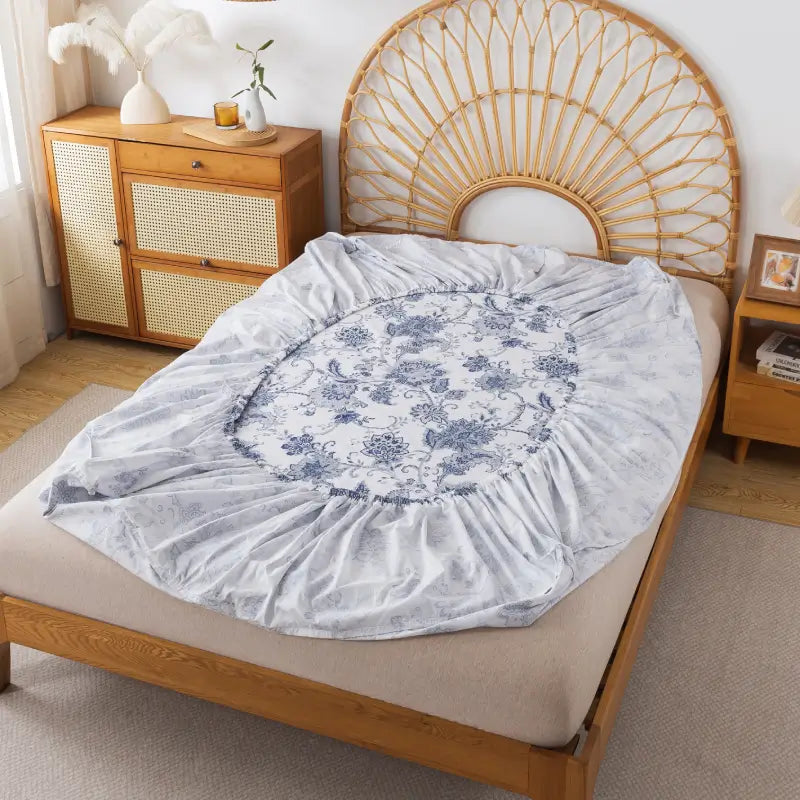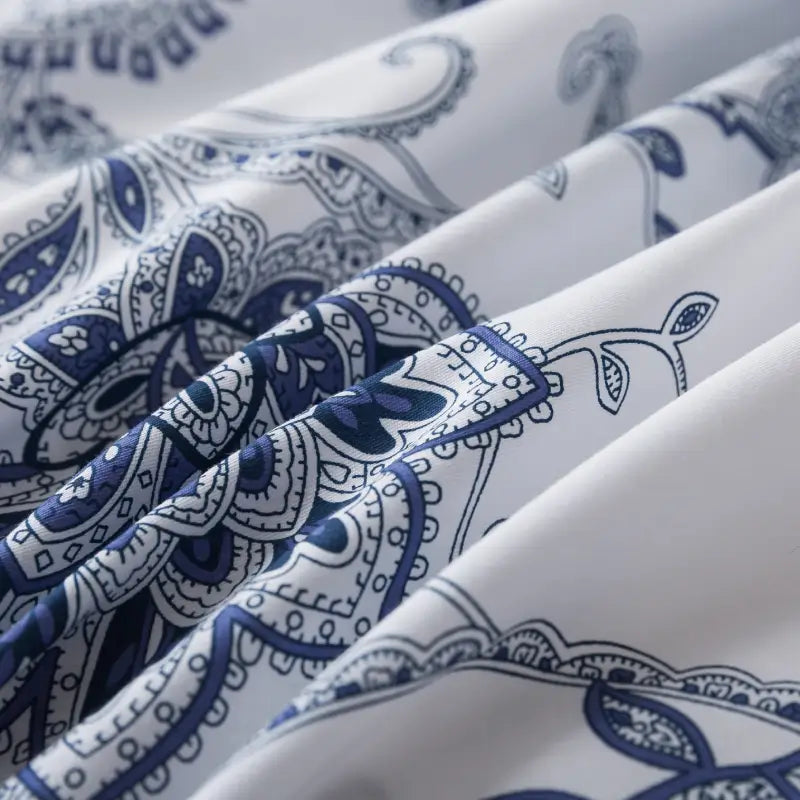
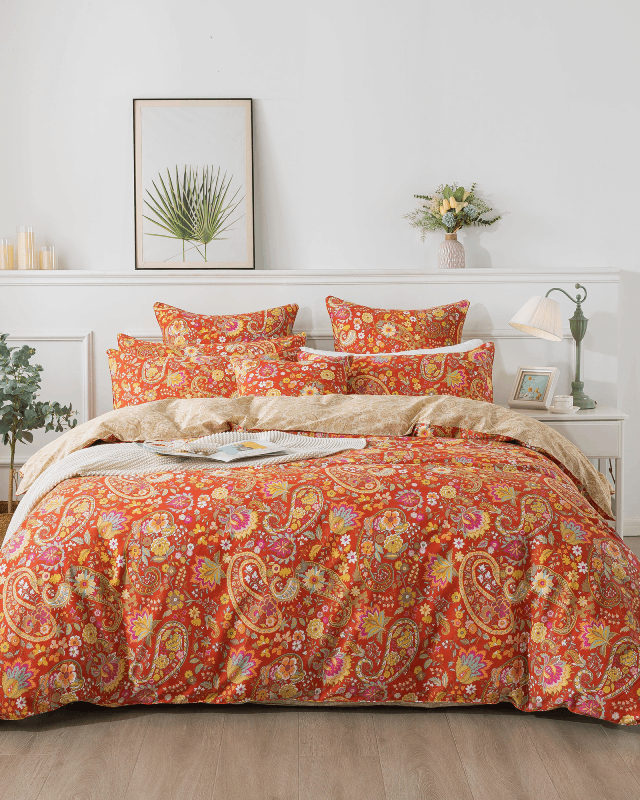
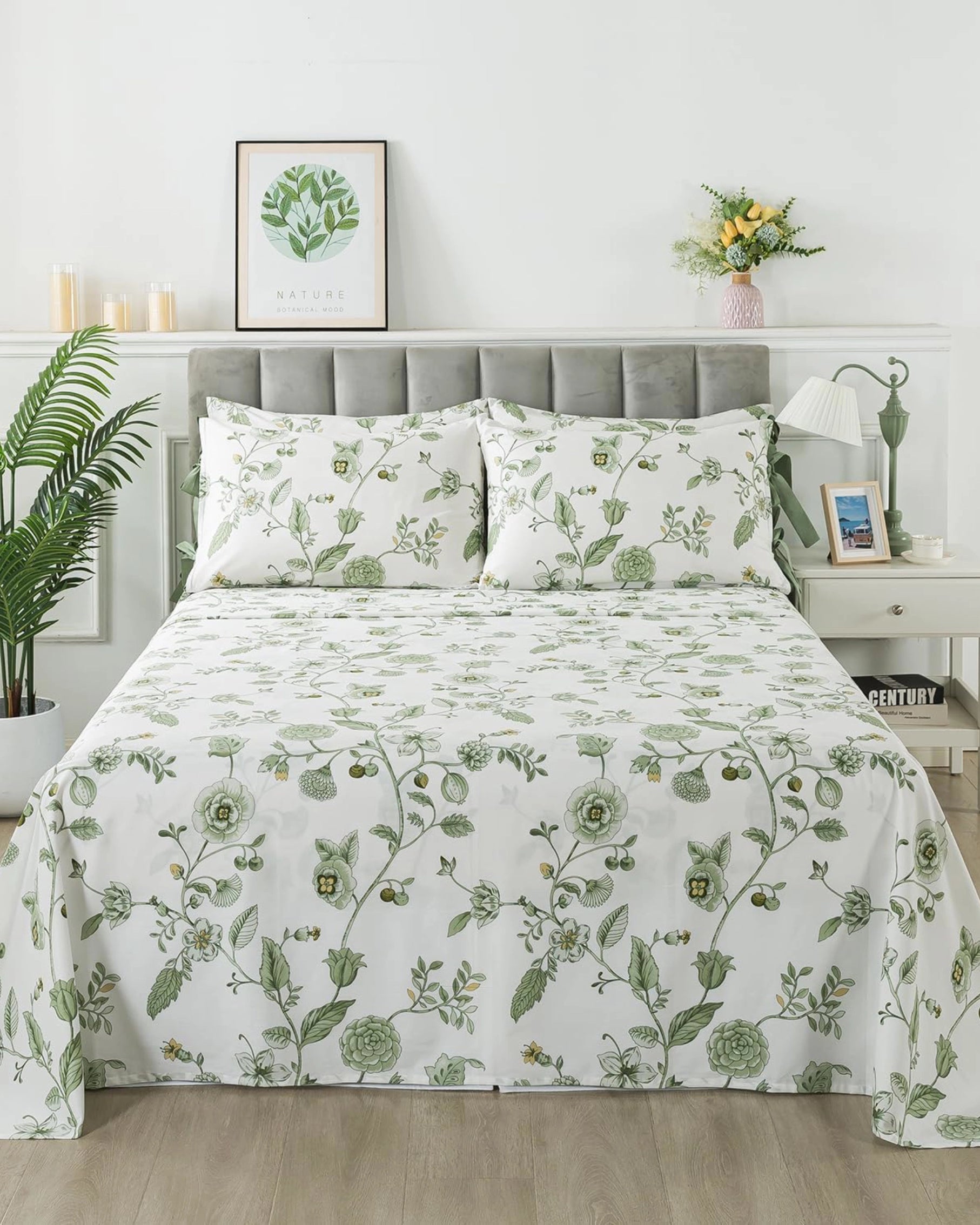


Floral patterns have long been part of home décor, but not all florals create the same atmosphere. While bold botanical prints can make a dramatic statement, softer floral designs often feel easier to live with every day. Their gentle colors, balanced scale, and natural rhythm bring personality into a room without making the space feel overly decorated.
For bedrooms especially, gentle floral prints offer a comfortable middle ground between plain bedding and highly decorative patterns. They add visual interest while preserving the calm, restful feeling that a bedroom needs.
Soft Patterns Create a Calmer Visual Environment
A bedroom is one of the few spaces in the home designed primarily for rest. Because of this, the patterns used there can influence how visually busy or peaceful the room feels.
Gentle floral prints usually feature softer contrasts, smaller motifs, or more spacious arrangements. Instead of immediately demanding attention, they blend naturally into the surrounding décor.
This creates a room that still feels expressive without becoming overwhelming. The eye can move comfortably across the bedding, curtains, furniture, and accessories without one element dominating everything else.
Florals Bring Nature Indoors Without Feeling Literal
Many people enjoy incorporating natural elements into their homes. Plants, flowers, wood tones, and botanical artwork can all make a room feel warmer and more relaxed.
Floral bedding achieves a similar effect in a subtle way.
A delicate rose pattern, scattered wildflowers, or softly illustrated vines can introduce the feeling of a garden without requiring the room to follow a complete botanical theme. The result feels natural rather than staged.
This is one reason floral prints work especially well in cottage, farmhouse, French country, shabby chic, and traditional interiors.
Gentle Florals Are Easier to Style
One of the biggest advantages of subtle floral bedding is flexibility.
A highly graphic or colorful pattern may require the rest of the room to be carefully coordinated. Gentle floral prints tend to work with a much wider range of furnishings and accessories.
For example, floral bedding can be paired with:
- Solid-colored sheets
- Neutral throw blankets
- Wooden bedside tables
- Rattan or woven accents
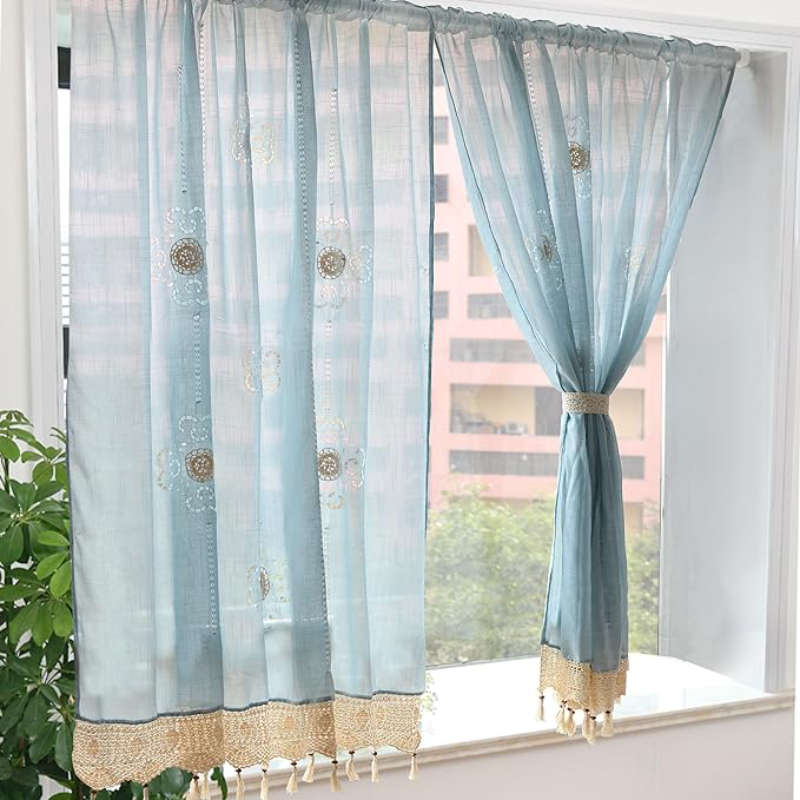
- Linen curtains
- Quilted cushions
- Vintage-inspired furniture
Because the pattern itself is softer, homeowners can change smaller decorative elements without needing to redesign the entire bedroom.
They Make a Room Feel Collected Over Time
Some of the most inviting bedrooms do not look perfectly matched. Instead, they feel as though their furnishings and textiles were collected gradually.
Gentle floral prints naturally support this kind of layered interior.
A floral quilt can sit beside striped pillowcases, a knitted throw, or a simple cotton sheet without looking out of place. Slight variation actually makes the room feel warmer and more personal.
Rather than creating a showroom-like appearance, subtle patterns help the bedroom feel comfortable and lived in.
Floral Bedding Can Feel Timeless
Interior trends change quickly, but botanical motifs have remained part of textile design for centuries.
The reason is simple: flowers are familiar.
They appear across cultures, seasons, and decorating styles. When floral patterns are designed with moderate colors and balanced proportions, they are less likely to feel tied to a particular trend.
A gentle floral sheet set or quilt can therefore remain visually appealing even as other parts of the room change.
This makes floral bedding a practical choice for anyone who prefers decorating gradually instead of replacing textiles every season.
Small Floral Details Add Warmth to Minimal Spaces
Minimal bedrooms often rely heavily on white, beige, cream, gray, or natural wood. These palettes can feel peaceful, but they can sometimes become visually flat.
A soft floral pattern introduces just enough movement to prevent the room from feeling empty.
The pattern does not need to be dramatic. Even small botanical details can add dimension to an otherwise simple bedroom while maintaining the clean atmosphere.
This balance between simplicity and decoration is what makes subtle florals especially suitable for modern cottage and relaxed minimalist interiors.
Cotton Makes Floral Prints Feel Even More Natural
The material underneath the print is just as important as the pattern itself.
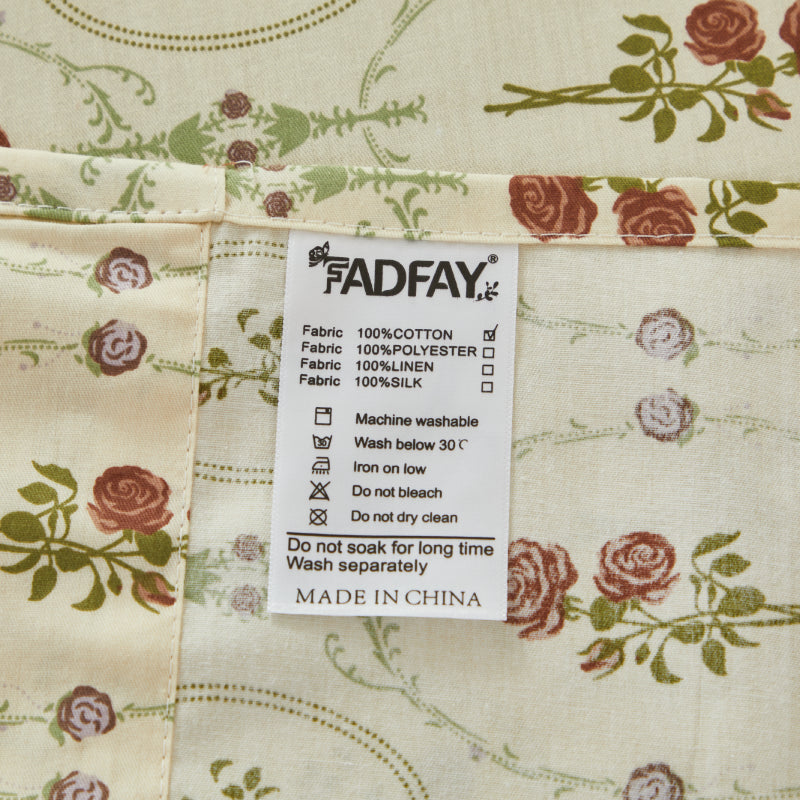
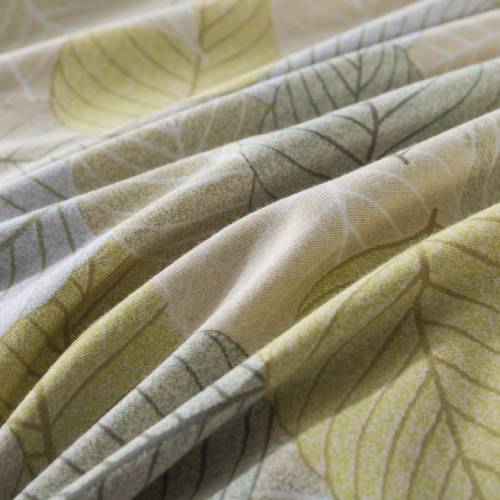
Cotton bedding works particularly well with floral designs because the fabric naturally feels casual, breathable, and comfortable. Instead of appearing overly formal, printed cotton bedding often develops a softer, more relaxed appearance as it is washed and used.
That quality complements floral patterns beautifully.
The result is bedding that feels decorative enough to give the bedroom character while still being comfortable enough for everyday sleep.

Gentle Patterns Support Seasonal Decorating
Another advantage of softer floral bedding is that it can transition between seasons.
In spring and summer, floral bedding can be paired with lightweight cotton blankets, airy curtains, and fresh greenery.
During autumn, warmer throws, textured cushions, and wood accessories can make the same floral print feel cozier.
In winter, layered quilts and neutral blankets can create a warm, inviting bed without requiring the floral bedding to be replaced.
Because gentle patterns are not strongly associated with one season, they provide a flexible foundation for year-round decorating.
A Bedroom Should Feel Easy to Live In
Beautiful interiors are not only about appearance. They also need to feel comfortable during everyday life.
Gentle floral prints work because they offer decoration without demanding constant coordination. They introduce color, nature, and personality while remaining calm enough to live with over time.
That balance is what makes them particularly well suited to bedrooms.
A soft floral pattern does not need to become the entire theme of the room. It can simply become part of the atmosphere—quiet, familiar, and comfortable.
And sometimes, the most livable spaces are the ones where the pattern feels less like decoration and more like something that naturally belongs there.