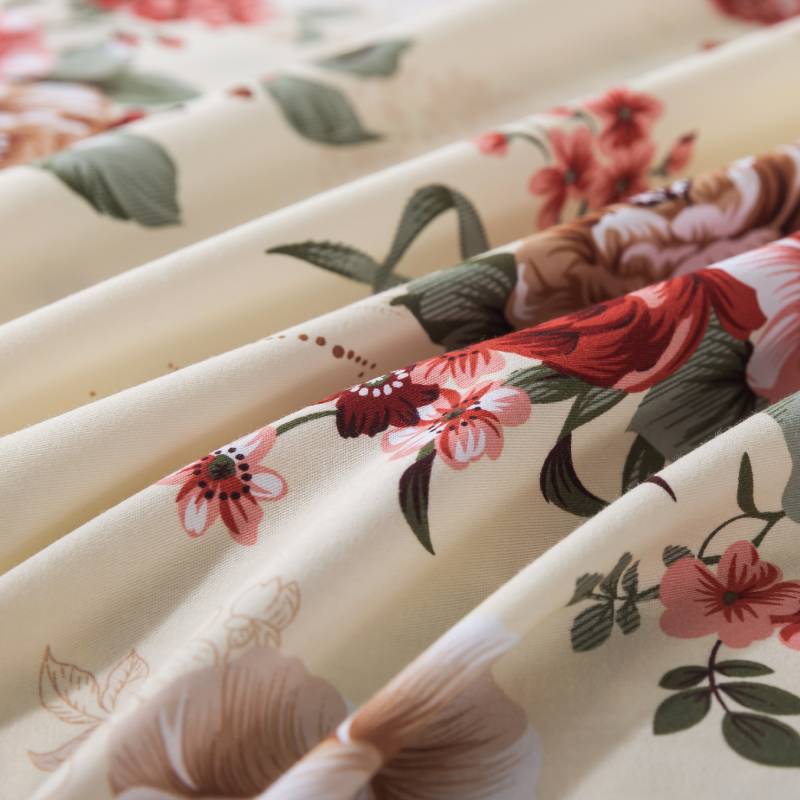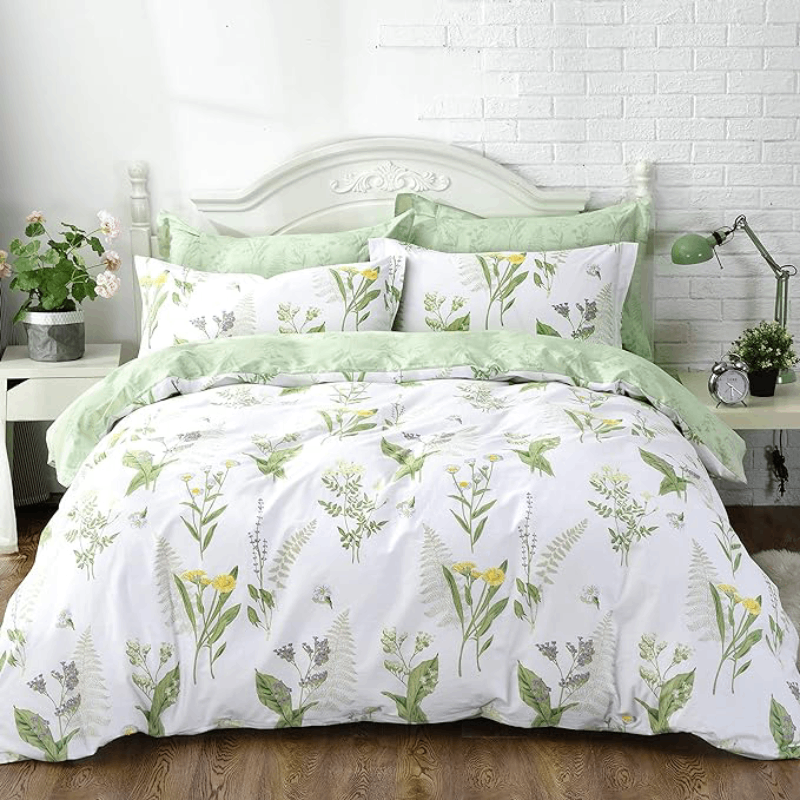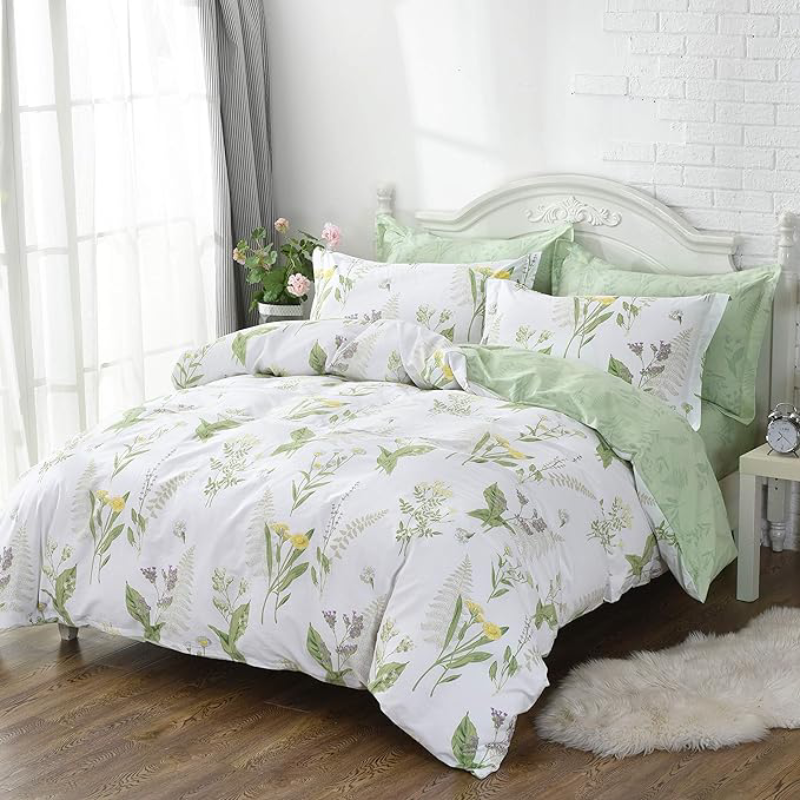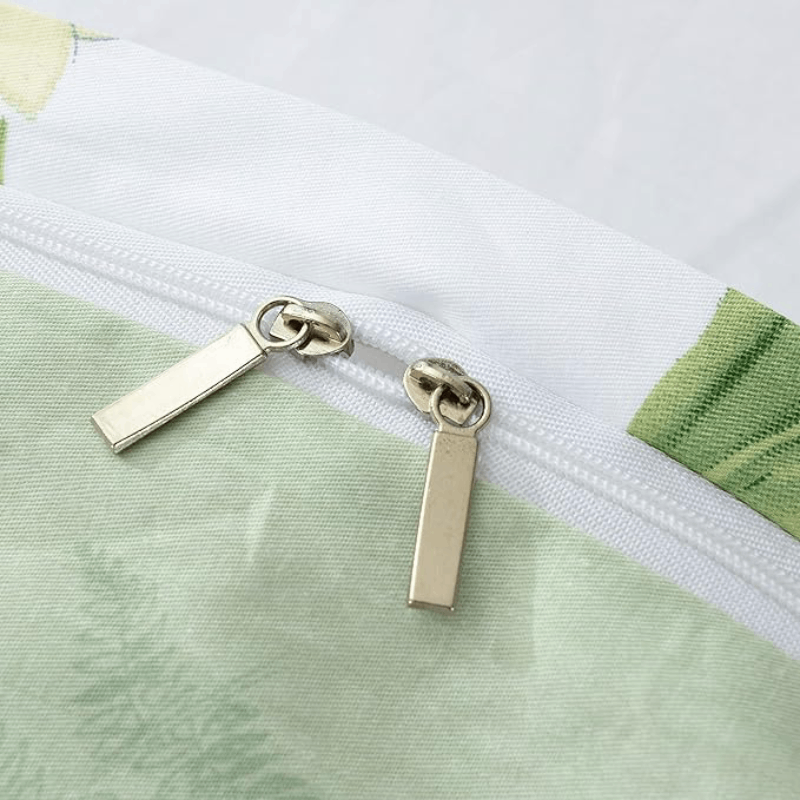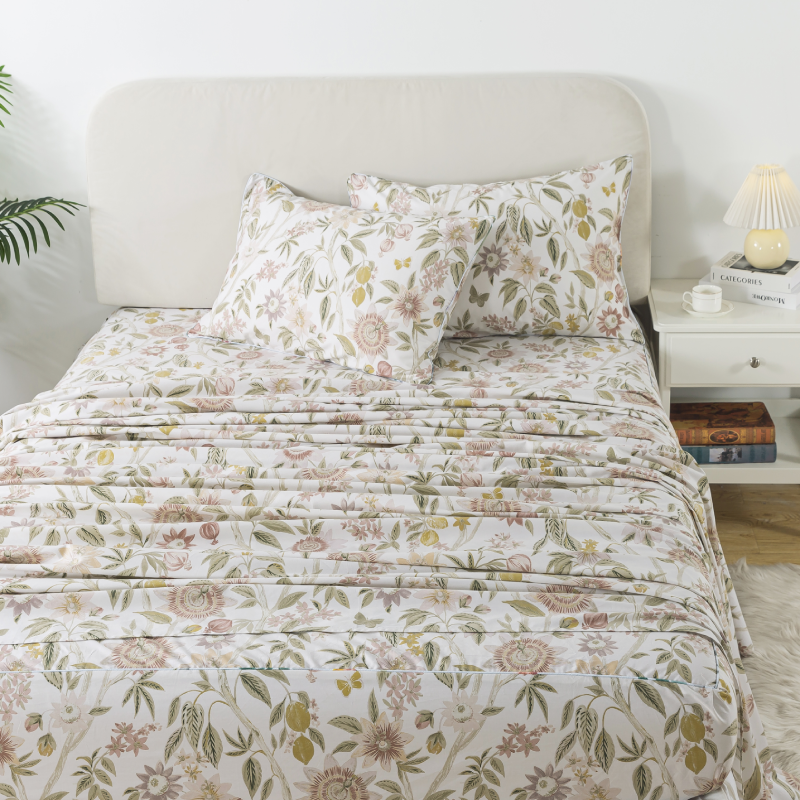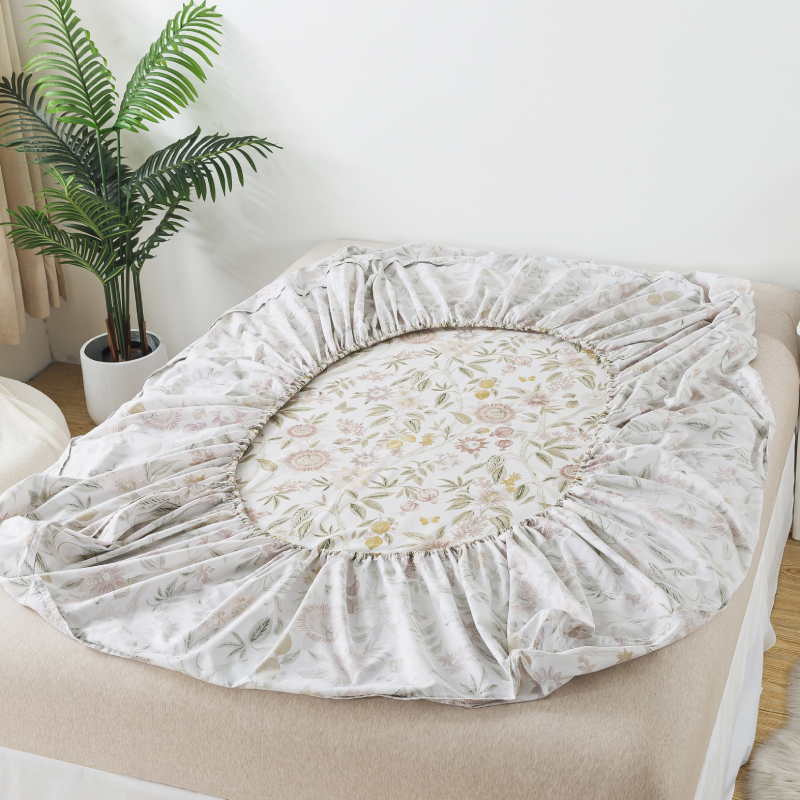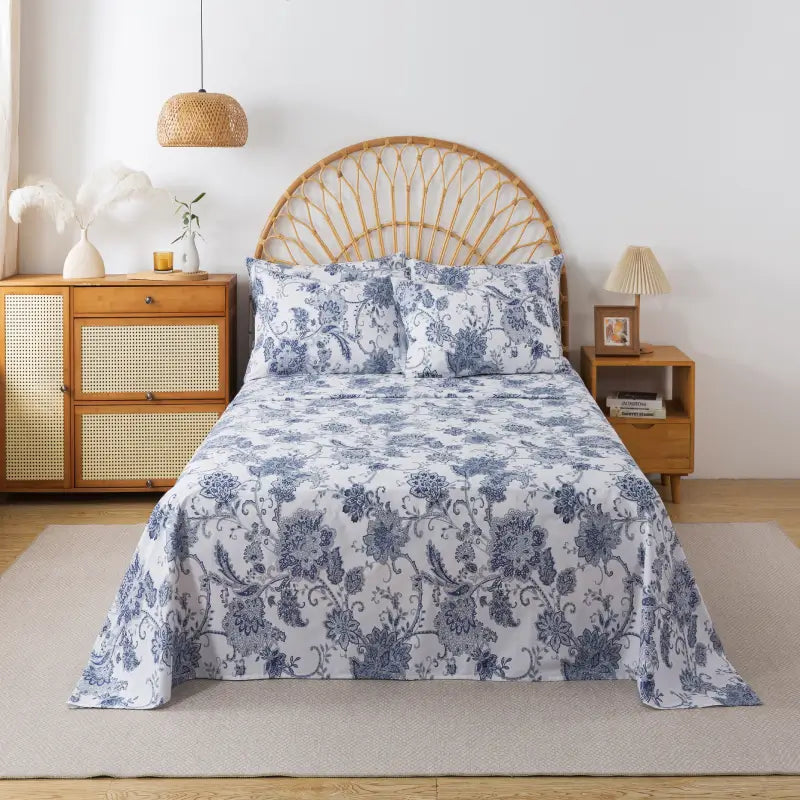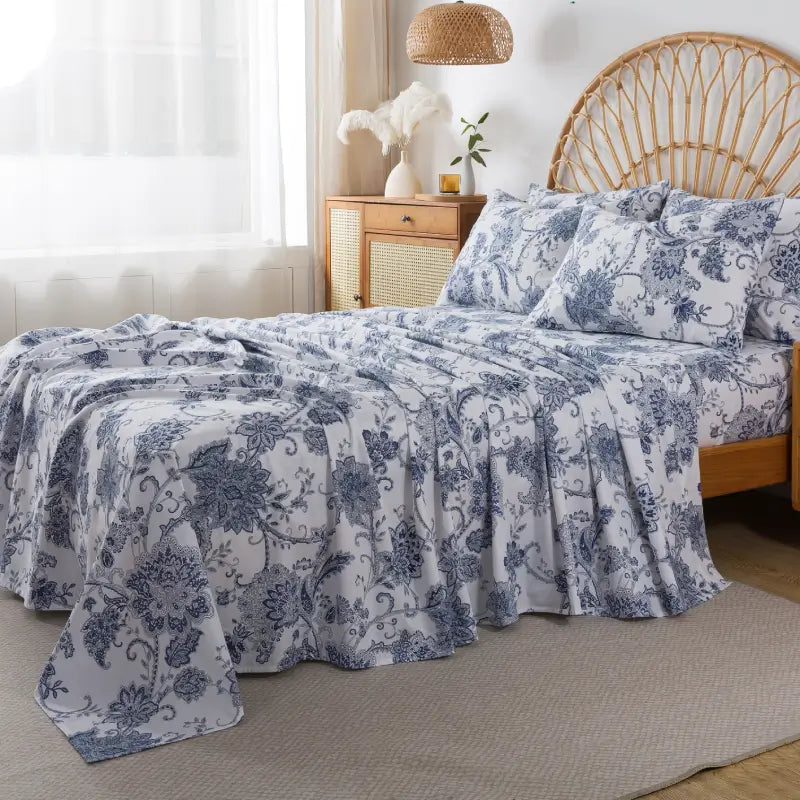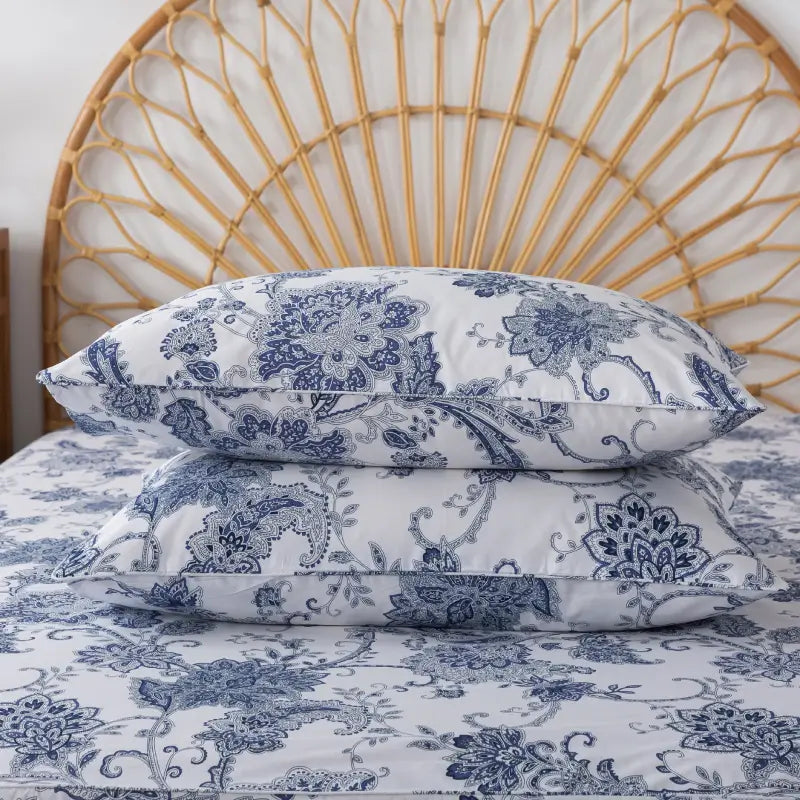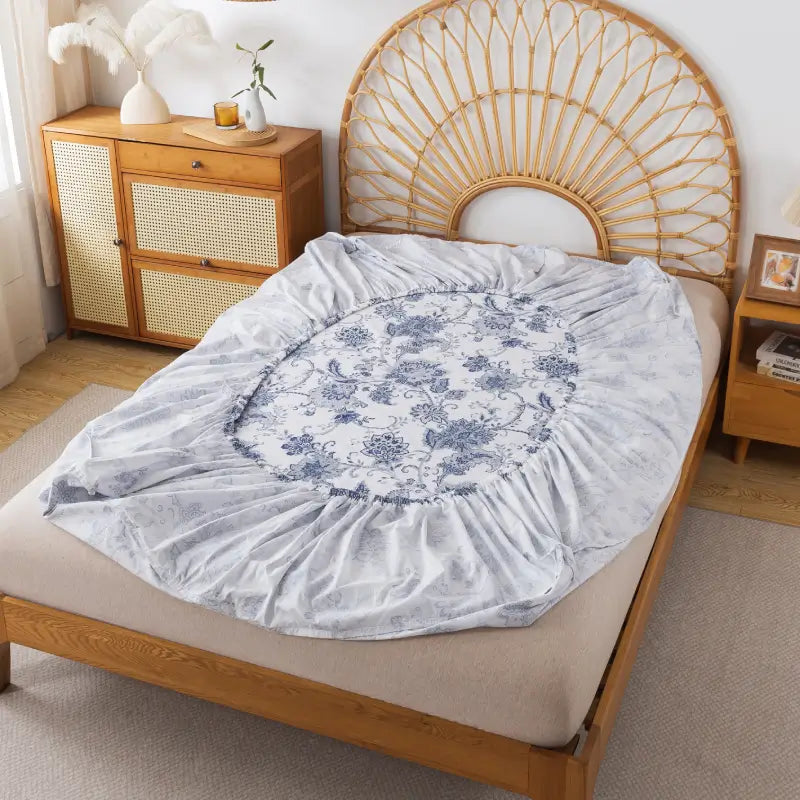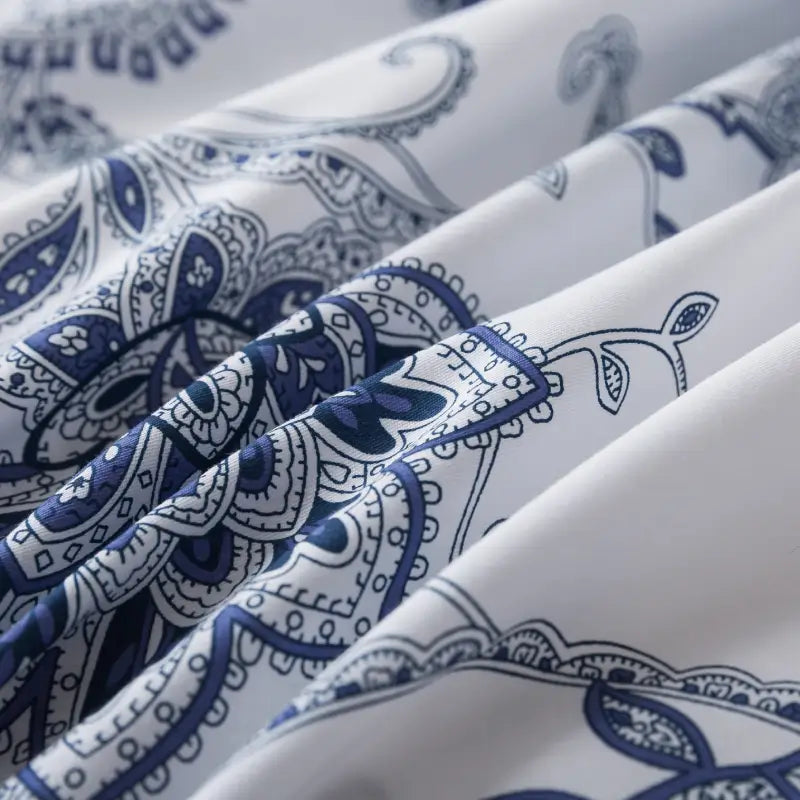
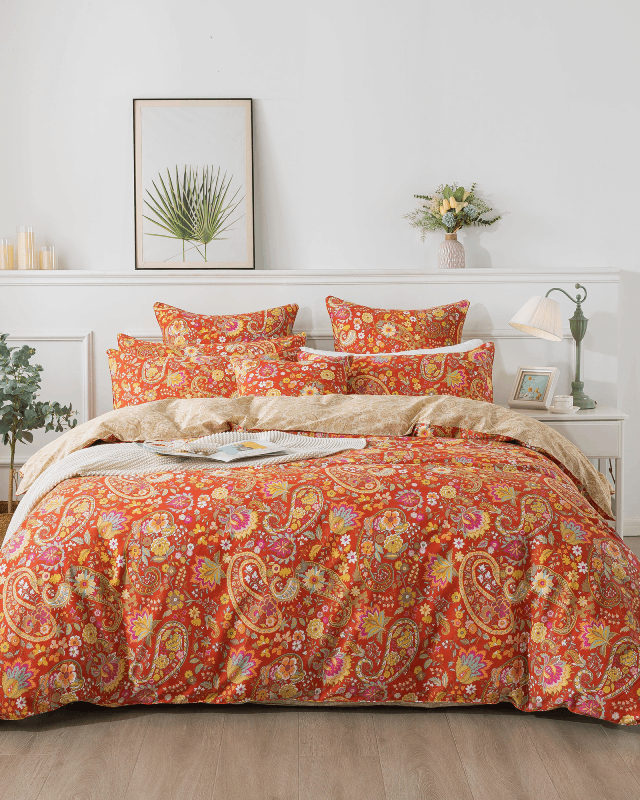
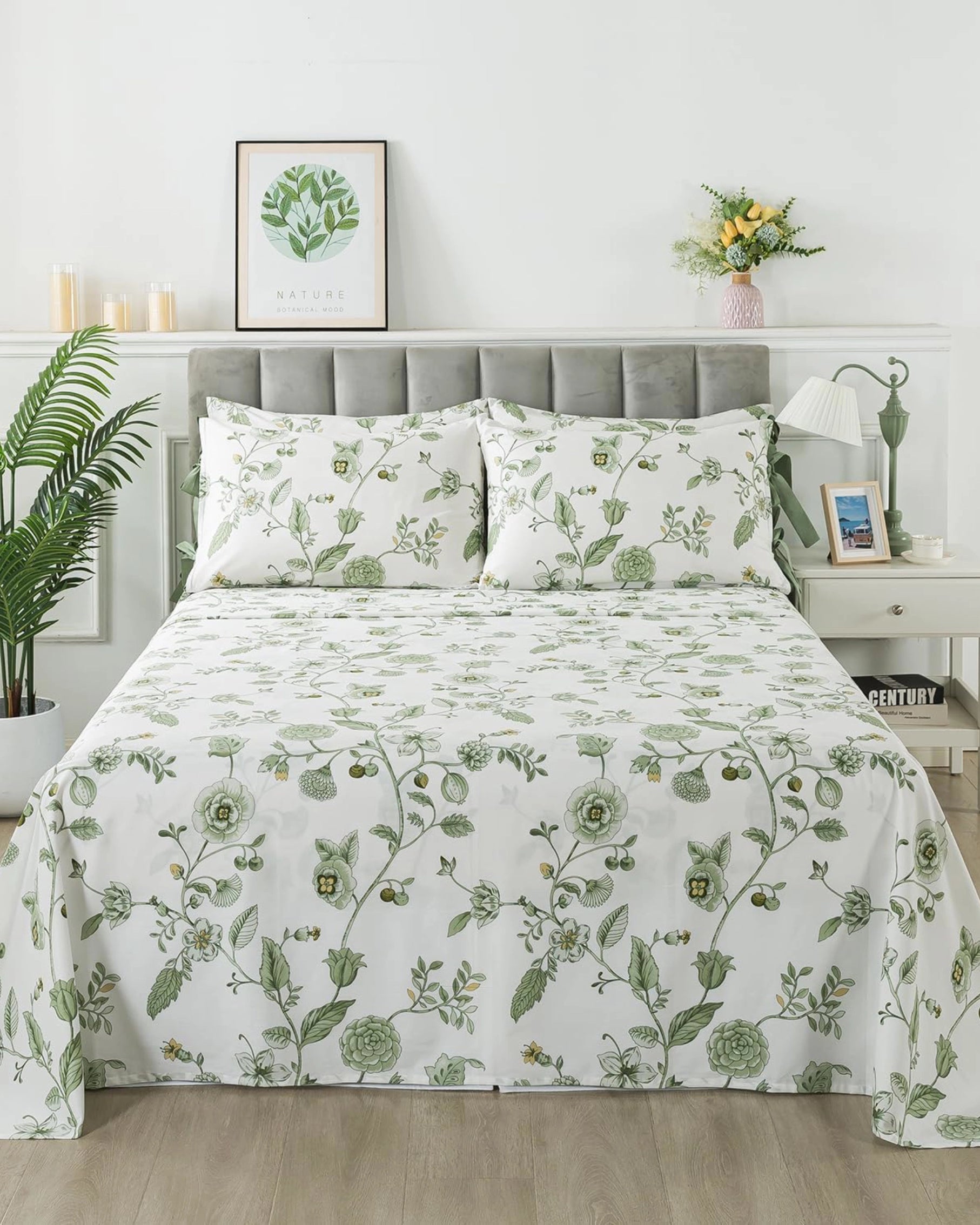


Floral bedding has long been associated with traditional interiors—think English cottages, vintage quilts, and ornate bedrooms layered with soft textures. Yet in recent years, floral patterns have made a strong resurgence in contemporary design. This dual relevance is not accidental. Floral bedding, when thoughtfully designed and styled, operates as a highly adaptable visual element that bridges classical elegance and modern minimalism.
Below is a structured analysis of why floral bedding works across both design paradigms and how it can be leveraged effectively.
1. Timeless Motif with Deep Design Heritage
Florals are one of the oldest decorative motifs in textile history. From 18th-century European chintz to Asian botanical prints, floral patterns carry a sense of continuity and cultural depth.
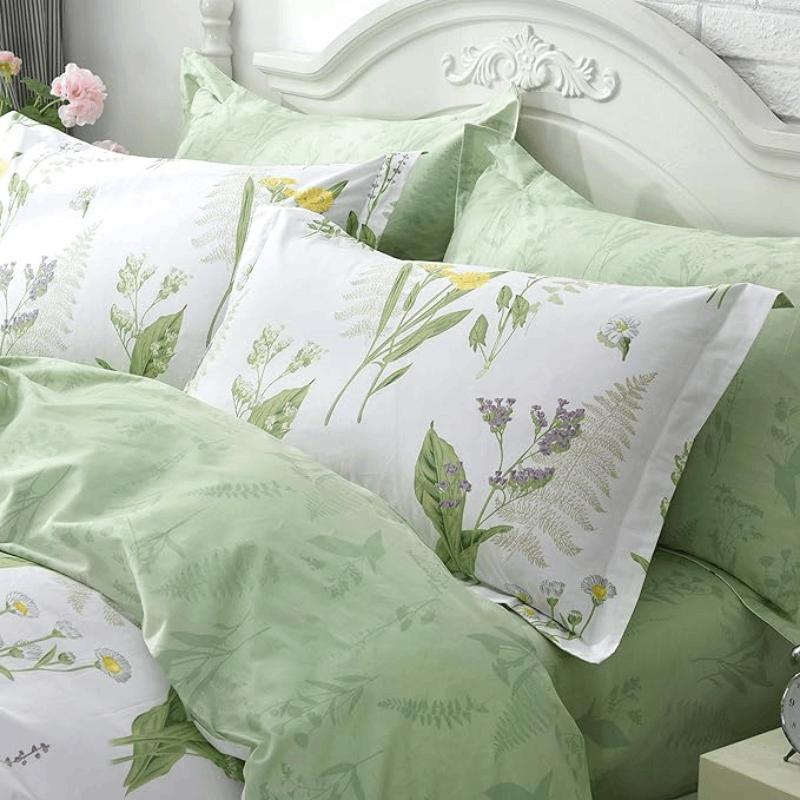
- In classic interiors, floral bedding reinforces heritage aesthetics—paired with carved wood, layered textiles, and warm palettes.
- In contemporary spaces, the same motif becomes a contrast element, softening clean lines and adding organic visual interest.
This historical versatility allows florals to function as both a primary theme and an accent layer.
2. Natural Forms Balance Structured Spaces
Modern interiors often emphasize geometry: straight lines, neutral palettes, and minimal ornamentation. Floral bedding introduces organic asymmetry, which is critical for visual balance.
- Soft curves and irregular botanical shapes counteract rigid furniture layouts.
- Natural motifs psychologically evoke calm, aligning with wellness-driven home design trends.
In essence, floral bedding acts as a biophilic design element, bringing nature indoors without requiring additional décor.
3. Scalable Design Language (From Subtle to Bold)
One of the most powerful attributes of floral bedding is its scalability:
Small-Scale Florals
- Micro-patterns or ditsy prints
- Ideal for minimalist or Scandinavian-inspired rooms
- Provide texture without overwhelming the space
Large-Scale Florals
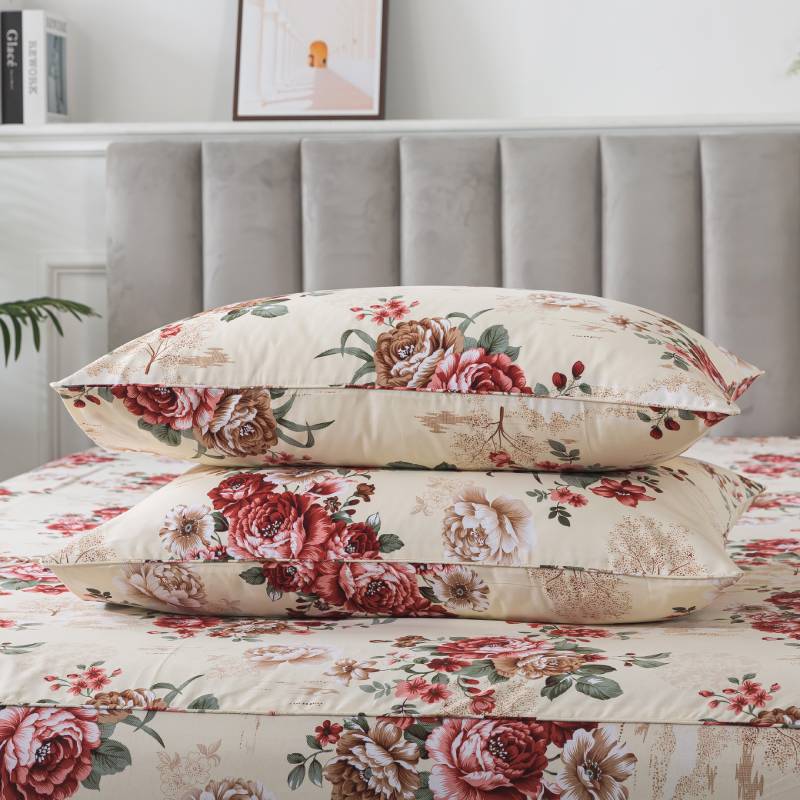
- Oversized blooms or painterly prints
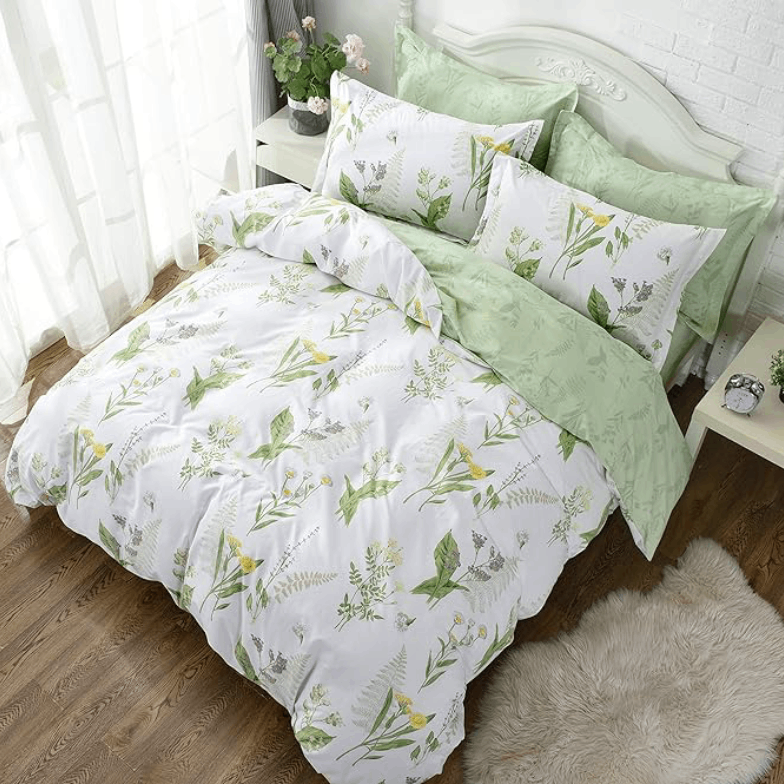
- Work well in both maximalist classic rooms and statement-focused modern interiors
- Function as a focal point, similar to artwork
This scalability enables floral bedding to adapt across vastly different aesthetic frameworks.

4. Color Versatility Across Design Styles
Floral bedding is not restricted to pastel or vintage tones. Modern textile design has expanded its color applications:
- Classic palettes: ivory, blush, sage green, dusty blue
- Contemporary palettes: monochrome, high-contrast black & white, muted earth tones, or even bold saturated hues
For example:
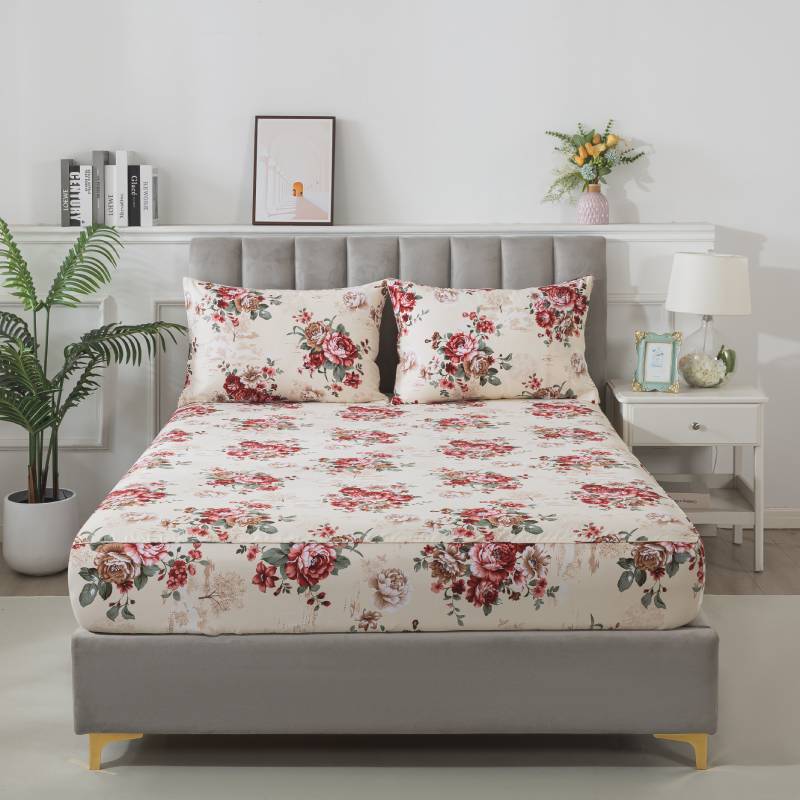
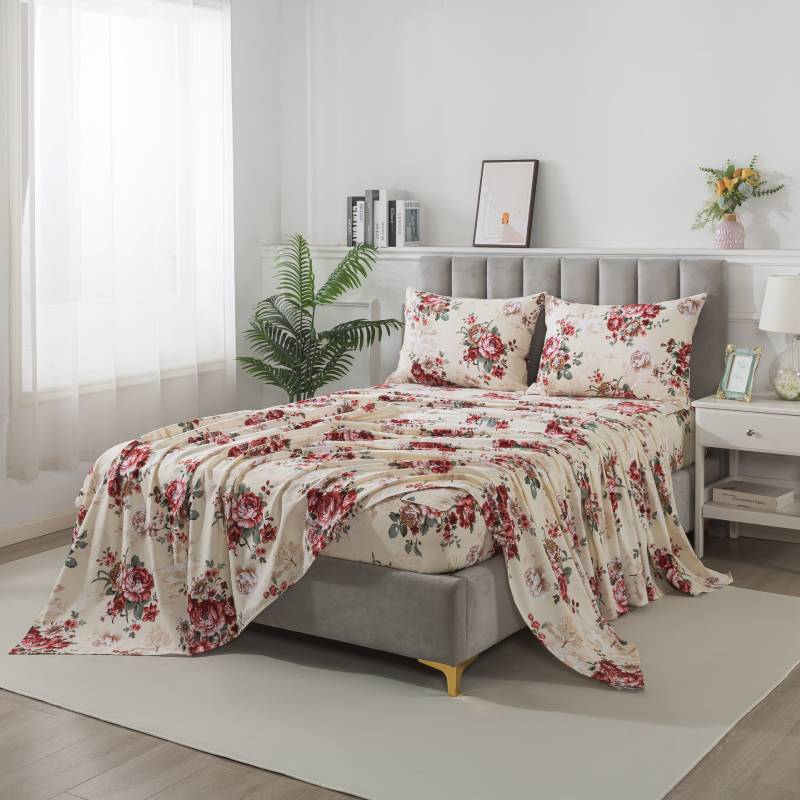
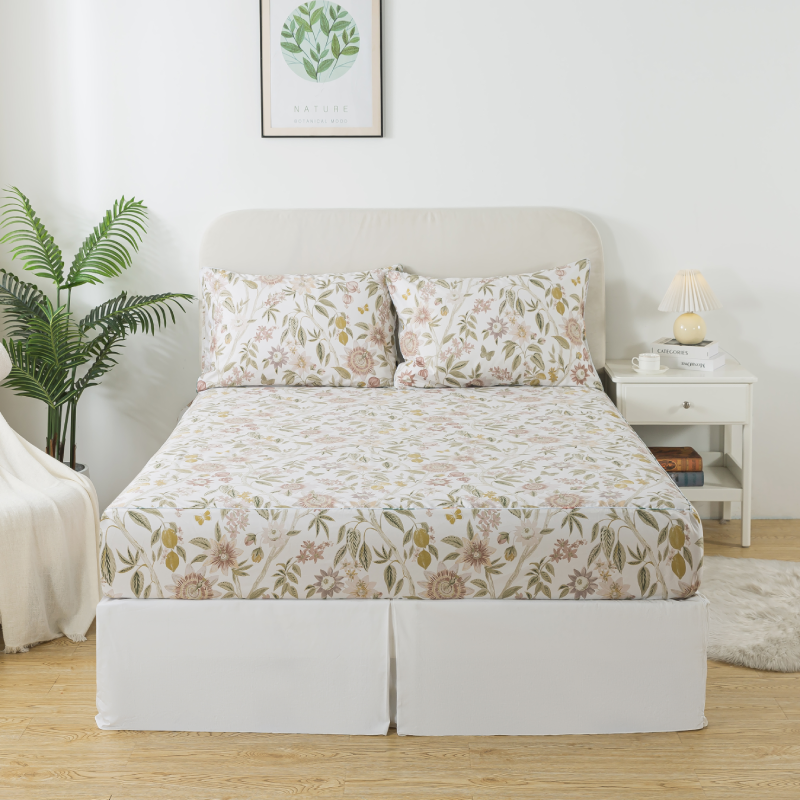
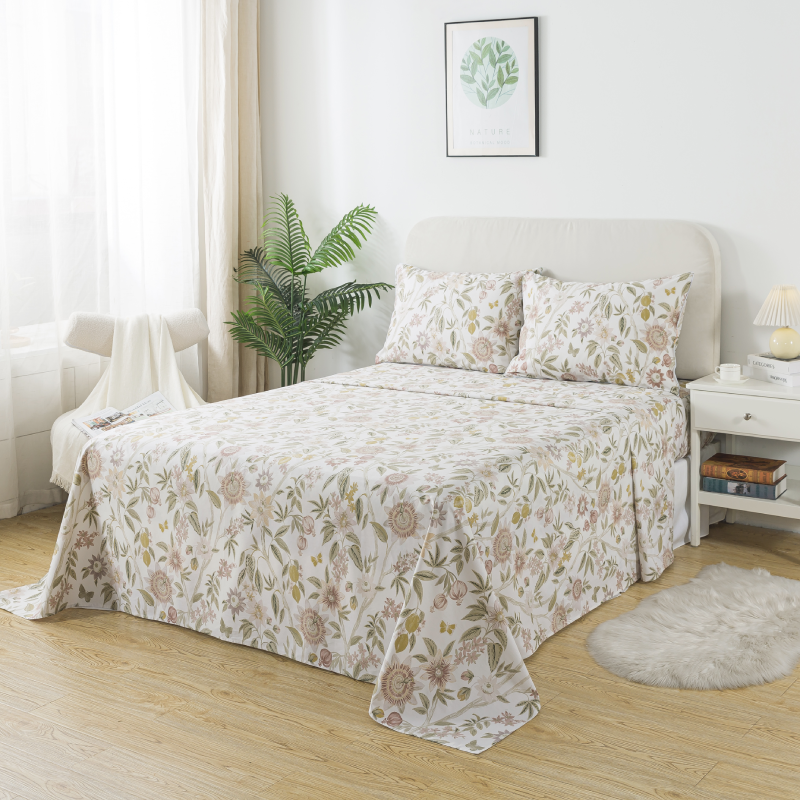
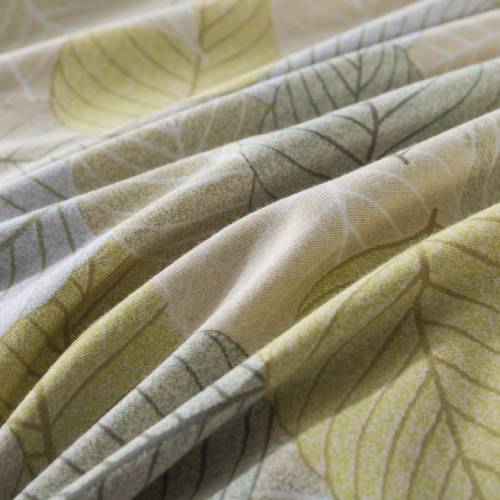
- A beige floral print on cotton can seamlessly integrate into a neutral modern bedroom.
- A richly colored botanical pattern can elevate a traditional space with depth and warmth.
Color treatment—not just pattern—determines whether the bedding reads as classic or modern.
5. Material Matters: Texture Defines Perception
The same floral pattern can convey entirely different aesthetics depending on fabric choice:
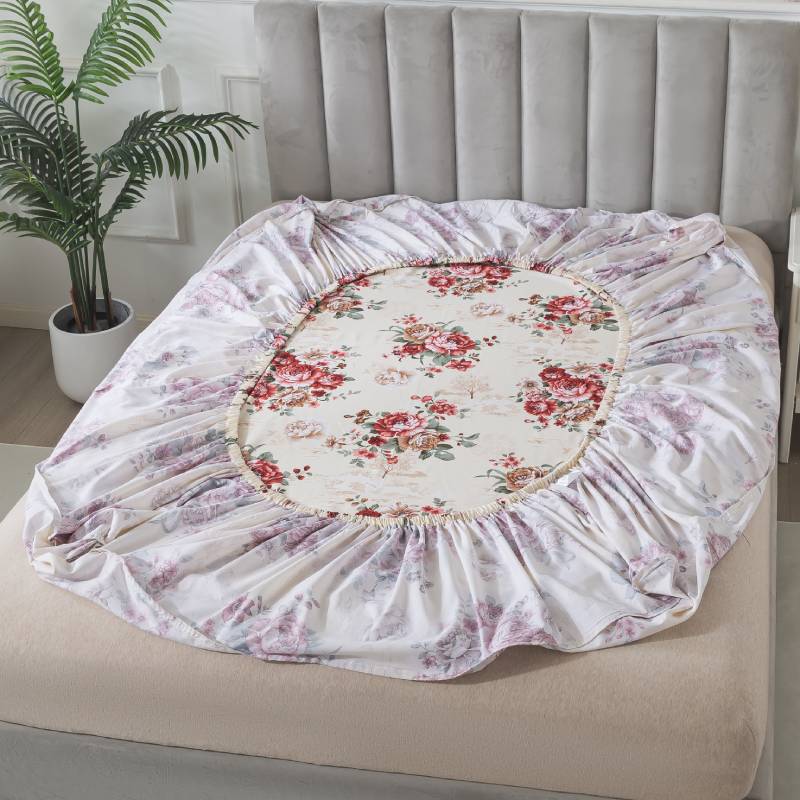
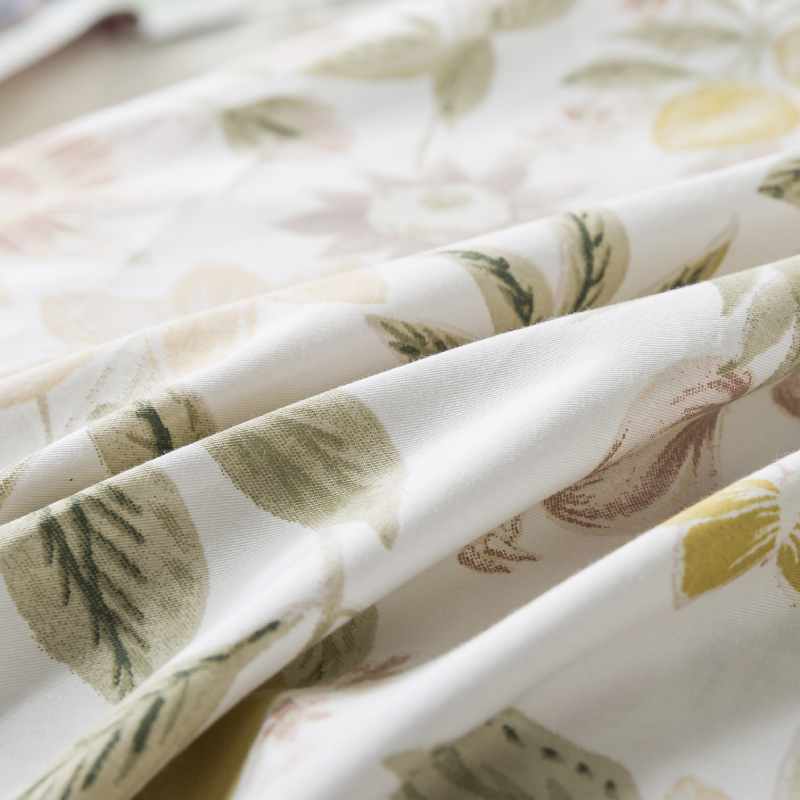
- 100% cotton (especially washed or percale): clean, breathable, modern
- Quilted or patchwork textures: nostalgic, handcrafted, classic
- Linen blends: relaxed contemporary luxury
- Sateen finishes: elevated, slightly formal
For brands like FADFAY, emphasizing natural cotton enhances both comfort and visual softness, making floral designs feel current rather than outdated.
6. Emotional and Lifestyle Appeal
Floral bedding is inherently tied to emotional storytelling:
- Comfort & warmth: evokes home, family, and relaxation
- Romantic & soft aesthetics: aligns with lifestyle-driven branding
- Seasonal flexibility: florals can be styled for spring freshness or autumn richness
In contemporary marketing, this emotional layer is critical. Consumers are not just buying bedding—they are buying a mood.
7. Styling Flexibility Across Interior Types
Floral bedding can be styled differently to align with the surrounding environment:
In Classic Homes
- Layer with quilts, embroidered pillows, and warm lighting
- Pair with wood furniture and vintage accessories
- Emphasize abundance and softness
In Contemporary Homes
- Keep surrounding elements minimal
- Use floral bedding as the primary visual feature
- Pair with neutral walls, simple frames, and clean-lined furniture
The same bedding can produce entirely different visual outcomes depending on context.
8. A Strategic Product Advantage for Modern Brands
From a commercial perspective, floral bedding offers a strong product positioning advantage:
- Appeals to multiple demographics (traditional + modern consumers)
- Easy to refresh through seasonal color and pattern updates
- Highly photogenic for social media and e-commerce
For independent brands, this versatility reduces design risk while maximizing market reach.
Conclusion
Floral bedding succeeds across both classic and contemporary homes because it operates at the intersection of tradition and adaptability. Its organic forms soften modern spaces, while its heritage roots reinforce timeless interiors. Through variations in scale, color, material, and styling, floral patterns can be continuously reinterpreted to match evolving design trends.
In a market increasingly driven by both aesthetics and emotional resonance, floral bedding remains not just relevant—but essential.