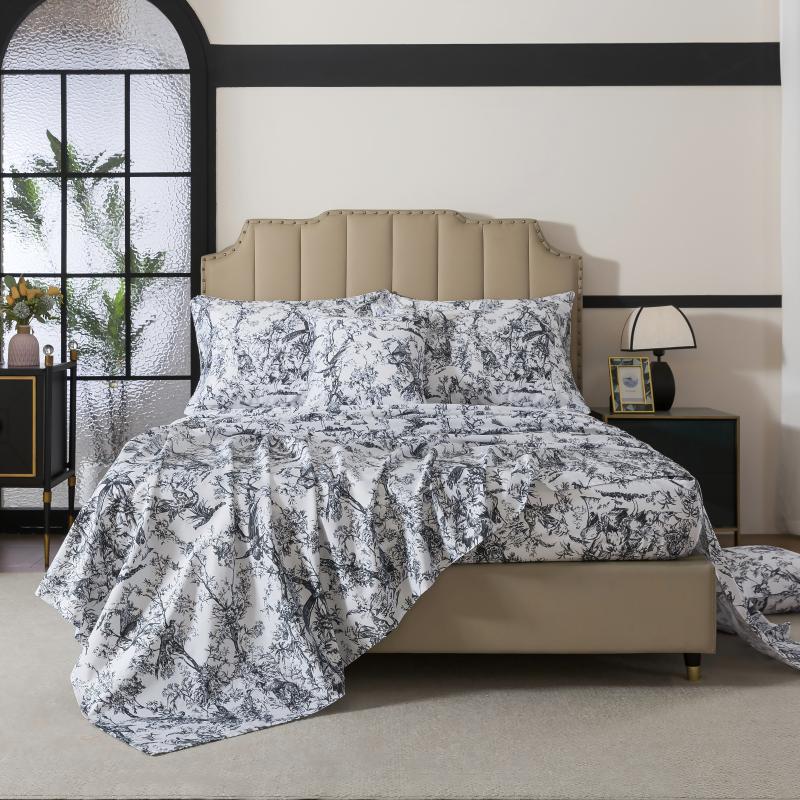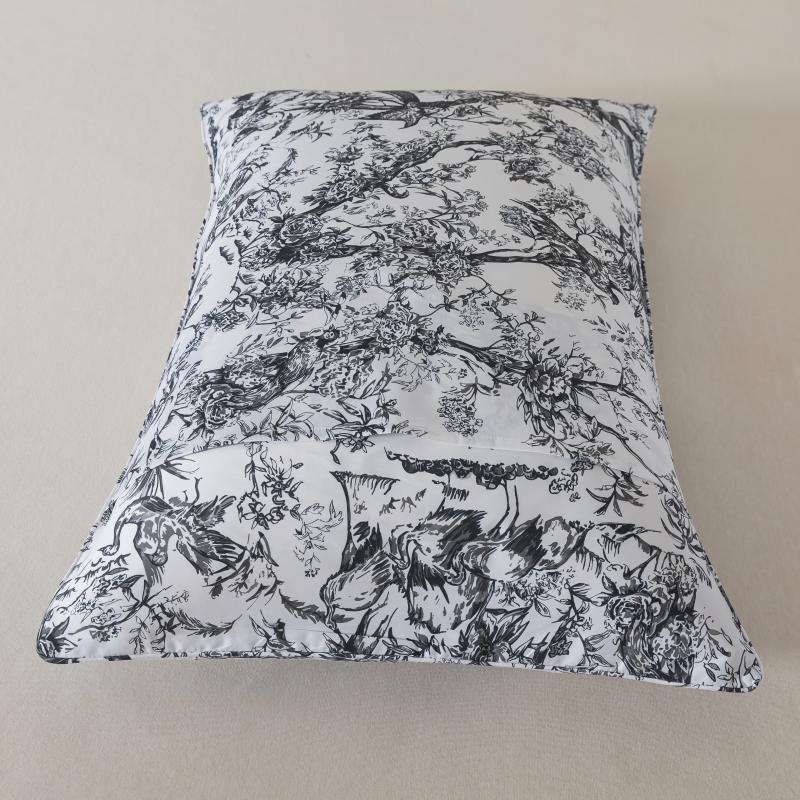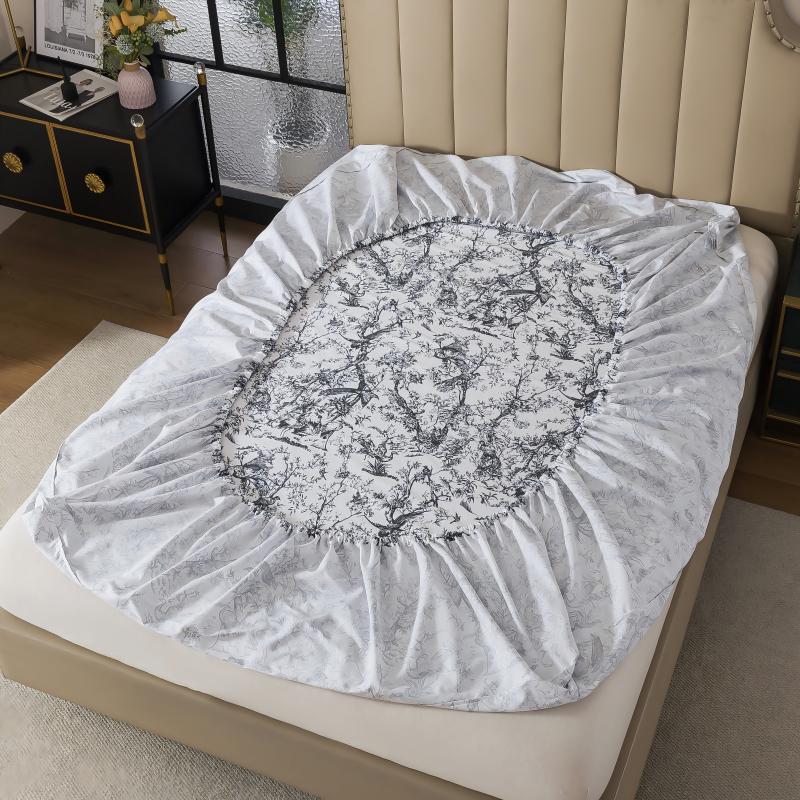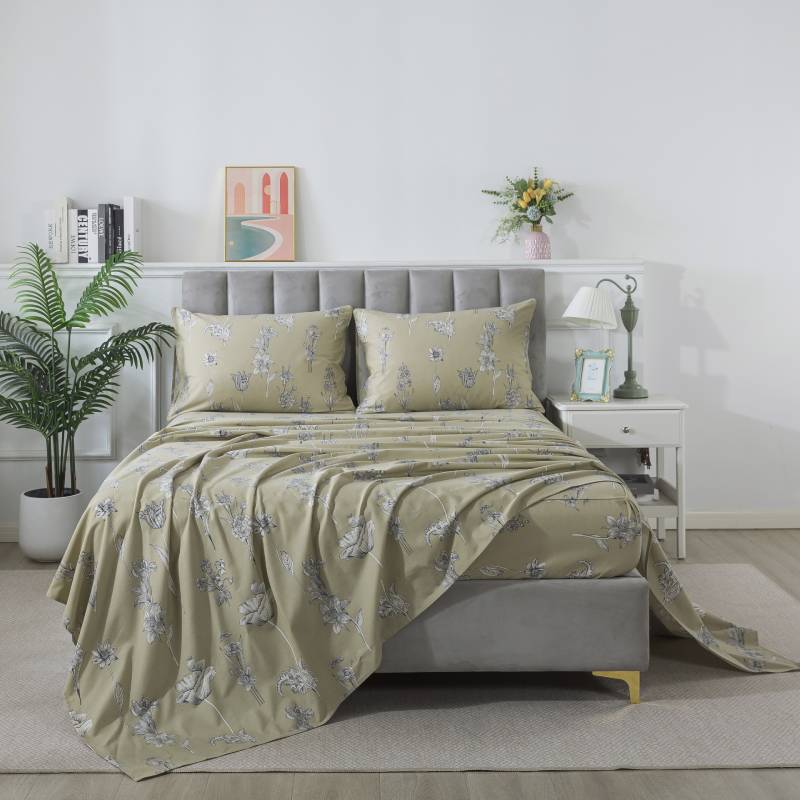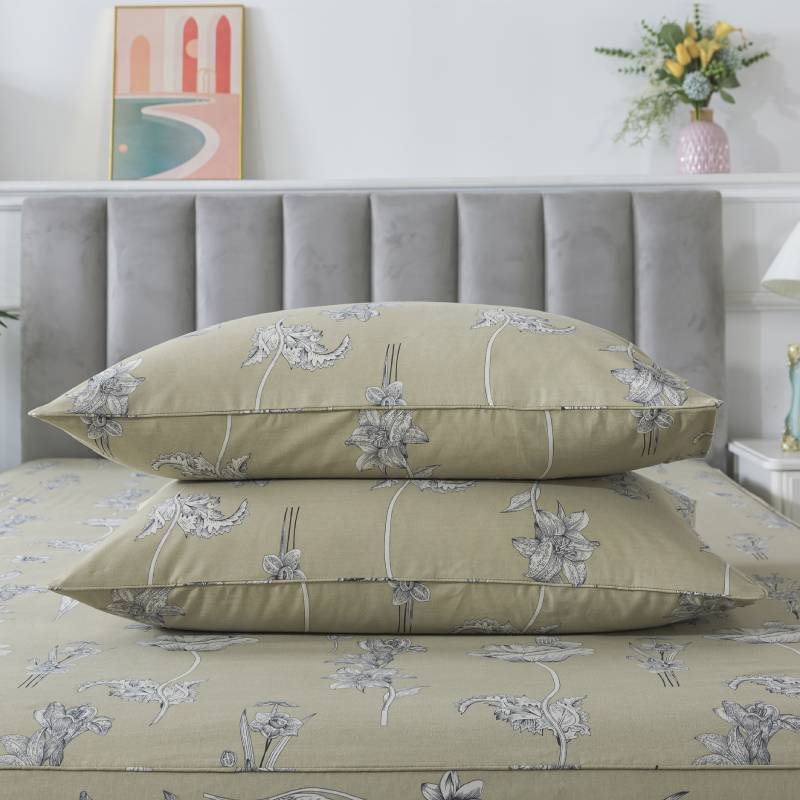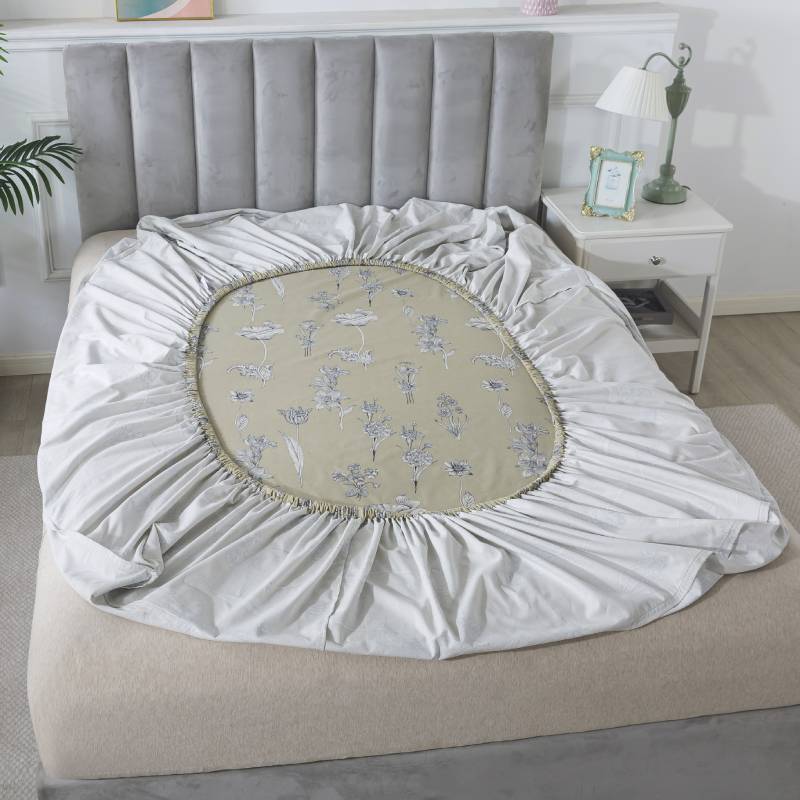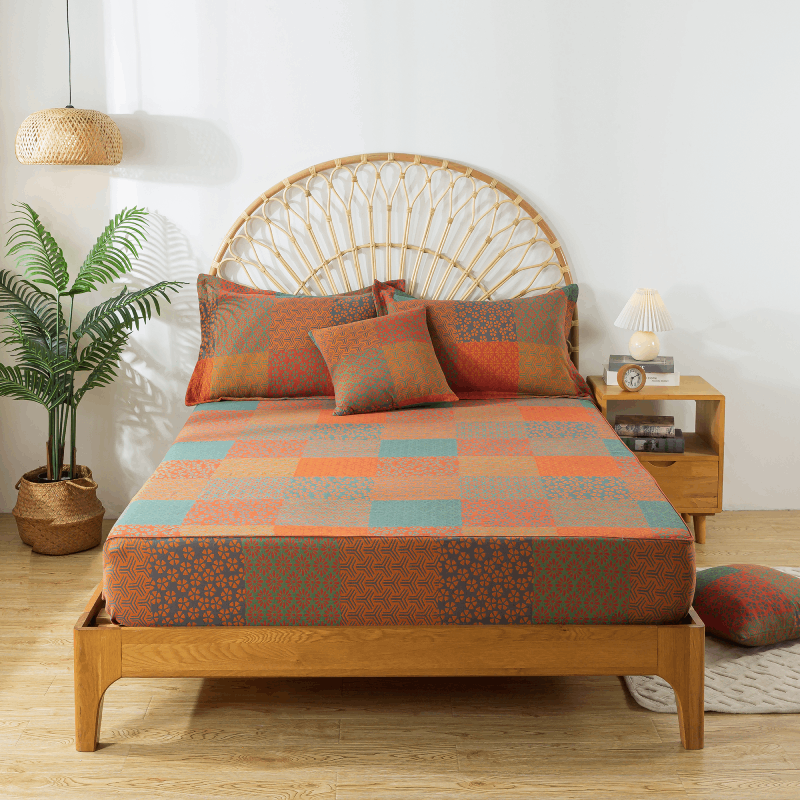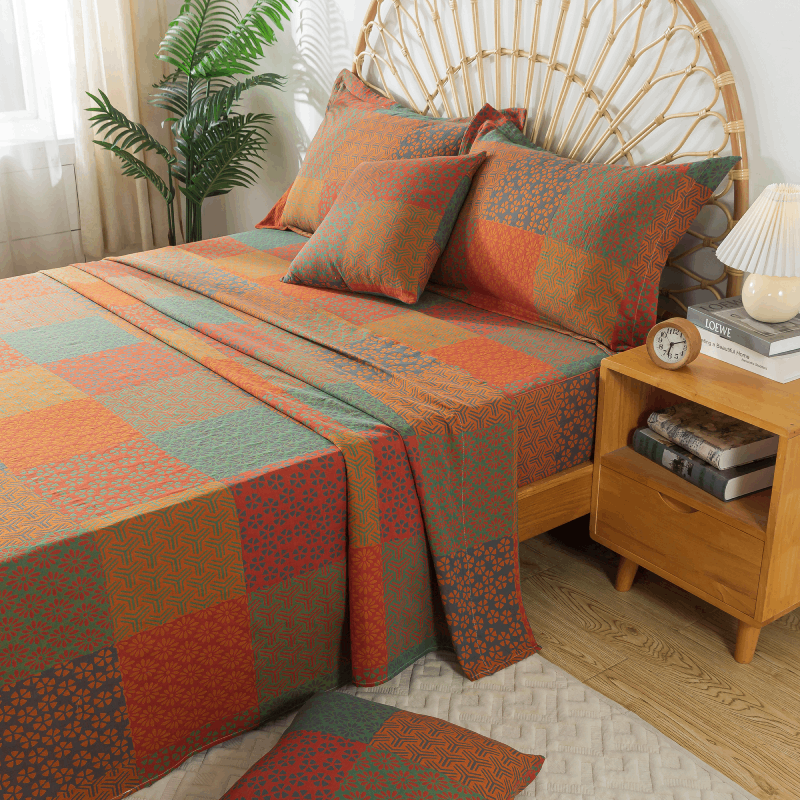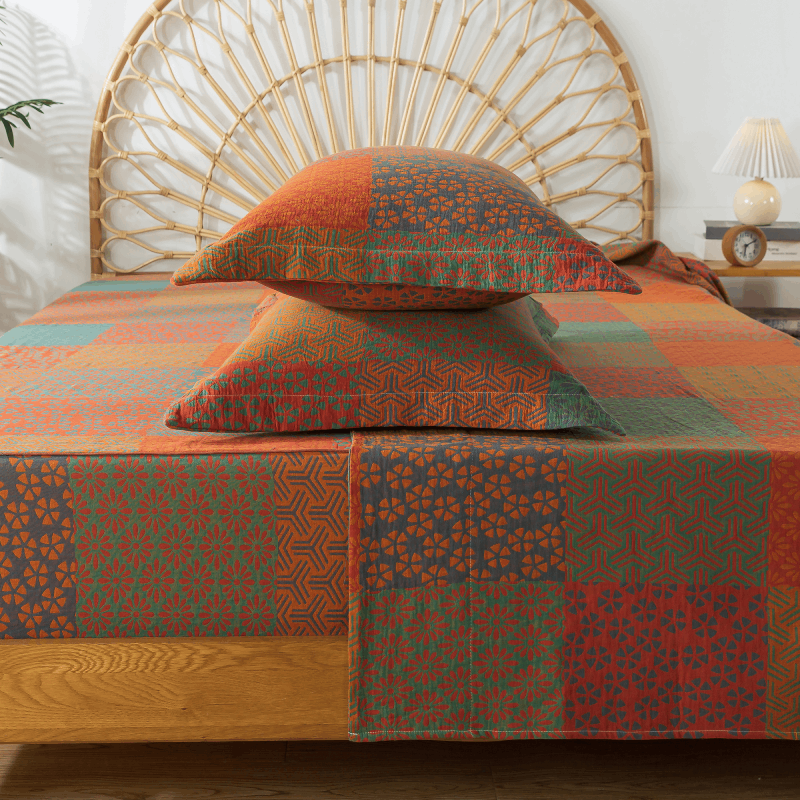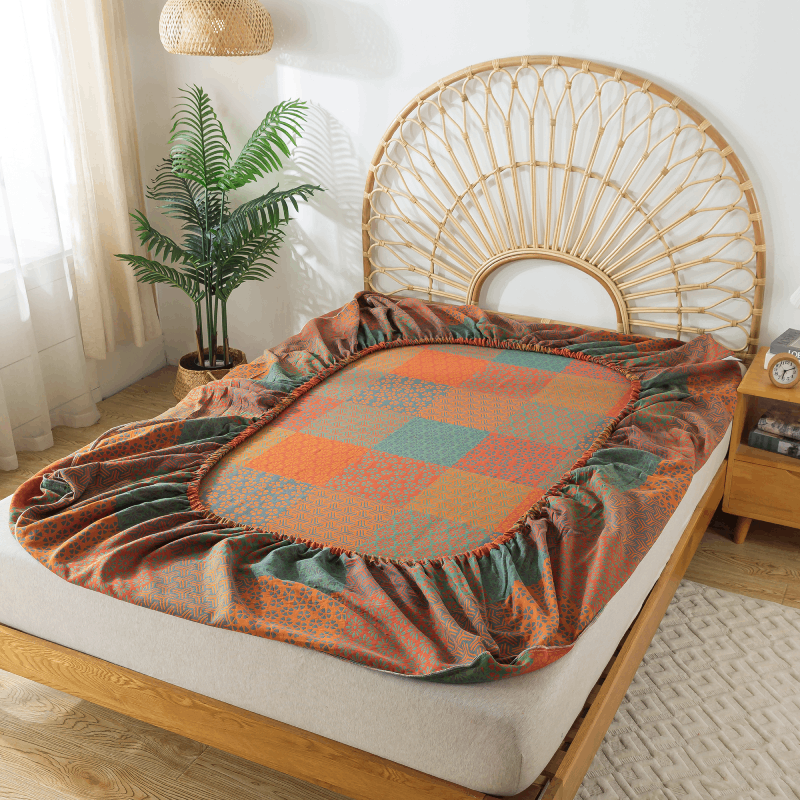


When people think about breathable bedding, they often associate it with hot summer nights. While airflow is certainly important during warmer months, breathable bedding can improve sleep comfort throughout the entire year. From helping the body release excess heat in summer to preventing uncomfortable moisture buildup in winter, the right bedding creates a more balanced and inviting sleep environment in every season.
What Does Breathable Bedding Mean?
Breathable bedding allows air and moisture to move through the fabric instead of becoming trapped around the body. Materials such as cotton are naturally well suited for this purpose because their fibers encourage airflow and absorb moisture.
By comparison, less breathable fabrics may hold heat close to the skin, causing sleepers to feel overheated, damp, or uncomfortable during the night. Breathability is therefore not simply about keeping cool. It is about supporting a stable sleeping temperature and maintaining a fresh, comfortable bed.
Staying Cool During Summer
Summer is the season when the benefits of breathable bedding are most noticeable. Warm temperatures, increased humidity, and reduced nighttime airflow can make it difficult to fall asleep and remain comfortable.
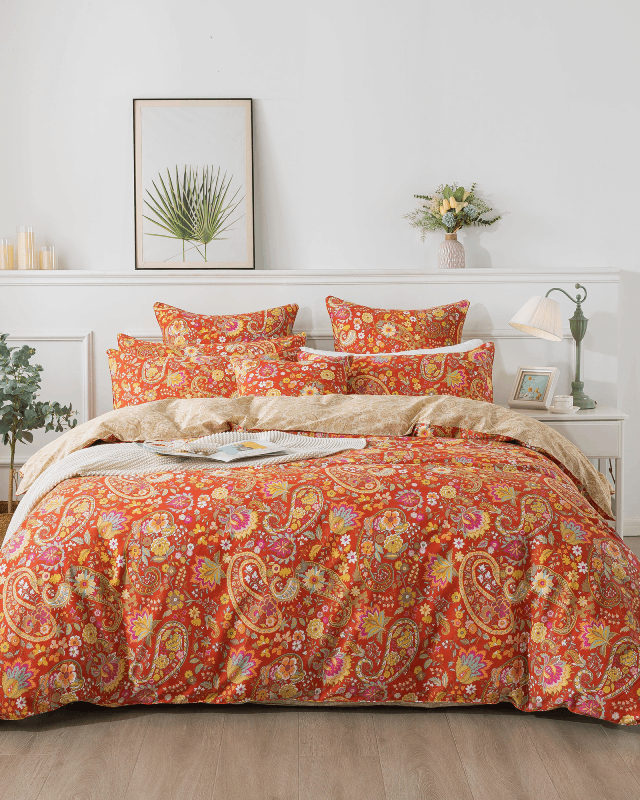
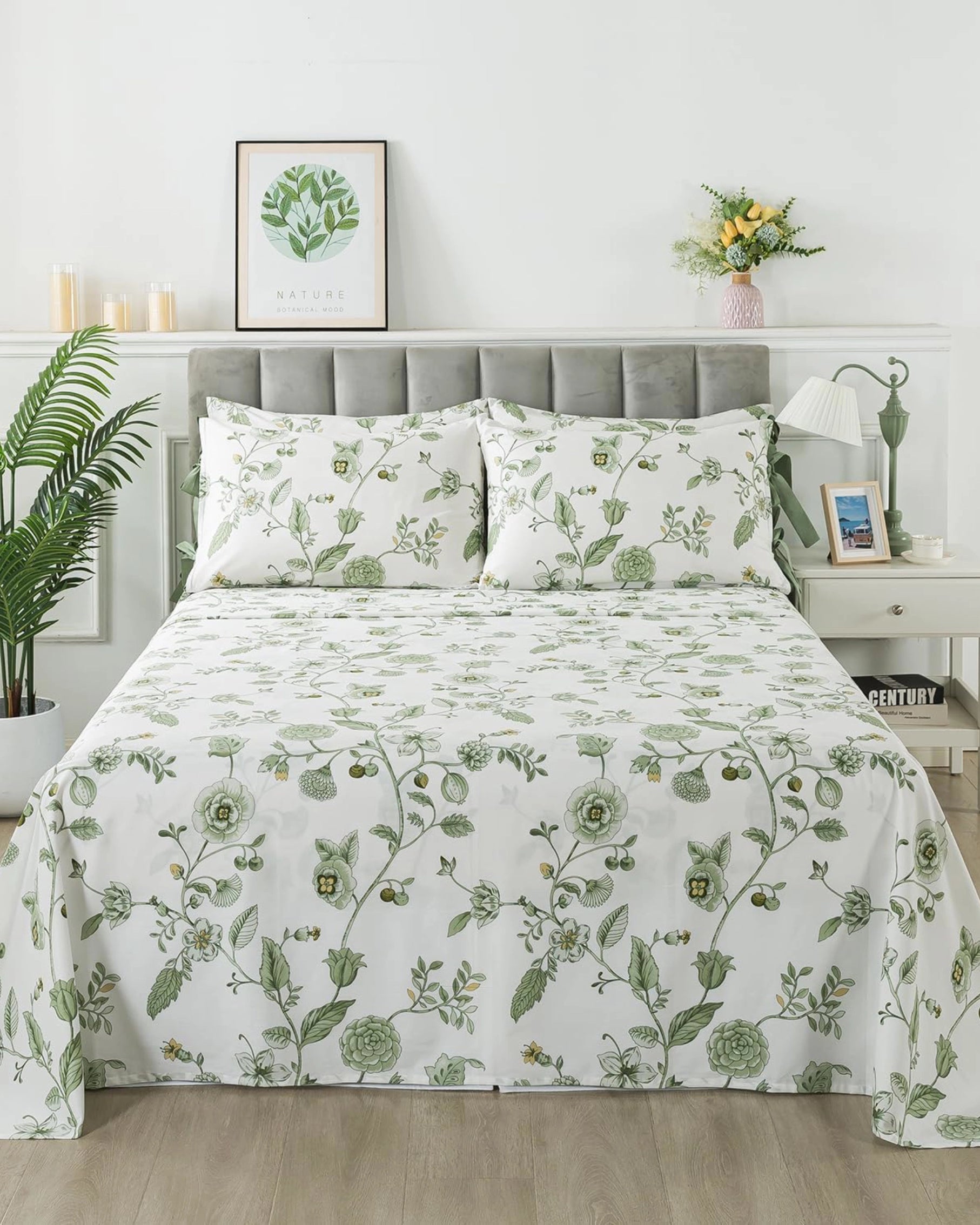
Breathable cotton sheets, duvet covers, and lightweight quilt sets allow body heat to escape more easily. Cotton can also absorb moisture from the skin, helping the bed feel less sticky on humid nights.
Instead of relying only on air conditioning, choosing breathable bedding can make the bedroom naturally more comfortable. Lightweight layers also allow sleepers to adjust their bedding without feeling weighed down.
Supporting Comfort in Autumn
Autumn weather can be unpredictable. Some nights remain warm, while others become noticeably cooler. Breathable bedding is useful during this transitional season because it works well with layering.
A cotton sheet set can provide a comfortable foundation, while a quilt or duvet can be added as temperatures drop. Because breathable fabrics allow excess heat to escape, sleepers are less likely to feel overheated under multiple layers.
This flexibility makes breathable bedding especially practical for households experiencing changing temperatures from one week to the next.

Reducing Moisture Buildup in Winter
Winter bedding is often designed to provide warmth, but warmth without airflow can create problems. Heavy, poorly ventilated materials may trap body heat and moisture beneath blankets. A sleeper may feel warm at first but wake up feeling damp or overheated later in the night.
Breathable bedding helps reduce this buildup by allowing moisture to move away from the body. When paired with warmer layers, breathable cotton sheets or duvet covers can create a cozy sleeping environment without making the bed feel stuffy.
The goal during winter is not maximum heat retention. It is comfortable, balanced warmth.
Managing Temperature Changes in Spring
Like autumn, spring often brings shifting temperatures. A cool evening may be followed by a warm morning, making it difficult to choose the right bedding.
Breathable fabrics adapt more easily to these changes. They provide enough softness and coverage for cooler nights while helping release excess warmth as temperatures rise.
Spring is also a popular time to refresh the bedroom. Replacing heavy winter layers with cotton sheets, lightweight quilts, or breathable duvet covers can make the space feel cleaner, brighter, and more comfortable.
Better Comfort for Different Sleepers
Not everyone experiences nighttime temperature in the same way. Some people naturally sleep warm, while others prefer additional layers. Couples sharing a bed may also have different comfort preferences.
Breathable bedding offers a more flexible foundation because it does not trap excessive heat. A warm sleeper may feel more comfortable with a lightweight cotton layer, while a cooler sleeper can add a quilt or blanket without creating an overly stuffy bed.
This adaptability makes breathable bedding suitable for children, adults, guest bedrooms, and shared sleeping spaces.
A Fresher Sleep Environment
Airflow and moisture management also contribute to a fresher-feeling bed. When heat and perspiration remain trapped in bedding, fabrics may feel damp and require more frequent refreshing.
Breathable cotton bedding helps moisture evaporate more effectively. With regular washing and proper care, it can maintain a clean, comfortable feel over time.
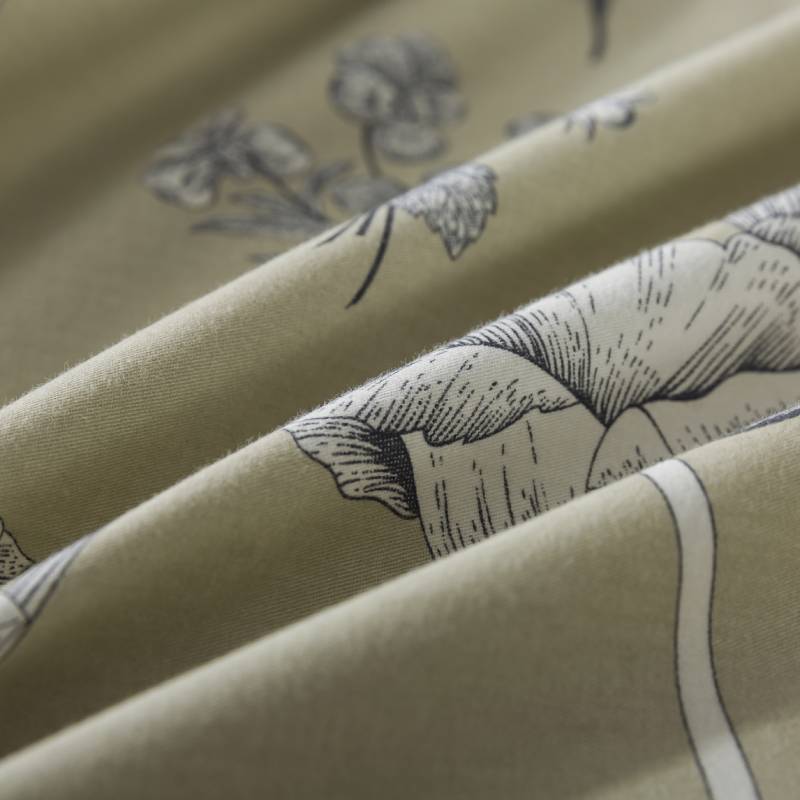
Natural cotton is also valued for its softness and skin-friendly texture, making it a practical choice for bedding used every night.
Choosing Breathable Bedding
When shopping for bedding, consider the fabric, construction, weight, and intended season.
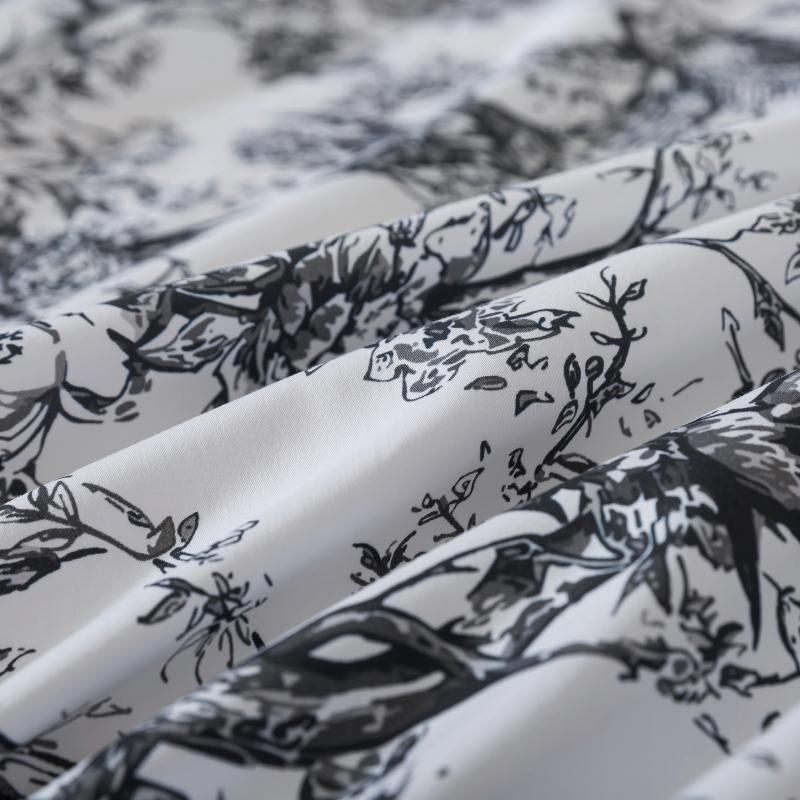
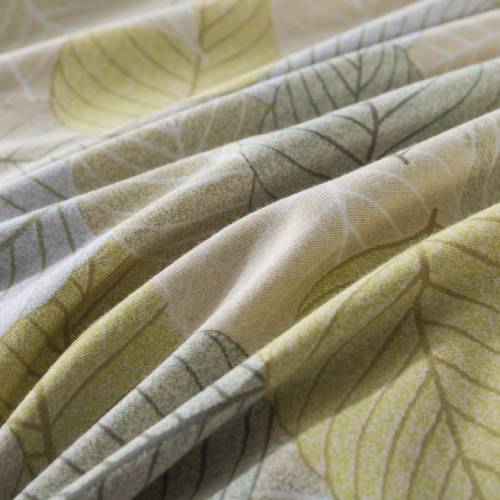
Natural cotton is a dependable option because it combines breathability, softness, and durability. Percale cotton often feels crisp and lightweight, while washed cotton offers a softer, more relaxed texture. Double-gauze cotton is airy and gentle, making it especially suitable for comfortable layering.
The weight of the bedding also matters. Lightweight quilts and duvet covers are easier to use across seasons because blankets or inserts can be added or removed as needed.
Creating a Year-Round Bedding System
A comfortable bed does not require a completely different collection for every season. A few breathable essentials can form the foundation of a flexible year-round setup.
Start with breathable cotton sheets. Add a lightweight quilt for mild temperatures, then introduce a duvet or blanket during colder months. As the weather changes, layers can be removed or rearranged without replacing the entire bedding set.
This approach keeps the bedroom practical, comfortable, and easy to maintain.
Final Thoughts
Breathable bedding matters in every season because sleep comfort depends on more than warmth or coolness alone. The body needs an environment that allows heat and moisture to move naturally throughout the night.
From humid summer evenings to layered winter beds, breathable cotton bedding helps maintain a balanced sleeping temperature, reduce stuffiness, and create a fresher sleep environment. By choosing versatile fabrics and adjustable layers, you can build a bed that feels comfortable in spring, summer, autumn, and winter.