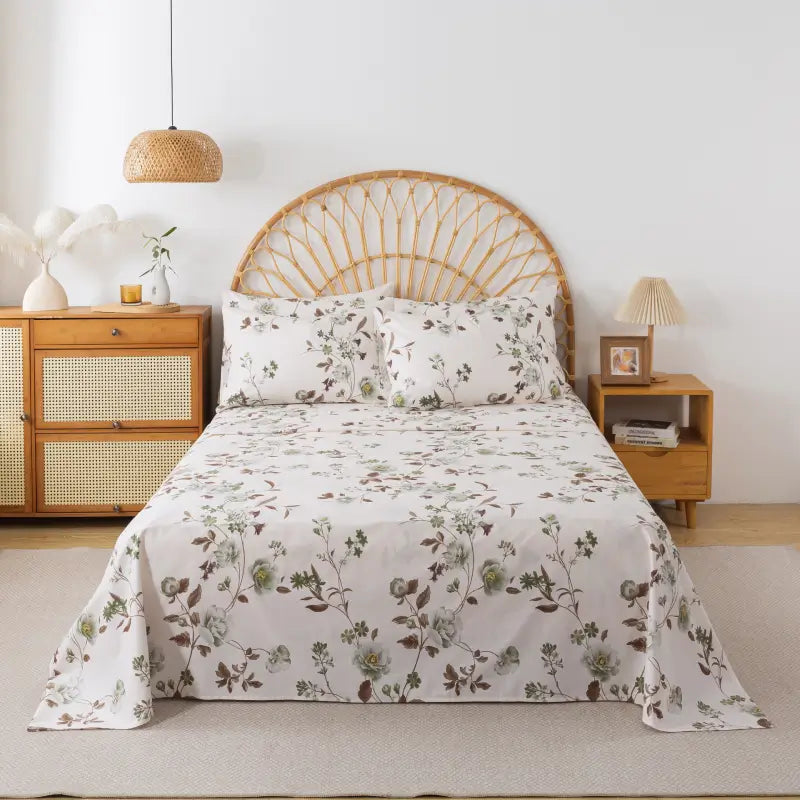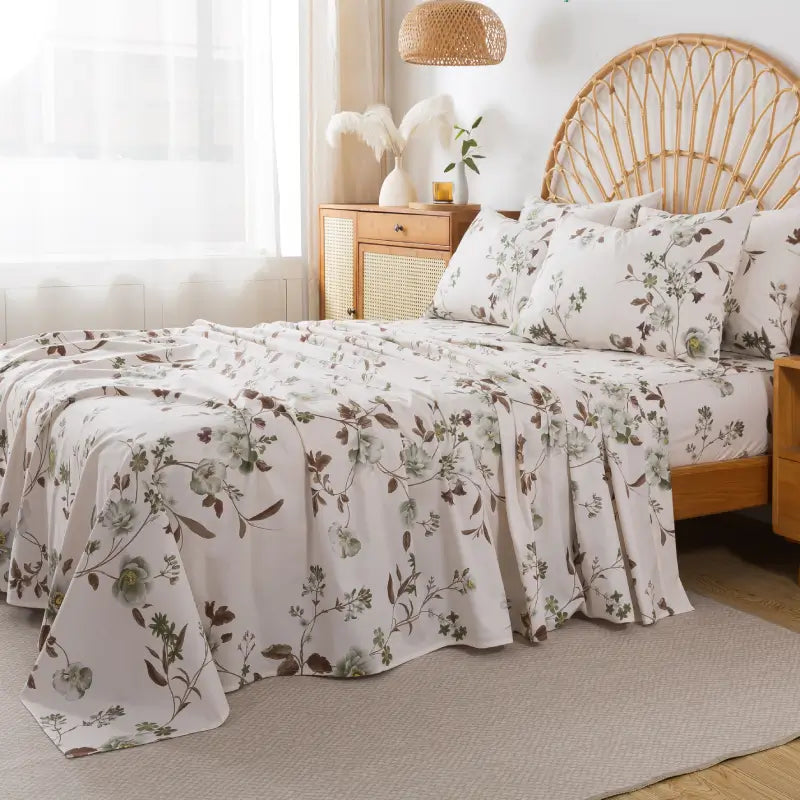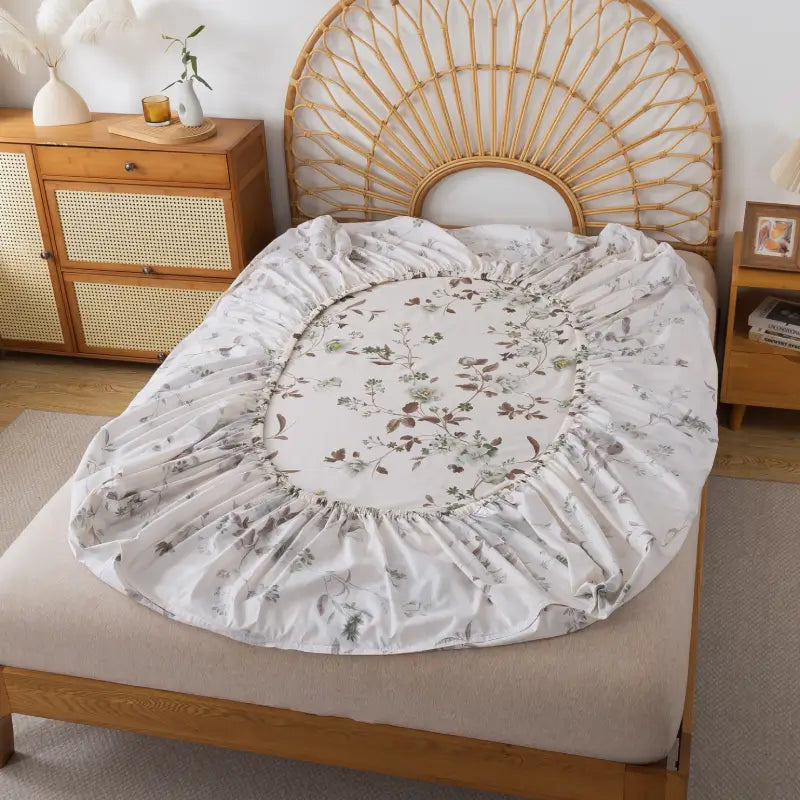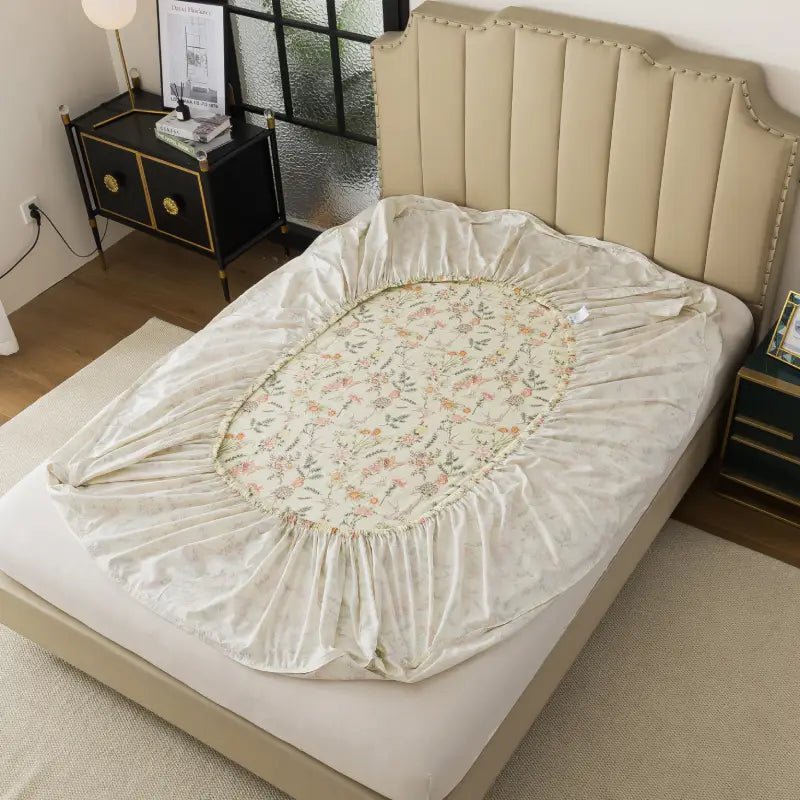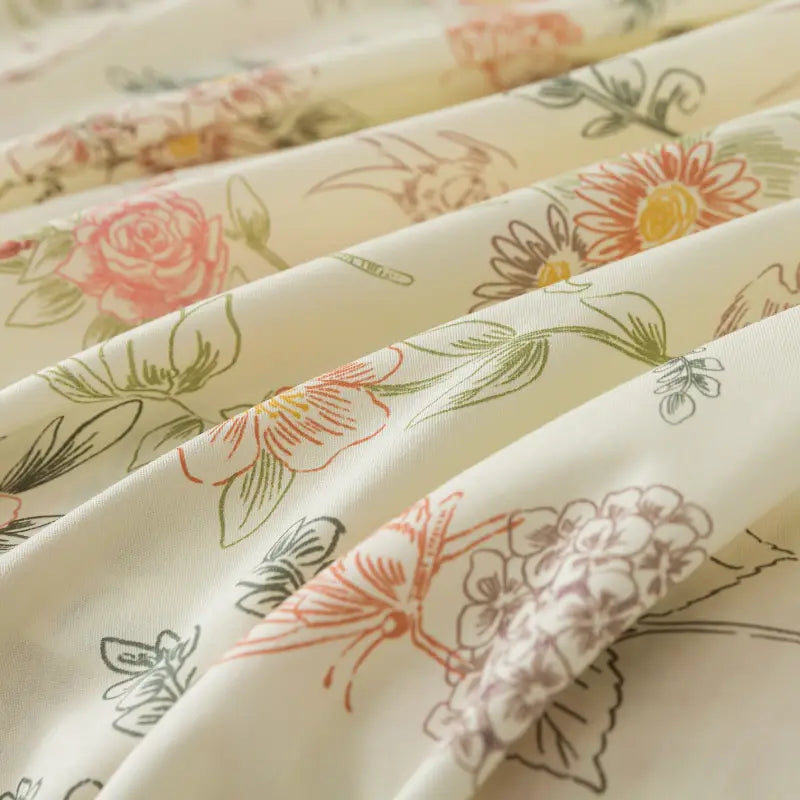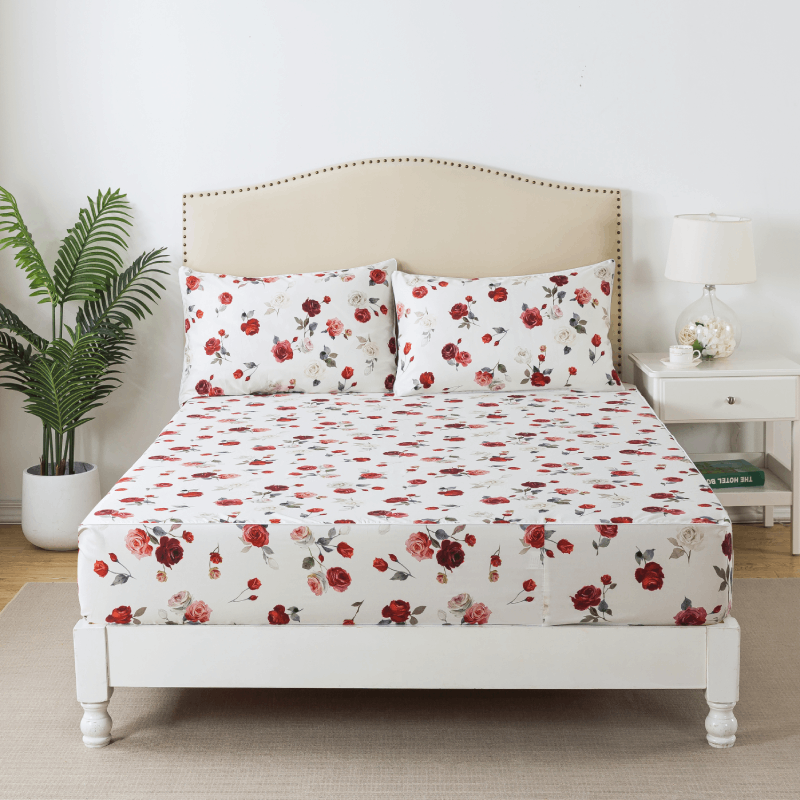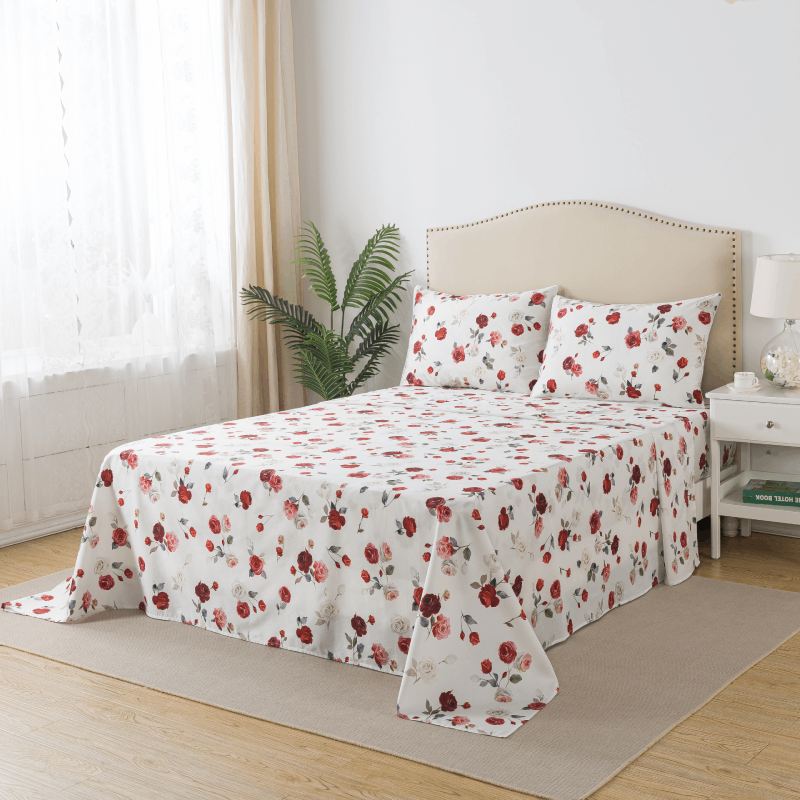


Walk into most bedrooms today and you’ll see the same pattern: more shelves, more wall art, more “styling.” But the room still doesn’t feel right.
That’s because comfort doesn’t come from how much you add—it comes from what you touch every day.
A bedroom is not a showroom. It’s a place you return to when you’re tired, overstimulated, or simply done with the world. And when you’re aiming for a room that feels calm, complete, and genuinely restful, textiles do more work than décor ever will.
Decor is visual. Textiles are physical.
Decor changes how a bedroom looks.
Textiles change how a bedroom feels.
You can buy the prettiest bedside lamp, hang the trendiest framed print, and still climb into a bed that feels rough, stiff, hot, or noisy. At that point, the room may look finished, but it doesn’t function like a place meant for rest.
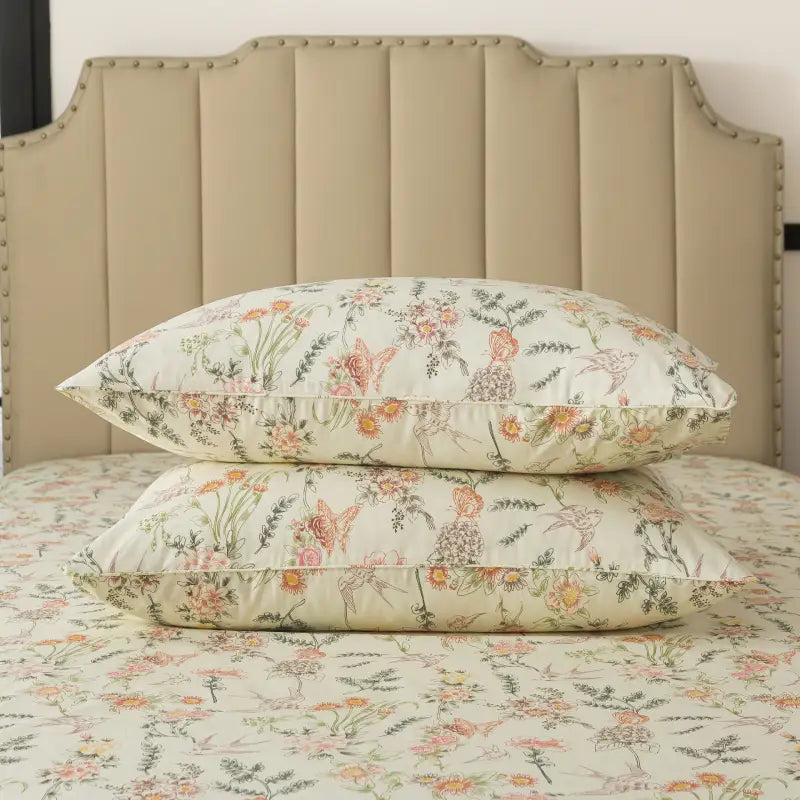
Textiles are the only design choice in your bedroom that your body interacts with for hours at a time. Sheets touch your skin. Quilts shape your warmth. Pillowcases influence comfort. Even the way fabric drapes affects how relaxed the room feels.
When textiles improve, the room improves—without adding anything extra.
The bedroom comfort problem most people misdiagnose
When a bedroom feels “off,” people usually blame the layout or decor style. They think they need:
-
a different rug
-
a new headboard
-
more pillows
-
better lighting
-
more “layers”
But most of the time, the real issue is simpler: the bed doesn’t feel inviting.
That invitation comes from three things:
-
Touch (softness and texture)
-
Temperature (breathability and weight)
-
Ease (how effortless it is to live with)
If these are wrong, no amount of styling fixes it.
If these are right, you can have a nearly empty bedroom and it will still feel like home.
Better textiles create “quiet luxury” without trying
There’s a difference between a bedroom that looks expensive and one that feels deeply comfortable.
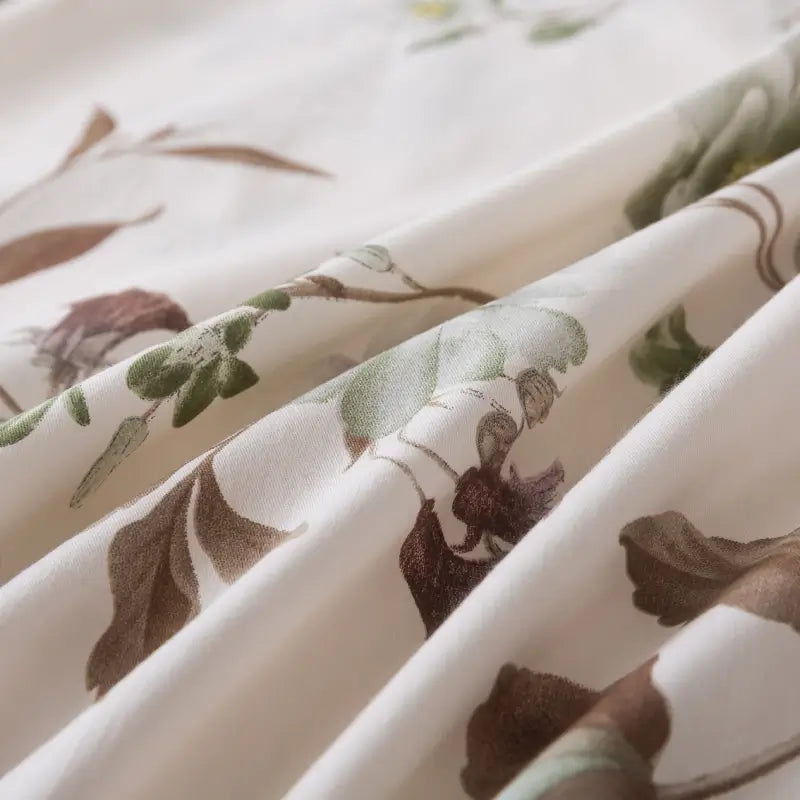
The best spaces often look simple because they don’t rely on clutter to create atmosphere. Instead, they rely on materials that carry the mood for them: cotton that breathes, fabric that softens with time, stitching that holds shape, colors and patterns that feel natural rather than loud.
This is where textiles become the real design tool.
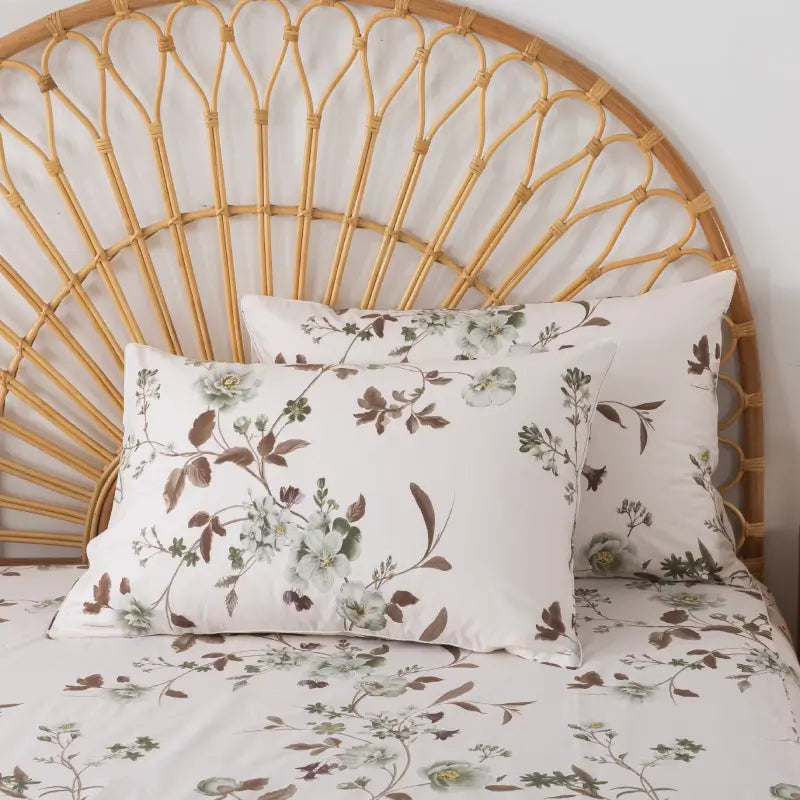
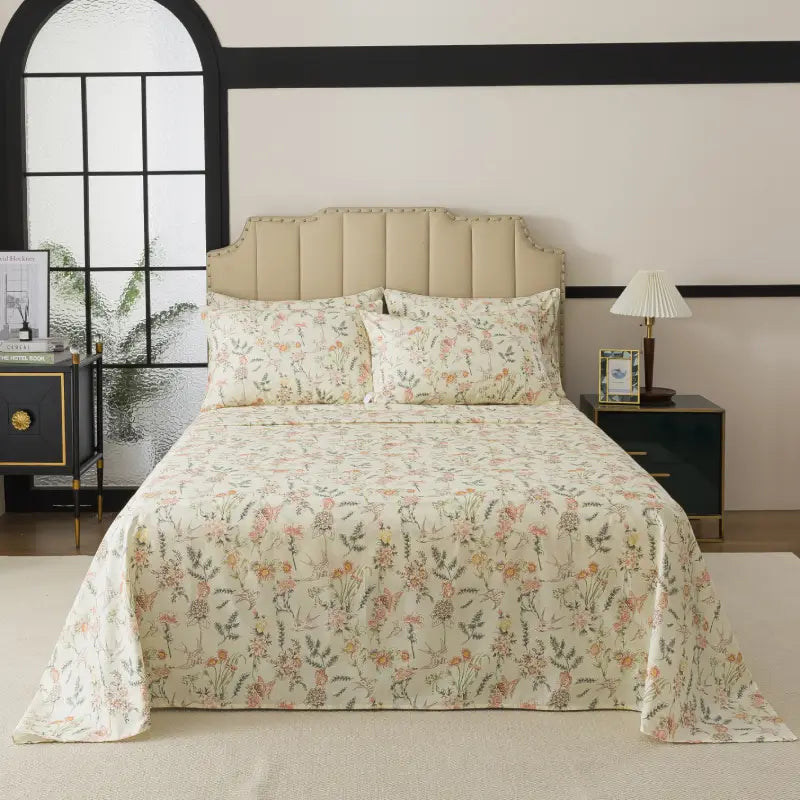
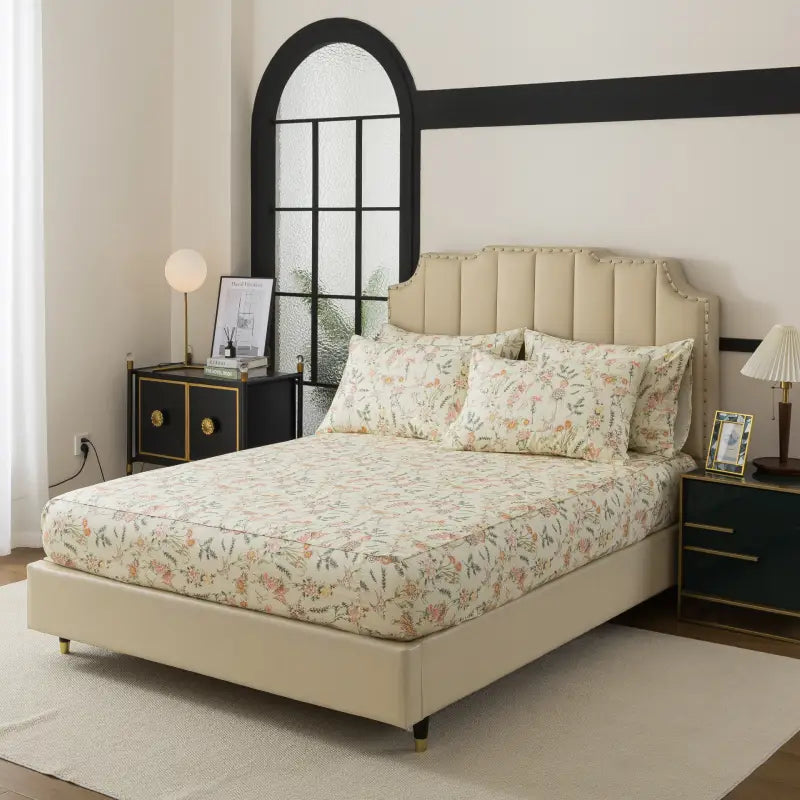
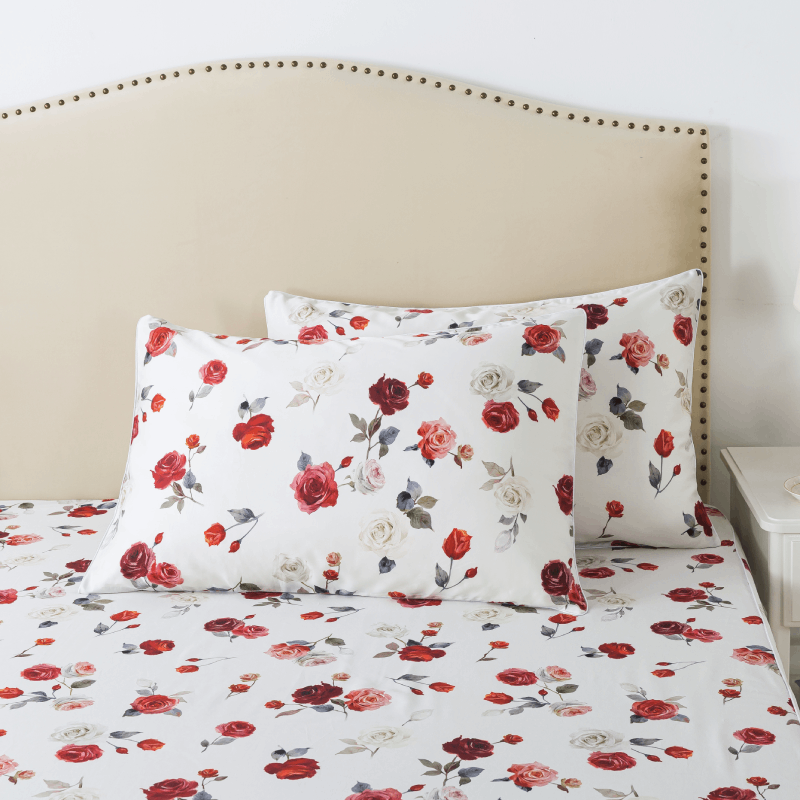
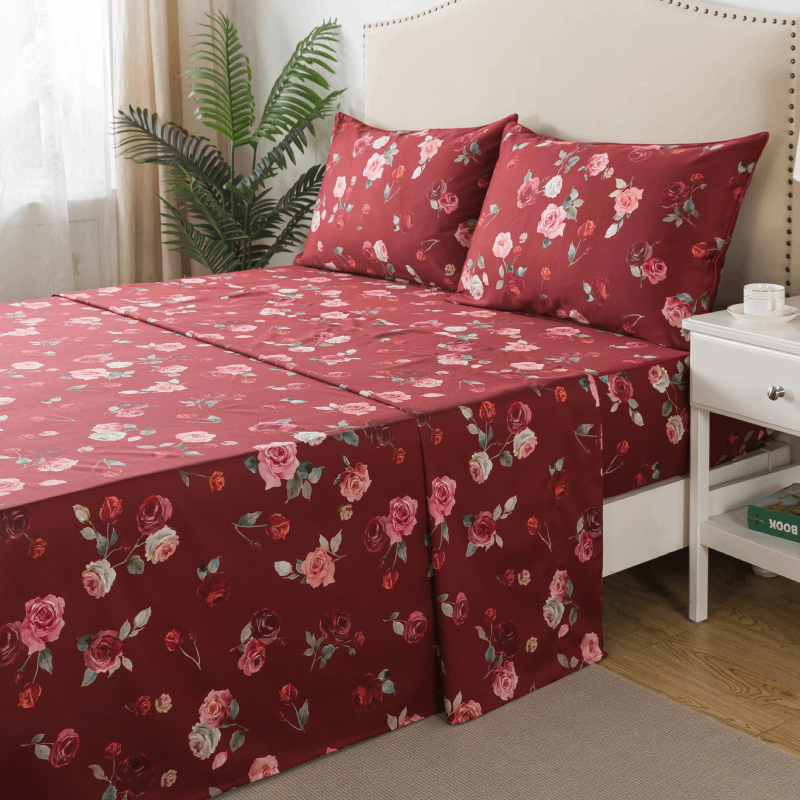
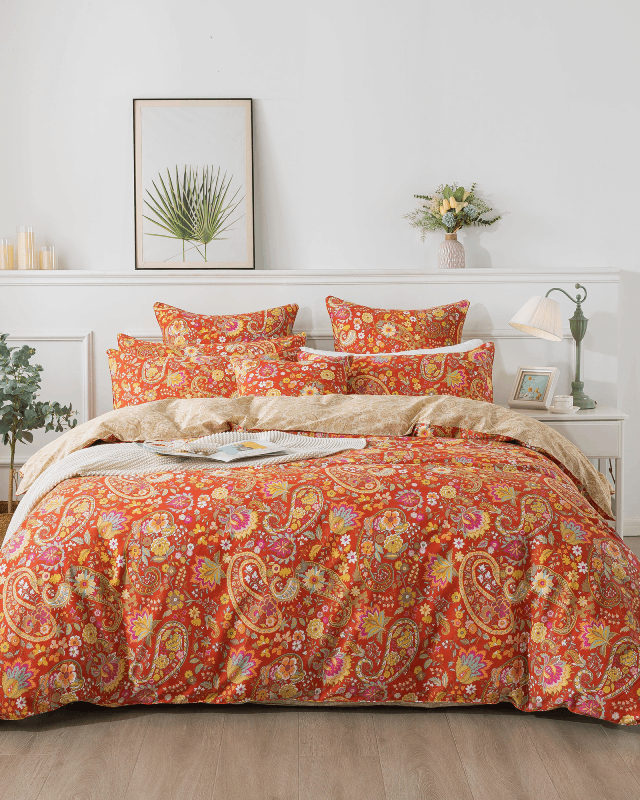
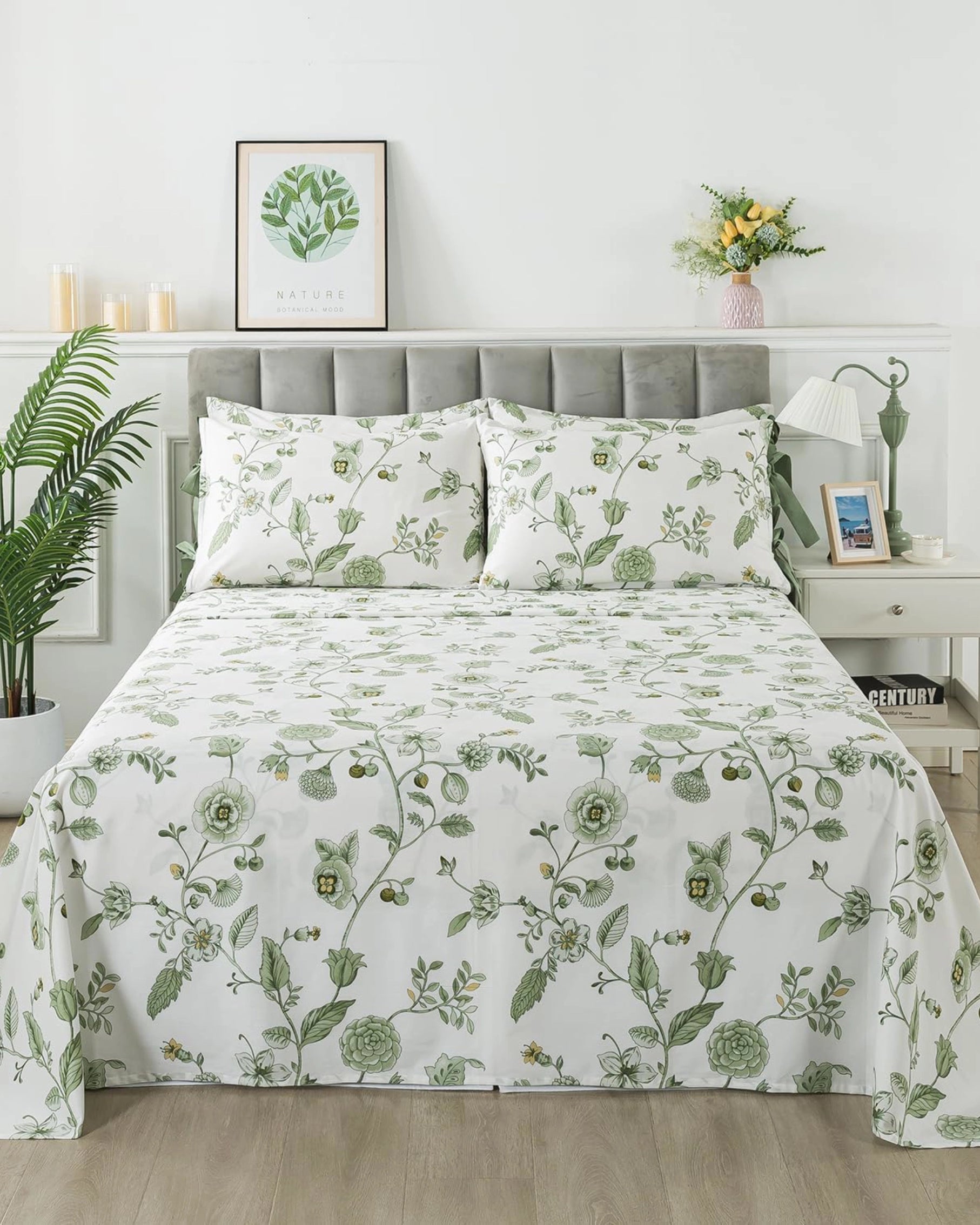
A quilt with gentle structure makes the bed look more complete than any throw pillow pile ever could. A well-made cotton set gives the room a softness you can sense before you even touch it. And subtle floral or tonal patterns add personality without visual noise.
It’s not about being minimal.
It’s about being intentional.
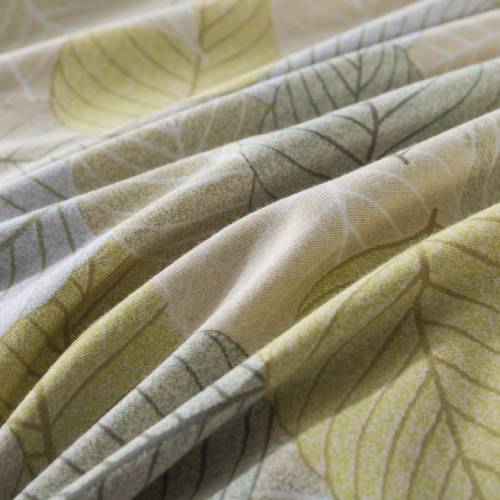
Texture is the most underrated form of decoration
Most people treat textiles as background items: something to match the wall paint or coordinate with the curtains.
But texture is a kind of decoration on its own.
Think about what makes a bed feel styled, even when it’s simple:
-
A quilt with visible stitching that catches the light
-
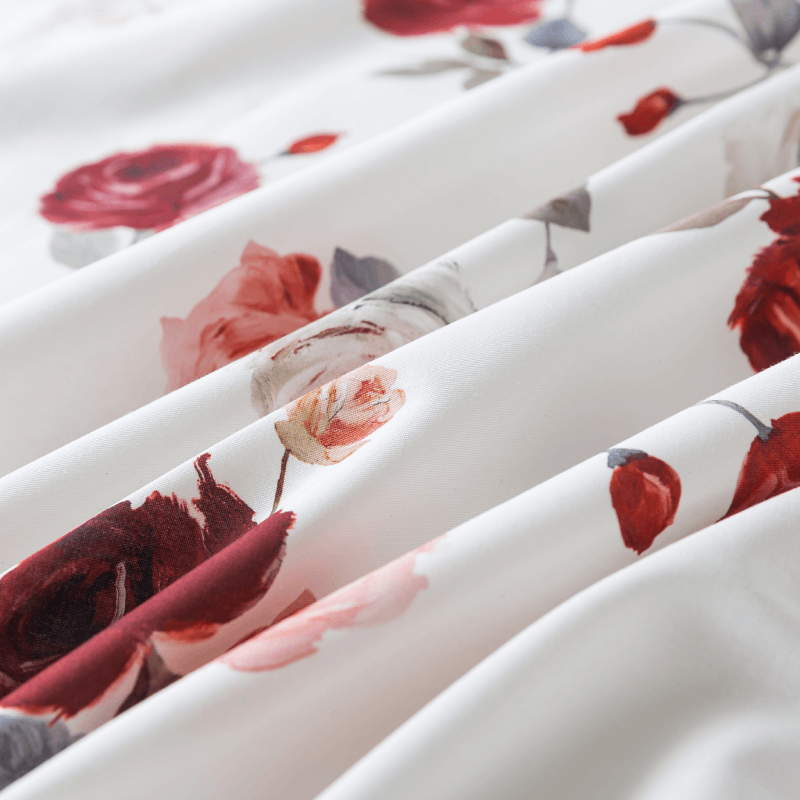
A cotton weave that looks matte and relaxed, not slippery
-
Slight natural wrinkles that make the room feel lived-in
-
A pattern that adds softness without dominating the space
All of these details create depth without adding objects.
You don’t need more things. You need better surfaces.
The psychological difference between “busy” and “restful”
Bedrooms are where your brain should slow down. But decor-heavy spaces often do the opposite. Too many visual elements can feel stimulating—even when they’re pretty.
Textiles help because they soften the room both visually and emotionally.
Soft materials absorb light and sound. They reduce harshness. They make edges feel less sharp. And when patterns are chosen carefully—like muted florals, gentle repeats, or warm neutrals—the room feels calmer without losing character.
That’s why bedding becomes the center of the entire bedroom mood.
Not because it’s the biggest item, but because it’s the most emotionally central one.
The “reset effect” of a well-made bed
A bed made with good textiles doesn’t just look nice—it gives you a reset.
At the end of the day, you want the bed to do one job: make you feel safe, settled, and comfortable enough to stop thinking.
That happens when your bedding feels like it belongs to your real life:
-
breathable enough to sleep well year-round
-
soft enough that you don’t want to “wait for it to break in”
-
durable enough to handle frequent washing
-
comfortable enough that you stop noticing it (in the best way)
The best bedding becomes invisible—because it works.

How to upgrade your bedroom with textiles (without redecorating)
If you want your bedroom to feel better without redoing the entire room, start here:
1) Upgrade one touchpoint at a time
Instead of buying more decor, upgrade what you touch first:
-
pillowcases
-
sheets
-
quilt set
These changes have an immediate impact, even if the rest of the room stays the same.
2) Choose materials that behave well in real life
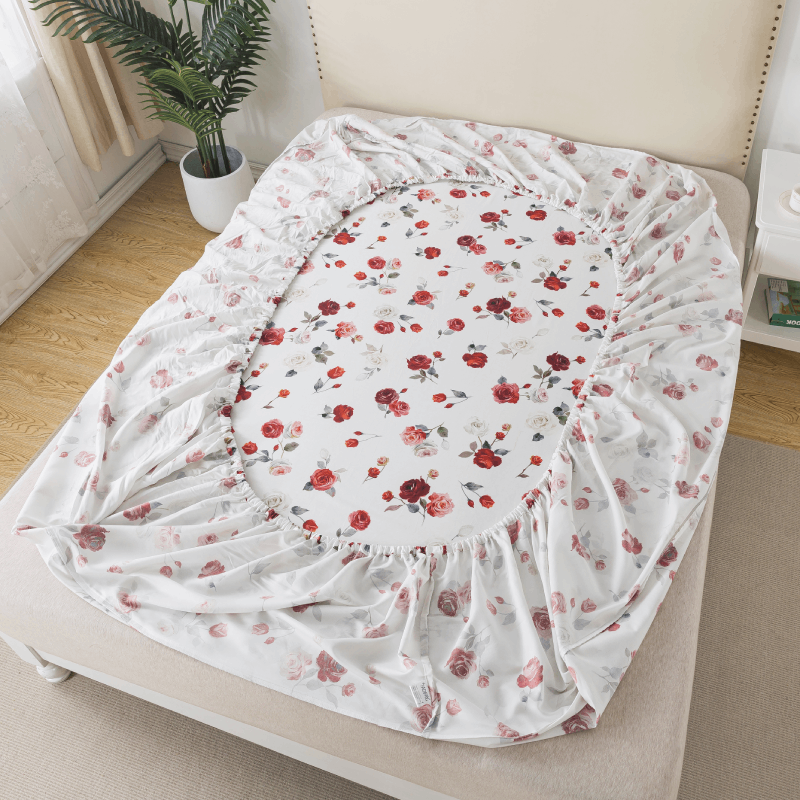
Look for bedding that stays comfortable after washing, doesn’t trap heat, and doesn’t require constant fixing to look decent. The easiest bedrooms to love are the ones that don’t demand effort.
3) Let pattern replace clutter
If your room feels plain, you don’t necessarily need more decor objects. A subtle floral quilt or soft patterned bedding can add warmth and personality without adding visual mess.
4) Aim for “soft structure”
The most comforting beds have shape, but not stiffness. Quilts are especially good at this—they create a finished look while staying cozy and breathable.
A better bedroom is built from fabric, not objects
The truth is, the bedroom doesn’t need more decorating.
It needs more comfort, more softness, and more thoughtful materials.
Because at the end of the day, you don’t live on your wall art.
You live in your bedding.
When textiles are chosen well, the room becomes calmer. Cleaner. More personal. More restful.
Not because you added more.
Because you finally upgraded what matters most.
If you want your bedroom to feel finished, start where your body starts:
with the fabric you sleep in every night.