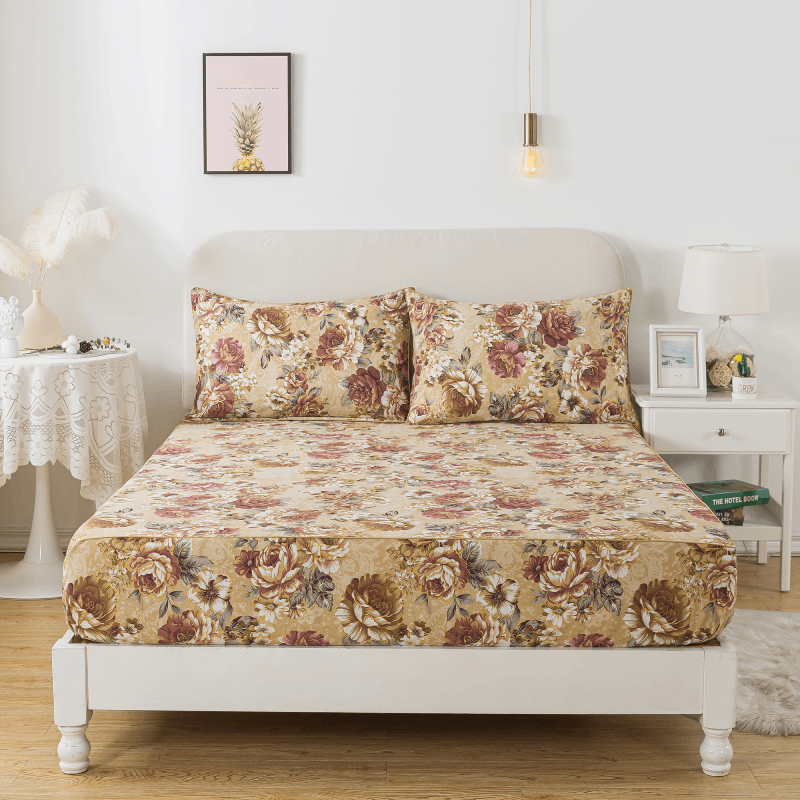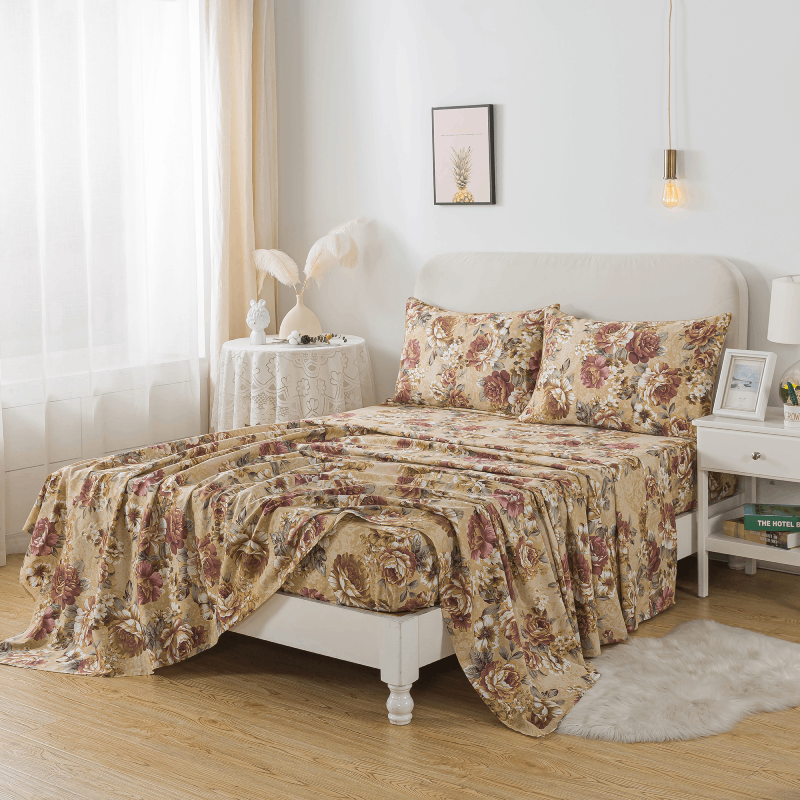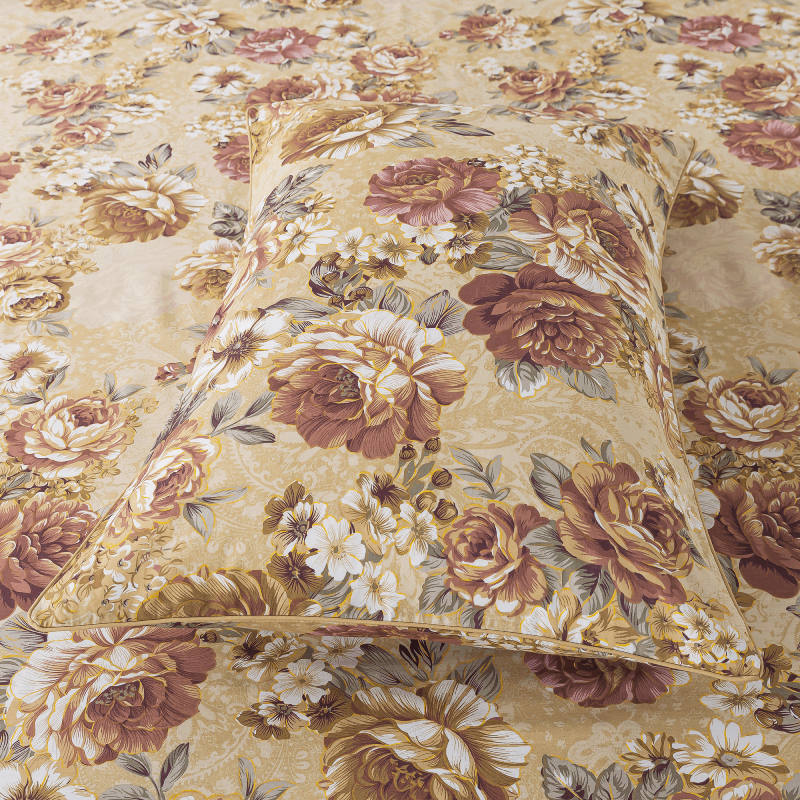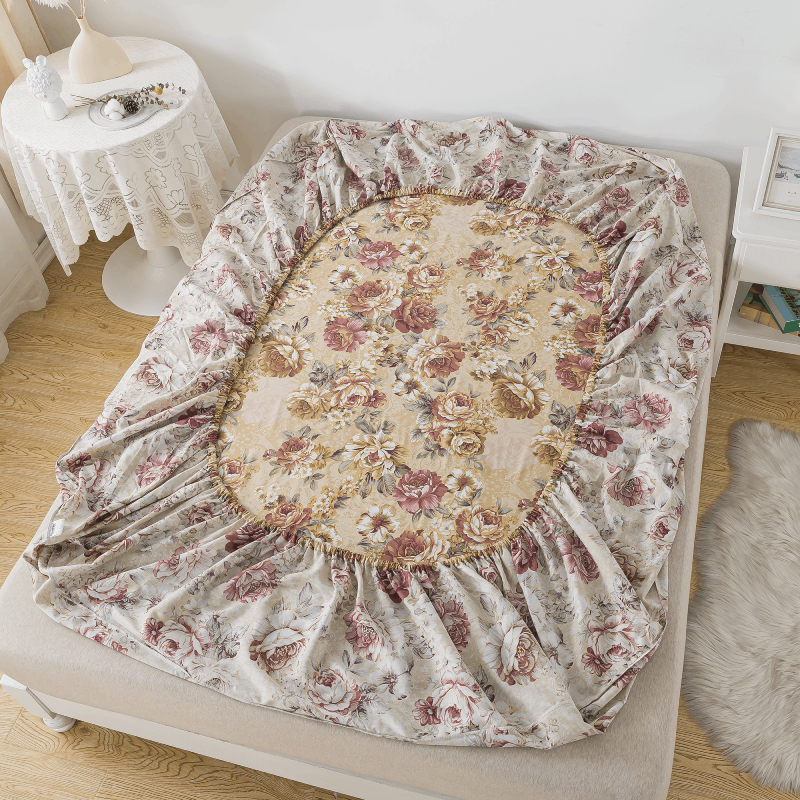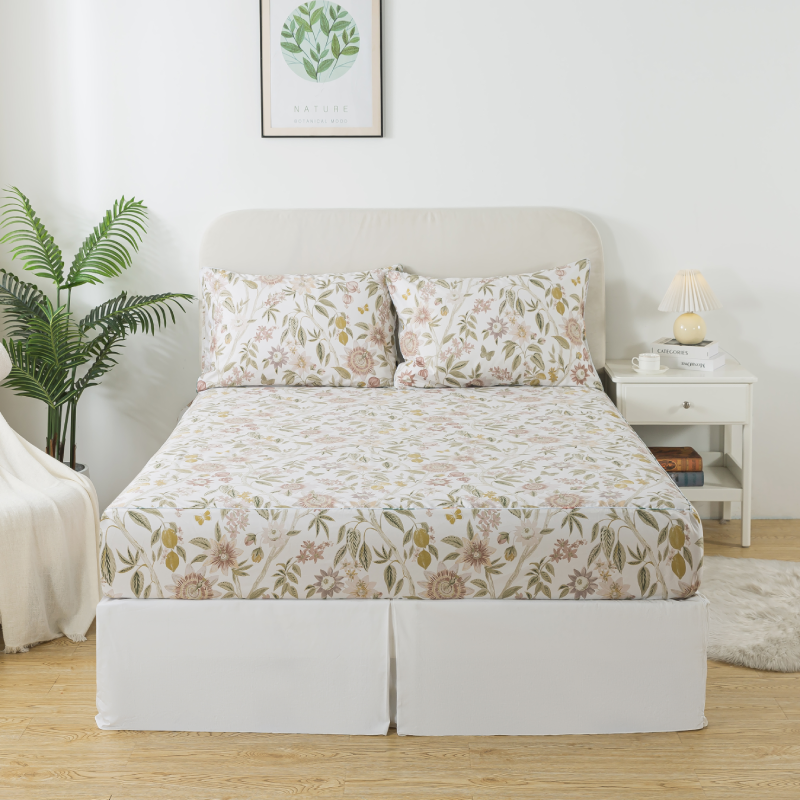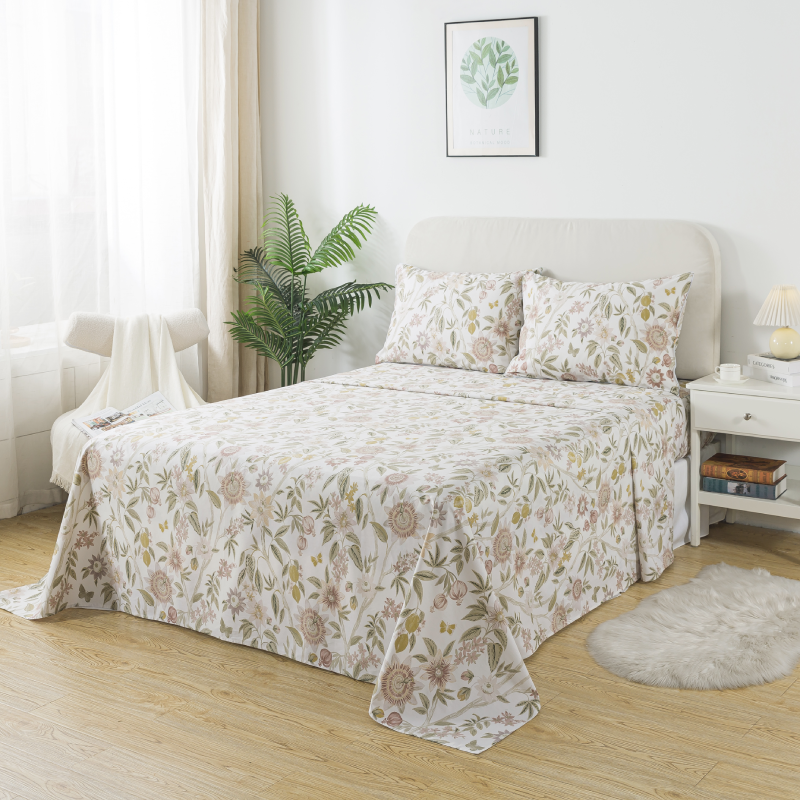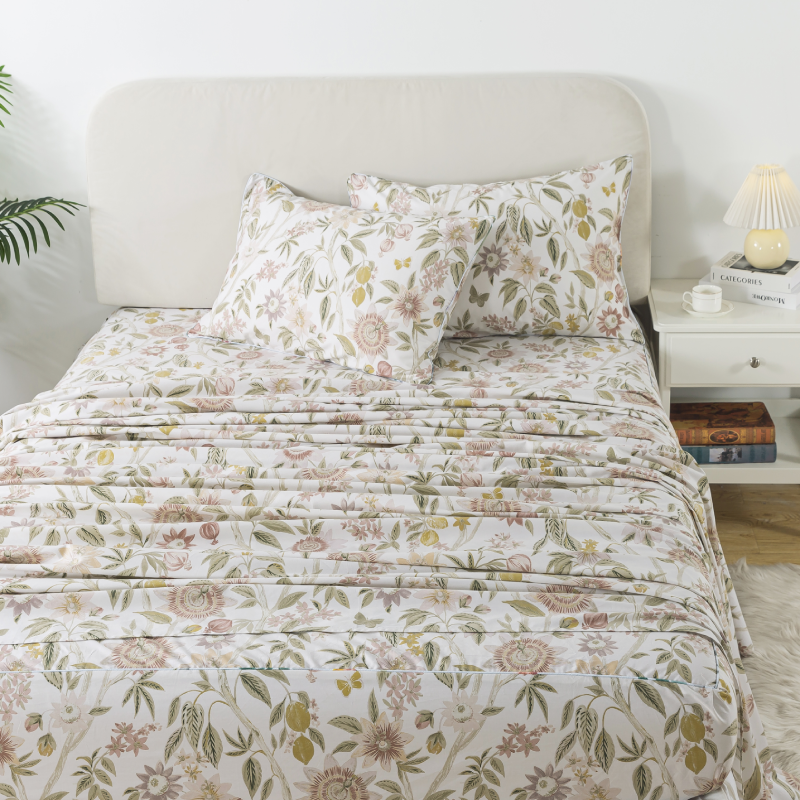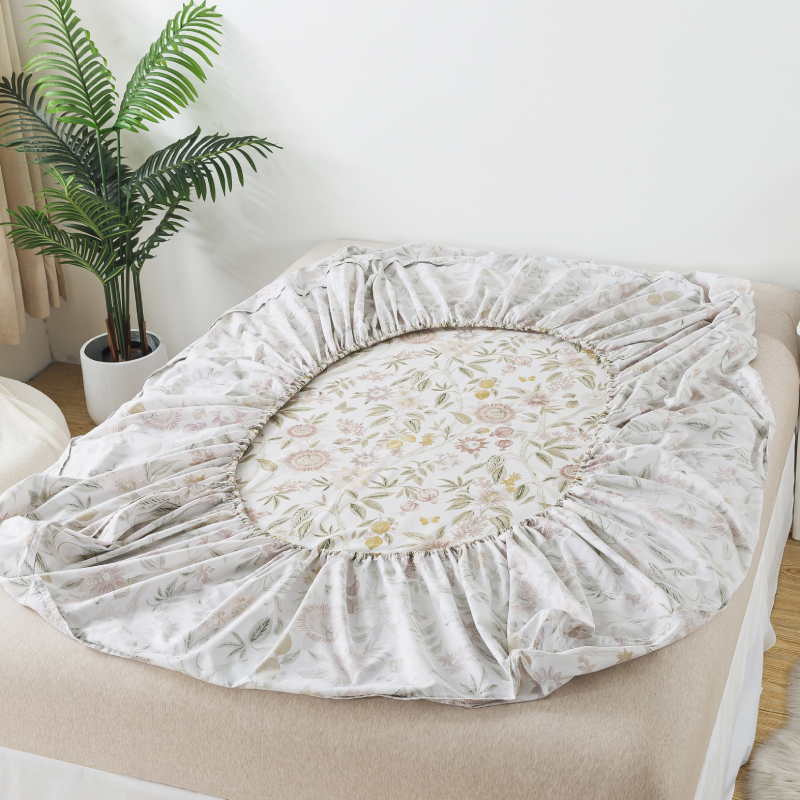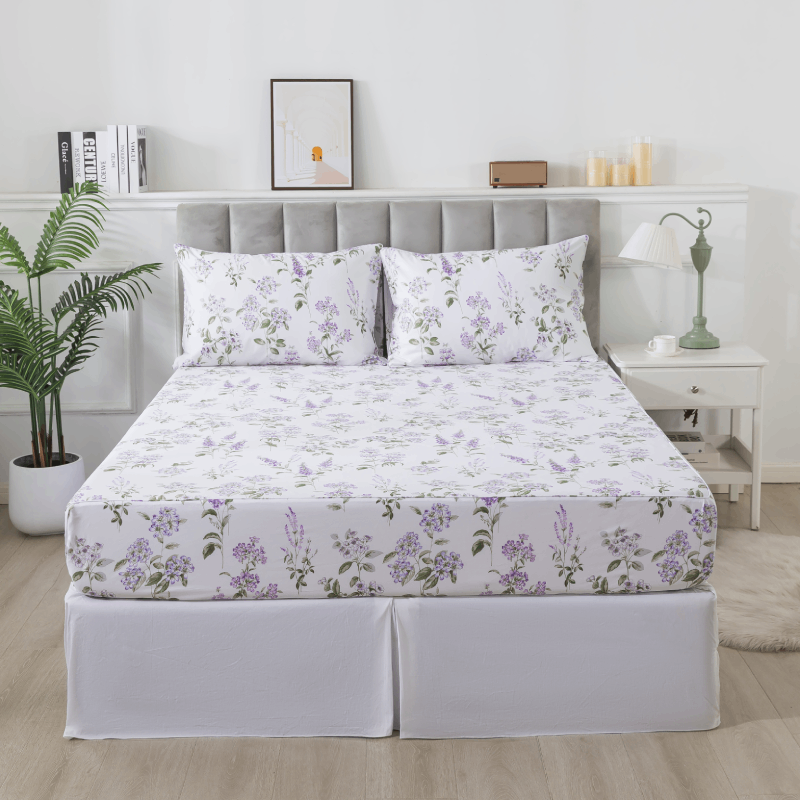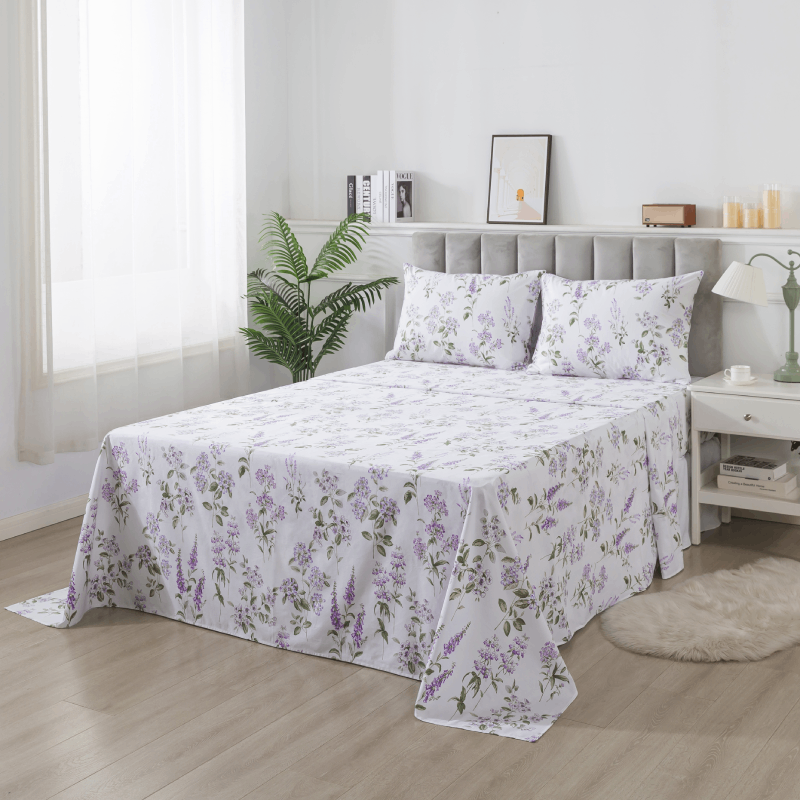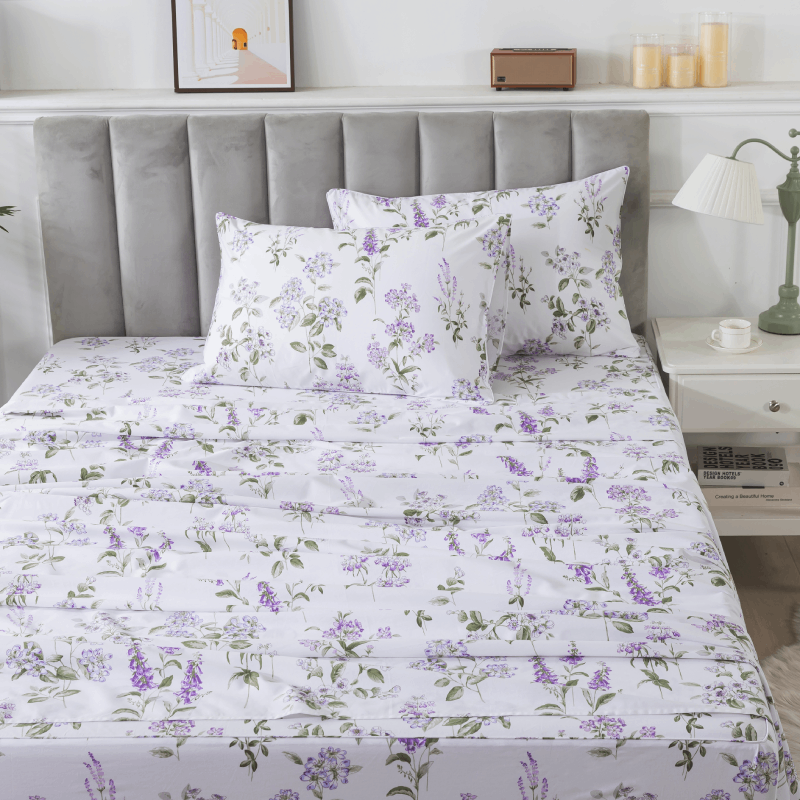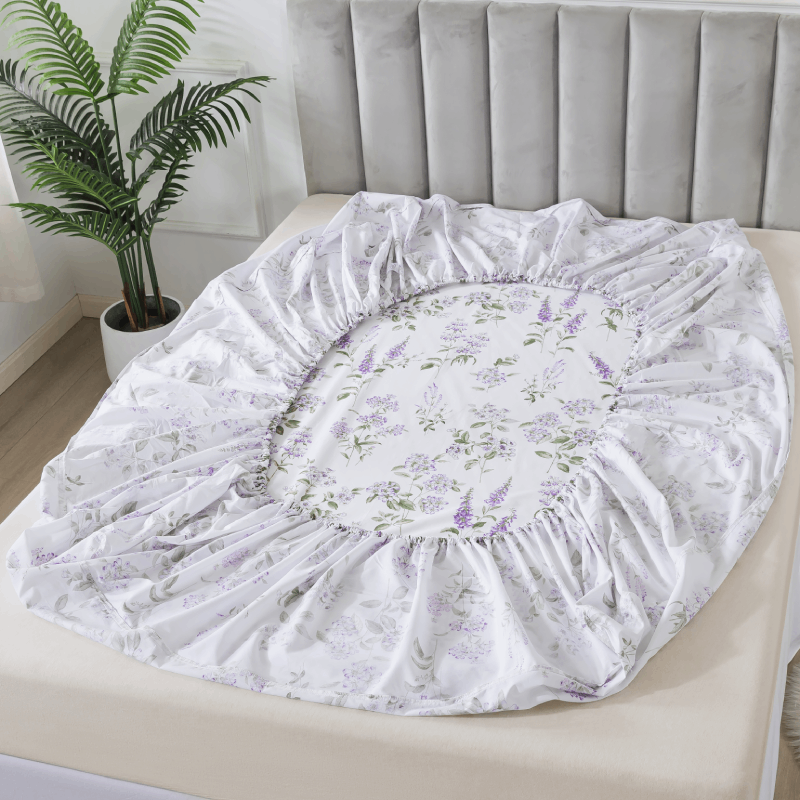



When you walk into a bedroom, your eyes don’t land on the nightstand first. They don’t settle on the lamp, the art, or even the rug. They go straight to the bed.
And more specifically—they go to the bedding.
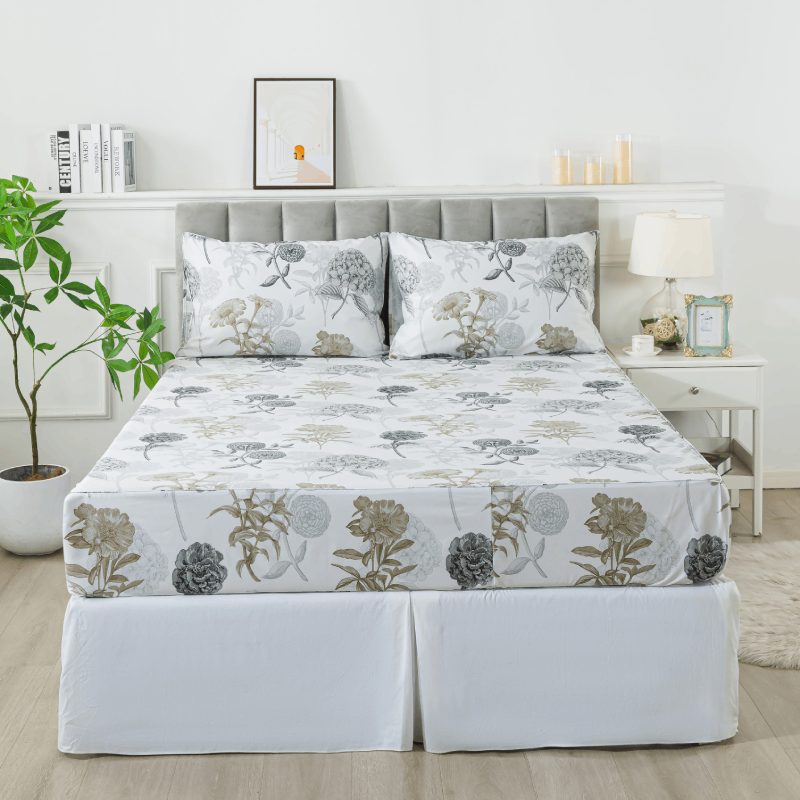
In most bedrooms, the bed occupies the largest physical footprint. But beyond scale, bedding holds the greatest visual weight. It defines the color story, texture balance, and emotional tone of the space. If you understand this, you understand bedroom design.
Let’s break it down clearly.
1. Bedding Controls the Color Narrative
The bed typically sits at the center of the room, both physically and visually. Because of its size, the duvet cover, quilt, or comforter becomes the dominant color field.
If your bedding is:
-
Crisp white → the room feels minimal and calm
-
Soft florals → the room feels romantic and inviting
-
Deep navy or charcoal → the room feels grounded and dramatic
-
Pastel tones → the room feels airy and relaxed
No other single item in the bedroom has this much color surface area.
Walls are fixed. Furniture is usually neutral. But bedding can change seasonally. It’s the most efficient way to transform the room without repainting or renovating.
2. It Defines Texture and Depth
Visual design is not just about color—it’s about texture layering.
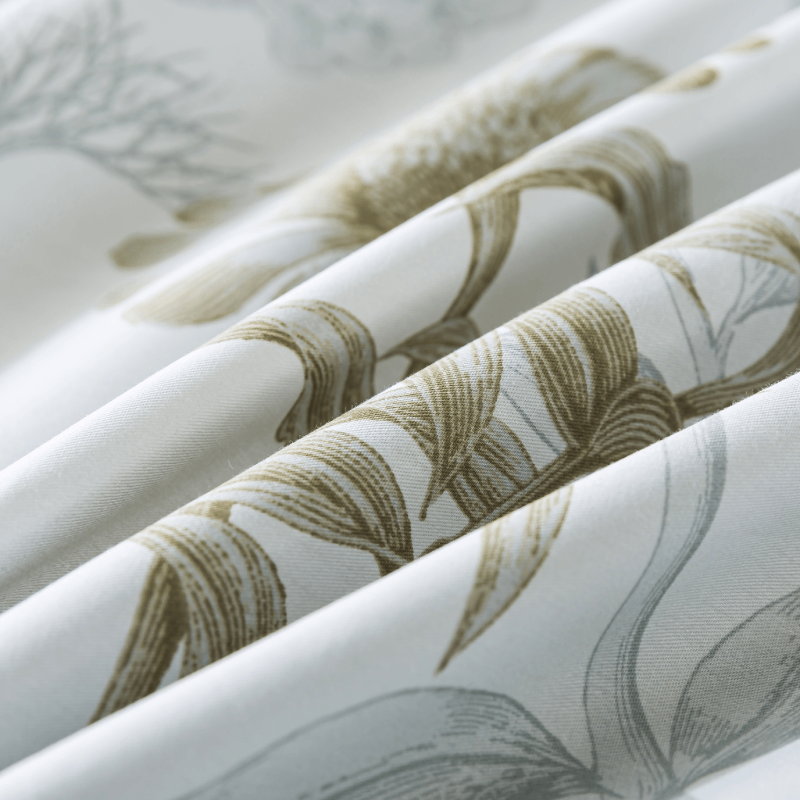
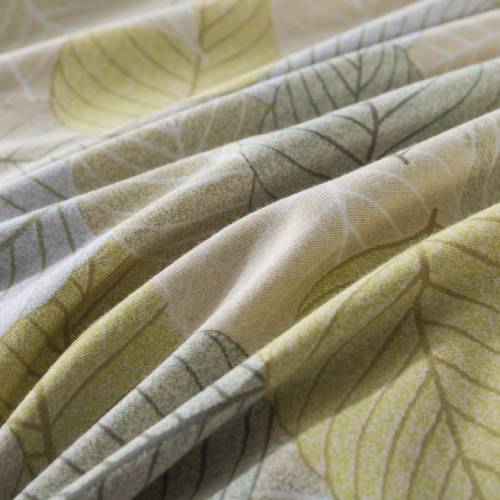
Smooth sateen cotton reflects light differently than washed cotton percale. A quilted surface creates shadow and dimension. Double-layer gauze adds softness and subtle volume.
When light hits bedding, it creates micro-shadows across folds, stitching, and quilting patterns. This adds depth to the entire room.
Flat bedding = flat room.
Layered bedding = dimensional space.
That’s why stylists focus on:
-
Pillow stacking
-
Folded throws
-
Layered quilts
-
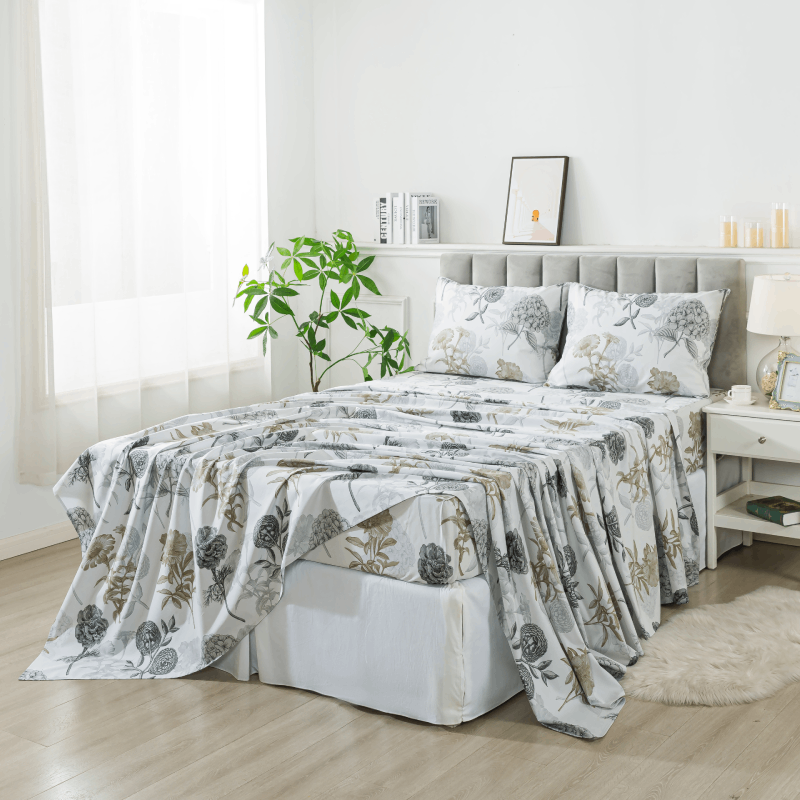
Relaxed draping
Texture creates perceived richness, even when the palette is simple.
3. It Sets the Emotional Temperature
Bedrooms are emotional spaces. They are not just functional.
Bedding communicates comfort before you even touch it.
Crisp tucked bedding signals structure and clarity.
Soft, slightly relaxed bedding signals warmth and lived-in comfort.
Floral patterns introduce familiarity and nostalgia.
Neutral solids introduce calm and restraint.
Psychologically, large visual surfaces influence mood. Because bedding occupies so much space in your field of vision, it sets the emotional temperature of the room instantly.
You don’t consciously analyze it—but you feel it.

4. It Anchors the Entire Layout
Interior design works around anchor points. In a bedroom, the bed is the anchor. Bedding reinforces that anchor.
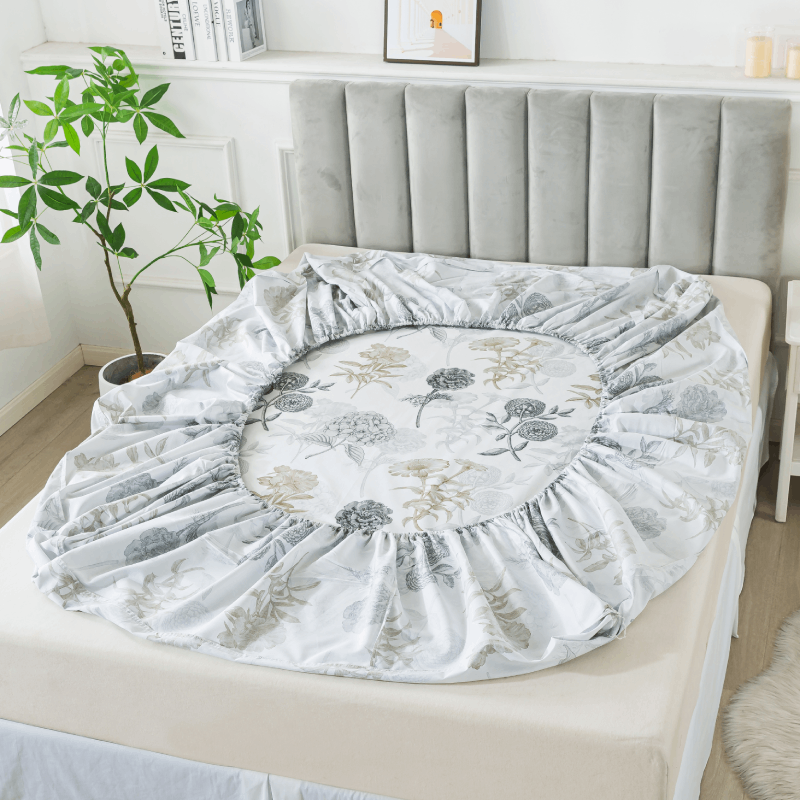
Imagine the room without bedding—just a bare mattress. The room feels incomplete and cold.
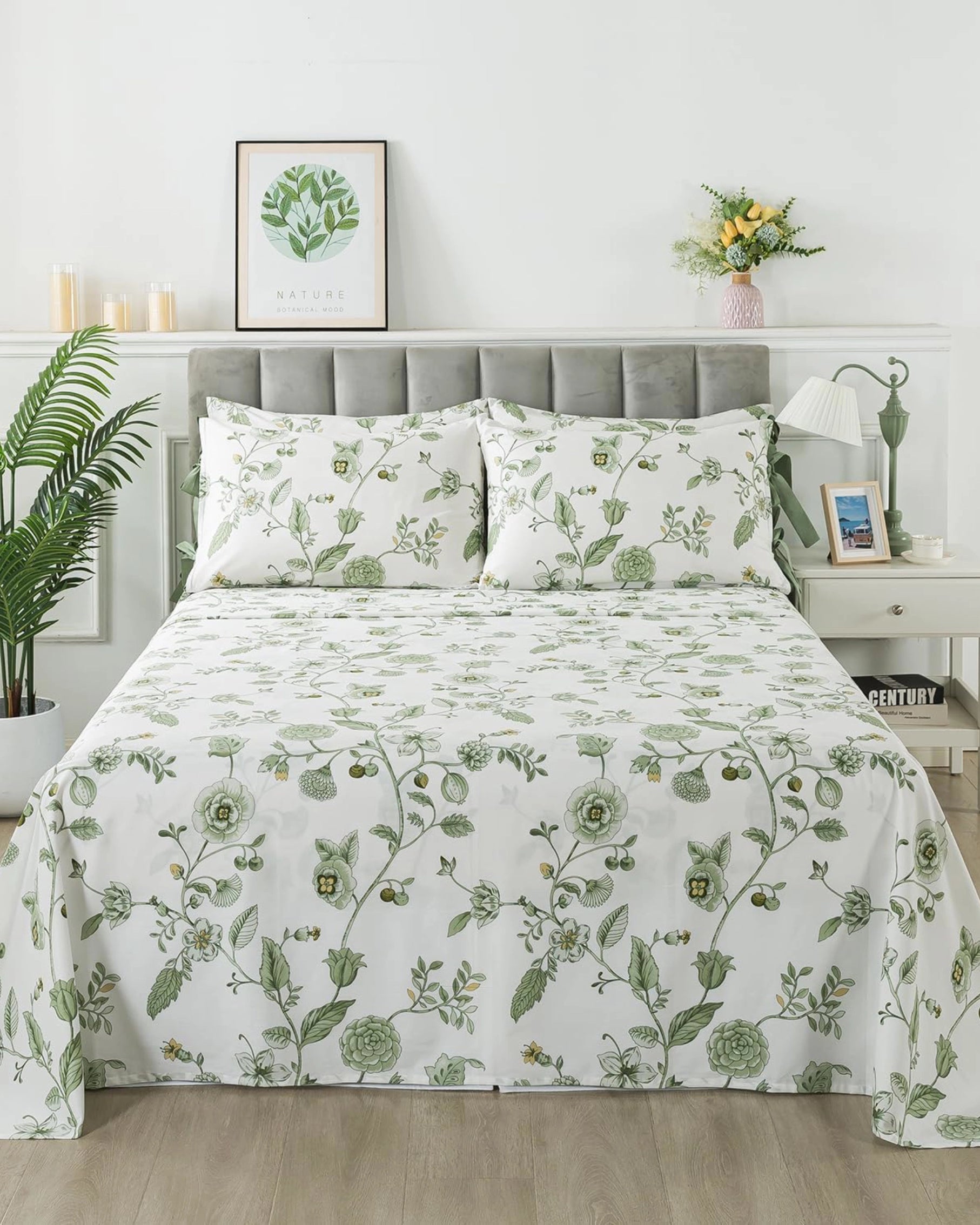
Now imagine a full quilt set with coordinated pillow shams. Suddenly, the room feels finished.
Bedding visually connects:
-
Headboard
-
Nightstands
-
Accent pillows
-
Wall art
-
Curtains
It becomes the central design reference. Other elements either complement or contrast it.
Without a strong bedding choice, the room lacks cohesion.
5. It Has the Largest Pattern Impact
If your bedding features a pattern—floral, geometric, striped—that pattern becomes the dominant visual language.
A small patterned pillow can be an accent.
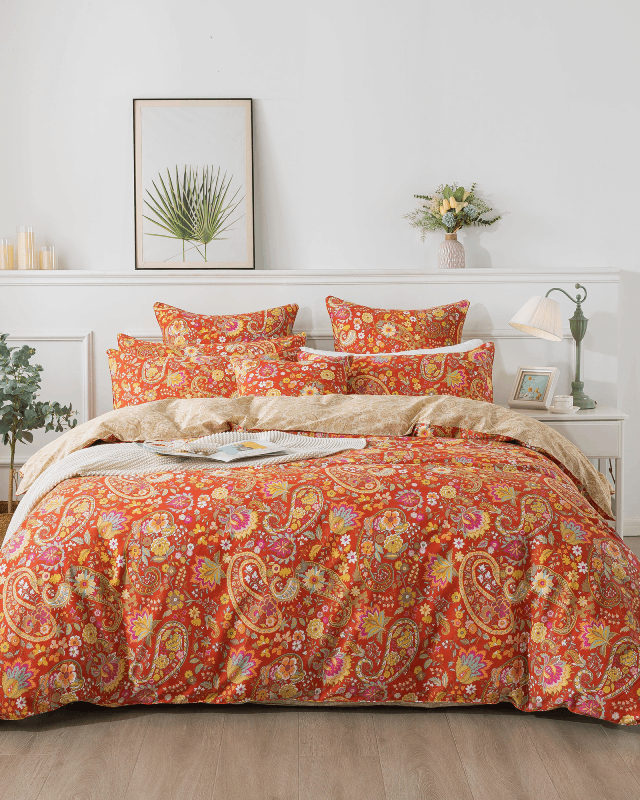
A full floral quilt becomes the identity of the room.
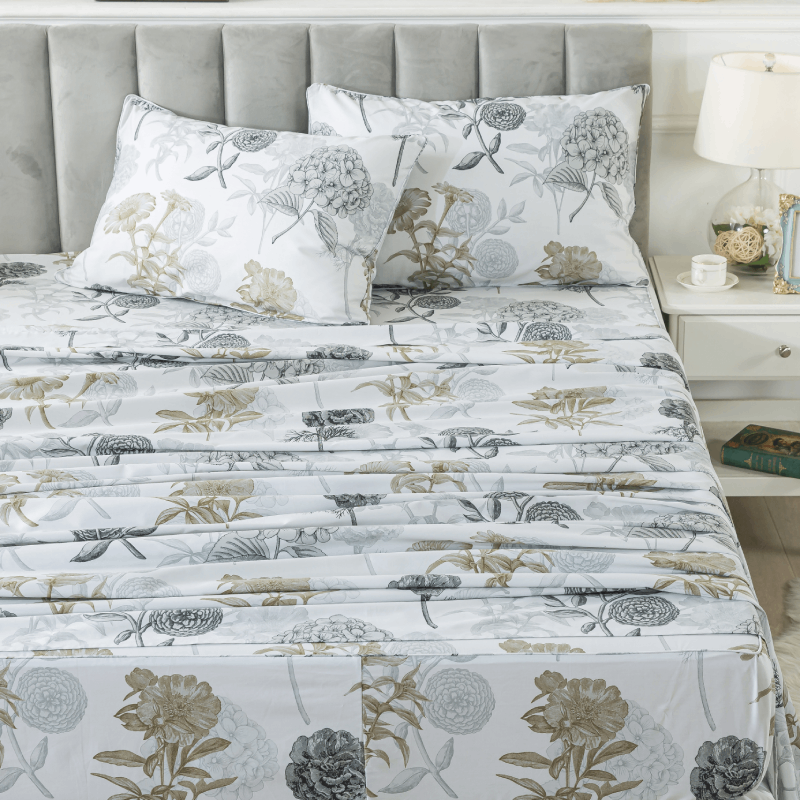
Large-scale florals create romantic drama.
Micro florals create softness and delicacy.
Bold prints create personality.
Because bedding spans several square meters, any pattern choice becomes magnified. This is powerful—but it requires intentional selection.
Pattern on bedding isn’t decoration. It’s a design decision.
6. It Changes With Seasons More Easily Than Anything Else
You likely won’t replace your dresser every spring.
You probably won’t repaint walls every fall.
But you can change bedding.
Light cotton for summer.
Quilted layers for autumn.
Deeper tones for winter.
Fresh florals for spring.
This seasonal flexibility reinforces bedding’s visual dominance. It allows the entire room’s atmosphere to shift with one strategic change.
Few design elements offer that leverage.
7. It Impacts Photography and Online Perception
In today’s digital environment, bedrooms are often viewed through screens—social media, listings, or brand imagery.
In photos, bedding dominates the frame.
Professional stylists understand this: the bedding must carry the image. It provides color balance, visual structure, and softness on camera.
Even in real life, the human eye processes large surfaces first. Bedding wins that competition every time.
8. Practical Meets Aesthetic
What makes bedding uniquely powerful is that it is both functional and decorative.
It must:
-
Feel comfortable
-
Regulate temperature
-
Be durable
-
Be washable
And simultaneously:
-
Look cohesive
-
Reflect personal style
-
Enhance the room’s visual balance
Few objects carry both responsibilities at this scale.
Final Thought: Design Starts With the Bed
If you are redesigning your bedroom, start with the bedding—not the accessories.
Choose:
-
The color foundation
-
The texture profile
-
The pattern language
-
The seasonal weight
Then let everything else support it.
Because in a bedroom, bedding isn’t just another element.
It is the largest canvas in the room.
And when that canvas feels intentional—everything else falls into place.