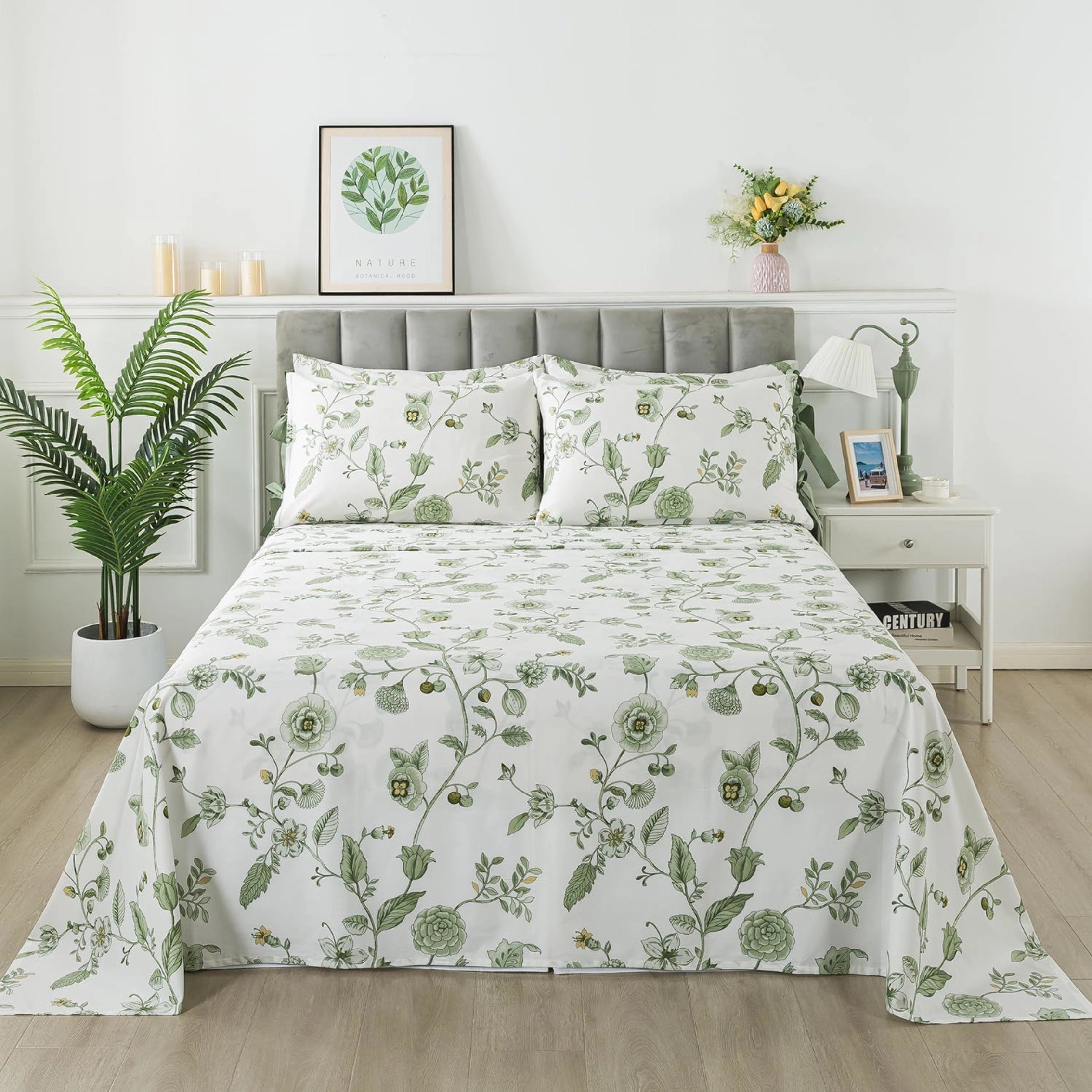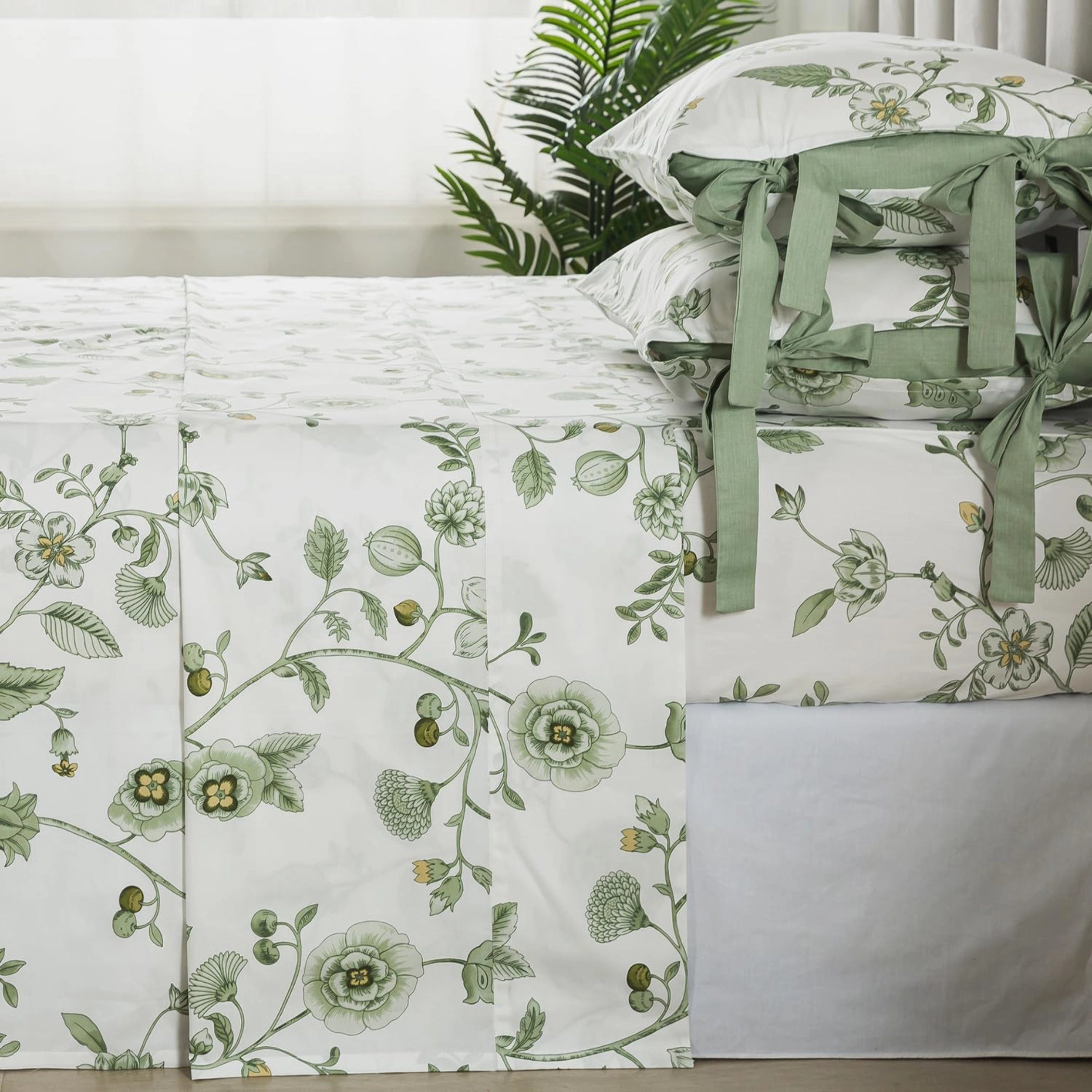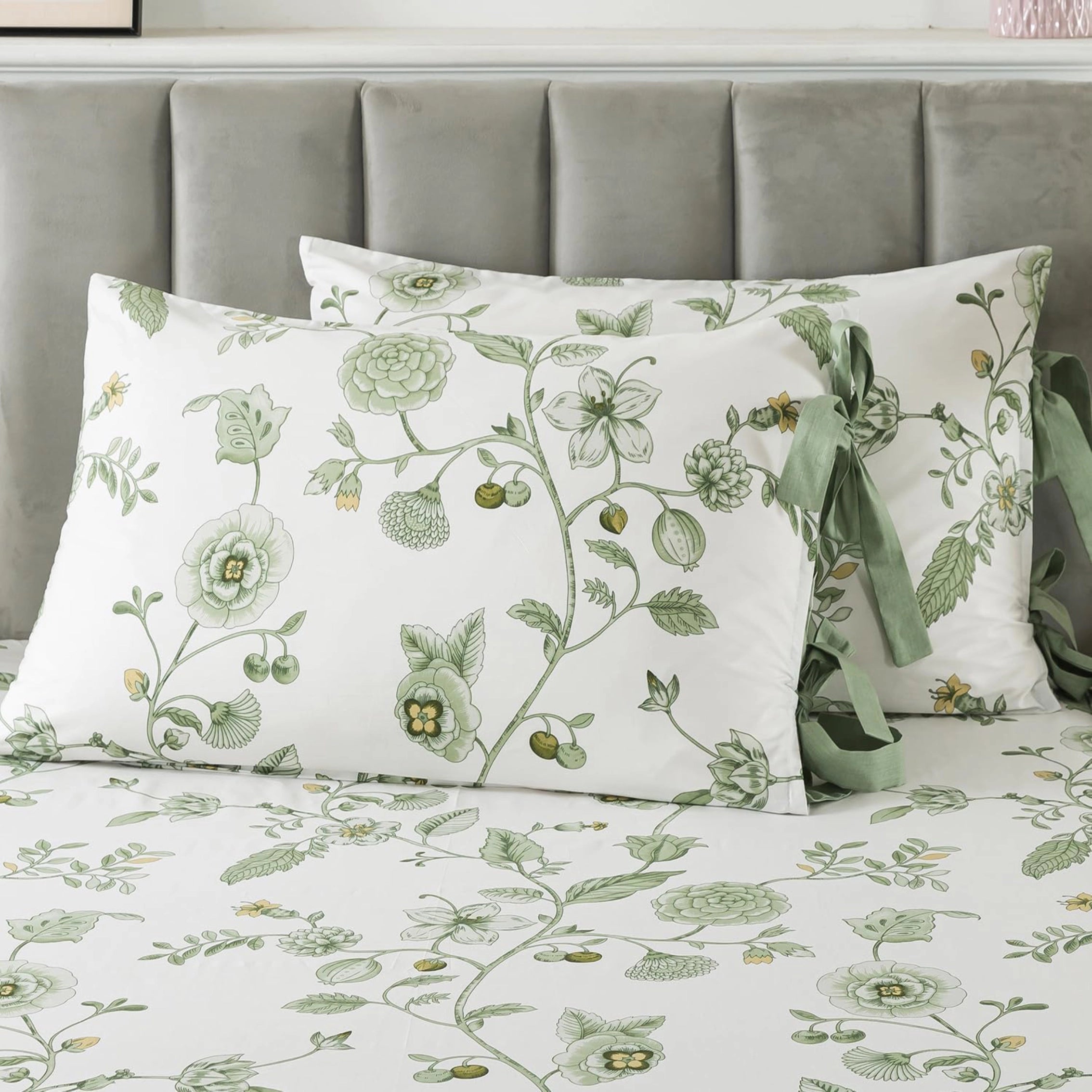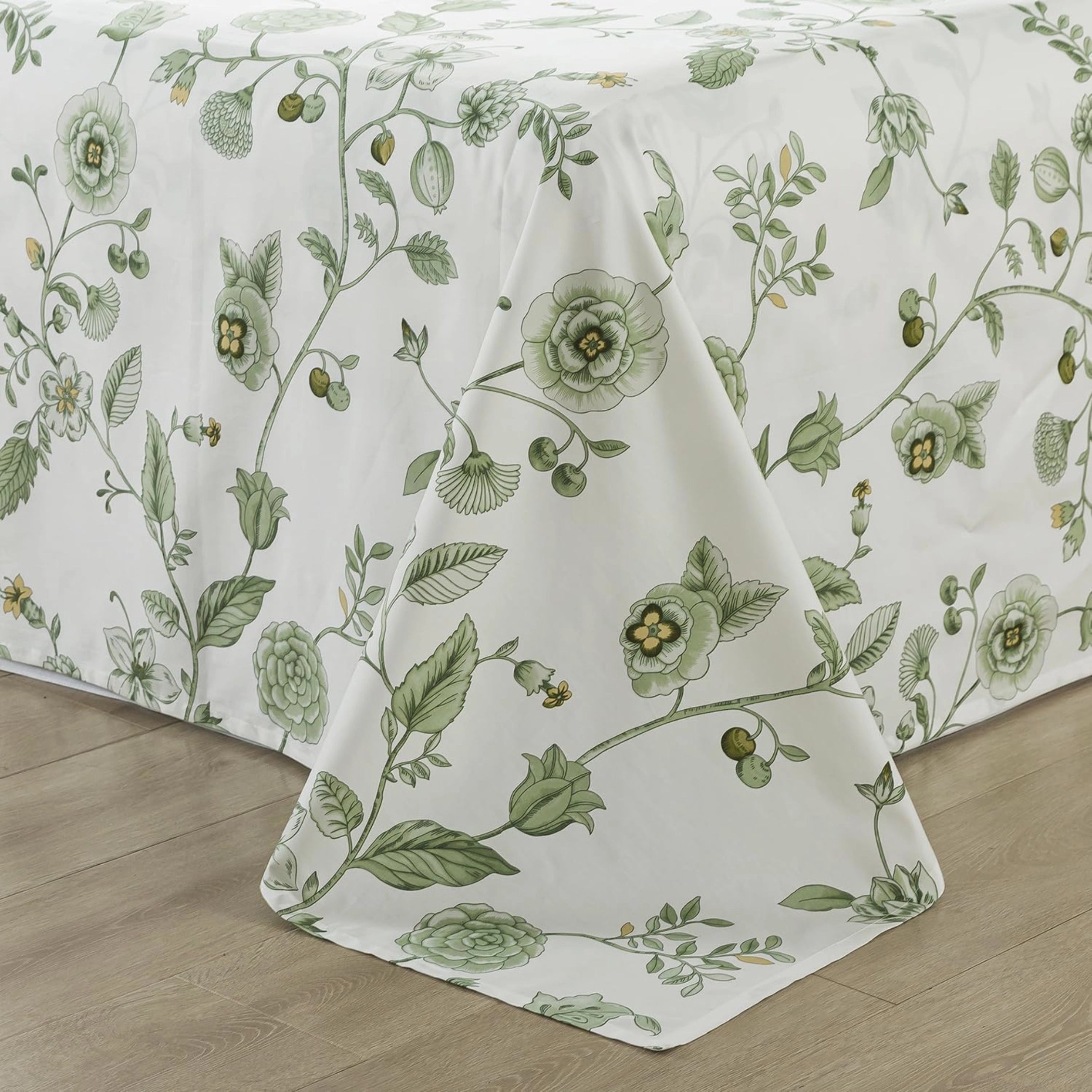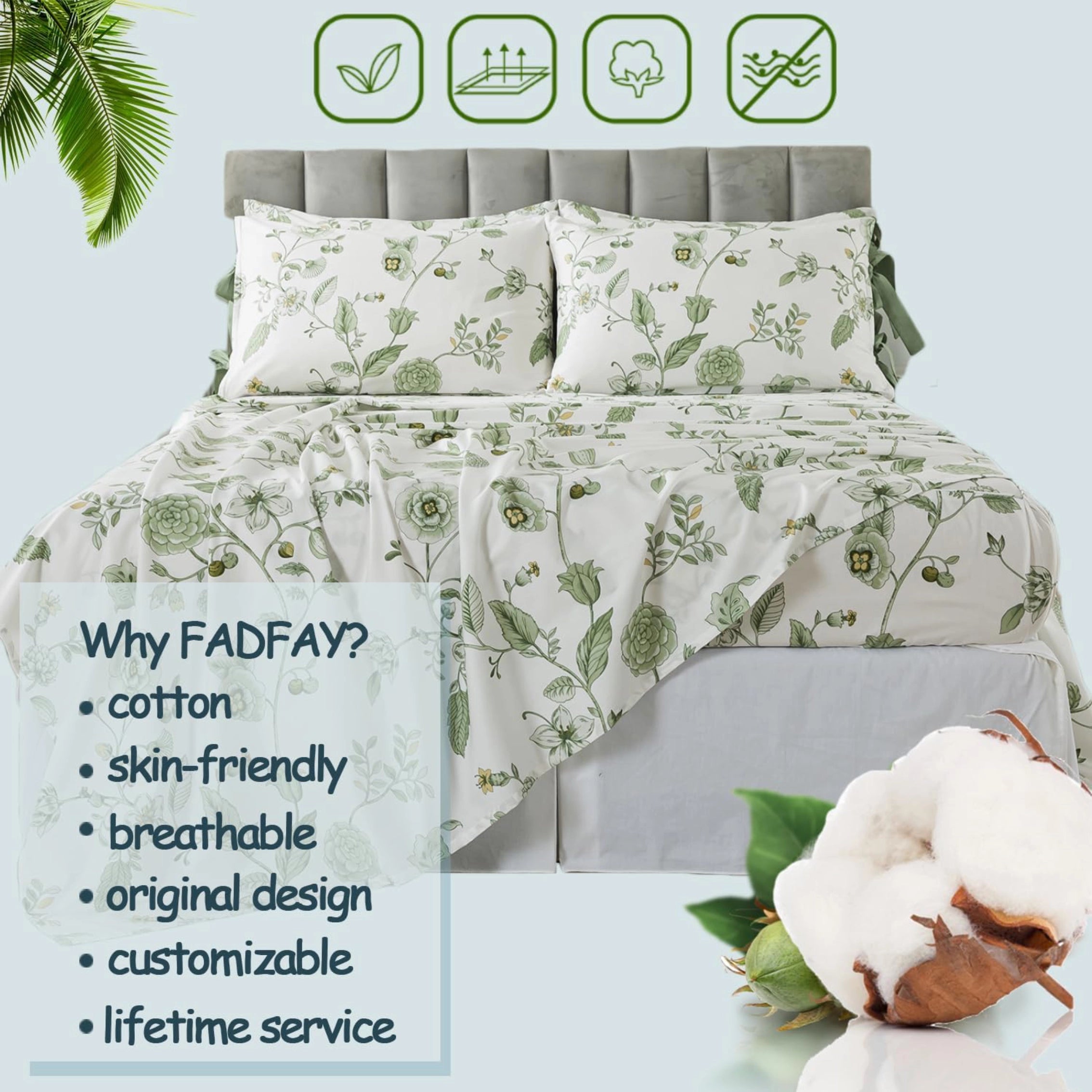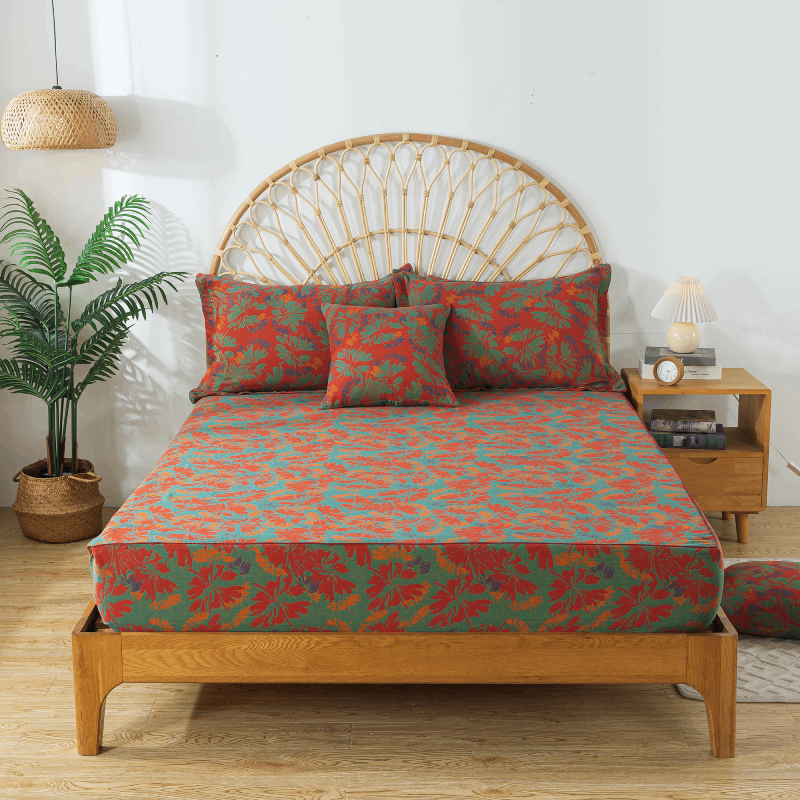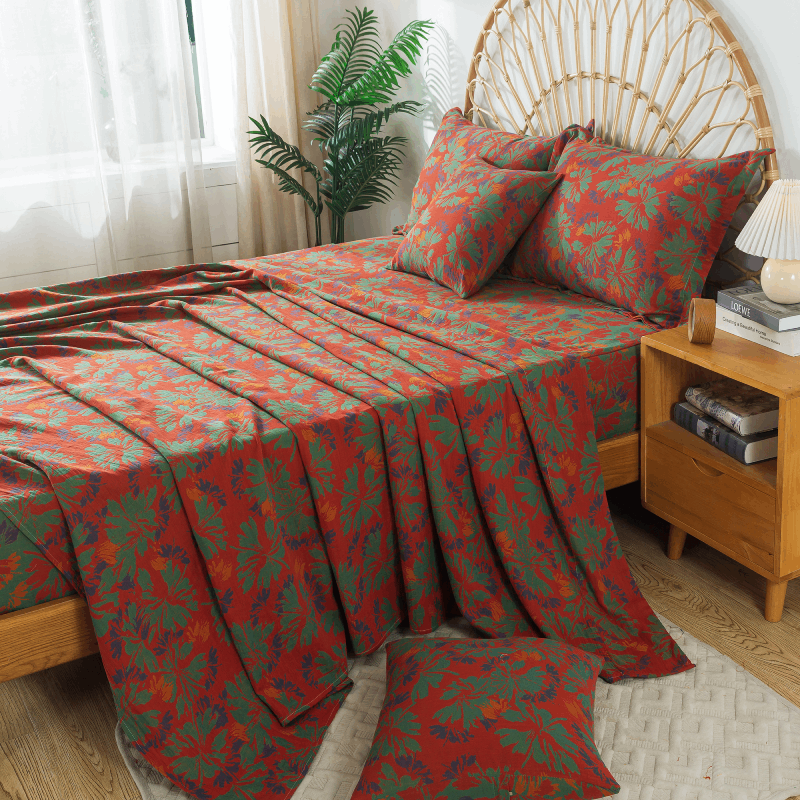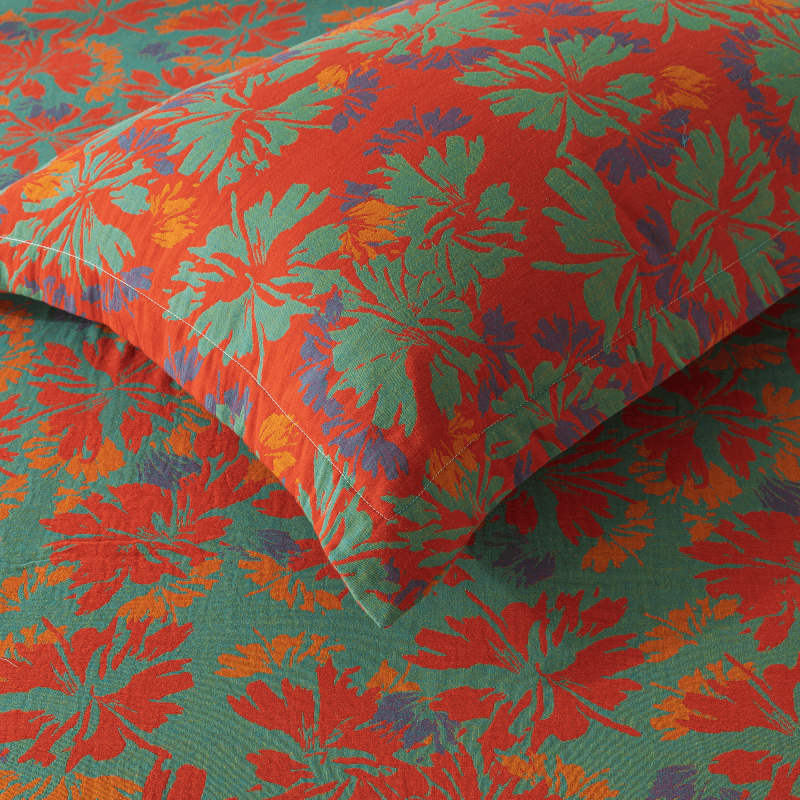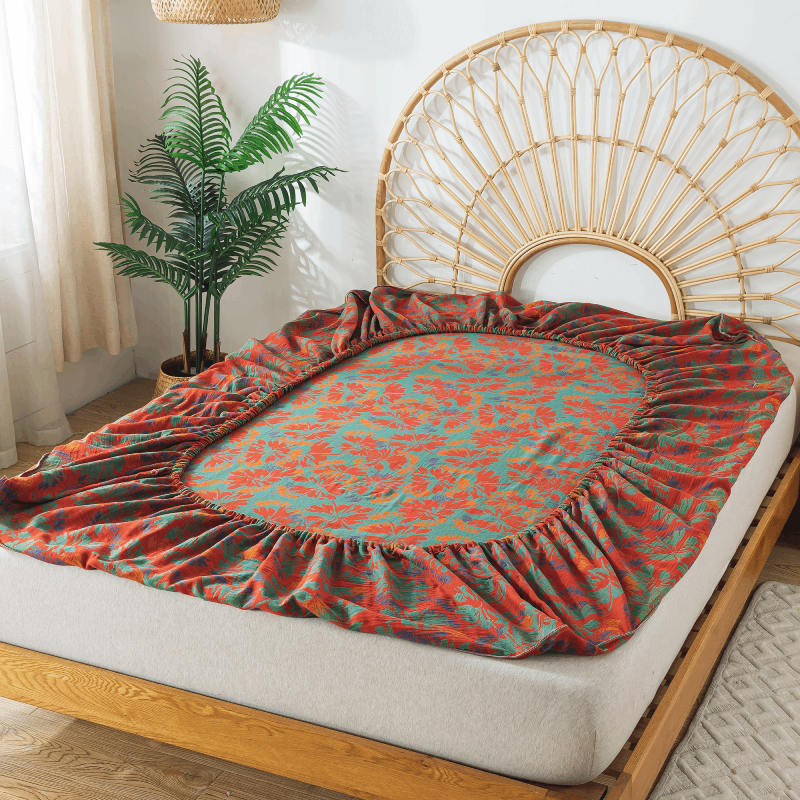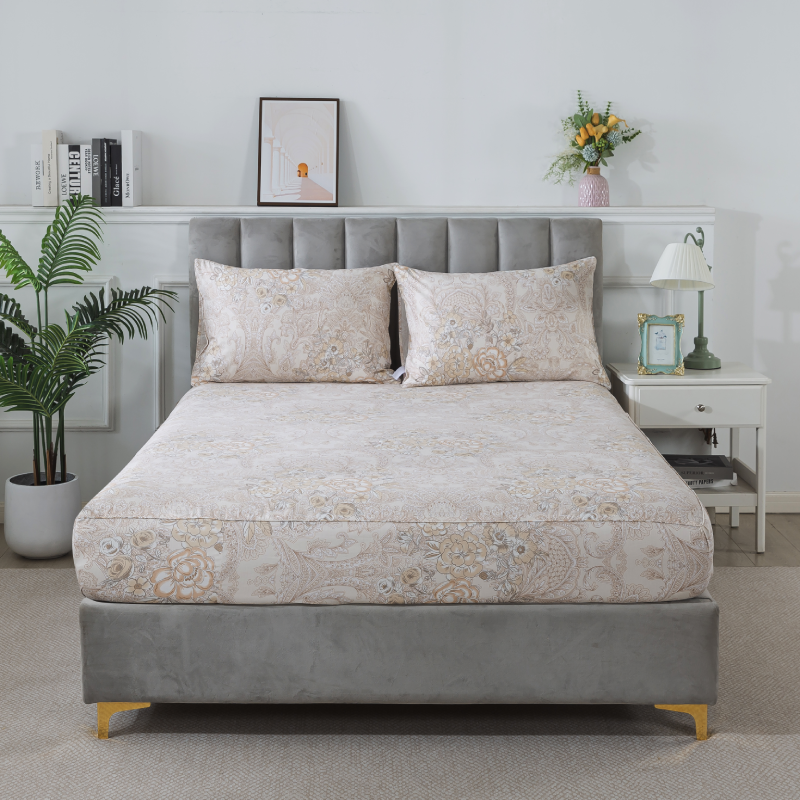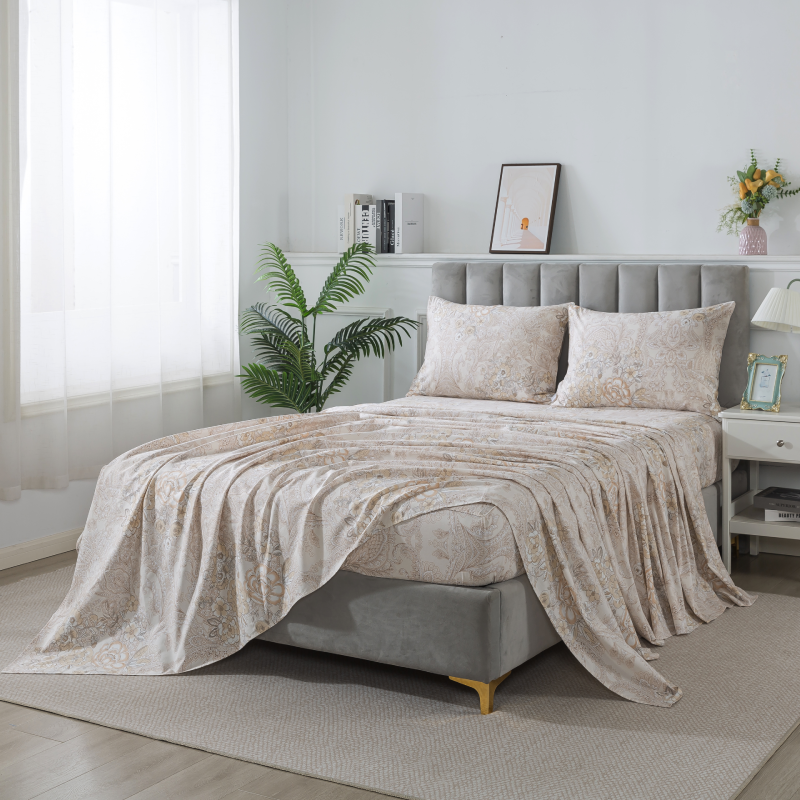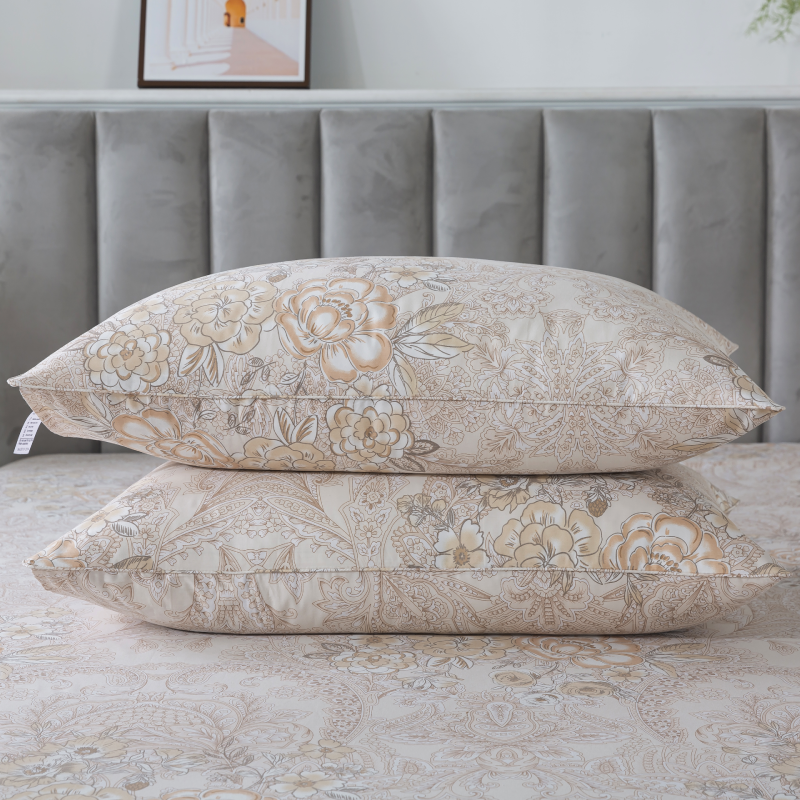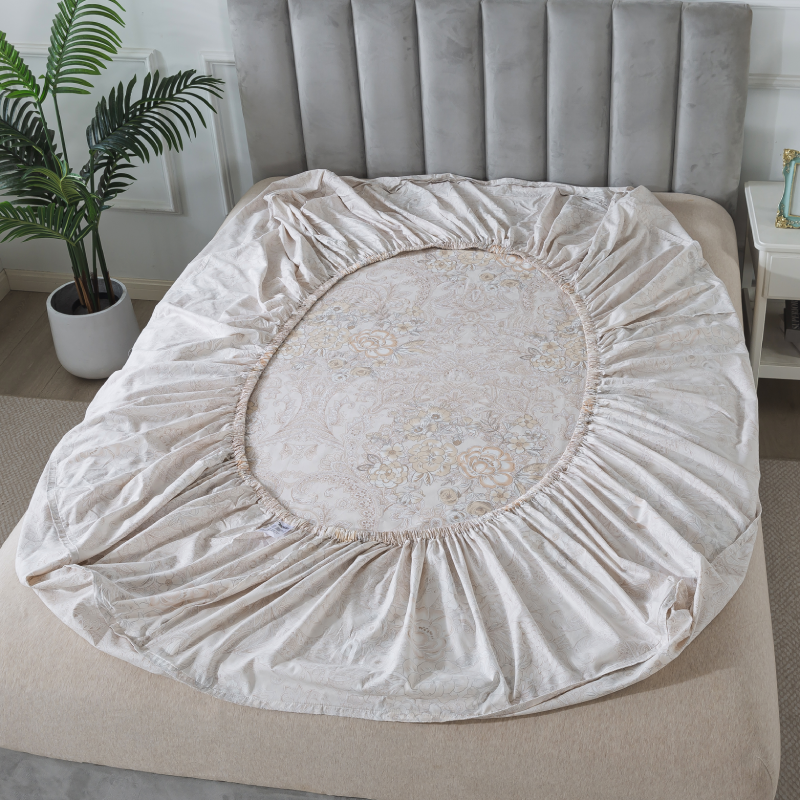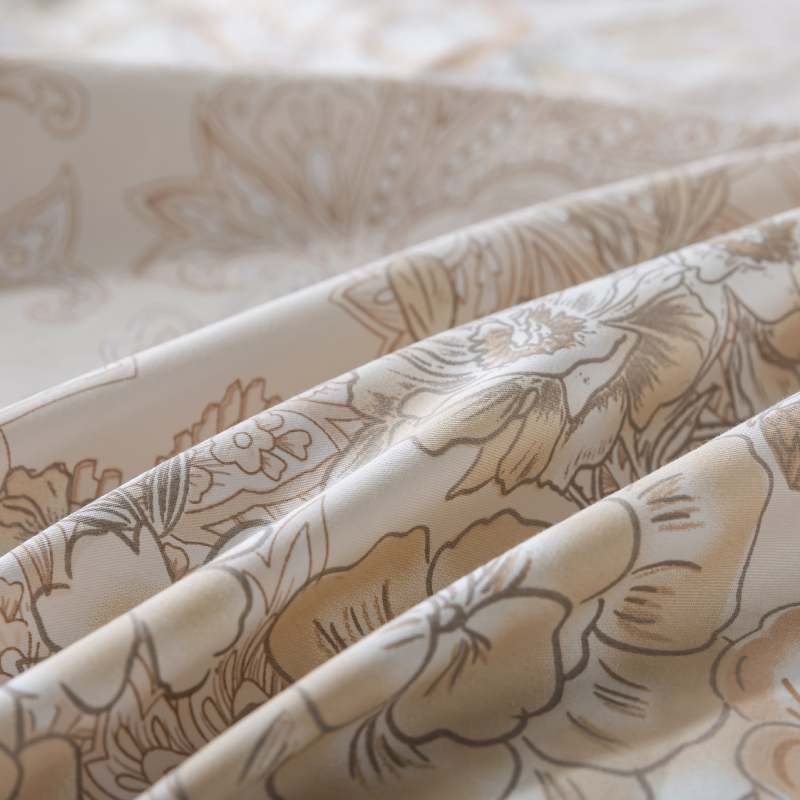
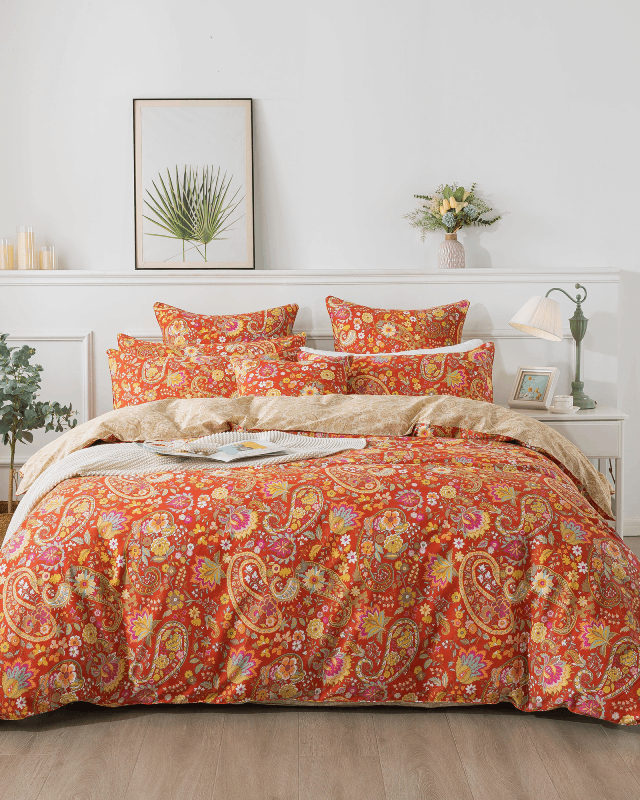
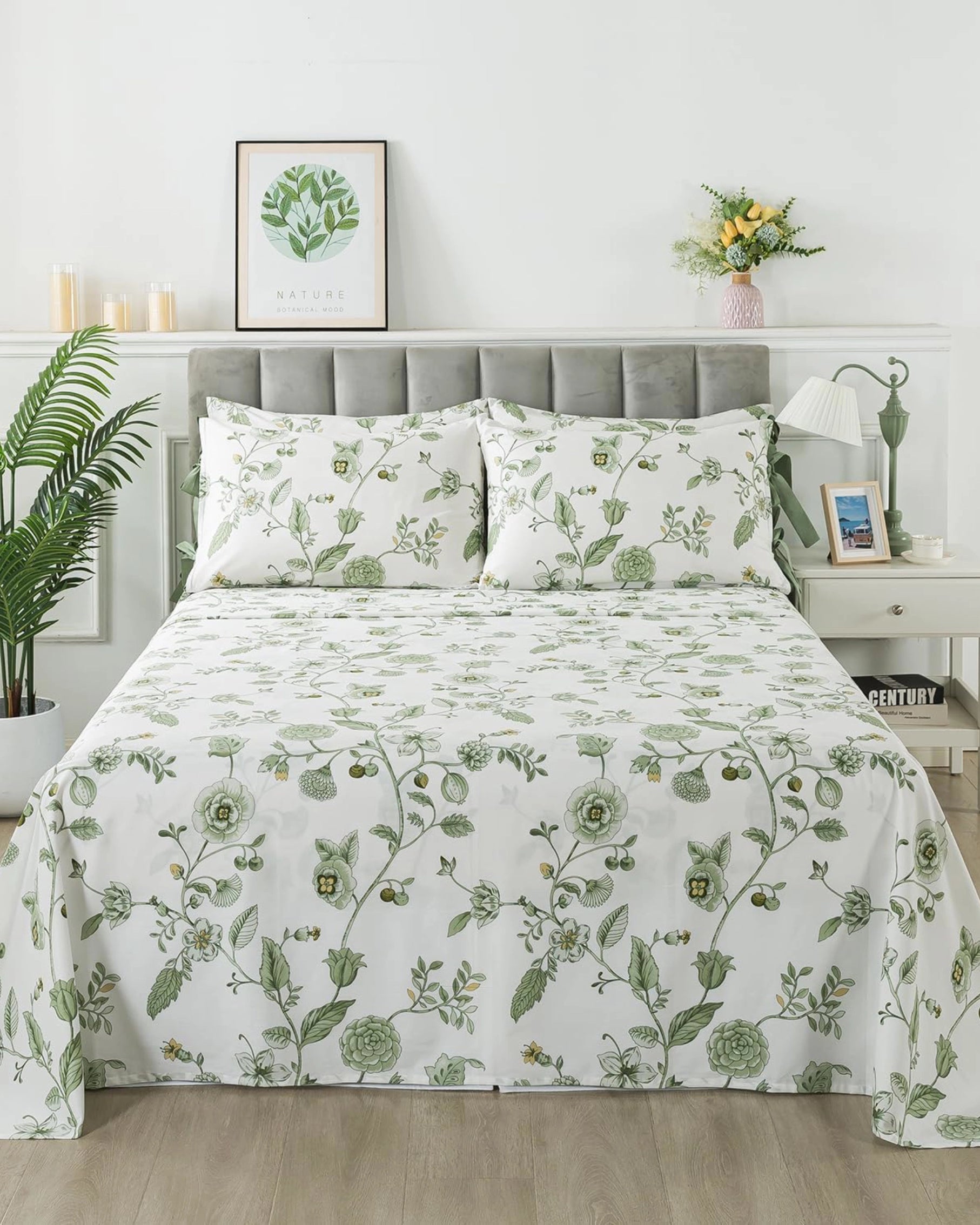


Florals have long been a staple in home textiles, especially in the bedroom. They evoke nature, softness, and a sense of romance. Yet in recent years, many people have grown cautious around floral patterns—often associating them with visual clutter or an overly traditional feel. The truth is not that florals are “too much,” but that how they are chosen and used makes all the difference. When approached with restraint, florals can feel calm, modern, and quietly expressive.
The Power of a Controlled Palette
One of the most important aspects of restrained florals is color. Highly saturated hues and sharp contrasts tend to dominate a space, demanding attention. In contrast, florals built on muted, well-balanced palettes allow the pattern to exist as part of the room rather than the focal point shouting for notice.
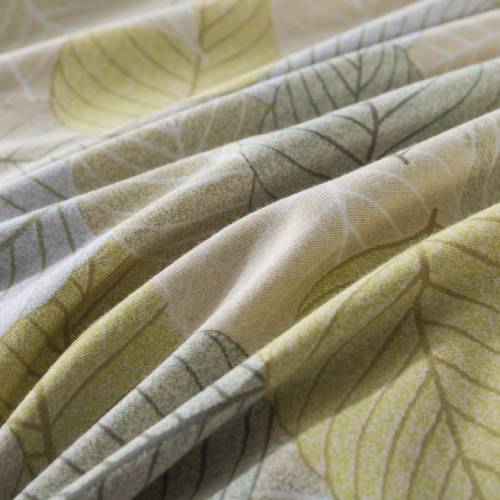
Soft blues, washed greens, warm ivories, and dusty pinks often work well as base tones. These colors echo nature without mimicking it too literally. When the background color feels breathable, the floral motif can unfold gently, creating visual interest without overwhelming the eye.
Let the Pattern Breathe
Restraint in florals is not about making patterns smaller; it is about giving them space. Overcrowded designs—where every inch is filled with leaves, vines, and blossoms—can feel heavy, especially in a bedroom where rest is the priority.
Well-considered florals leave room for negative space. This space allows the pattern to “pause,” giving the eye a place to rest. The result is a design that feels lighter and more intentional. In bedding, this often translates into florals that appear to float rather than press down on the fabric.
Soft Edges Over Sharp Statements
Another subtle but impactful choice lies in the edges of the design. Hard outlines and highly defined shapes can make florals feel graphic and bold. While striking, they are less conducive to a calm atmosphere.
Florals with softer edges—slightly blurred lines, watercolor-like transitions, or gently layered shapes—feel more organic. They echo how flowers appear in nature: imperfect, layered, and constantly shifting. This softness brings a sense of ease that works especially well in sleep spaces.
Fabric Matters More Than You Think
Even the most thoughtfully designed floral pattern can fall flat if the fabric does not support it. Natural fibers, particularly high-quality cotton, play a crucial role in how florals are perceived.
Cotton absorbs dye in a way that feels more natural and less glossy than synthetic materials. Colors appear deeper yet calmer, and the pattern integrates into the fabric rather than sitting on top of it. Combined with a breathable, softly textured weave, restrained florals gain depth without becoming visually loud.

Florals as Atmosphere, Not Decoration
A restrained floral should not feel like decoration added at the last minute. Instead, it should function as atmosphere—something you sense rather than consciously analyze.
In the bedroom, this means florals that support the feeling of rest. When you enter the room, the pattern should register as warmth, softness, or familiarity, not as a specific motif you immediately identify. Over time, these designs tend to age better, as they are less tied to trends and more rooted in mood.
Pairing Florals with Simplicity
One of the easiest ways to let florals shine quietly is through thoughtful pairing. Solid-colored sheets, simple furniture lines, and natural materials like wood or linen help anchor the pattern.
When everything in a room competes for attention, florals can feel excessive. When surrounded by simplicity, they become expressive without effort. This balance is what allows “less” to feel like more—fewer elements, each chosen carefully, working together harmoniously.
A Timeless Choice
Choosing florals with restraint is ultimately about longevity. Loud patterns may capture attention quickly, but subtle designs tend to stay relevant longer. They adapt as your space evolves, pairing easily with new colors, textures, or seasonal changes.
In a world that often equates boldness with impact, restrained florals offer a quieter confidence. They do not ask to be noticed; they simply belong. And in the bedroom—where comfort, calm, and authenticity matter most—that sense of belonging is exactly what makes less feel like more.