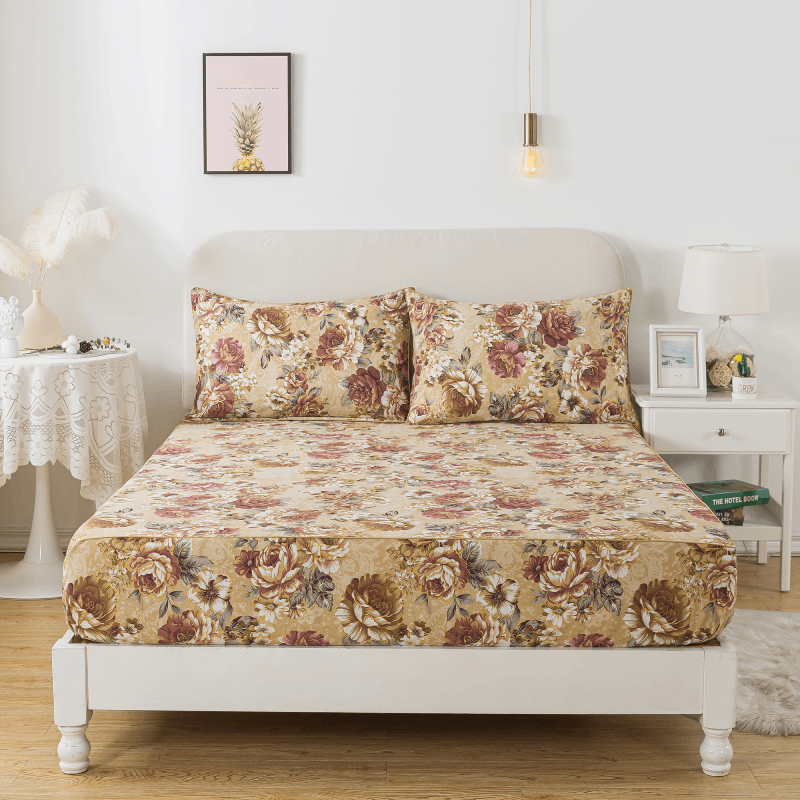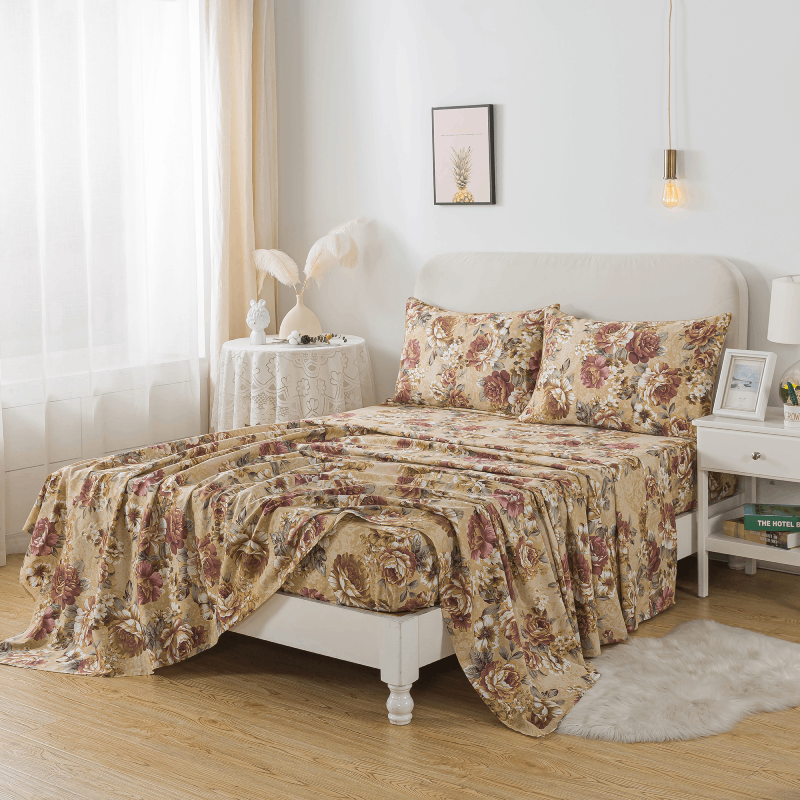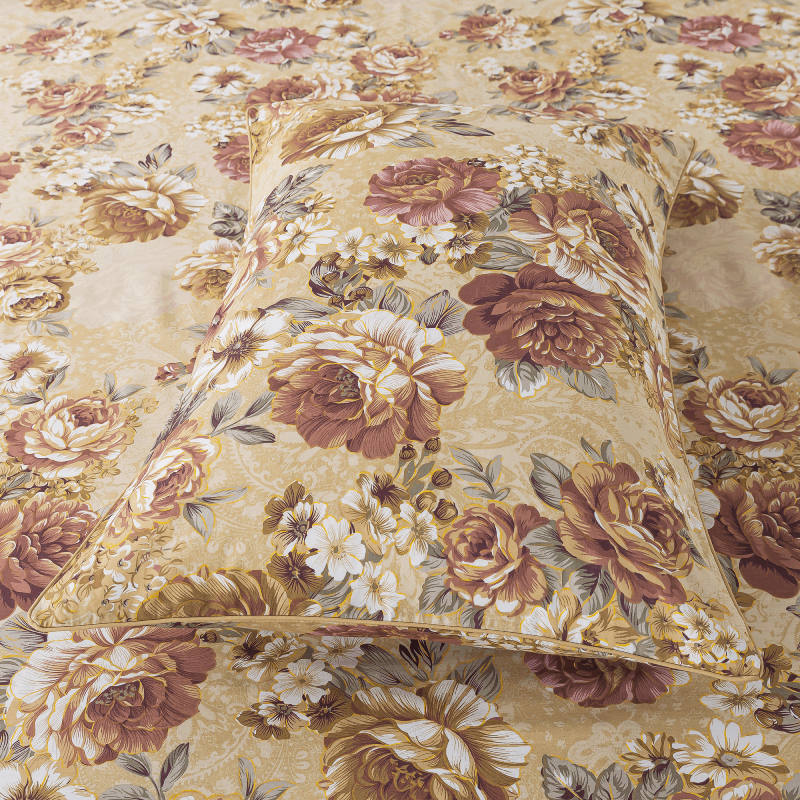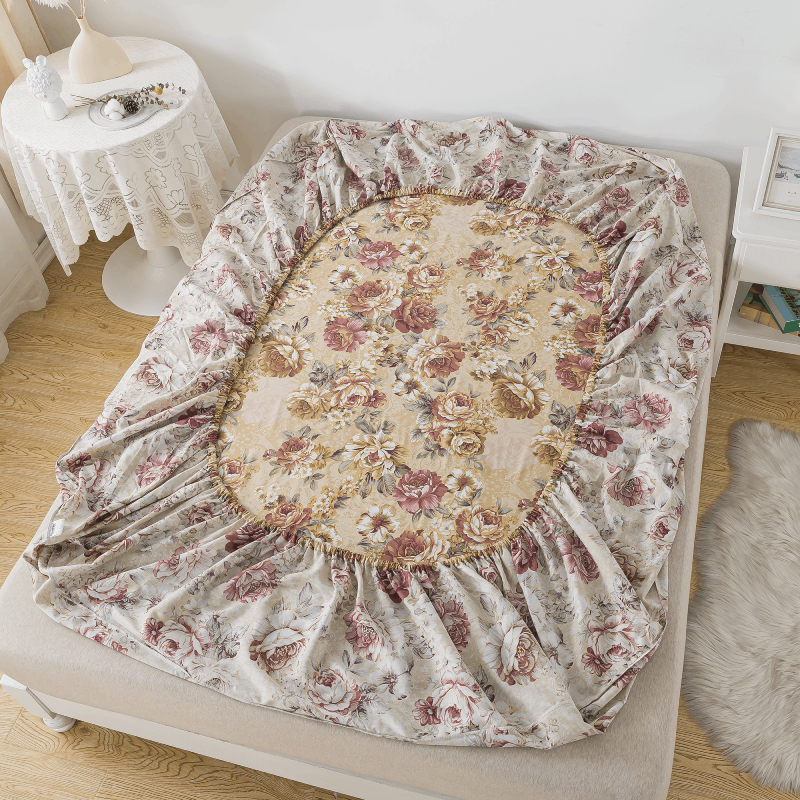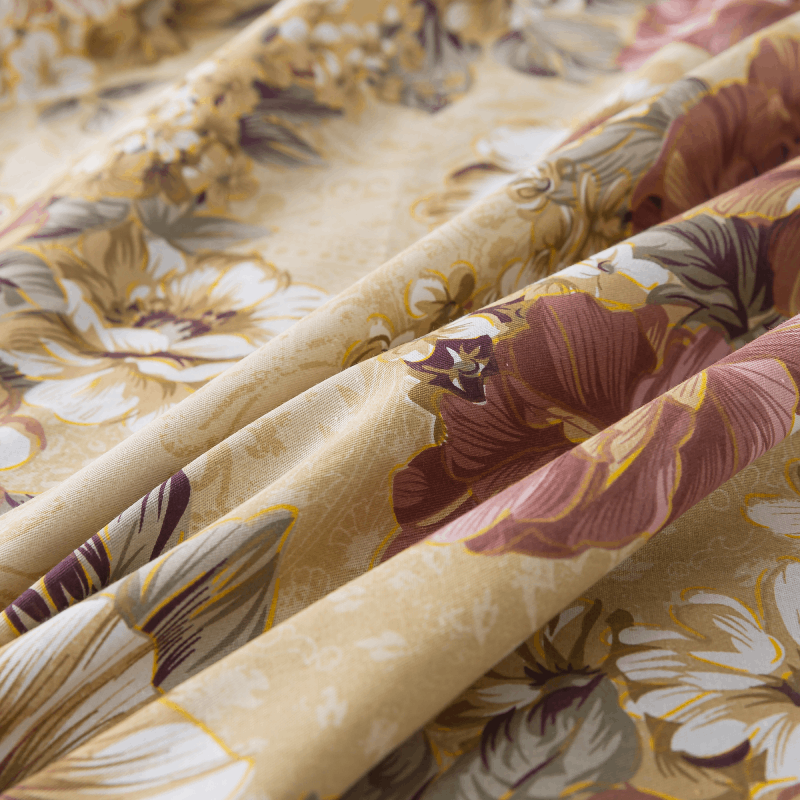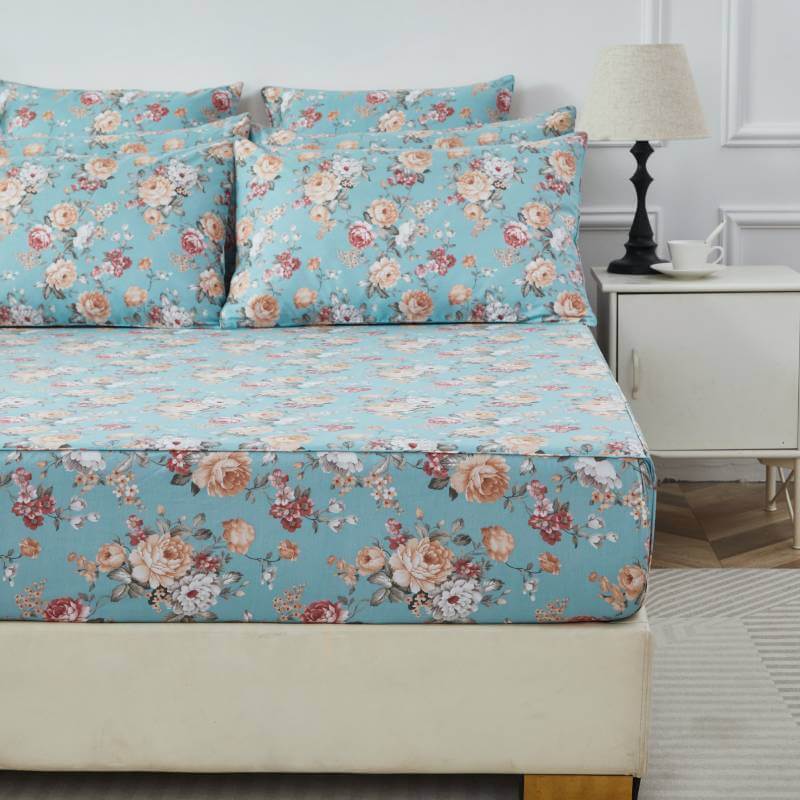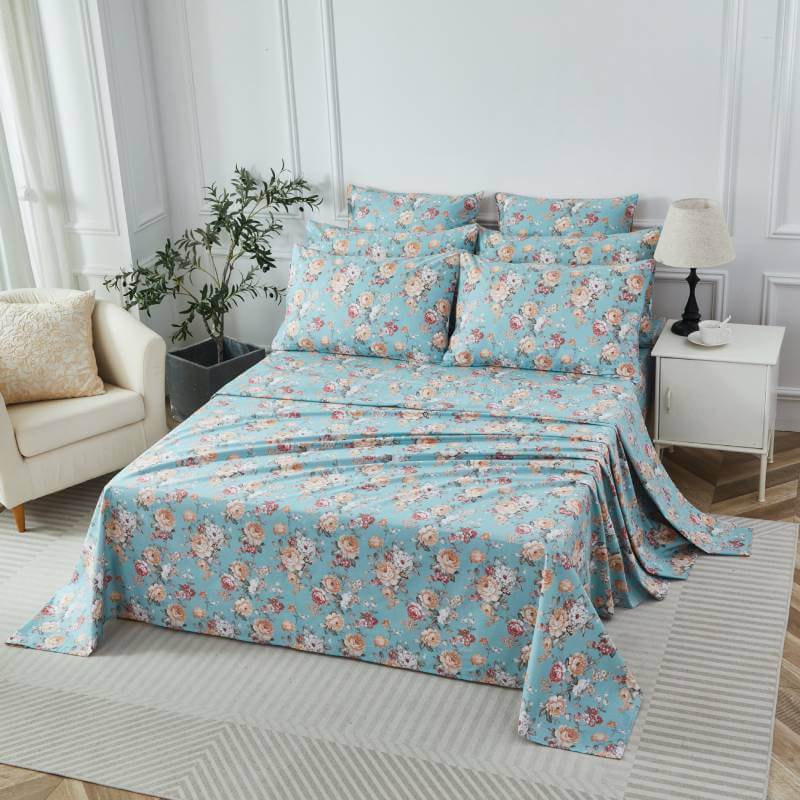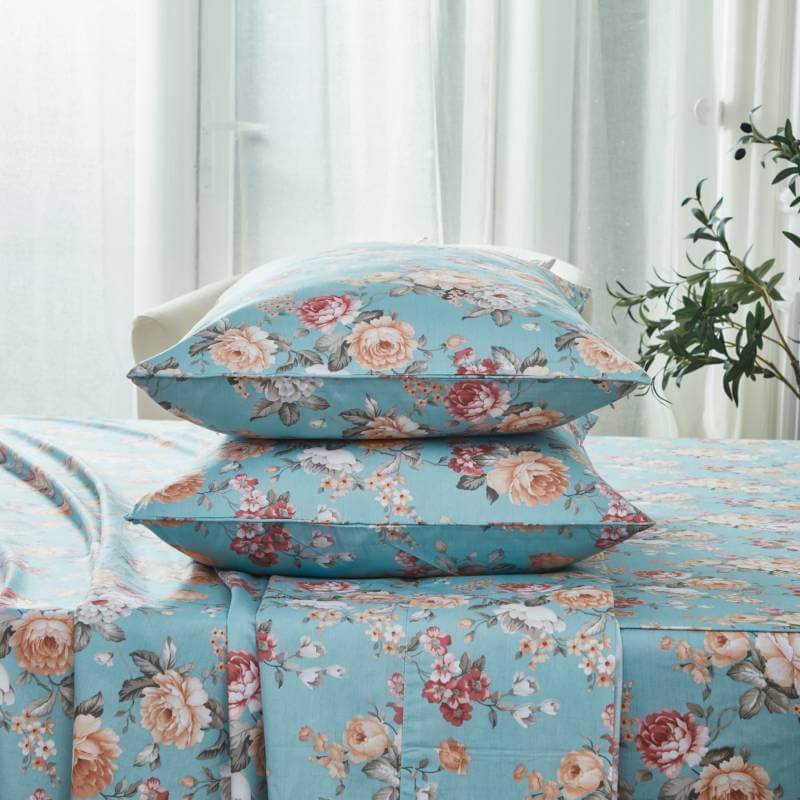
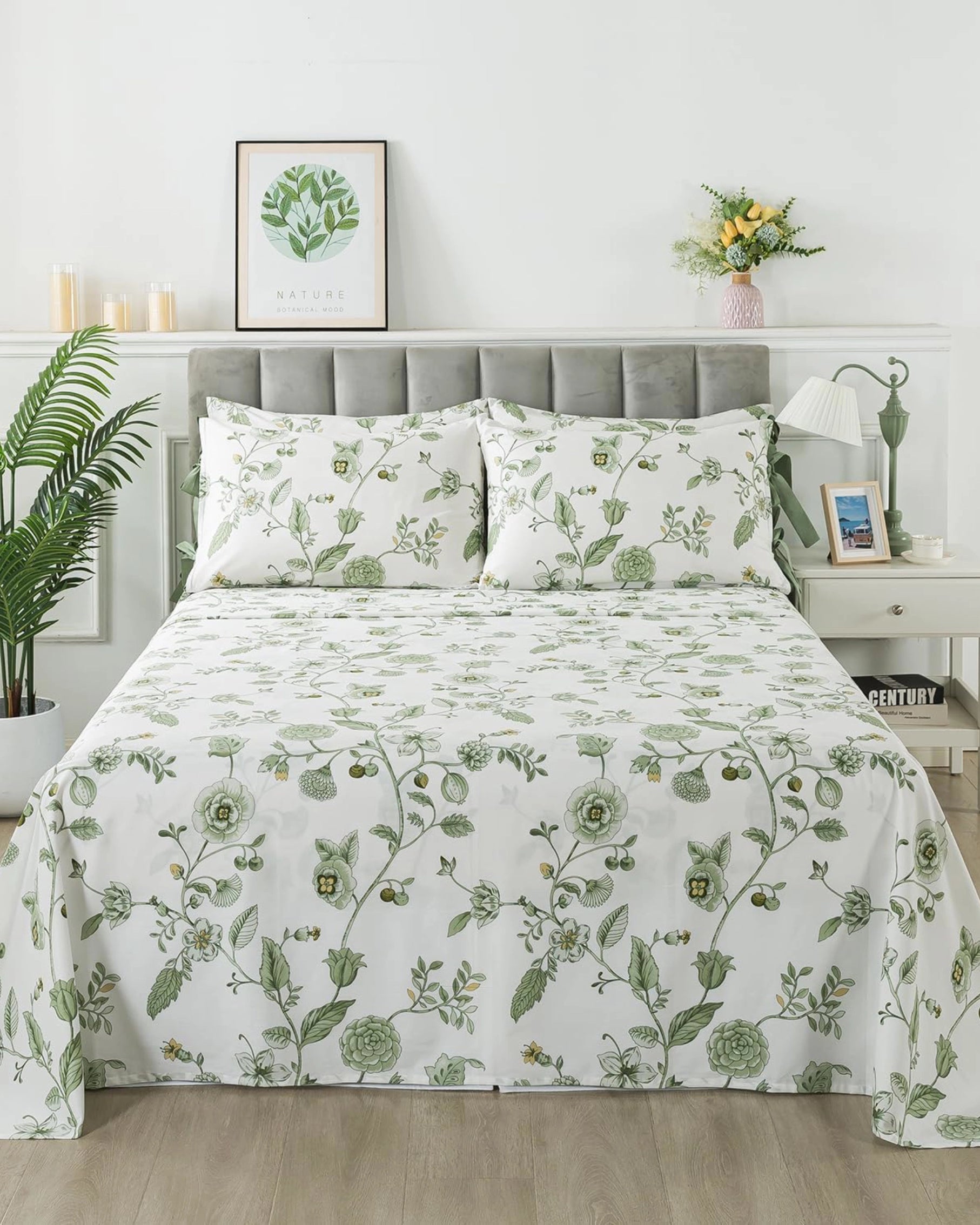


In the world of home décor, bedding is often judged first by appearance. Crisp whites, delicate florals, textured weaves, and layered styling can instantly elevate a bedroom. Scroll through any interior design feed and you’ll see beds that look like they belong in a luxury hotel or a magazine spread. But here’s the disconnect many people experience: bedding that looks beautiful doesn’t always feel right.
This gap between visual appeal and physical comfort is more common than it seems—and understanding why it happens is key to choosing bedding that truly works for real life.
The Illusion of “Perfect” Bedding
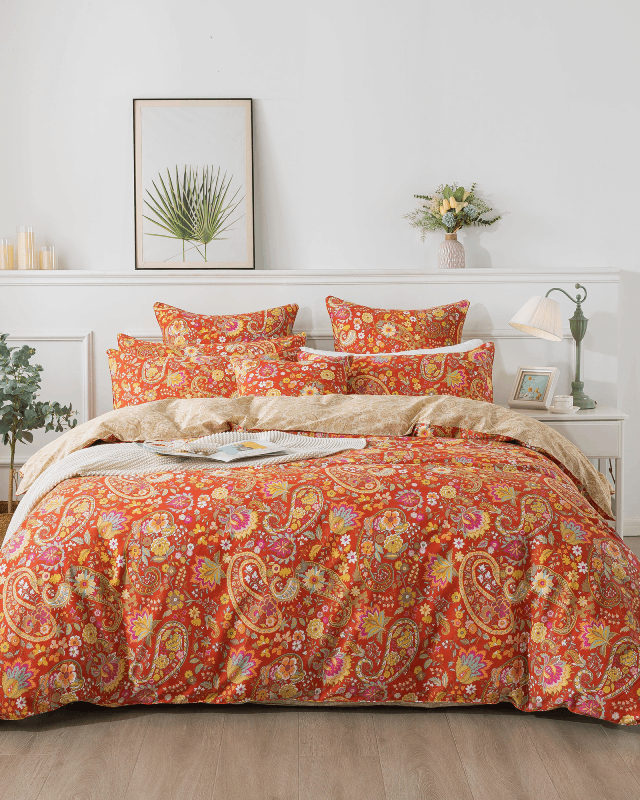
Visually appealing bedding is often designed with aesthetics as the top priority. High thread counts, glossy finishes, tightly woven fabrics, and structured styling all contribute to a polished look. But these same features can sometimes compromise comfort.
For example, fabrics with a smooth, almost shiny surface—like sateen—may look luxurious, but they can feel heavy or less breathable, especially for warm sleepers. Similarly, bedding that appears crisp and structured in photos may feel stiff or restrictive when you actually lie down.
The result? A bed that looks perfect but doesn’t invite you to relax.
Texture: The Hidden Factor
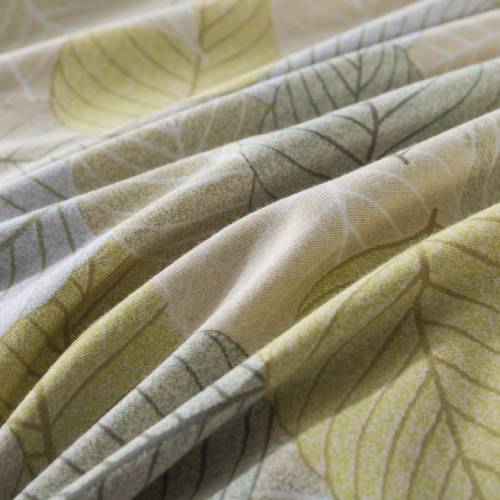
One of the most overlooked aspects of bedding is texture. While color and pattern are immediately visible, texture is something you only truly understand through touch.
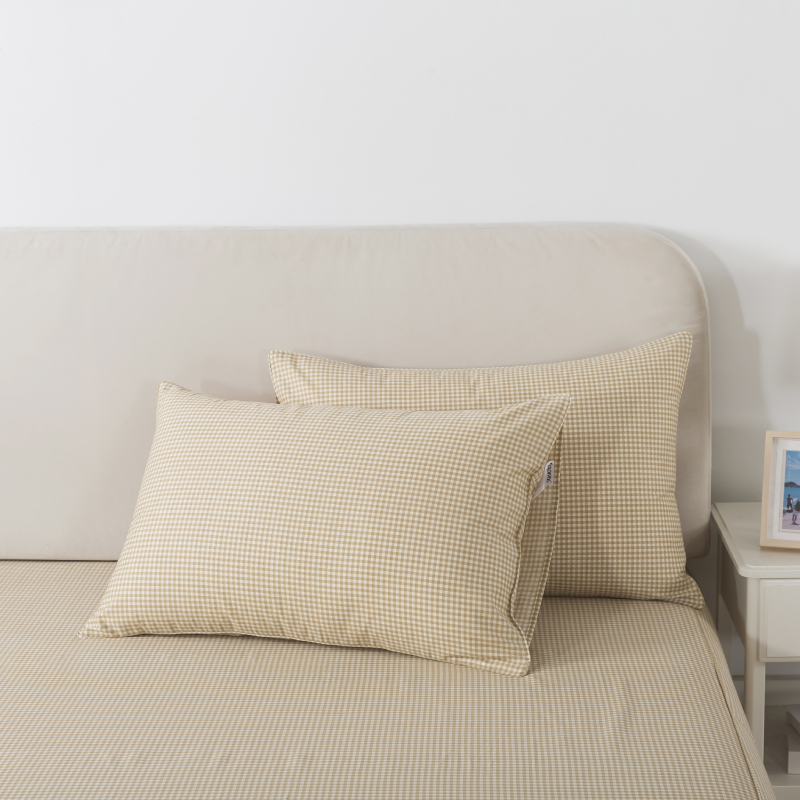
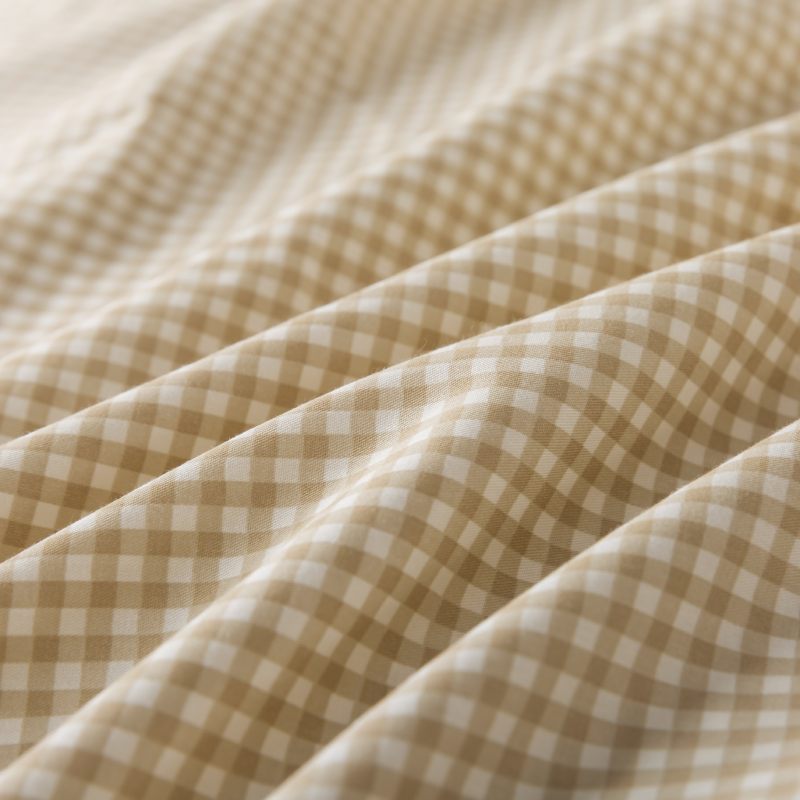
Softness isn’t just about how smooth a fabric is—it’s about how it interacts with your skin over time. Some materials feel soft initially but lose that comfort after a few washes. Others, like double gauze cotton, may have a slightly textured appearance but become softer and more comfortable with use.
This is where many people misjudge bedding. A perfectly smooth surface can sometimes feel artificial or overly processed, while a slightly textured fabric can feel more breathable, relaxed, and natural.

Breathability vs. Visual Density
Another common issue is the mismatch between visual weight and actual breathability.
Thick-looking bedding—layered quilts, dense duvets, or tightly woven sheets—can give a sense of coziness. But if the fabric doesn’t allow air to circulate, it can quickly become uncomfortable, especially during warmer nights.
Breathability is essential for temperature regulation. Natural fibers like cotton tend to perform better because they allow moisture to escape and air to flow. However, not all cotton is the same. The weave and finishing process significantly affect how breathable the final product feels.
In short: a bed that looks warm and inviting can sometimes feel stuffy and restrictive.
The Role of Real-Life Use
Bedding isn’t just for display—it’s part of daily life. And real life includes movement, pets, washing, and long-term use.
Some bedding looks flawless when perfectly styled but quickly loses its appeal after a single night’s sleep. Wrinkles, shifting layers, and fabric stiffness can make it feel less comfortable and less practical.
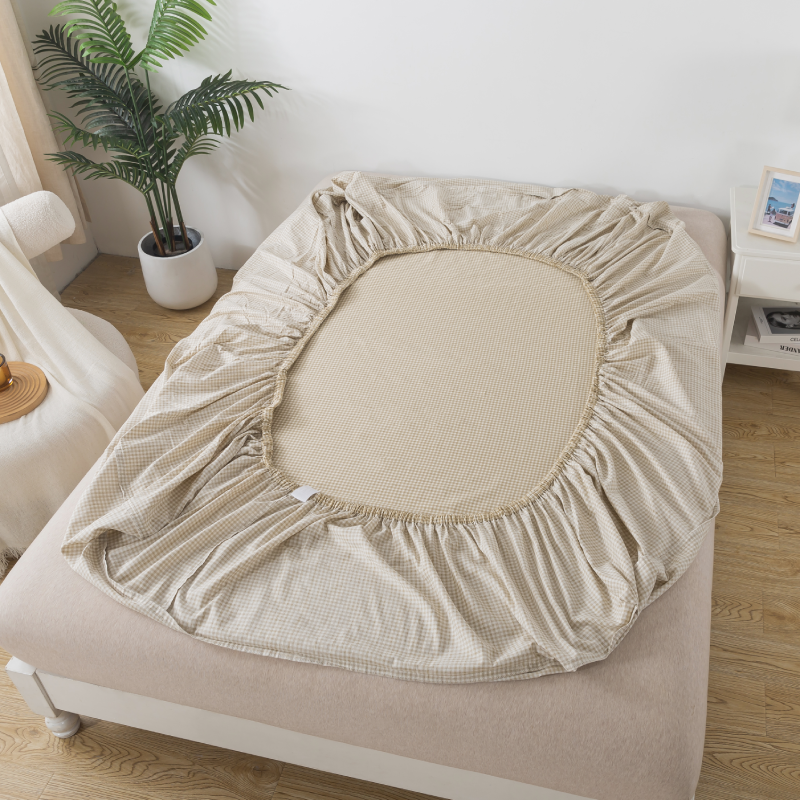
On the other hand, bedding designed for real use embraces a more relaxed aesthetic. Slight creases, soft draping, and flexible fabrics often indicate materials that adapt well to everyday life. These are the kinds of bedding that feel better the more you use them.
Sensory Comfort vs. Visual Expectations
Comfort is deeply personal. It’s influenced by how your skin reacts to fabric, how your body regulates temperature, and even how you psychologically perceive your environment.
Some people prefer ultra-smooth, cool-to-the-touch sheets. Others find comfort in soft, airy textures that feel more natural and lived-in. The key is recognizing that visual expectations—what looks “luxurious” or “high-end”—don’t always align with sensory comfort.
This is especially important when shopping online, where decisions are often based solely on images. Without touching the fabric, it’s easy to prioritize appearance over feel.
How to Choose Bedding That Feels Right
To avoid the mismatch between looks and comfort, it helps to shift your focus from purely visual cues to functional qualities:
-
Prioritize material over appearance
Look for natural fibers and breathable weaves rather than just a polished finish. -
Consider long-term softness
Some fabrics improve with washing, while others degrade. Choose materials known for durability and comfort over time. -
Think about your sleep habits
If you tend to sleep warm, lightweight and breathable fabrics are essential, regardless of how “cozy” thicker bedding looks. -
Embrace a relaxed aesthetic
Bedding that looks slightly effortless often feels more comfortable than overly structured designs. -
Balance design with practicality
Beautiful patterns and colors matter—but they should complement, not replace, comfort.
Redefining What “Good Bedding” Means
Ultimately, good bedding isn’t just about how it looks—it’s about how it makes you feel at the end of a long day.
A visually stunning bed might impress at first glance, but true satisfaction comes from comfort that lasts through the night. The best bedding strikes a balance: it enhances your space while supporting your rest.
So the next time you’re choosing bedding, go beyond the surface. Because when it comes to sleep, feeling right will always matter more than looking perfect.