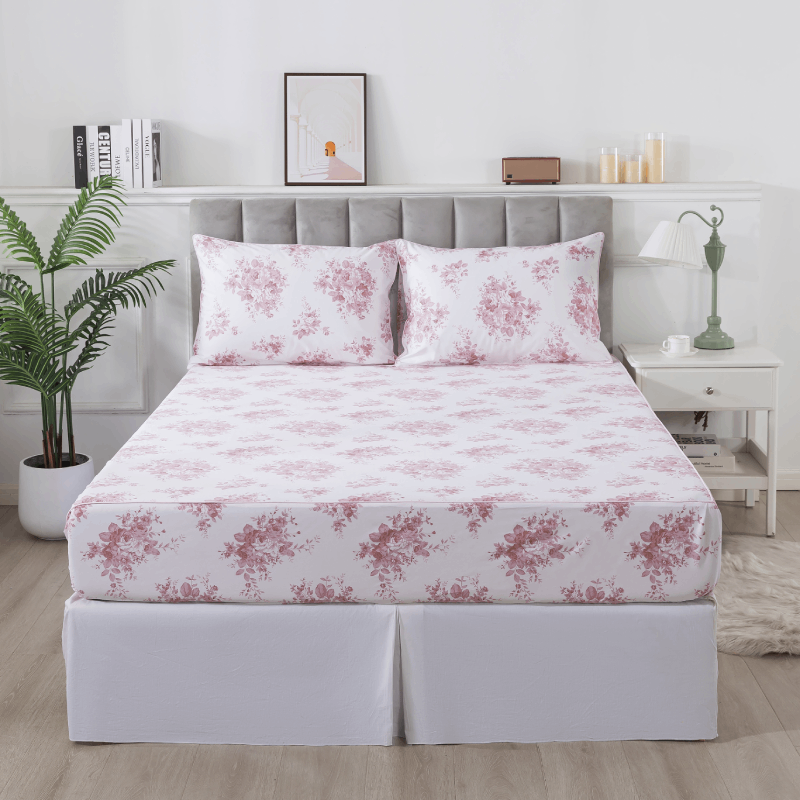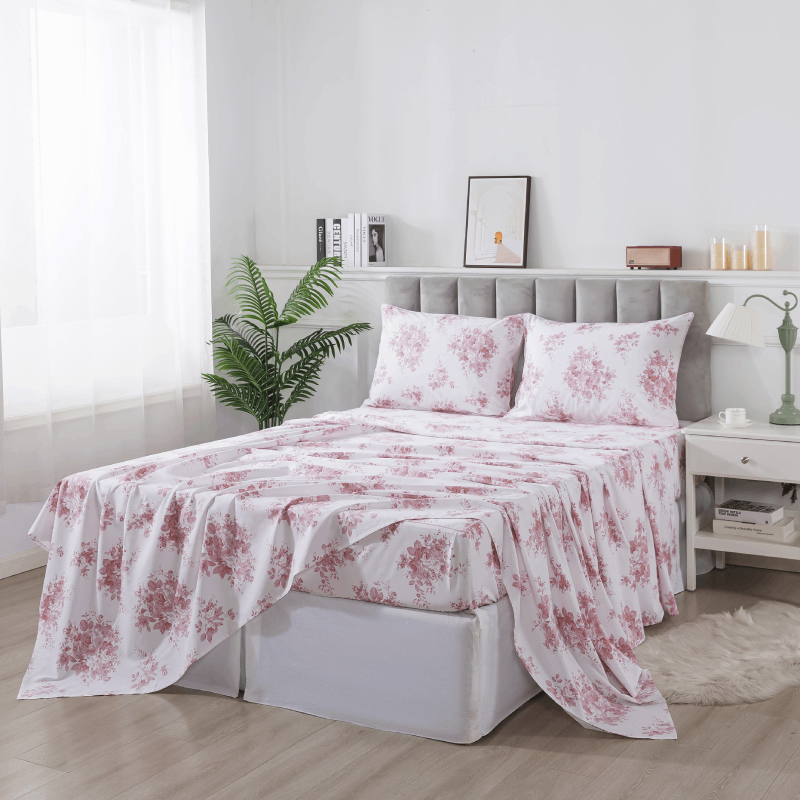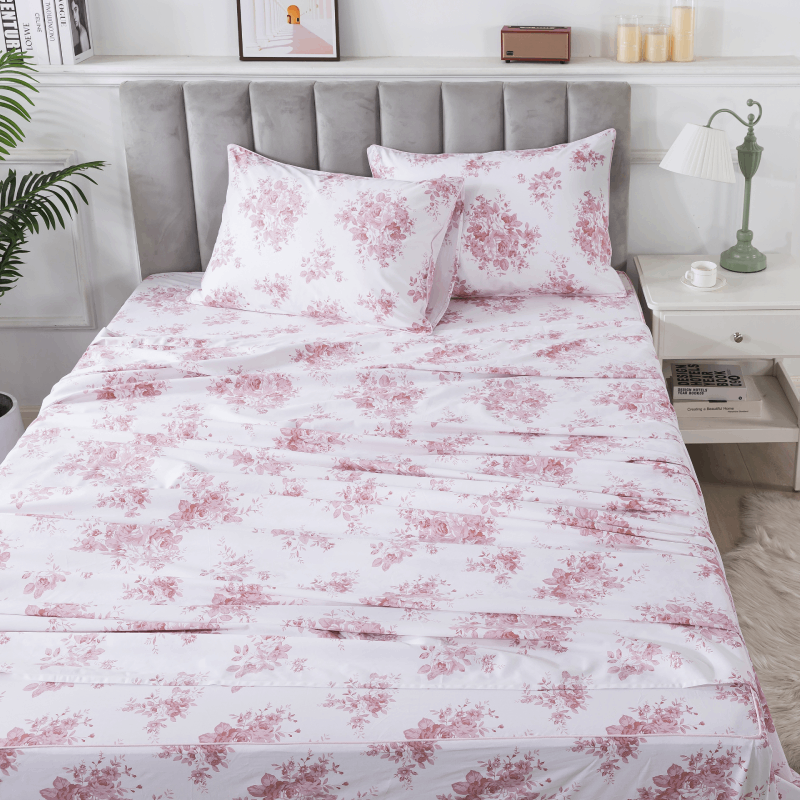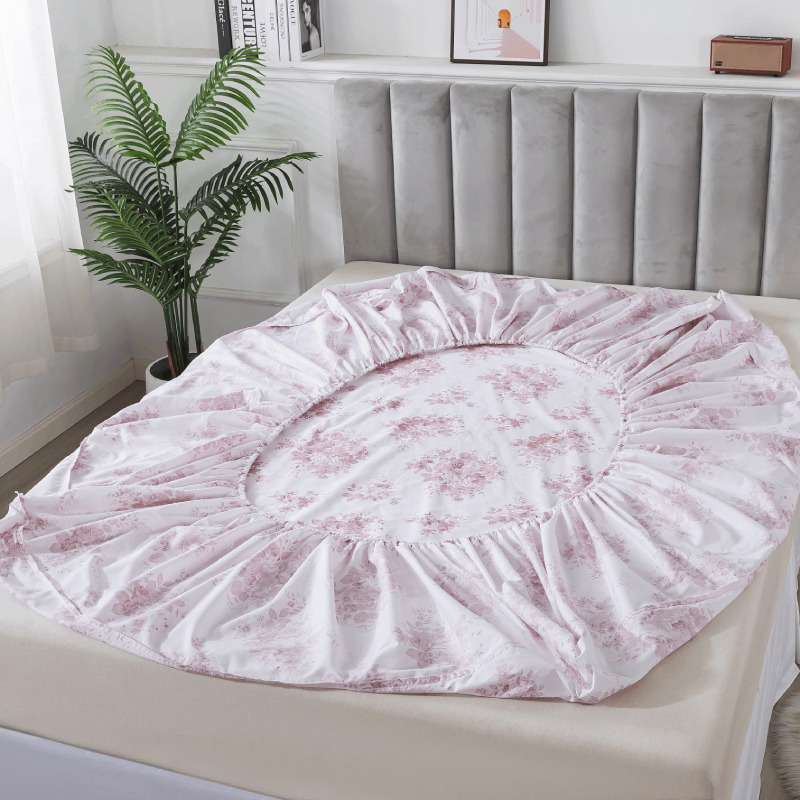


Most people think of bedding as a simple household necessity—something functional that helps us sleep at night. But over time, bedding has evolved into something much more meaningful. The fabrics we choose, the patterns we surround ourselves with, and the comfort we create in our bedrooms can quietly become part of our personal identity. In many ways, bedding reflects how we live, how we rest, and how we want to feel every day.
The Bedroom as a Personal Sanctuary
In a fast-paced world filled with screens, schedules, and endless responsibilities, the bedroom has become one of the few places where people can truly disconnect. Bedding plays a central role in shaping this space.
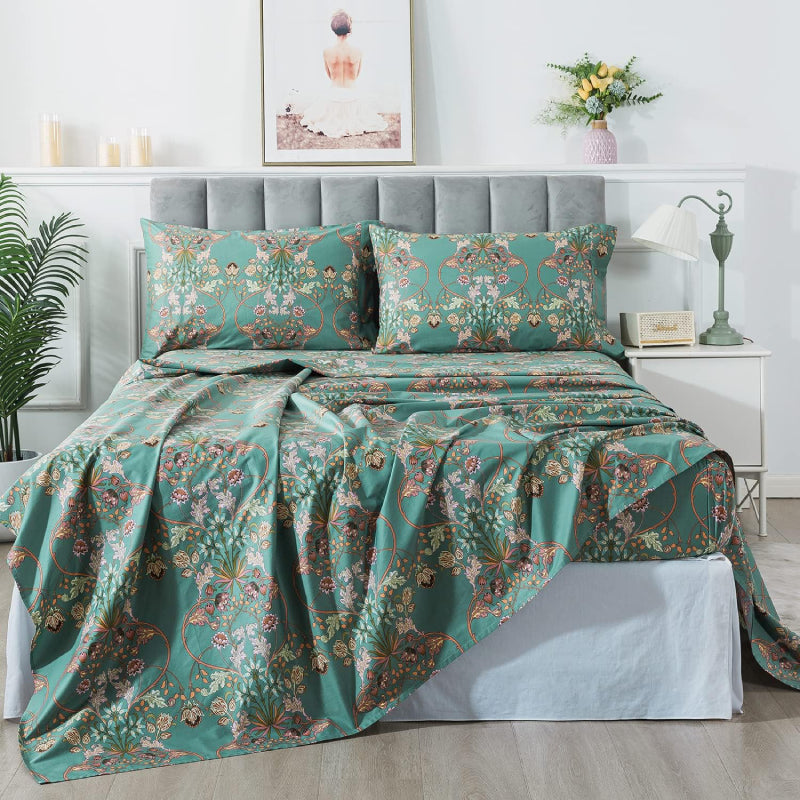
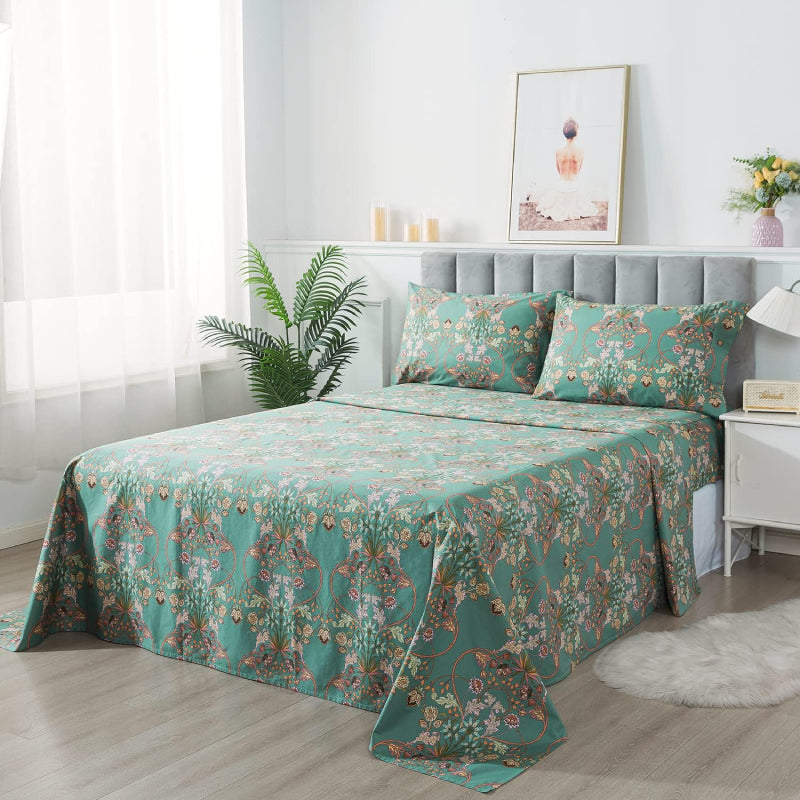
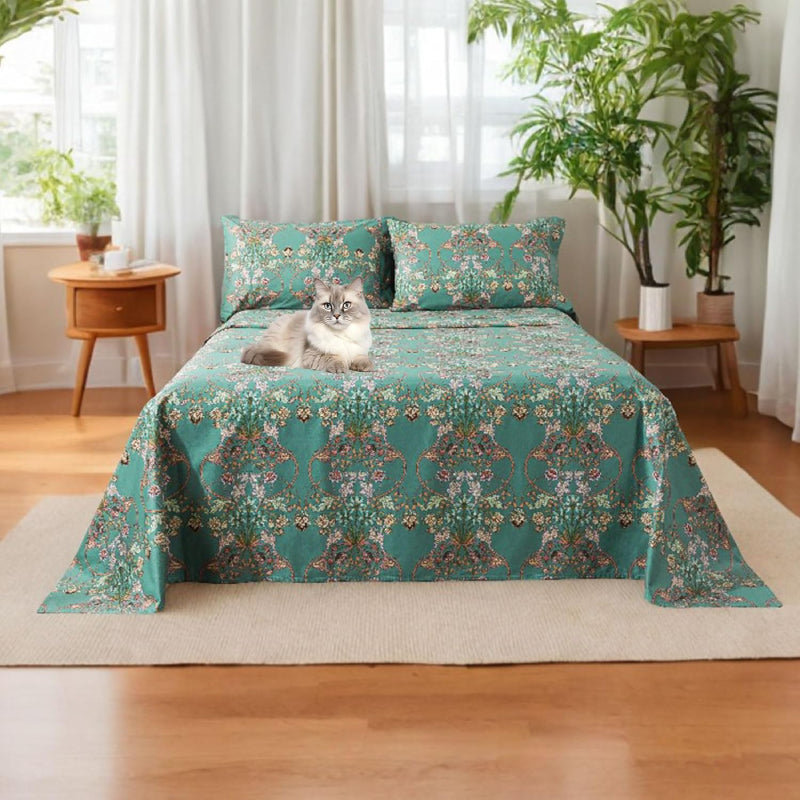
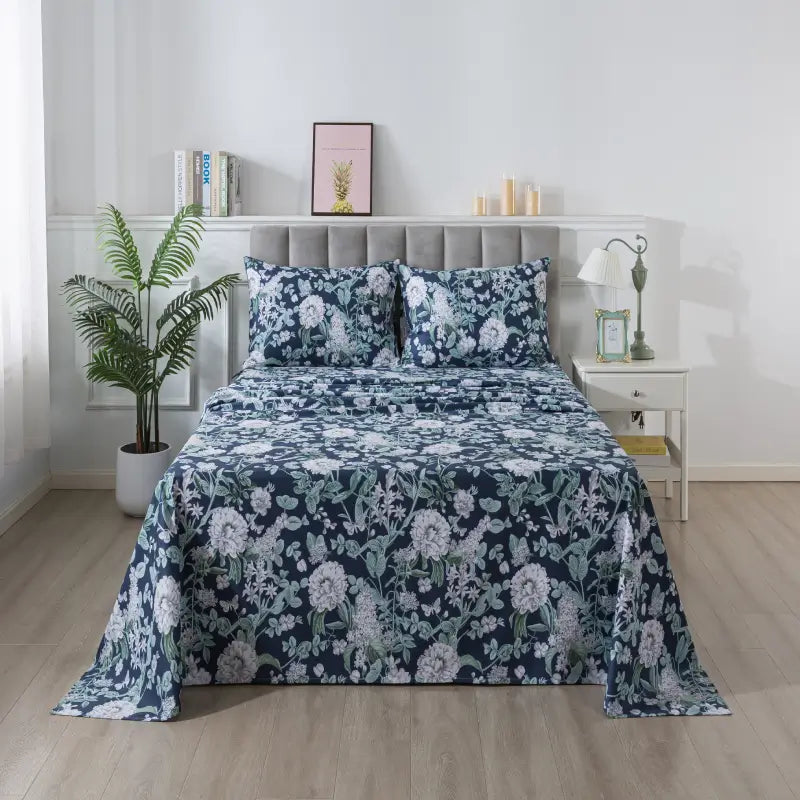
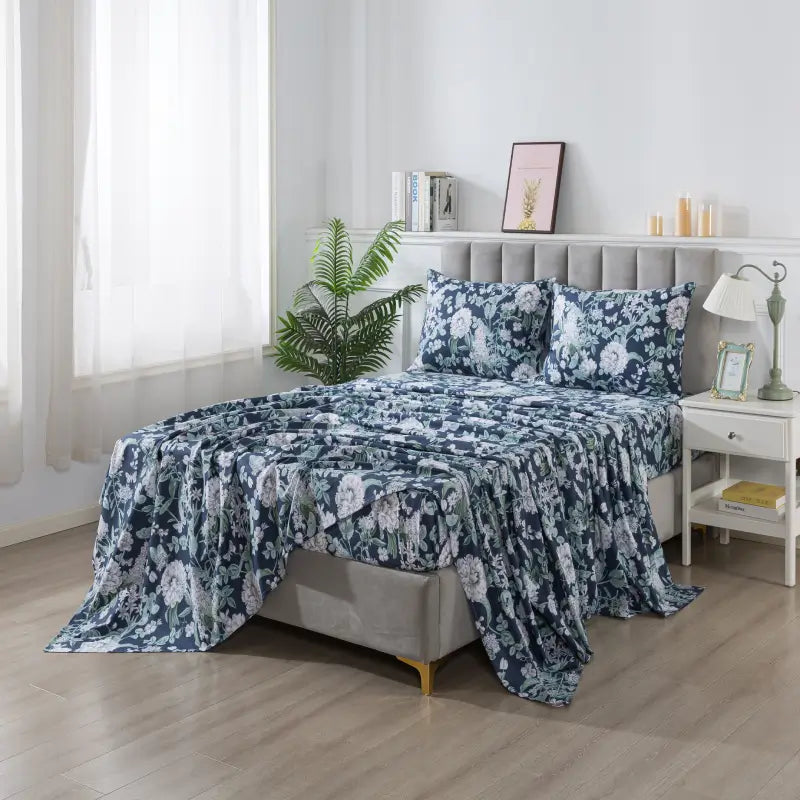
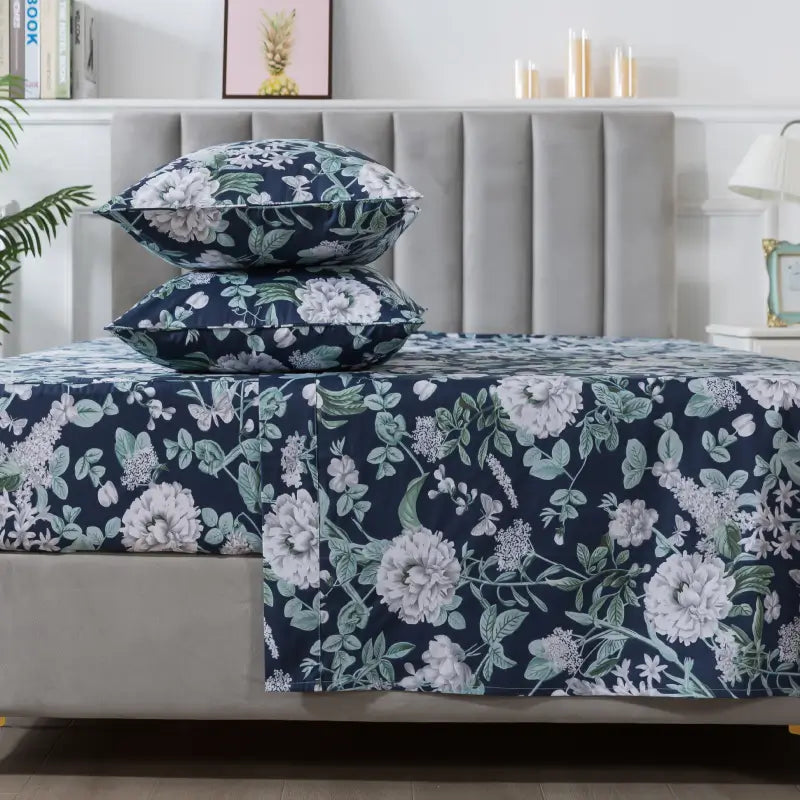
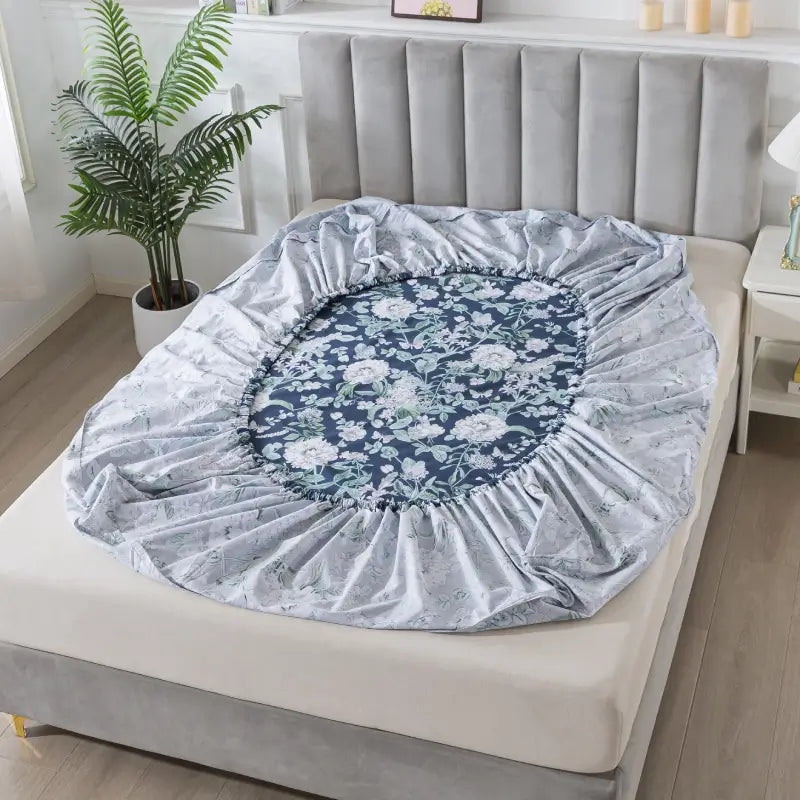
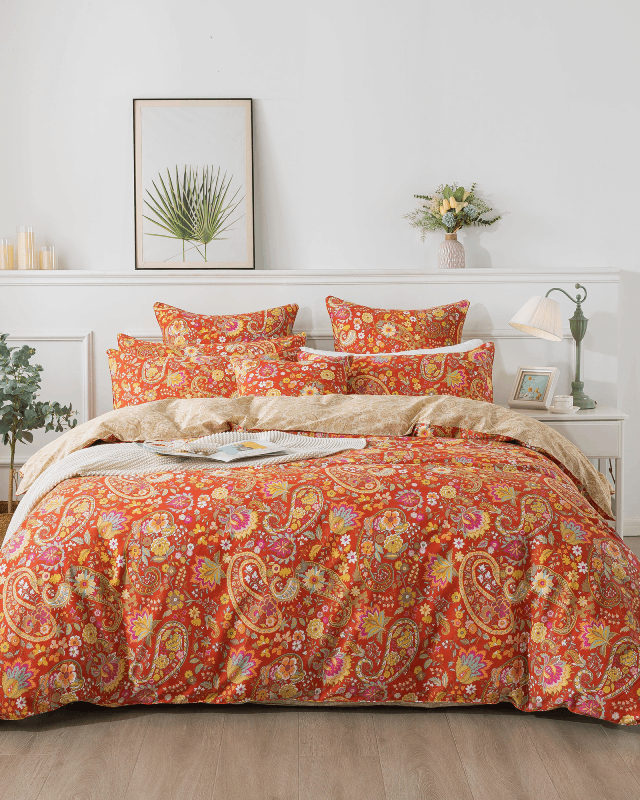
Soft cotton sheets, calming textures, and thoughtfully chosen colors help transform a bedroom from just another room into a sanctuary. When someone selects bedding that reflects their personality—whether it’s romantic floral prints, minimal neutral tones, or cozy layered quilts—they are essentially designing a personal environment for rest and restoration.
Over time, this environment becomes deeply tied to daily routines. The moment you step into your bedroom, the atmosphere created by your bedding immediately influences how you feel.
Comfort That Shapes Daily Life
Good bedding does more than improve sleep; it can influence how people experience their entire day.
When bedding feels breathable, soft, and comfortable, it encourages deeper relaxation and better rest. Waking up in a bed that feels inviting can subtly shape morning mood and productivity. Instead of rushing out of bed feeling tired, people often begin their day with a sense of calm and comfort.
This daily interaction with bedding—touching the fabric, arranging the pillows, pulling back the quilt—becomes part of a routine that repeats every single day. Over time, these small moments build a sense of familiarity and emotional connection with the space.

Style That Reflects Personality
Just like clothing or home décor, bedding choices often reflect personal style.
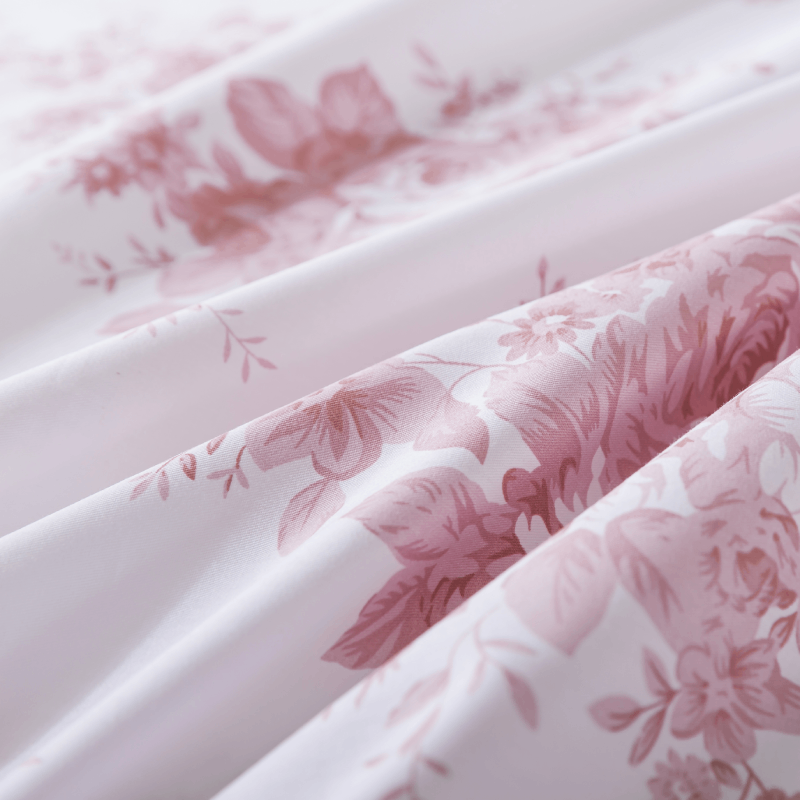
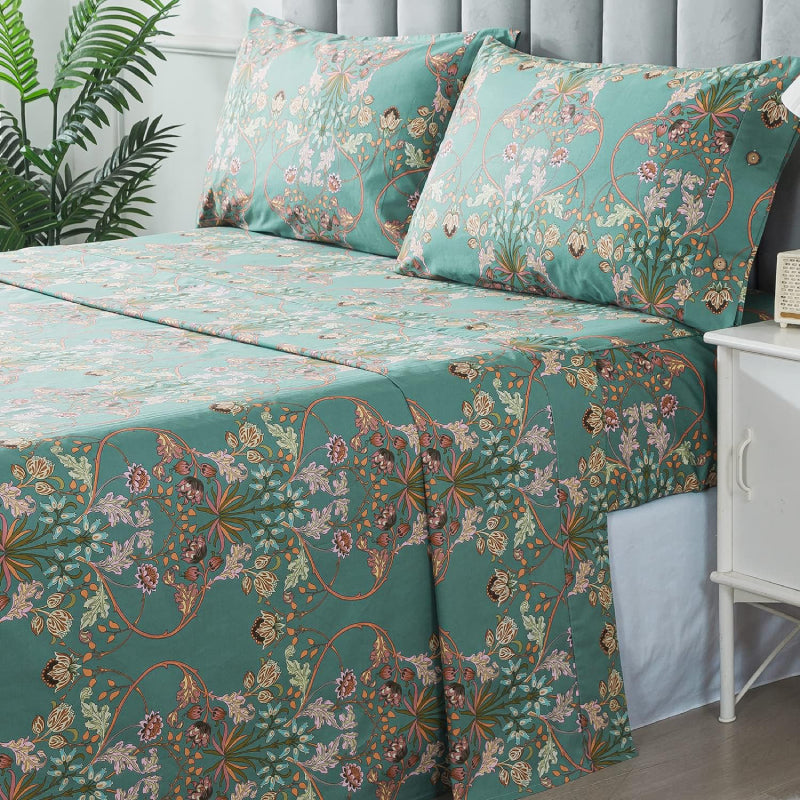
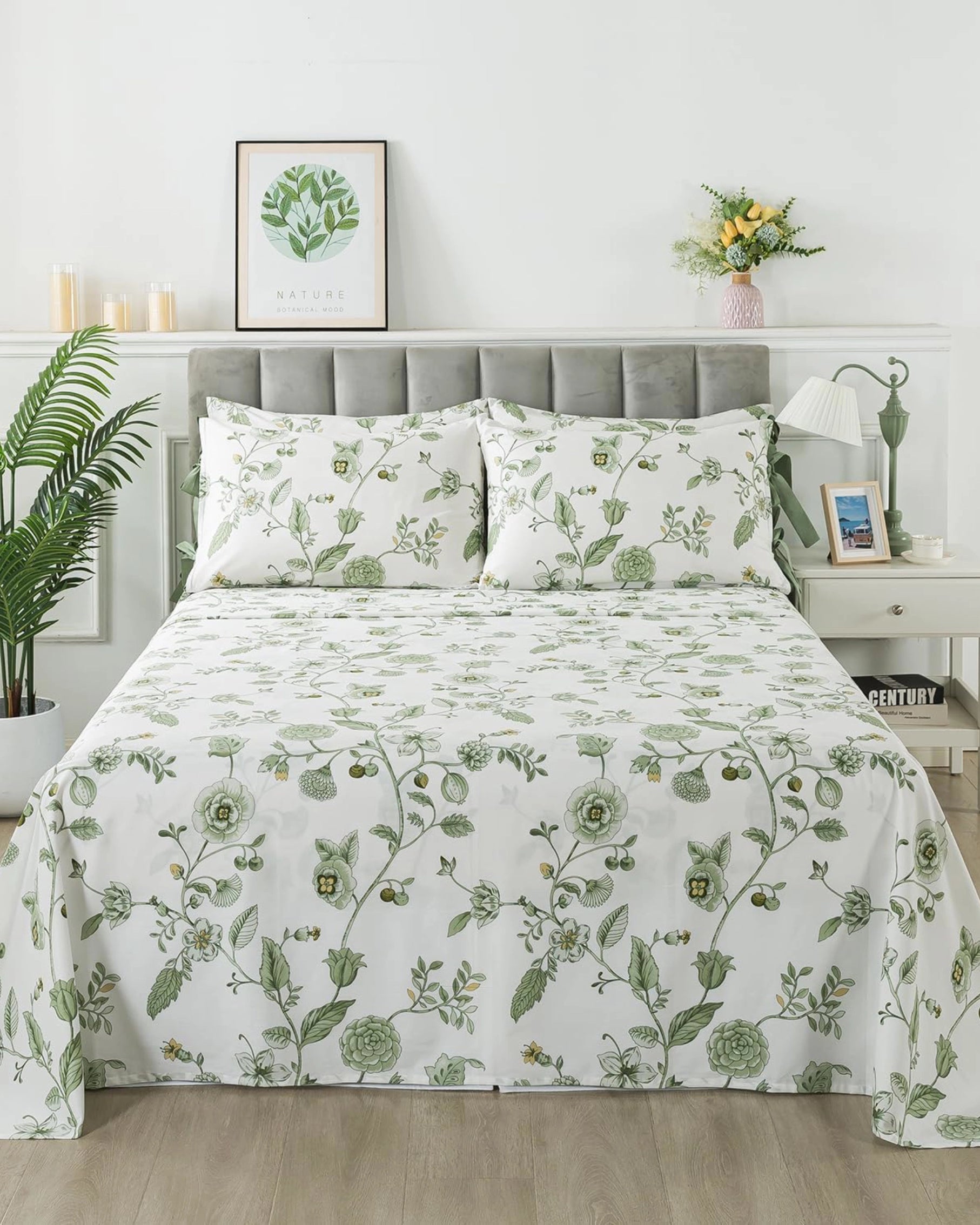
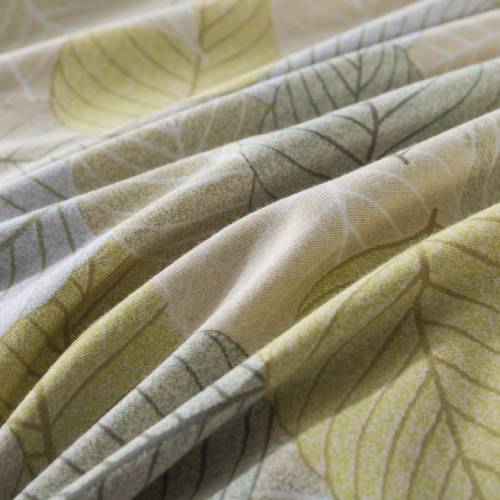
Some people prefer classic white cotton sheets for a clean, hotel-like atmosphere. Others choose soft pastel tones for a gentle and peaceful mood. Many are drawn to nature-inspired designs—floral prints, botanical patterns, and earthy colors—that bring warmth and character into the bedroom.
These choices are rarely random. They often reflect deeper preferences: a love for nature, a desire for simplicity, or an appreciation for artistic design.
When bedding aligns with personal taste, it becomes more than decoration. It becomes an expression of identity—something that quietly communicates who we are and what kind of environment makes us feel most at home.
Emotional Connections to Everyday Objects
It might seem surprising that something as ordinary as bedding can carry emotional meaning. Yet many everyday objects become deeply personal through repeated use.
Think about the feeling of slipping into freshly washed sheets after a long day, or the comfort of a familiar quilt during a quiet weekend morning. These experiences create emotional associations that make bedding feel personal and meaningful.
Over time, bedding becomes linked with moments of rest, relaxation, and comfort. It becomes part of the daily rituals that help people recharge and reconnect with themselves.
Creating a Lifestyle Through Bedding
Today, bedding is increasingly connected to lifestyle choices. People are paying closer attention to the materials used in their sheets, the sustainability of fabrics, and the craftsmanship behind textile design.
Natural cotton, breathable weaves, and thoughtfully designed patterns are becoming more important as people seek products that align with their values and daily habits. Bedding is no longer just about aesthetics; it is about comfort, quality, and well-being.
When people choose bedding that supports their lifestyle—whether that means eco-friendly materials, timeless designs, or soft fabrics—they are shaping the atmosphere of their home in a meaningful way.
The Quiet Influence of Everyday Comfort
Bedding may not seem like a defining element of personal identity at first glance. Yet it plays a surprisingly consistent role in everyday life. We begin and end each day surrounded by it, relying on it for comfort, rest, and relaxation.
Because of this constant presence, bedding slowly becomes part of our routines, our spaces, and even our sense of self.
When bedding truly reflects our comfort preferences and personal style, it stops being just a household item. Instead, it becomes part of the lifestyle we create for ourselves—one that supports better rest, greater comfort, and a home environment that feels uniquely our own.