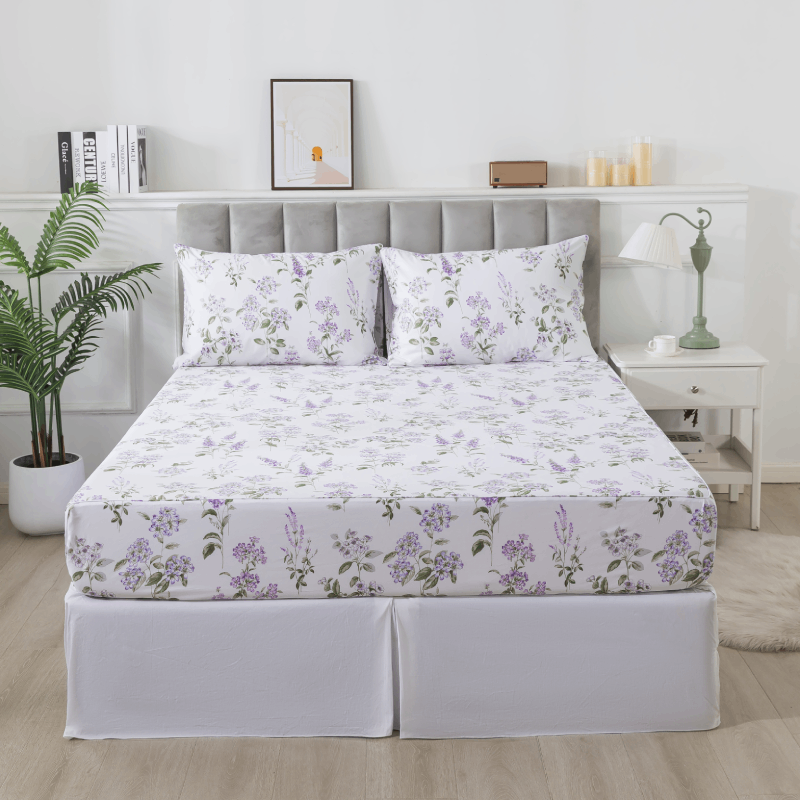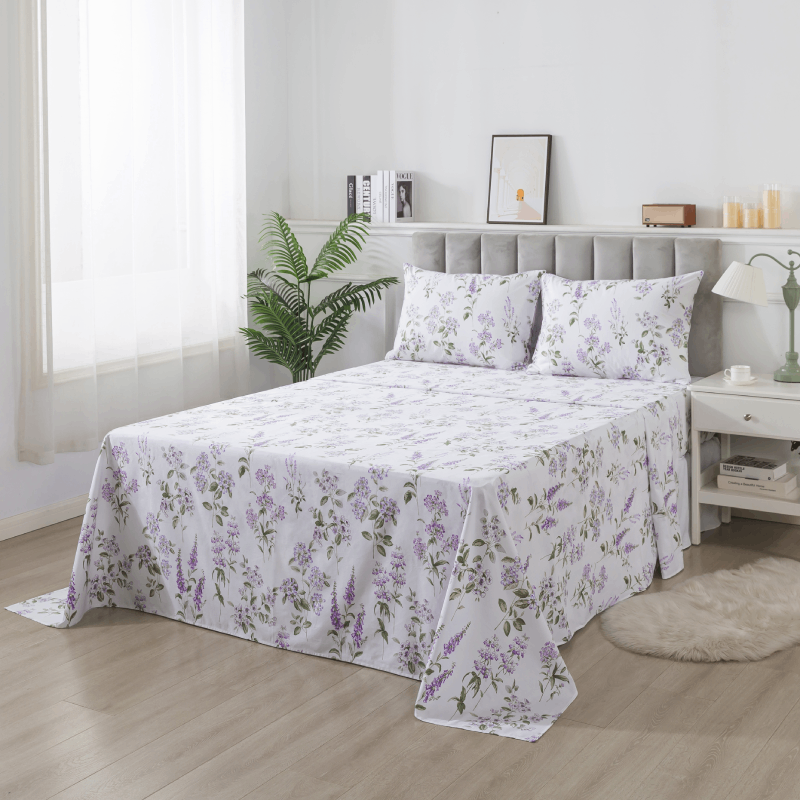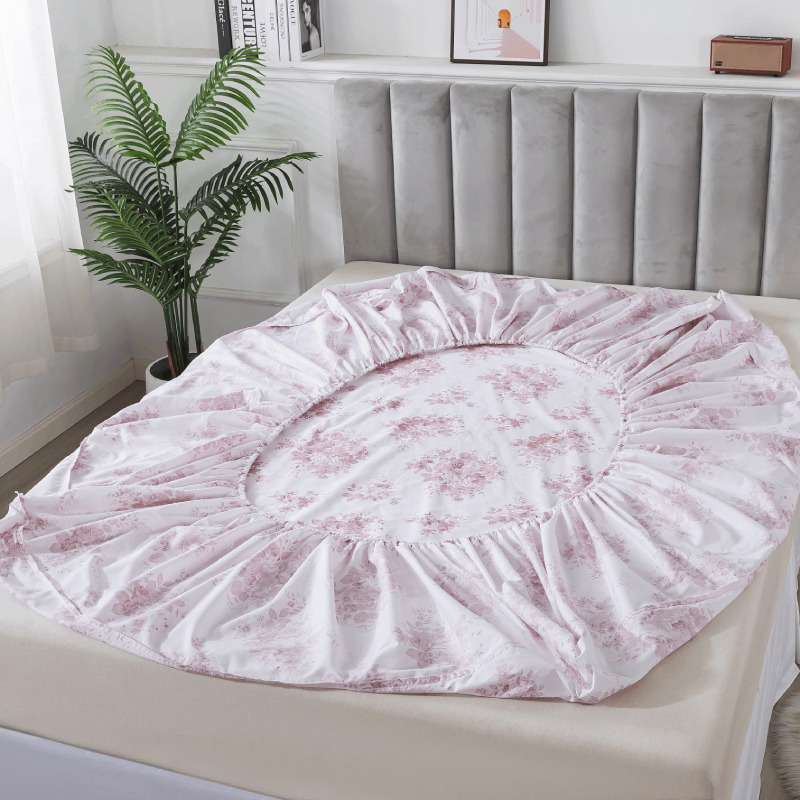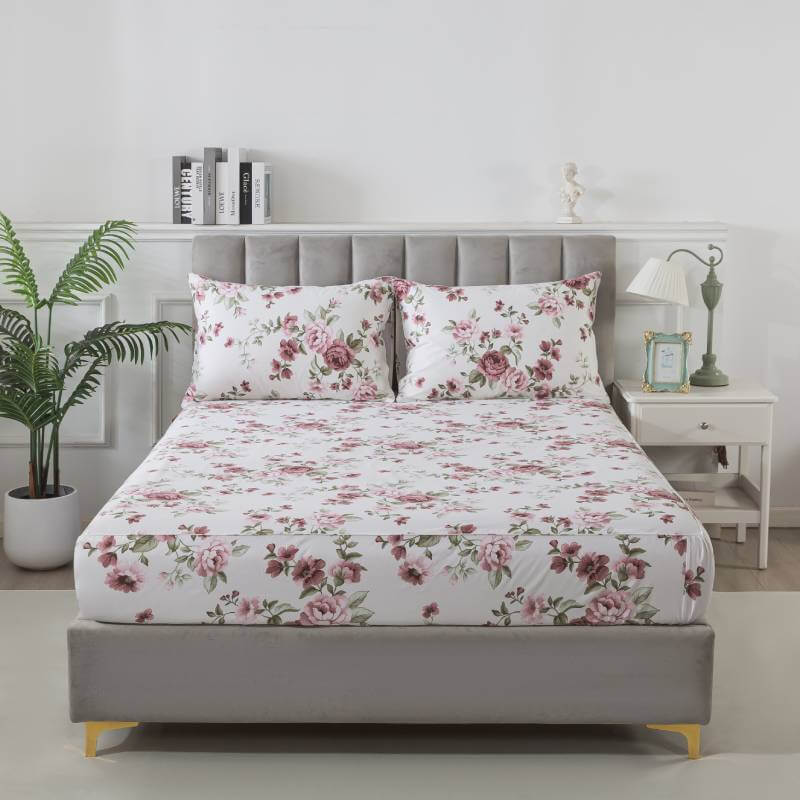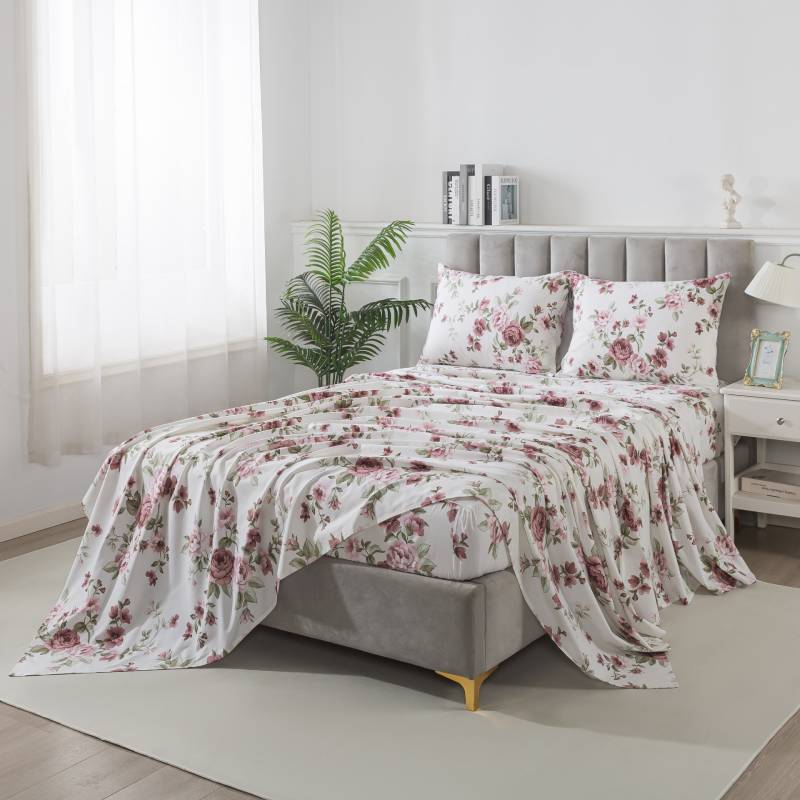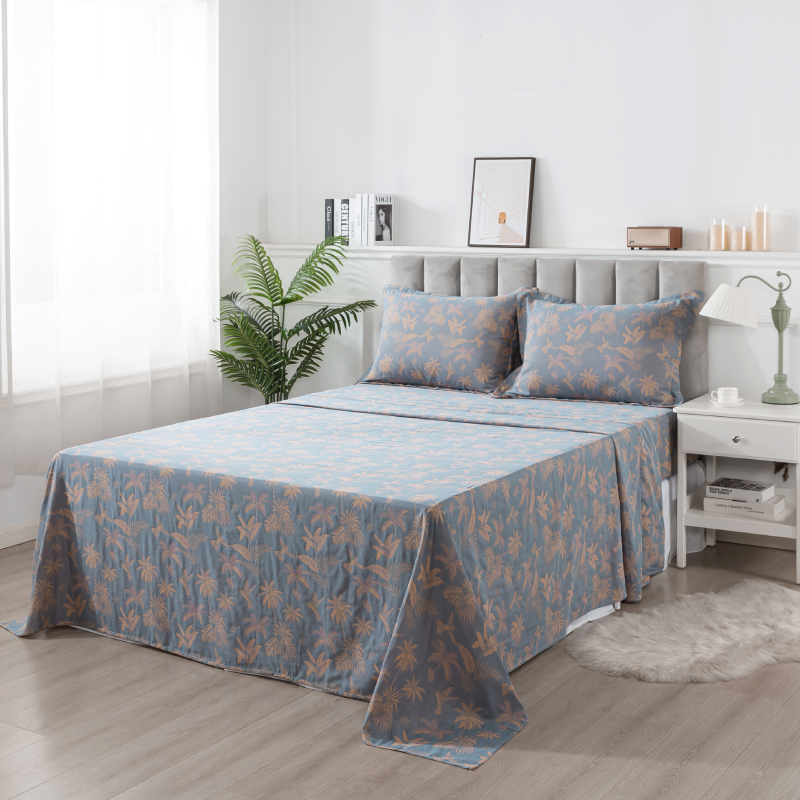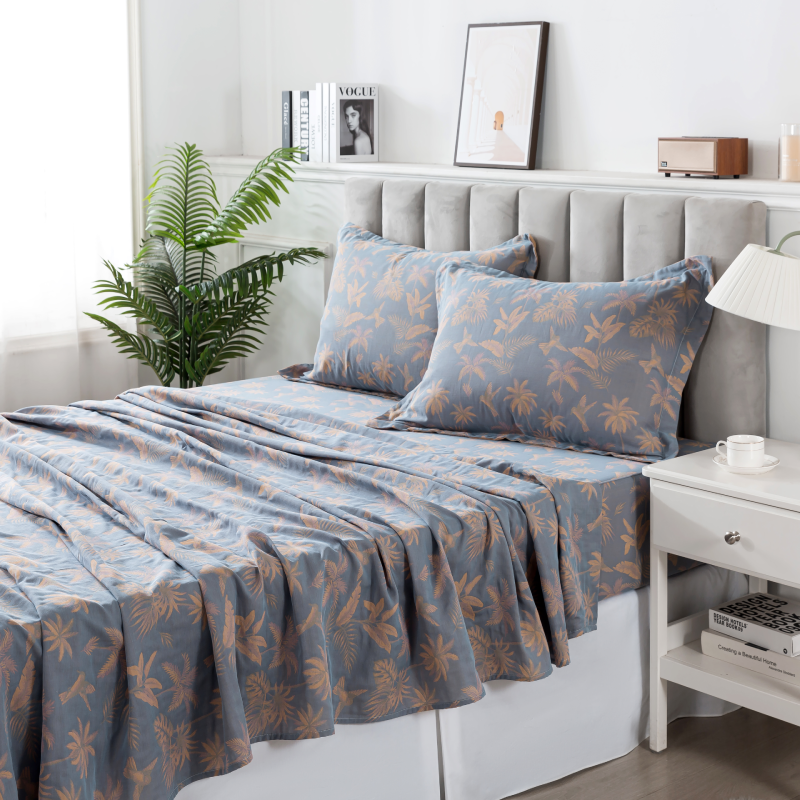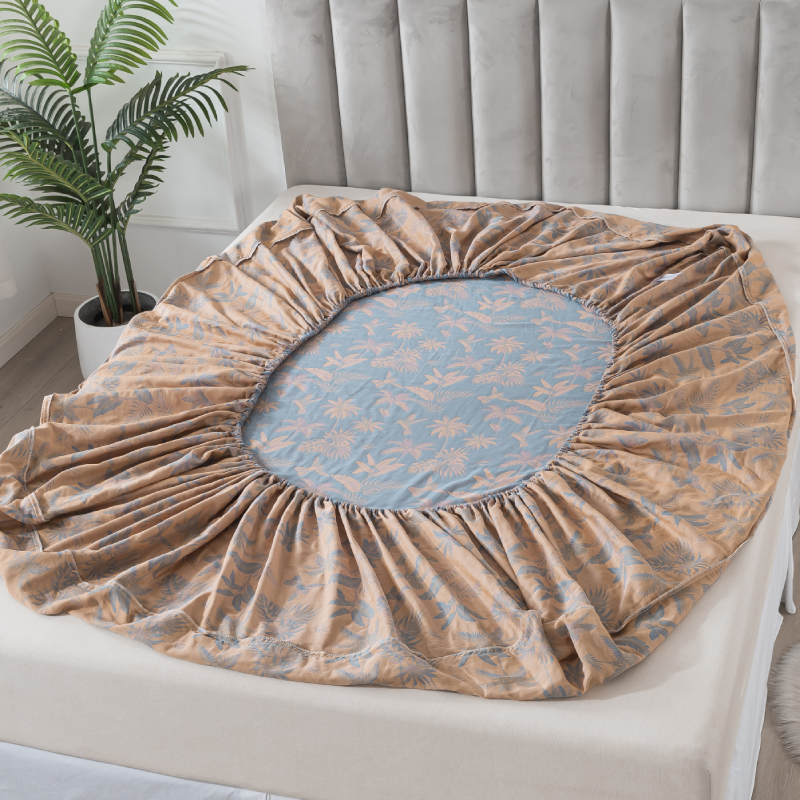
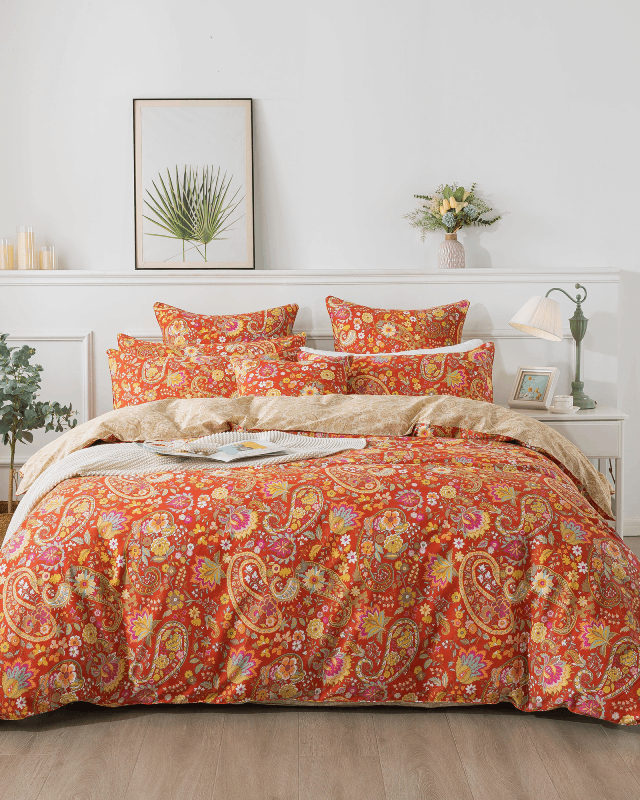
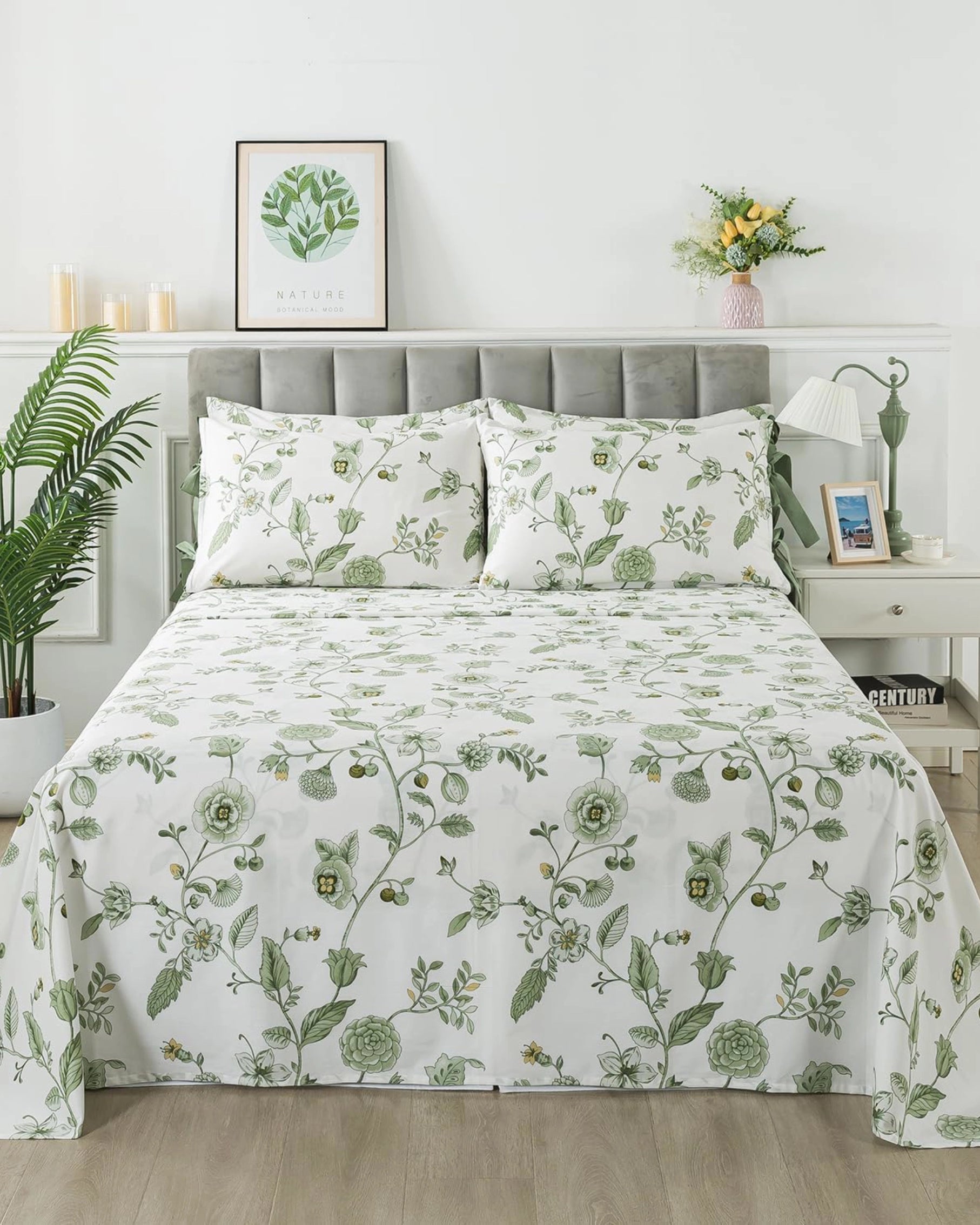


Printed bedding can completely change the atmosphere of a bedroom. Whether you love soft florals, vintage-inspired patterns, modern stripes, or playful botanical designs, the right print adds personality and comfort to your space. But beautiful patterns alone are not enough. Before buying printed bedding, it is important to look beyond the surface and pay attention to fabric quality, printing methods, comfort, and long-term durability.
Here are the most important things to consider before choosing printed bedding for your home.
1. Fabric Material Comes First
No matter how attractive the pattern is, the fabric determines how the bedding feels every night. Printed bedding is available in many materials, but not all fabrics provide the same level of comfort.
100% cotton remains one of the best choices because it is breathable, soft, and suitable for year-round use. Cotton also absorbs moisture well and becomes softer over time with regular washing. For people who value natural comfort and easy maintenance, cotton bedding is often the safest option.
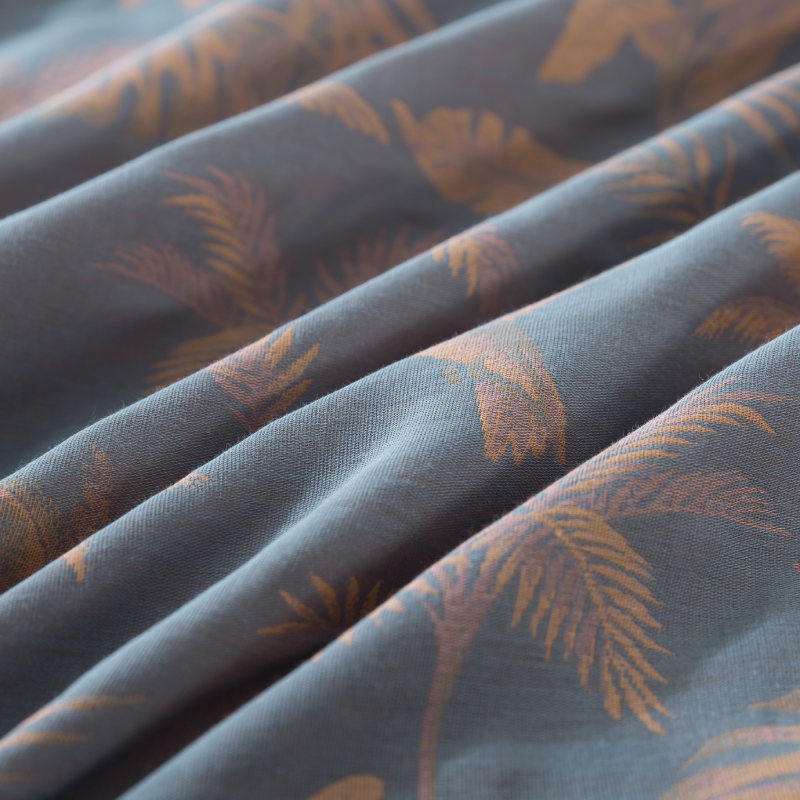
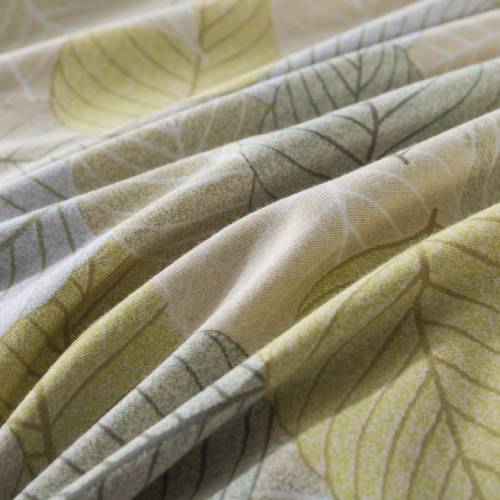
If you prefer a lighter and airier texture, double gauze cotton can be an excellent choice. Its layered weaving structure creates softness without feeling heavy, making it especially comfortable during warmer seasons.
Avoid focusing only on appearance. A beautiful print on low-quality fabric may fade quickly or feel uncomfortable after a few washes.
2. Check the Print Quality
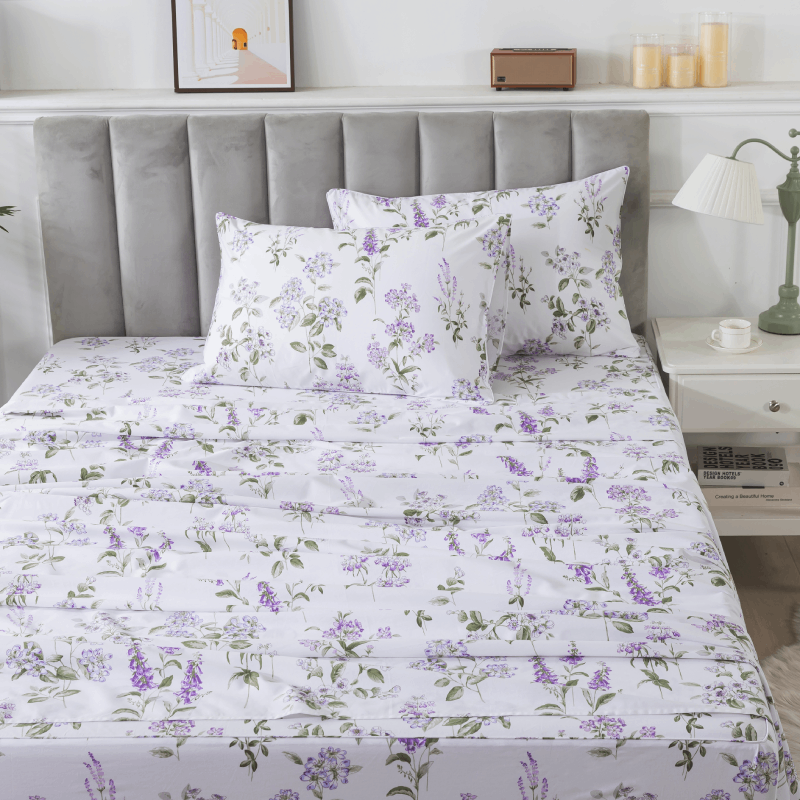
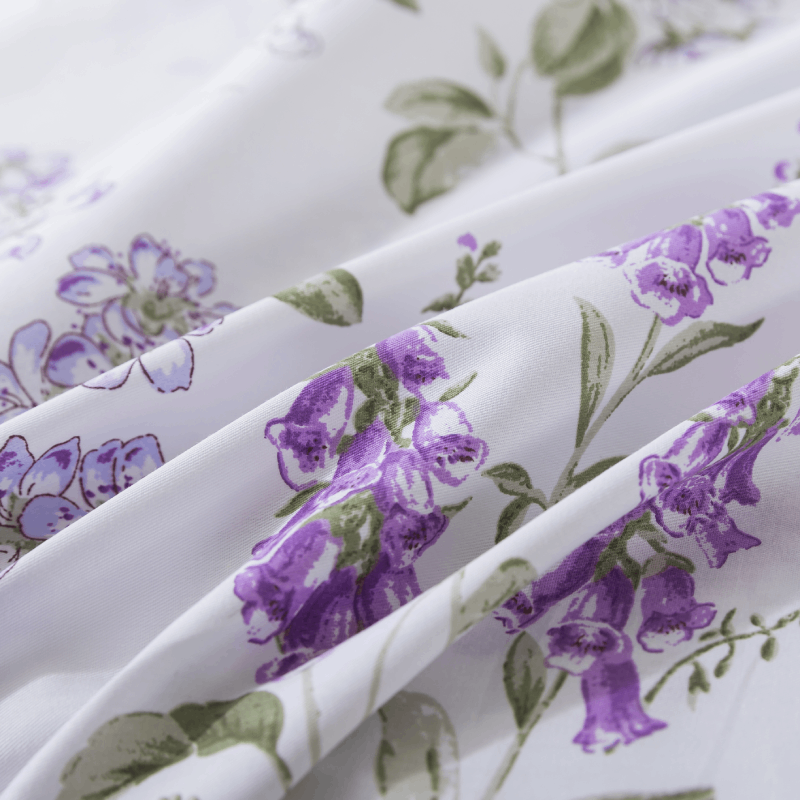
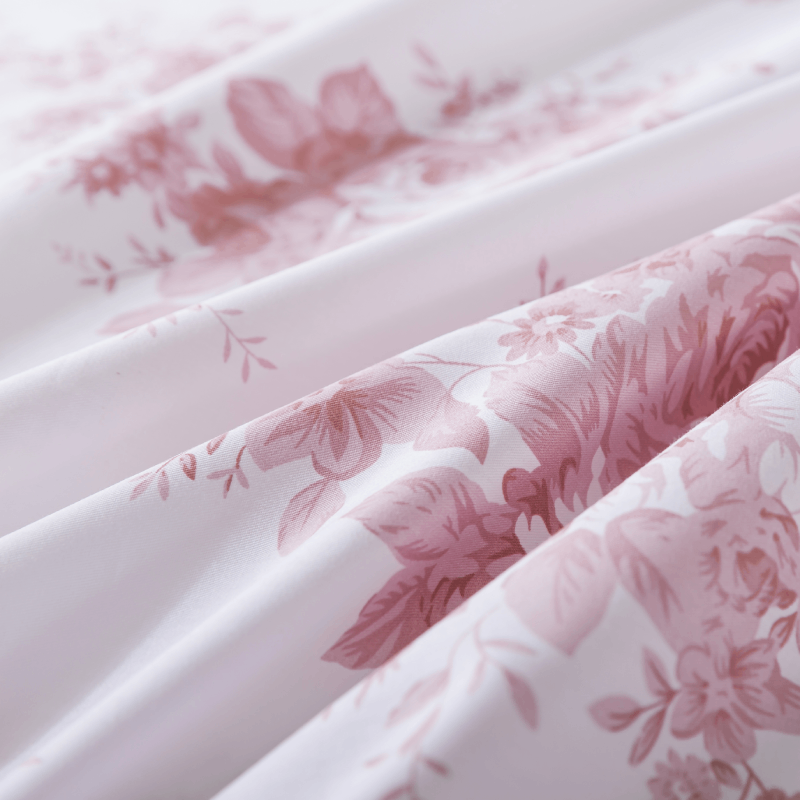
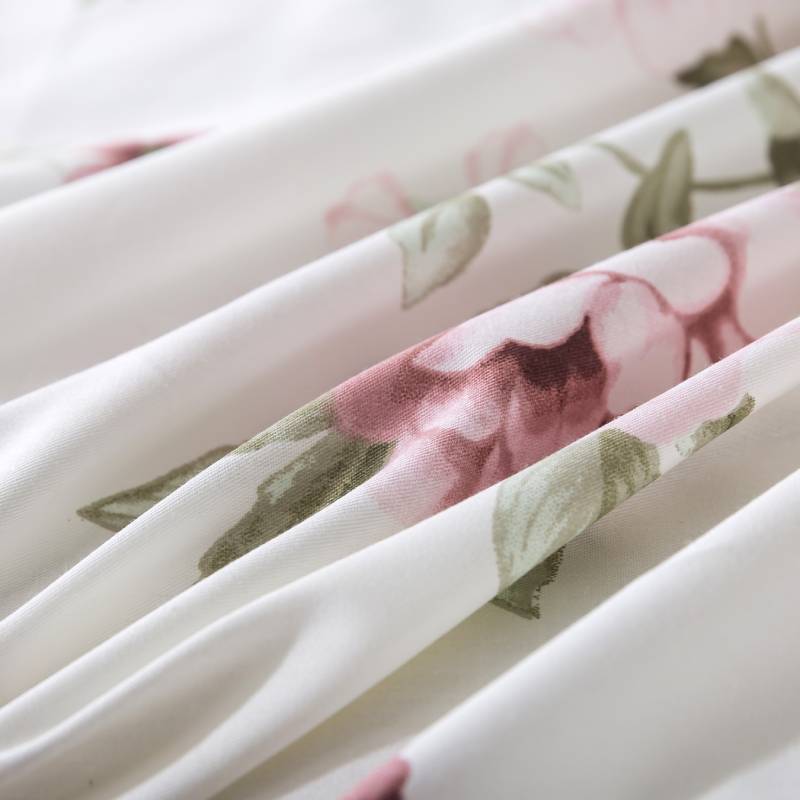
Not all printed bedding is produced the same way. High-quality printing creates clear details, balanced colors, and patterns that remain beautiful over time.
Before buying, pay attention to:
- Sharpness of the pattern
- Consistency of colors
- Whether the print looks too shiny or artificial
- Signs of uneven fading in product photos
Well-made printed bedding should look natural and refined rather than overly harsh or overly bright. Soft, balanced tones often age better visually and work more easily with different bedroom styles.
If possible, zoom in on product images to examine small details. Low-quality printing can sometimes appear blurry or pixelated.
3. Think About Long-Term Style
Trendy patterns may look exciting at first, but bedding is something you live with every day. Choosing a print that feels calming and timeless usually works better in the long run.
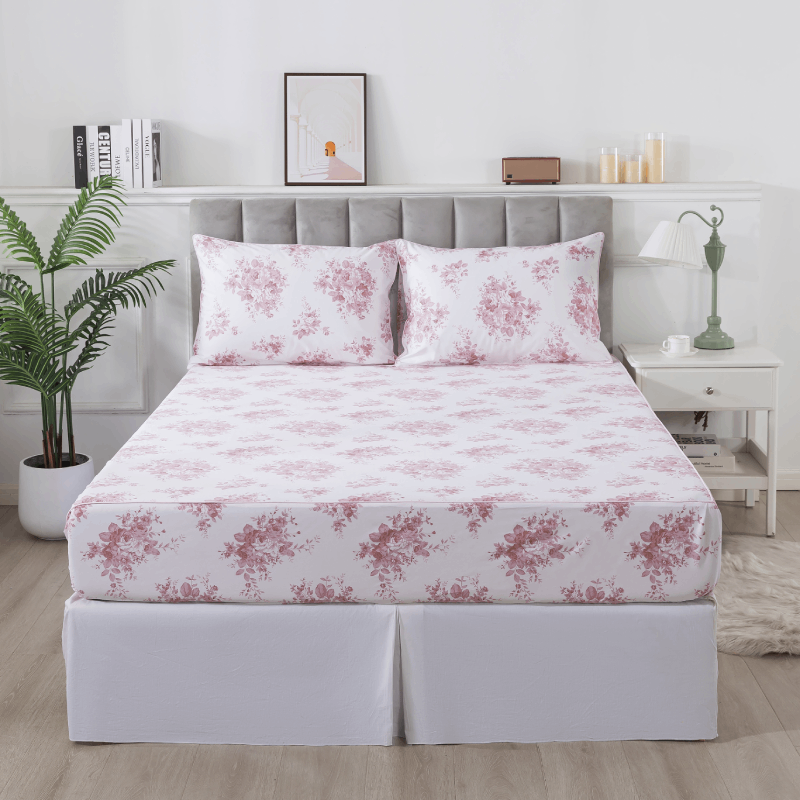
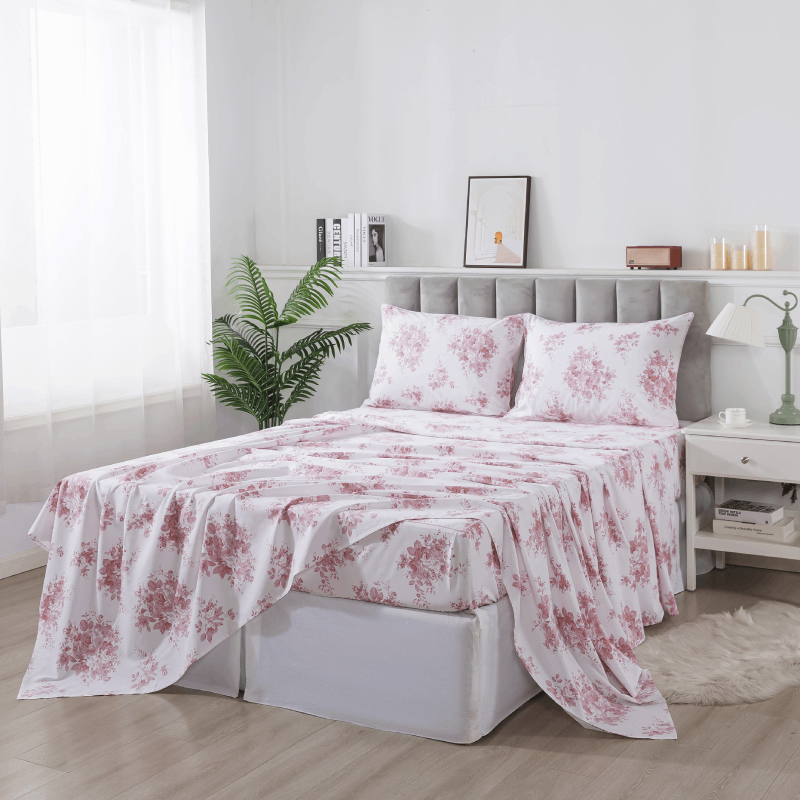
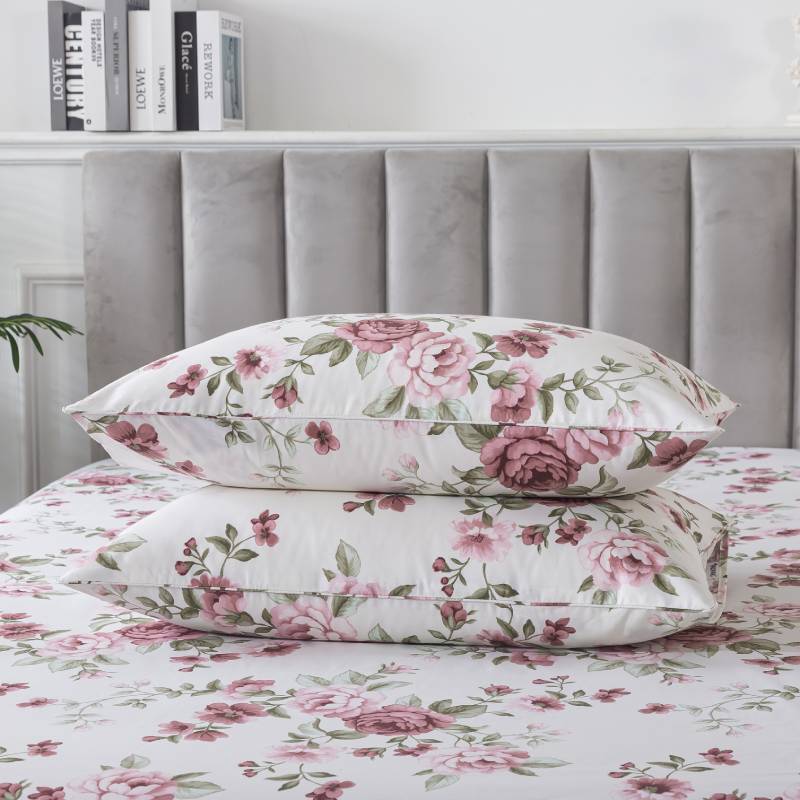
Florals, soft botanical designs, muted stripes, and subtle vintage patterns tend to create a relaxing environment without overwhelming the room. Neutral or slightly faded tones are also easier to match with changing décor over time.
Ask yourself:
- Will this pattern still feel comfortable after months of use?
- Does it fit the mood I want in my bedroom?
- Can it work with different pillows, rugs, or curtains later?
The best printed bedding often balances personality with simplicity.

4. Pay Attention to Breathability
Some printed bedding looks luxurious online but traps heat during sleep. Fabric density, weaving, and finishing treatments all affect breathability.
Natural fibers like cotton generally allow better airflow than synthetic materials. If you are sensitive to heat or prefer cooler sleep, breathable fabrics are especially important.
Lightweight printed bedding with airy construction can help create a fresher and more comfortable sleeping experience throughout the year.
5. Look at Stitching and Construction
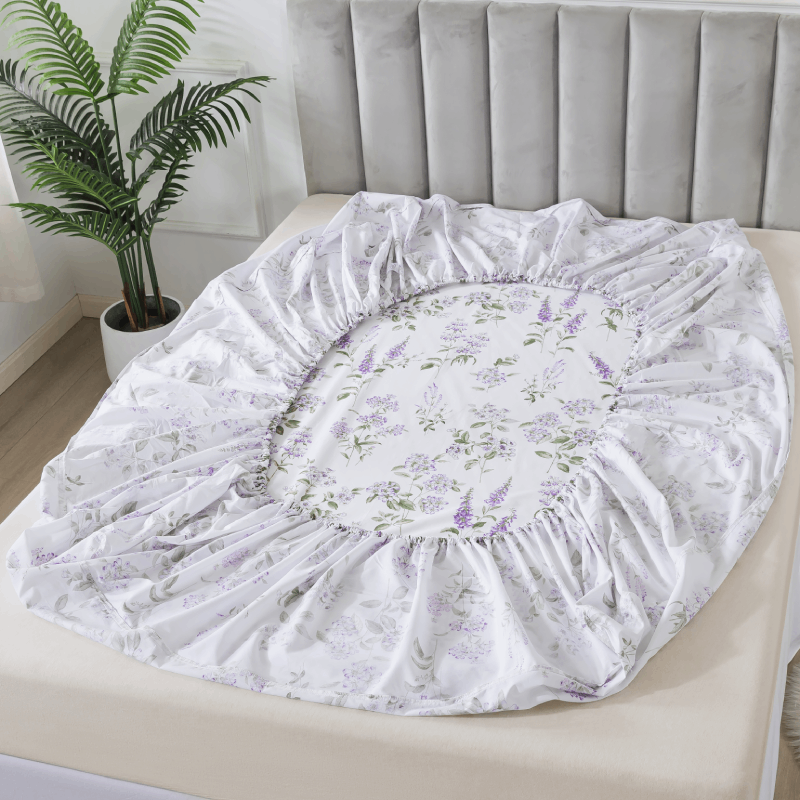
Good bedding is not only about fabric and print. Construction quality also affects durability.
Check for details such as:
- Neat stitching lines
- Secure corner seams
- Strong zipper or button closures
- Even quilting for quilt sets
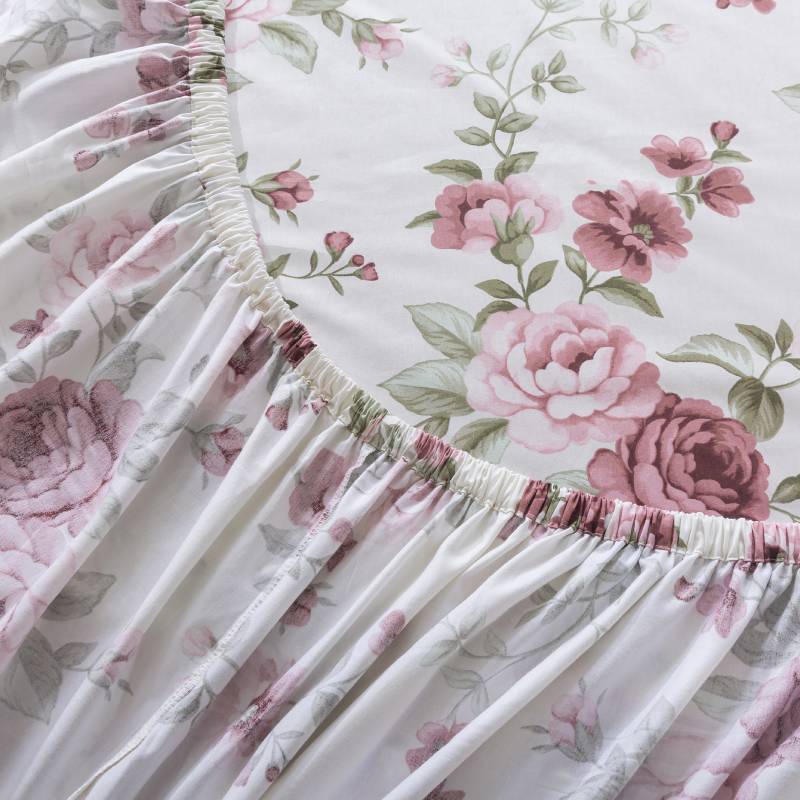
Poor construction may lead to loose threads, shifting filling, or deformation after washing.
Well-made bedding keeps its shape better and continues to look elegant even with daily use.
6. Understand How It Will Wash
Printed bedding should be practical for real life. Before purchasing, check the care instructions carefully.
Good printed bedding should:
- Hold color after repeated washing
- Resist excessive shrinking
- Stay soft over time
- Avoid heavy pilling
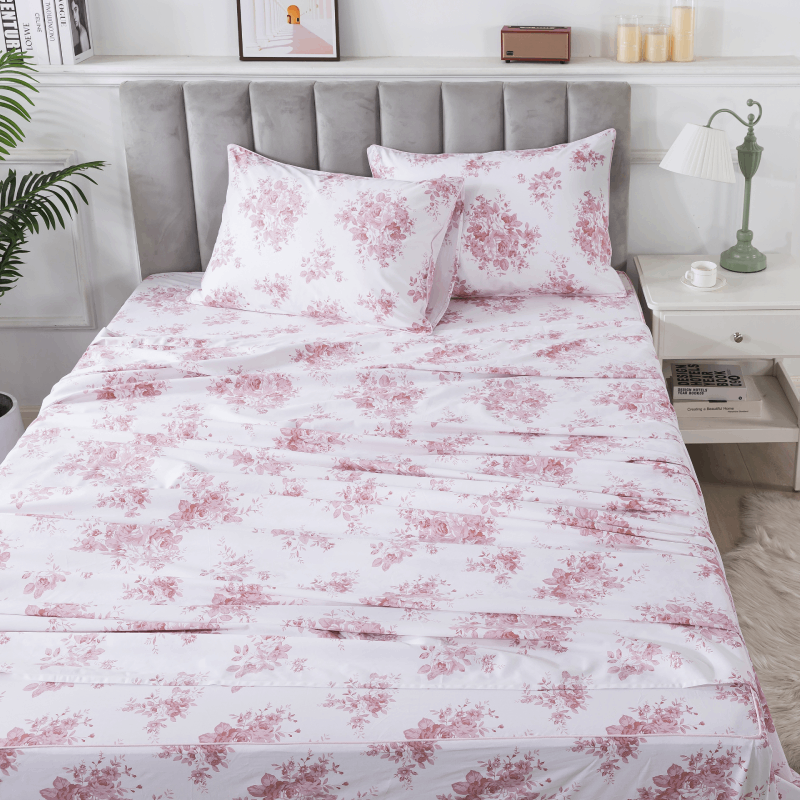
Natural wrinkling can actually add texture and softness to cotton bedding, especially in relaxed or vintage-inspired bedrooms. The goal is not perfect stiffness, but comfortable everyday beauty.
If a product requires overly complicated care, it may become inconvenient for long-term use.
7. Consider the Overall Bedroom Atmosphere
Printed bedding becomes the visual center of the bedroom, so it should work with the rest of the space.
Soft floral prints often pair beautifully with:
- Natural wood furniture
- Neutral curtains
- Warm lighting
- Minimal decorative accents
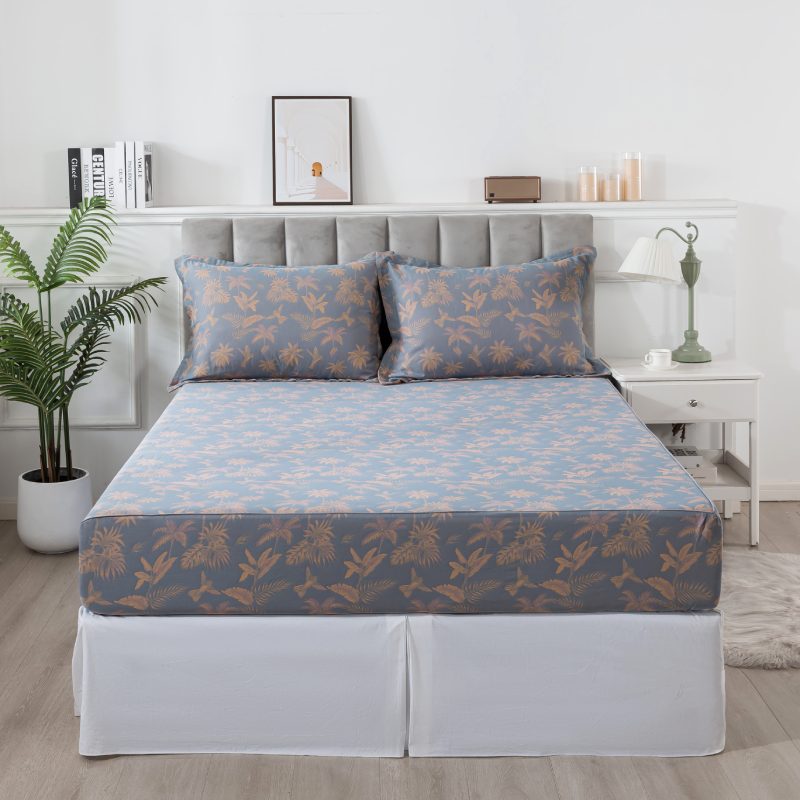
Meanwhile, bolder prints may work better in simpler rooms where the bedding becomes the main statement piece.
Instead of choosing patterns only because they stand out online, think about how they will feel inside your daily environment.
8. Read Real Customer Feedback
Customer reviews can reveal details that product photos cannot show. Look for comments about:
- Fabric softness
- Print accuracy
- Breathability
- Durability after washing
- Overall comfort
Photos from real customers are often especially helpful because they show how the bedding looks under natural lighting and in real homes.
Consistent positive feedback about comfort and durability is usually a good sign of reliable quality.
Final Thoughts
Buying printed bedding is about more than choosing a pretty pattern. The best bedding combines beautiful design with comfort, breathability, durability, and thoughtful craftsmanship.
A well-chosen print can make your bedroom feel softer, calmer, and more personal every day. By paying attention to fabric quality, print details, construction, and long-term comfort, you can choose bedding that not only looks beautiful on the first night, but continues to feel inviting after many nights of use.