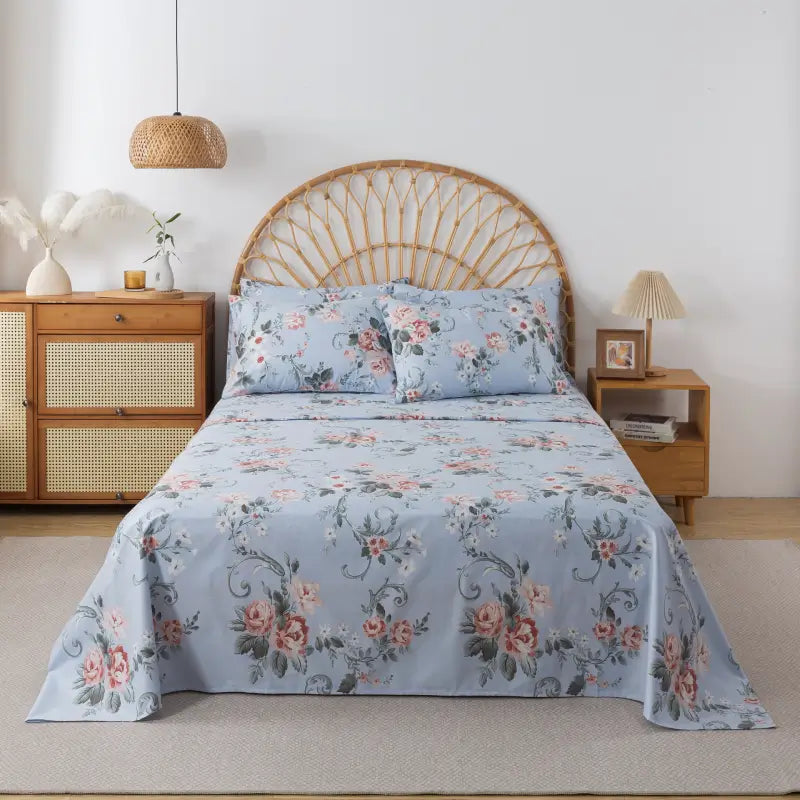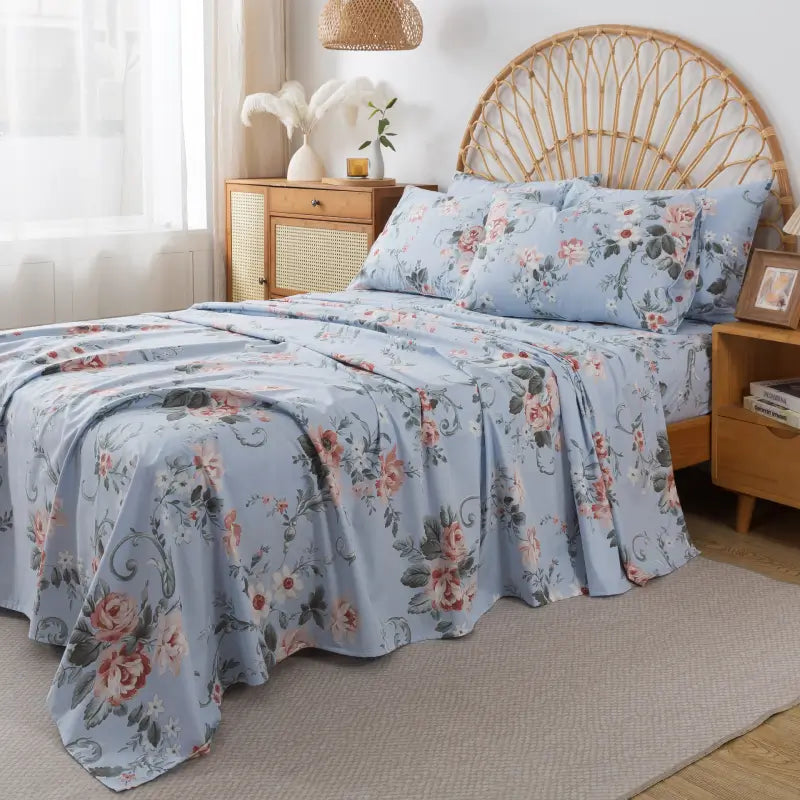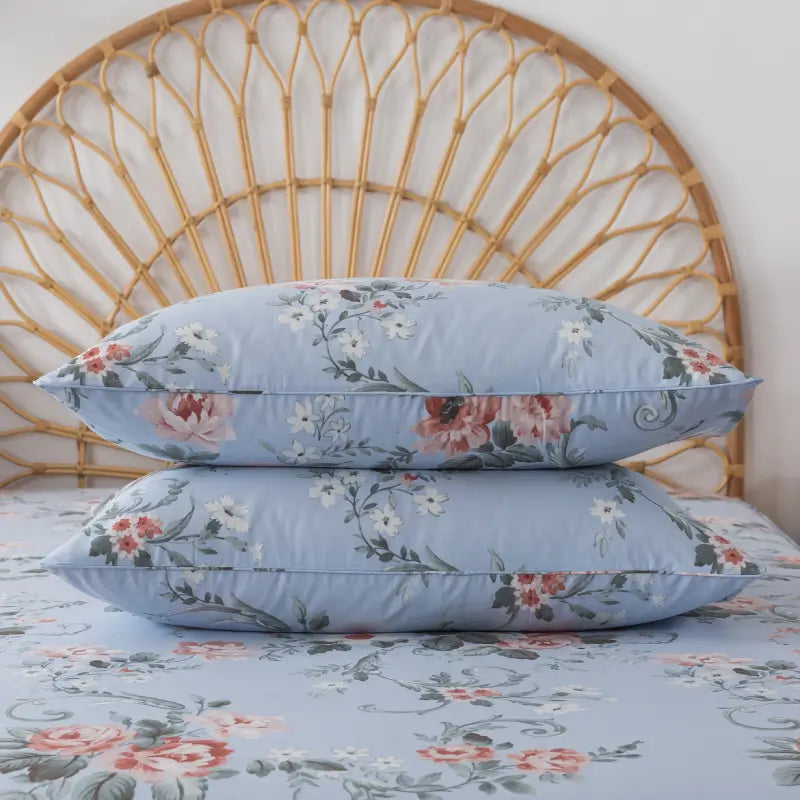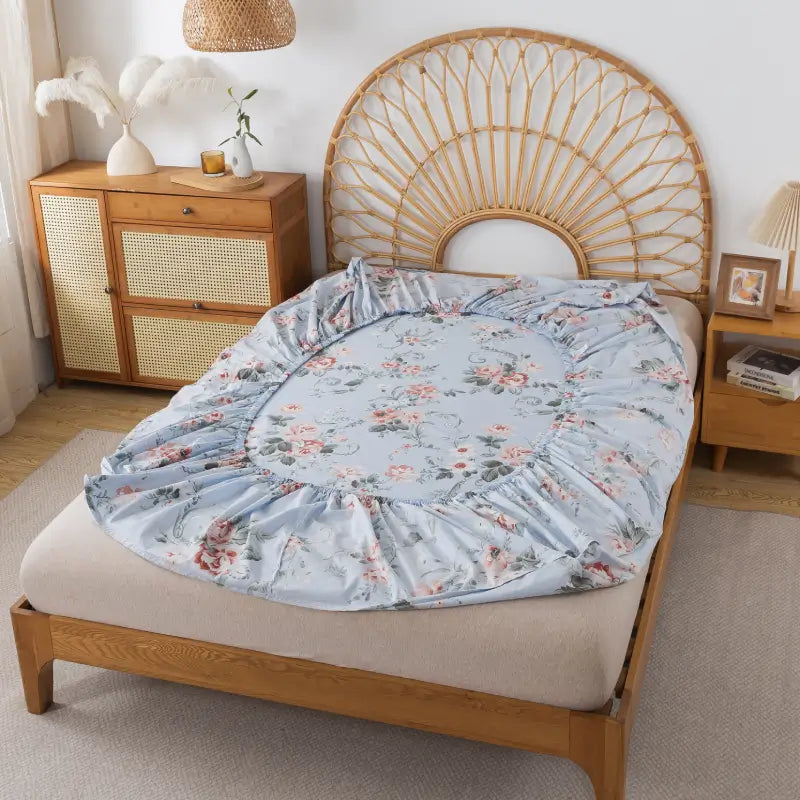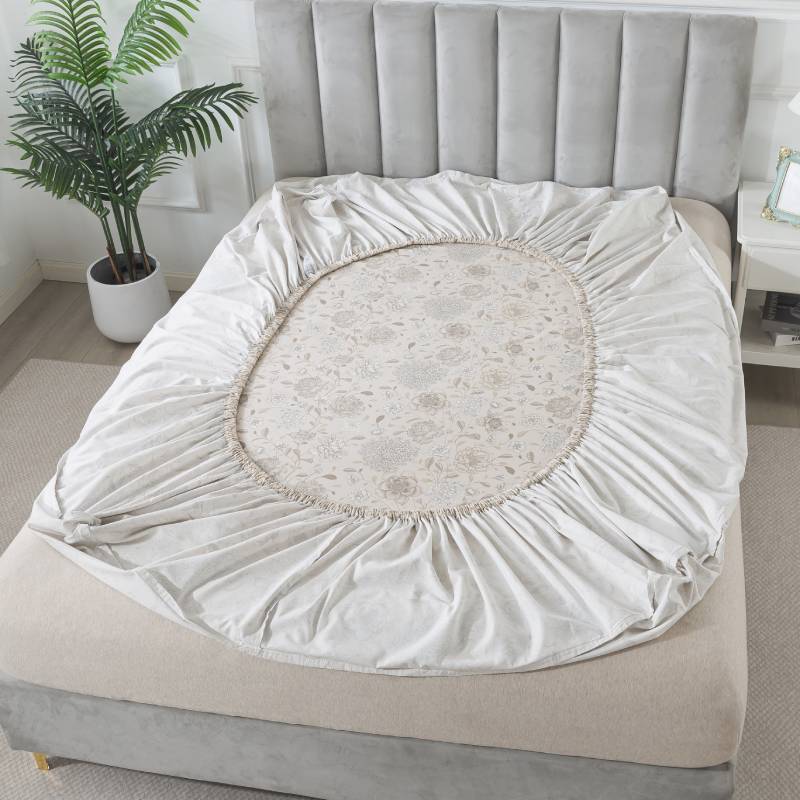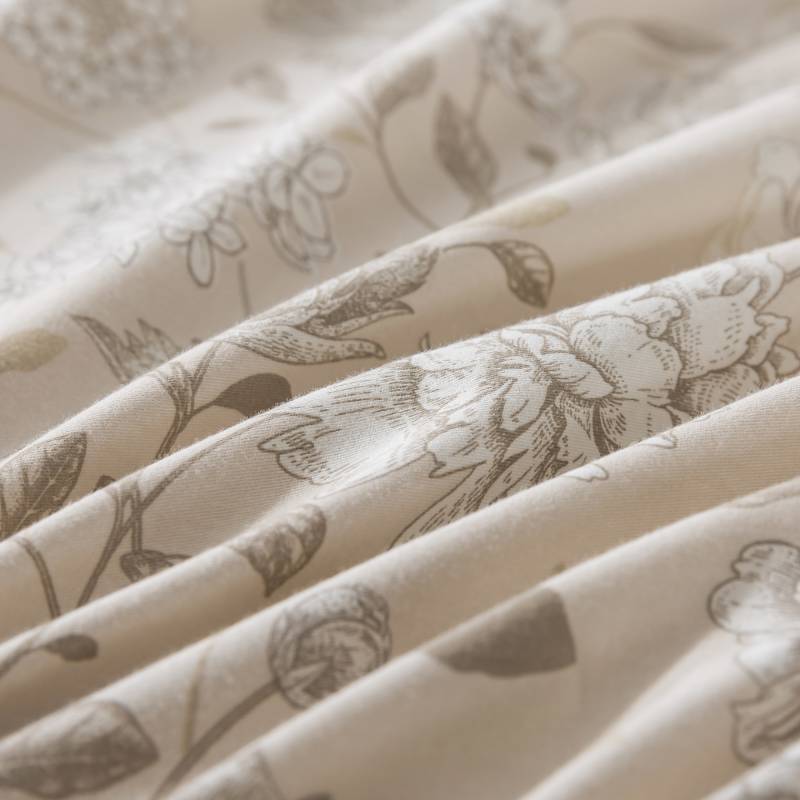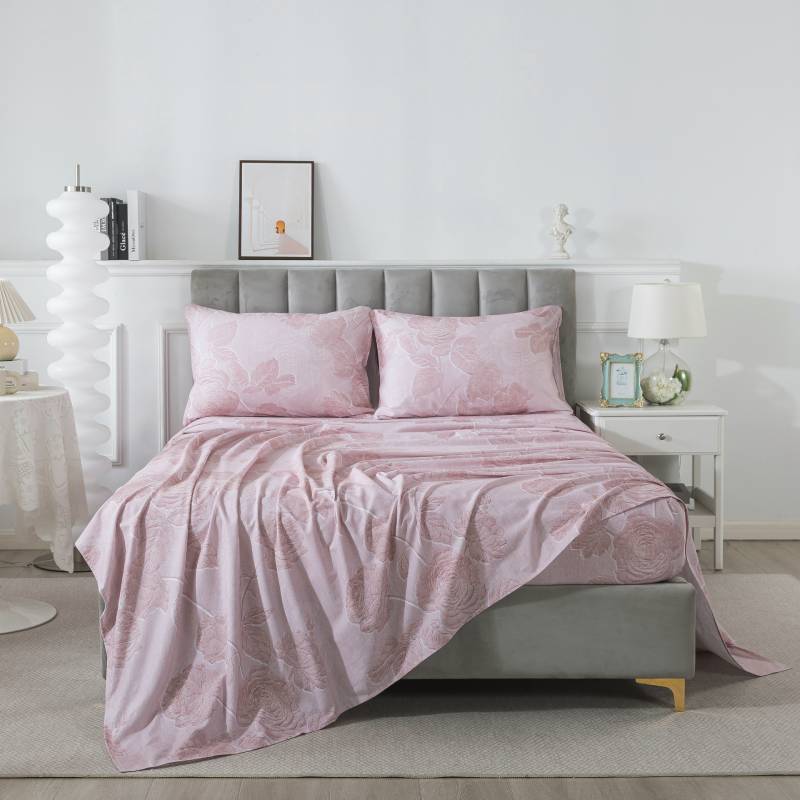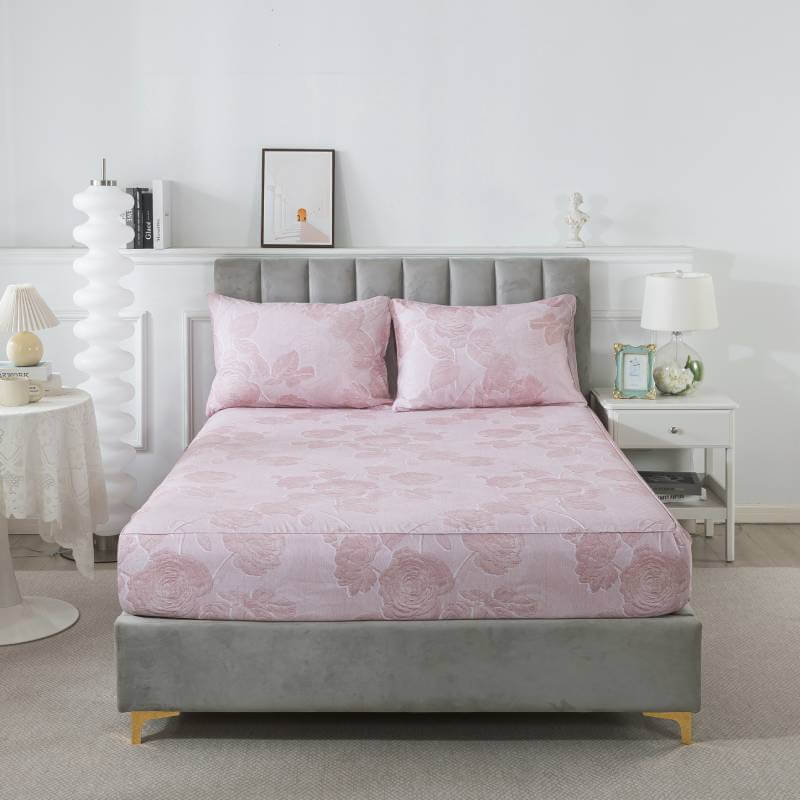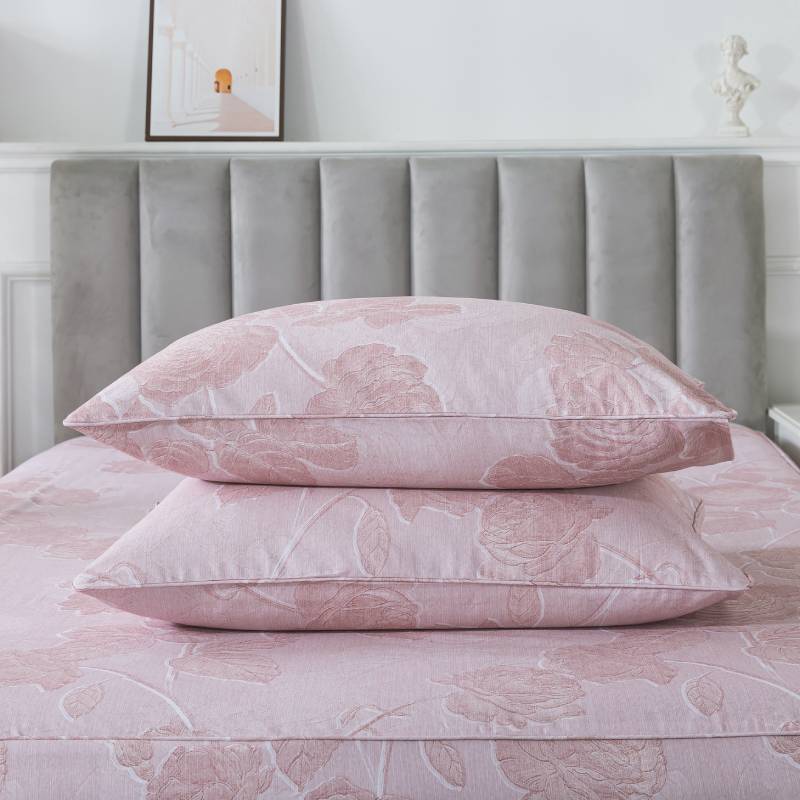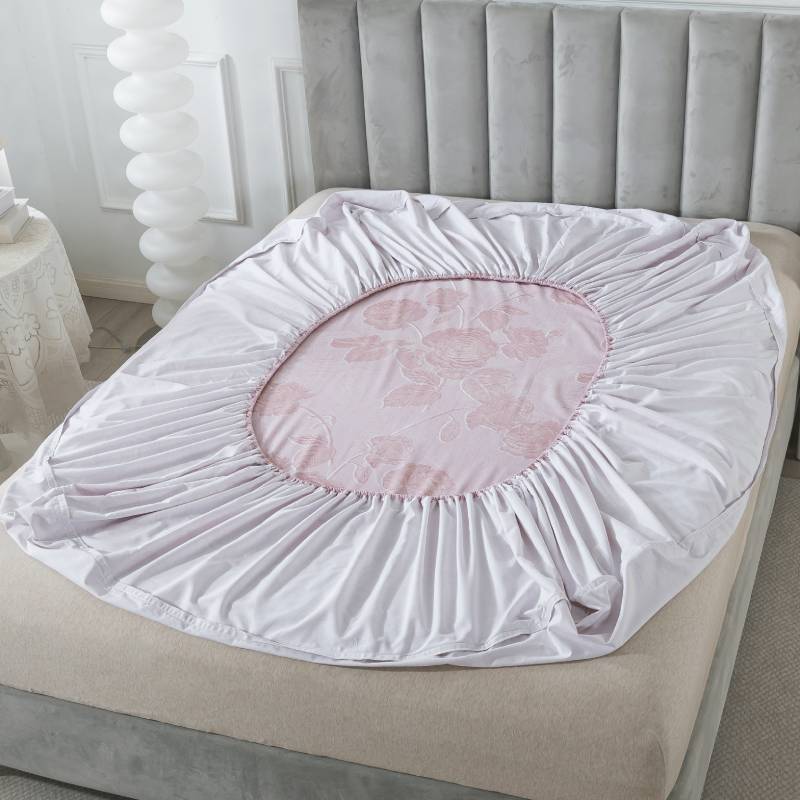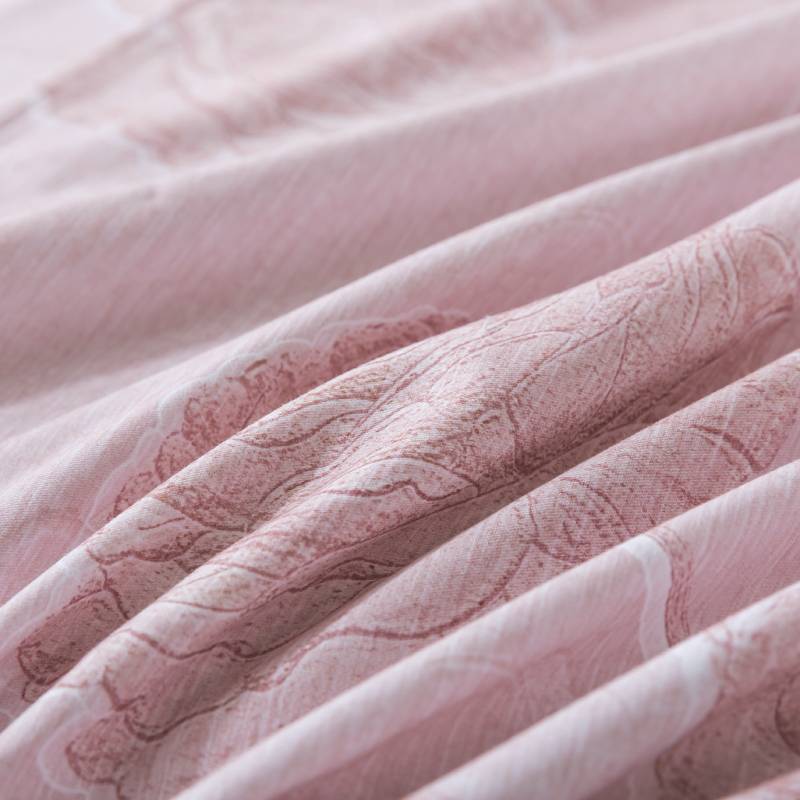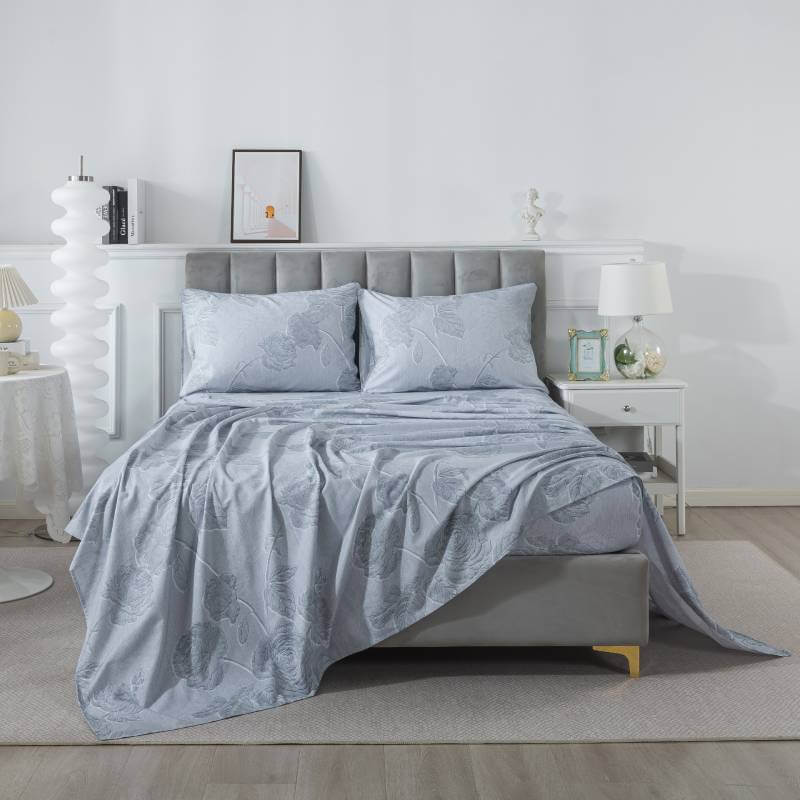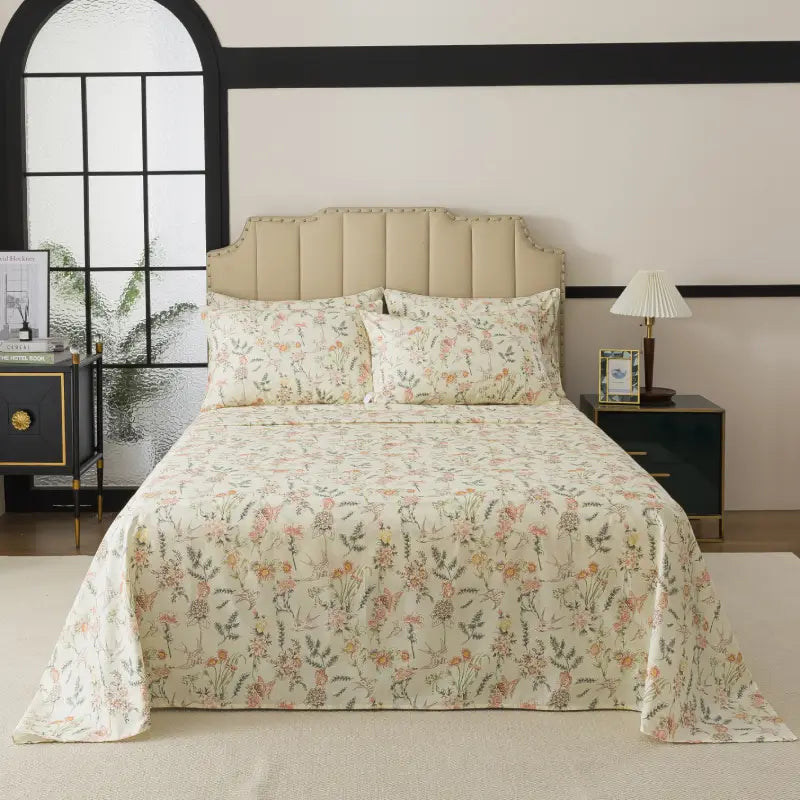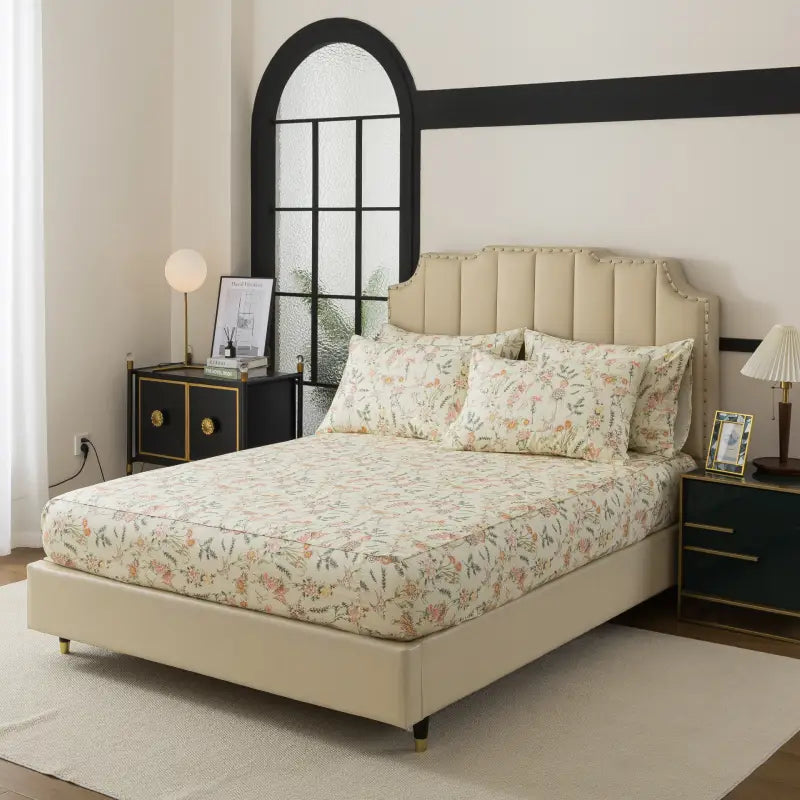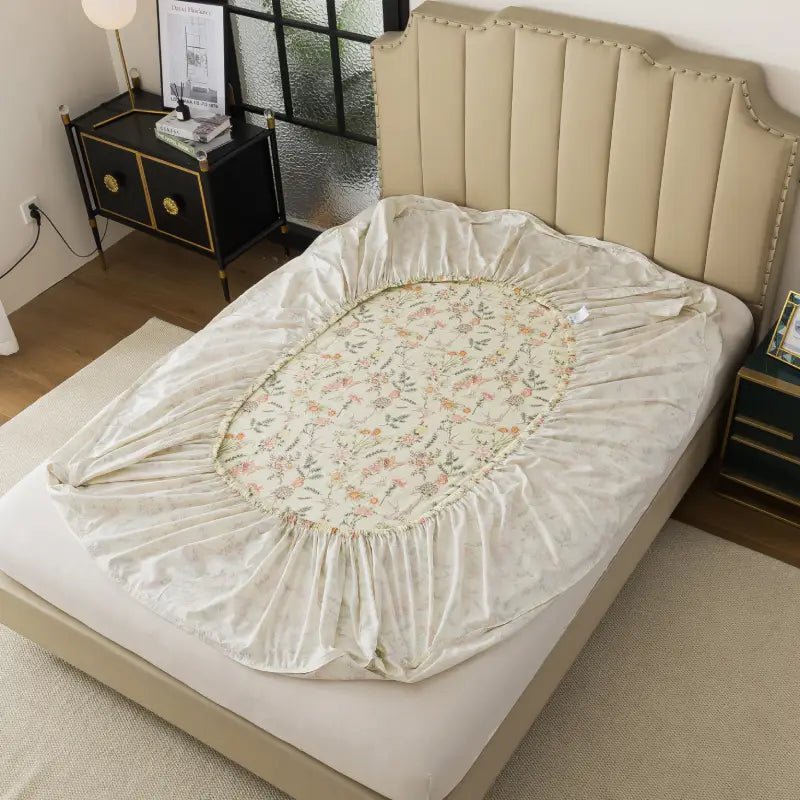


Refreshing a home often sounds like a major commitment. Renovations imply time, cost, disruption, and decisions that feel permanent. Yet most homes do not need to be rebuilt to feel renewed. More often, they need subtle shifts—changes that work with daily life rather than interrupt it. The simplest way to refresh a home is not through construction, but through thoughtful, reversible choices that quietly change how a space feels.
Start With What You Touch Every Day
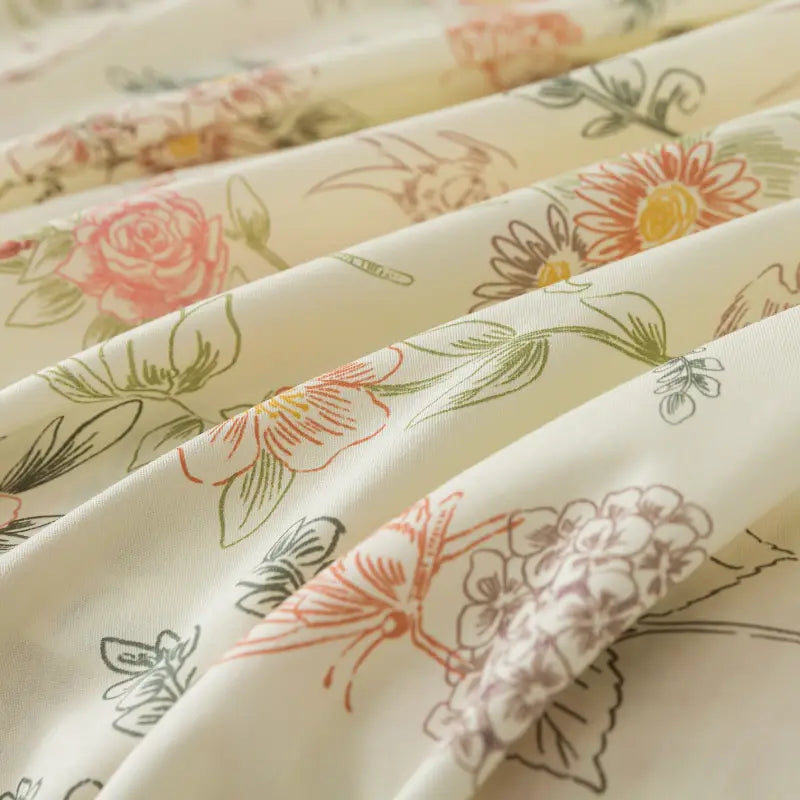
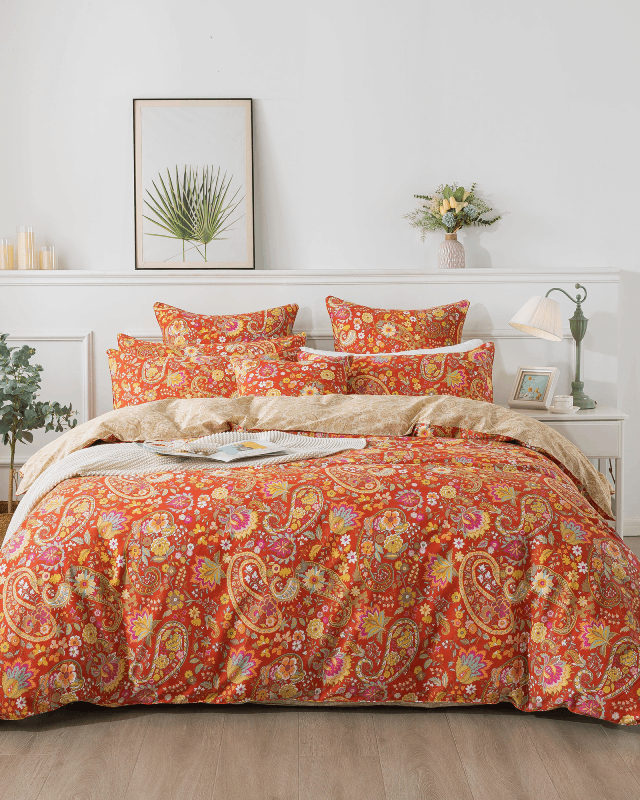
The most impactful updates are often the ones you interact with the most. Textiles—bedding, throws, cushions, and rugs—shape daily experience far more than walls or fixtures. Because they are seen and felt constantly, even small adjustments can transform the atmosphere of a room.
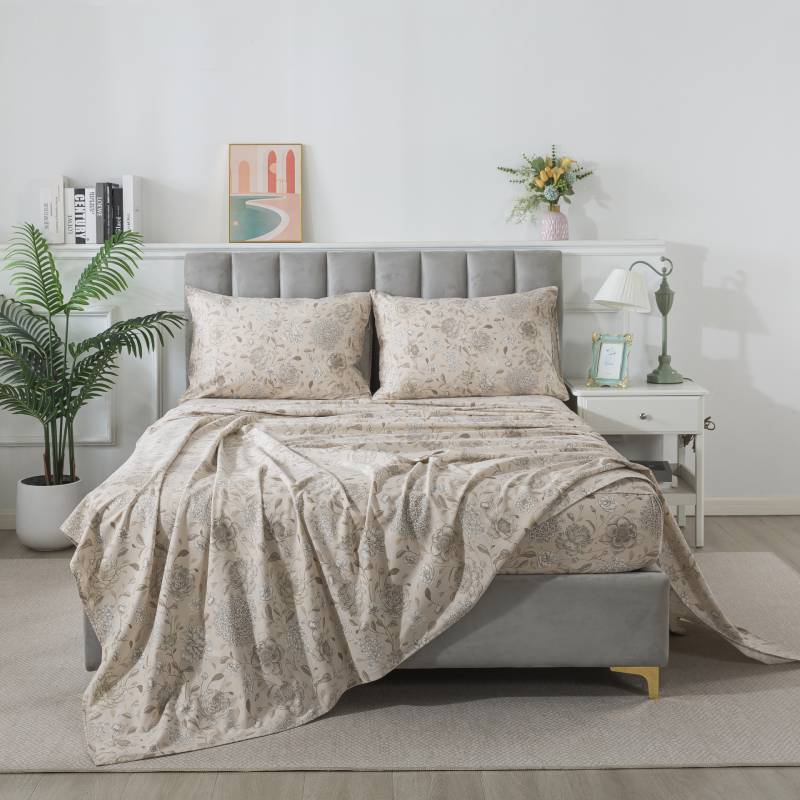
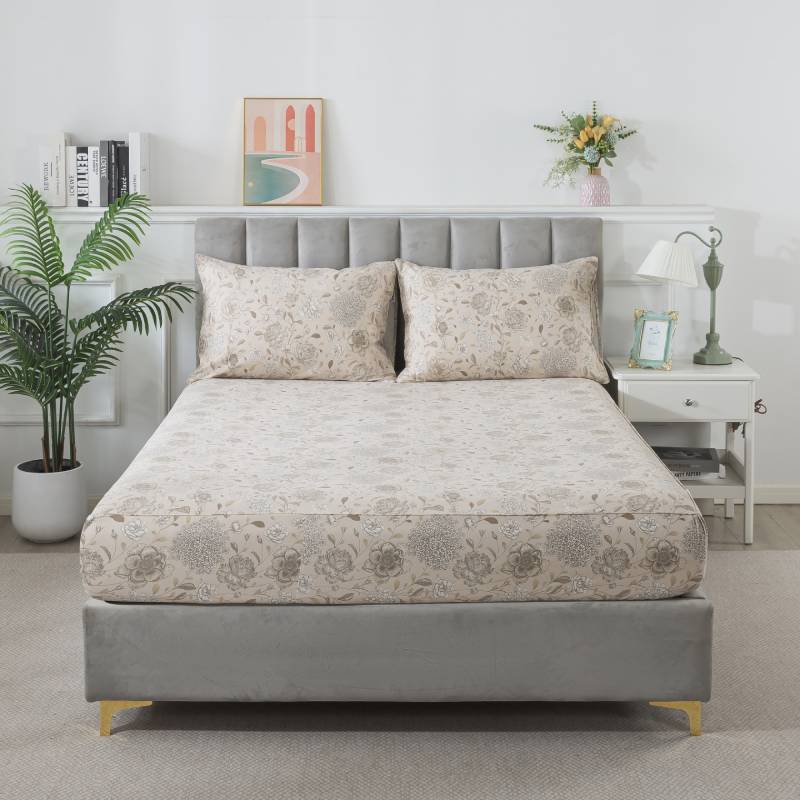
Replacing worn or overly stiff bedding with softer, breathable fabrics can instantly change how a bedroom feels at the end of the day. The room may look similar at first glance, but the experience is entirely different. Comfort becomes immediate, and that shift influences how the space is used.
Let Color Do the Quiet Work
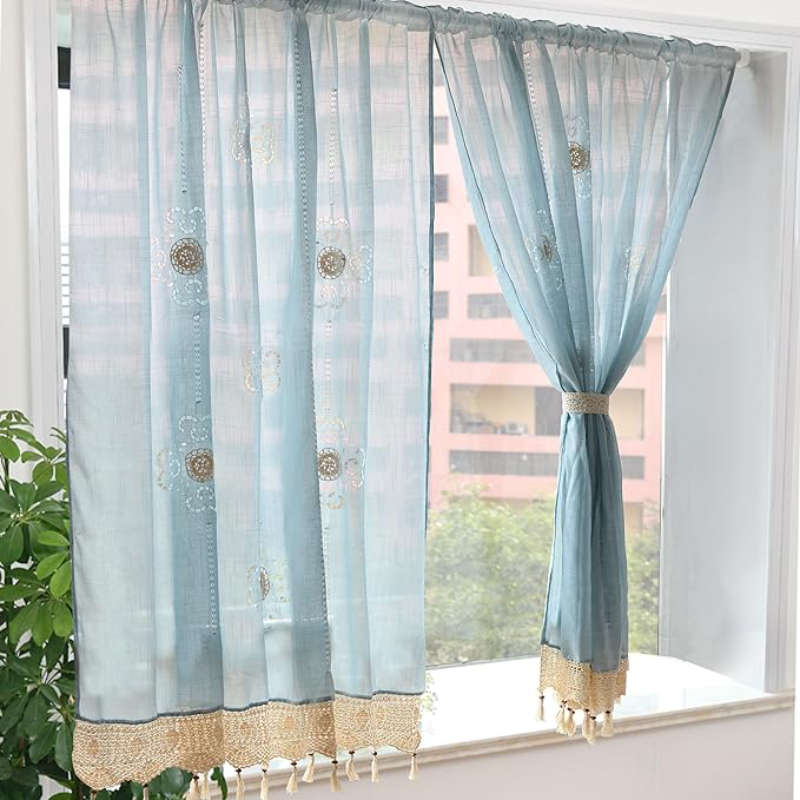
You do not need bold colors to make a noticeable change. In fact, muted tones often work better when refreshing a space without renovation. Soft neutrals, gentle florals, and layered hues create depth without demanding attention.
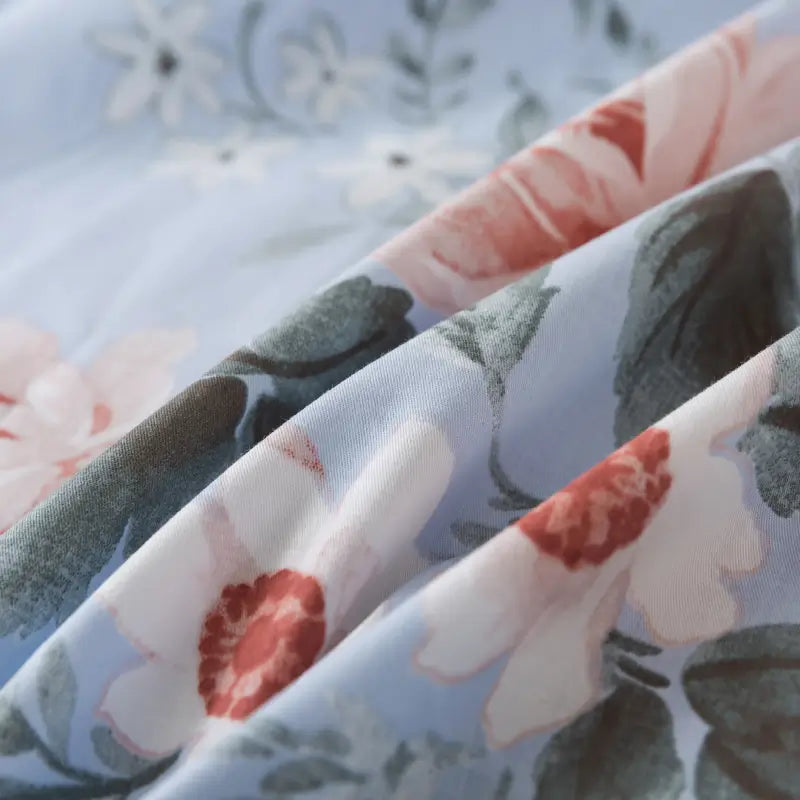
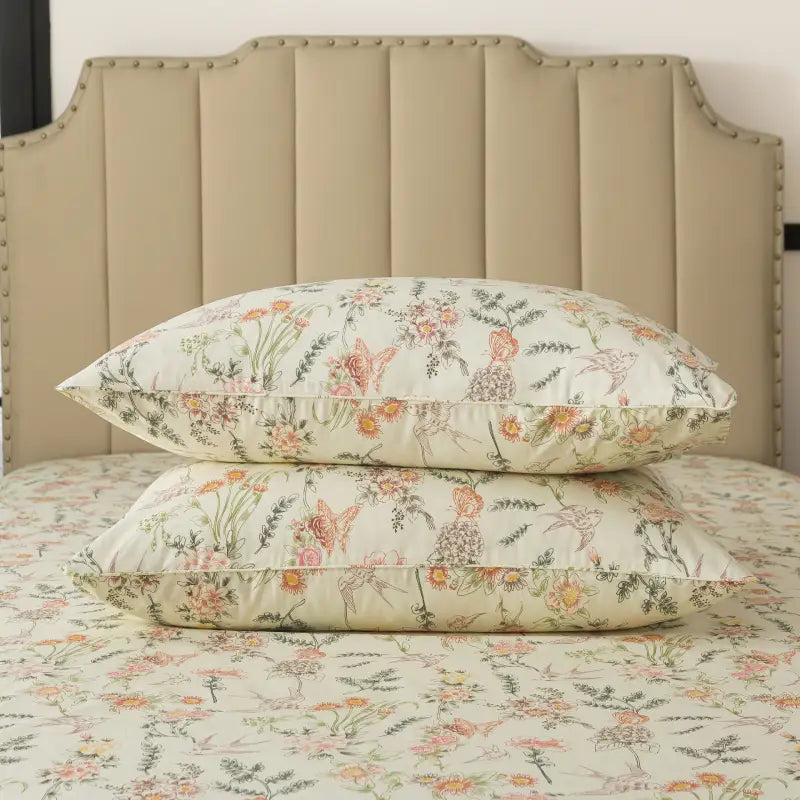
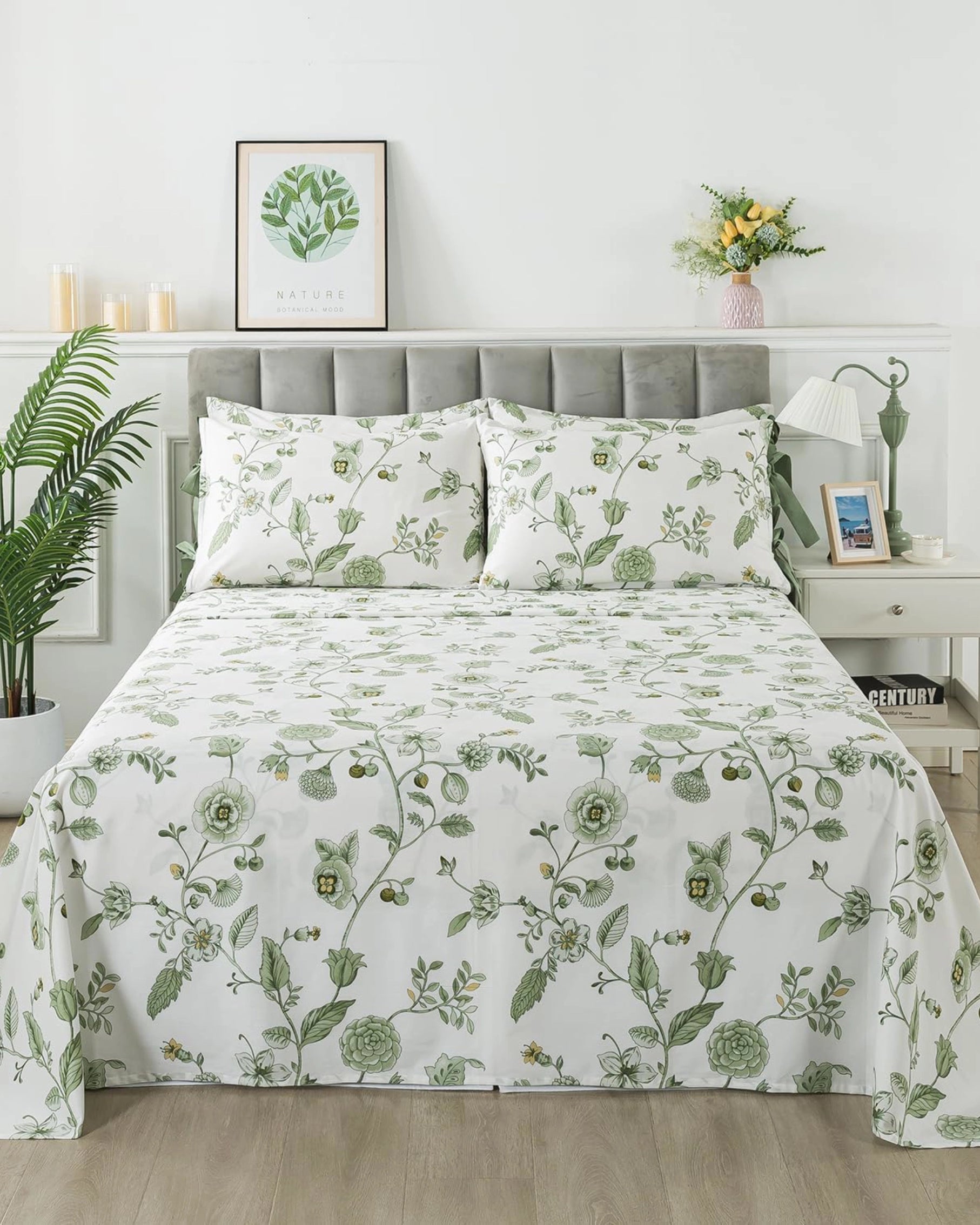
Swapping out one dominant color for a calmer palette can soften the entire room. Bedding in washed blues, warm ivories, or subtle botanical patterns brings in a sense of freshness that feels natural rather than staged. These colors adapt easily to existing furniture and lighting, making them ideal for low-effort updates.

Refresh Through Texture, Not Structure
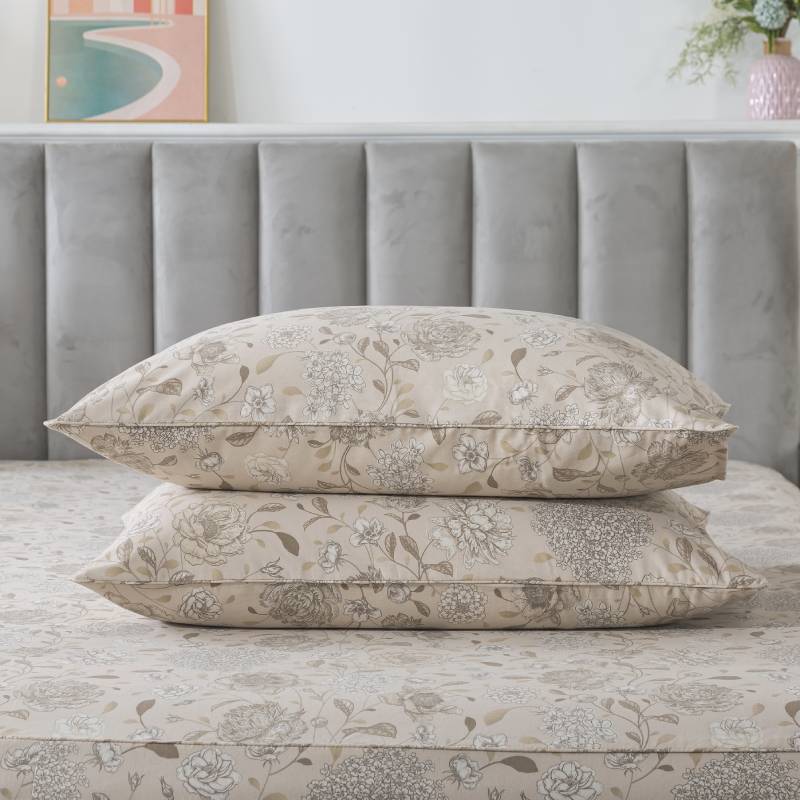
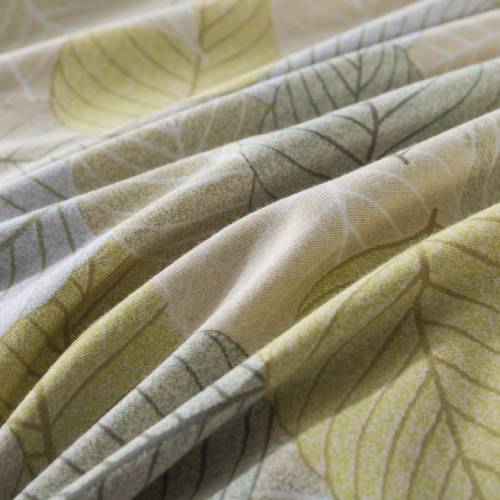
Texture is an underrated design tool. Without moving walls or replacing furniture, texture alone can redefine a space. Crisp sheets, lightly textured quilts, or relaxed cotton throws introduce visual and physical warmth.
Unlike structural changes, texture adds flexibility. It allows the room to feel layered and lived-in, rather than fixed. Over time, these materials relax further, enhancing the sense of comfort instead of wearing out their welcome.
Reconsider What Feels “Finished”
Many people associate a refreshed home with a perfectly styled look. In reality, spaces that feel finished are often those that feel easy to live in. Letting go of overly rigid styling opens the door to a more natural kind of renewal.
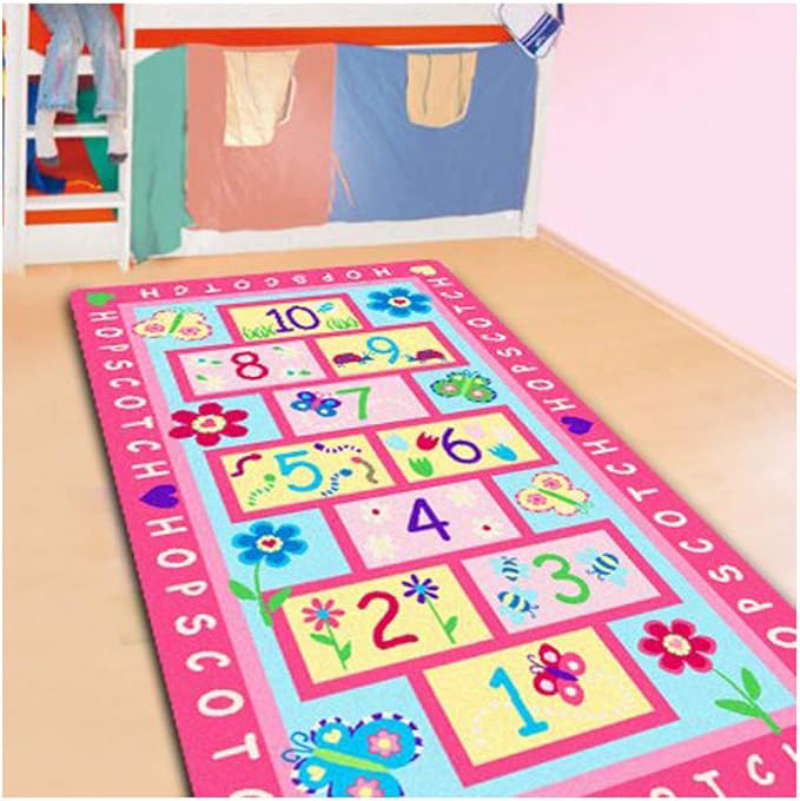
A bed that looks inviting rather than formal, a sofa with a casually draped throw, or a rug that softens the floor instead of defining it sharply—all contribute to a home that feels current without effort. These changes invite use, which is the true measure of a successful refresh.
Small Changes, Repeated Daily
The value of non-renovation updates lies in repetition. You may not notice a new quilt or pillow arrangement as a dramatic transformation on day one, but you feel the difference every day. Over time, these small improvements accumulate into a stronger sense of comfort and satisfaction.
This approach also allows for adjustment. Because nothing is permanent, you can refine your choices gradually, responding to how the space actually supports your life.
A More Sustainable Way to Renew
Refreshing without renovation is not only simpler; it is also more sustainable. It extends the life of what you already own while focusing attention on elements that genuinely affect comfort and well-being.
By choosing high-quality, versatile textiles and thoughtful color updates, you avoid unnecessary waste and frequent overhauls. The home evolves naturally, rather than being periodically torn apart and rebuilt.
When Less Effort Brings More Change
The most effective home refreshes do not announce themselves loudly. They reveal themselves in how a space feels when you wake up, unwind, or settle in at night. Without renovation, without disruption, the home becomes more aligned with daily life.
Sometimes the simplest change—one that can be undone, adjusted, or replaced with ease—is the one that makes a home feel new again.