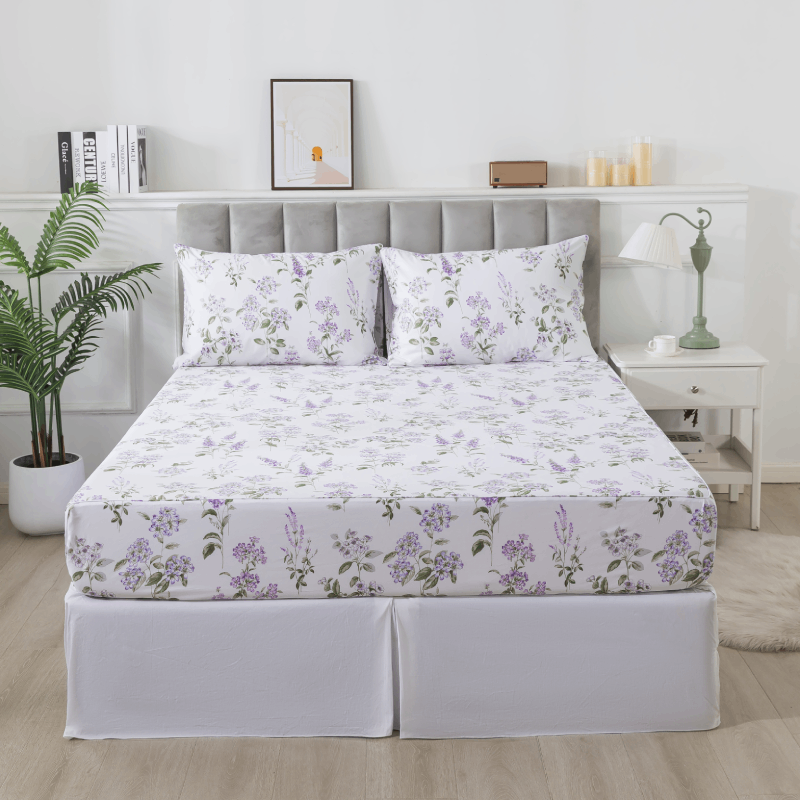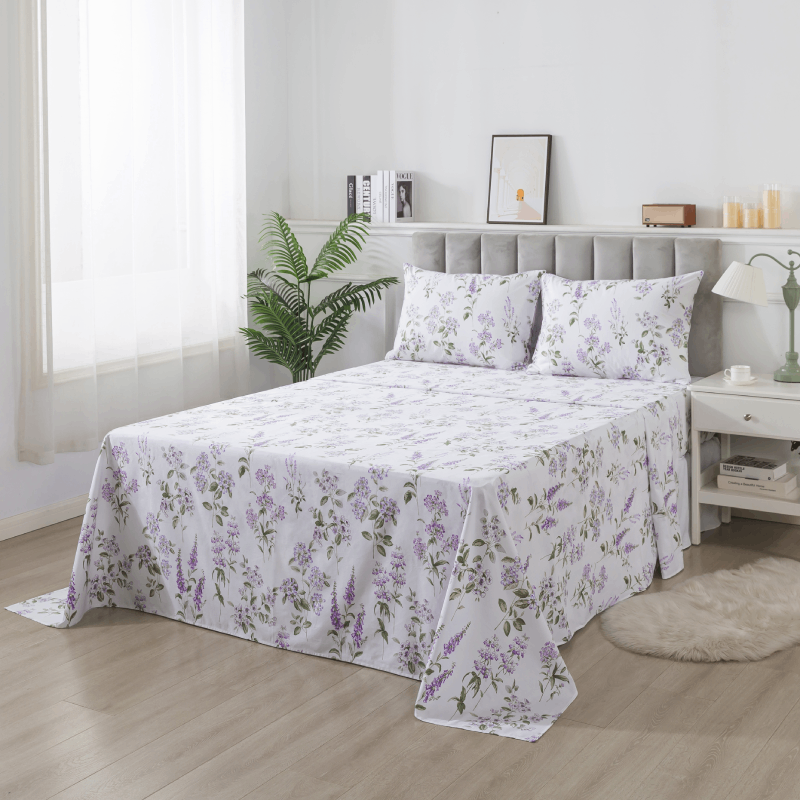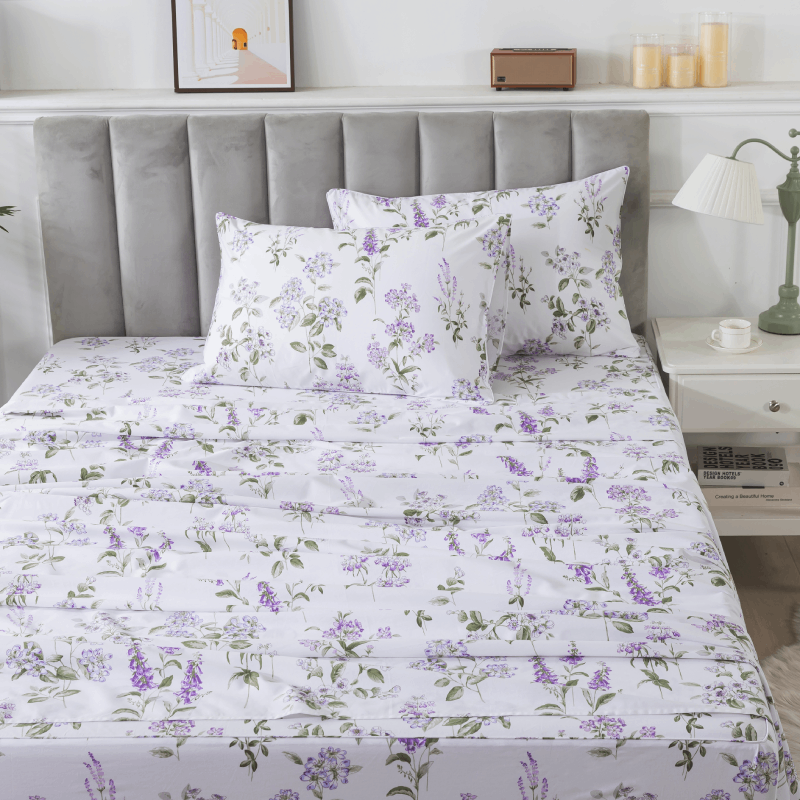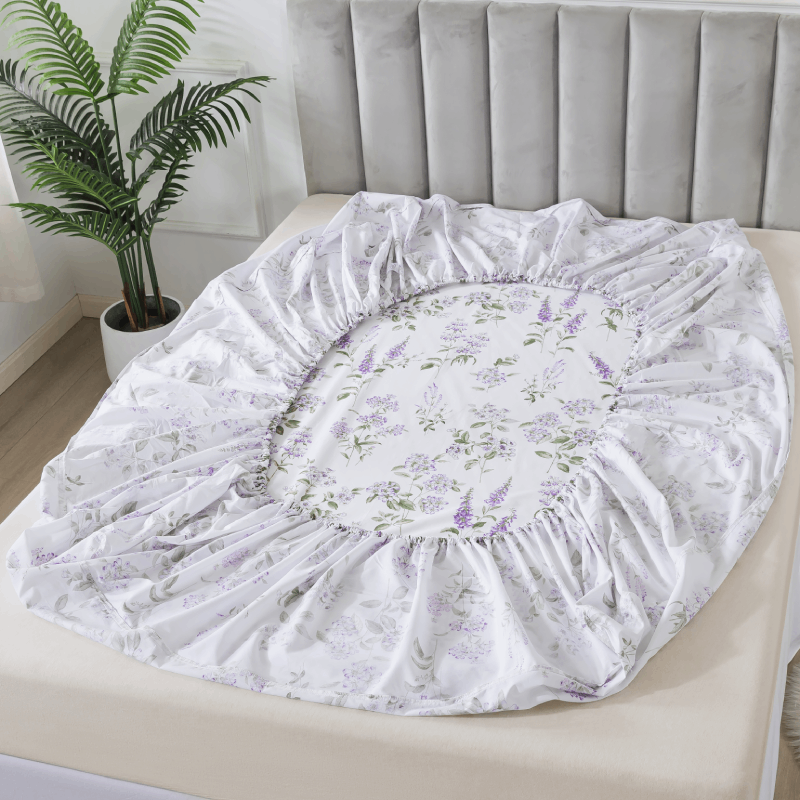


Mixing bedding patterns can feel intimidating. Florals, stripes, and solid colors are all beautiful on their own—but when combined incorrectly, they can quickly make a bedroom feel busy or unbalanced. The good news? With a few simple styling principles, mixing prints can actually make your space look more intentional, layered, and professionally styled.
Whether you love romantic floral bedding or want to add subtle stripes for contrast, this guide will walk you through how to mix bedding patterns like a pro—without overwhelming your bedroom.
Why Mixed Bedding Patterns Look More Elevated
A well-styled bed rarely relies on just one pattern. Interior designers often mix prints to create depth and visual interest. When done correctly, mixed patterns:
- Add dimension to your bed
- Create a curated, lived-in look
- Highlight your personal style
- Make even simple bedrooms feel more designed
The key is balance—not matching everything perfectly, but letting different patterns complement one another.
Start with One Dominant Pattern
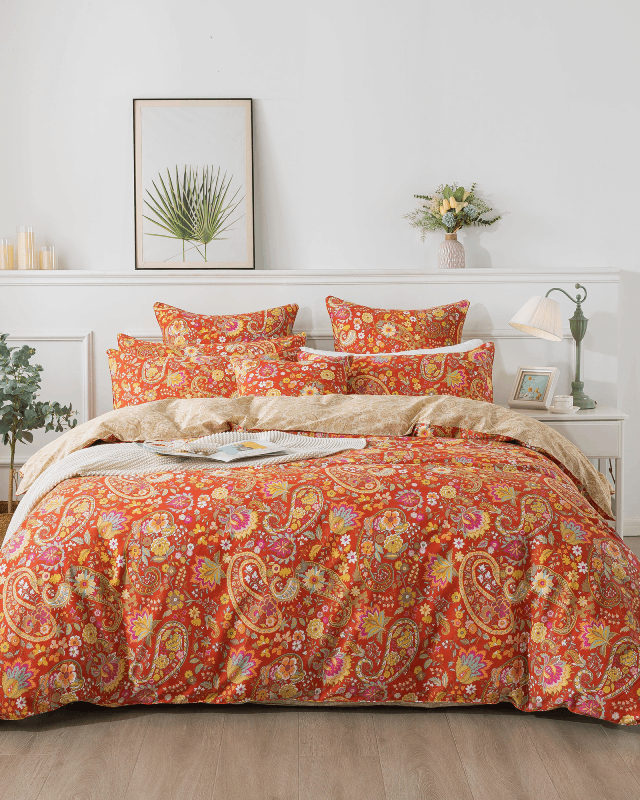
Every successful mixed-pattern bed begins with a hero print. This is usually the most visually striking element and sets the tone for the entire bedding look.
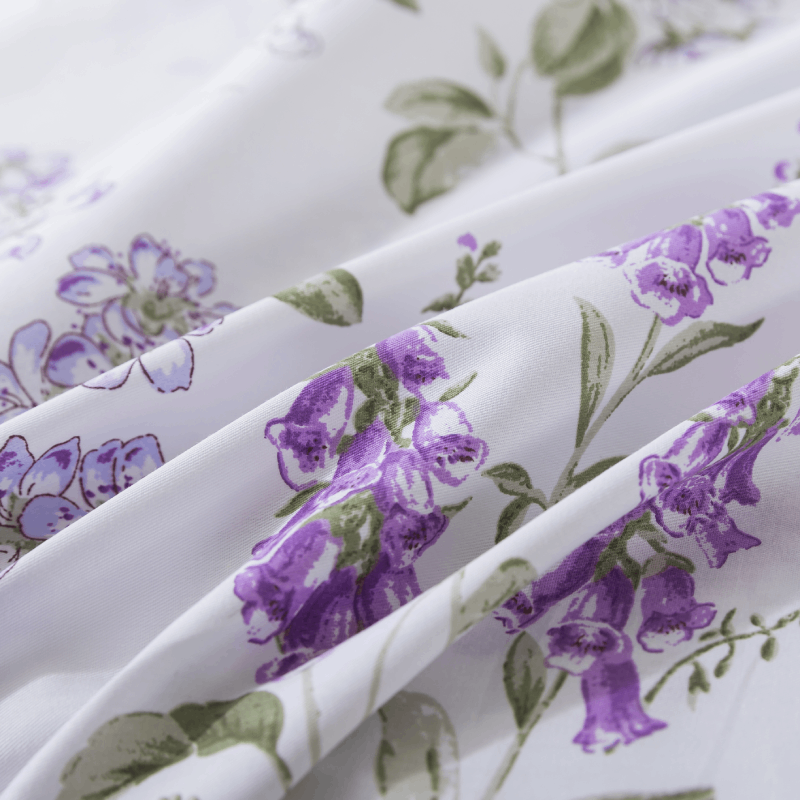
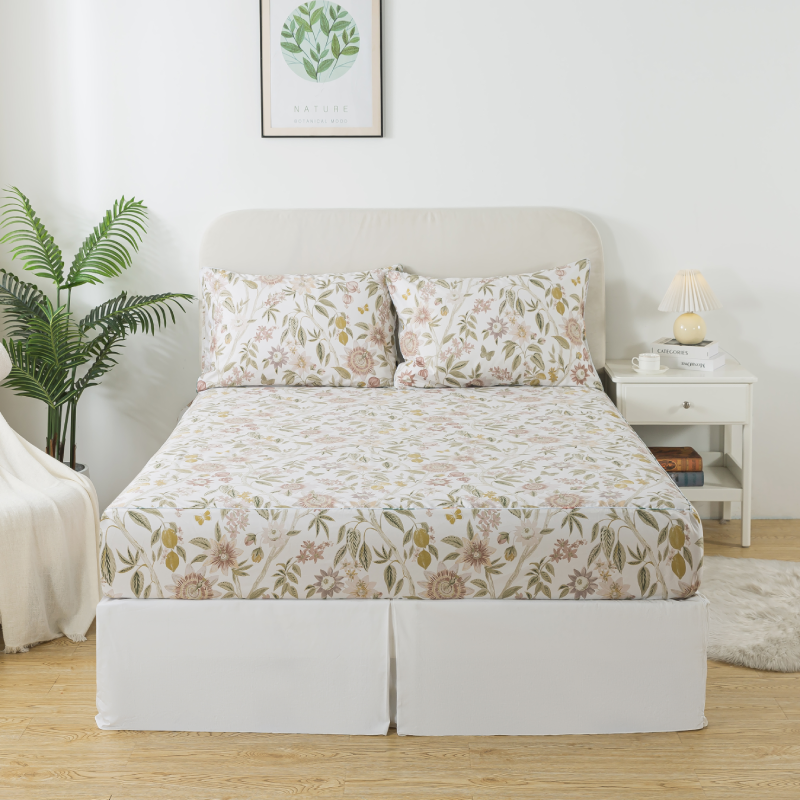
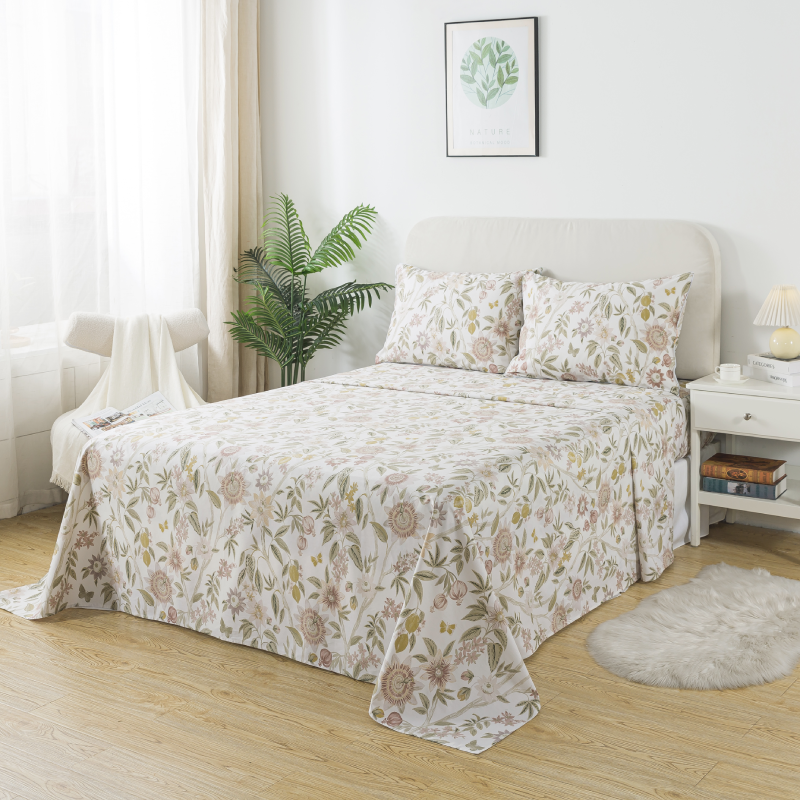
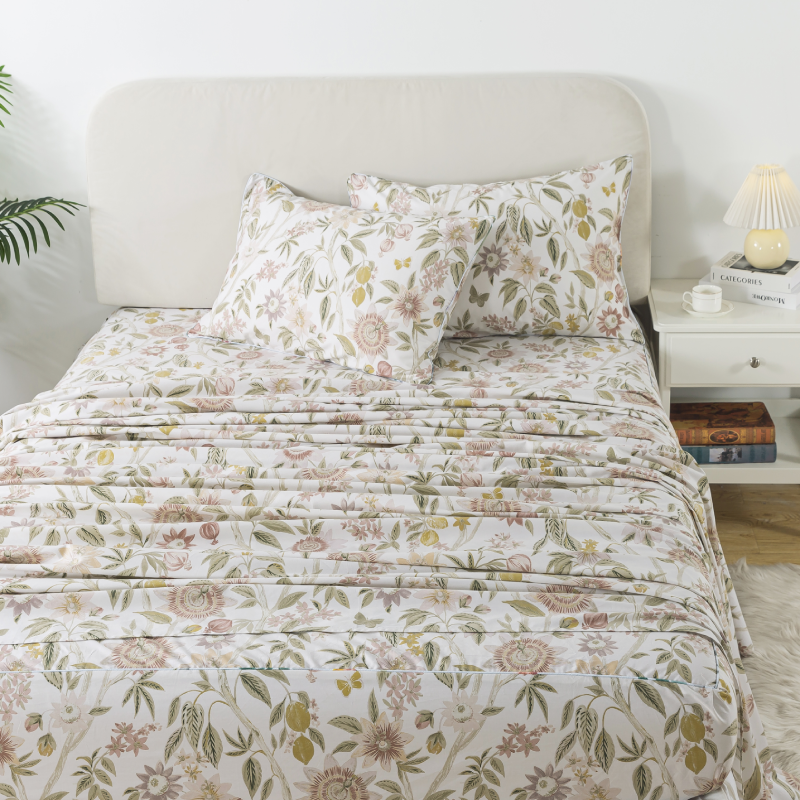
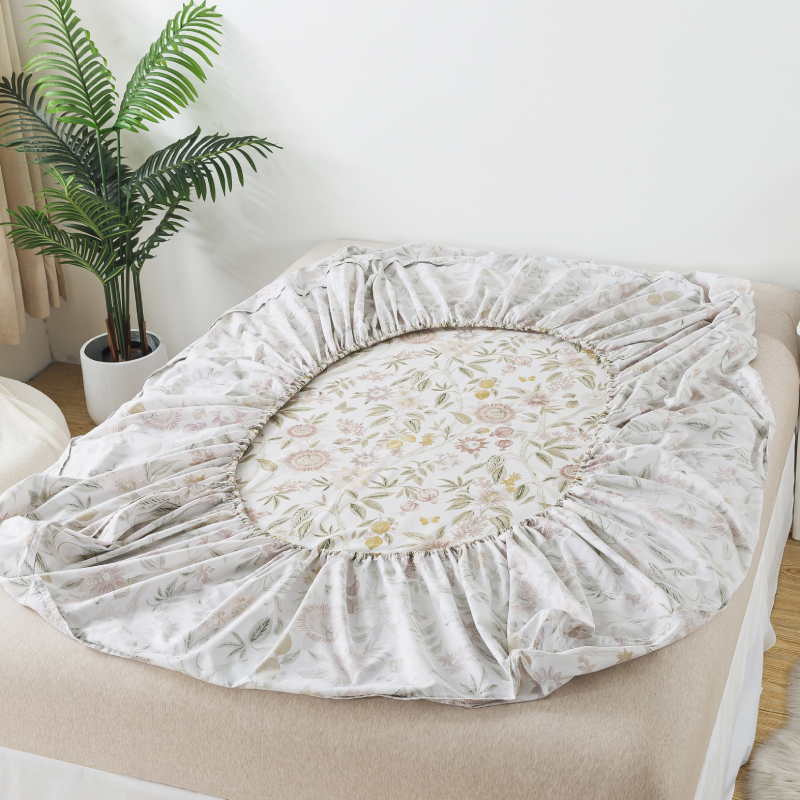
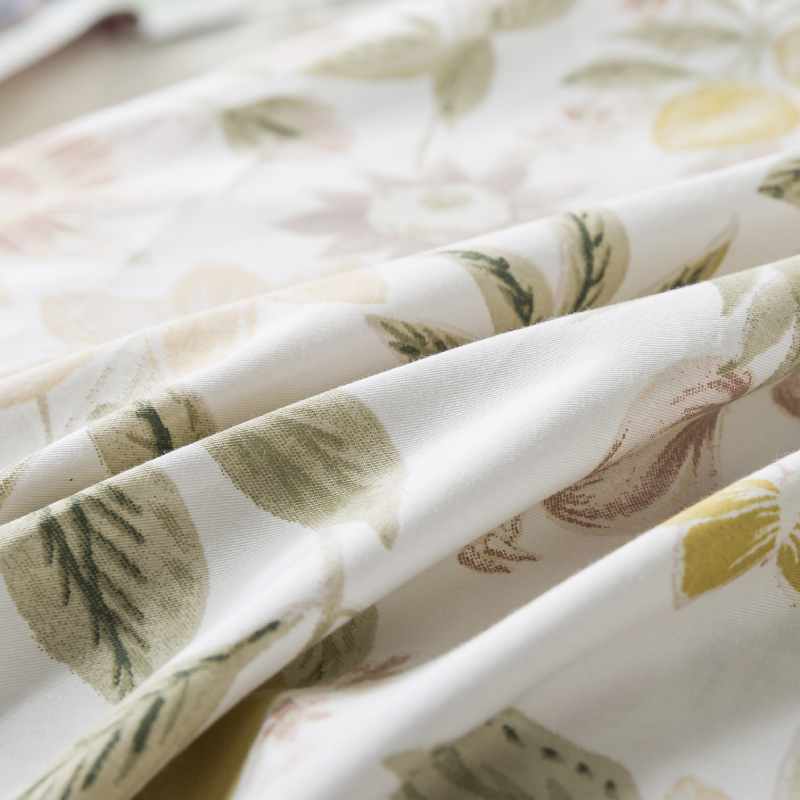
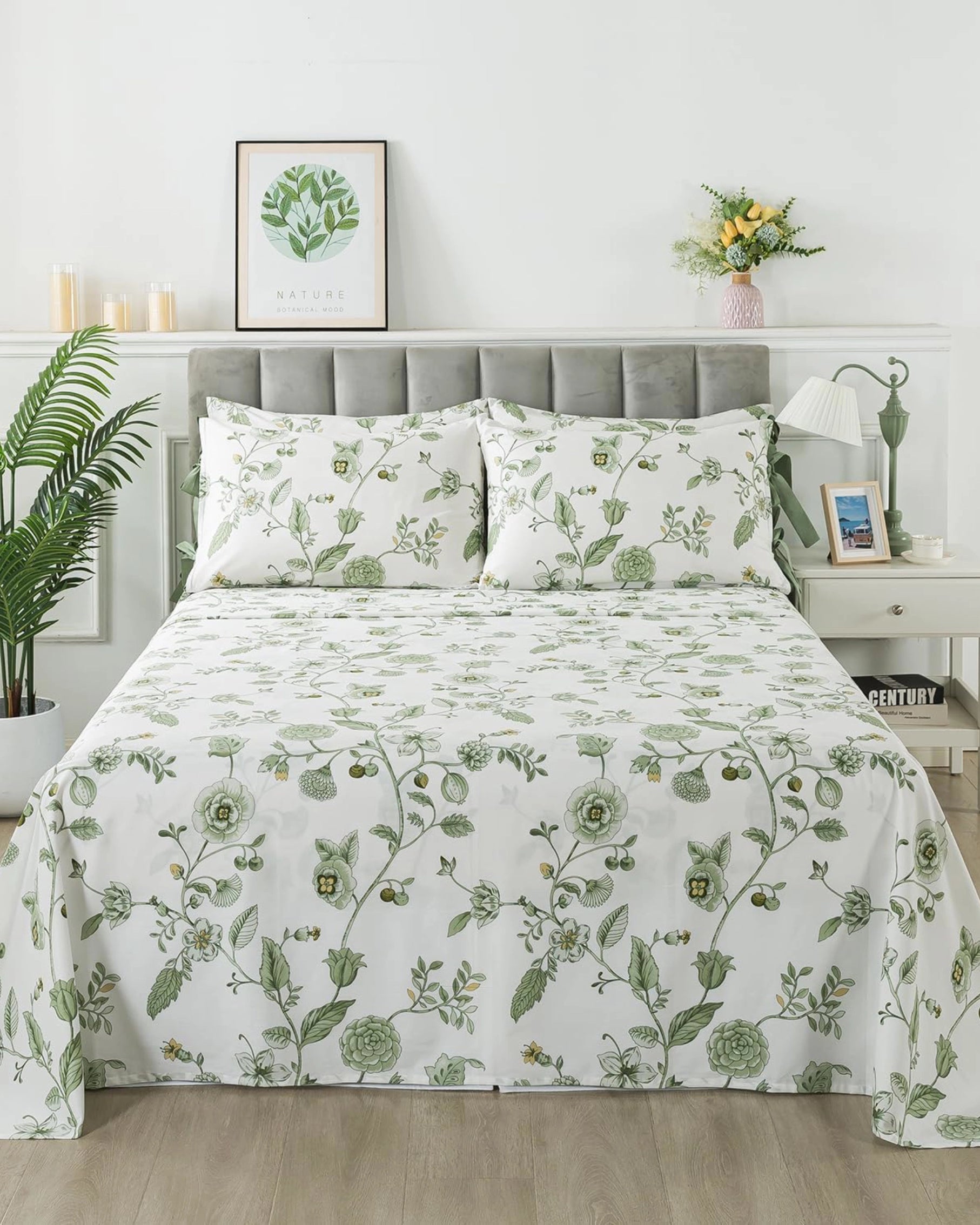
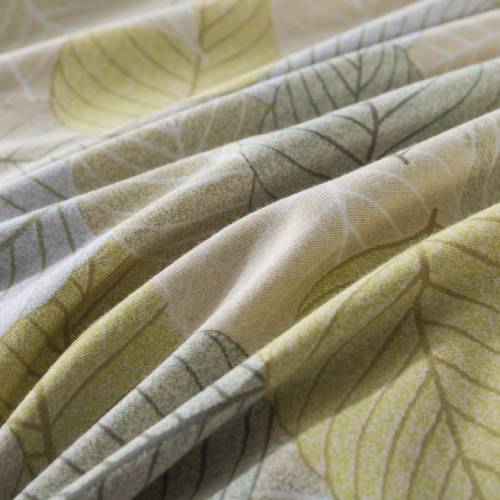
For many bedrooms, this hero is floral bedding. Floral patterns bring softness, romance, and personality—especially in vintage or cottage-inspired spaces.
Styling tip:
Choose one main floral pattern and let it lead. Everything else should support it, not compete with it.
Pair Florals with Stripes for Structure
Florals are organic and flowing, while stripes are clean and structured. This contrast is exactly why they work so well together.
When mixing floral and stripe bedding:
- Use thin or subtle stripes rather than bold, high-contrast ones
- Keep stripes in neutral or muted tones
- Limit stripes to pillowcases, shams, or lightweight quilts
Stripes help “ground” florals and prevent the bed from feeling overly soft or busy.

Use Solid Colors as Visual Rest Points
Solid colors are the unsung heroes of pattern mixing. They give the eye a place to rest and help balance more decorative prints.
Solid bedding elements work best when used as:
- Fitted sheets
- Flat sheets
- Coverlets or throws
- Euro shams behind patterned pillows
Pro tip:
Pull one color from your floral print and repeat it as a solid. This creates cohesion without feeling overly matched.
Stick to a Unified Color Palette
One of the most common mistakes in mixing bedding patterns is ignoring color harmony.
A simple rule:
Different patterns are fine—too many unrelated colors are not.
To keep things cohesive:
- Choose 2–3 main colors and 1 neutral
- Make sure every pattern includes at least one of those colors
- Avoid combining warm and cool tones that clash
This approach allows florals, stripes, and solids to coexist naturally.
Vary the Scale of Your Patterns
Pattern scale is just as important as pattern type.
A balanced bed usually includes:
- One large-scale pattern (floral duvet or comforter)
- One medium-scale pattern (striped or geometric pillows)
- One solid or very subtle texture
Varying scale prevents patterns from competing for attention and keeps the bed visually calm.

Layer Patterns Thoughtfully
Instead of spreading patterns evenly, layer them with intention.
A classic pattern-mixing formula:
- Floral duvet or quilt (main layer)
- Solid or lightly textured sheets
- Striped or small-print accent pillows
- Solid throw blanket at the foot of the bed
This creates a natural flow from bold to simple, top to bottom.
Keep the Rest of the Room Simple
When your bedding features mixed patterns, let the rest of the room stay calm.
- Neutral walls
- Simple curtains
- Minimal decorative pillows elsewhere
- Natural materials like wood or linen
This ensures your bed remains the focal point without overwhelming the space.
Common Pattern-Mixing Mistakes to Avoid
Even beautiful patterns can go wrong if overused. Avoid:
- Too many bold prints at once
- Mixing unrelated color families
- Using the same pattern size everywhere
- Ignoring negative space
Remember: restraint is what remembered interiors are made of.
Final Thoughts: Confidence Is the Secret Ingredient
Mixing floral, striped, and solid bedding isn’t about following rigid rules—it’s about understanding balance. Once you know how patterns interact, you can trust your eye and experiment with confidence.
A thoughtfully mixed bed feels personal, layered, and effortlessly stylish—exactly the kind of space you want to come home to.