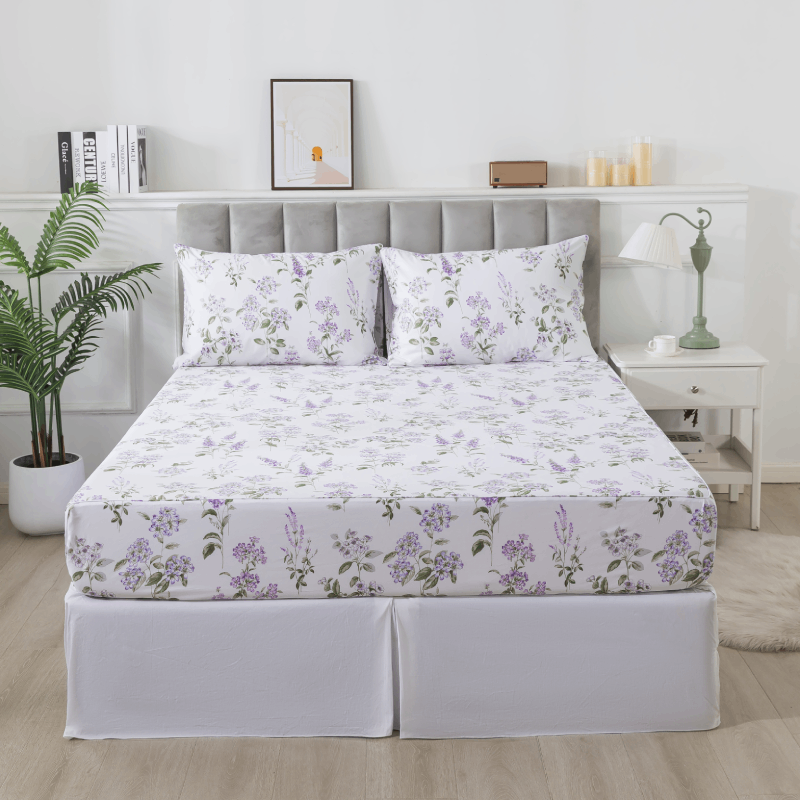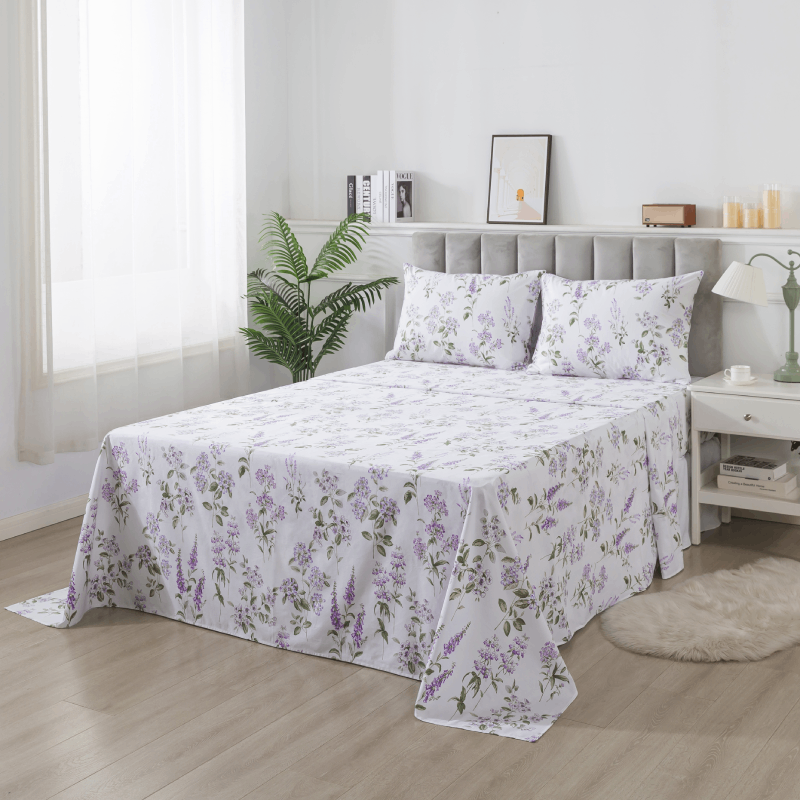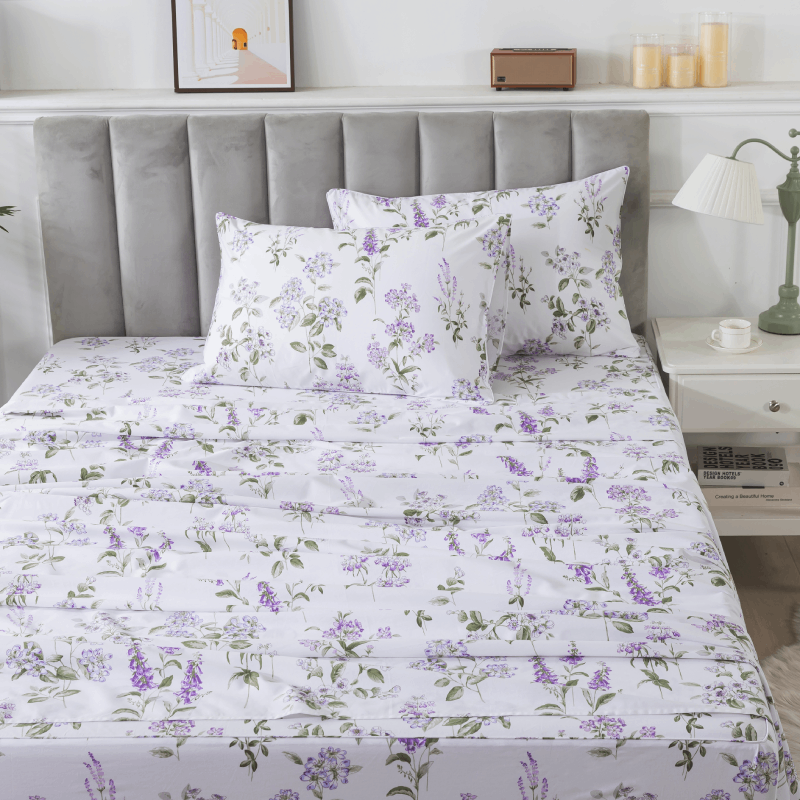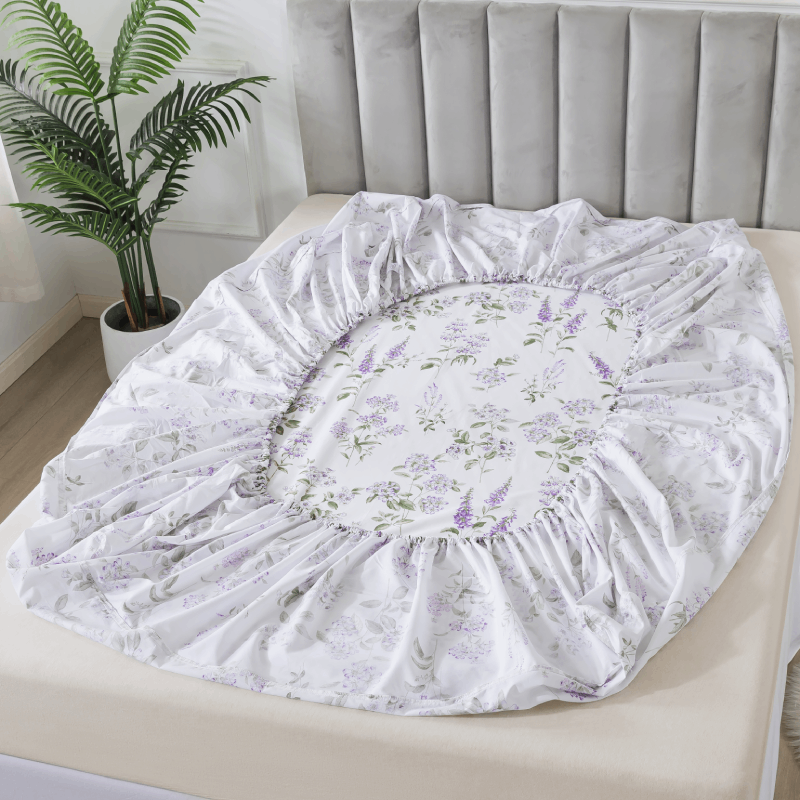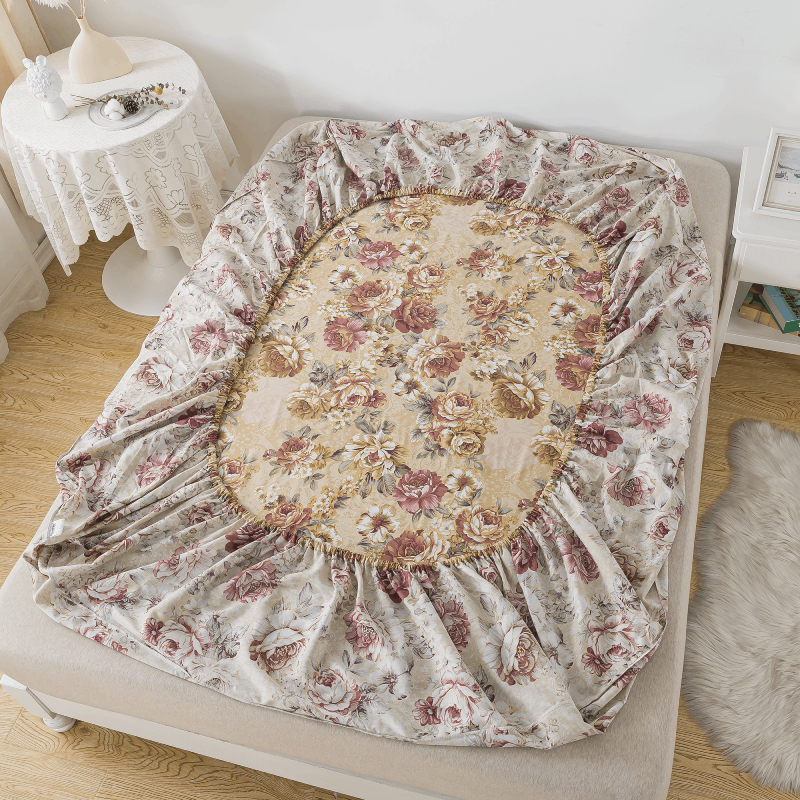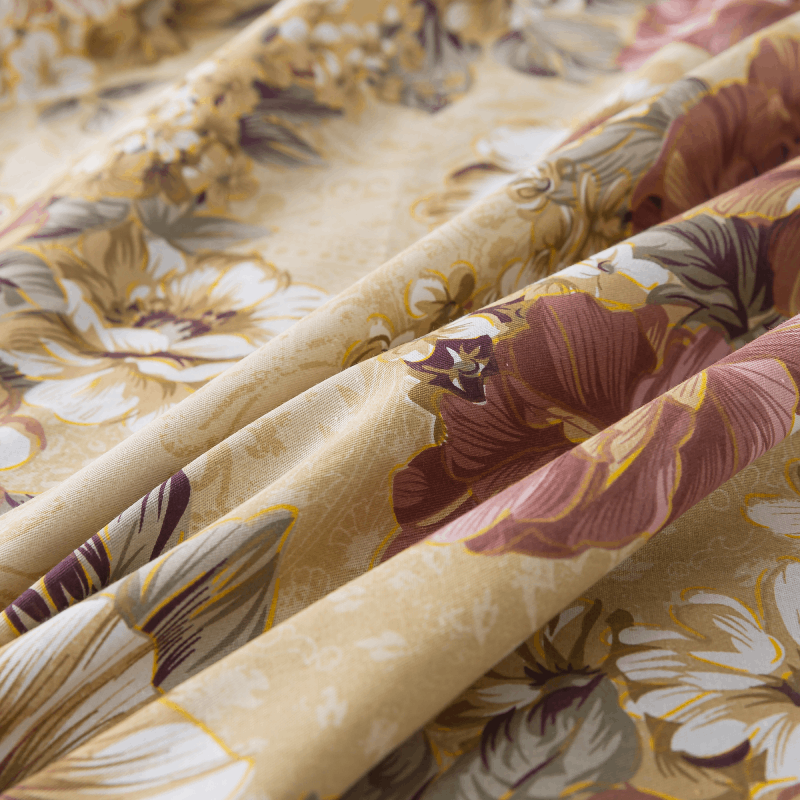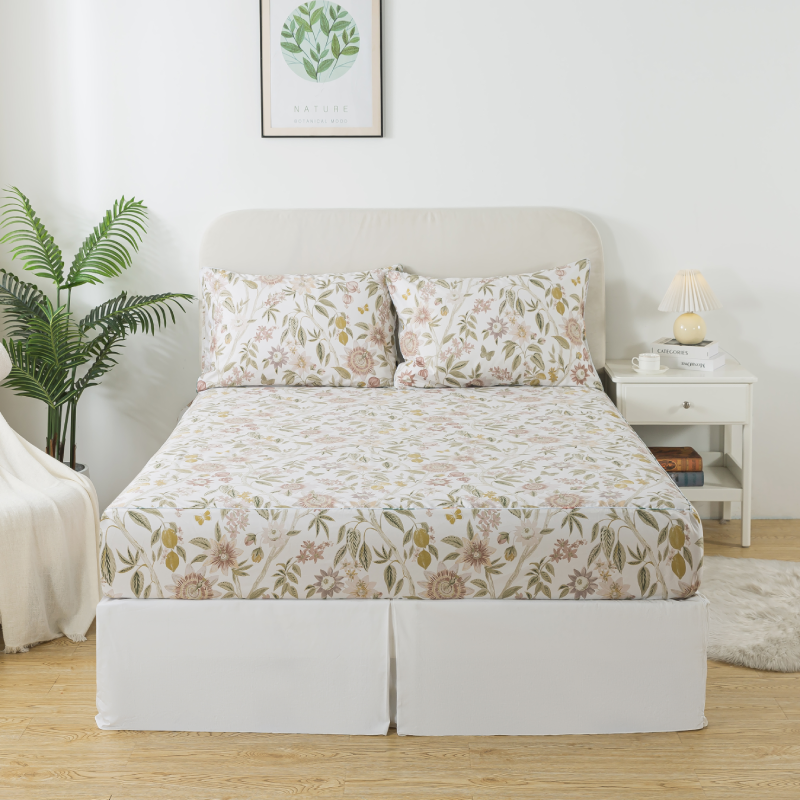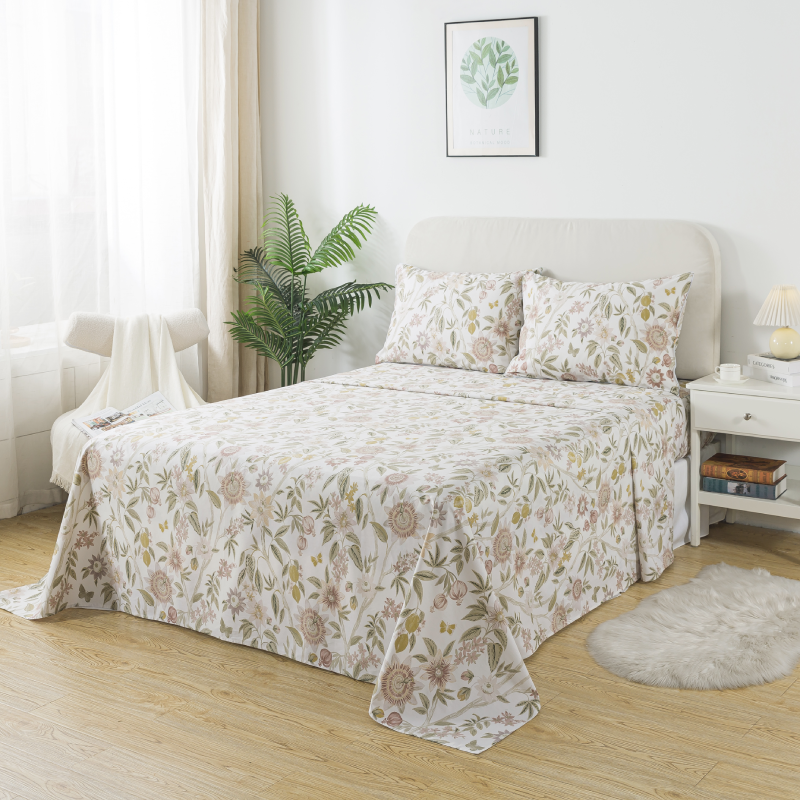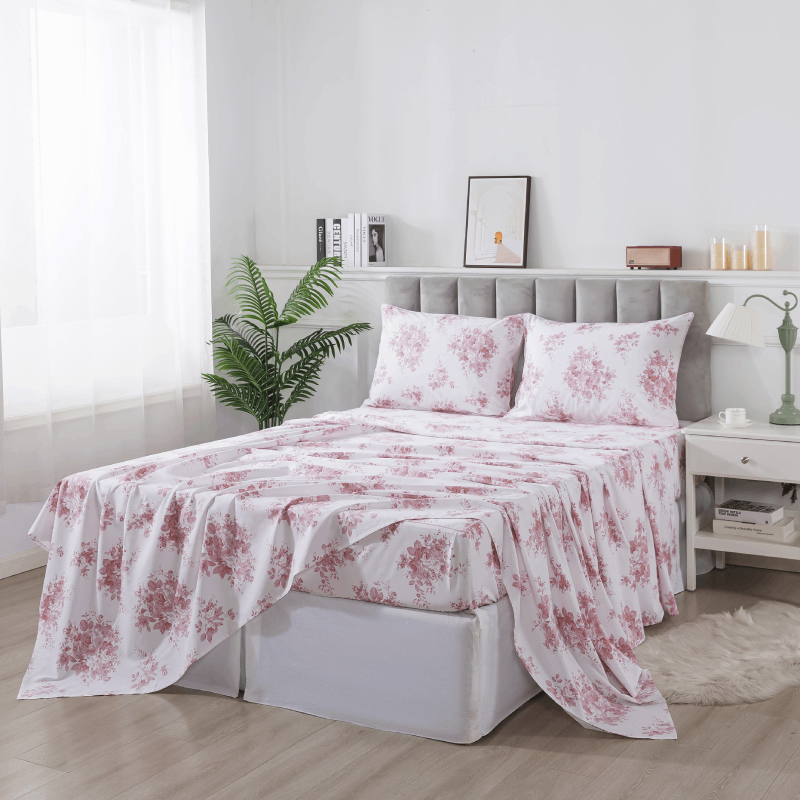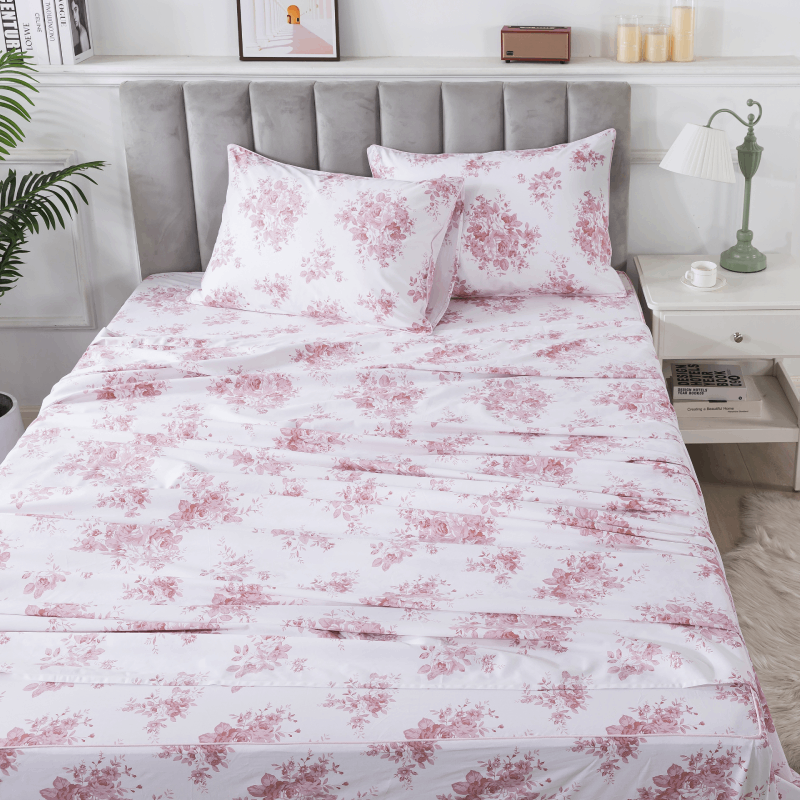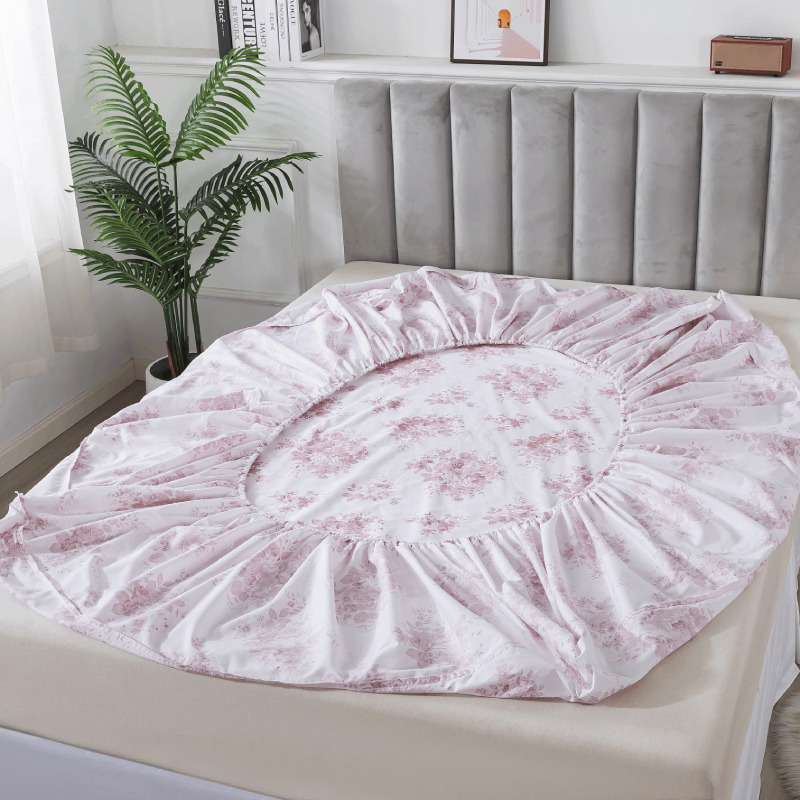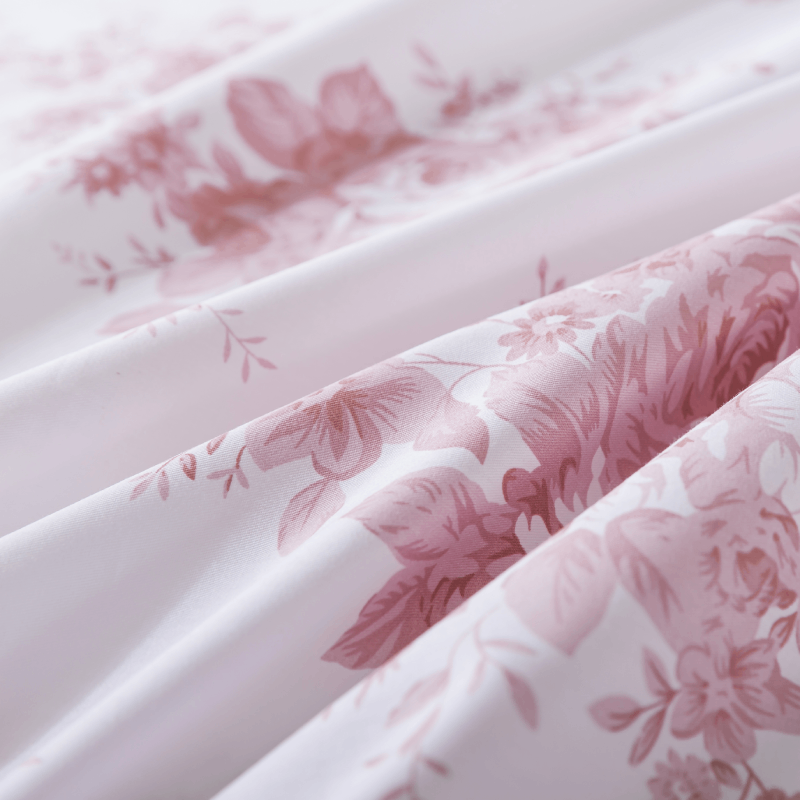


A good bedding set doesn’t just look beautiful on day one. The best ones quietly improve with you—softening, settling, and becoming part of your everyday life. While trend-driven designs often feel “finished” the moment they arrive, well-designed bedding has a different kind of appeal: it ages gracefully.
Not because it stays perfectly new, but because it stays right.
The Difference Between “New” and “Lasting”
When people shop for bedding, they often chase that fresh-out-of-the-box feeling: crisp folds, bright color, perfect texture. But the truth is, bedding isn’t meant to be admired from a distance. It’s meant to be lived in.
A well-designed set is made to handle the repeated cycle of real life:
-
Being washed and dried again and again
-
Being pulled tight and loosened every night
-
Feeling warm one season and cool the next
-
Holding up to pets, kids, naps, and slow mornings
Over time, the real question isn’t whether it stays pristine. It’s whether it stays comfortable, beautiful, and functional as it becomes familiar.

Fabric That Softens Without Losing Its Shape
The first way good bedding ages well is through material choice. When fabric quality is high, you feel it—not just instantly, but especially later.
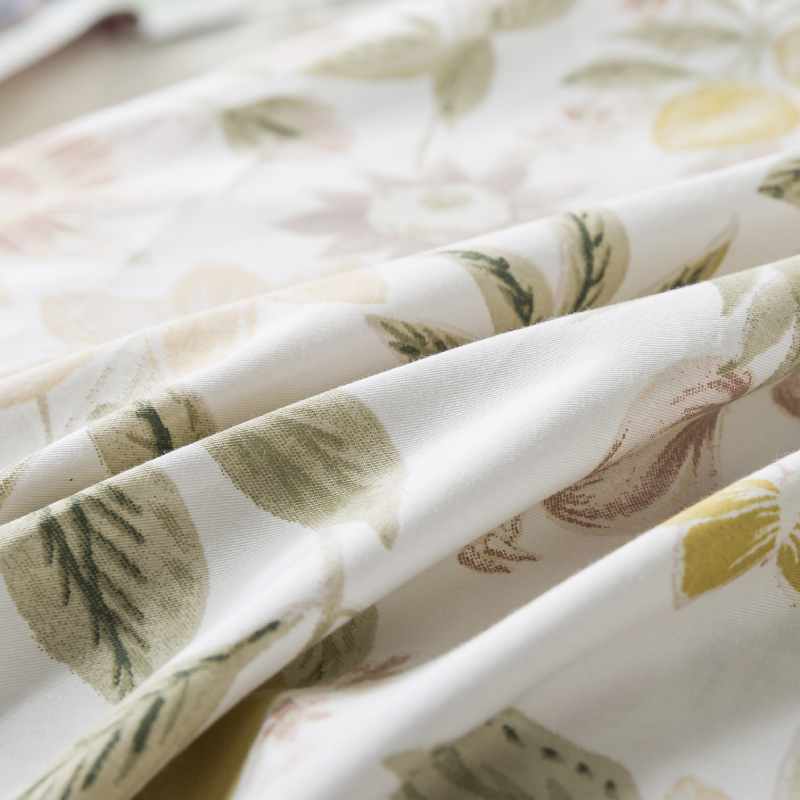
Some materials start soft but weaken quickly. Others feel stiff at first and never fully relax. But carefully made cotton bedding often finds the perfect balance: it becomes softer while keeping its structure.
The most graceful aging looks like this:
-
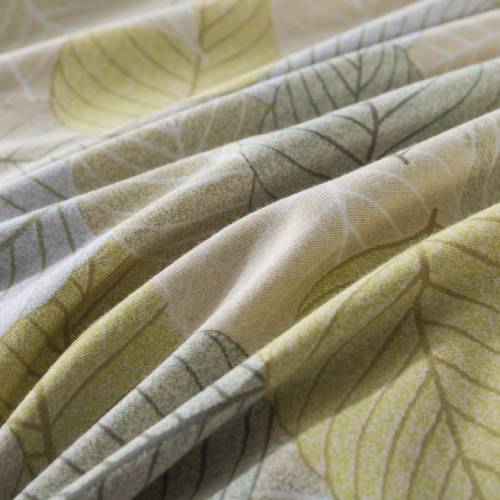
The fabric becomes smoother, not thinner
-
The stitching stays firm, even at stress points
-
The surface stays breathable and calm against skin
-
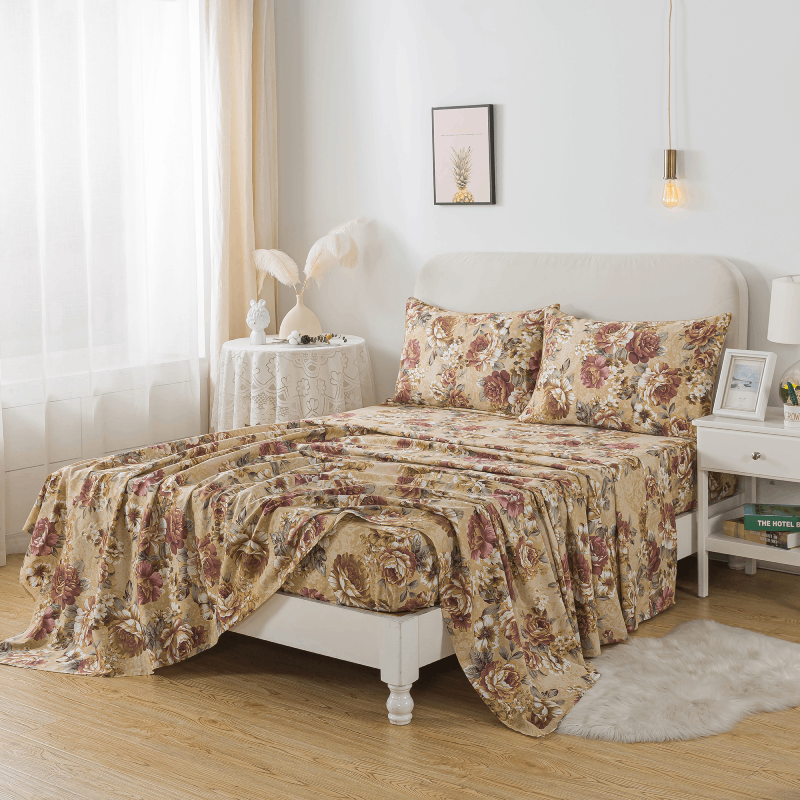
The bedding drapes naturally instead of collapsing
This kind of softness doesn’t come from chemicals or overly processed finishes. It comes from fiber quality, weaving technique, and thoughtful construction.
Color That Fades Beautifully, Not Sadly
Color changes over time. That’s normal. The difference is whether it fades gently or unevenly.
Poor-quality dyes often break down fast, leaving bedding looking washed-out in the wrong way—patchy, dull, or tired. But well-designed bedding tends to fade with subtlety, especially when the palette is already soft and lived-in.
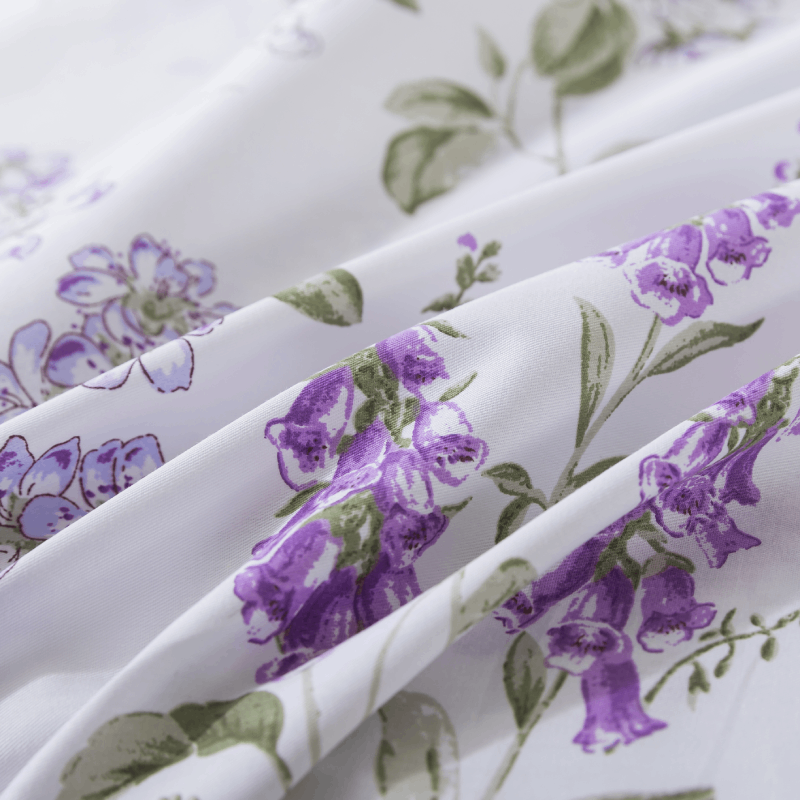
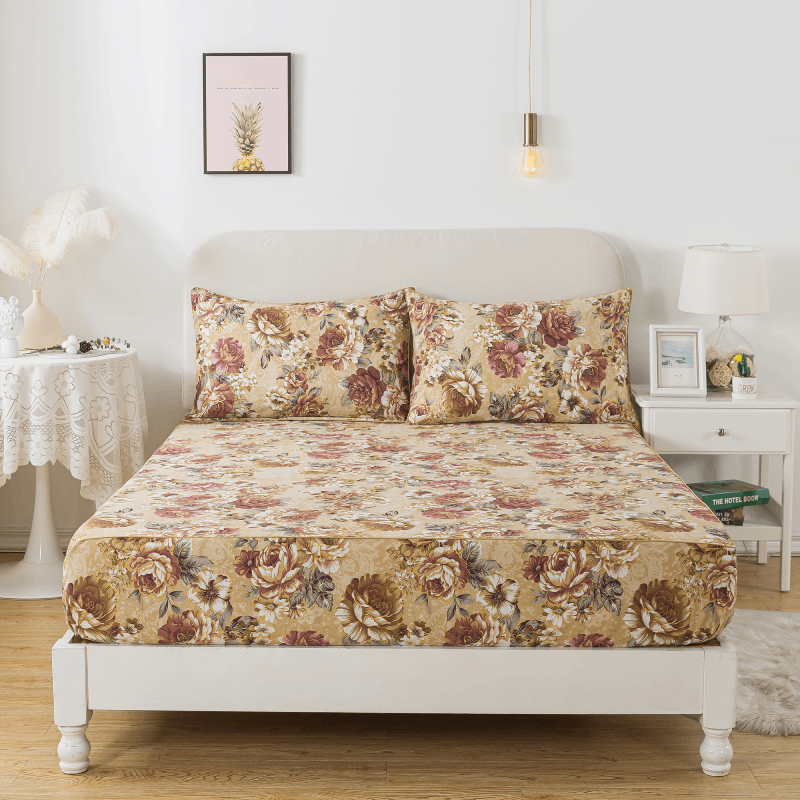
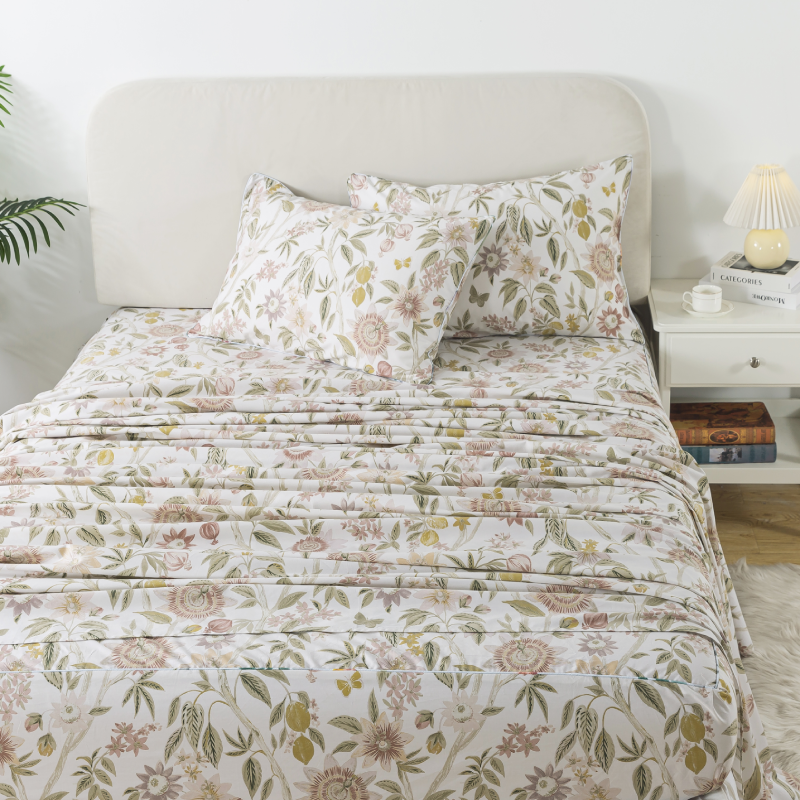
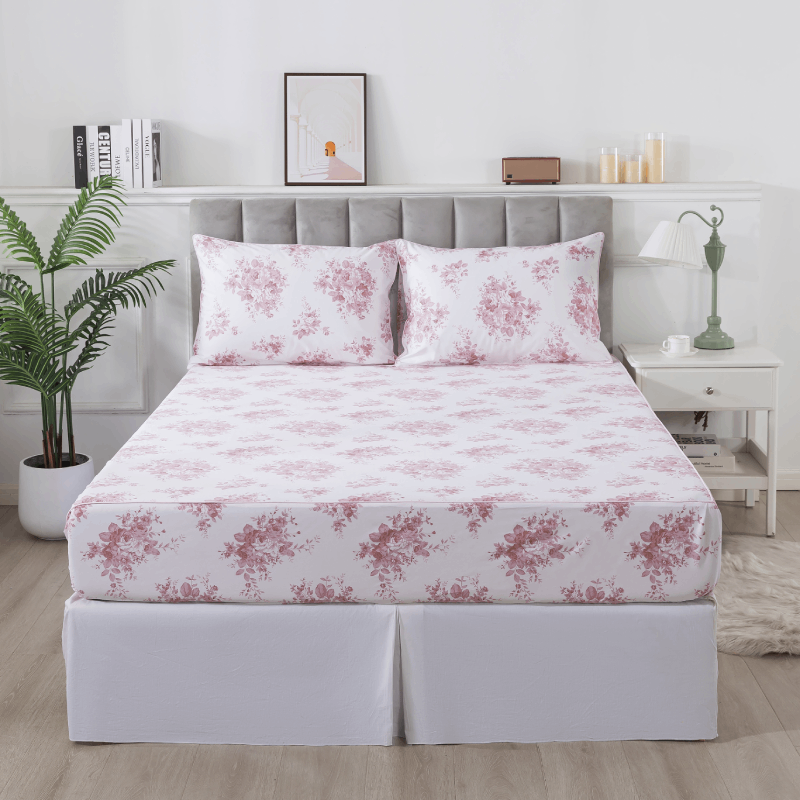
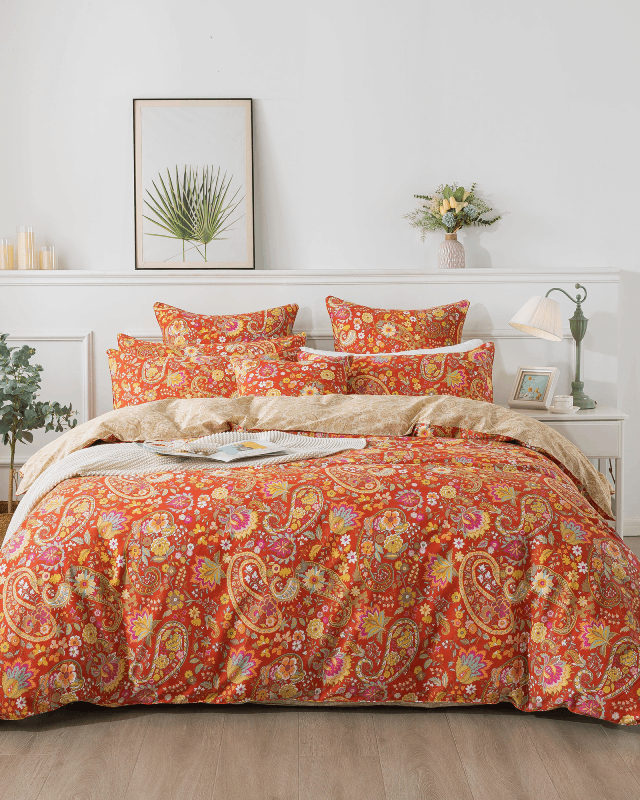
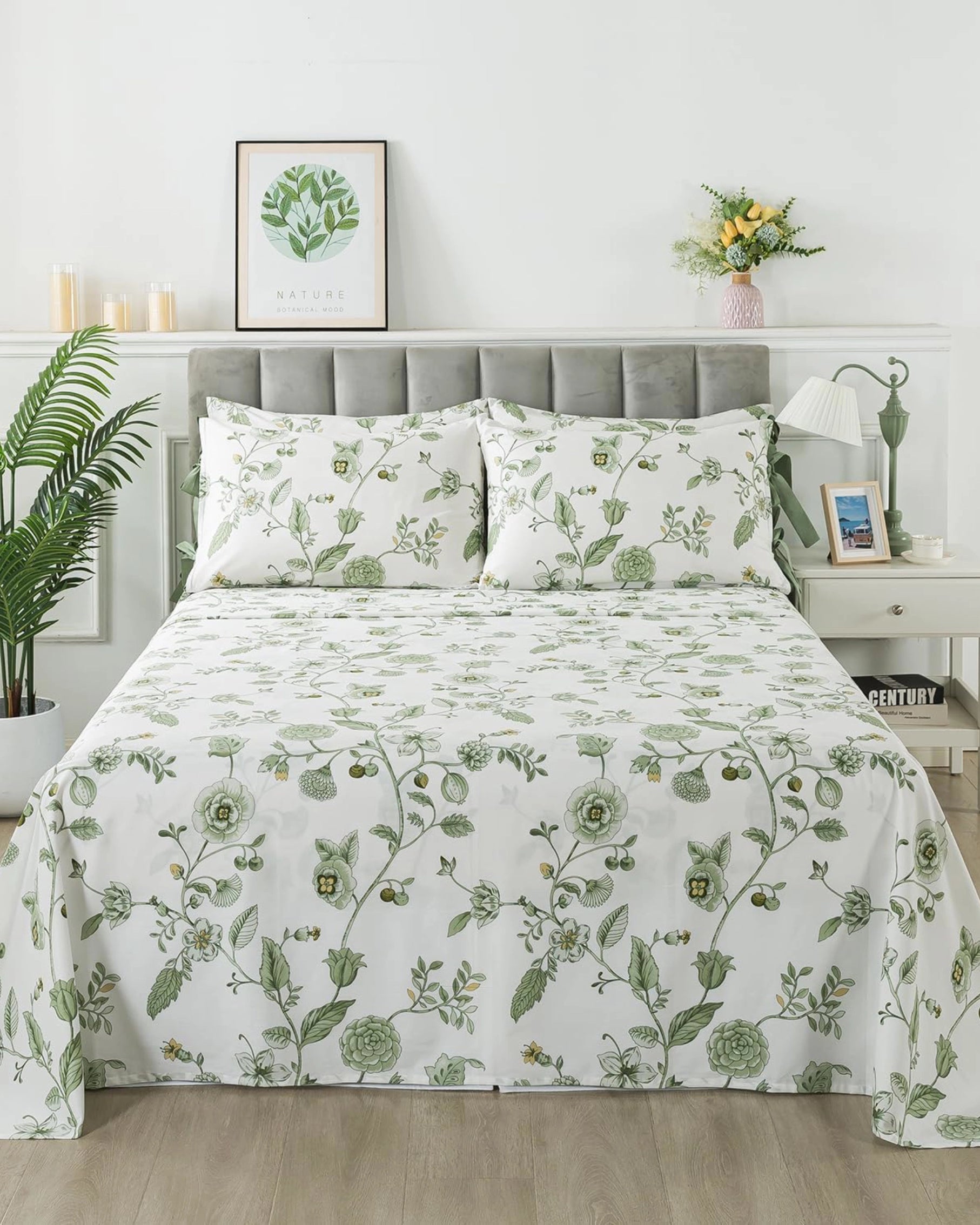
Muted tones like warm ivory, dusty blue, soft sage, or gentle floral prints don’t rely on high contrast to feel attractive. So even after months of washing, they still look intentional.
The best bedding doesn’t try to stay “perfectly new.”
It becomes more relaxed—like sun-faded linen, a favorite cotton shirt, or a well-loved quilt.
Design That Doesn’t Depend on Trends
Trends age fast. Comfort doesn’t.
A bedding design that ages gracefully is usually designed with restraint. It isn’t trying too hard to impress. It’s there to support the room, not dominate it.
That often means:
-
Subtle patterning rather than bold statements
-
Balanced proportions instead of oversized motifs
-
Natural colors that blend into different seasons
-
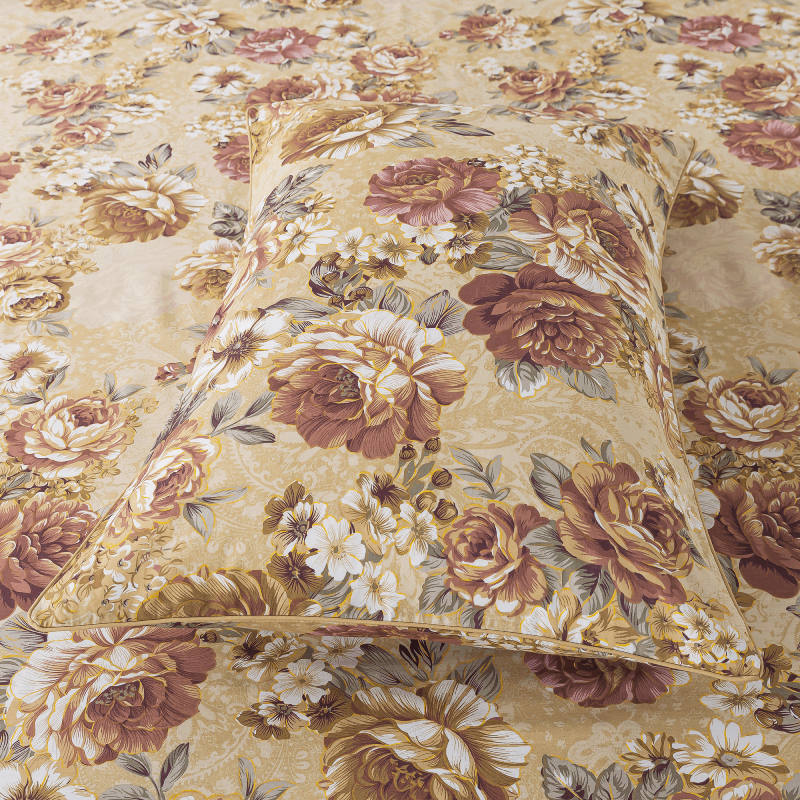
Calm texture that adds depth without clutter
These designs don’t clash when your room changes. They adapt. A floral that feels soft and spaced out can still look modern years later, because it isn’t tied to a specific “moment” in design culture.
Construction That Holds Up to Repetition
Bedding is one of the most repeatedly used textile items in any home. It gets stretched, tucked, washed, dried, and pulled into place. That repetition exposes weak construction quickly.
Well-designed bedding ages gracefully because it’s built with stress in mind. The details you don’t notice on day one are the ones you appreciate on day one hundred:
-
Seams that stay smooth instead of twisting
-
Edges that don’t fray or curl
-
Quilting that stays even rather than shifting
-
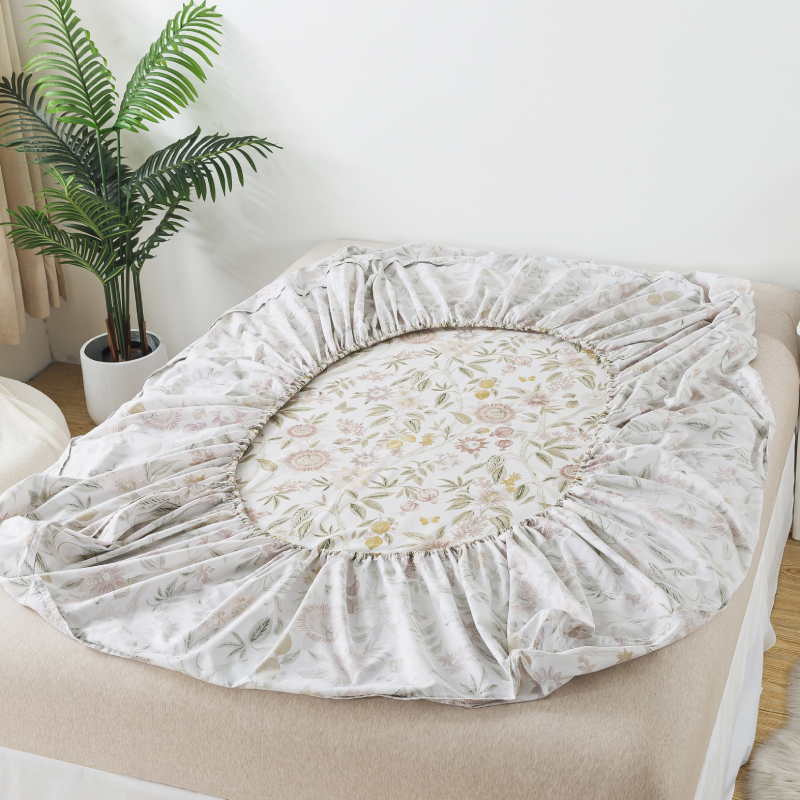
Fabric that remains stable after washing
Even small differences—like stitch density, edge finishing, or how layers are secured—matter more over time than most people realize.
Texture That Becomes Part of Your Routine
There’s also something emotional about bedding that ages well.
It becomes familiar. Not boring—familiar in a comforting way. The bed starts to feel like yours, not like something staged in a catalog.
Good bedding doesn’t stay stiff or overly crisp. It begins to settle into the shape of your life:
-
The quilt becomes easier to fold
-
The pillowcases feel cooler and smoother at night
-
The fabric starts to “breathe” better against skin
-
The whole bed looks effortlessly lived-in
That kind of aging creates calm. And calm is the point.
It’s Not About Perfection—It’s About Staying Good
Aging gracefully is not the same as never showing change. It means the change looks natural and still feels high quality.
A well-designed bedding set won’t stay identical forever. But it will stay supportive:
-
Still soft without becoming flimsy
-
Still structured without feeling stiff
-
Still beautiful without requiring constant styling
-
Still inviting even when the room is quiet
That’s the difference between something that simply looks nice and something that becomes a daily favorite.
Final Thought: The Bedding You Keep Is the Bedding That’s Designed Well
The most meaningful compliment a bedding set can receive isn’t “this looks expensive.”
It’s: I don’t want to replace it.
Well-designed bedding doesn’t chase attention. It earns loyalty. And over time, it becomes proof that good design isn’t a moment—it’s a relationship.
Because when something is made thoughtfully, it doesn’t wear out in the wrong direction.
It softens, settles, and stays with you—beautifully.