

For many homeowners, designing a space begins with “safe choices.” Neutral colors, widely accepted styles, and furniture that blends in rather than stands out often feel like the safest route. While these choices can create a clean and functional home, they rarely reflect personality or tell a meaningful story.
Moving from safe design decisions to personal choices is the key to creating a home that truly feels like yours. The process does not require drastic changes or expensive renovations—it simply requires intention, creativity, and a willingness to express your style.
Understanding What “Safe Design” Really Means
Safe design choices usually follow trends or widely accepted standards. Think beige walls, gray sofas, minimalist décor, and generic artwork. These choices work well because they rarely clash and appeal to a broad audience.
However, the downside is that many homes begin to look similar. While a neutral space can be calming, it may also feel impersonal. A home should reflect the people who live in it—their experiences, interests, and memories.
Recognizing that safe design is often just a starting point helps homeowners gain the confidence to evolve their spaces into something more personal.
Discover Your Personal Design Identity
Before making changes, it helps to identify what truly resonates with you. Personal design does not mean following a specific style label like “modern,” “bohemian,” or “farmhouse.” Instead, it involves understanding the elements that make you feel comfortable and inspired.
Ask yourself a few questions:
-
What colors make you feel relaxed or happy?
-
Are you drawn to natural materials like cotton, linen, or wood?
-
Do you prefer calm and minimal spaces, or layered and expressive ones?
-
What memories or places influence your sense of home?
Your answers can guide your design decisions. For example, someone who values comfort and softness may prioritize breathable fabrics and cozy bedding, while someone who enjoys bold visuals may incorporate vibrant patterns or statement pieces.

Start with Small, Meaningful Changes
Transitioning from safe to personal design does not require replacing everything at once. In fact, small adjustments can make a big difference.
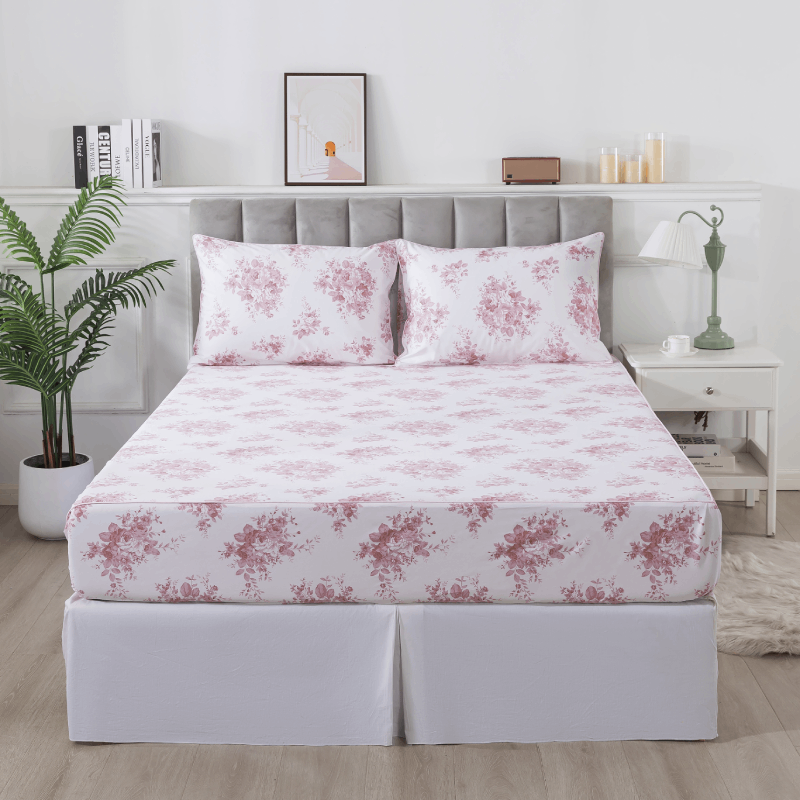
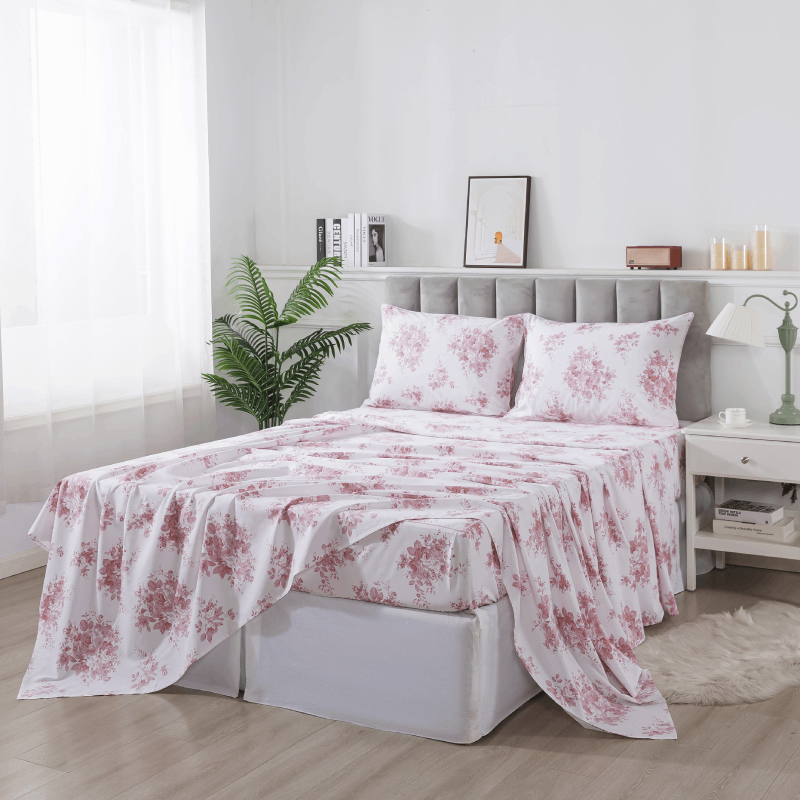
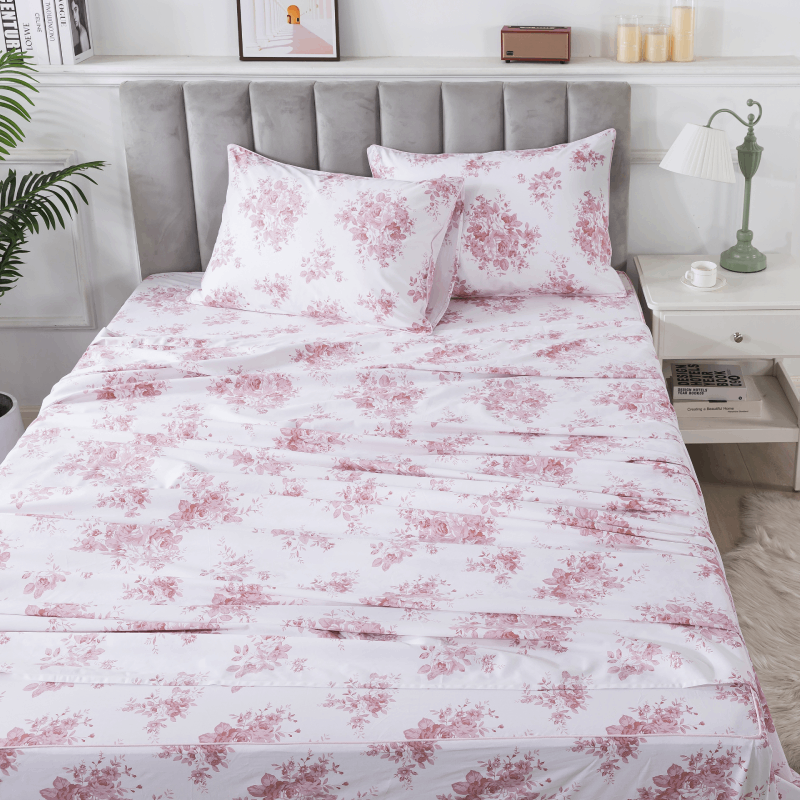
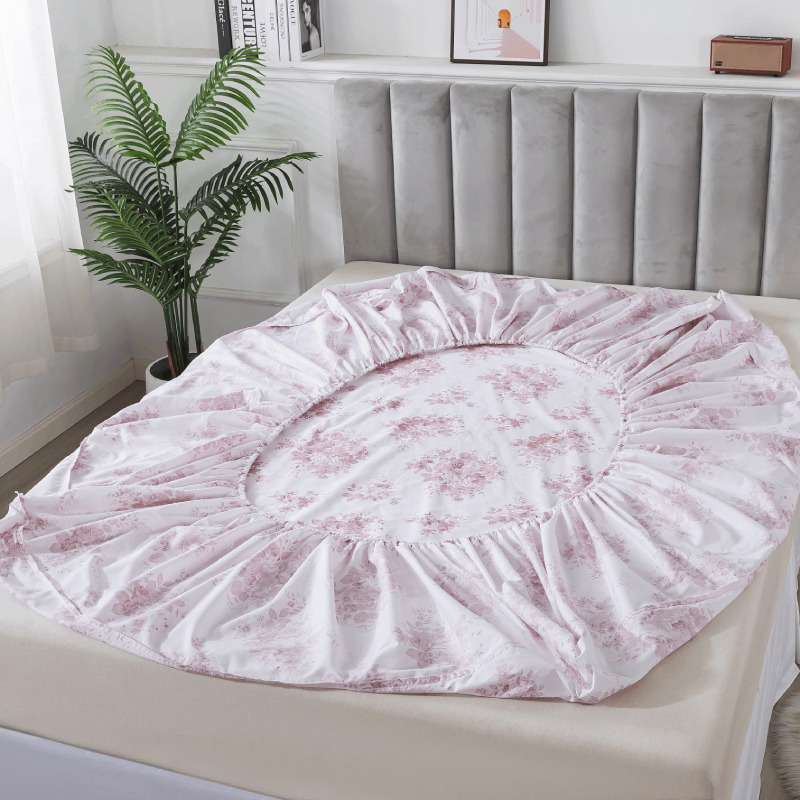
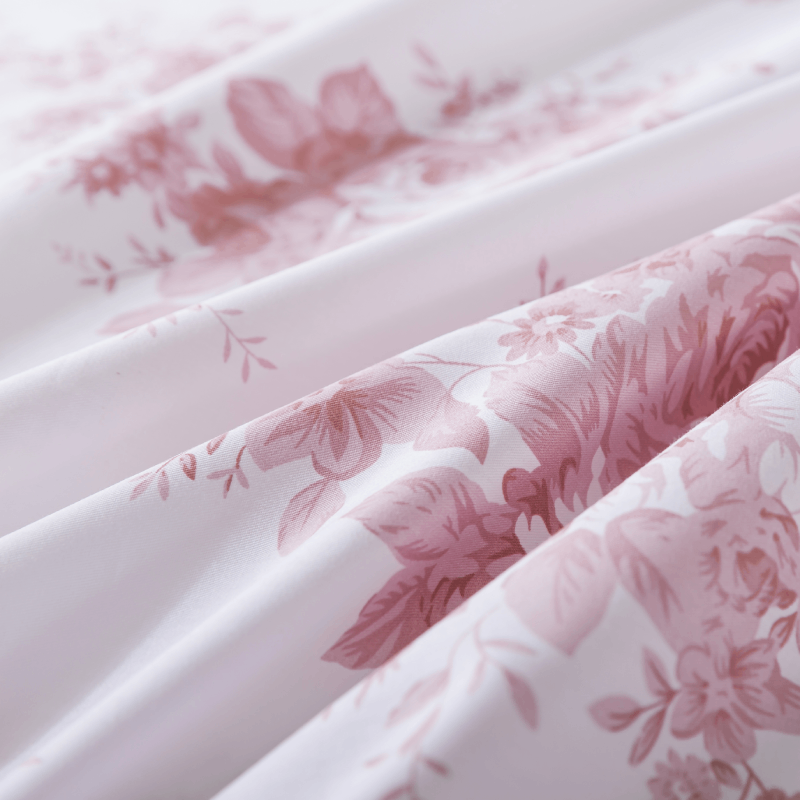
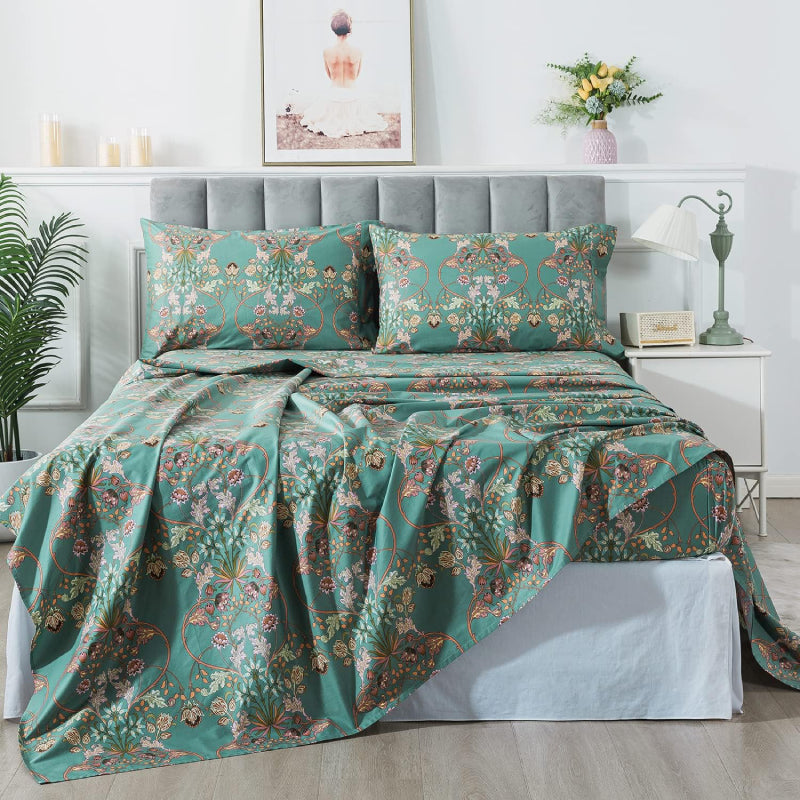
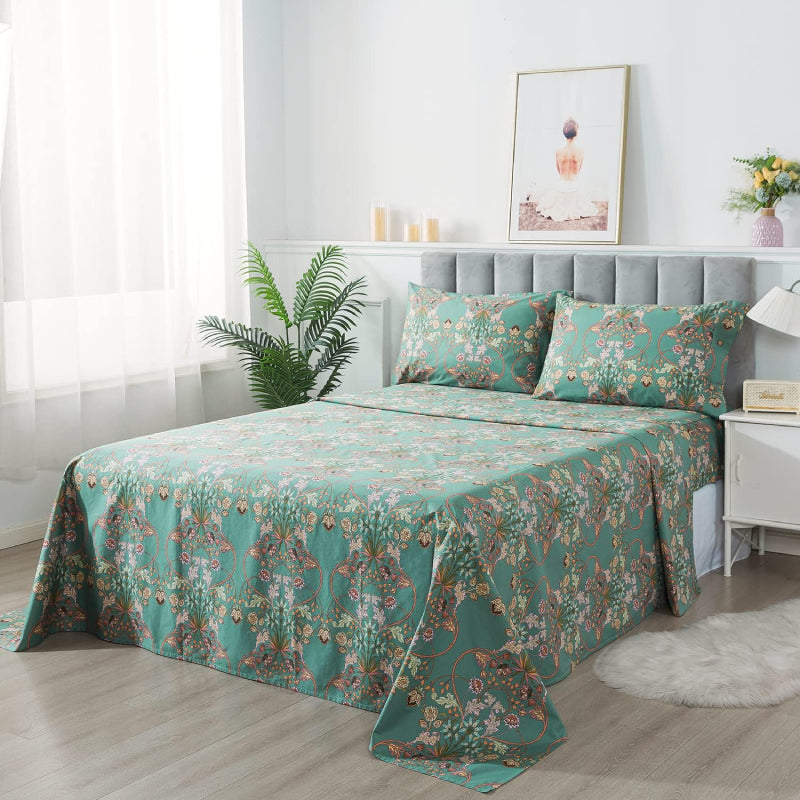
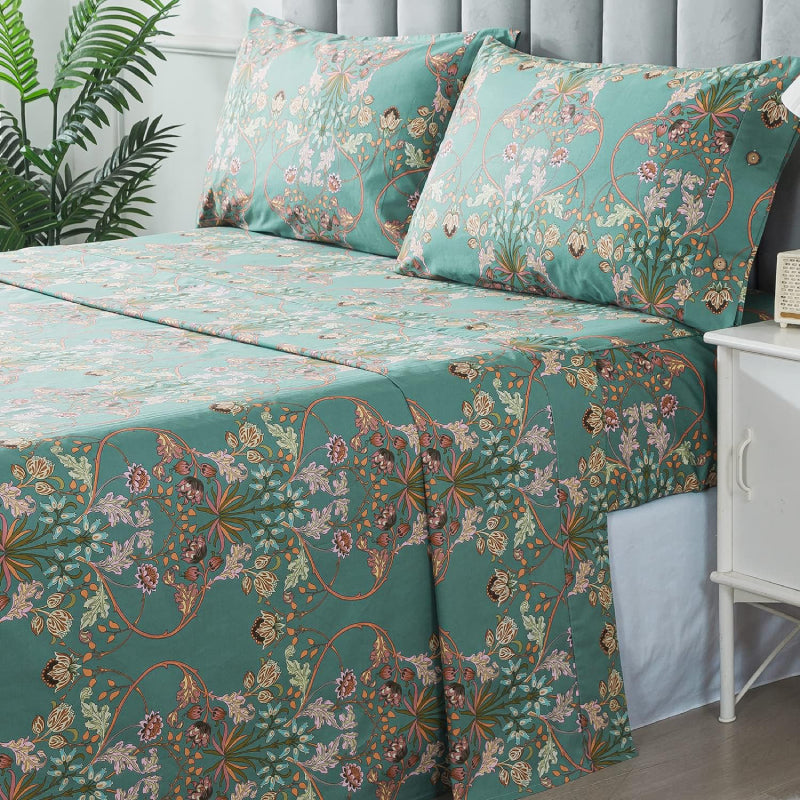
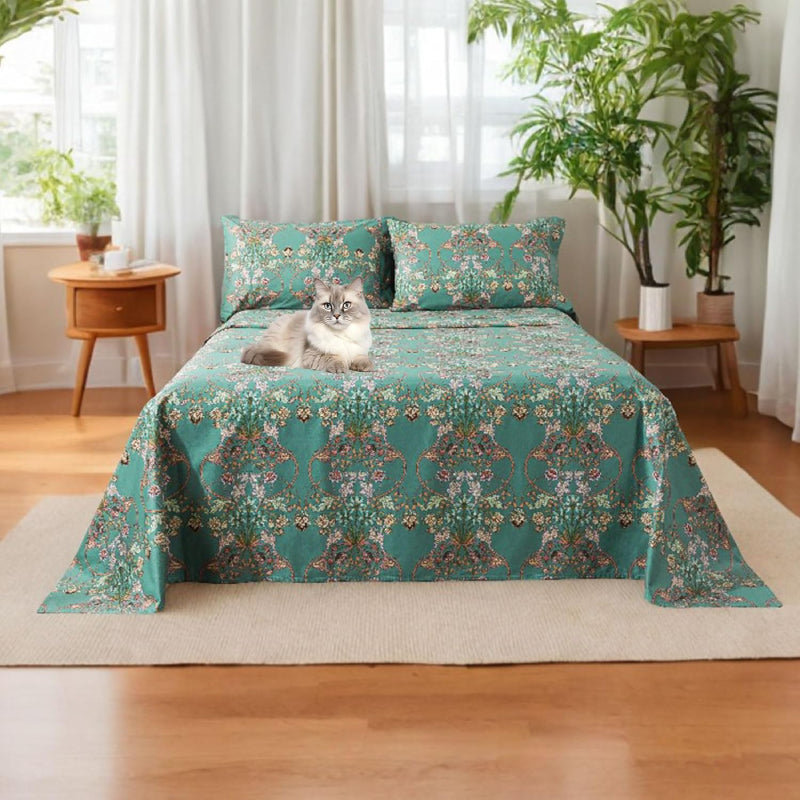
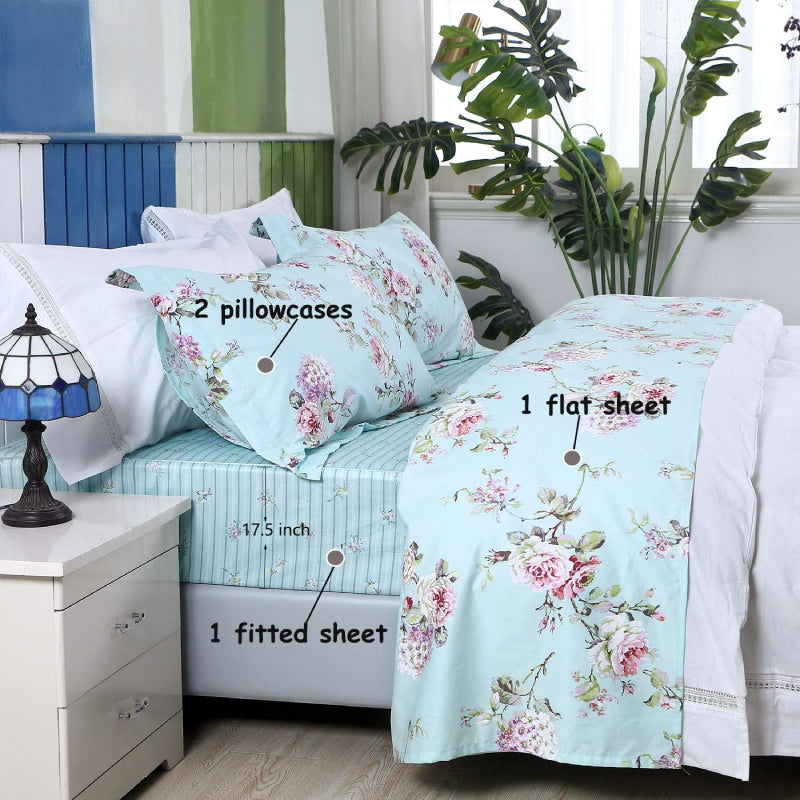
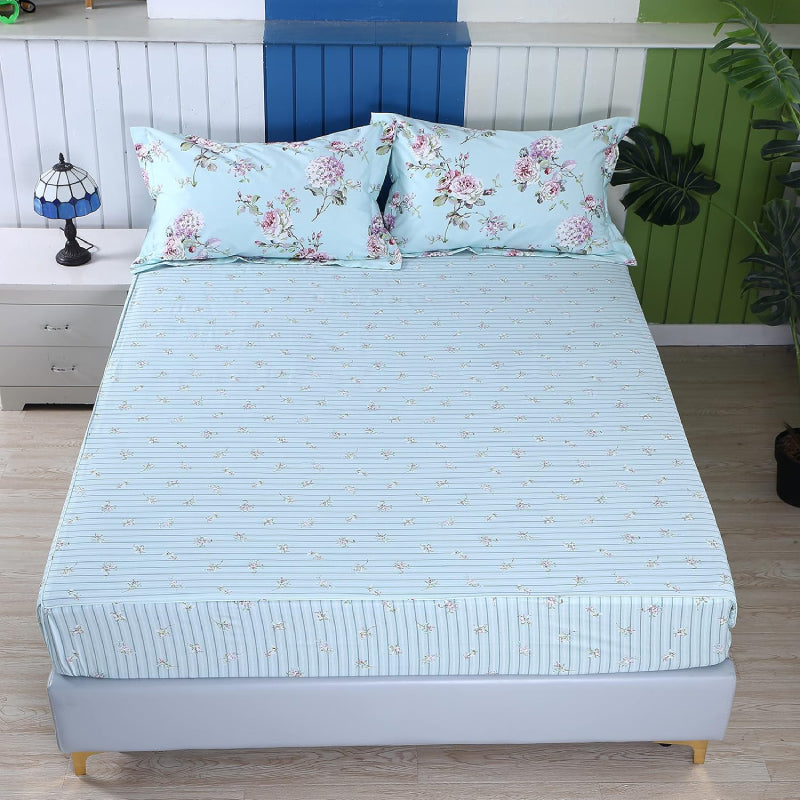
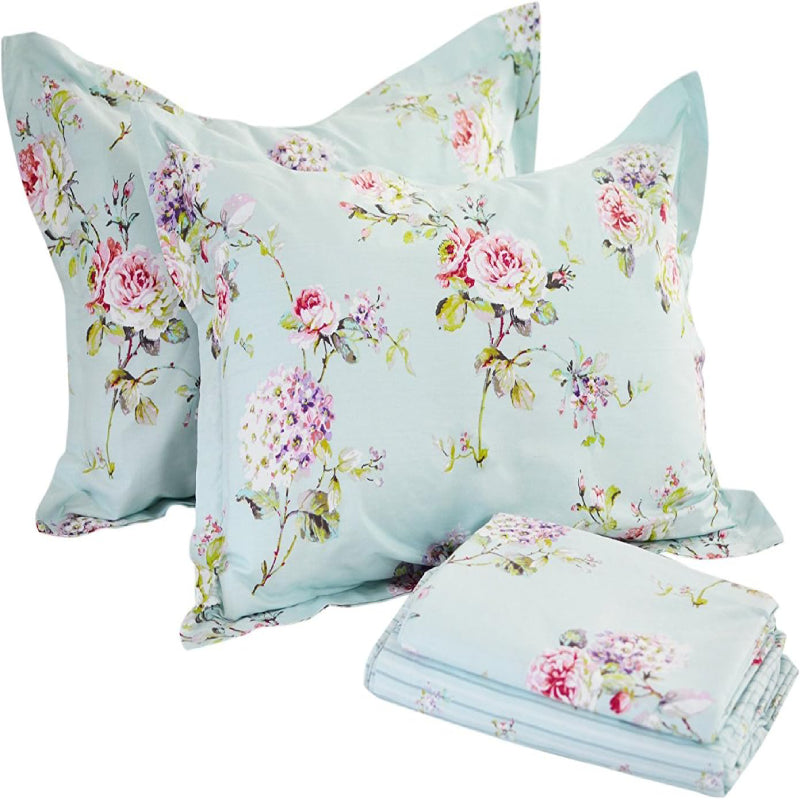
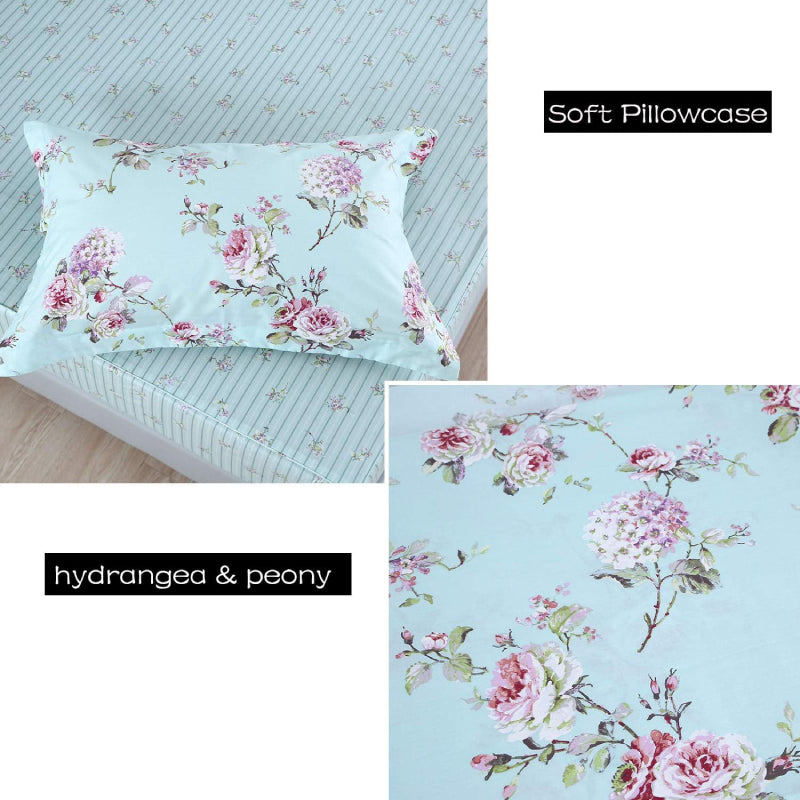
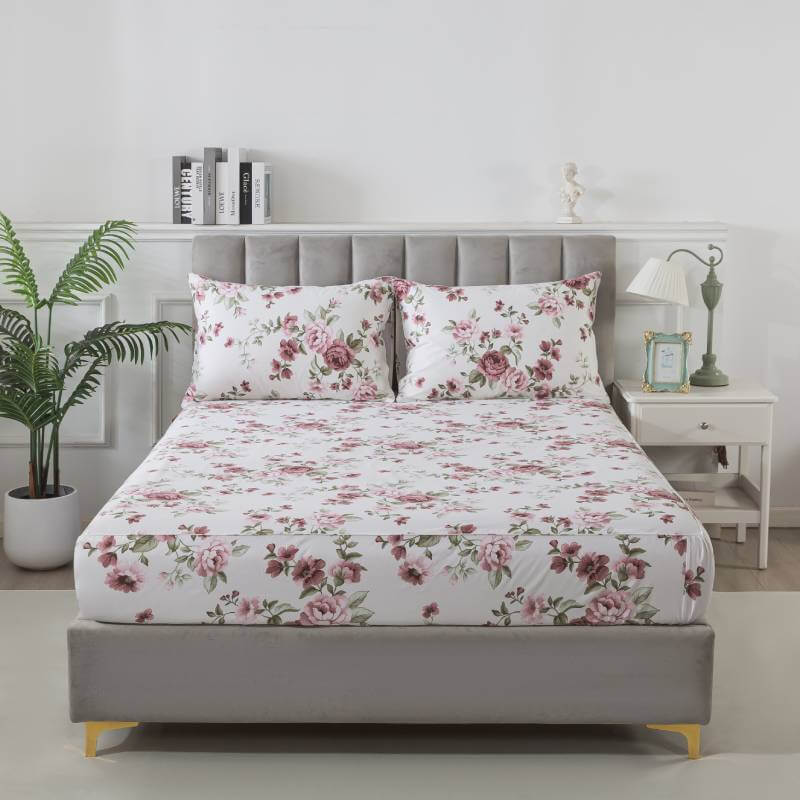
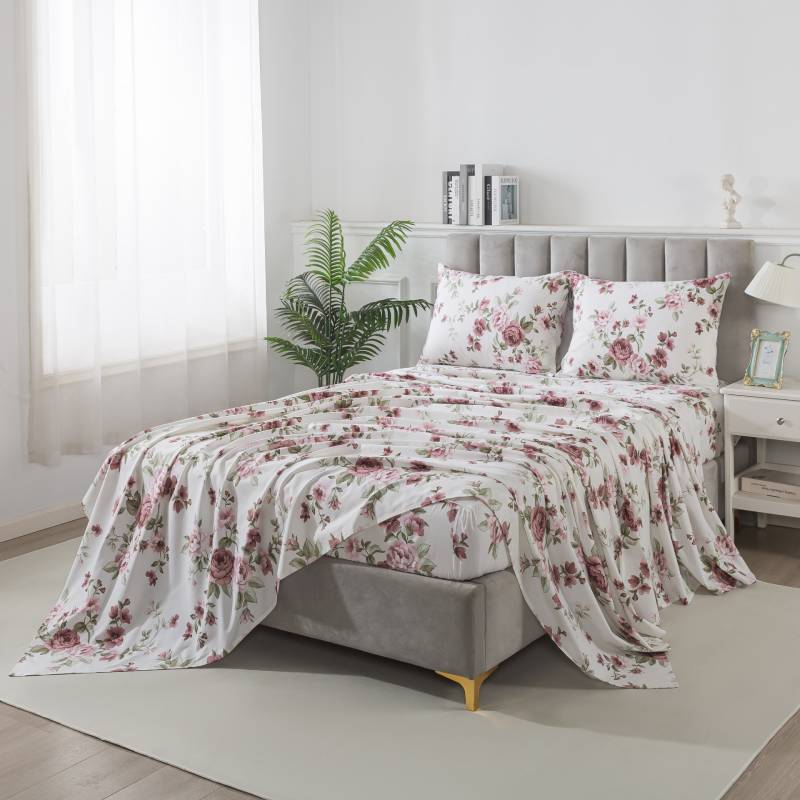
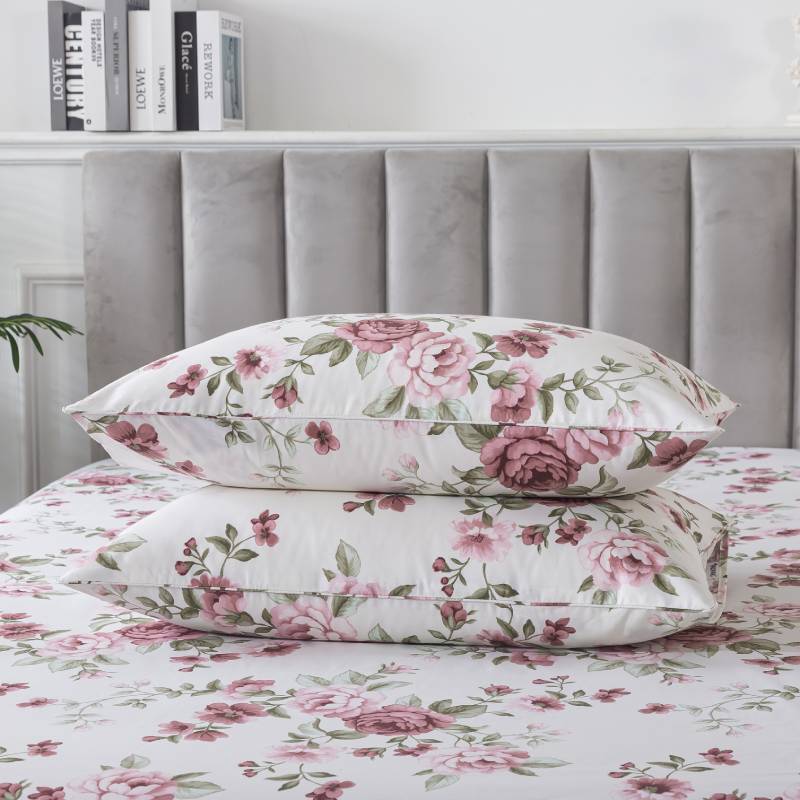
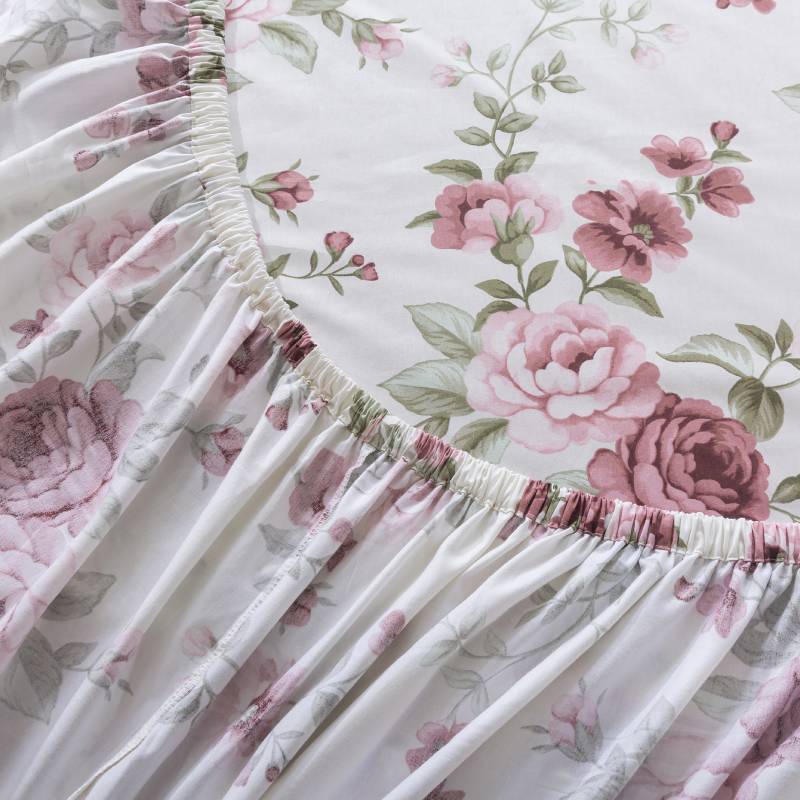
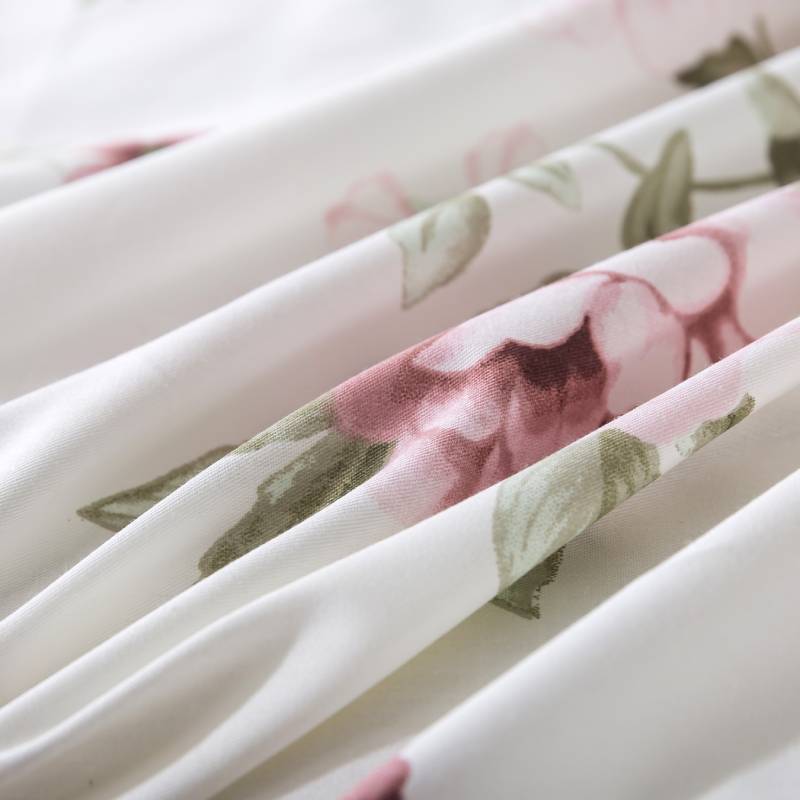
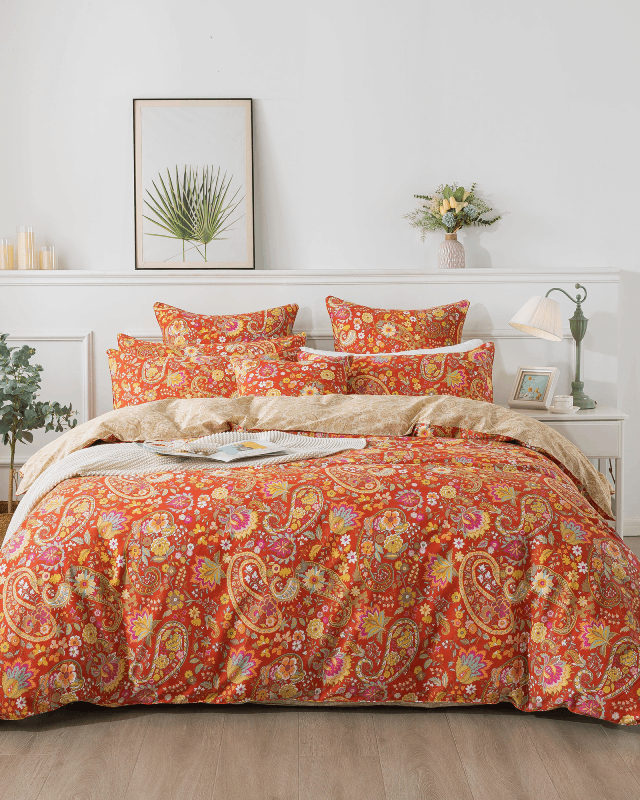
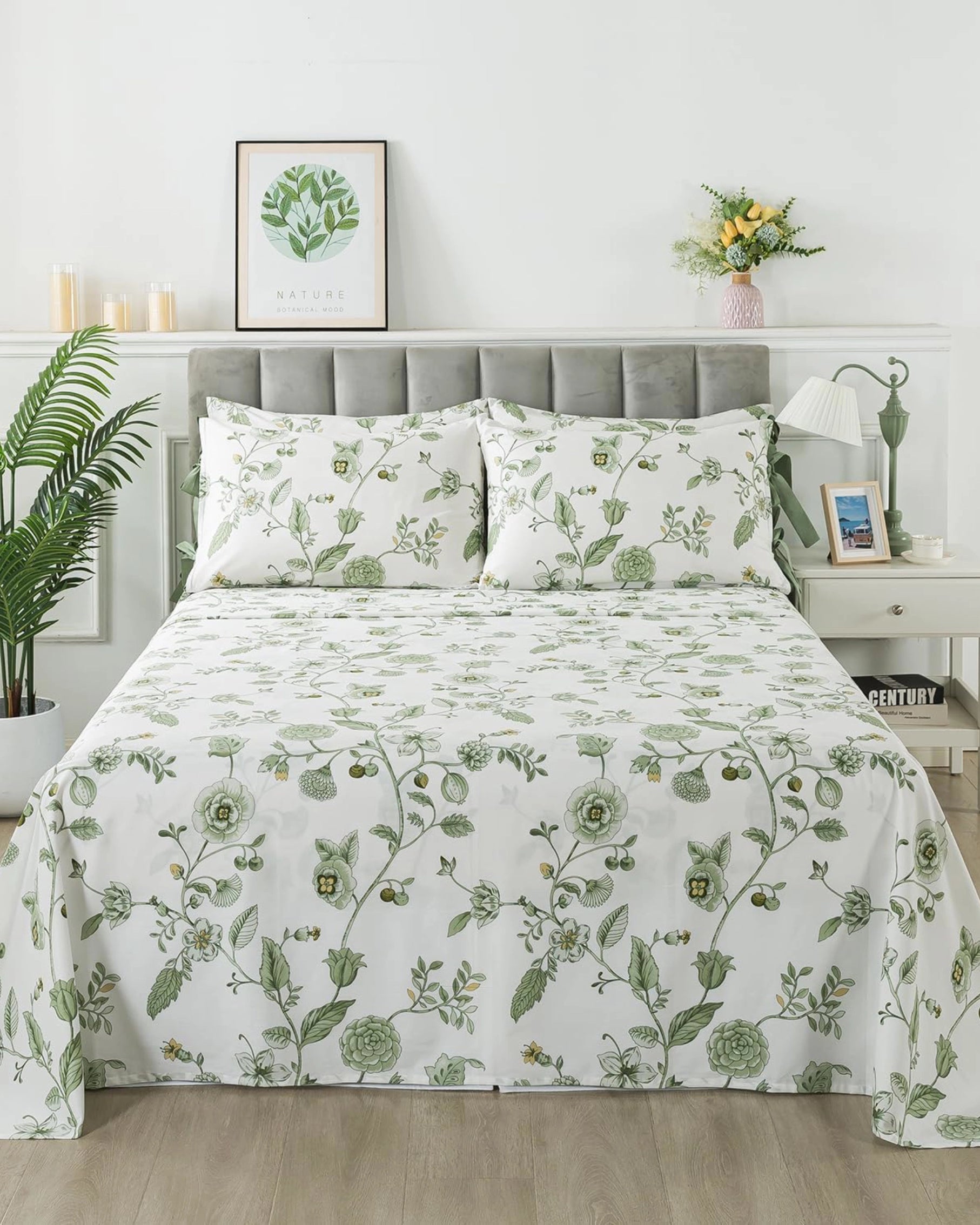
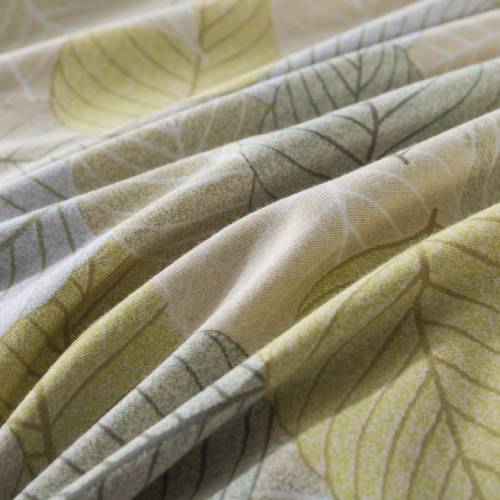
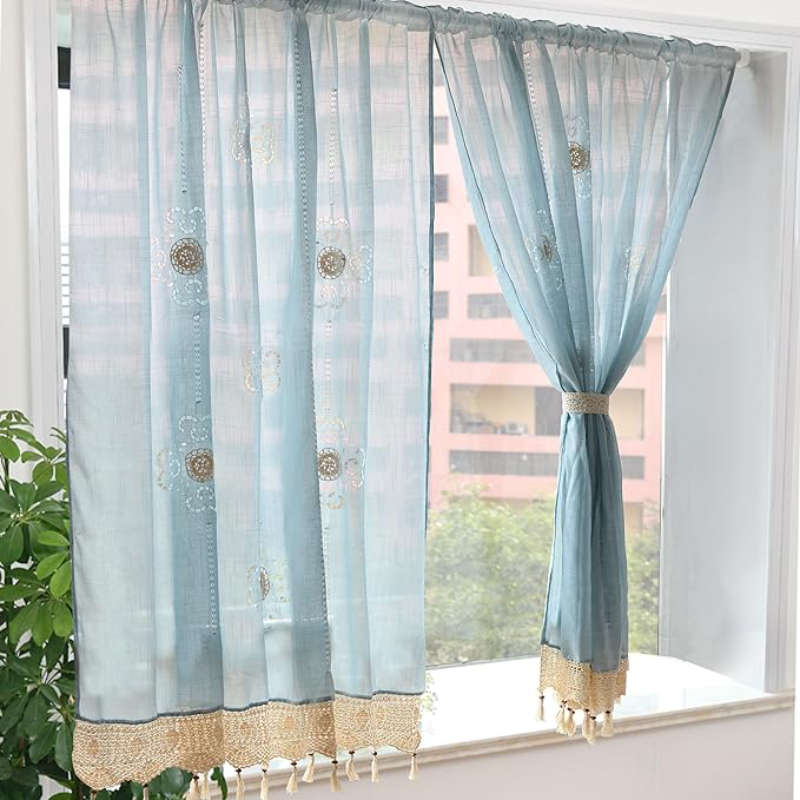
Textiles are one of the easiest ways to introduce personality. Bedding, rugs, curtains, and cushions add texture, color, and character without requiring major renovation. A floral cotton bedding set, for instance, can transform a neutral bedroom into a warm, inviting space with natural charm.
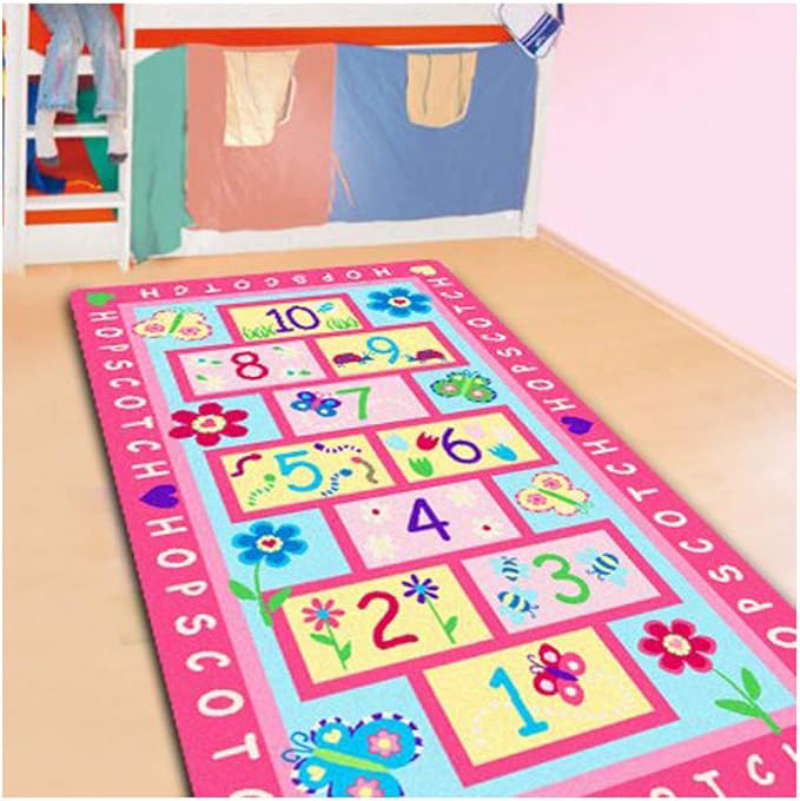
Similarly, rugs can anchor a room and create a sense of identity. A patterned rug or a playful design in a children’s room instantly adds personality while maintaining comfort and functionality.
By starting with these elements, homeowners can experiment with style while keeping the overall space balanced.
Let Patterns and Textures Tell a Story
One of the most effective ways to personalize a home is through patterns and textures. While safe interiors often rely on solid colors, layered textures create depth and interest.
Consider mixing:
-
Soft cotton bedding with subtle floral patterns
-
Handcrafted quilts or patchwork textiles
-
Natural fiber rugs with geometric or playful designs
-
Linen curtains paired with textured throws
These combinations make a space feel lived-in and authentic. Patterns—especially those inspired by nature—can bring warmth and character to everyday spaces without overwhelming the room.
Incorporate Personal Moments into Design
A home becomes truly personal when it reflects real life. Photos, travel souvenirs, heirlooms, and handmade items all contribute to a space that tells a story.
Instead of decorating purely for visual appeal, think about the experiences behind the objects you choose. A vintage quilt passed down through generations, a rug purchased during a memorable trip, or artwork created by a child can become focal points in a room.
These elements may not follow strict design rules, but they make a home feel meaningful and authentic.
Balance Personality with Comfort
Personal design does not mean sacrificing comfort or practicality. The goal is to create a space that feels both expressive and livable.
For example, natural materials like cotton are not only visually appealing but also comfortable and breathable. In bedrooms, high-quality bedding enhances sleep while contributing to the overall aesthetic. Similarly, durable rugs in living spaces or children’s rooms provide both style and functionality.
The best personal spaces are those that support everyday living while reflecting individual taste.
Give Your Style Time to Evolve
Finally, remember that personal design develops gradually. Unlike trend-based decorating, which often changes quickly, a personal home grows over time.
As you discover what you truly enjoy, your space will naturally evolve. A bedroom might begin with neutral bedding and later incorporate floral patterns, layered quilts, or soft pastel tones. A living room might start with simple furniture and slowly gain character through art, textiles, and meaningful décor.
Allowing your design choices to evolve ensures that your home remains authentic rather than forced.
Creating a Home That Feels Like You
Moving from safe choices to personal choices in home design is ultimately about confidence. It means trusting your instincts and choosing elements that bring comfort, joy, and meaning into your space.
A home should not look like a catalog page—it should look like a life being lived. By incorporating personal textures, patterns, and stories, you can transform any space from ordinary to truly yours.