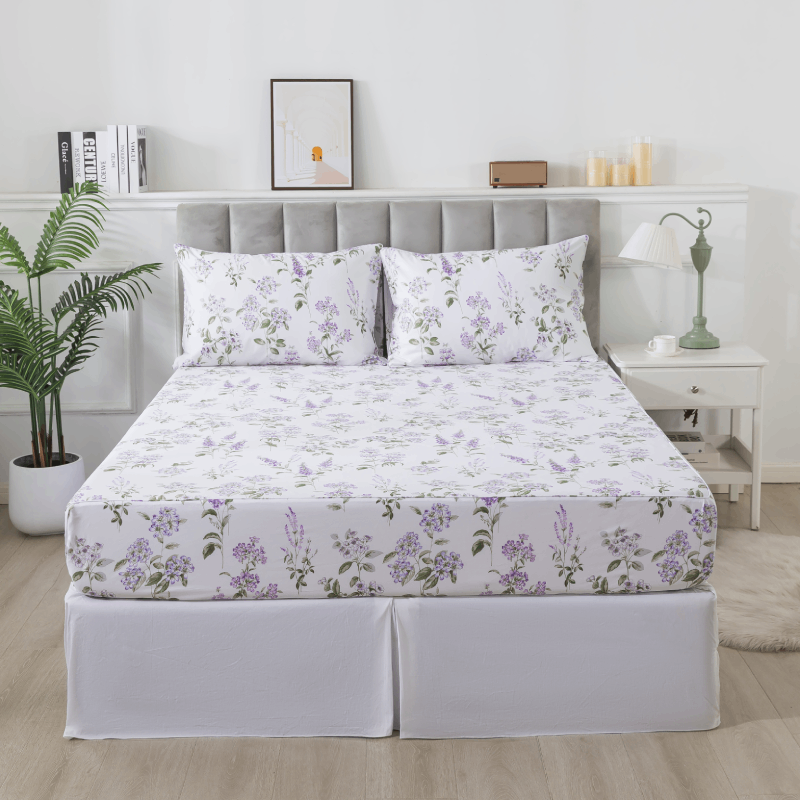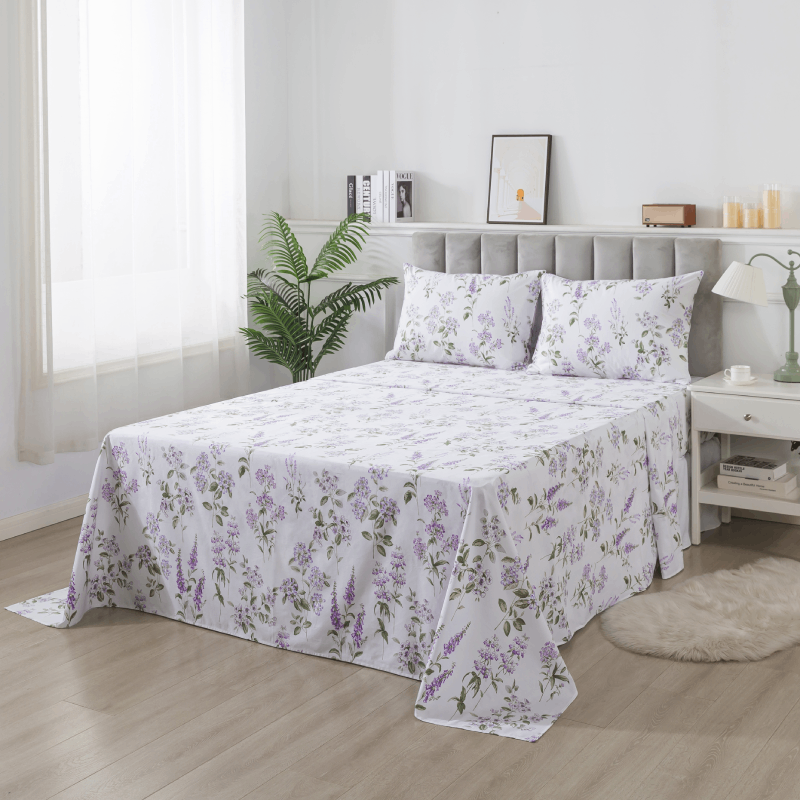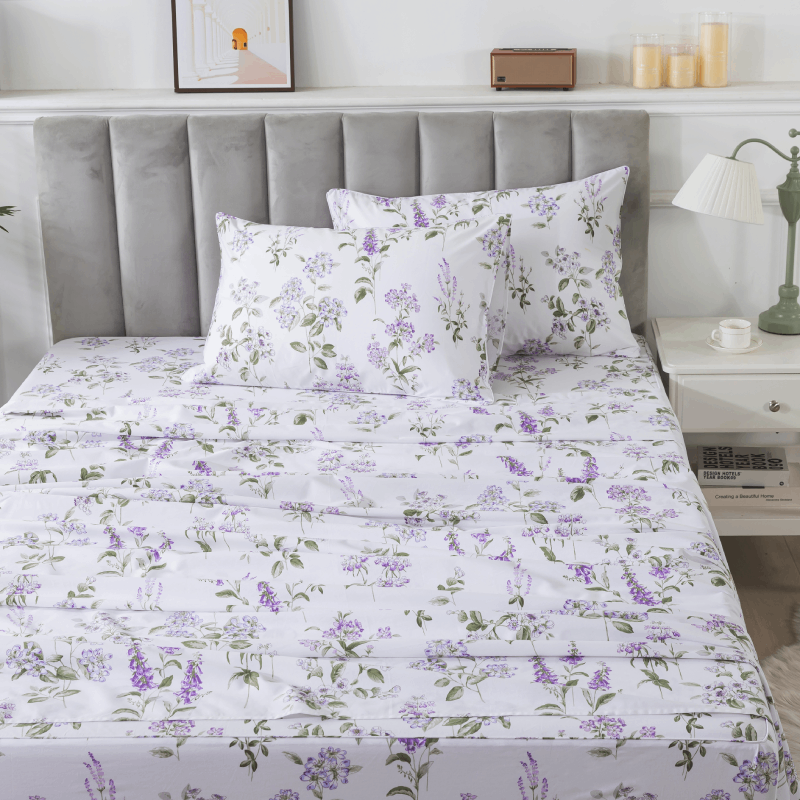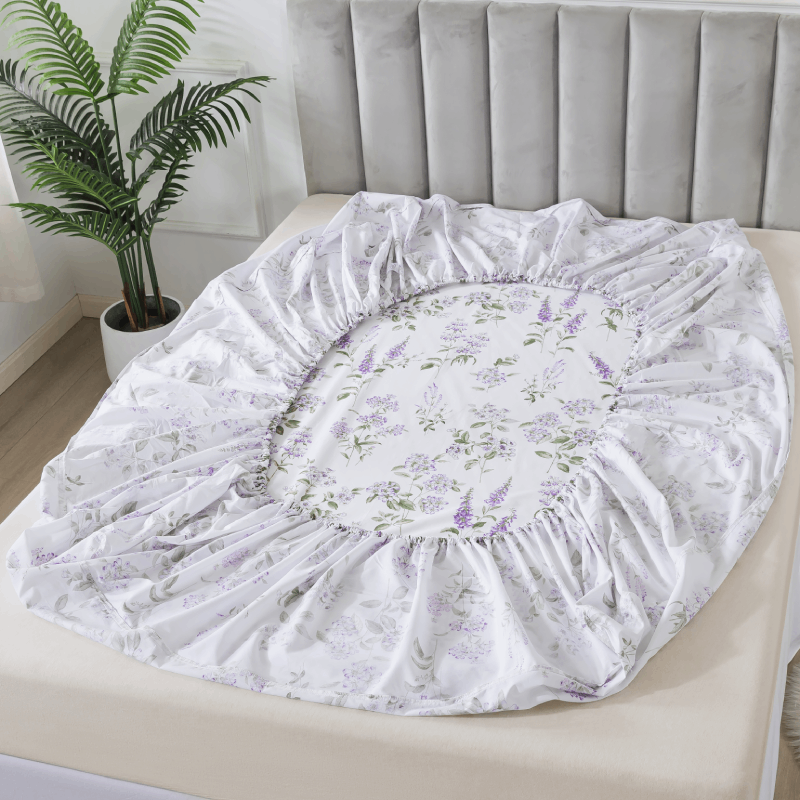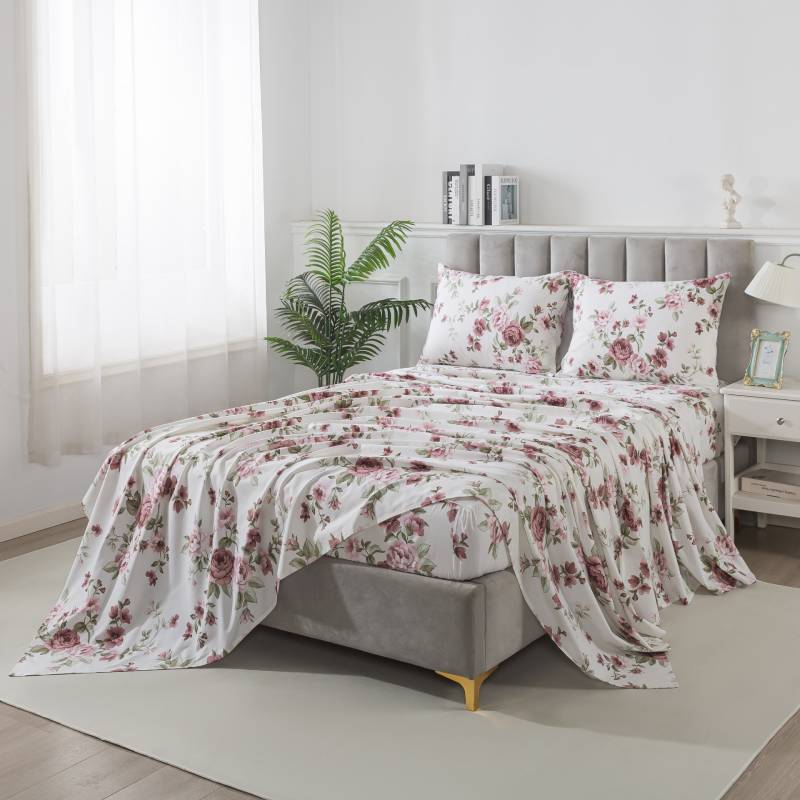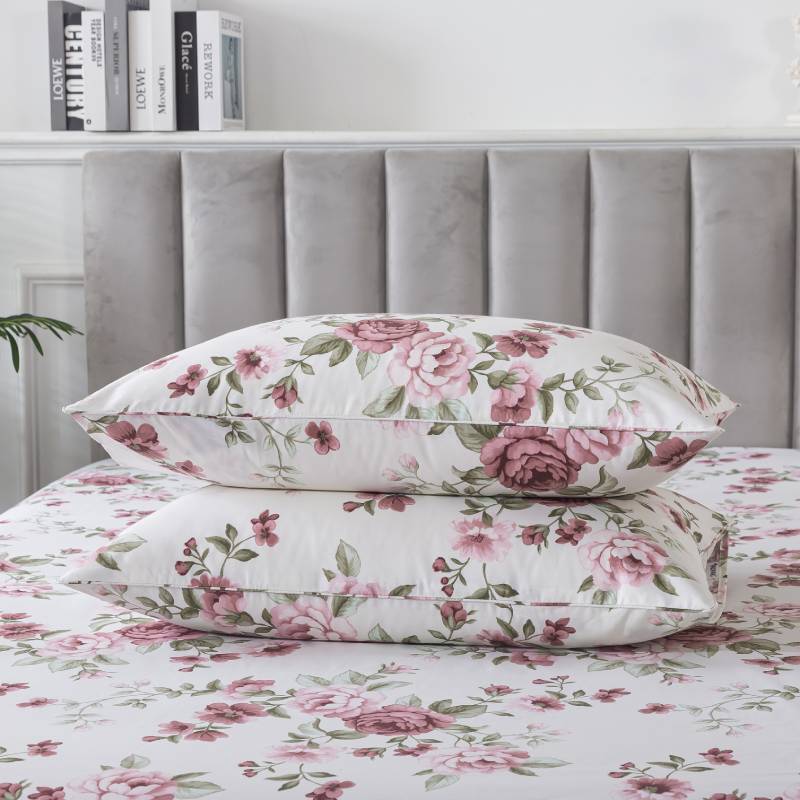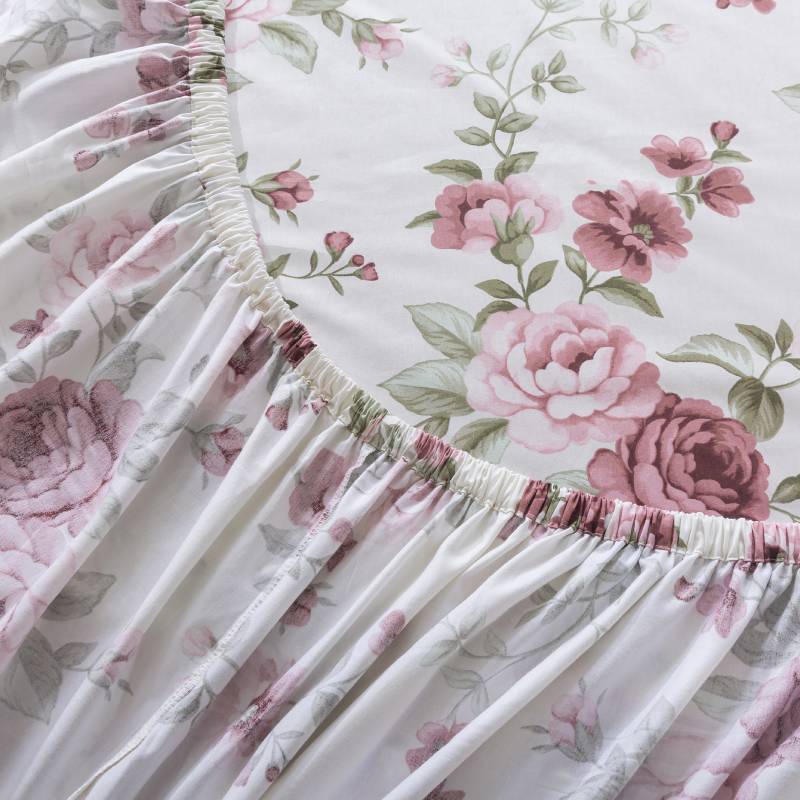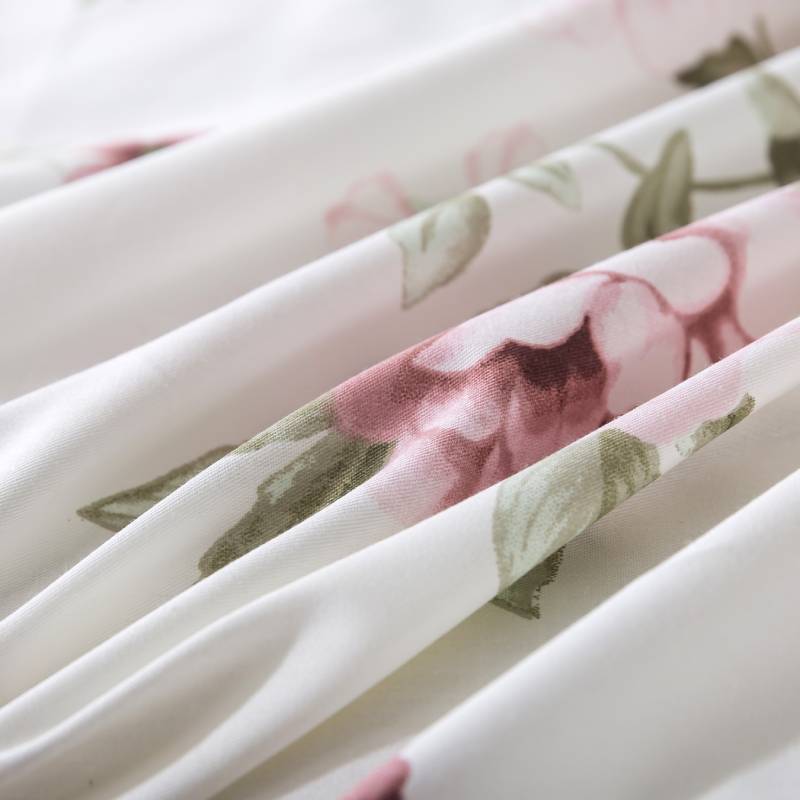


Bringing florals into your bedroom for the first time can feel like a bold decision. While floral patterns are often associated with softness and romance, modern interpretations offer far more versatility. When applied thoughtfully, florals can create a calm, layered, and expressive space without feeling overwhelming.
This guide provides a structured approach to introducing florals with balance and control.
Start Small: Introduce Florals Gradually
If you’re new to floral patterns, avoid large-scale commitments at the beginning. Start with smaller accents to test how florals interact with your existing space.
Effective entry points include:
- Floral pillowcases layered over neutral bedding
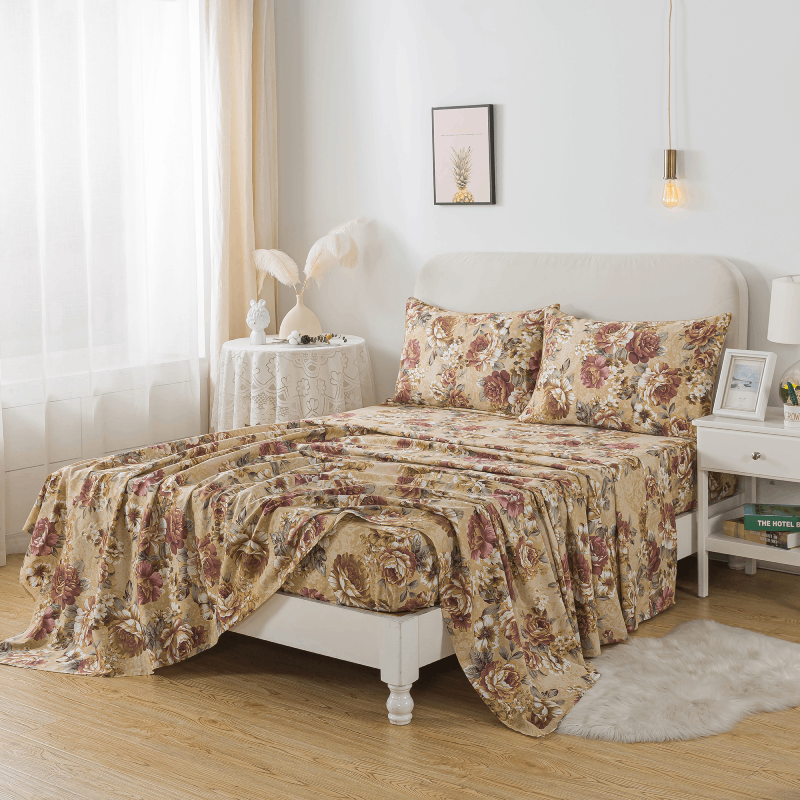
- A light floral throw at the foot of the bed
- Subtle decorative elements like fabric details or small arrangements
This phased approach allows you to adjust the level of pattern without disrupting the overall aesthetic.
Select the Right Floral Style
Florals vary significantly in visual impact. Choosing the right type is essential to achieving your desired atmosphere.
Common styles include:
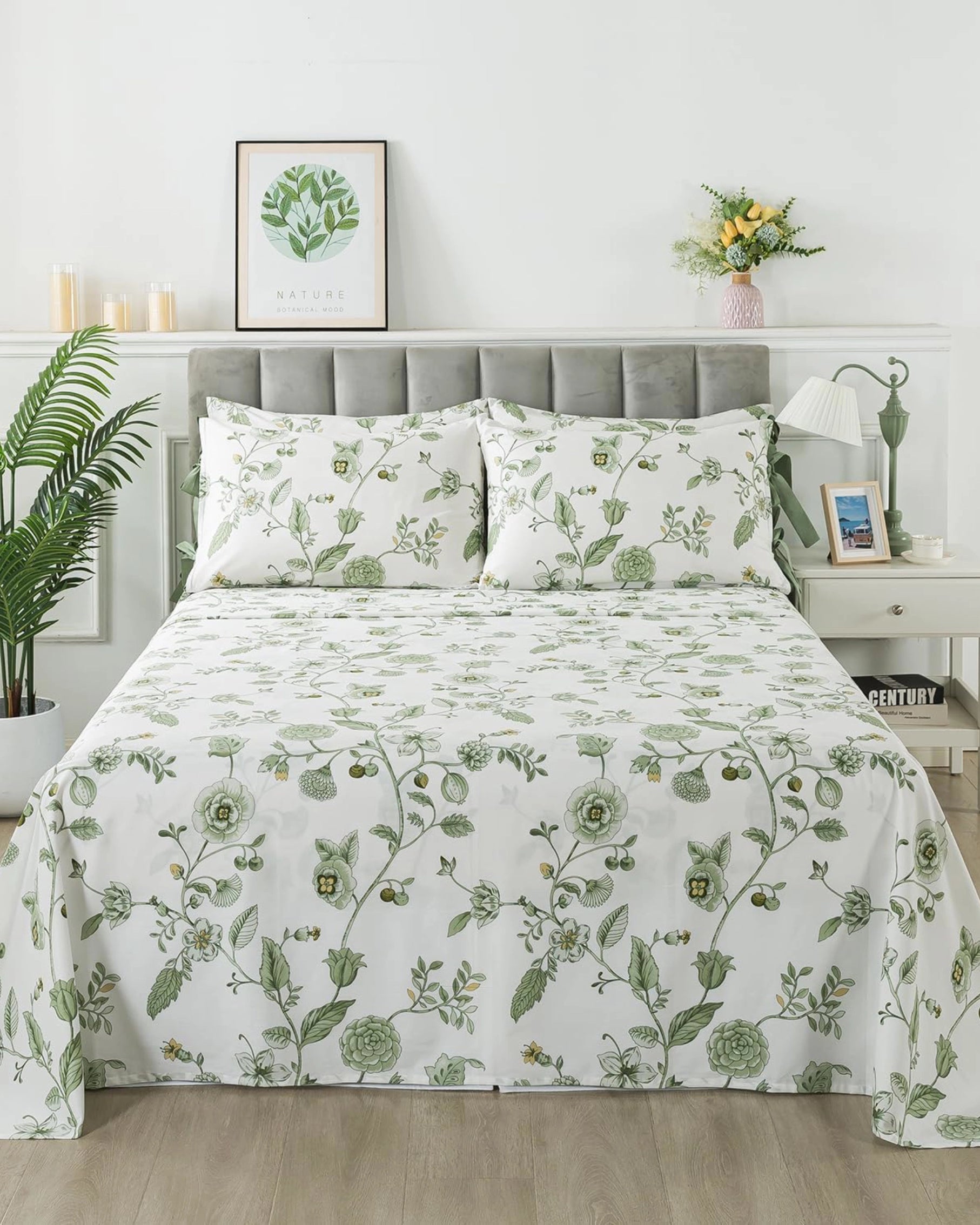
- Minimalist florals: Soft, spaced designs in muted tones—ideal for a clean, modern look
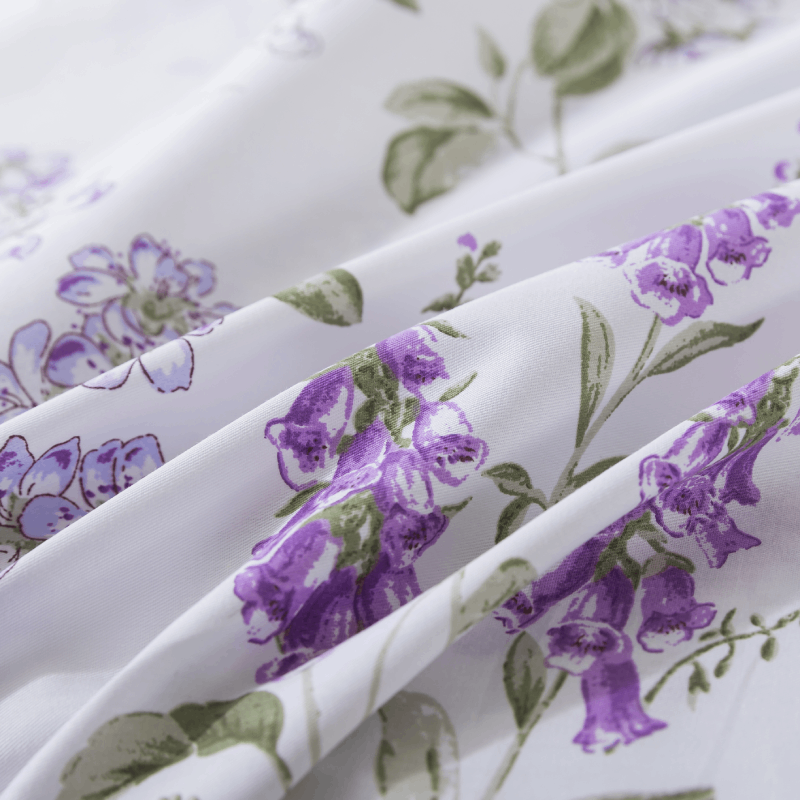
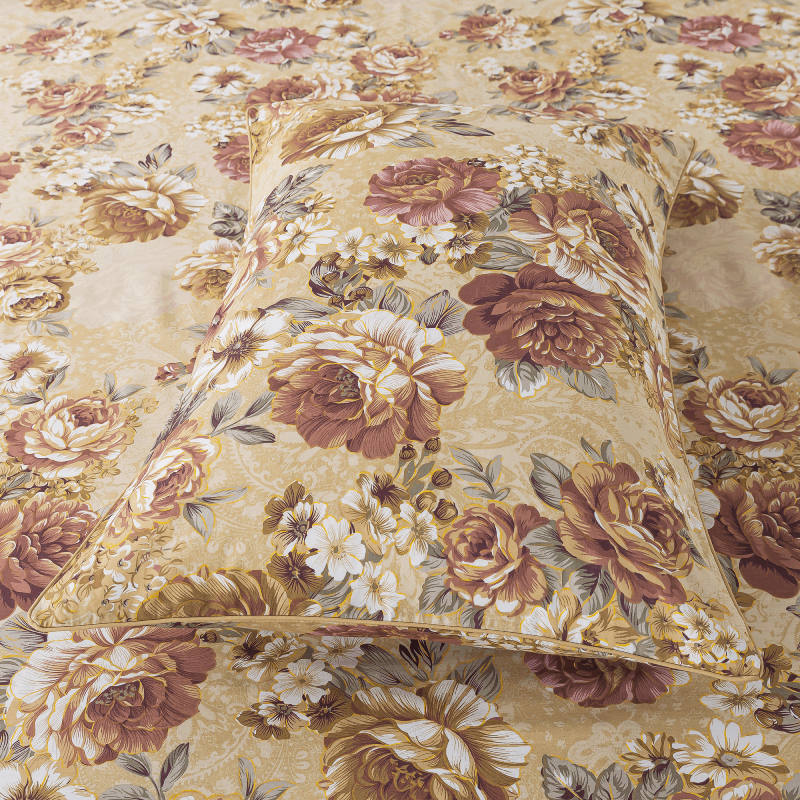
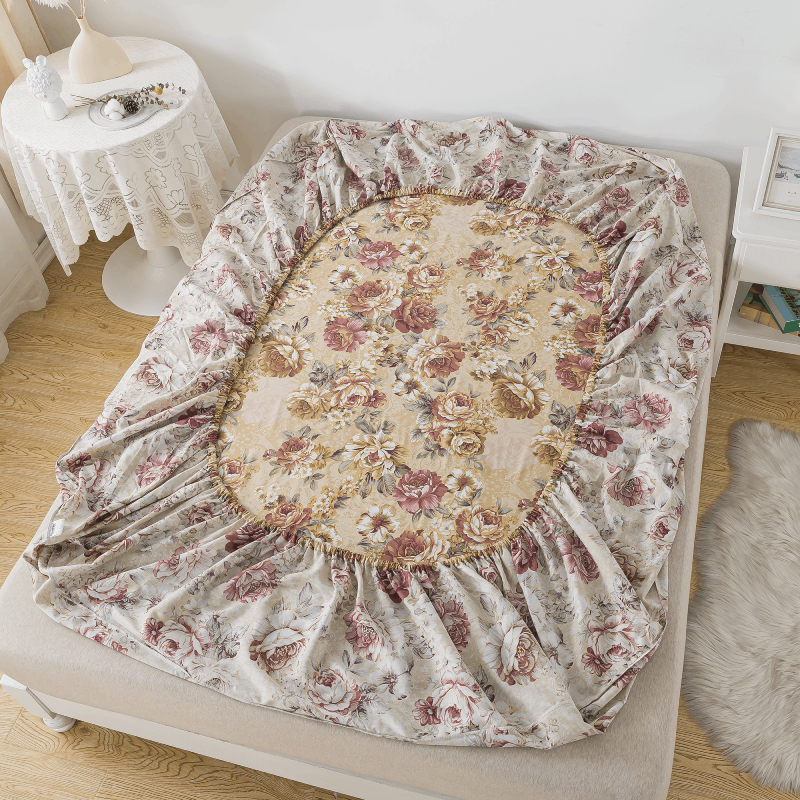
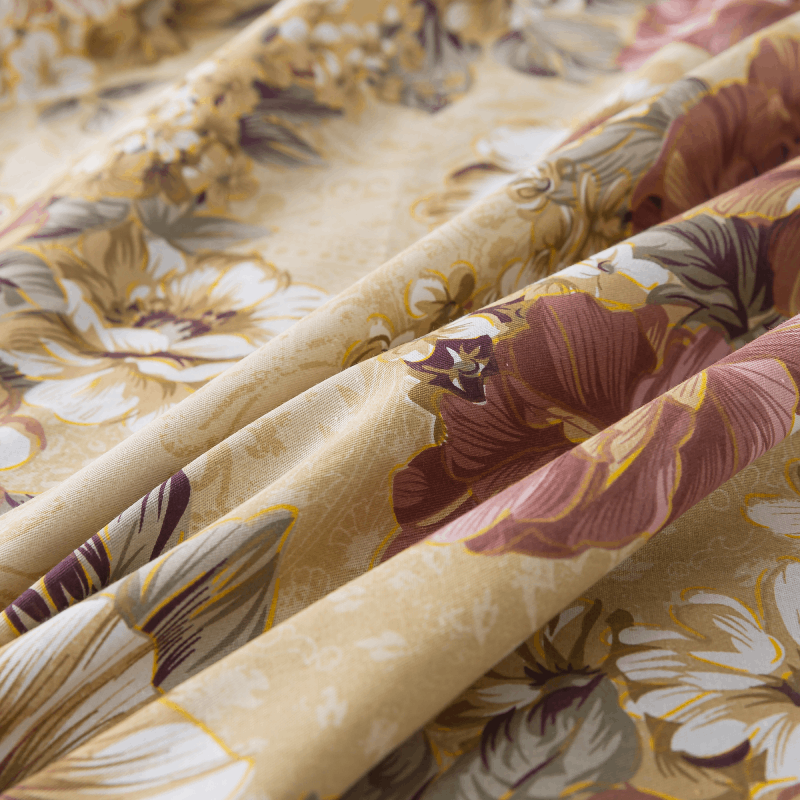
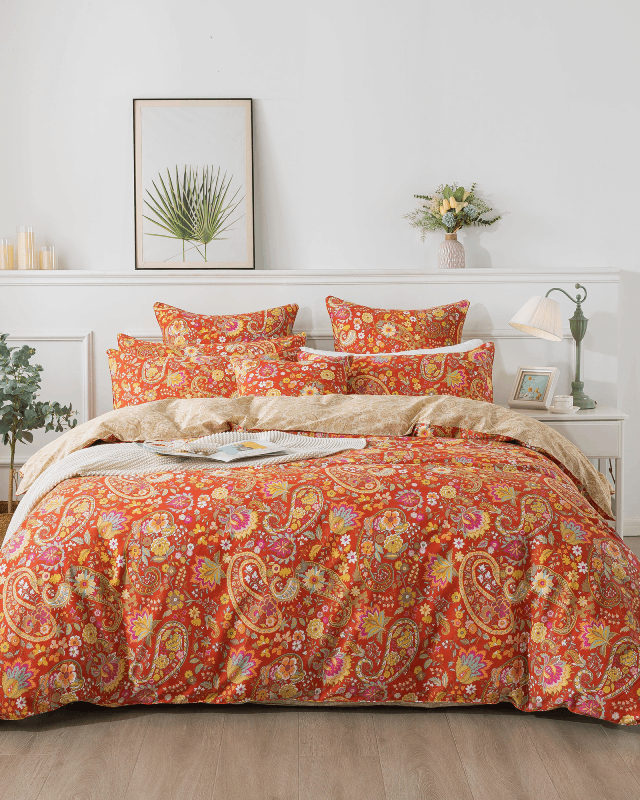
- Vintage florals: Dense, intricate patterns that create warmth and nostalgia
- Botanical prints: Leaf-focused or nature-inspired motifs for a fresh, organic feel
- Abstract florals: Simplified or artistic interpretations suited to contemporary interiors
For first-time use, opt for breathable, less crowded patterns to maintain visual clarity.

Build on a Neutral Base
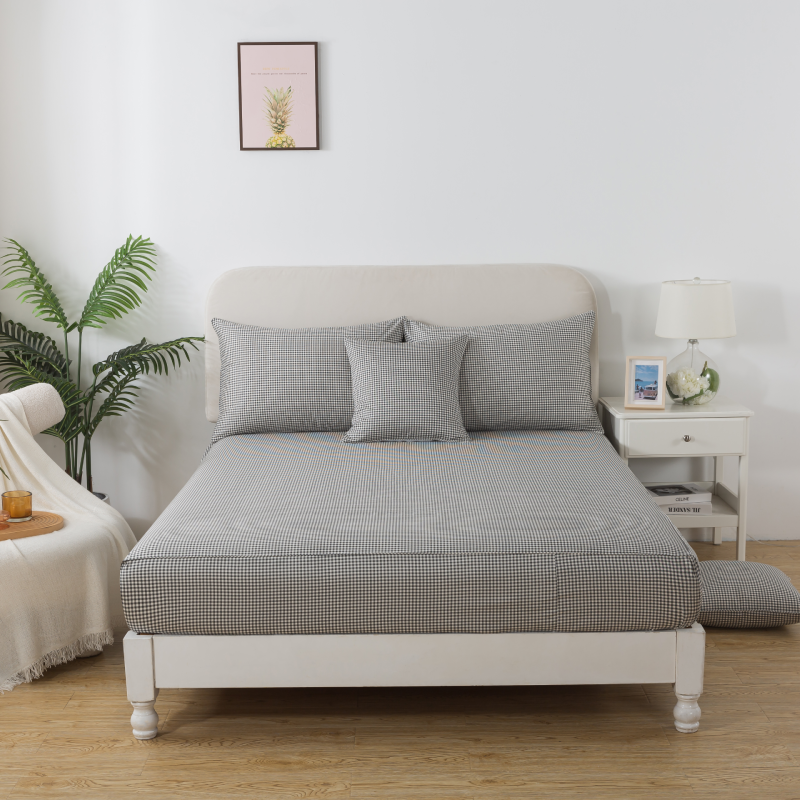
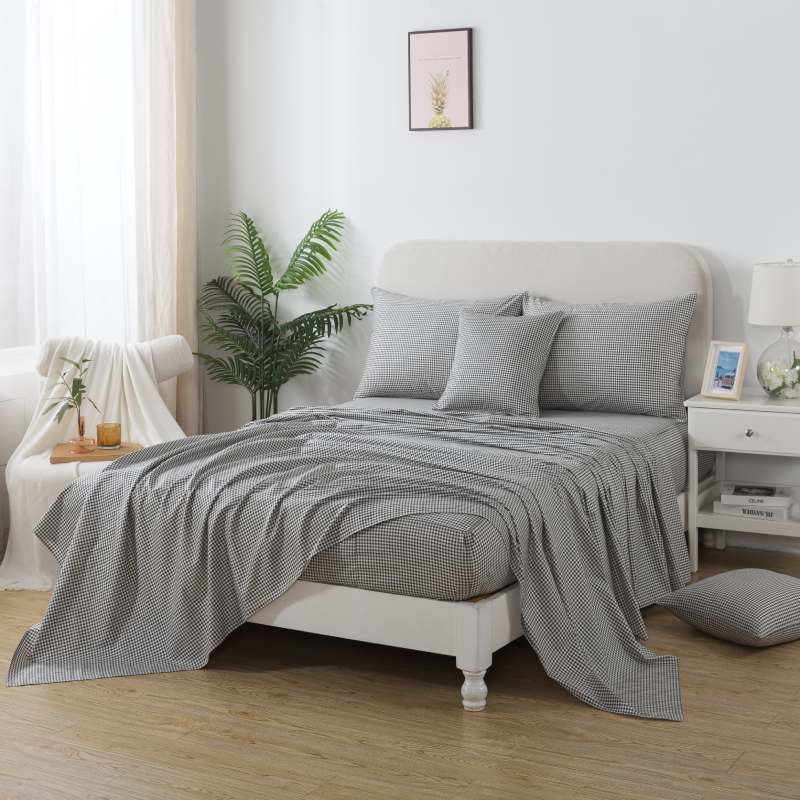
Florals are most effective when supported by a neutral foundation. Large surfaces—such as sheets, walls, and furniture—should remain understated.
Recommended base tones:
- White, ivory, or cream
- Beige and light taupe
- Soft, muted pastels
A neutral palette anchors the space and prevents the floral elements from becoming visually dominant.
Use Bedding as the Primary Focus
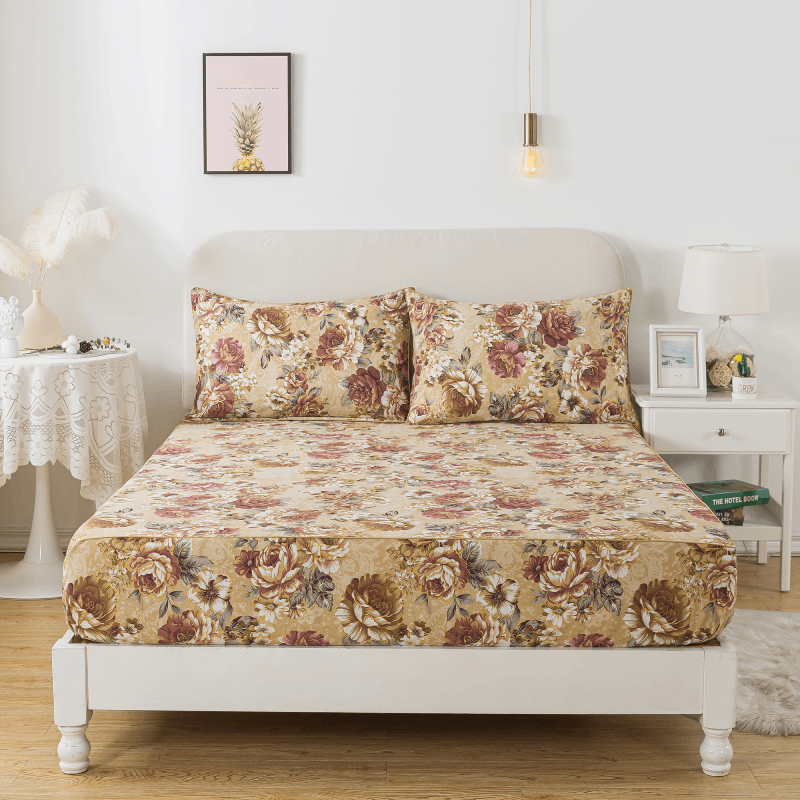
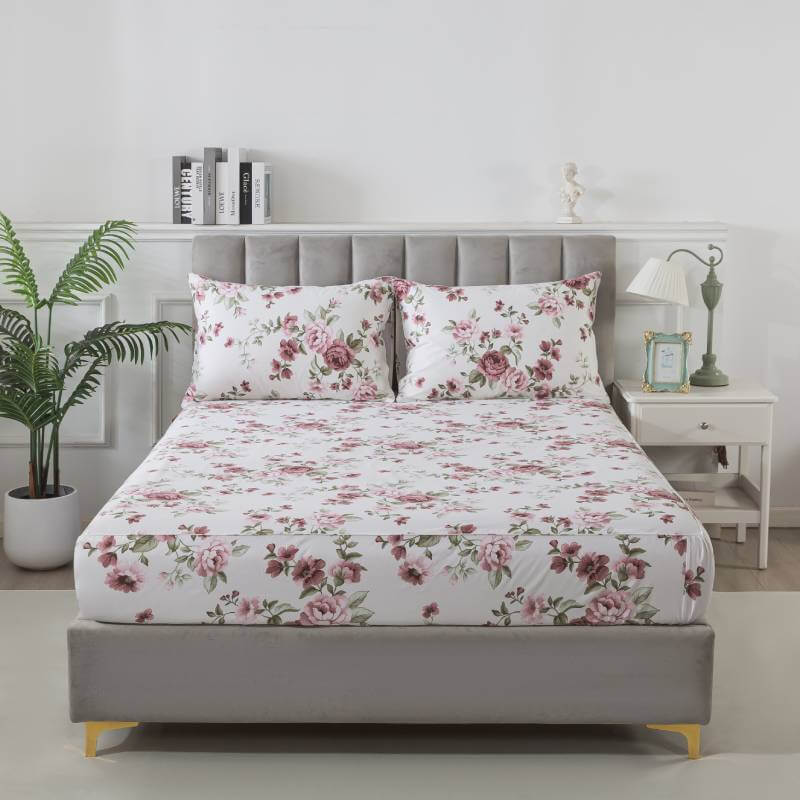
The bed naturally serves as the focal point of the bedroom, making it the most strategic place to introduce florals.
A floral duvet cover or quilt can:
- Define the overall mood of the room
- Reduce the need for additional decoration
- Create a cohesive and intentional design
Material selection is equally important. Natural cotton fabrics enhance comfort and breathability, ensuring the design supports both aesthetics and function.
Balance Pattern with Texture
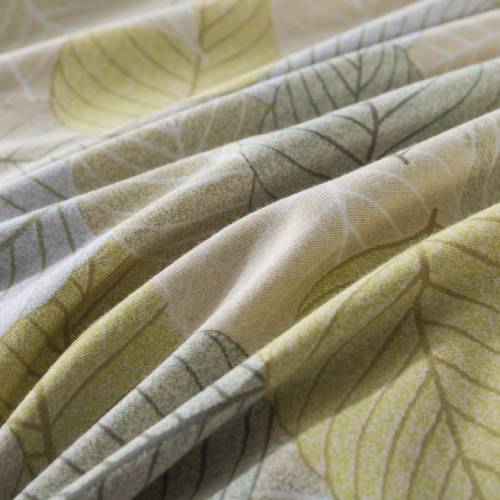
Pattern alone is not sufficient to create depth. Pairing florals with varied textures results in a more refined and comfortable environment.
Consider combining:
- Floral prints with solid cotton or linen fabrics
- Layered textiles such as quilts or throws
- Subtle construction details like stitching or edging
Texture softens the visual presence of florals and contributes to a more natural, lived-in feel.
Maintain Visual Restraint
Once florals are introduced, it’s important to avoid overloading the space with competing elements.
Keep the design controlled by:
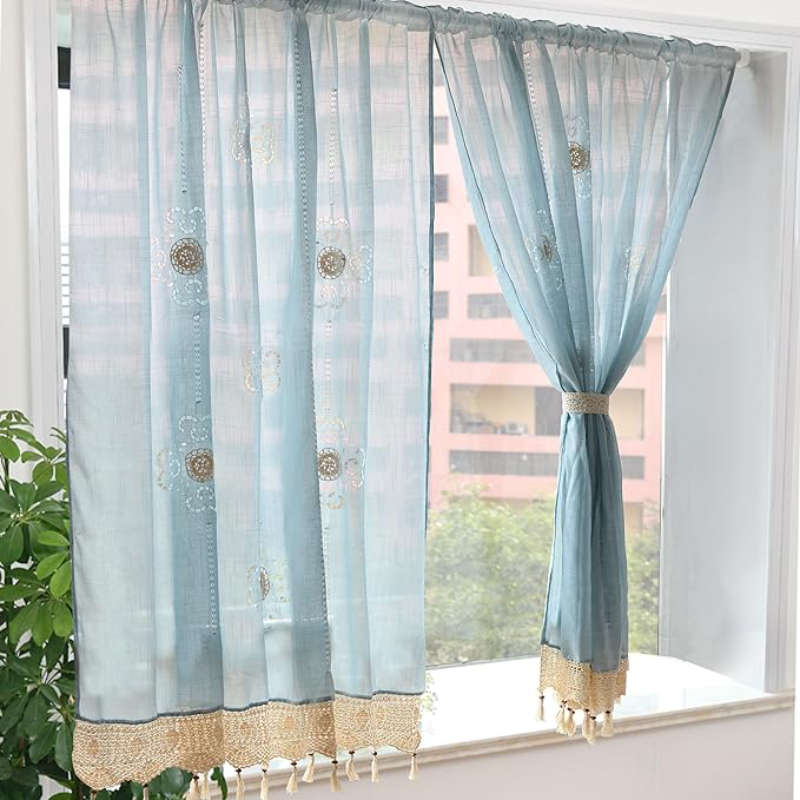
- Limiting additional patterns in rugs or curtains
- Choosing simple, clean-lined furniture
- Reducing unnecessary decorative items
Florals should integrate seamlessly into the room rather than dominate it.
Final Thought
Introducing florals into your bedroom is not about making a dramatic statement—it’s about shaping a space that feels calm, personal, and balanced. By starting small, selecting the right patterns, and maintaining a neutral foundation, you can incorporate florals in a way that enhances both the visual and sensory experience of your bedroom.
Done correctly, florals become less of a design feature and more of a natural extension of how the space lives with you.