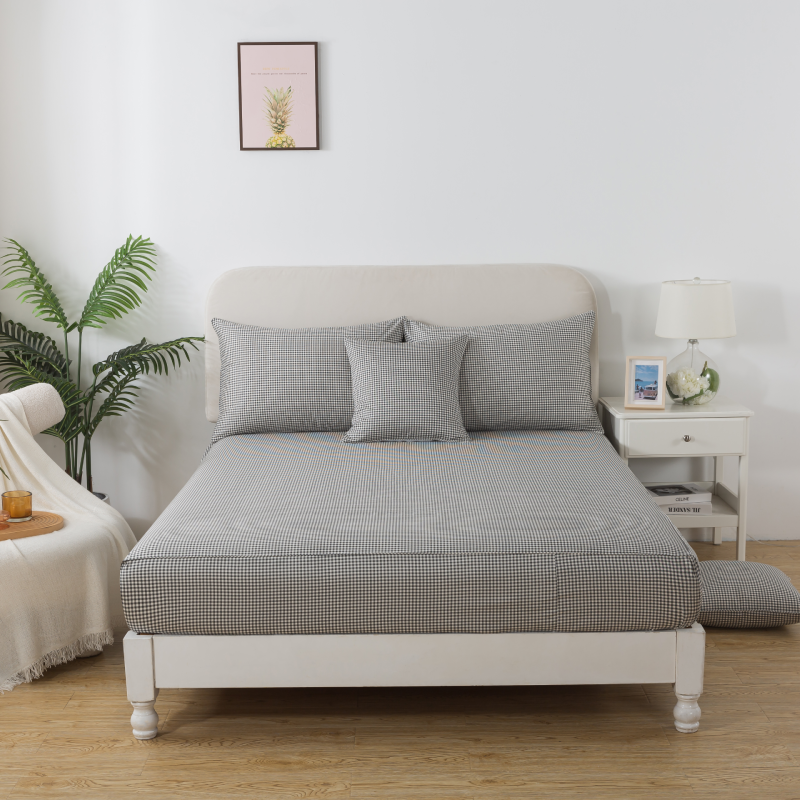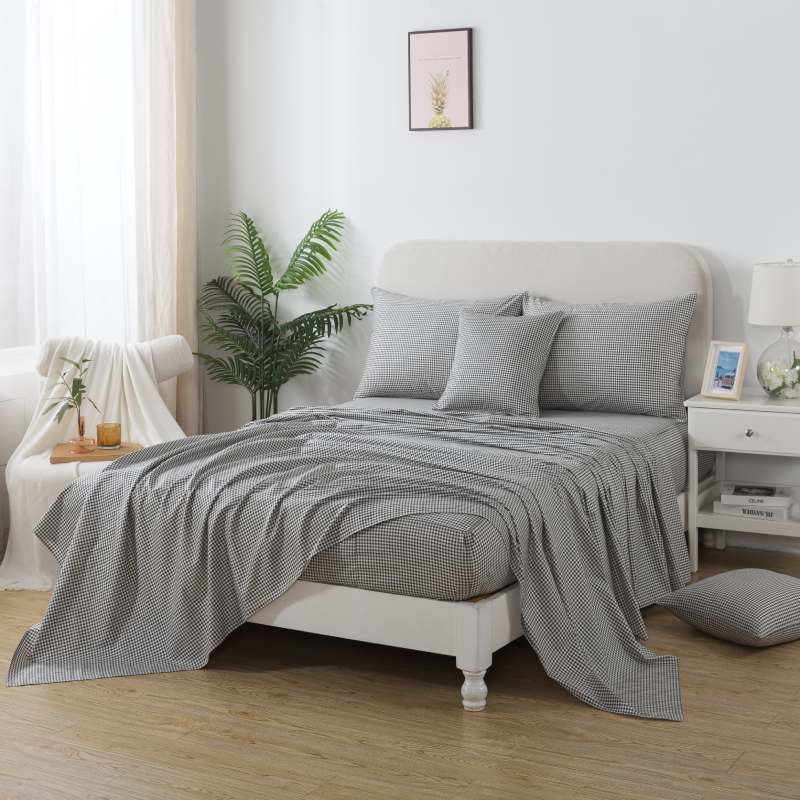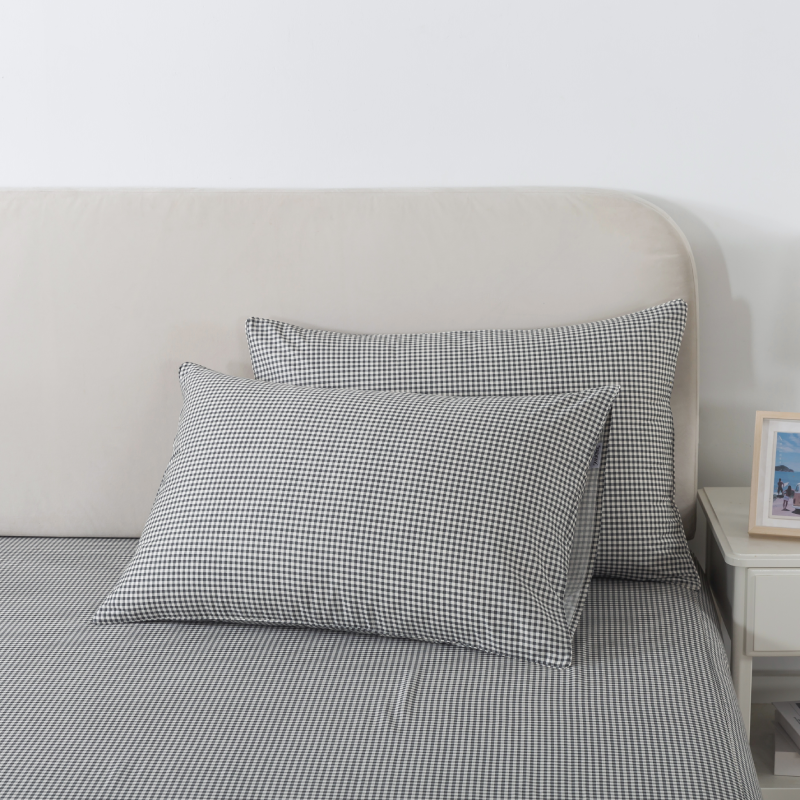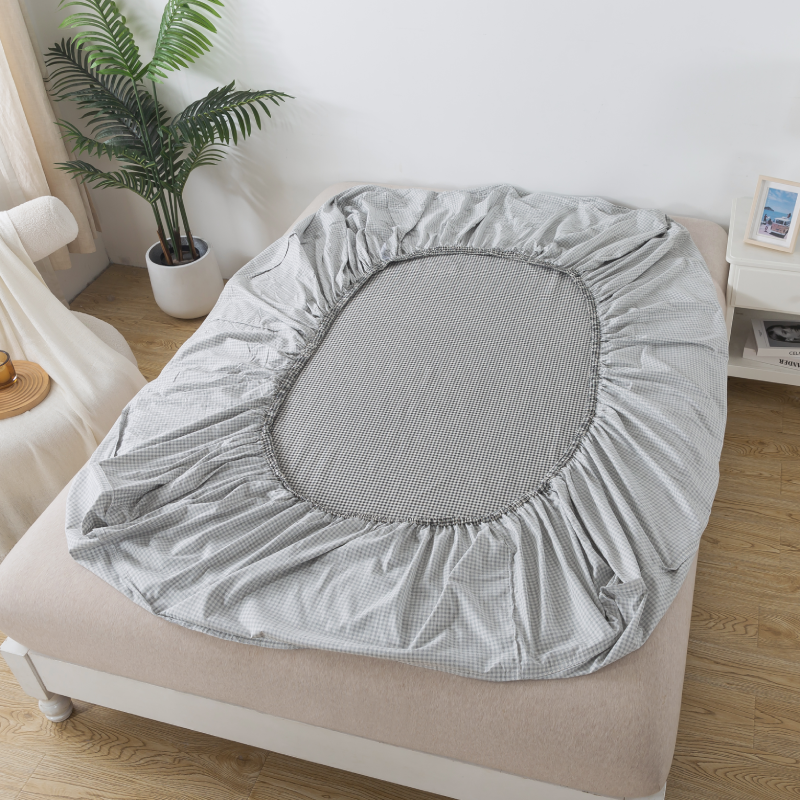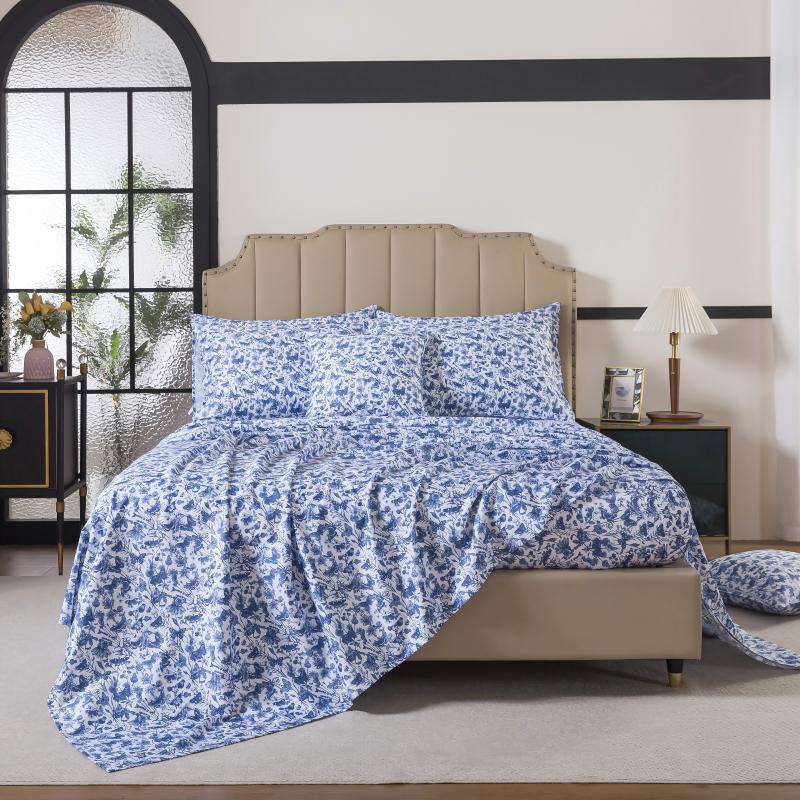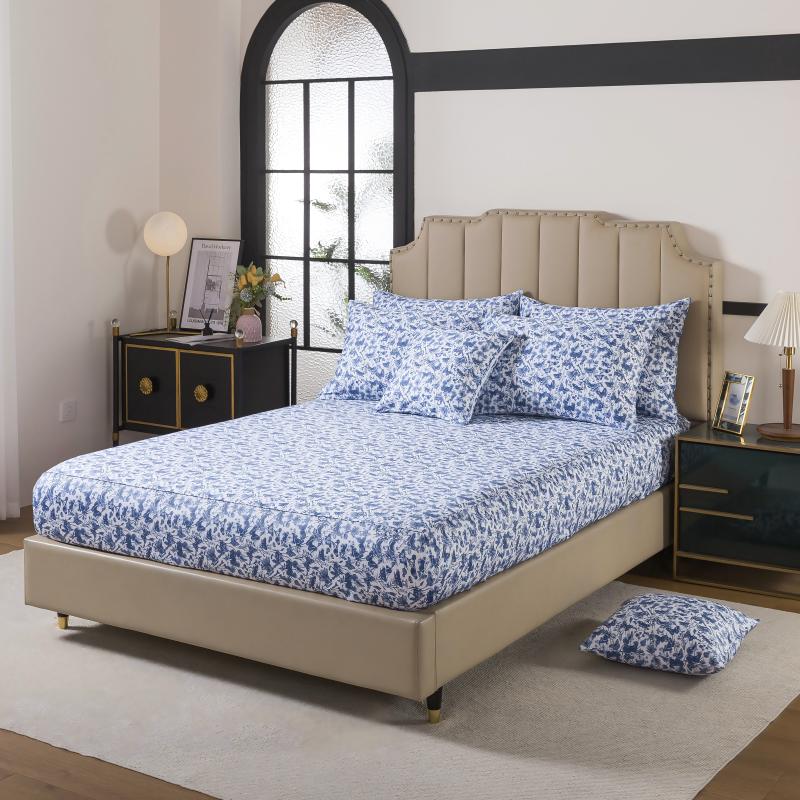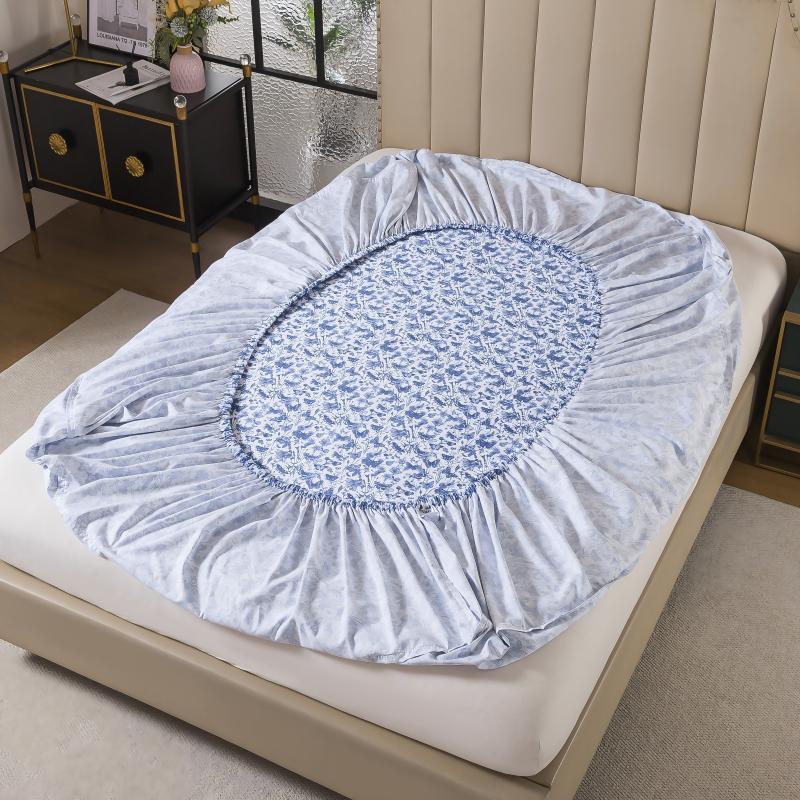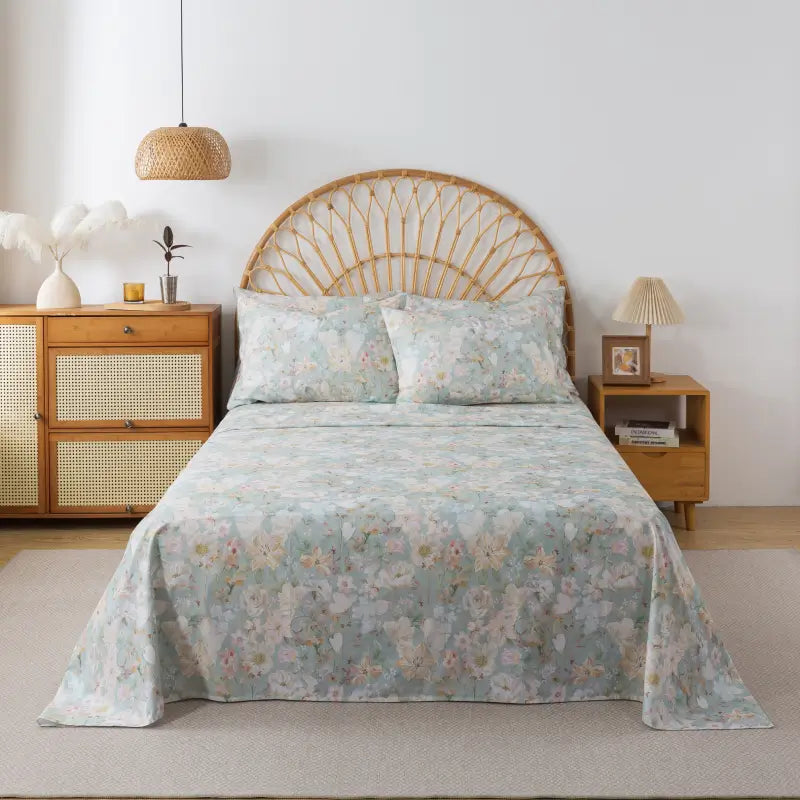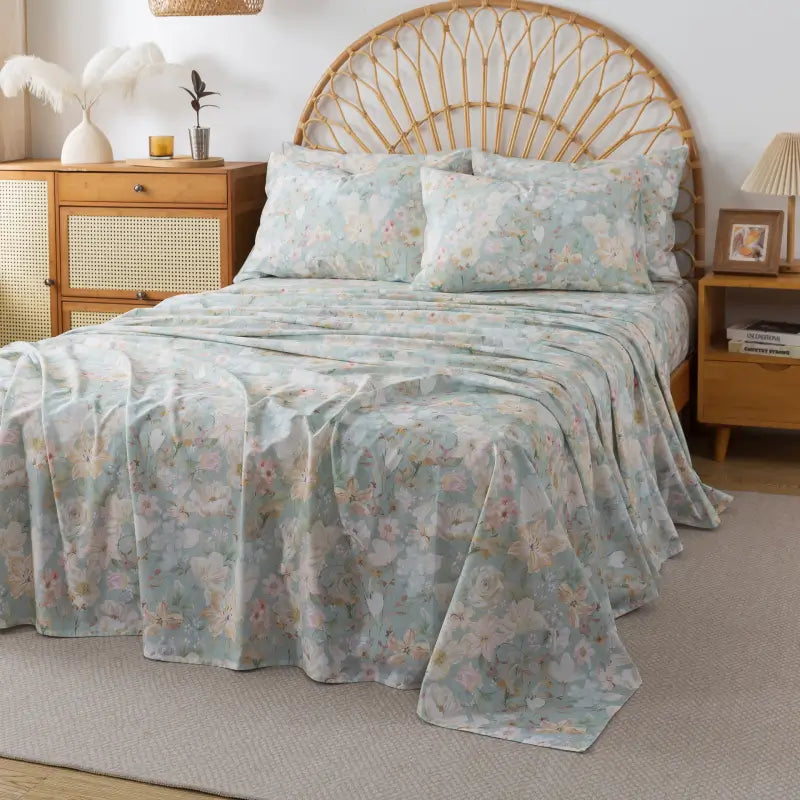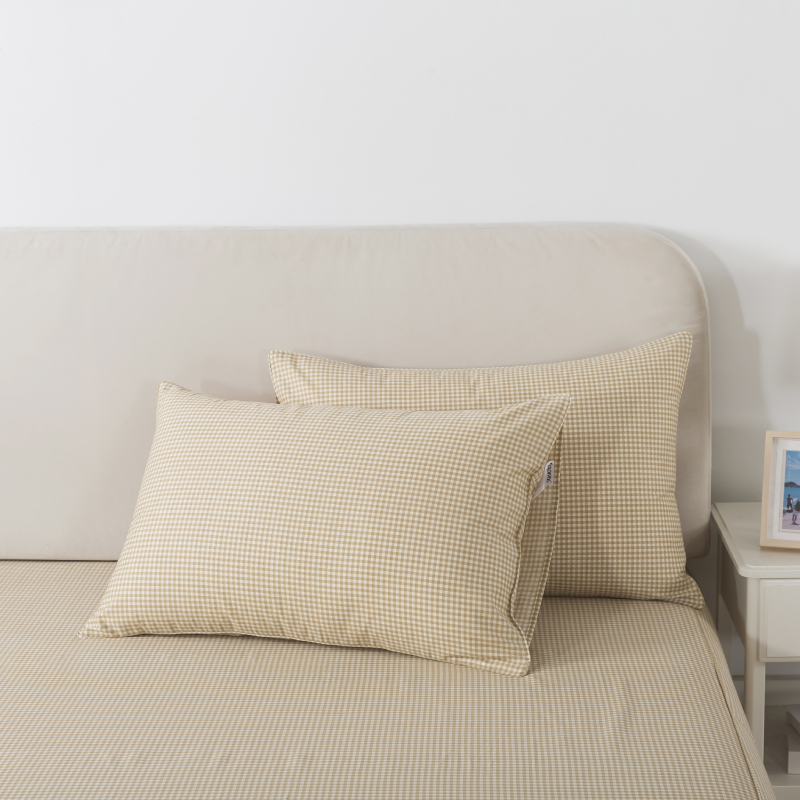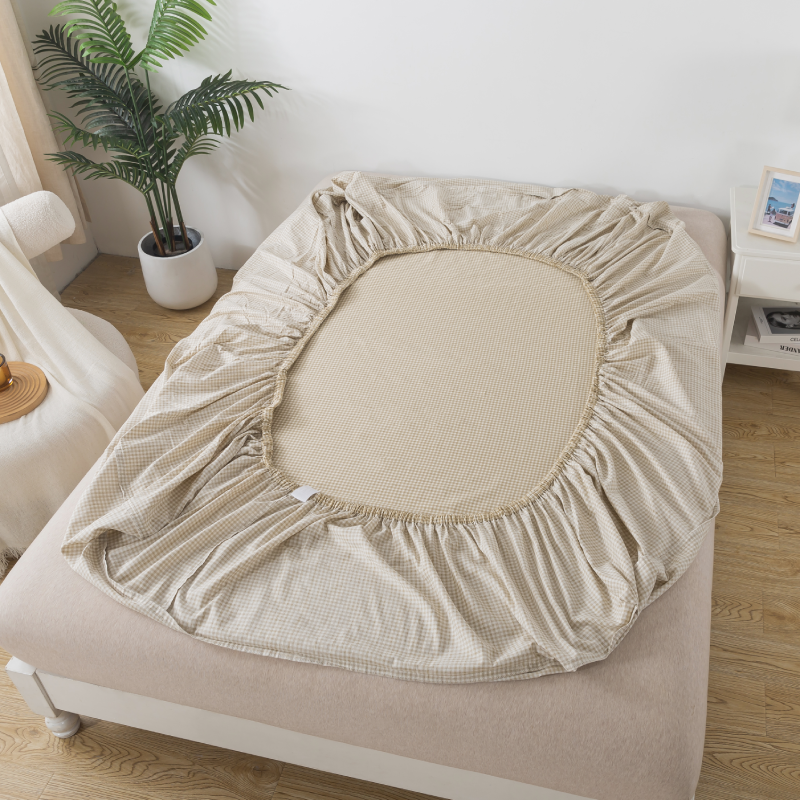
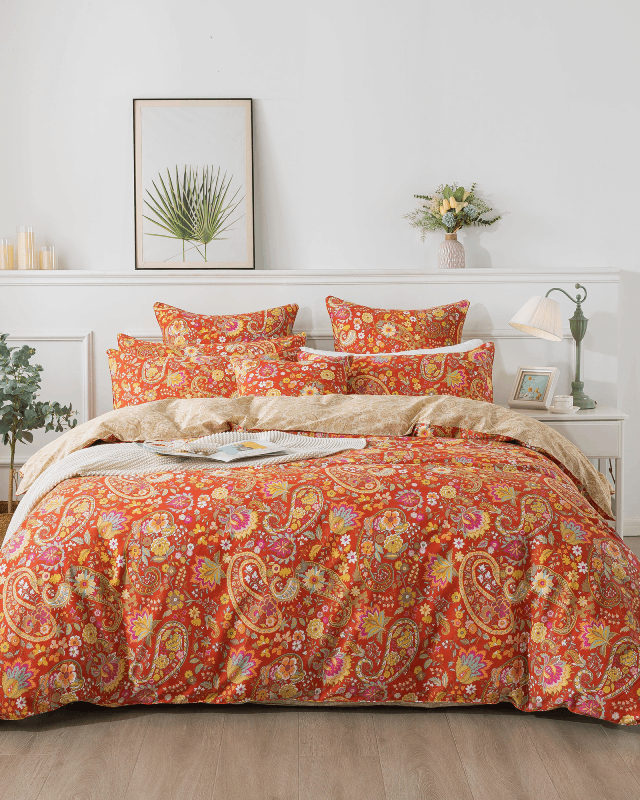
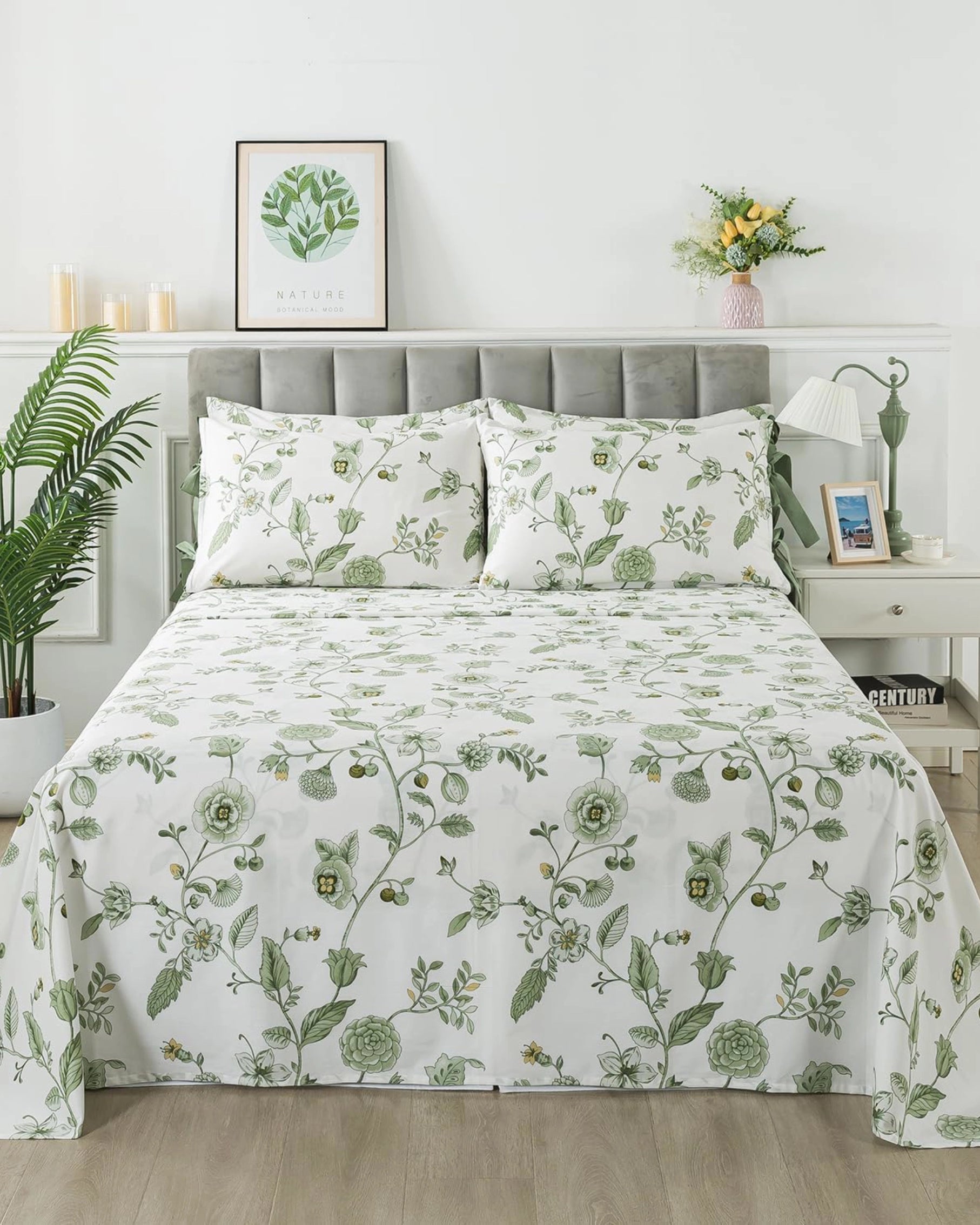


A soft romantic bedroom should feel warm, peaceful, and inviting rather than overly decorative. Floral bedding is one of the easiest ways to create this atmosphere because it naturally brings color, movement, and a sense of comfort into the room.
The key is to balance floral patterns with soft textures, calming colors, and simple decorative details. With the right combination, you can create a bedroom that feels romantic without becoming too formal or visually overwhelming.

Start with Floral Bedding as the Main Focus
When decorating a romantic bedroom, begin with the bed. Since it is usually the largest visual element in the room, your bedding can establish the overall style immediately.
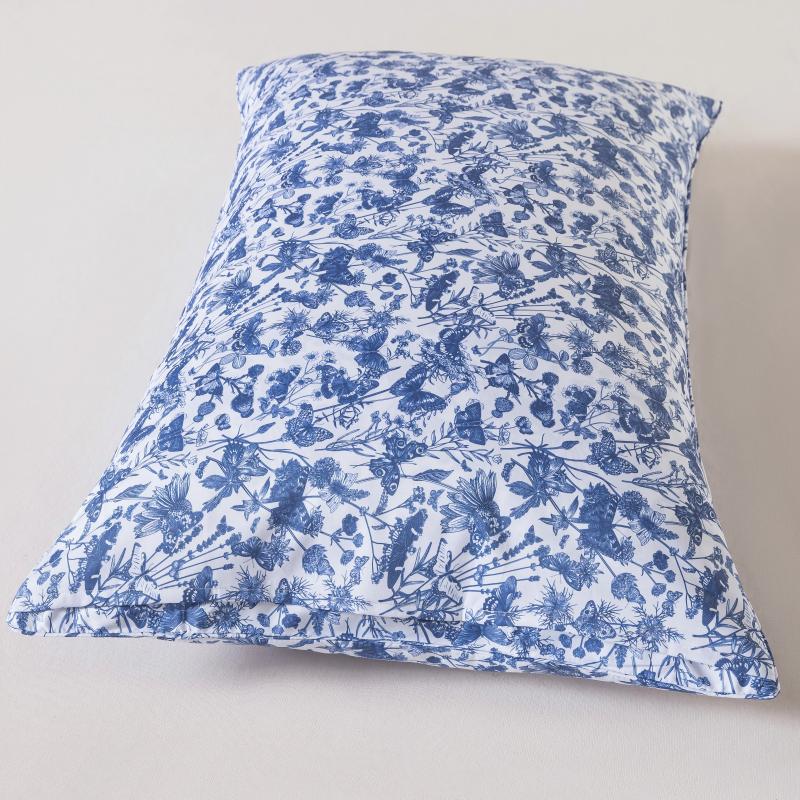
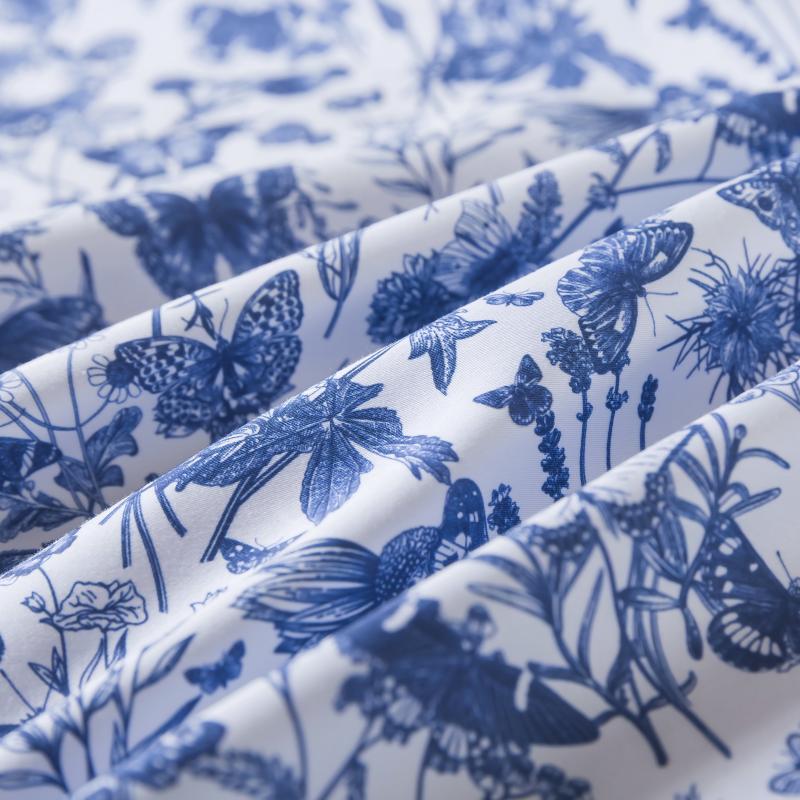
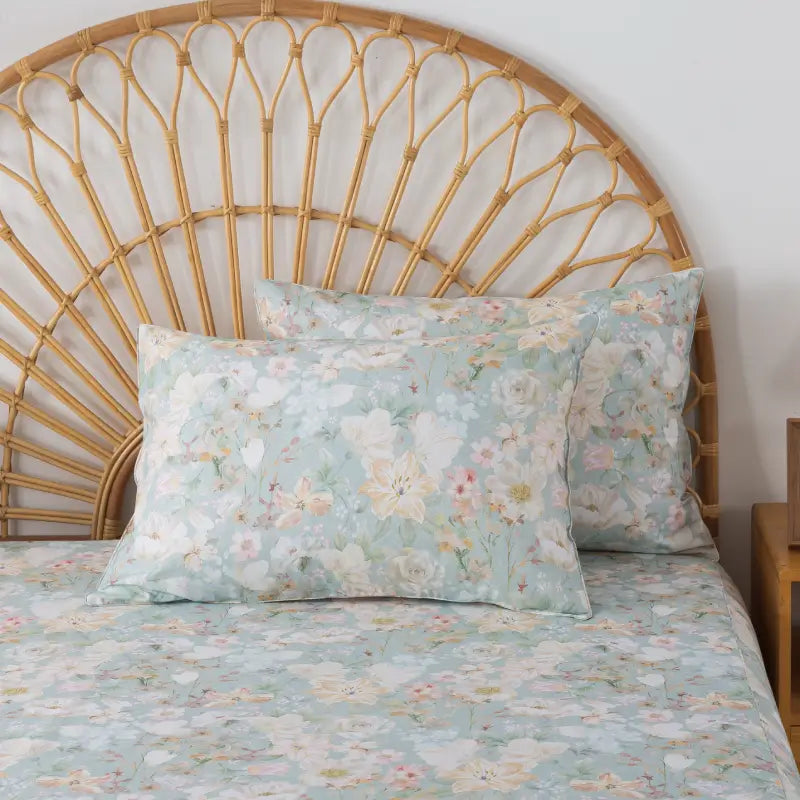
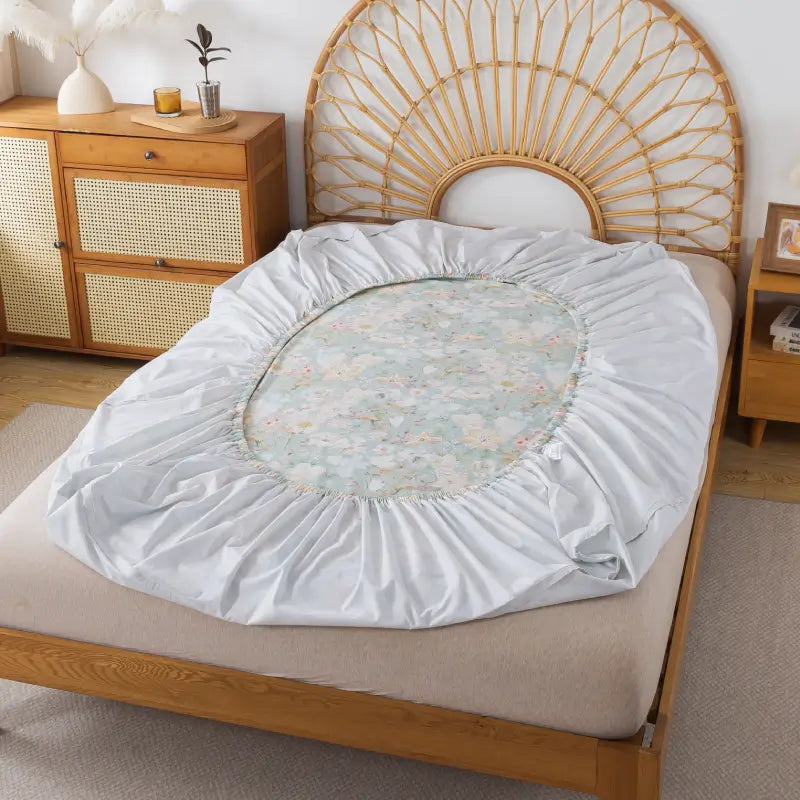
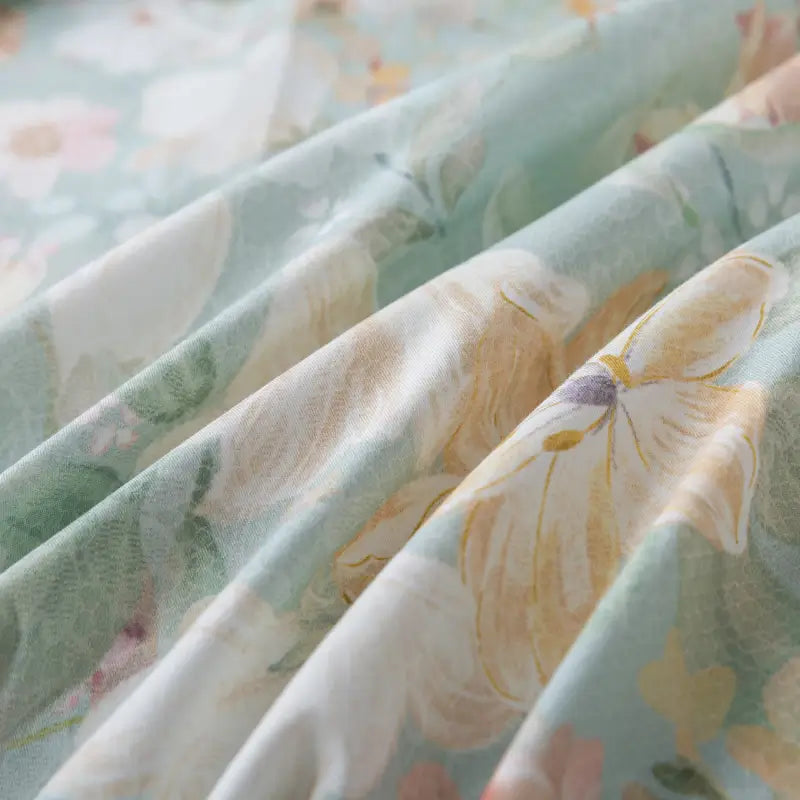
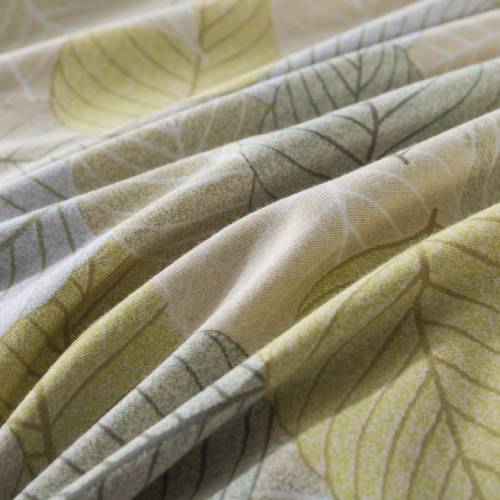
Choose floral bedding with a pattern that feels gentle and natural. Watercolor flowers, vintage botanical prints, small-scale florals, and classic garden-inspired designs all work especially well.
If your floral bedding has several colors, select one or two softer shades from the pattern and repeat them throughout the room. This creates a coordinated appearance without making everything look overly matched.
Cotton floral bedding is particularly suitable for this style because its natural texture contributes to a relaxed and comfortable appearance while remaining breathable for everyday use.
Build a Soft Color Palette
Romantic bedrooms often work best with muted and nature-inspired colors.
Instead of using too many strong shades, consider colors such as warm white, cream, blush, dusty rose, soft sage, pale blue, lavender, or light beige.
Neutral walls can provide an excellent background for floral bedding. A warm white or soft cream wall allows detailed patterns to stand out while maintaining a calm atmosphere.
You can also use the bedding itself as your color guide. For example, if the floral pattern contains sage leaves and muted pink flowers, incorporate those colors through curtains, pillows, or small decorative accents.
Layer the Bed for a Relaxed Look
A romantic bed should feel comfortable rather than perfectly arranged.
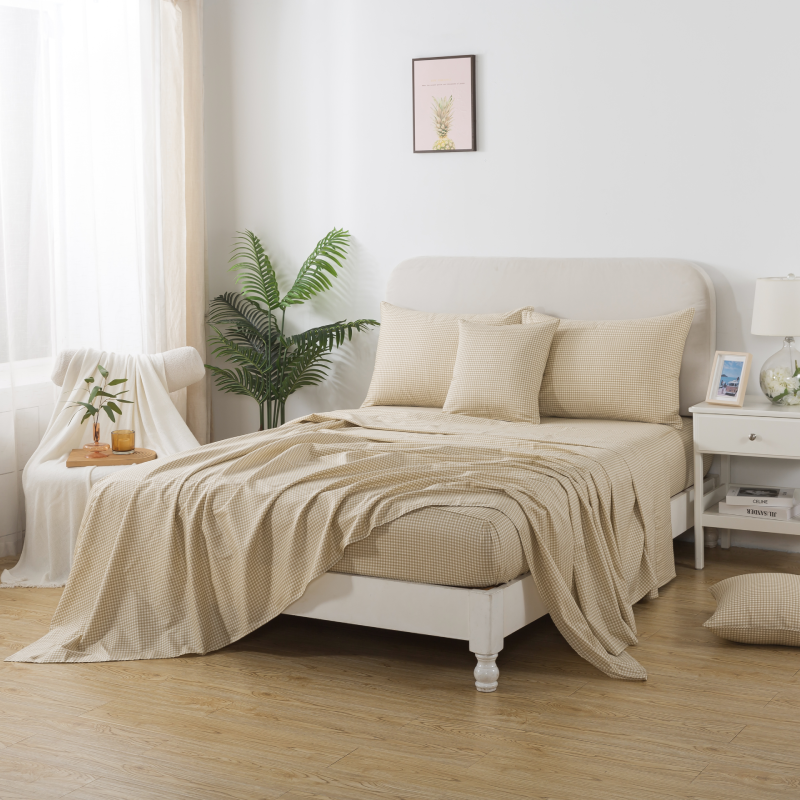
Layer different textiles to create softness and depth. Start with your floral sheet set or duvet cover, then add a lightweight quilt, throw blanket, or decorative pillows.
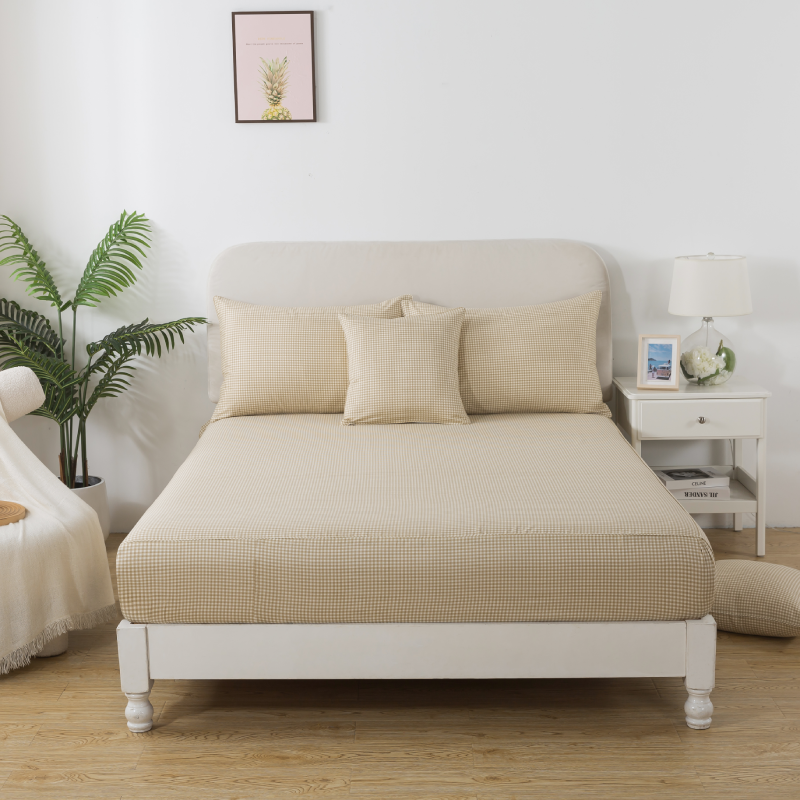
Mixing solid-colored pieces with floral patterns helps prevent the bed from looking too busy.
For example, you might pair a floral duvet cover with solid cream pillowcases and a textured throw folded casually across the foot of the bed.
The goal is to create an inviting bed that looks naturally comfortable rather than heavily styled.
Mix Florals with Simple Textures
Floral bedding already introduces plenty of visual detail, so other elements in the room can remain relatively simple.
Natural materials work particularly well. Consider cotton curtains, linen-look cushions, woven baskets, wooden furniture, or a soft upholstered headboard.
Texture also adds interest without requiring additional patterns. Quilting, ruffles, embroidery, subtle stripes, and woven fabrics can complement floral bedding beautifully.
If you want a more cottage-inspired romantic look, small ruffle details can introduce additional softness while still keeping the overall space elegant.
Use Warm, Gentle Lighting
Lighting can completely change the mood of a bedroom.
Instead of relying only on bright overhead lighting, use several softer light sources around the room. Bedside lamps with fabric shades, wall sconces, or warm-toned decorative lighting can make the bedroom feel considerably more comfortable in the evening.
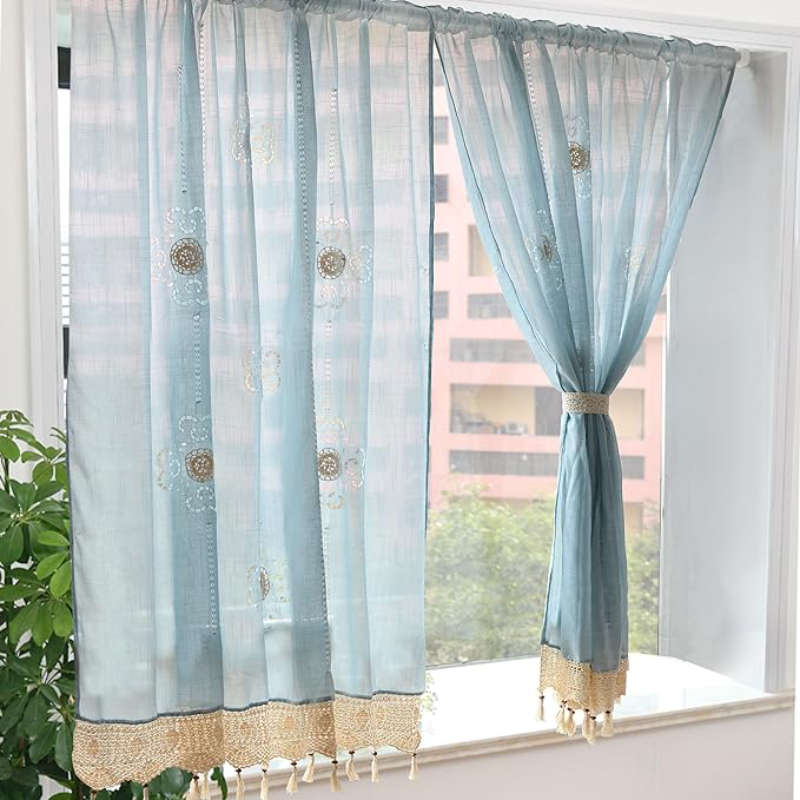
Natural daylight is equally important. Lightweight curtains can soften strong sunlight while still allowing the room to remain bright and airy during the day.
This combination of natural daylight and warm evening lighting helps floral patterns feel fresh rather than heavy.
Keep Furniture Light and Simple
You do not need elaborate furniture to create a romantic bedroom.
Simple wooden furniture, painted bedside tables, curved headboards, or vintage-inspired pieces can all complement floral bedding. White, natural wood, cream, and other soft finishes usually work especially well.
Avoid filling every corner with furniture or decoration. Leaving some open space gives the room a lighter and more restful appearance.
A romantic bedroom should feel comfortable enough for everyday living, not like a carefully staged display.
Add Small Botanical Details
Once the bed and main furniture are in place, introduce a few decorative elements that reinforce the floral theme.
Fresh flowers, dried botanical arrangements, ceramic vases, botanical artwork, or a small plant can connect the bedding pattern with the rest of the room.
However, moderation is important. If your bedding already has a detailed floral print, you usually do not need floral curtains, floral rugs, and floral wallpaper at the same time.
Let the bedding remain the primary pattern and use surrounding décor to support it.
Create a Bedroom That Feels Personal
Romantic interiors do not have to follow one specific decorating style.
Your bedroom might lean toward French country, cottagecore, farmhouse, vintage, or modern romantic design. Floral bedding can work beautifully with all of these styles depending on how you combine it with other elements.
Personal details such as favorite books, framed photographs, handmade ceramics, or meaningful decorative pieces can make the room feel more authentic.
The most appealing bedrooms often combine beautiful design with objects that genuinely belong to the person living there.
Final Thoughts
Creating a soft romantic bedroom with floral bedding is ultimately about balance. Allow the floral pattern to become the visual centerpiece, then surround it with calming colors, comfortable textures, natural materials, and warm lighting.
You do not need to redesign the entire room at once. Sometimes changing the bedding, adding a textured throw, and adjusting the lighting is enough to transform the atmosphere.
With thoughtful layering and a restrained color palette, floral bedding can turn an ordinary bedroom into a peaceful, romantic retreat that feels welcoming every day.