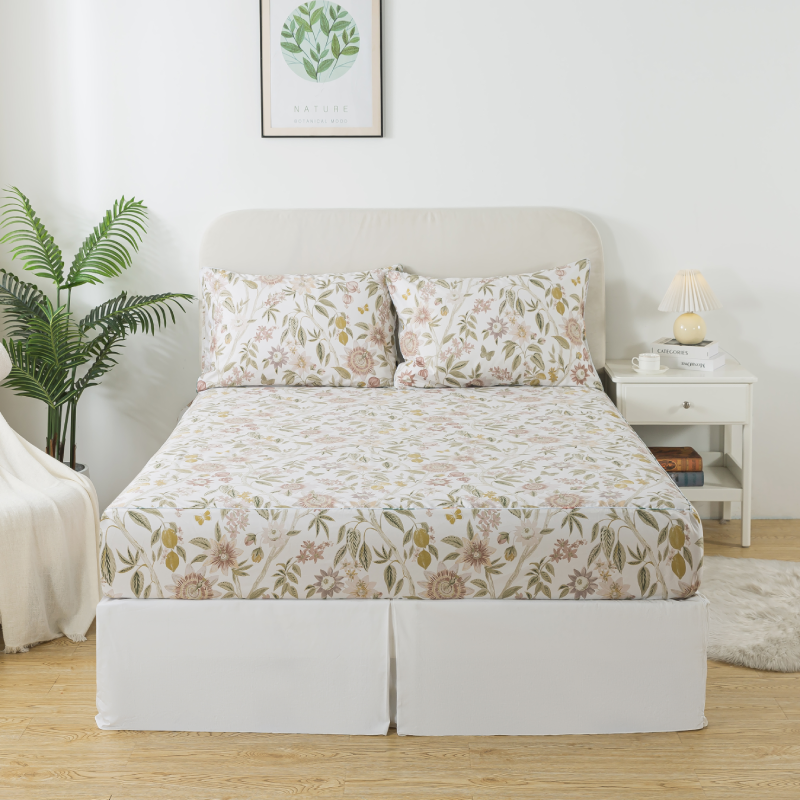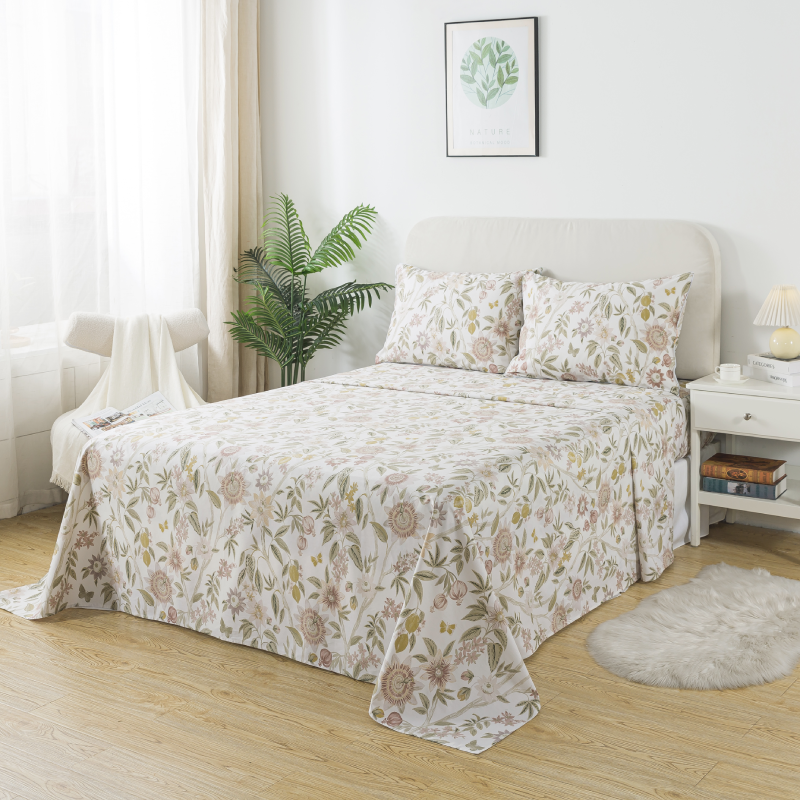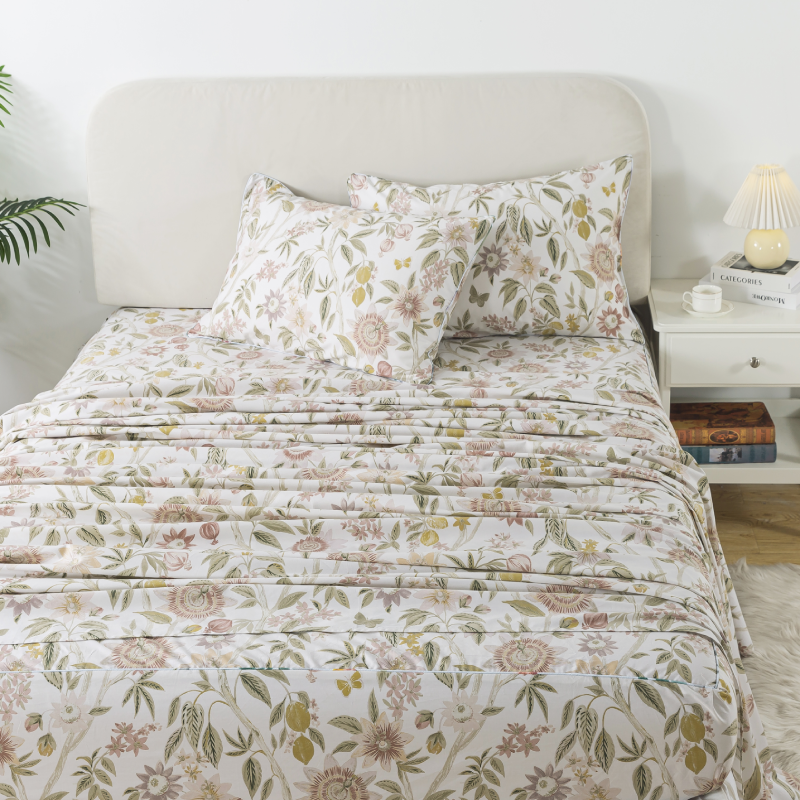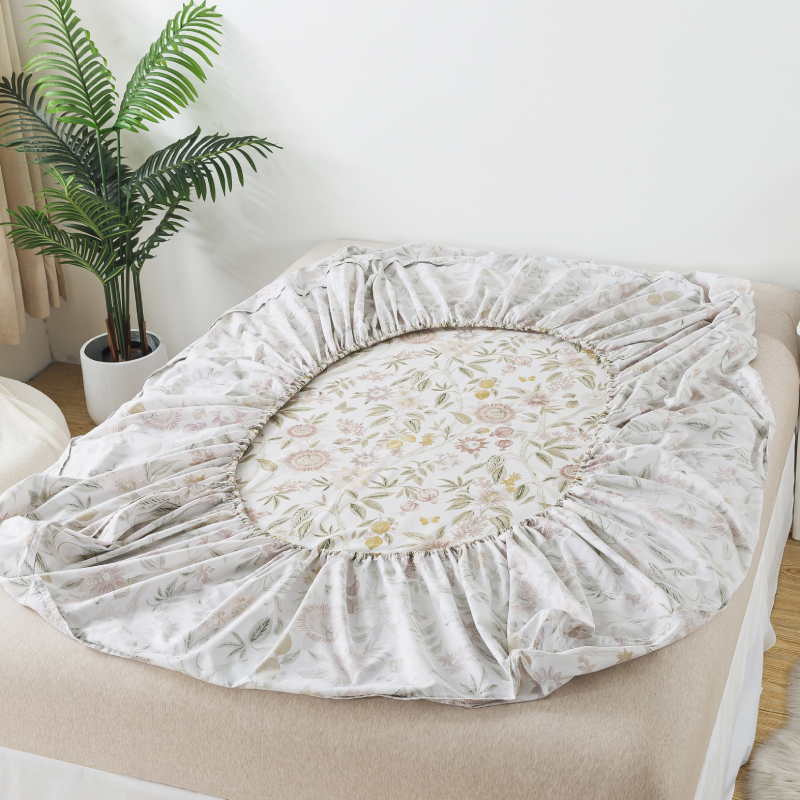



For many people, the bedroom is treated as a purely functional space—a place to sleep, change clothes, and start the next day. But the most comforting bedrooms do more than that. They invite you to slow down, linger, read, stretch, or simply exist without rushing. Creating a bedroom you actually want to spend time in isn’t about luxury or perfection; it’s about thoughtful choices that support how you live.
Here’s how to design a bedroom that feels welcoming, grounding, and genuinely livable.
Start With How You Want to Feel
Before thinking about colors or furniture, consider the feeling you want your bedroom to create. Calm? Warm? Light and airy? Cozy and enclosed?
A bedroom that feels good emotionally will always outperform one that simply looks good in photos. When you’re clear about the mood, your design decisions become easier—and more consistent.
Prioritize Textiles Over Decor
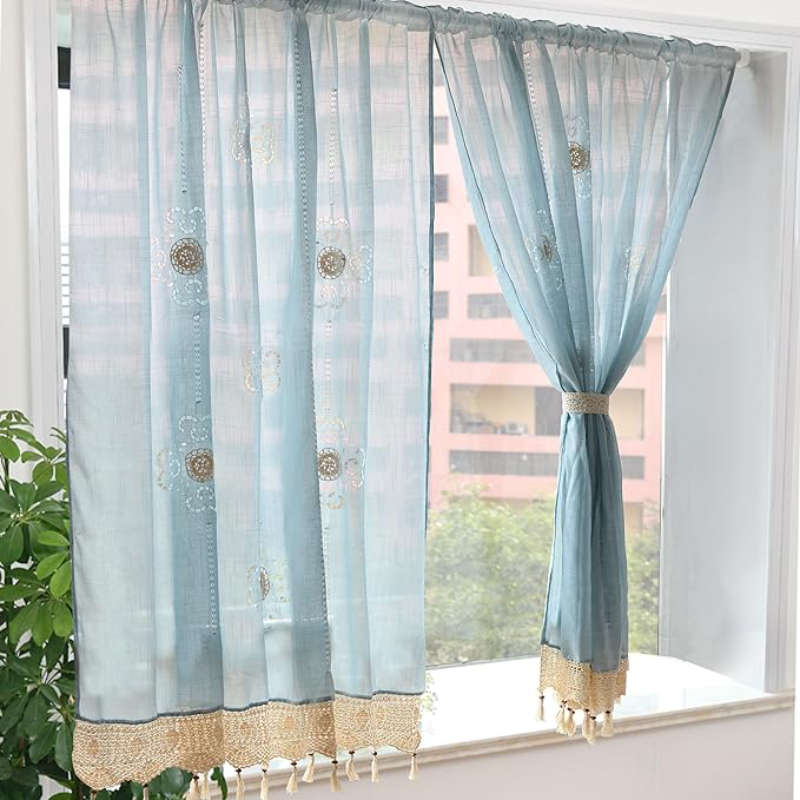
In a bedroom, textiles do most of the emotional work. Bedding, curtains, rugs, and throws directly affect how the space feels against your skin and in your daily routine.
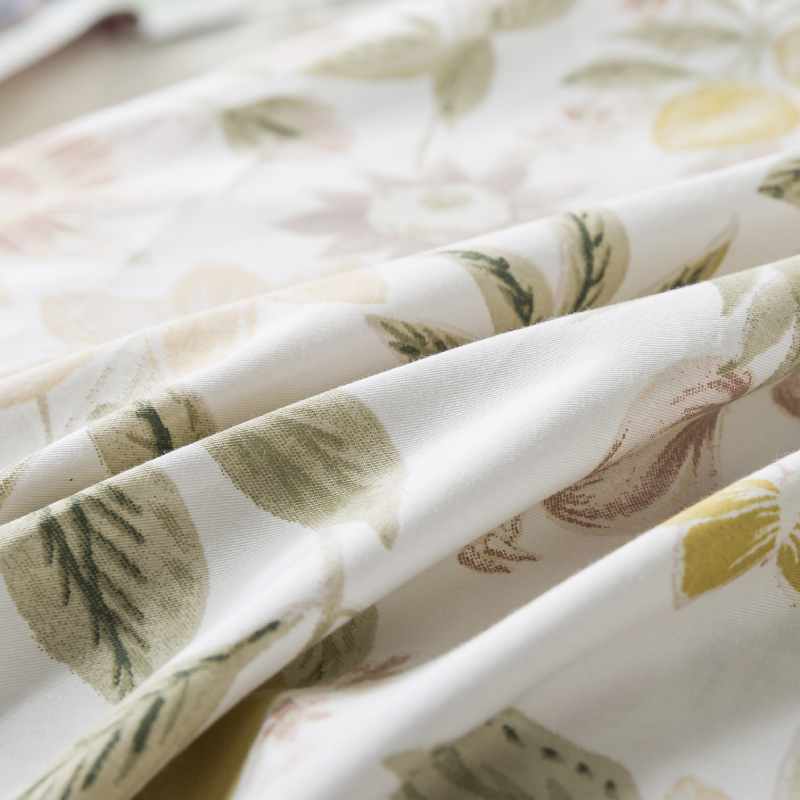
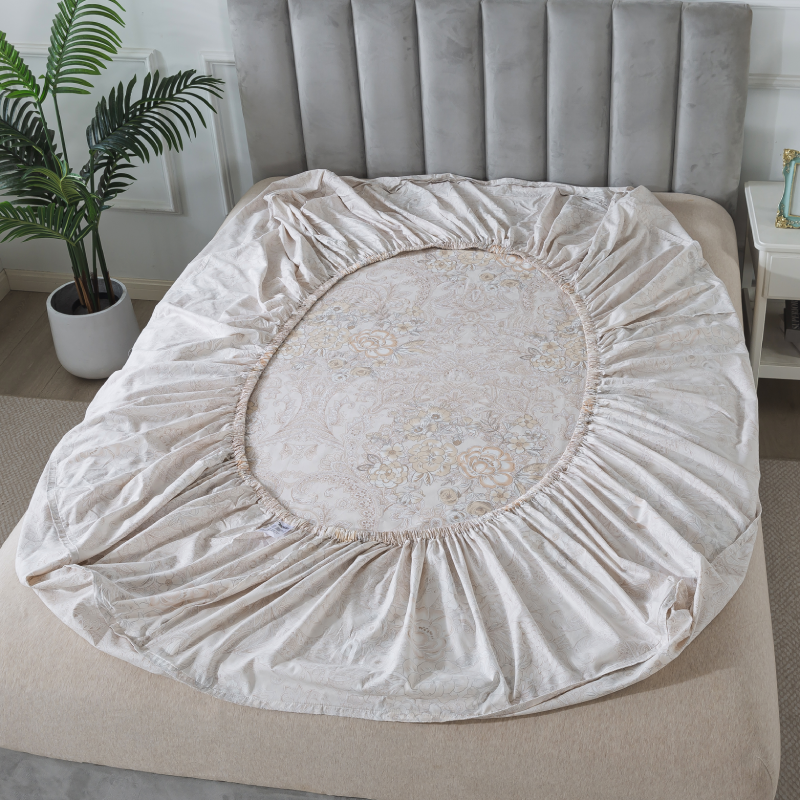
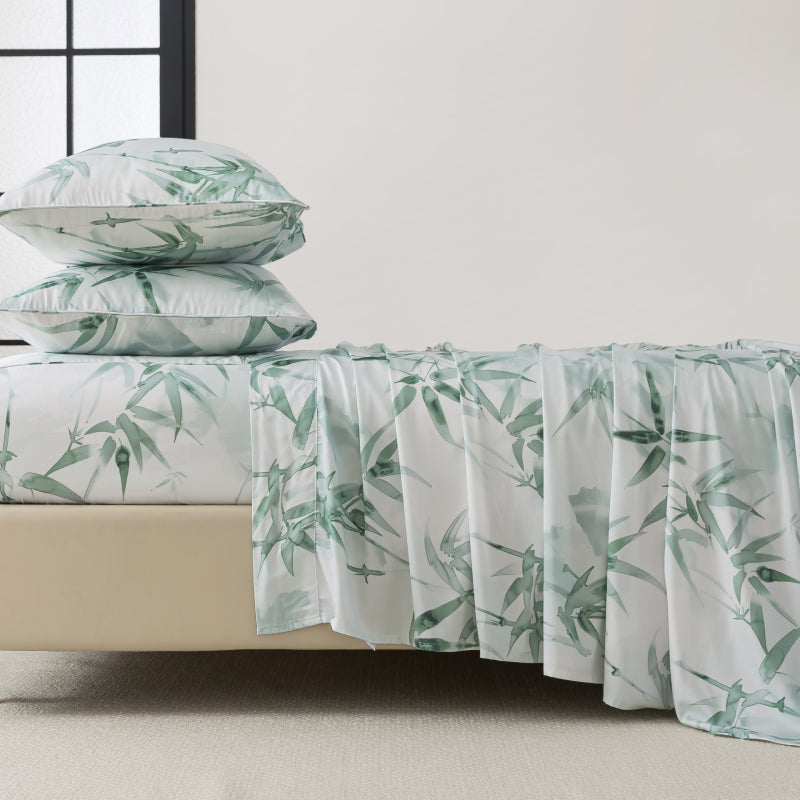
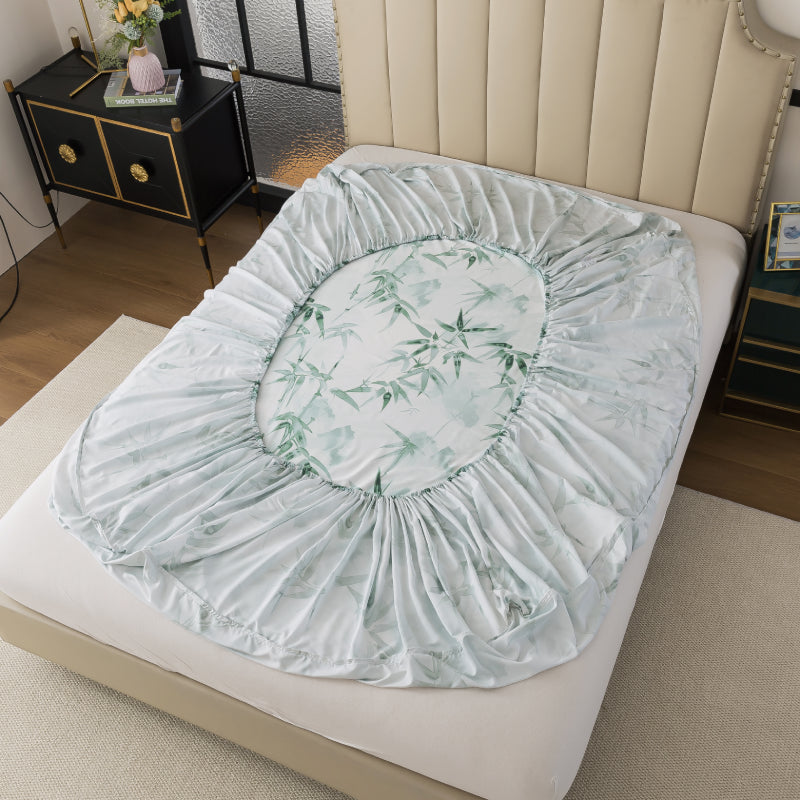
Choose fabrics that breathe well and feel comfortable for long periods of time. Natural materials like cotton are especially effective because they regulate temperature, soften with use, and don’t feel overly precious. Bedding that looks good but feels stiff or high-maintenance quickly becomes something you tolerate rather than enjoy.
Think of textiles as the foundation of comfort, not an accessory.
Choose a Bed That Invites You In
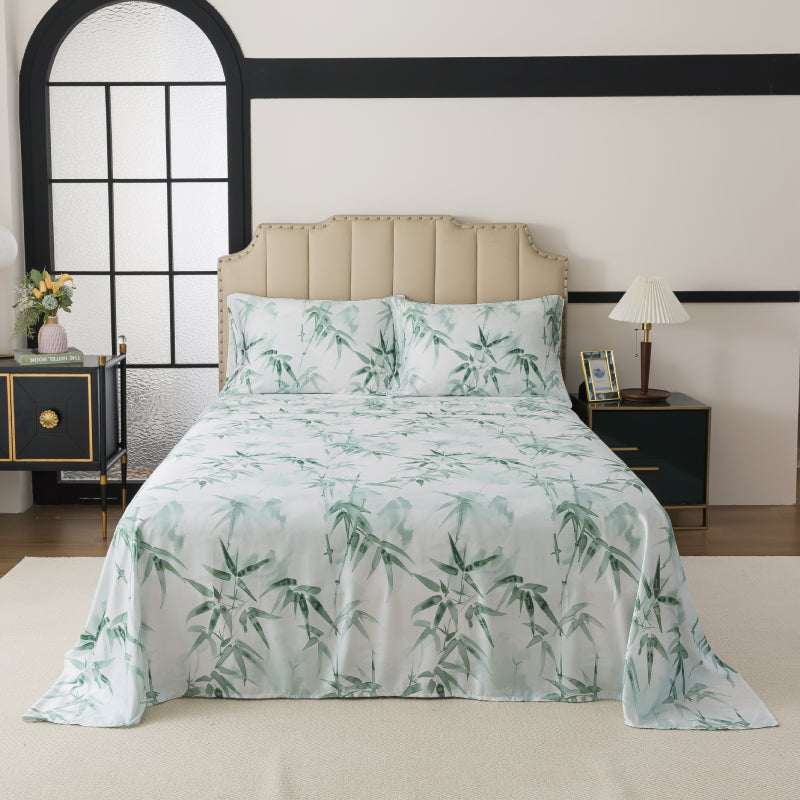
The bed should feel like an invitation, not a display. That means avoiding over-layering or overly structured arrangements that feel too formal to disturb.
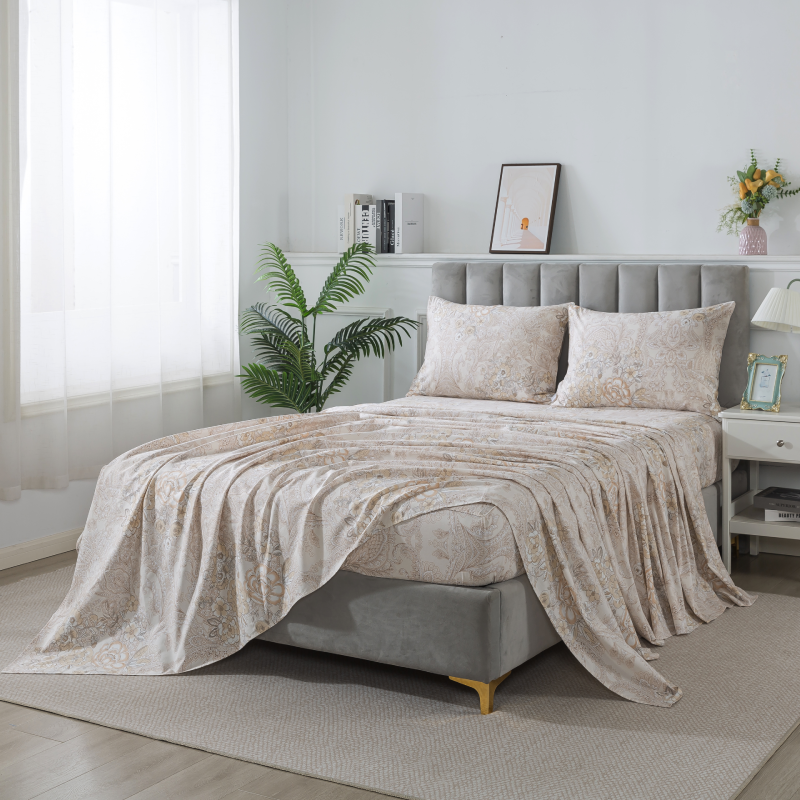
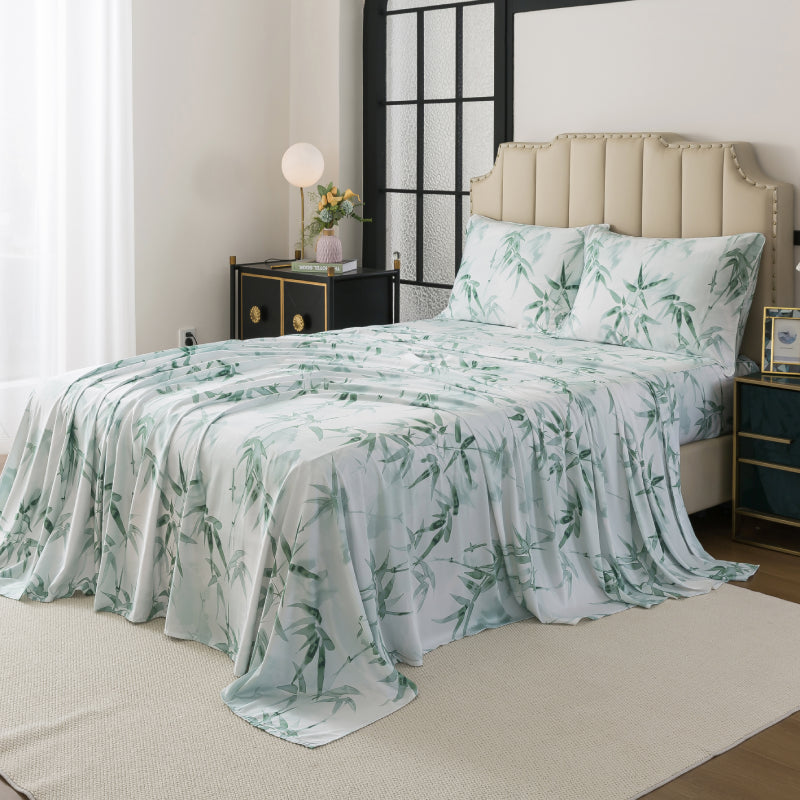
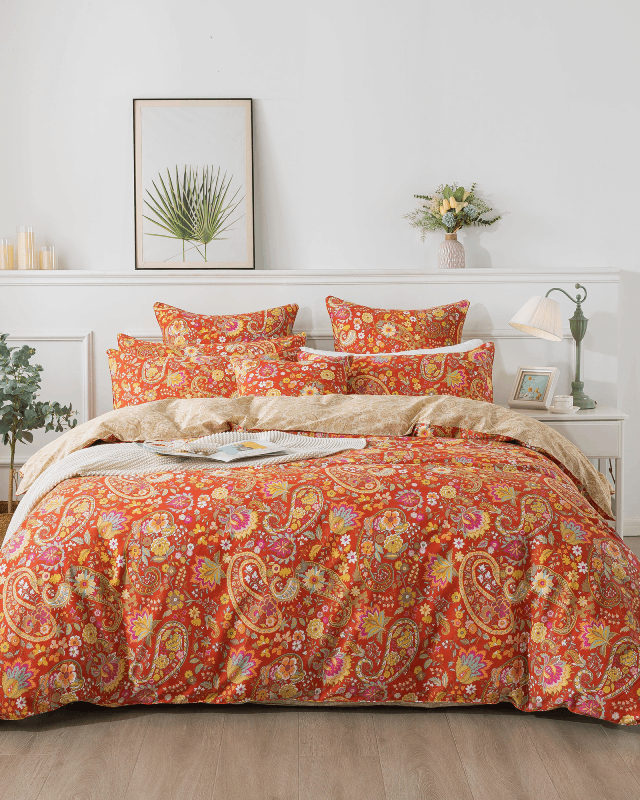
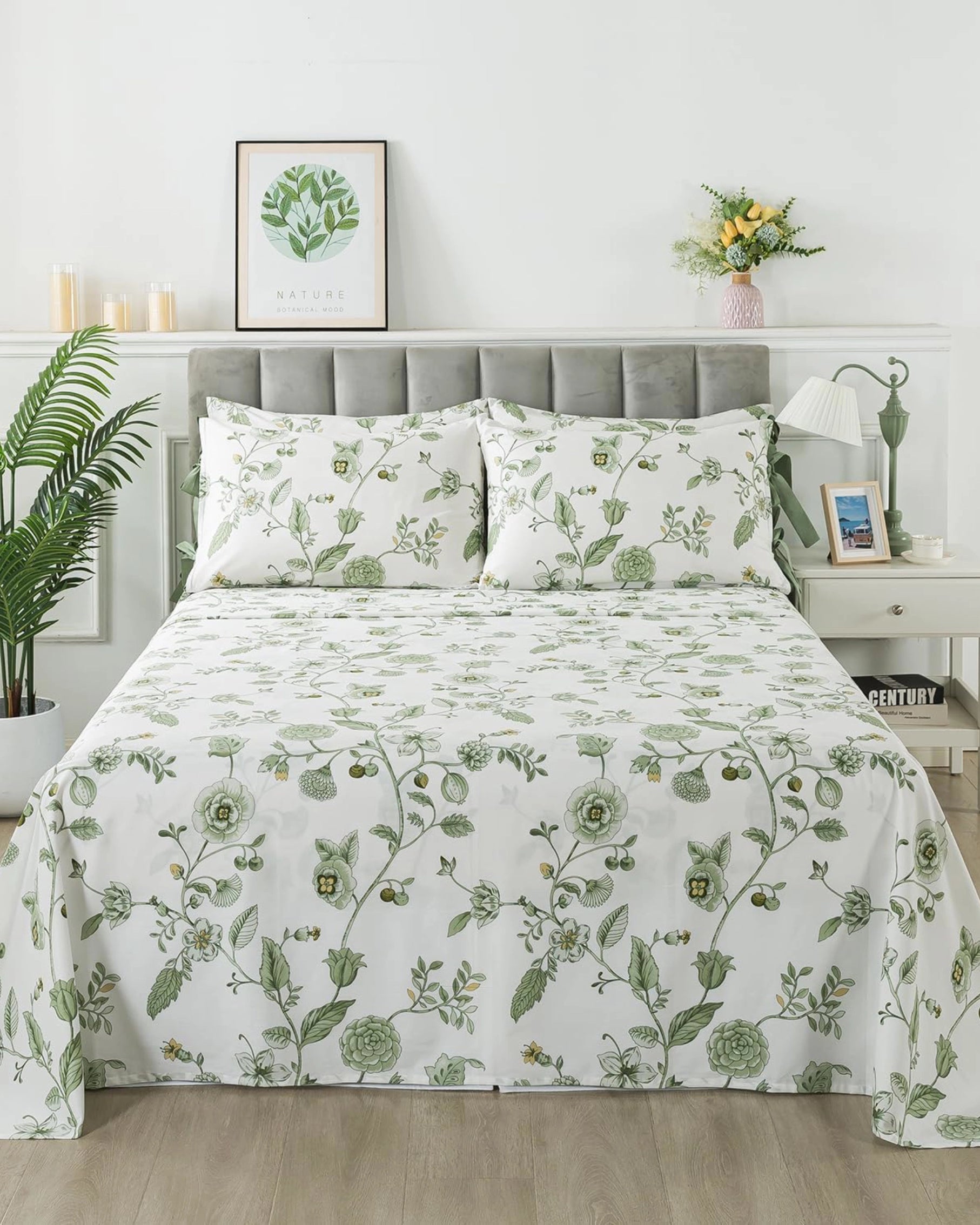
A gently layered bed—one quilt or duvet, soft sheets, and pillows you actually use—creates a relaxed look and makes it easier to climb in during the day. Slight wrinkles and natural drape aren’t flaws; they’re signs the bed belongs to real life.
If you have pets or spend time lounging on the bed, durability matters just as much as softness. The best bedding handles daily use without losing its comfort.

Use Color to Soothe, Not Stimulate
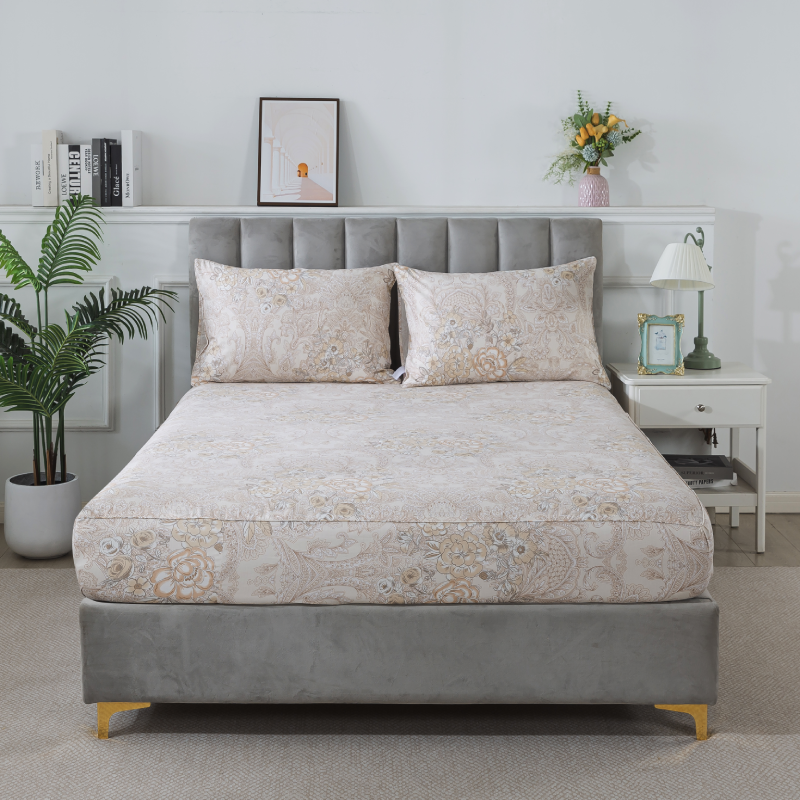
Bedrooms benefit from restrained color palettes. Soft neutrals, muted florals, warm whites, and gentle earth tones help the space feel steady and calm.
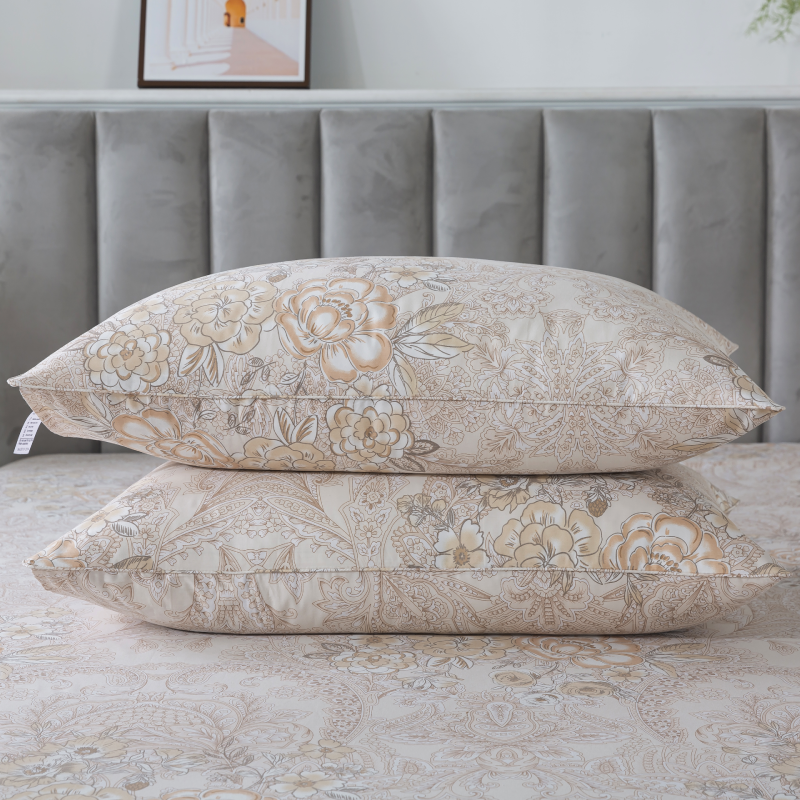
This doesn’t mean the room has to be boring. Subtle patterns—especially in bedding—add visual interest without overwhelming the space. Floral designs with softened colors or balanced contrast can bring warmth and personality while still feeling restful.
Avoid overly bright or high-contrast combinations that keep the eye alert when you’re trying to unwind.
Make Space for Doing Nothing
A bedroom you want to spend time in should support more than sleep. Even a small corner can change how the room functions.
-
A chair with a throw for reading
-
A clear bedside surface for tea, books, or a journal
-
Open floor space that doesn’t feel cramped
These elements signal that the room is meant for rest and presence—not just collapsing at the end of the day.
Keep Furniture Simple and Proportional
Too much furniture can make a bedroom feel crowded and restless. Choose pieces that fit the scale of the room and leave visual breathing space.
Nightstands don’t need to match perfectly. Dressers don’t need to dominate the room. When furniture feels intentional rather than excessive, the room feels easier to be in.
Let the Room Age Naturally
One of the biggest mistakes in bedroom design is trying to freeze it in a perfect state. Real comfort develops over time.
Bedding softens. Rugs settle. The room slowly adapts to your habits. When you allow for this, the bedroom starts to feel like a lived-in sanctuary rather than a staged environment.
A space that welcomes everyday use—naps, pets, laundry days, quiet mornings—becomes a place you return to willingly.
Focus on Daily Comfort, Not First Impressions
The best test of a bedroom isn’t how it looks to guests, but how it feels to you at the end of a long day.
If you enjoy being there—sitting, resting, waking up slowly—then the room is doing its job. Comfort, ease, and familiarity create a stronger sense of luxury than expensive decor ever could.
Final Thought
A bedroom you actually want to spend time in isn’t designed to impress. It’s designed to support your everyday life.
By prioritizing comfort, choosing soft and breathable textiles, keeping the space calm and flexible, and allowing it to reflect real use, your bedroom becomes more than a place to sleep—it becomes a place to rest, reset, and feel at home.