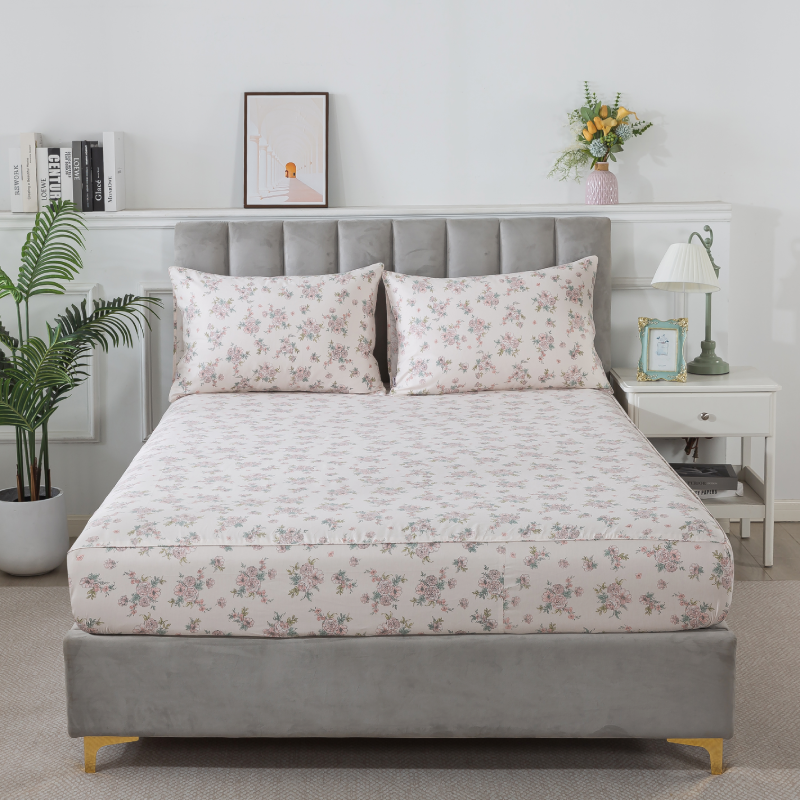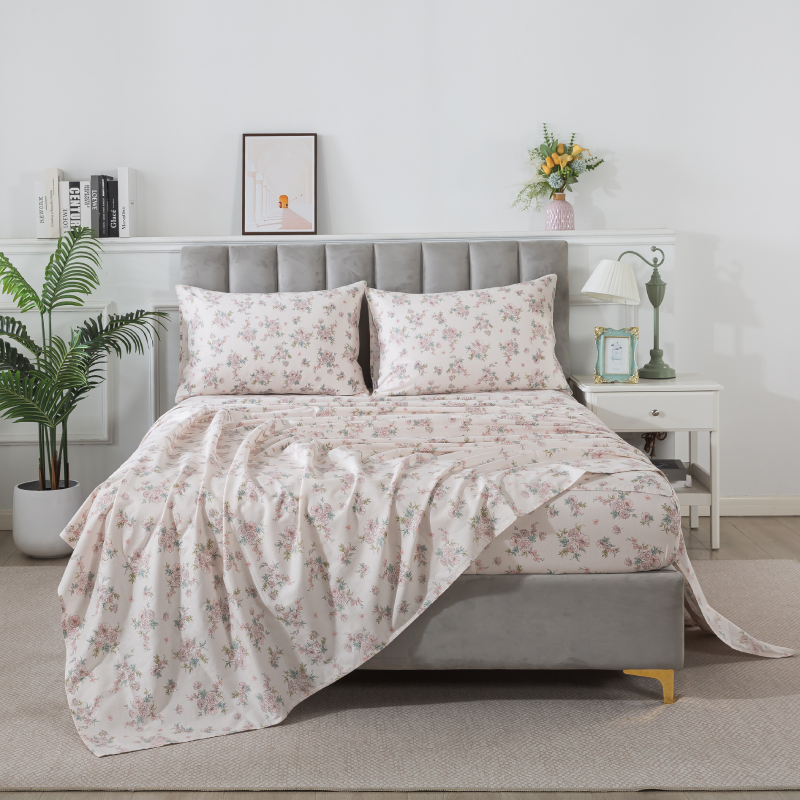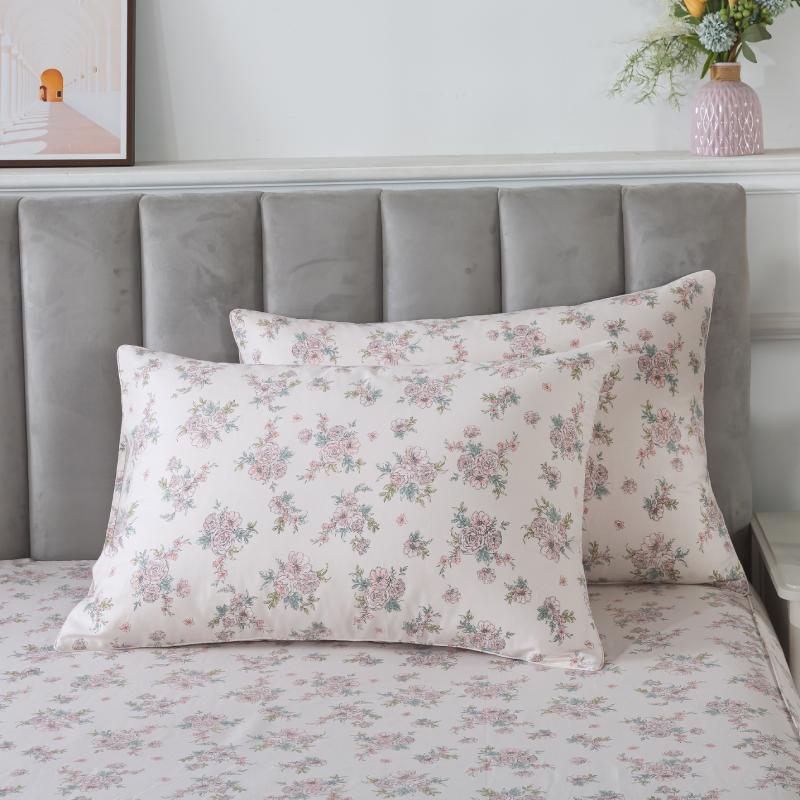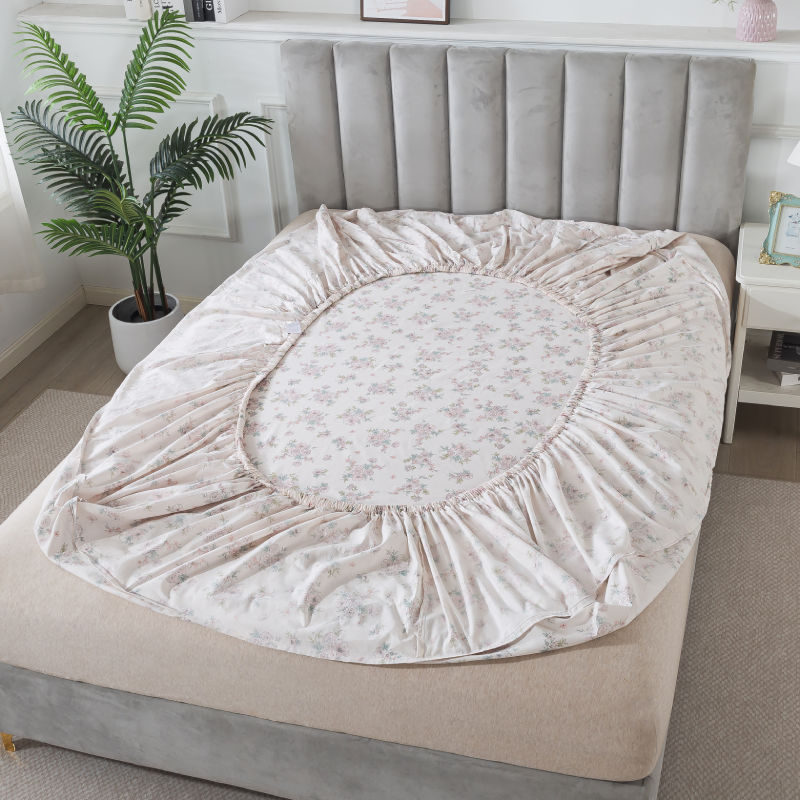


When shopping for bedding, many people assume that higher prices automatically mean better quality. Luxury branding, high thread counts, and glossy marketing can make it difficult to tell what truly lasts and what simply looks good at first. The truth is, durable bedding doesn’t have to come with a luxury price tag—it just requires knowing what actually matters.
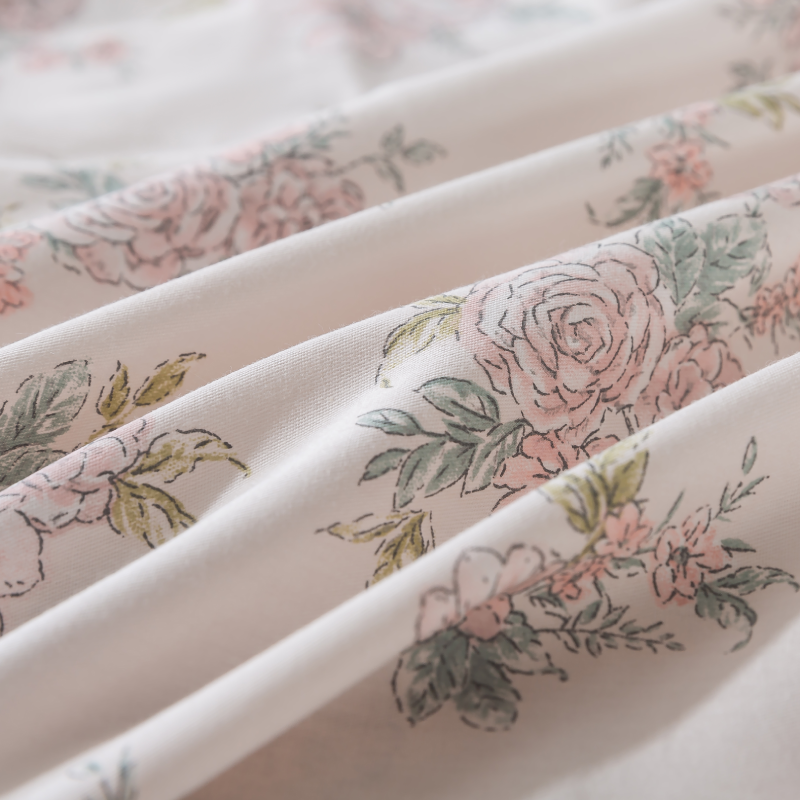
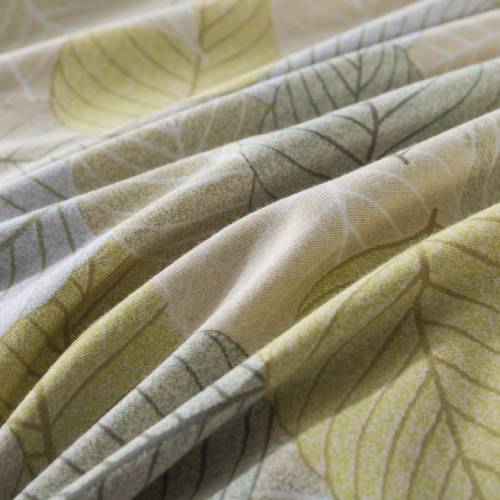
Long-lasting bedding starts with fabric choice. Natural fibers such as cotton are widely favored because they balance softness, breathability, and durability. Unlike overly processed synthetic fabrics, well-made cotton bedding softens over time instead of breaking down. It also regulates temperature more effectively, making it suitable for year-round use. Rather than focusing on buzzwords, pay attention to how the fabric feels against your skin and how it’s designed for everyday washing and use.

Another common misconception is thread count. While extremely low thread counts can feel rough, excessively high numbers are often more about marketing than performance. A moderate thread count made from quality fibers usually outperforms a very high thread count made from weaker yarns. What truly determines longevity is how tightly and evenly the fabric is woven, not how impressive the number sounds on the label.
Construction details also play a major role in how long bedding lasts. Look for reinforced seams, well-finished edges, and stitching that feels secure rather than loose. These small details prevent fraying, tearing, and warping after repeated washes. Bedding designed for real life—not just display—will maintain its shape and structure even with frequent use.

Durability is also closely tied to versatility. Bedding that works across seasons tends to be used more consistently and treated with more care. Breathable sheets paired with a lightweight but adaptable duvet setup allow you to adjust layers instead of replacing entire sets throughout the year. This approach not only extends the life of your bedding but also reduces unnecessary spending.
Care routines matter just as much as purchasing decisions. Even the best bedding won’t last if it’s washed improperly. Using gentle cycles, avoiding excessive heat, and skipping harsh detergents can significantly extend fabric life. Bedding that’s designed with everyday care in mind will hold up better over time, saving money in the long run.

Perhaps most importantly, long-lasting bedding should feel comfortable from the very beginning. Bedding that feels stiff, overly heavy, or artificial often degrades faster because it’s not meant to age naturally. High-quality everyday bedding improves with use, becoming softer and more inviting rather than worn out.
Choosing bedding that lasts isn’t about chasing luxury labels—it’s about understanding materials, construction, and how products fit into your daily life. With thoughtful selection, you can build a bedding collection that feels good, performs well, and stays beautiful for years, all without paying luxury prices.