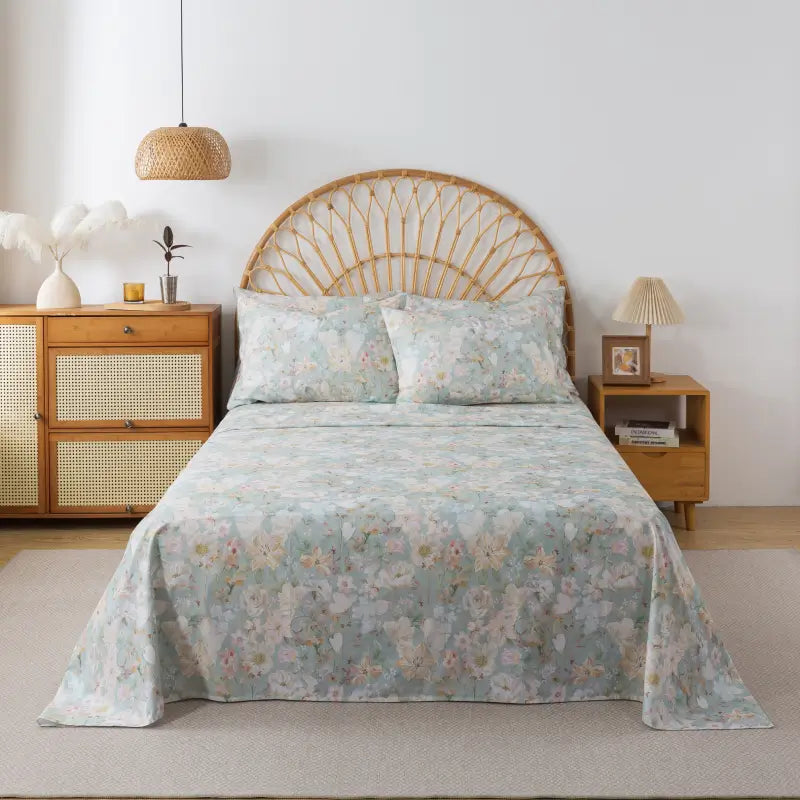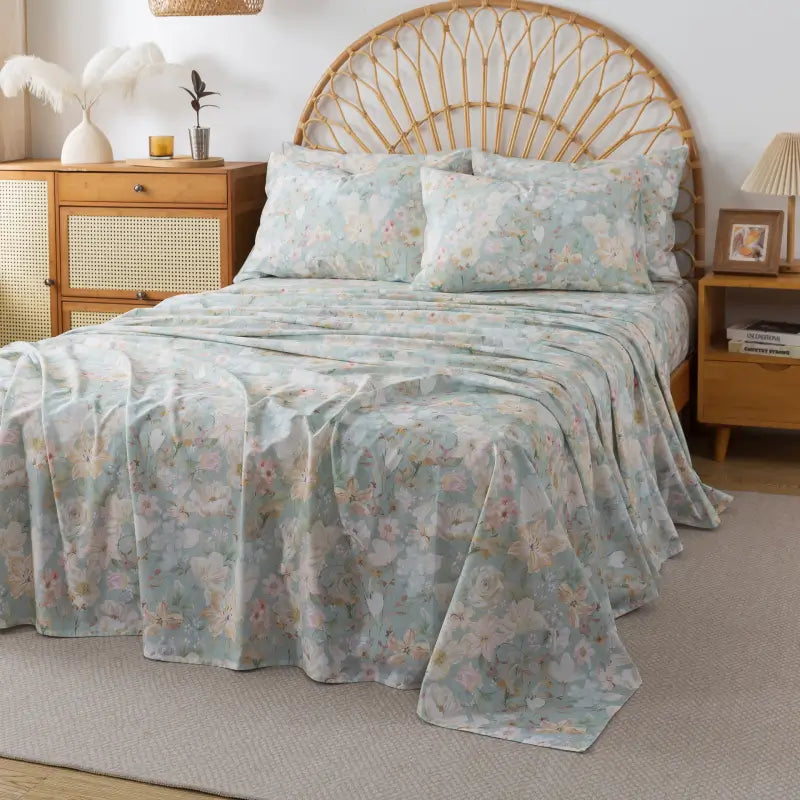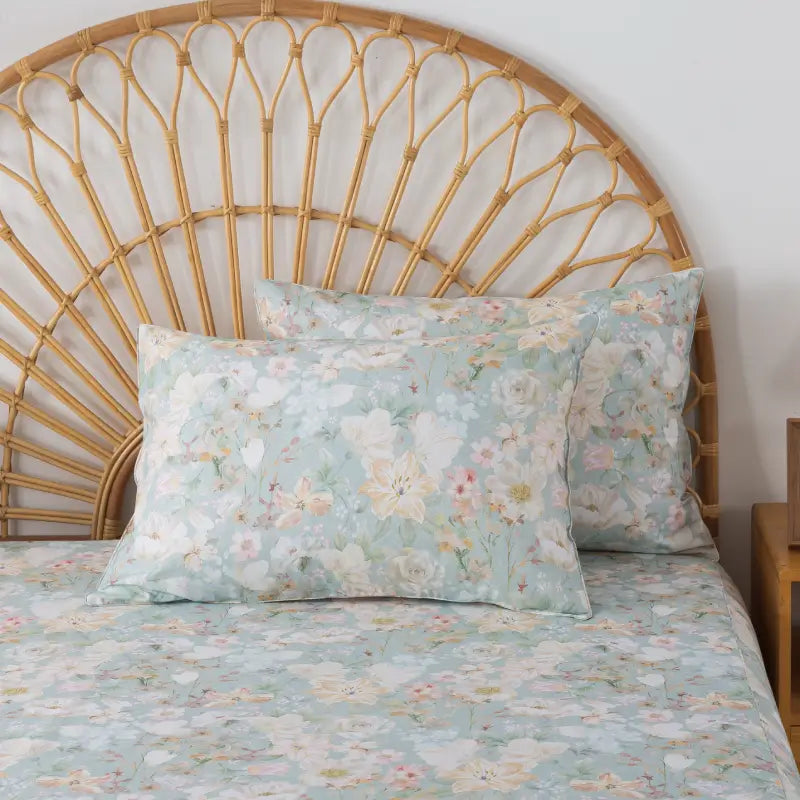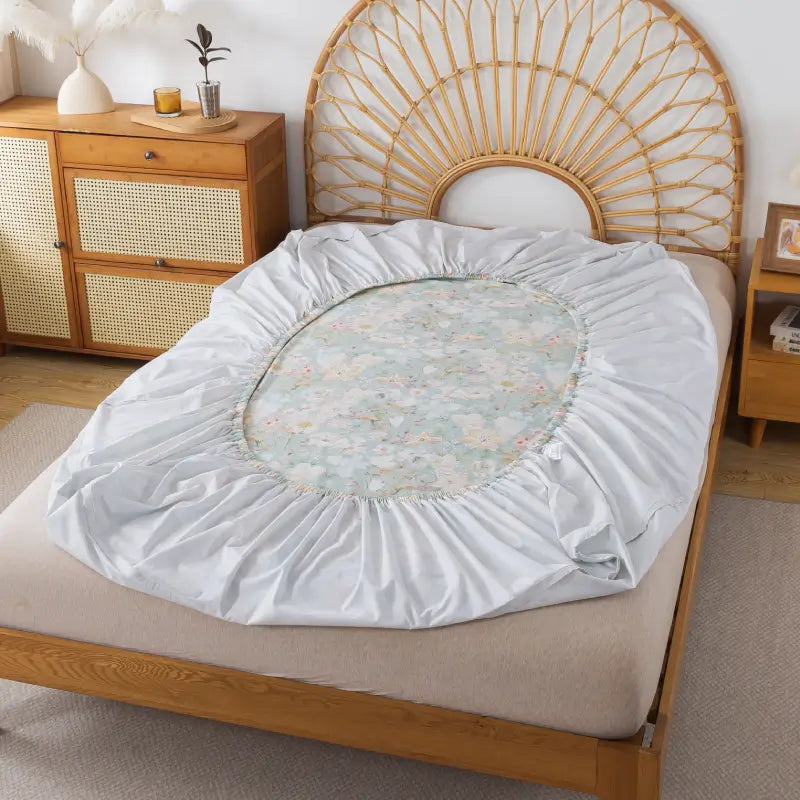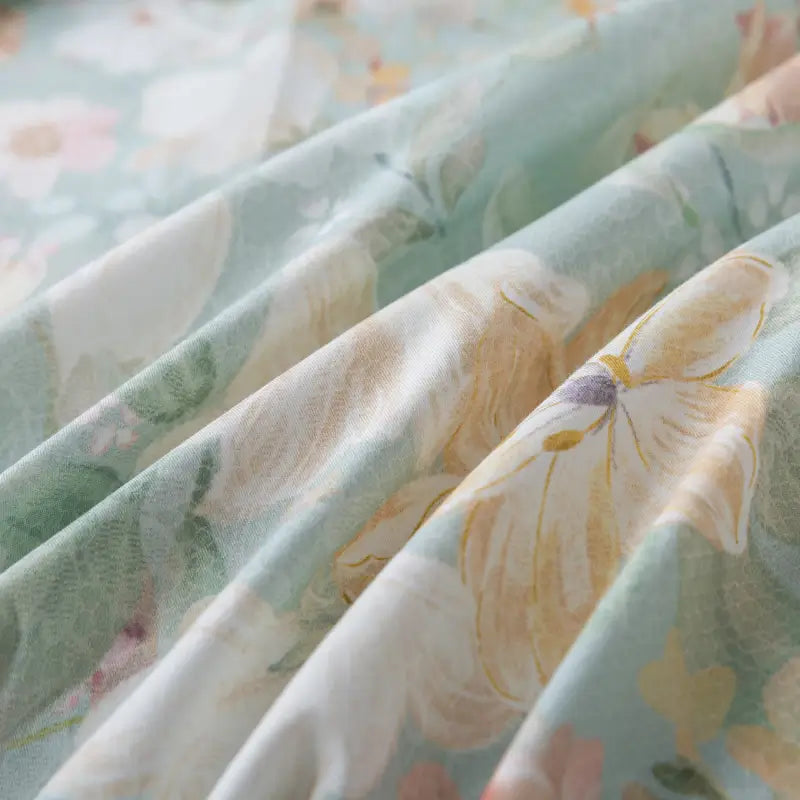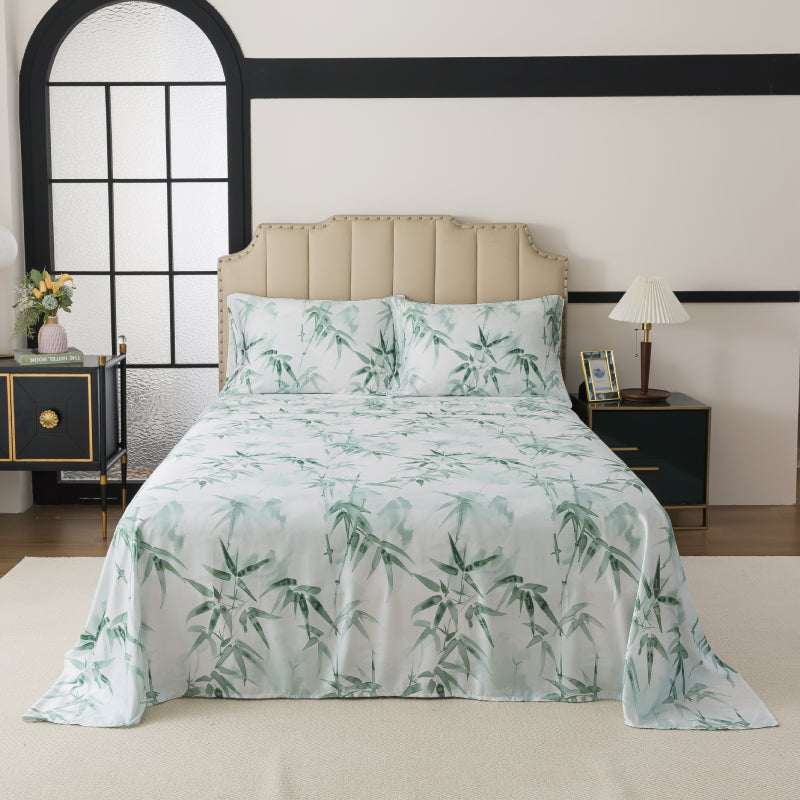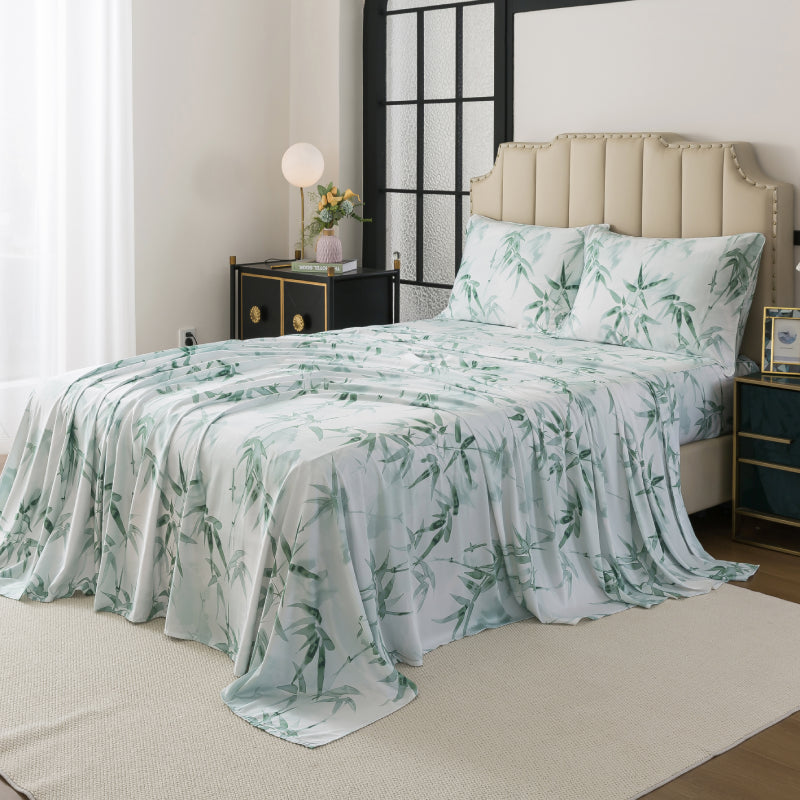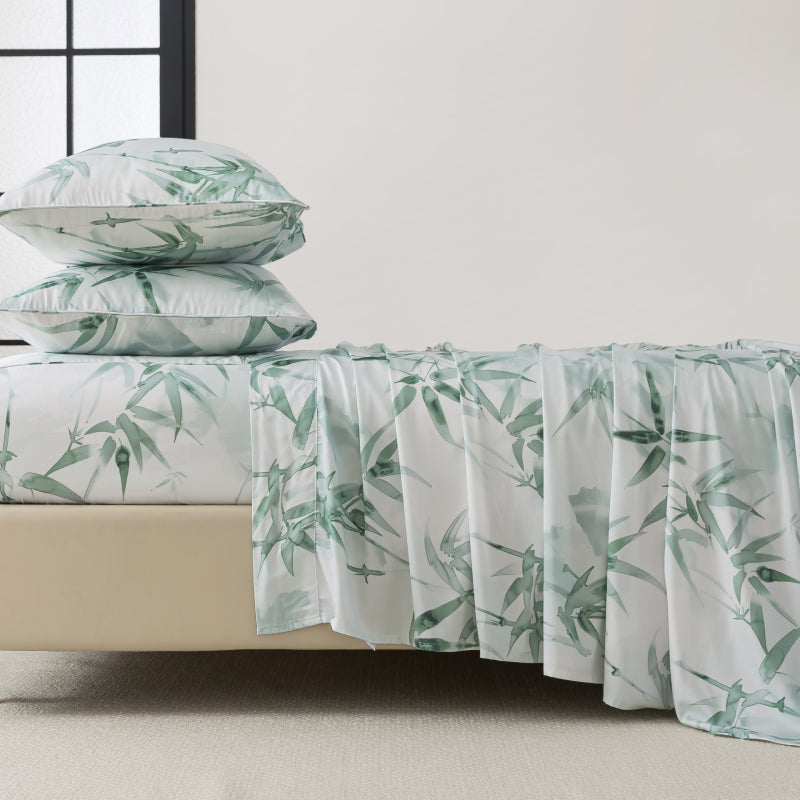


Floral bedding has long been associated with warmth, romance, and a sense of home. Yet for many people, floral patterns also carry a quiet worry: Will this feel too busy? Too loud? Too much?
The answer often has less to do with the flowers themselves—and more to do with what surrounds them.
That’s where negative space comes in.
What Is Negative Space in Bedding Design?
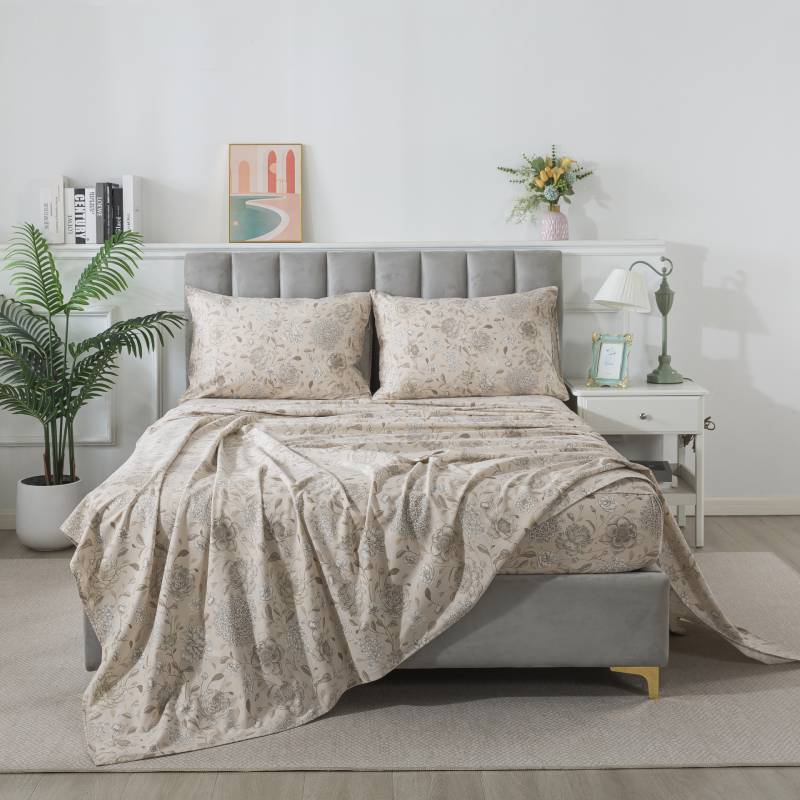
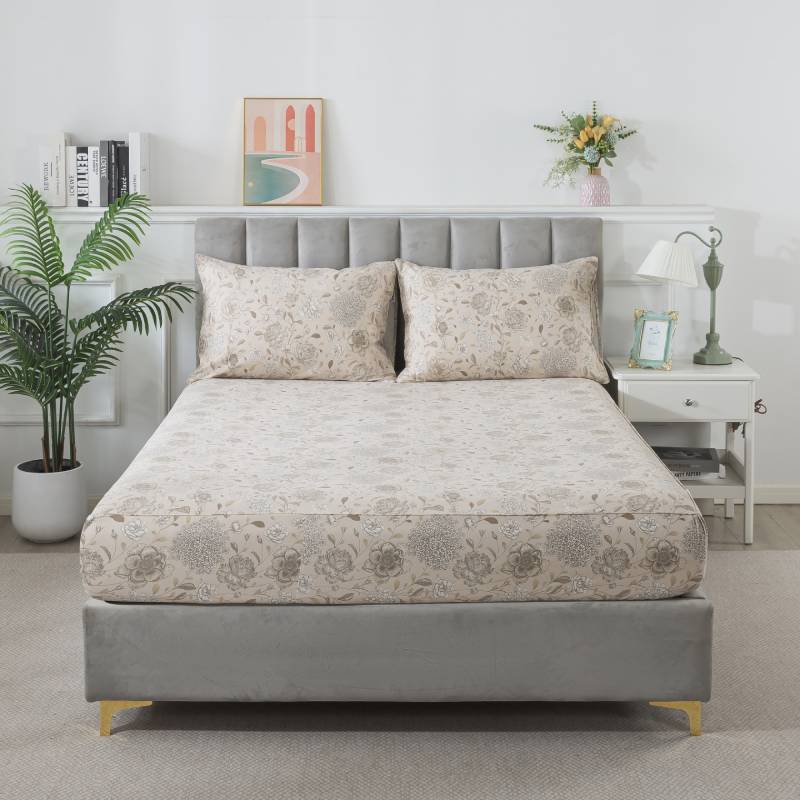
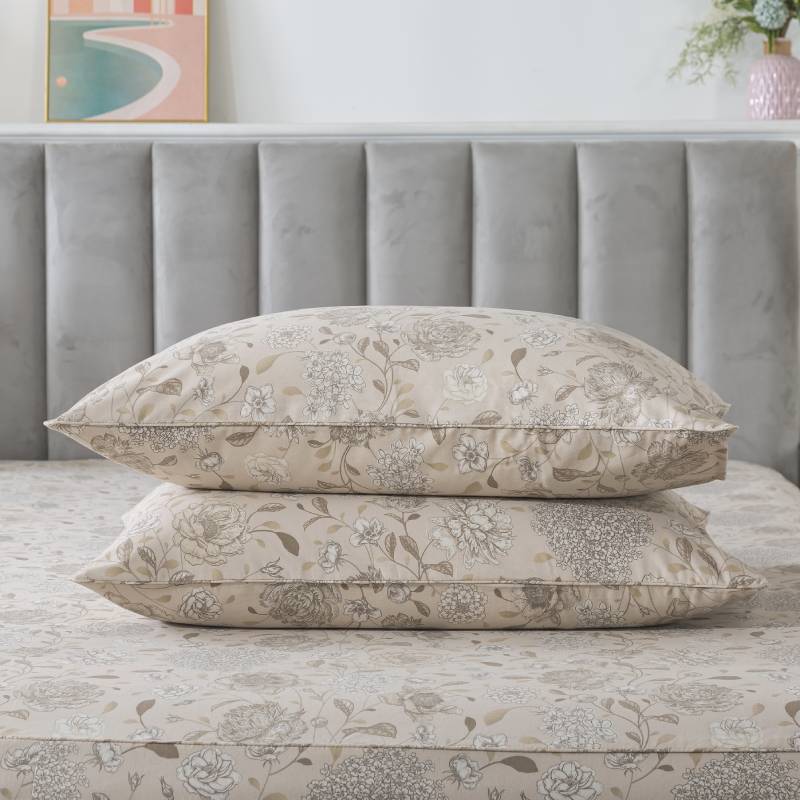
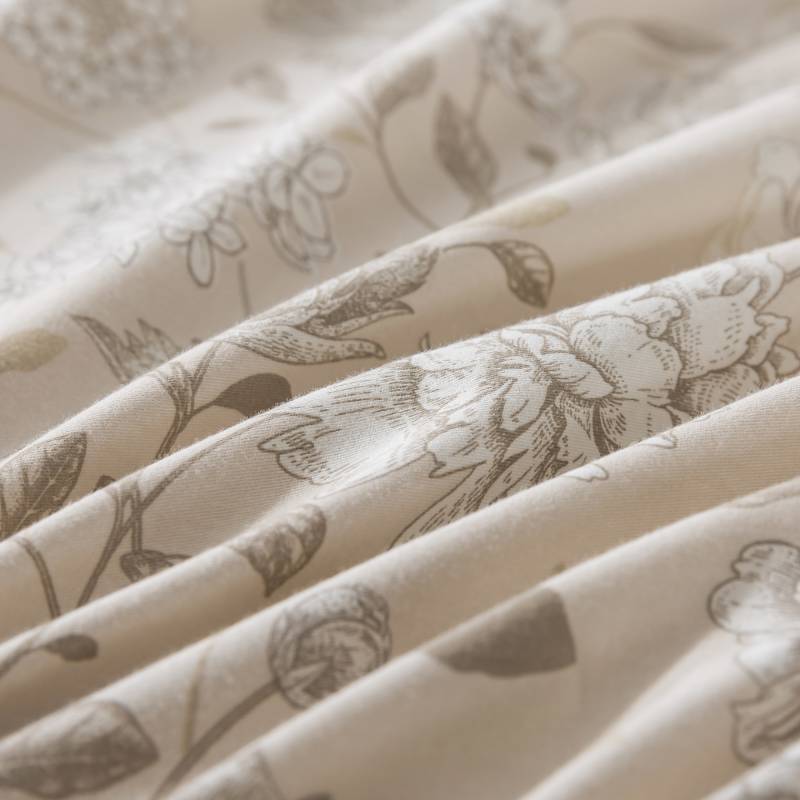
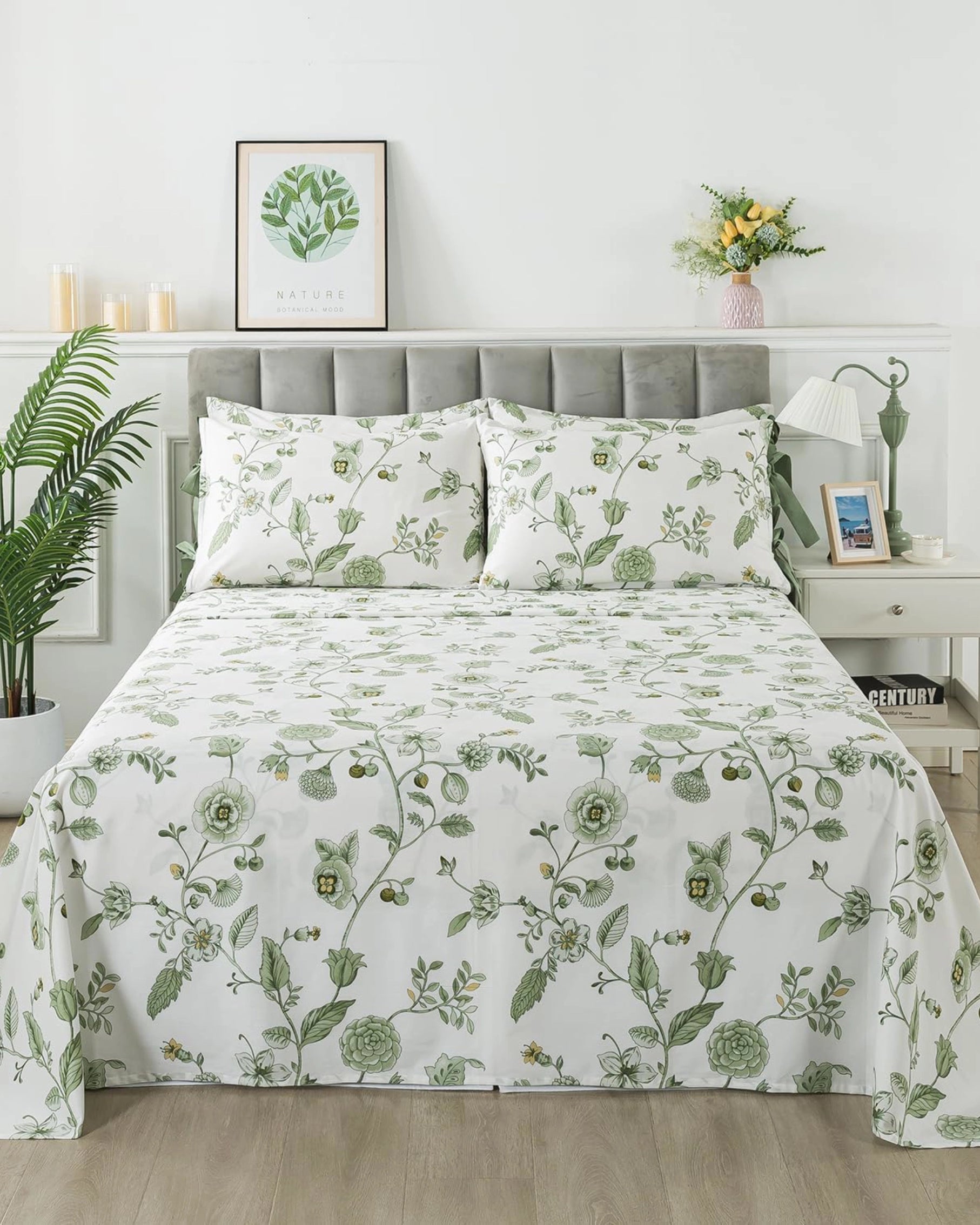
Negative space refers to the areas of visual rest in a design: the solid backgrounds, the unprinted cotton, the pauses between motifs. In floral bedding, negative space is the breathing room that allows patterns to exist without overwhelming the eye.
Think of it as silence in music. Without it, every note blurs together. With it, each sound feels intentional.
In bedding, negative space is usually expressed through:
-
Soft, solid background colors
-
Smaller, well-spaced floral motifs
-
Balanced compositions where pattern and emptiness coexist

Why Florals Can Feel Overstimulating
Florals themselves aren’t the problem. Overcrowding is.
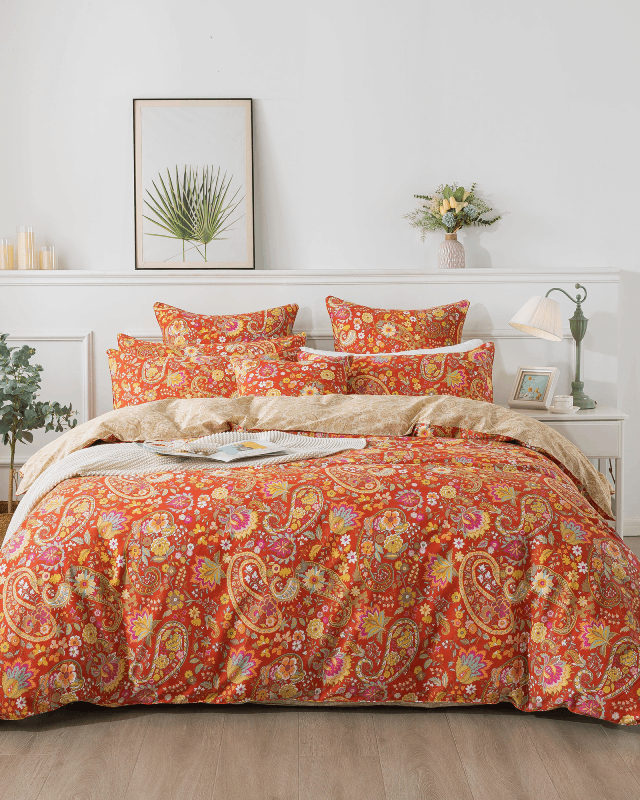
When a floral print is dense—large blooms, high contrast colors, no visual pause—the brain reads it as constant stimulation. In a living room, that energy might feel lively. In a bedroom, especially at night, it can subtly prevent the mind from slowing down.
Bedrooms are spaces for decompression. What we see as we lie down matters more than we realize.
How Negative Space Creates Calm
Negative space works on both a visual and psychological level.
Visually, it:
-
Reduces clutter
-
Softens contrast
-
Makes patterns easier to process
Psychologically, it:
-
Signals rest rather than activity
-
Feels less demanding of attention
-
Encourages the eyes to settle instead of scan
When floral bedding uses enough negative space, the flowers stop shouting. They become gentle accents instead of the main event.
The Balance Between Pattern and Quiet
Calm floral bedding isn’t about removing personality—it’s about editing.
A well-balanced floral design often features:
-
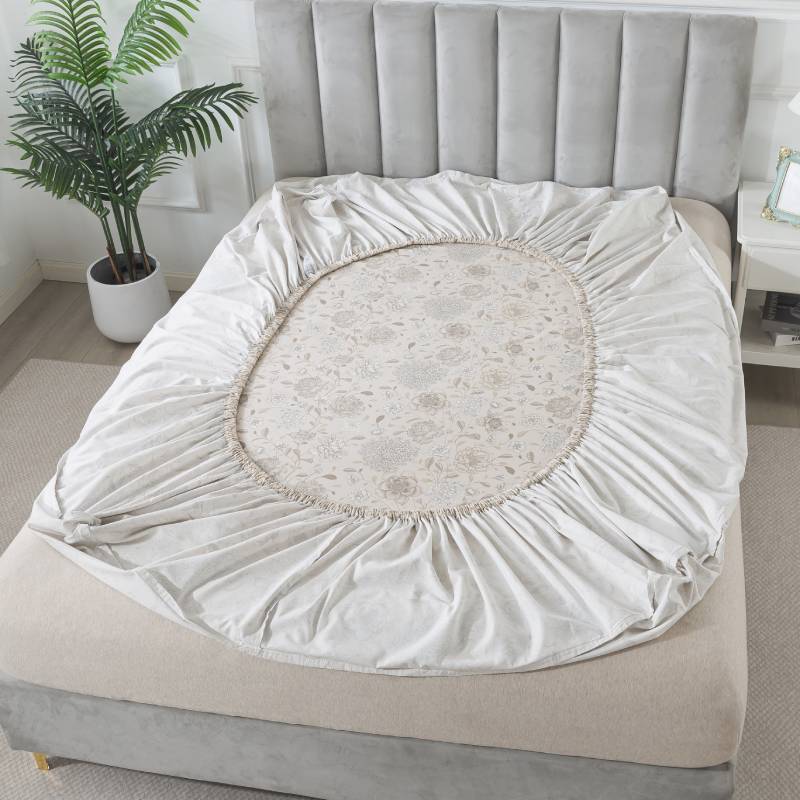
A light or muted base (ivory, soft beige, washed white, pale sage)
-
Florals that repeat with intention, not excess
-
Space where the fabric can simply be fabric
This balance allows the bedding to feel decorative without becoming decorative only. It remains functional, livable, and emotionally grounding.
Why This Matters for Everyday Living
Most of us don’t experience our bedding in styled photos. We experience it:
-
After a long day
-
In early morning light
-
With pets, wrinkles, and imperfect moments
Negative space makes floral bedding more forgiving in real life. Wrinkles blend in. Pet hair is less visually chaotic. The bed looks calm even when it’s not perfectly made.
In other words, negative space supports living, not just styling.
Florals That Age Well
Another overlooked benefit of negative space is longevity.
Heavily patterned bedding can feel tiring over time. What once felt charming may start to feel busy after months of daily exposure. Floral designs with generous negative space tend to age more gracefully—they stay pleasant rather than demanding.
They don’t ask for constant admiration. They simply belong.
Calm Isn’t Minimalism—It’s Intention
Choosing floral bedding with negative space doesn’t mean choosing something cold or empty. It means choosing restraint.
Flowers don’t disappear. They soften.
Color doesn’t vanish. It settles.
The result is bedding that feels calm not because it lacks design, but because the design knows when to step back.
Final Thought
In a bedroom, calm rarely comes from adding more. It comes from knowing what to leave out.
Negative space gives floral bedding room to breathe—and in doing so, gives you permission to slow down, too.