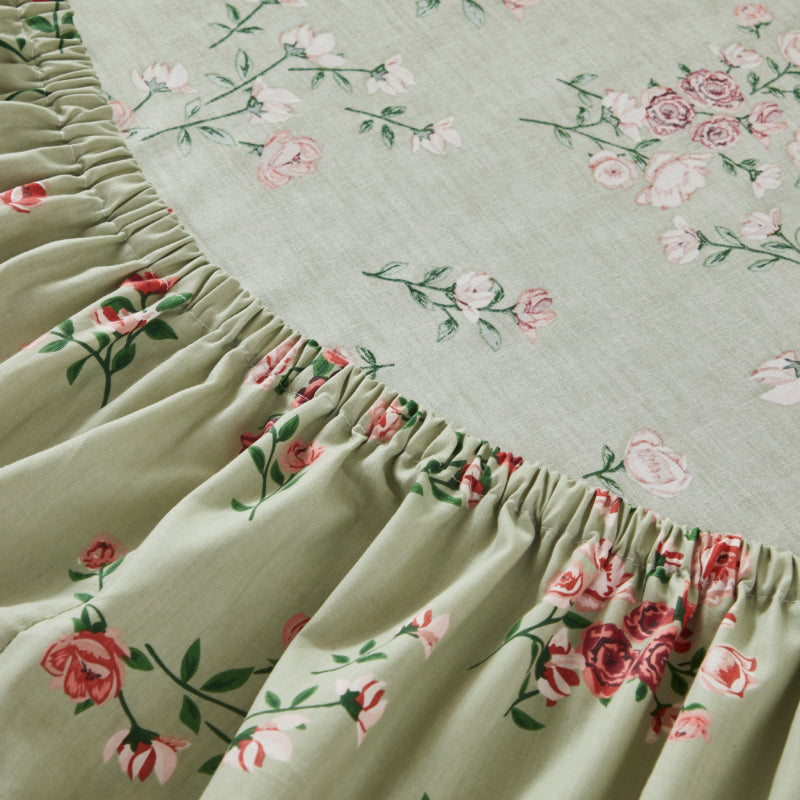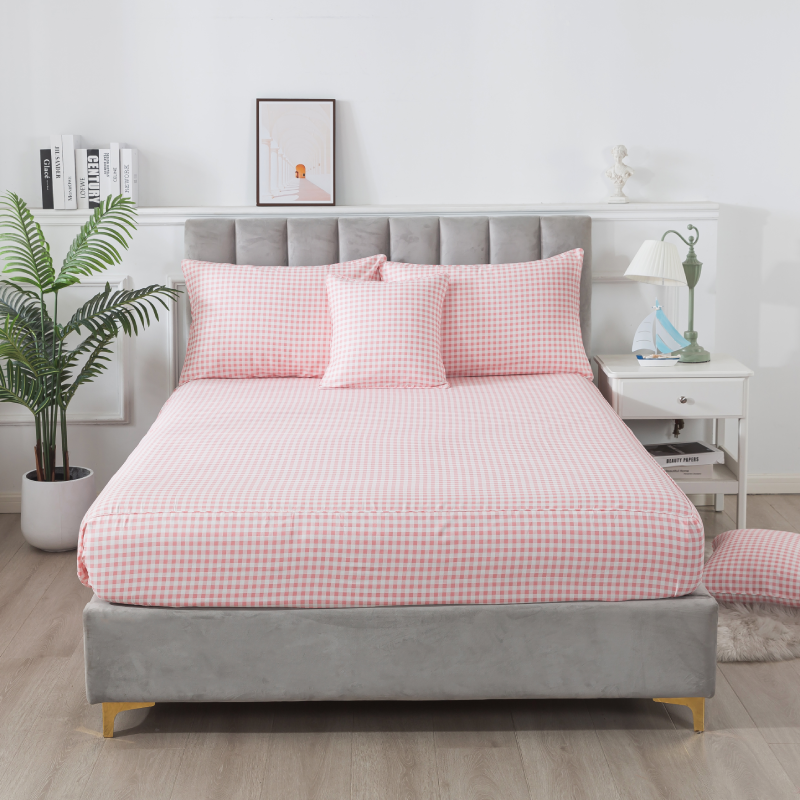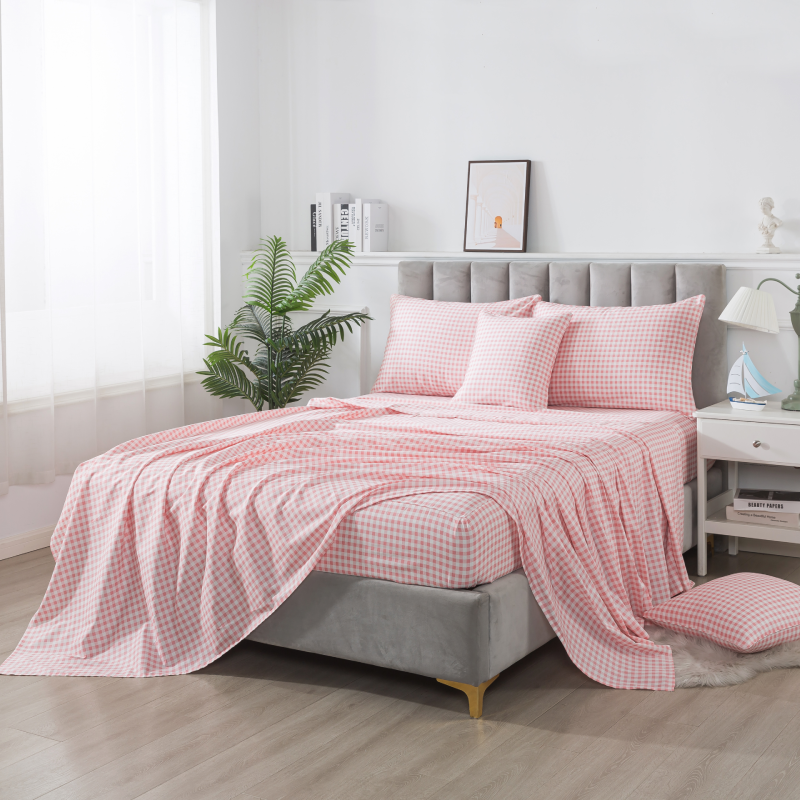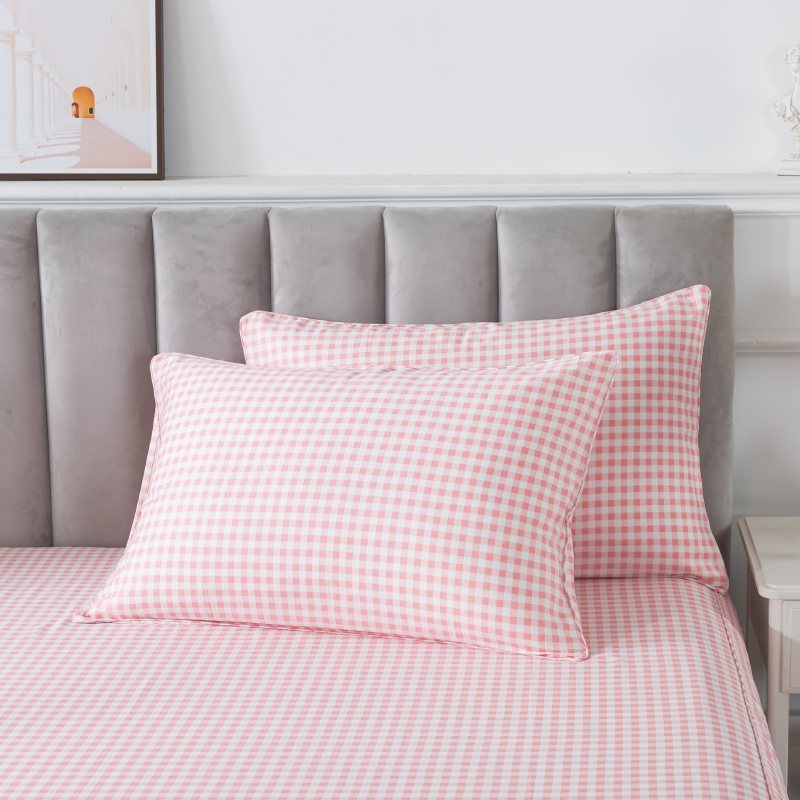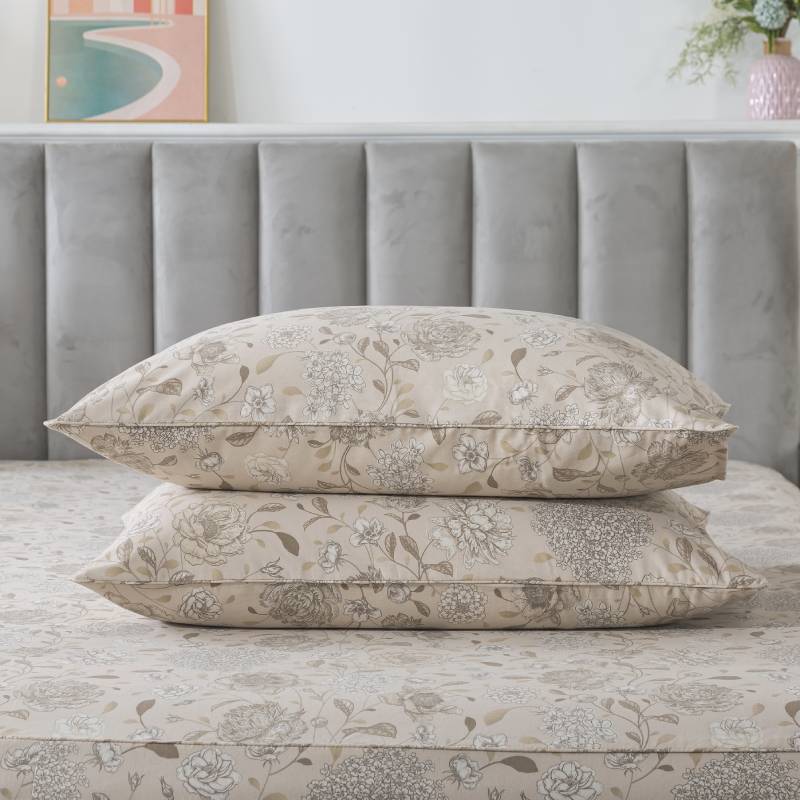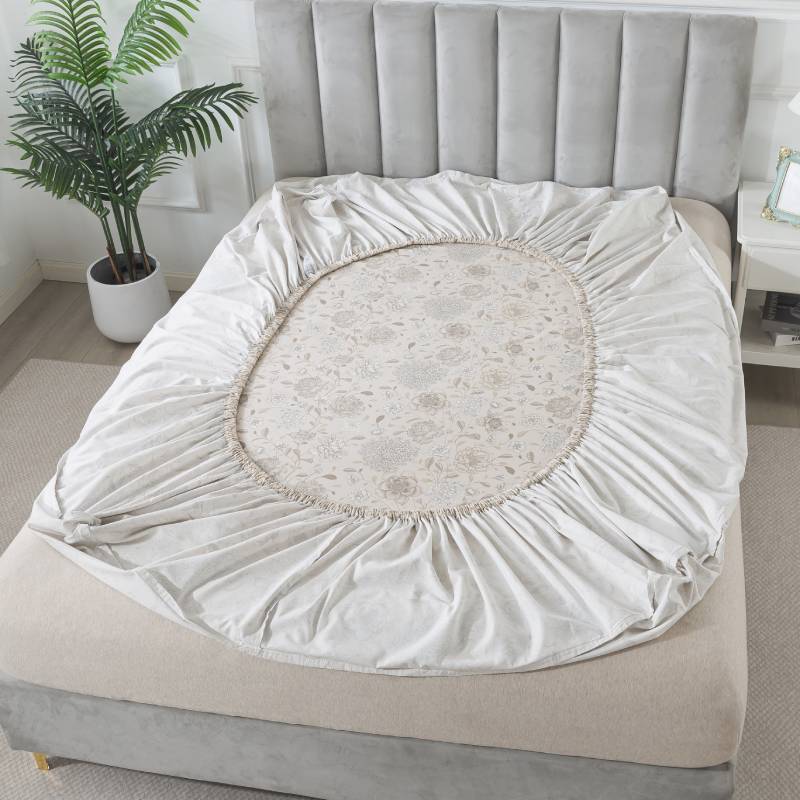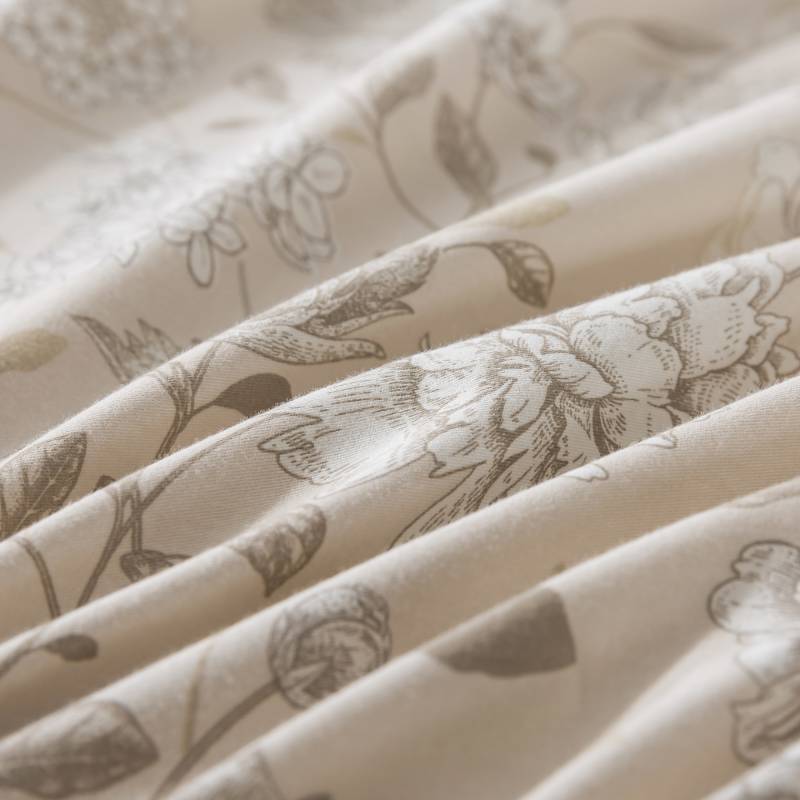
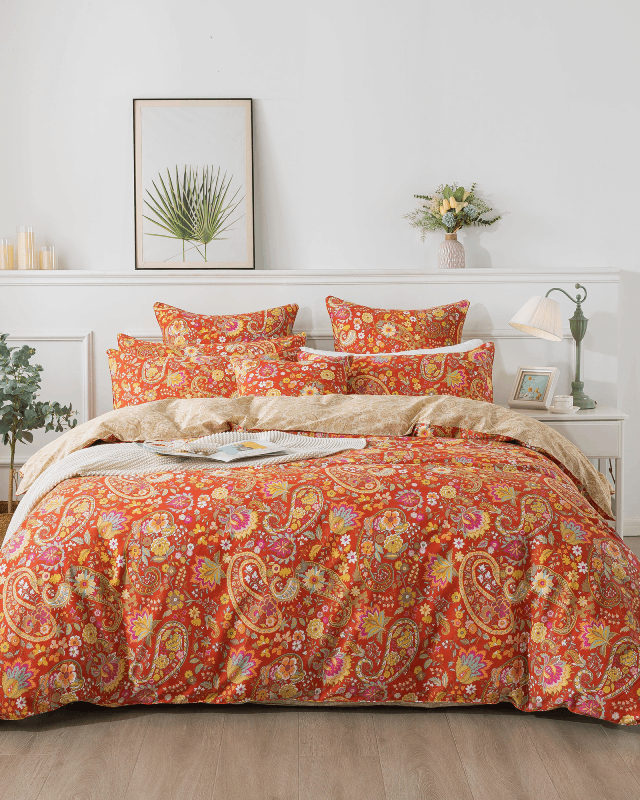


Floral patterns are often seen as purely decorative, but in interior design they serve a more strategic role: they control visual movement. Just as composition guides the viewer’s eye in art or photography, floral motifs can shape how a bedroom is perceived, experienced, and remembered. When used intentionally, they create flow, establish hierarchy, and bring a sense of calm order to the space.
1. Visual Flow: Creating a Natural Path
When someone enters a bedroom, their gaze follows visual cues rather than moving randomly. Floral patterns—especially those with organic elements like stems, vines, and layered petals—naturally guide the eye along a path.
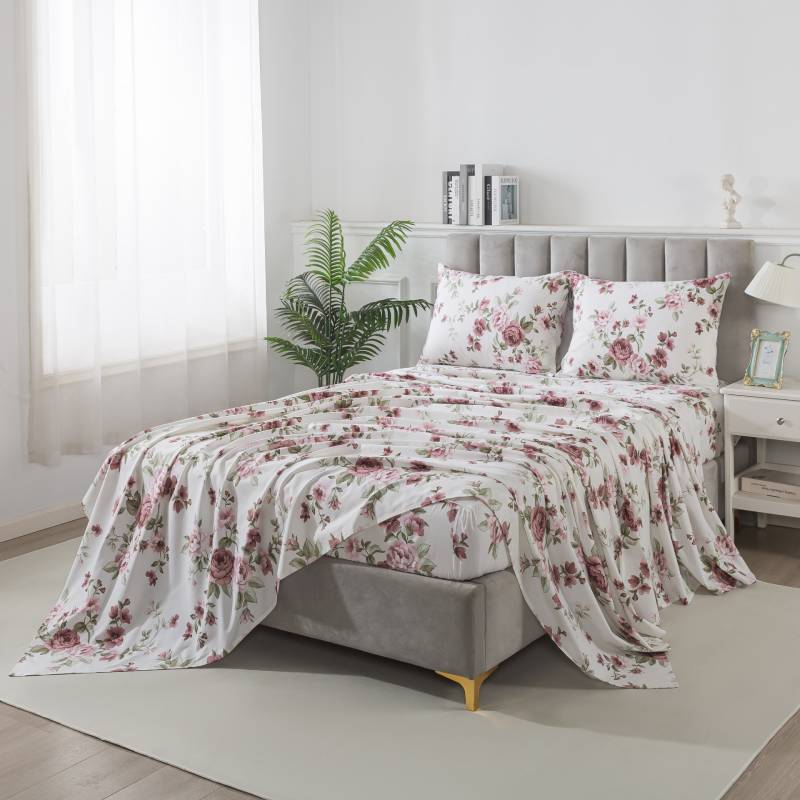
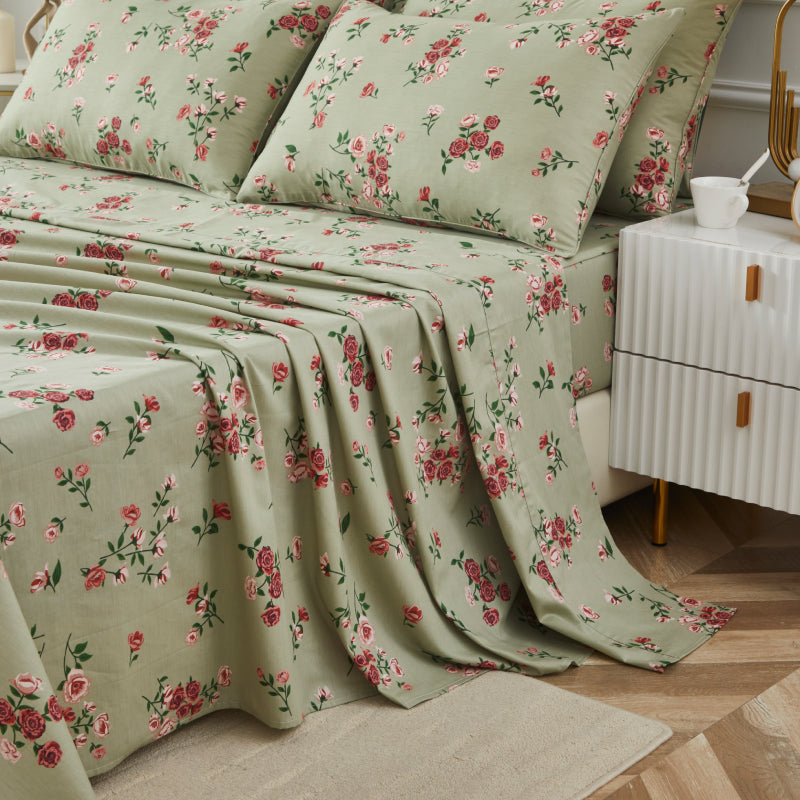
Trailing florals can lead the eye outward from the bed toward surrounding furniture or windows. Repeating motifs create rhythm, encouraging the eye to move smoothly rather than jump between disconnected elements. Clustered blooms, on the other hand, act as pauses in that movement, giving the viewer a moment of focus before continuing.
This sense of flow is subtle but powerful. When the eye moves easily, the space feels more relaxing and cohesive.
2. Establishing the Bed as the Focal Point
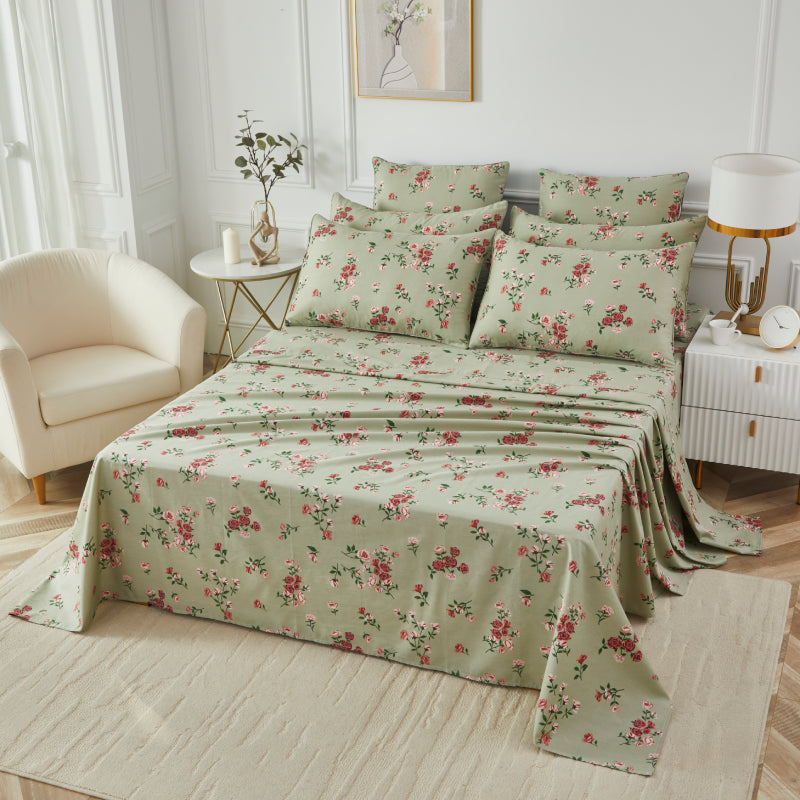
In most bedrooms, the bed is the central element. Floral patterns can reinforce this role without making the space feel heavy or overwhelming.
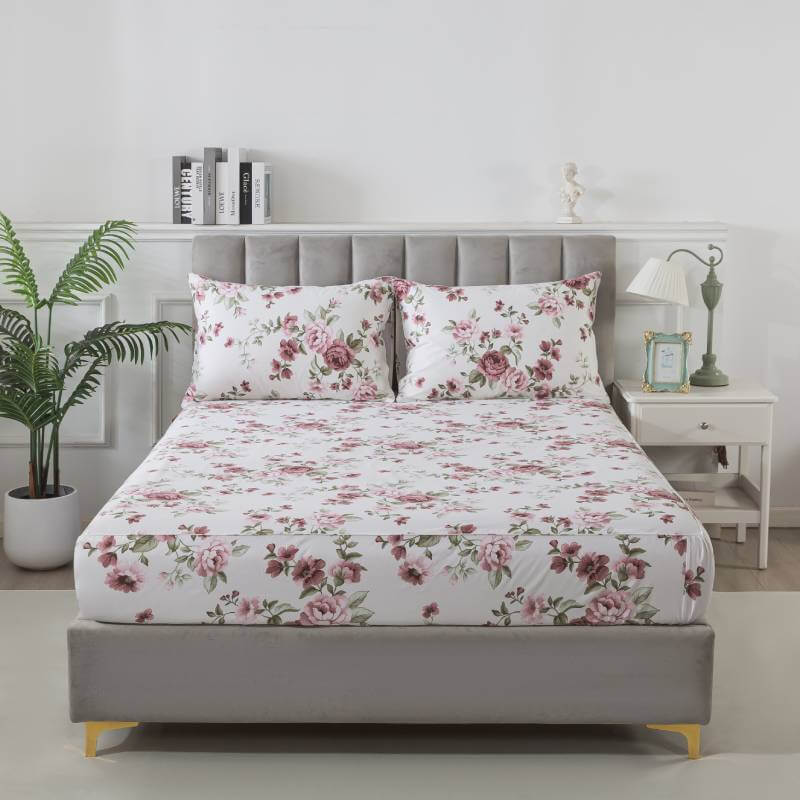
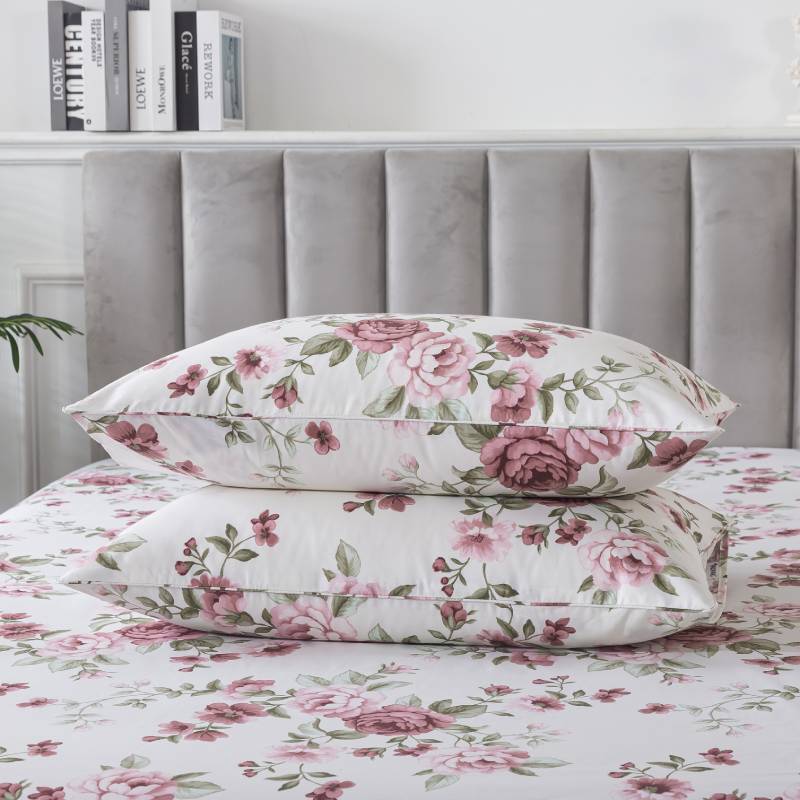
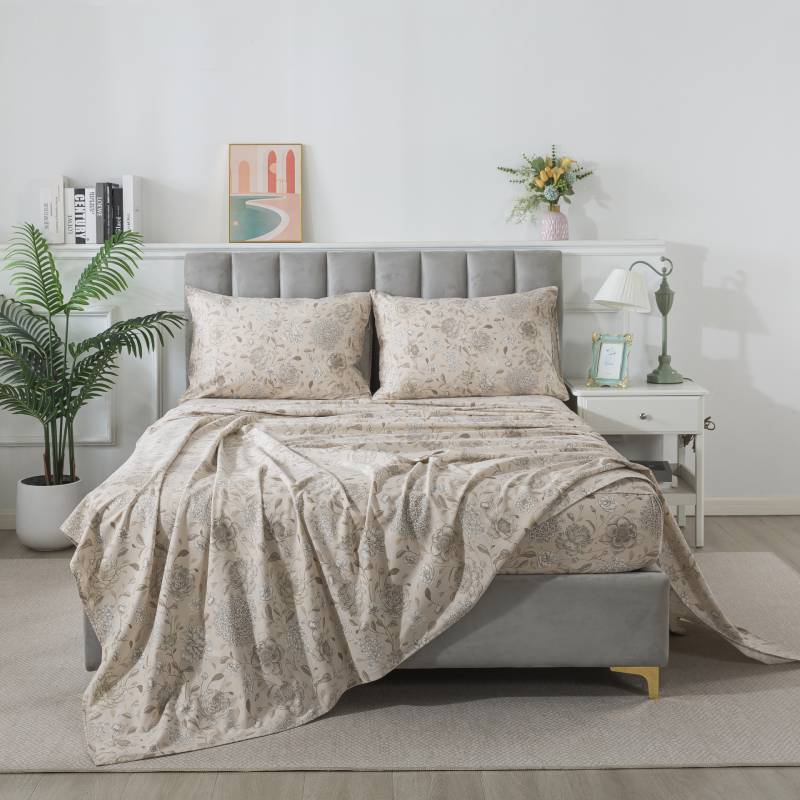
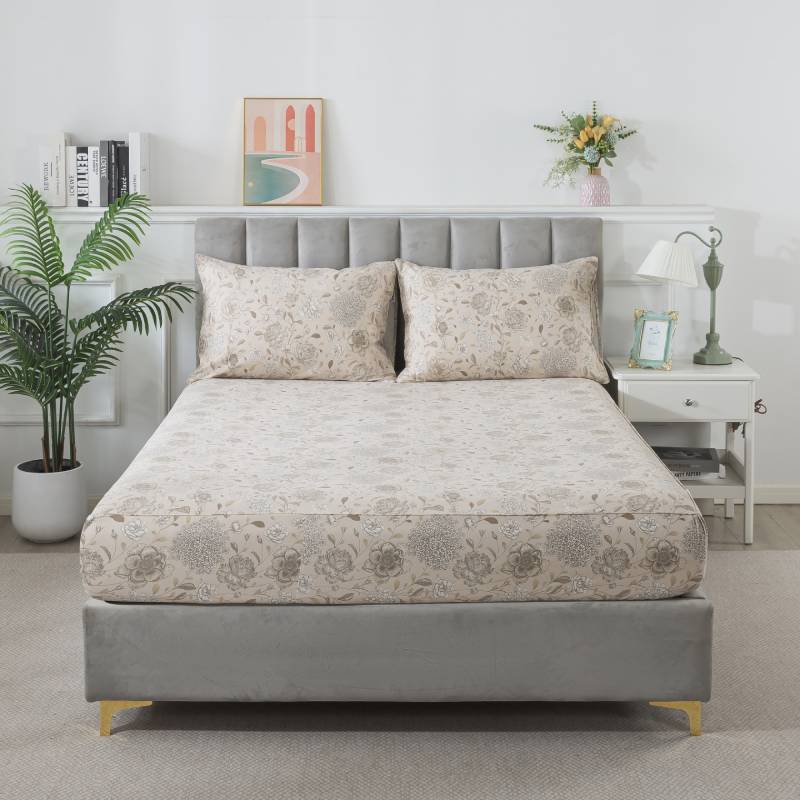
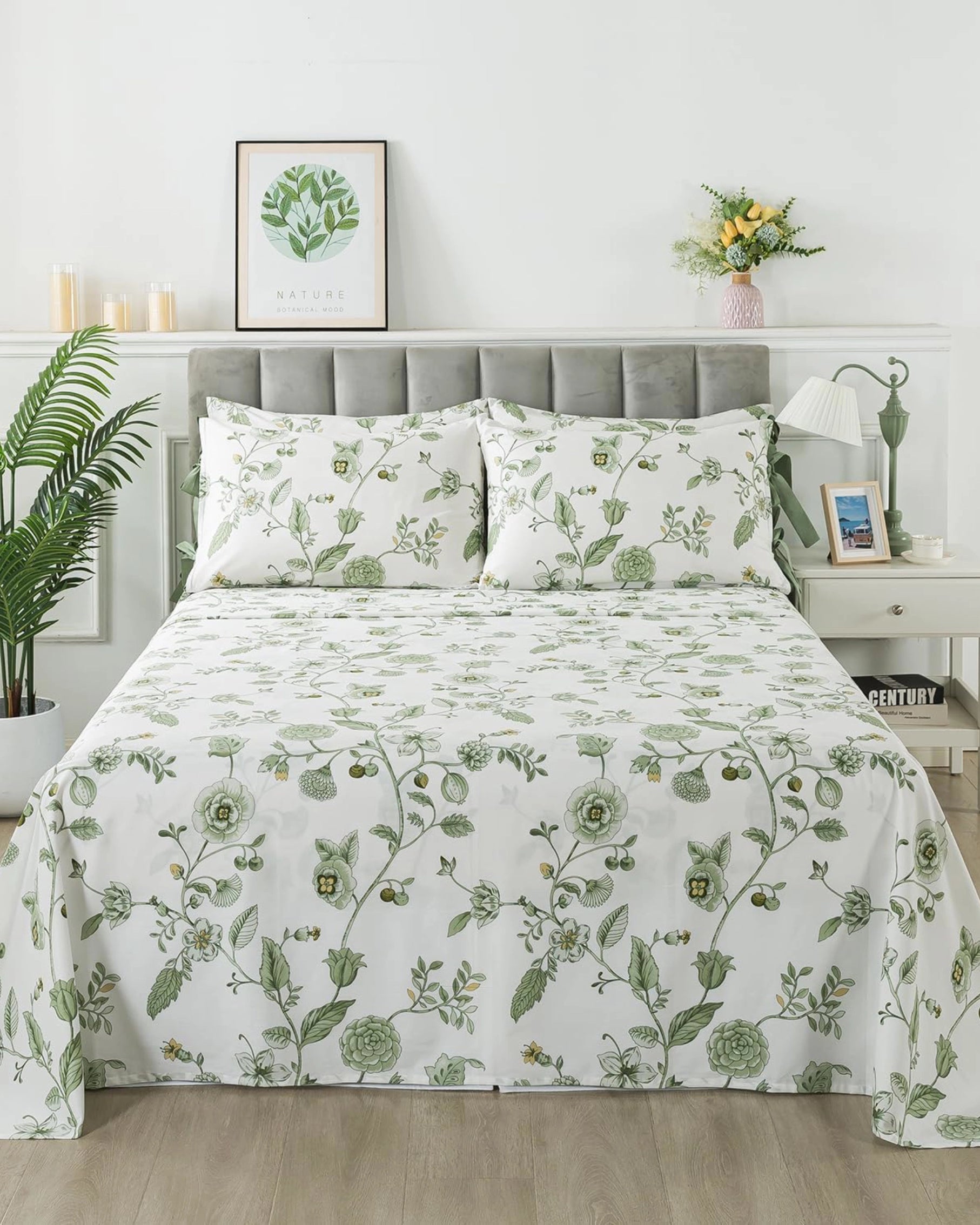
Large-scale floral designs placed on a duvet or quilt naturally draw attention first. From there, the pattern disperses visual interest outward, guiding the eye across the room. Smaller, more delicate florals create a softer focal point, blending into the overall environment rather than dominating it.
The key is alignment: the floral design should support the bed’s role as the visual anchor while still connecting to the rest of the room.
3. Directionality: Designing Movement Into the Pattern
Floral patterns are not always static. Many include directional elements that influence how the eye travels through the space.
Horizontal arrangements can make a room feel wider, while vertical stems or elongated florals subtly enhance the perception of height. Diagonal compositions introduce movement and energy, making the space feel more dynamic and modern.
This is especially useful in smaller bedrooms, where visual direction can change how spacious the room feels without altering its physical dimensions.

4. Color as a Visual Guide
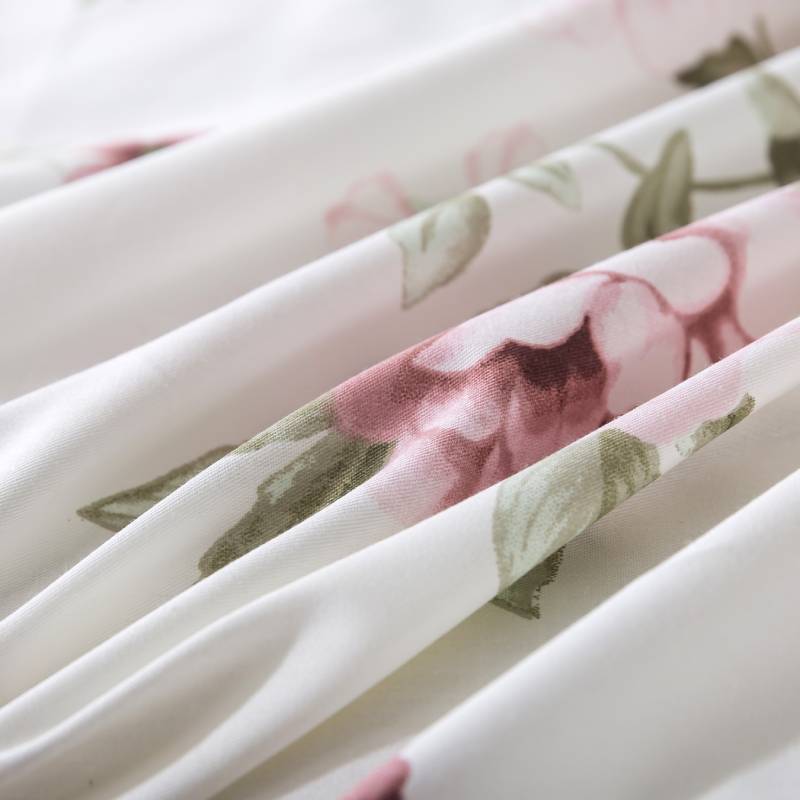
Beyond shape and structure, color plays a crucial role in guiding the eye. Floral patterns often combine multiple tones, and these can be used to create visual continuity throughout the room.
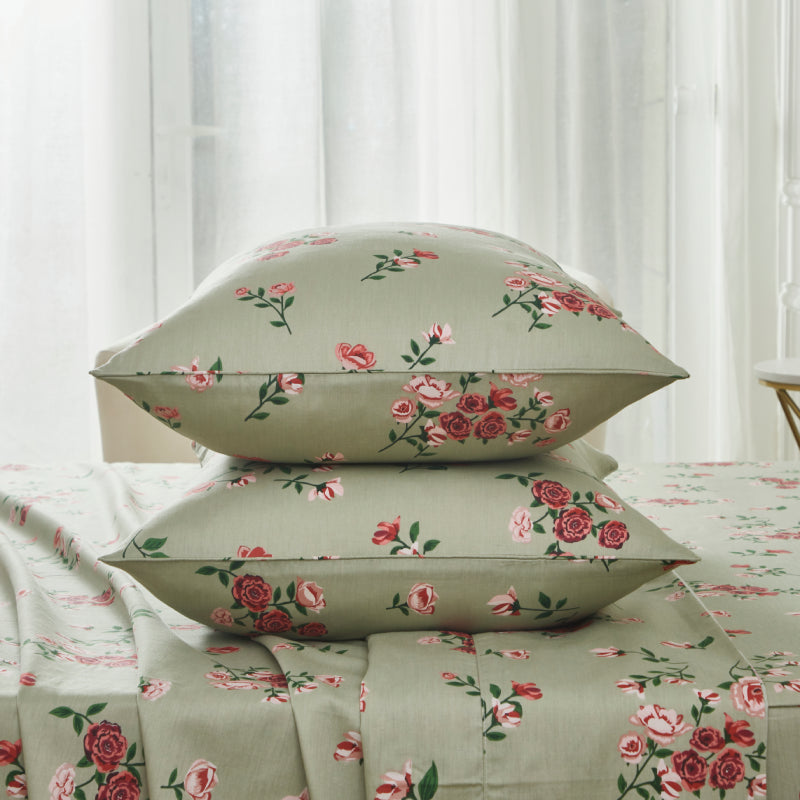
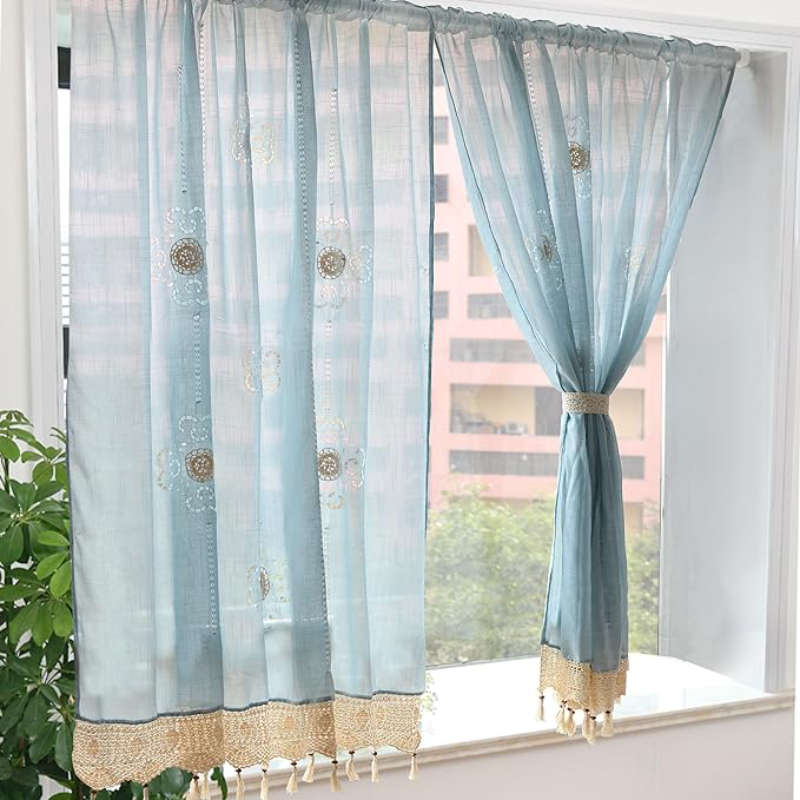
For example, soft pinks in a floral duvet can be echoed in curtains or decorative accents. Green stems can connect visually with plants or natural textures. Neutral backgrounds provide resting points for the eye, preventing visual fatigue.
When colors are repeated and balanced, the eye moves more naturally from one element to another, creating a unified and harmonious environment.
5. Scale and Balance: Managing Visual Weight
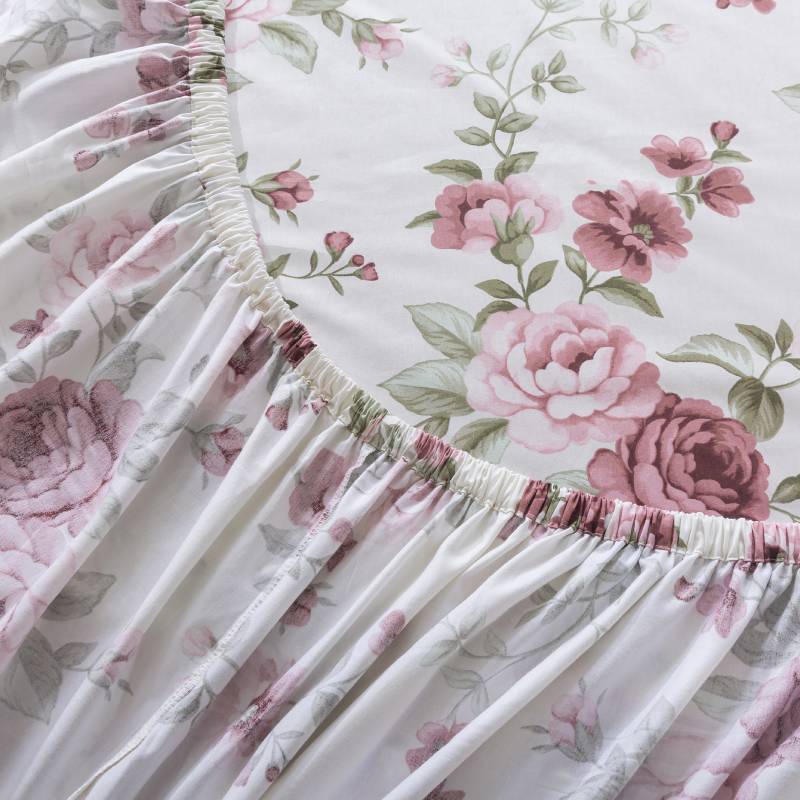
The scale of a floral pattern directly affects how the room feels. Large, bold florals carry more visual weight and immediately draw attention, while smaller patterns create a more subtle, textured effect.
A balanced bedroom often combines these elements. Floral bedding can serve as the primary visual feature, while surrounding elements—such as sheets, rugs, or furniture—remain more understated. This contrast allows the pattern to guide the eye without overwhelming the space.
Maintaining this balance is essential. Too many competing patterns can disrupt visual flow, while too little variation can make the room feel flat.
6. Emotional Impact: Guiding More Than the Eye
Floral patterns don’t just influence how we see a space—they influence how we feel in it. Smooth visual transitions create a sense of calm, while organic shapes and natural motifs evoke familiarity and comfort.
Because florals are closely associated with nature, they often introduce a subtle psychological effect: reduced stress and increased relaxation. This makes them particularly effective in bedrooms, where the goal is to create a restful environment.
Conclusion: Designing with Intention
Floral patterns are more than decorative details—they are tools for visual guidance. Through thoughtful use of direction, scale, color, and placement, they can shape the way the eye moves across a bedroom and, in turn, how the space is experienced.
When applied with intention, floral designs transform a bedroom into a cohesive, balanced environment where every element feels connected. The result is not just a visually appealing space, but one that feels naturally comfortable and complete.