

A bedroom is more than a place to sleep. It is a personal space that reflects how you want to feel at the beginning and end of each day. While furniture establishes the basic structure of the room, bedding often gives the space its strongest sense of character.
Floral bedding is especially effective because it introduces color, movement, emotion, and visual storytelling without requiring a complete bedroom renovation. From delicate botanical prints to bold oversized blooms, the floral pattern you choose can reveal a great deal about your home personality.
Romantic and Soft
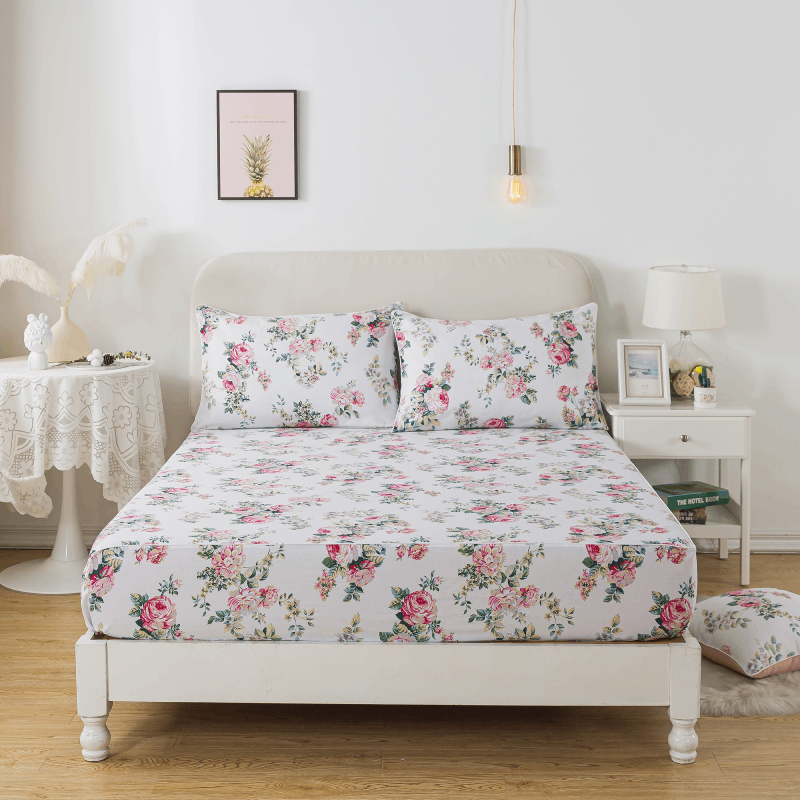
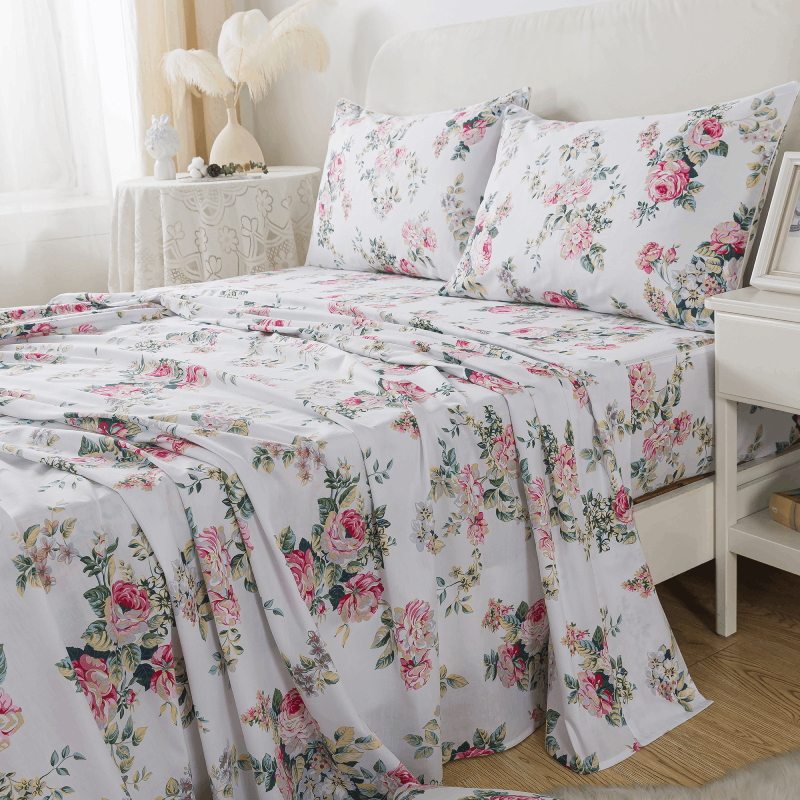
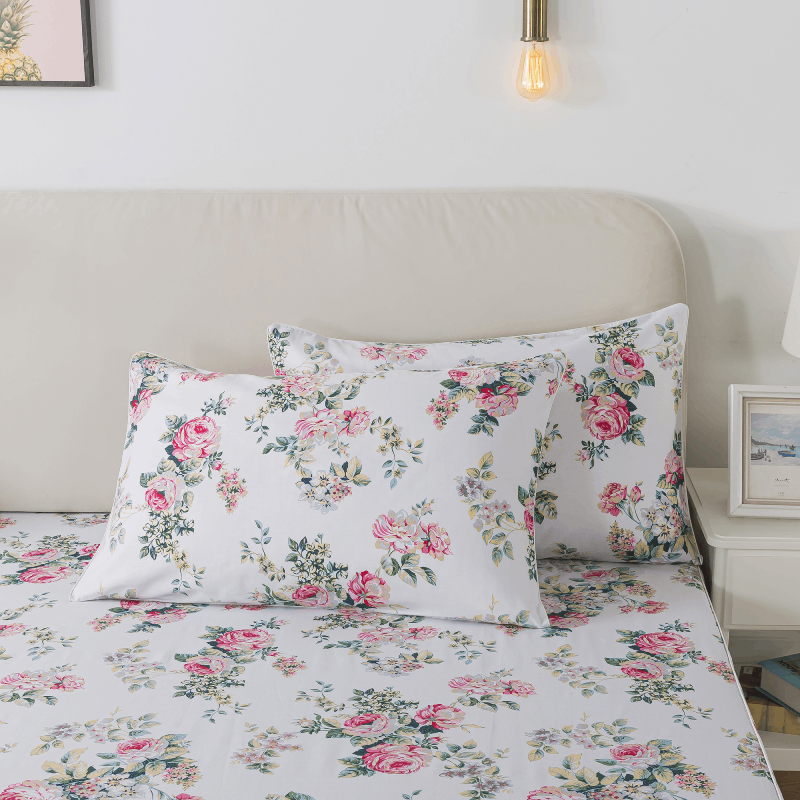
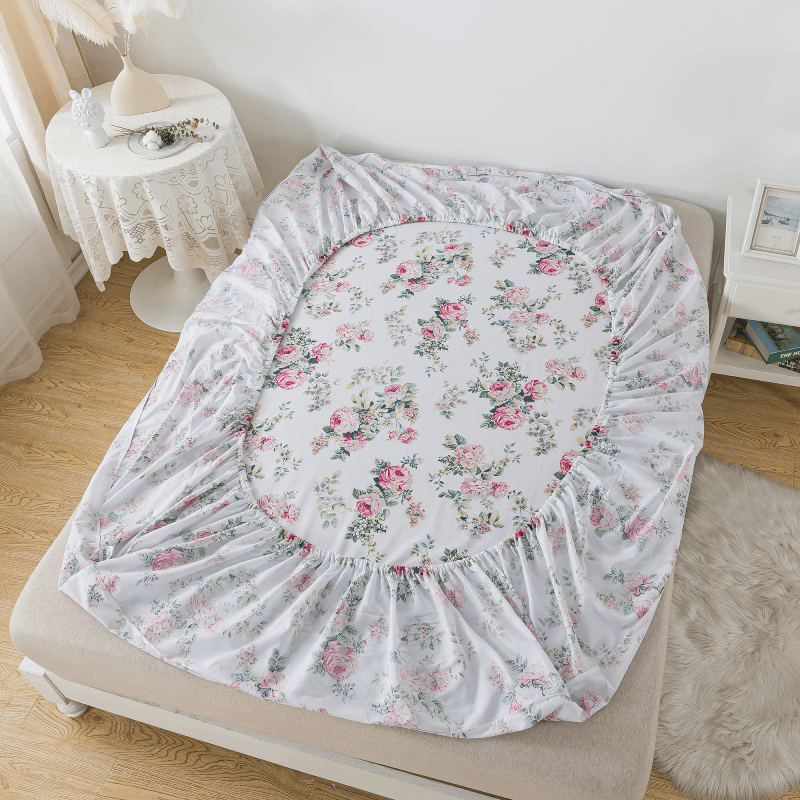
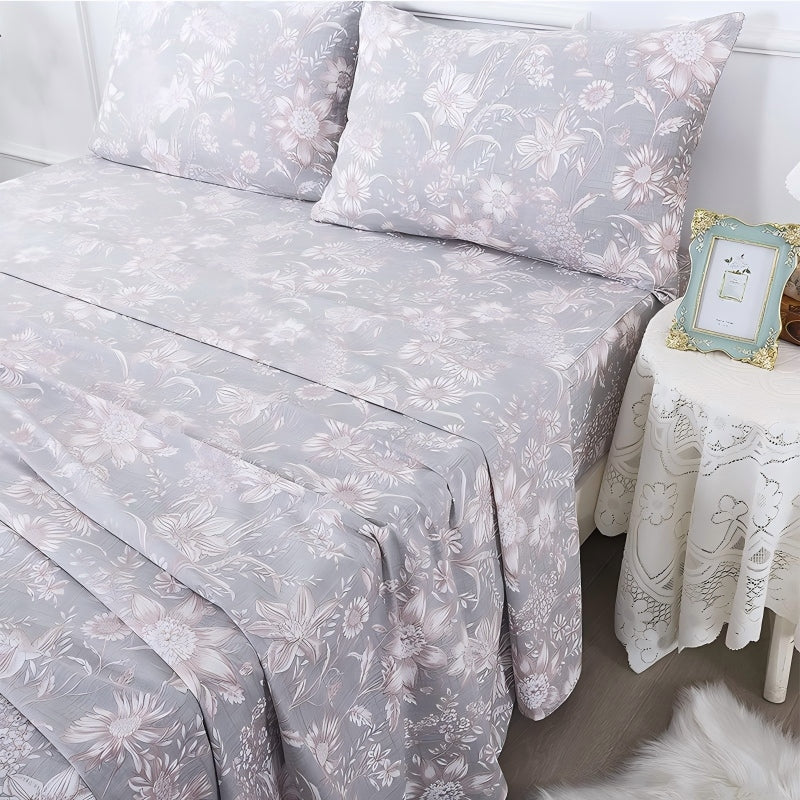
Small roses, gentle vines, and softly faded petals are ideal for people who prefer a romantic and comforting atmosphere. These patterns often create a bedroom that feels warm, graceful, and slightly nostalgic.
Floral bedding in muted pink, cream, lavender, or light blue works beautifully with ruffled pillows, vintage-inspired furniture, and soft curtains. The result is not necessarily formal or overly decorative. Instead, it feels personal, inviting, and thoughtfully collected.
This style may appeal to someone who values quiet moments, sentimental details, and a home that feels emotionally comforting.
Fresh and Nature-Inspired
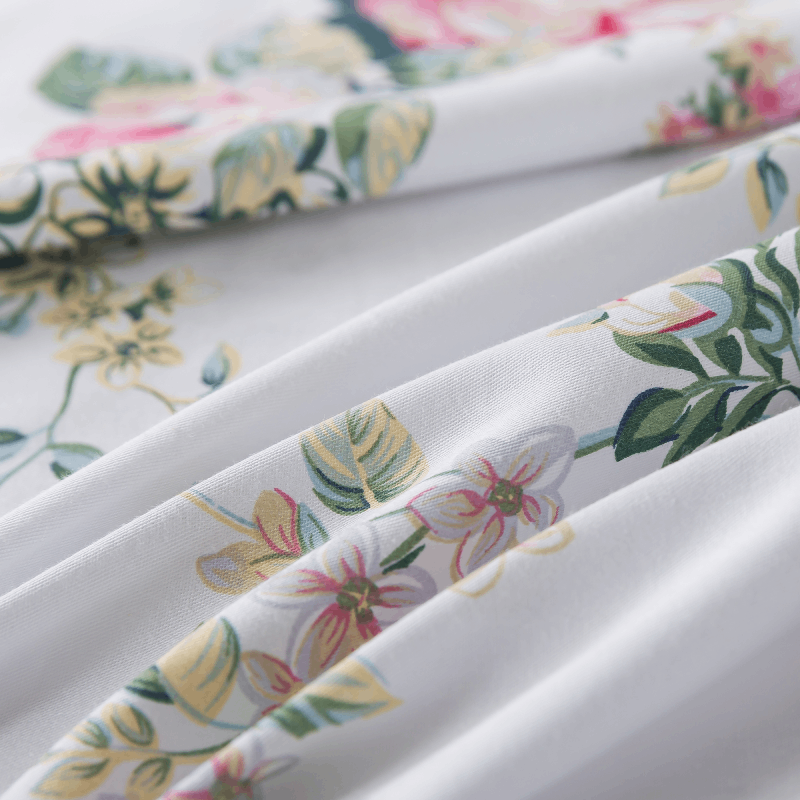
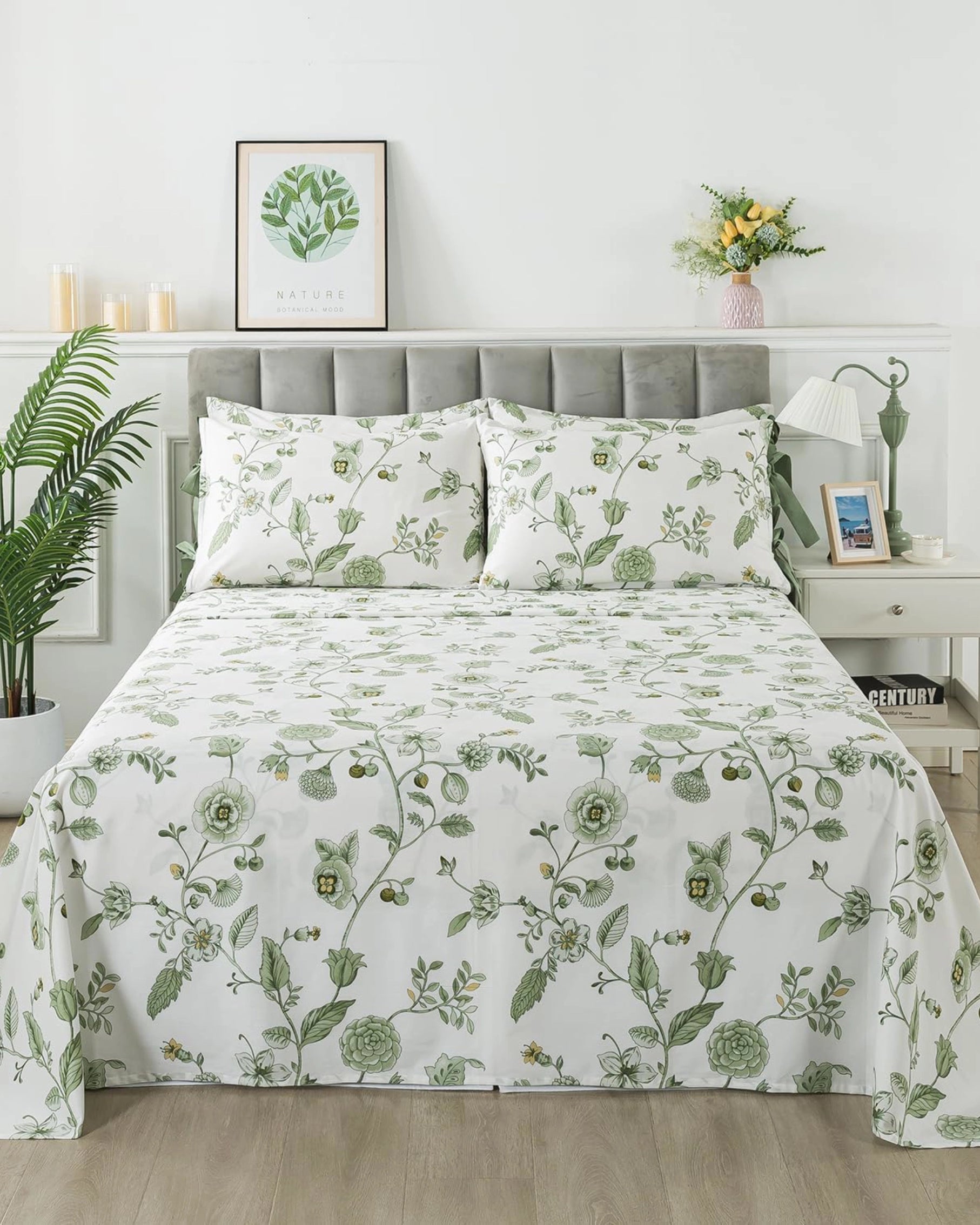
Botanical bedding featuring leaves, wildflowers, birds, or garden-inspired motifs can express a strong connection to nature. These patterns bring the visual freshness of the outdoors into the bedroom, even when the room has limited natural scenery.
Green, blue, beige, and earthy floral tones can create a peaceful environment that feels balanced and restorative. When paired with cotton bedding, wooden furniture, woven baskets, and natural light, the room develops an easy, grounded quality.
This type of floral bedding suits homeowners who enjoy calm spaces, organic textures, and decorating choices that feel relaxed rather than overly polished.

Bold and Artistic
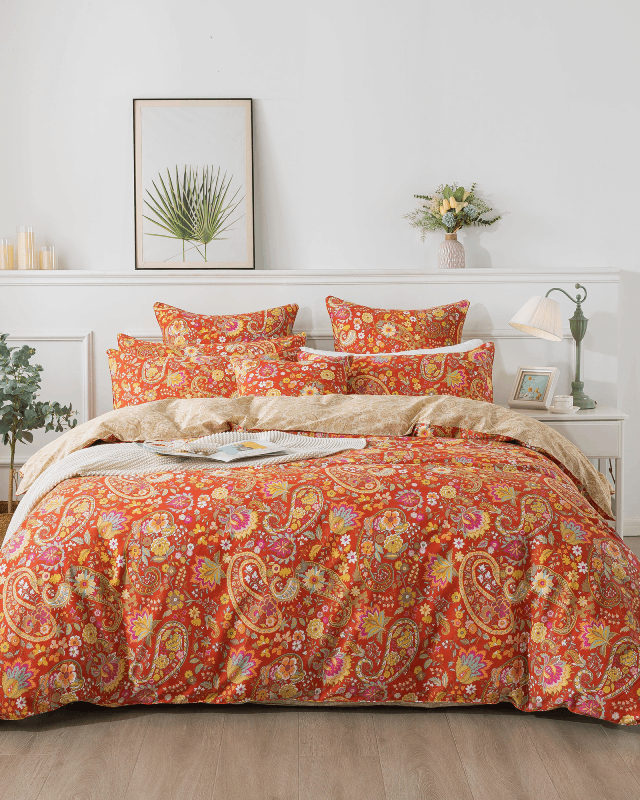
Floral bedding does not always have to look soft or traditional. Large blossoms, dramatic color contrasts, and expressive botanical designs can turn the bed into the main visual feature of the room.
A dark background with vivid flowers may create a sophisticated, moody look, while bright multicolored blooms can make the bedroom feel energetic and creative. These stronger patterns work particularly well in spaces with simple walls and minimal furniture because the bedding becomes the room’s artwork.
Choosing bold floral bedding can express confidence, individuality, and a willingness to experiment with interior design.
Classic and Timeless
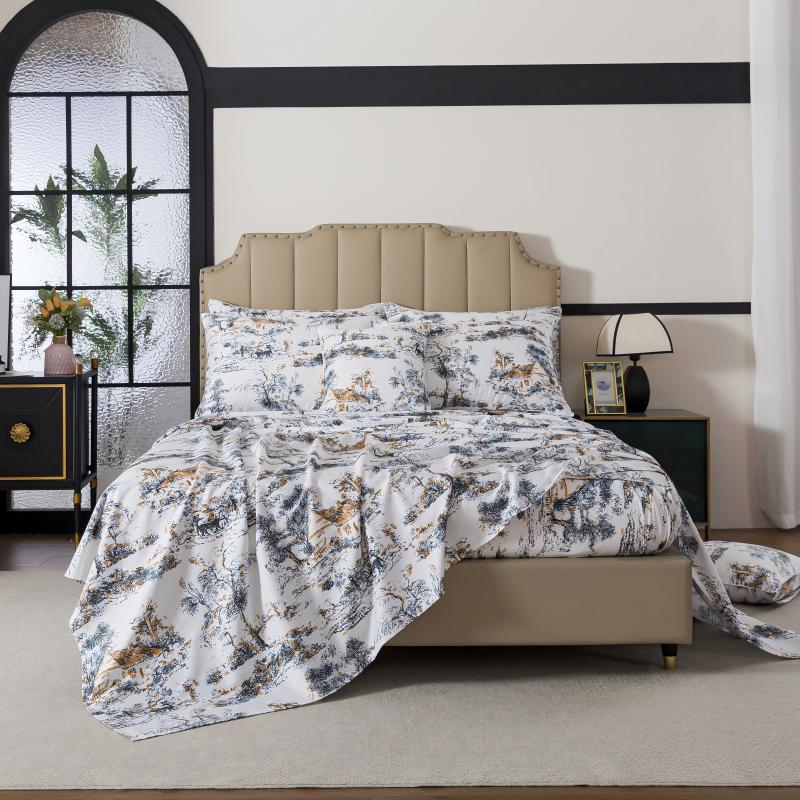
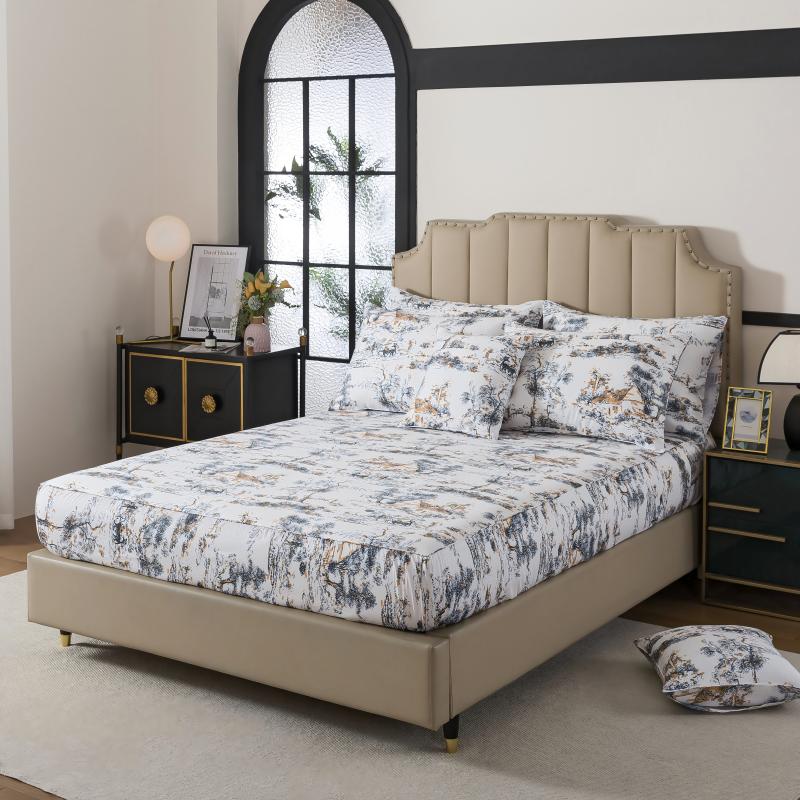
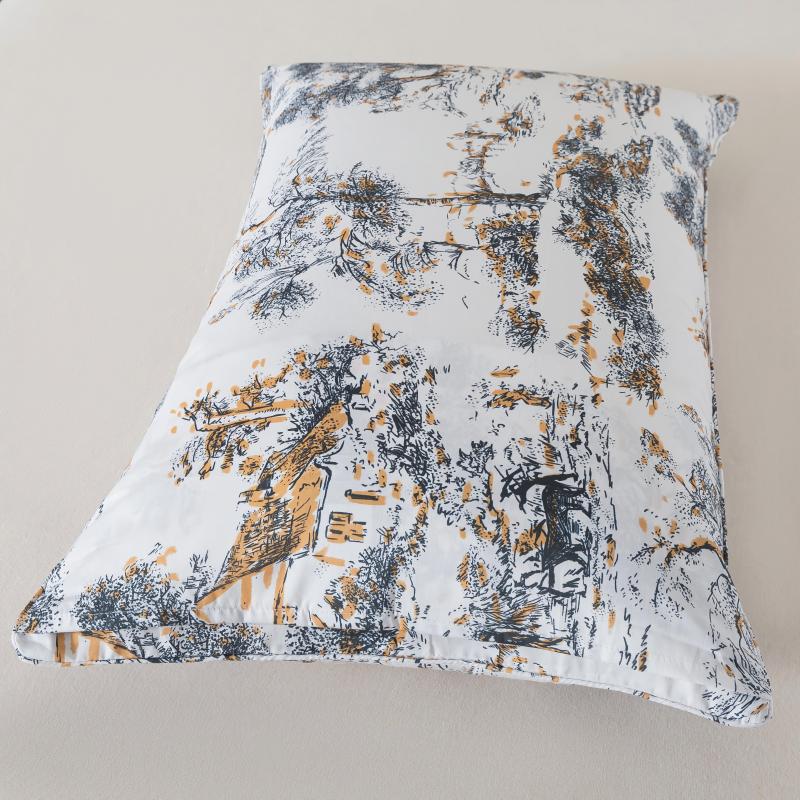
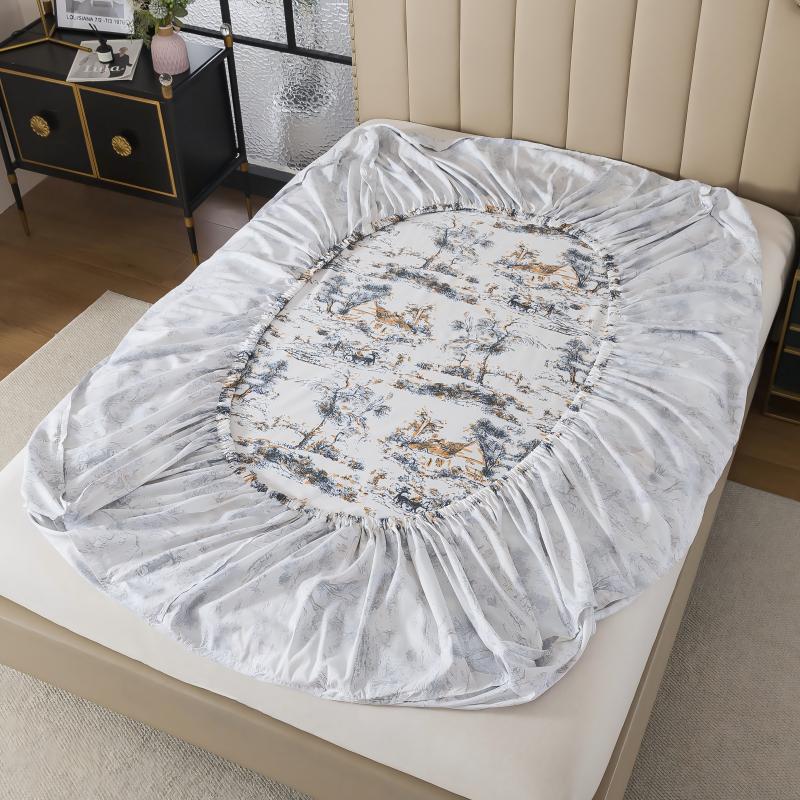
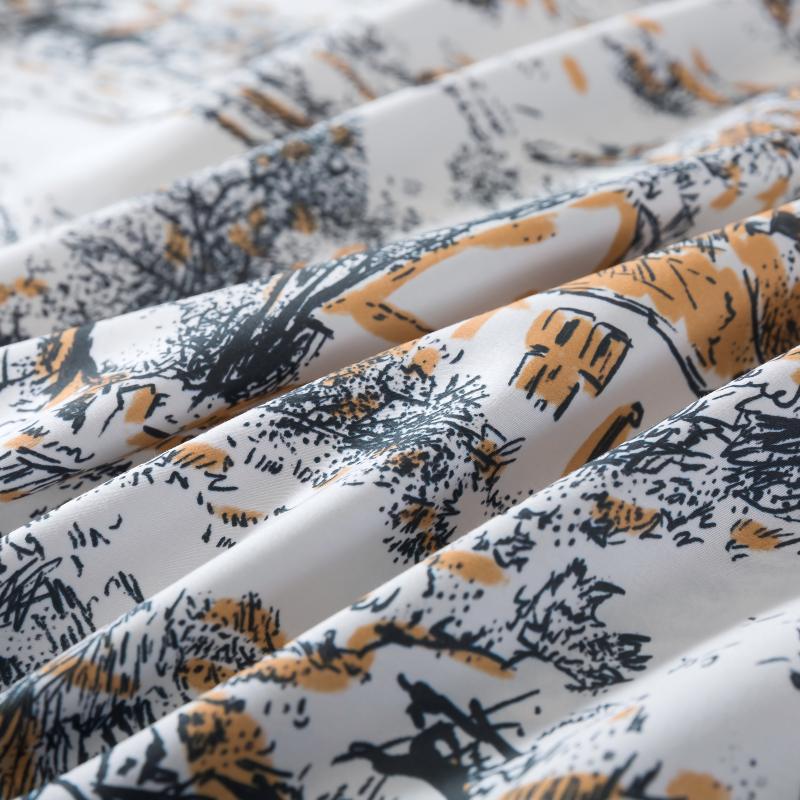
Traditional floral patterns have remained popular because they can adapt to many decorating styles. Toile-inspired flowers, repeating vines, and balanced botanical arrangements can look equally appropriate in farmhouse, French country, cottage, or classic bedrooms.
Homeowners with a timeless style often prefer patterns that feel elegant without following short-lived trends. They may combine floral bedding with neutral walls, antique-style furniture, striped accents, or simple cotton curtains.
The overall effect feels established and welcoming, as though the room has developed naturally over time.
Cheerful and Playful
Bright floral bedding can instantly make a bedroom feel more optimistic. Sunflowers, daisies, colorful garden blooms, and whimsical botanical prints add energy without requiring many extra decorations.
This style works well in children’s rooms, guest bedrooms, and casual adult spaces. It may be paired with colorful cushions, painted furniture, or playful accessories, but it can also stand alone against a clean white background.
People who choose cheerful floral bedding often want their homes to feel lively, approachable, and full of positive energy.
Calm and Minimal
Floral bedding can also work in a minimalist bedroom. The key is selecting a restrained pattern with a limited color palette and plenty of open space within the design.
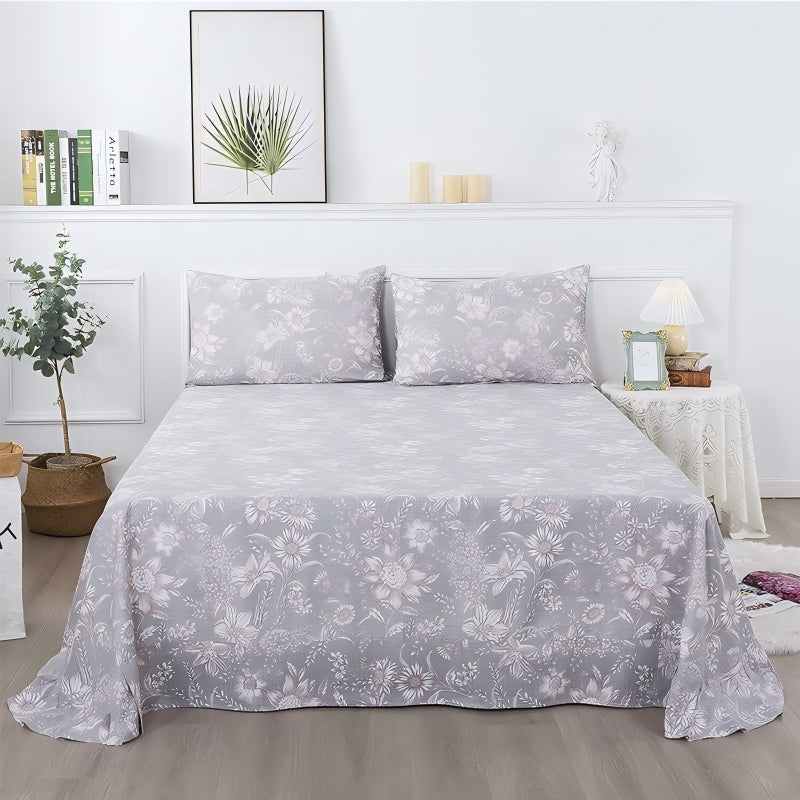
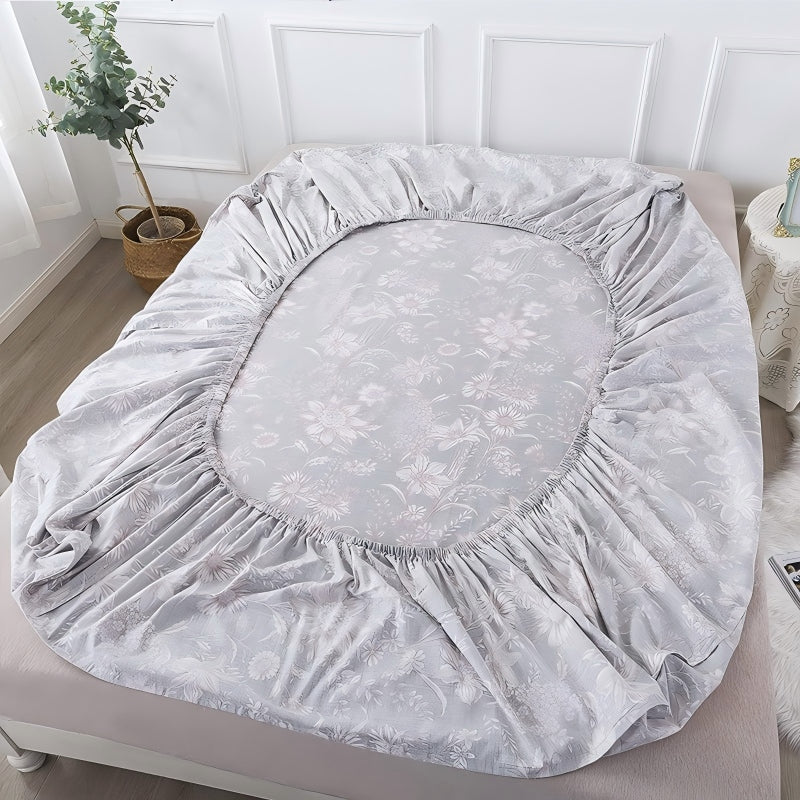
A simple branch print, delicate line-drawn flowers, or small monochromatic blossoms can introduce personality while maintaining a clean and uncluttered appearance. Neutral floral bedding in white, gray, sage, or pale blue can soften a modern room without overwhelming it.
This approach is suitable for people who appreciate simplicity but do not want their bedrooms to feel cold or impersonal.
Mixing Different Sides of Your Personality
Your home personality may not fit into only one category. You might enjoy romantic florals in spring, brighter botanical designs in summer, and deeper floral tones during autumn and winter.
Reversible bedding, layered quilts, decorative pillowcases, and seasonal throws make it possible to adjust the atmosphere without replacing every element in the room. A floral pattern can be combined with stripes, solids, checks, or subtle textures to create a more personal and layered look.
The most expressive bedrooms often include a thoughtful mix of styles rather than following one decorating rule too strictly.
Choosing Floral Bedding That Feels Like You
Before selecting a floral pattern, consider how you want your bedroom to feel. Do you want it to be peaceful, cheerful, elegant, nostalgic, or dramatic? The emotional response matters just as much as the colors or pattern size.
You should also consider the scale of the room. Large floral prints can create a striking focal point, while smaller patterns may feel softer and easier to coordinate. Natural materials such as cotton can further enhance the room by adding breathability, softness, and a relaxed texture.
Most importantly, choose bedding that you genuinely enjoy seeing every day. A bedroom should not simply imitate a trend. It should reflect your habits, preferences, and sense of comfort.
Final Thoughts
Floral bedding is more than a decorative layer. It is a simple and flexible way to communicate personality throughout the bedroom. Whether your style is romantic, natural, artistic, classic, playful, or minimal, the right floral pattern can help your space feel more connected to who you are.
By choosing colors, prints, and textures that feel meaningful to you, floral bedding can transform an ordinary bedroom into a personal expression of home.