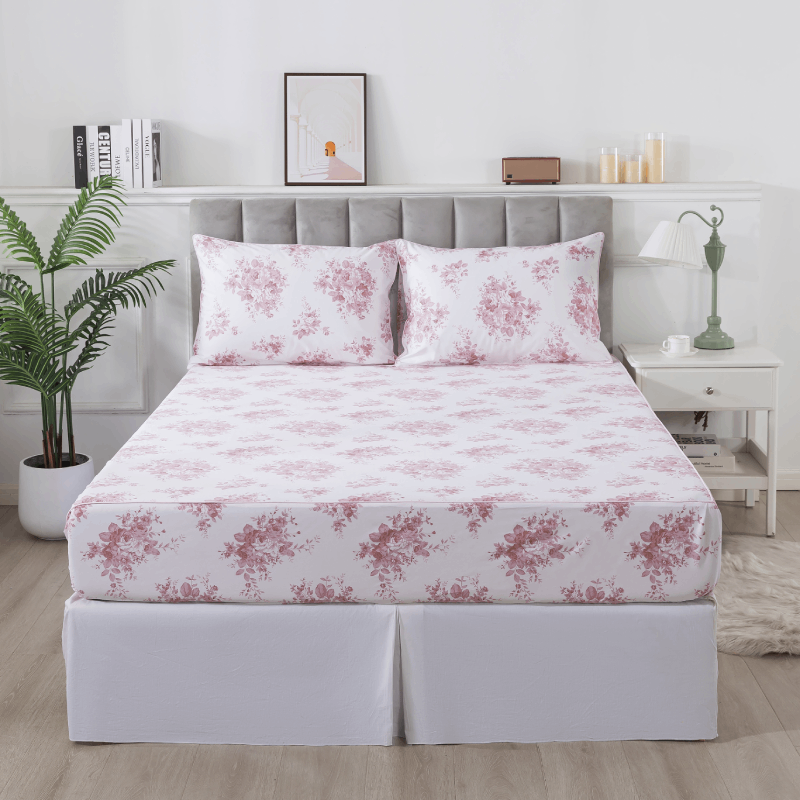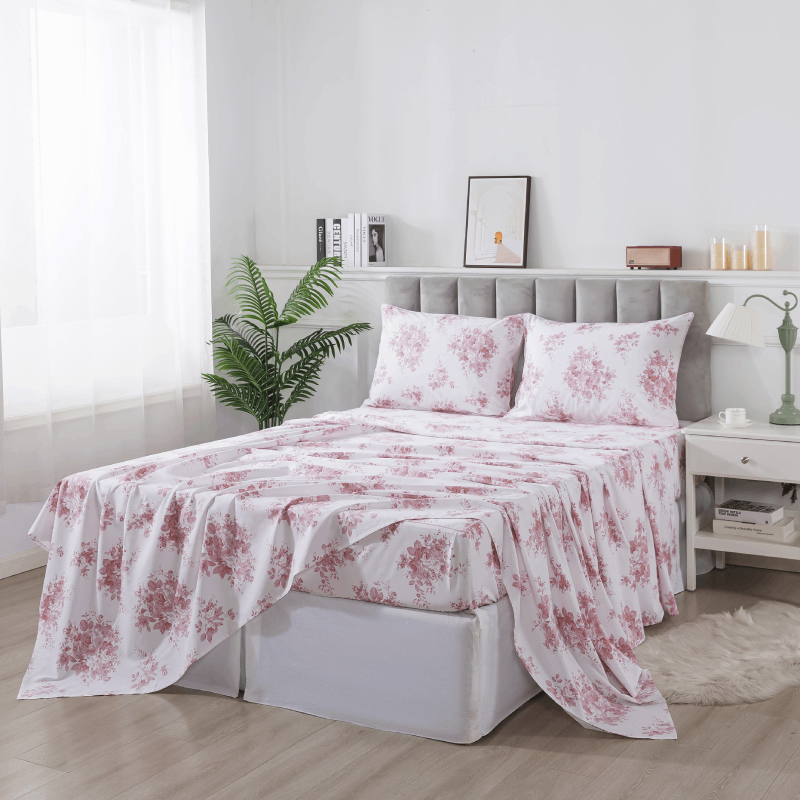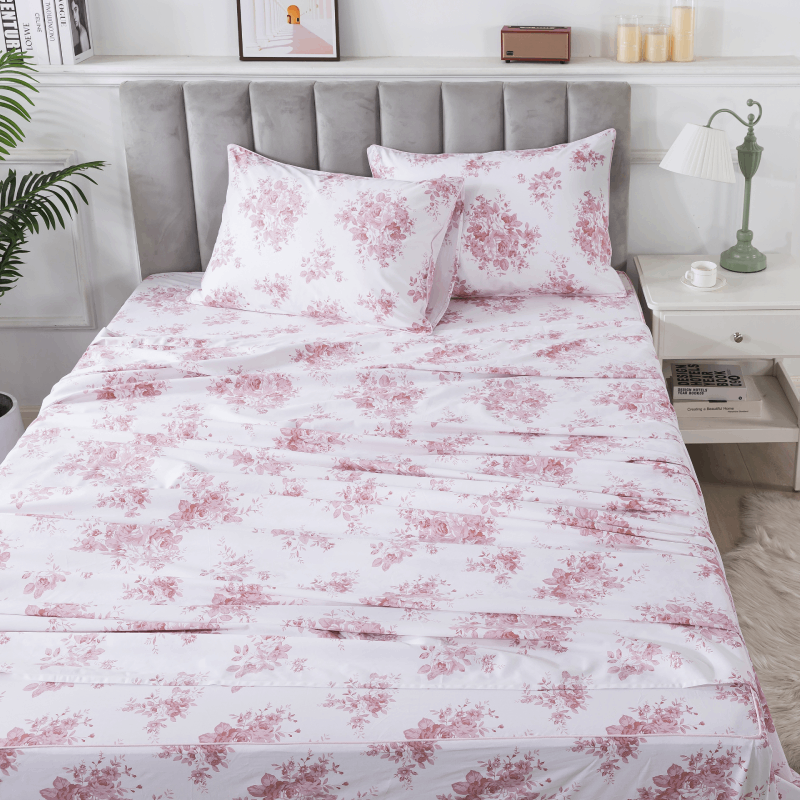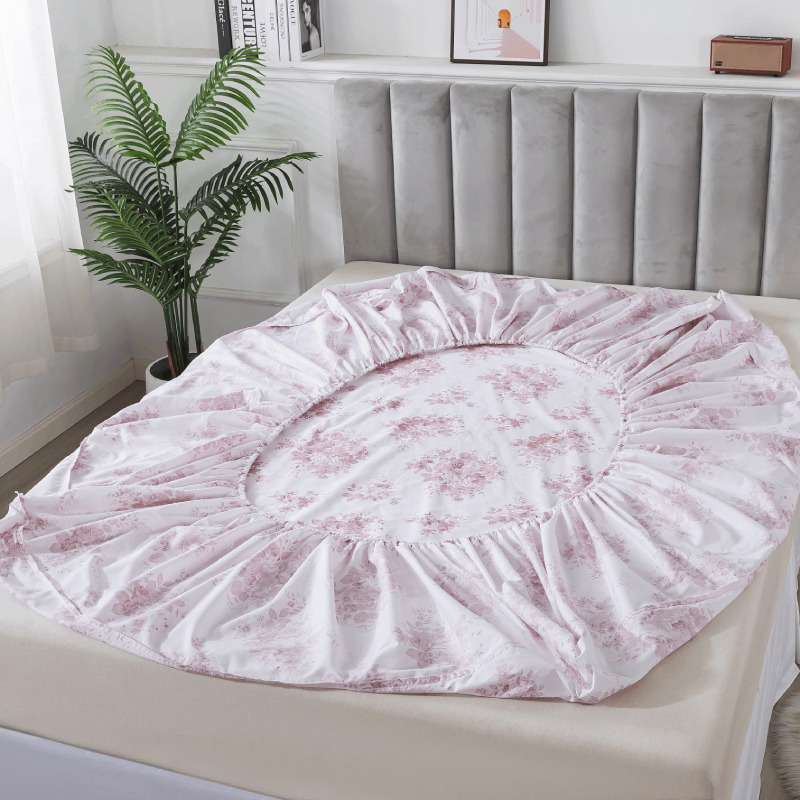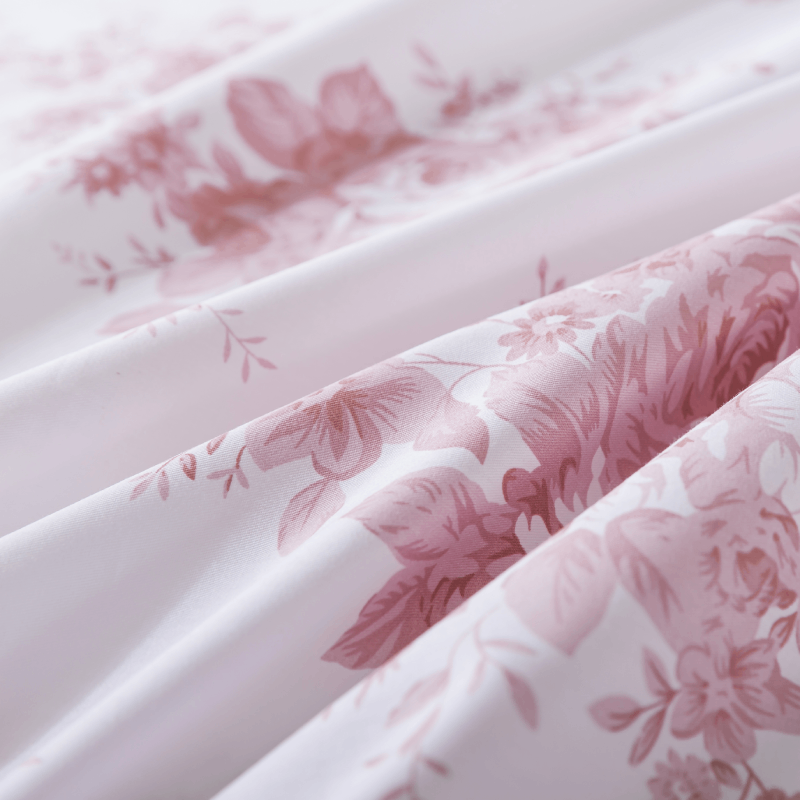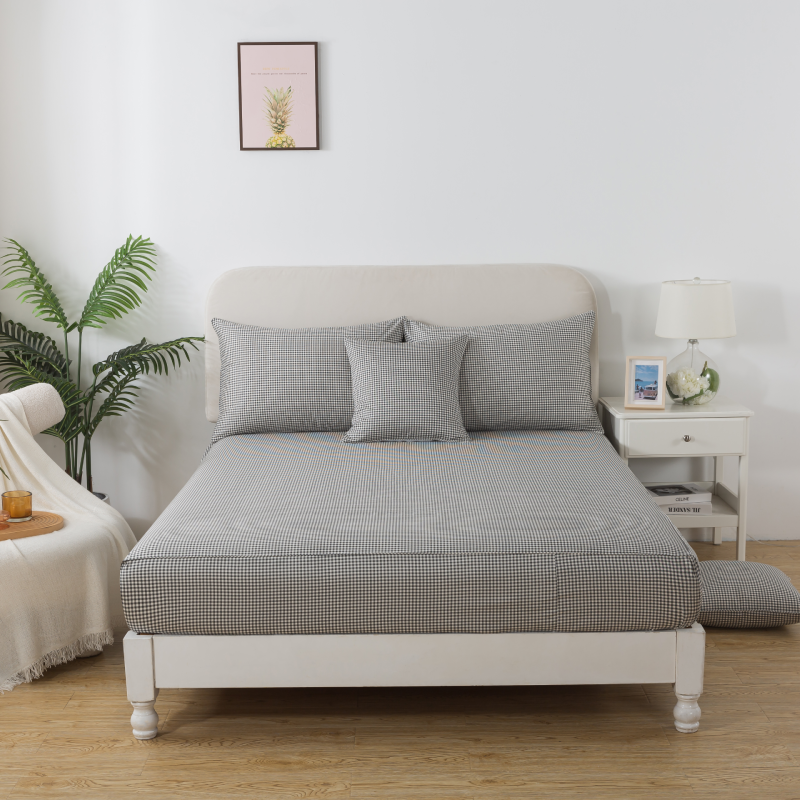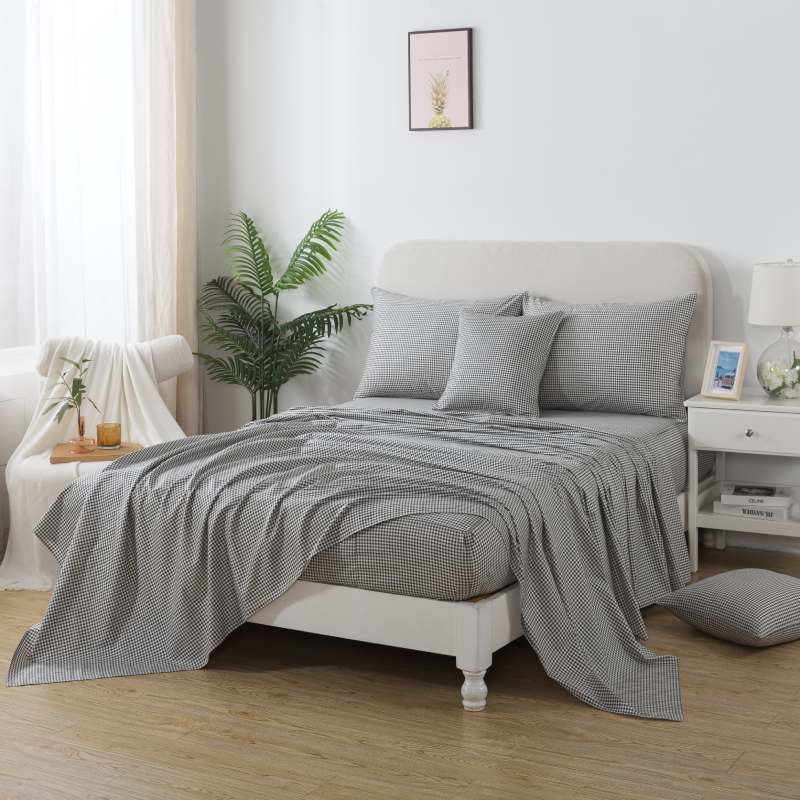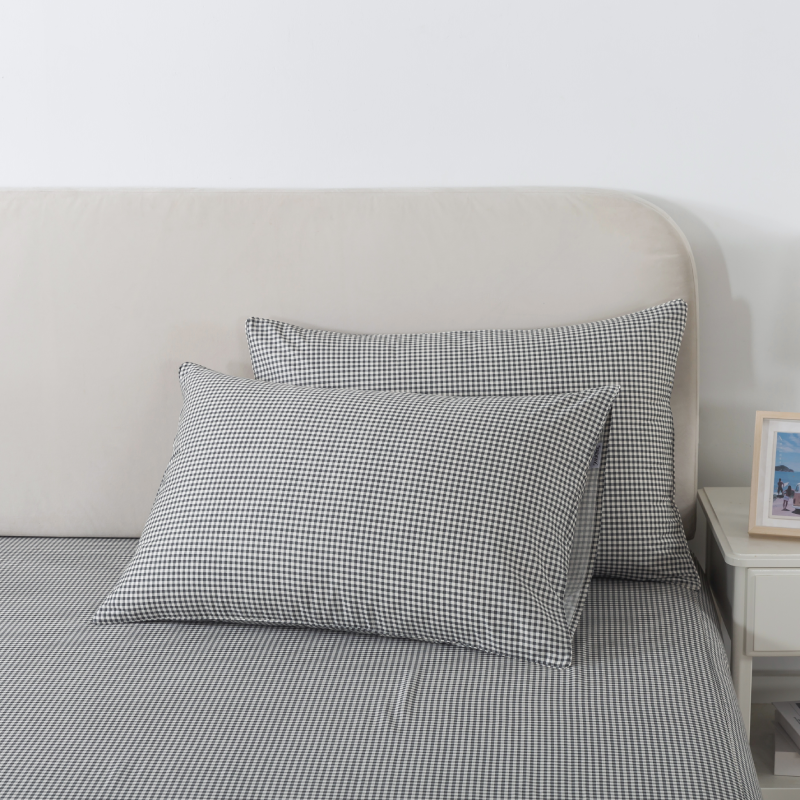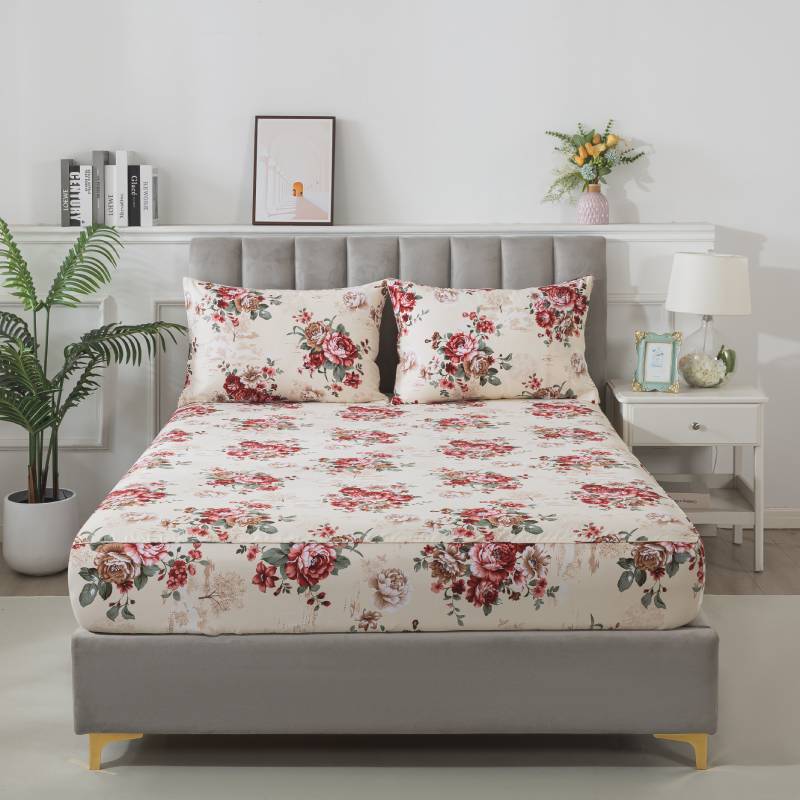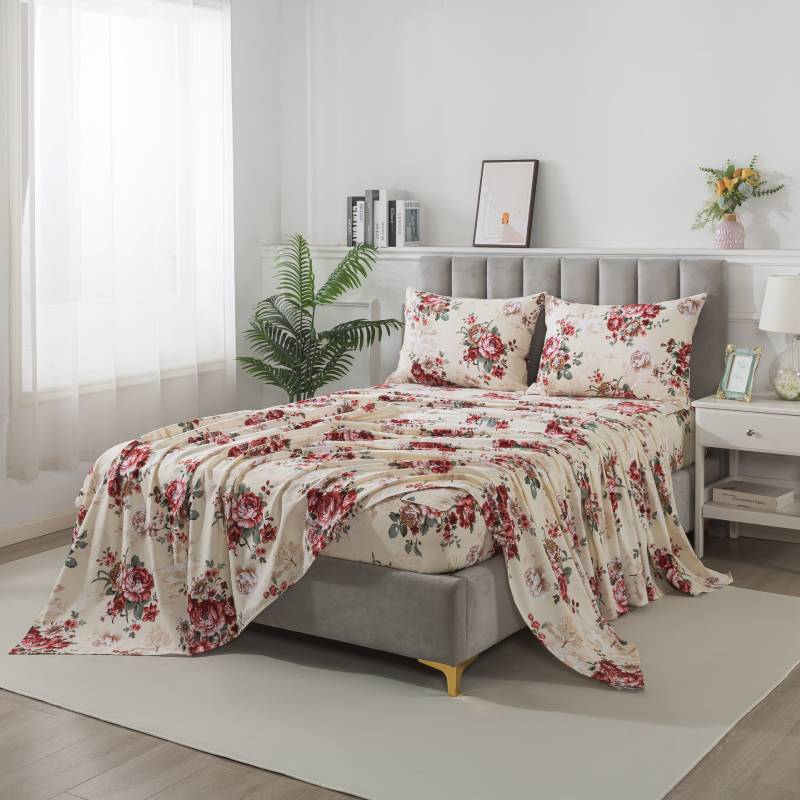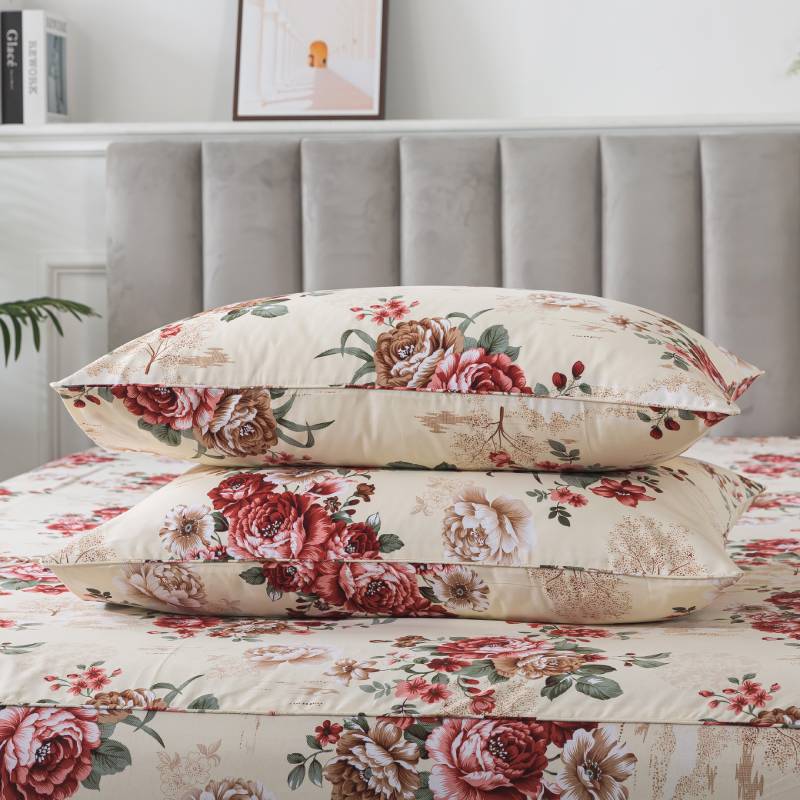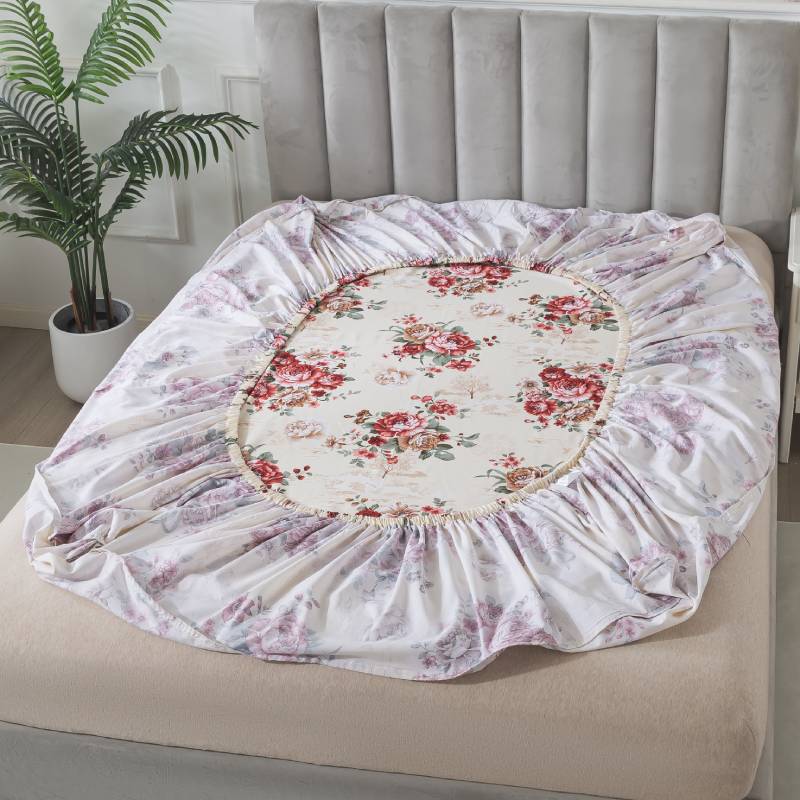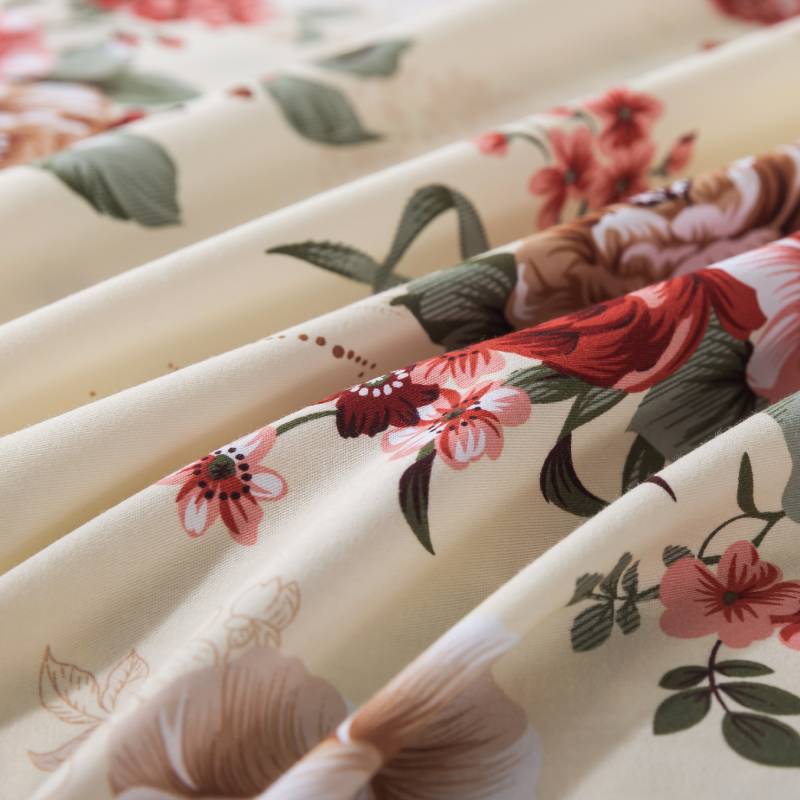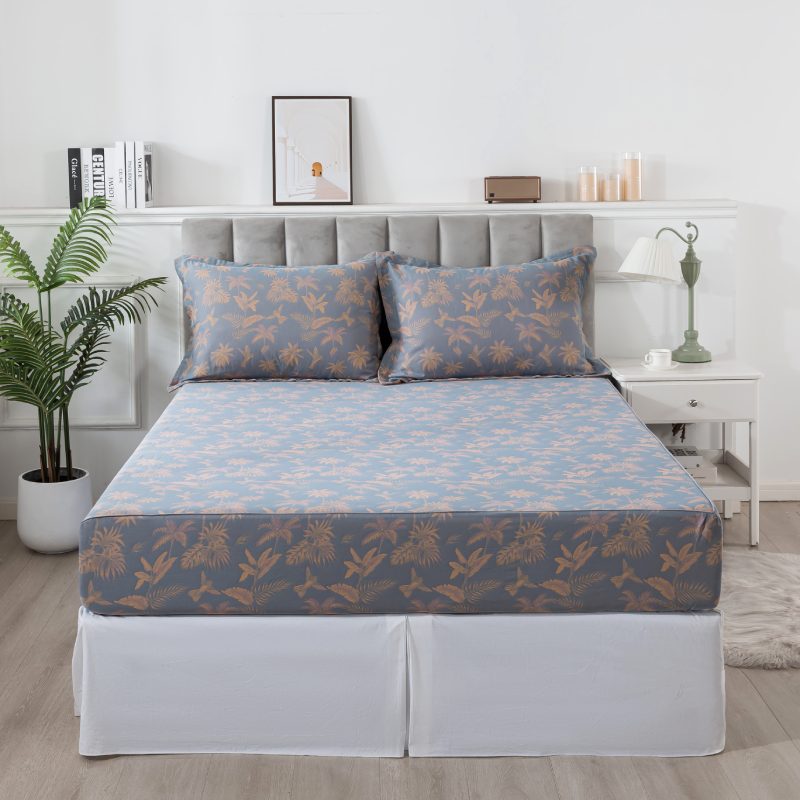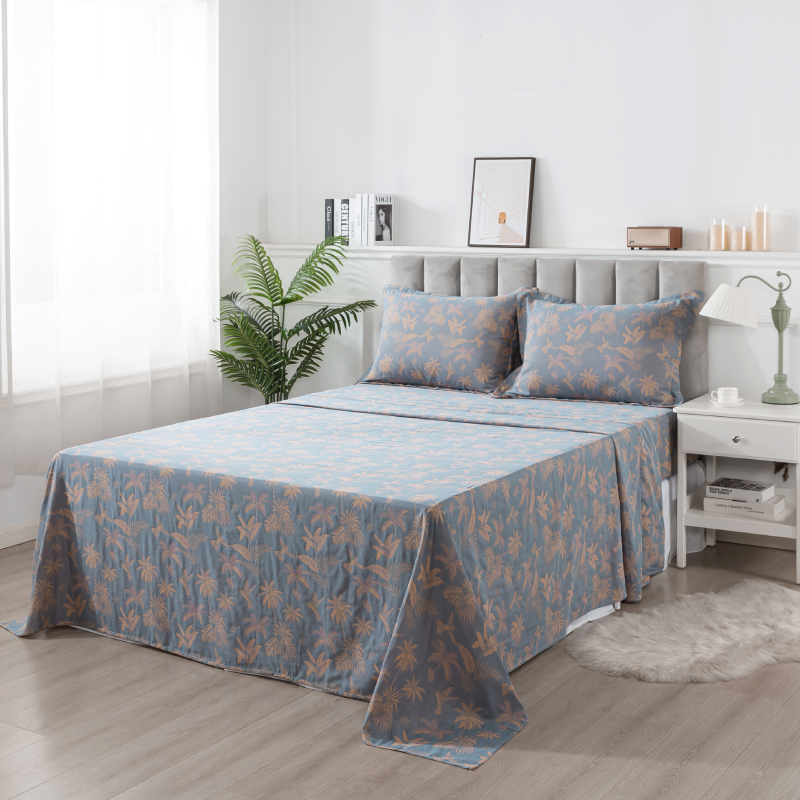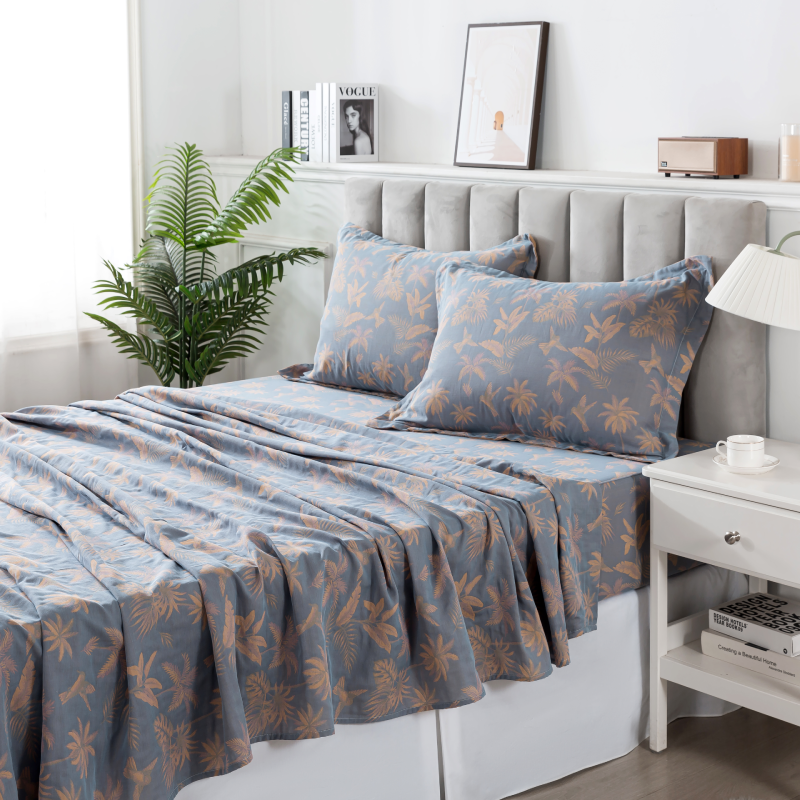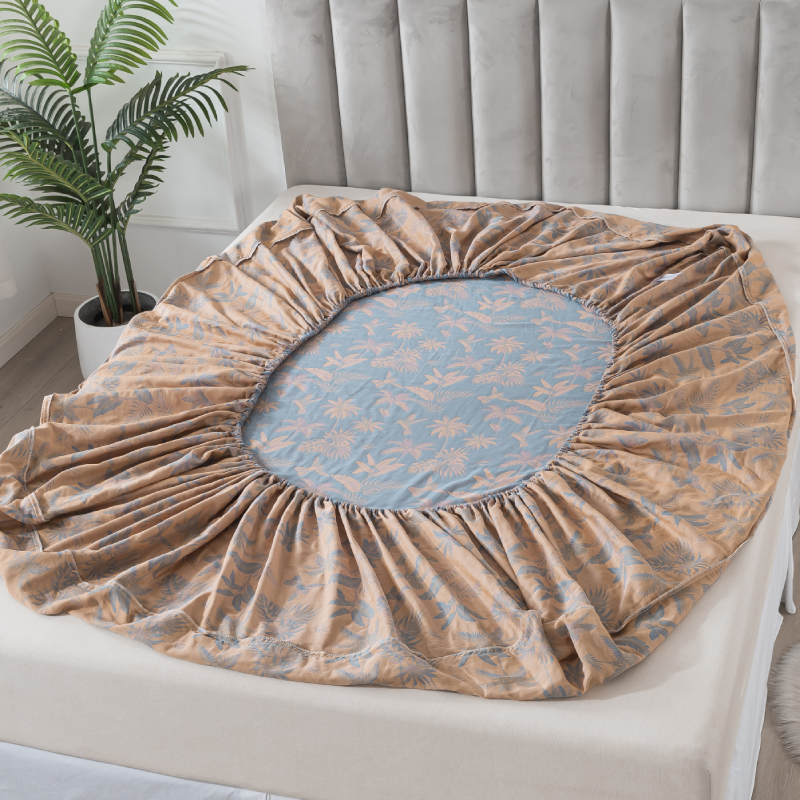
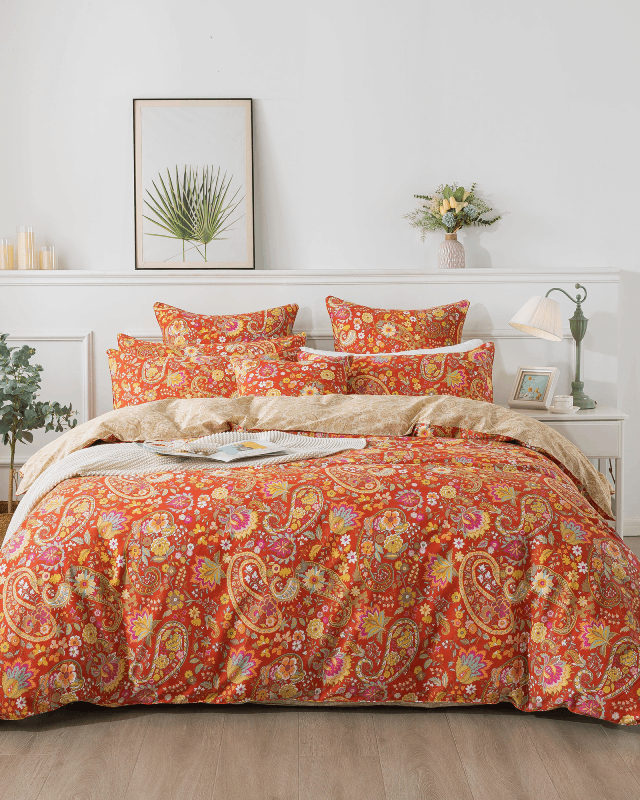
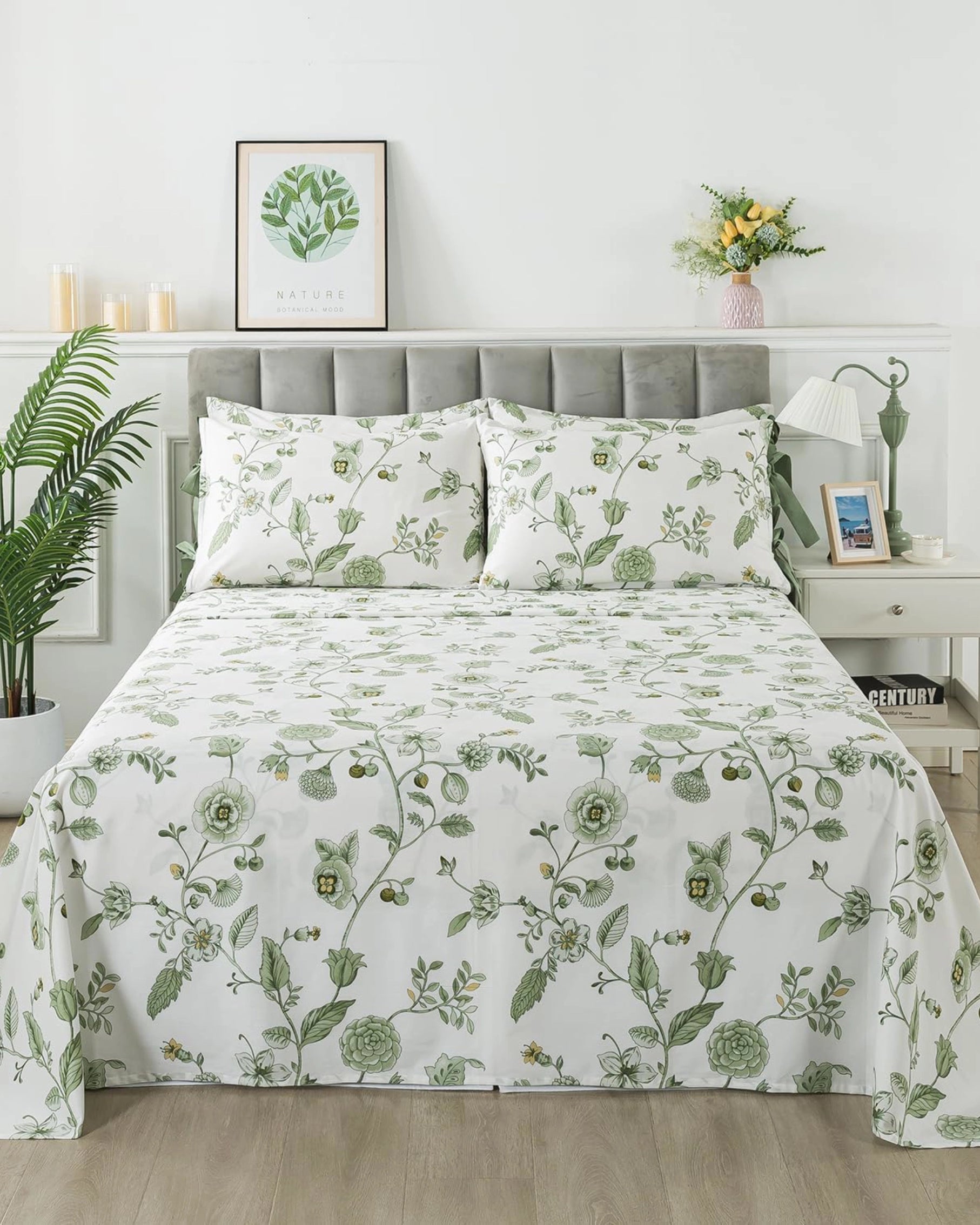


Floral bedding is no longer confined to traditional or vintage interiors. With the evolution of textile design and modern color palettes, floral patterns have become a highly adaptable element that can integrate seamlessly into a wide range of home styles. Whether subtle or bold, floral bedding can shape the mood of a bedroom and reinforce the overall design language when applied thoughtfully.
1. Modern Minimalist: Controlled Softness
Minimalist interiors emphasize simplicity, clean lines, and restrained color schemes. In this context, floral bedding should be used with precision rather than abundance.
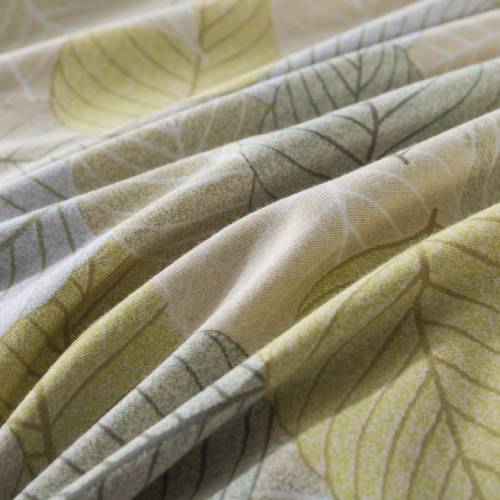
Small-scale, low-contrast floral patterns work best. Designs in neutral tones—such as soft beige, light gray, or muted pastels—allow the bedding to introduce visual interest without overwhelming the space. The floral element should act as a gentle layer of texture rather than a focal point competing with the room’s architecture.
The goal is balance: maintaining minimalism while softening the environment with subtle natural detail.
2. Farmhouse & Cottage: Warmth and Familiarity
Floral bedding fits naturally into farmhouse and cottage interiors, where comfort and a sense of nostalgia are central. These styles embrace softness, layering, and an inviting, lived-in atmosphere.
Vintage-inspired floral prints, especially in soft pinks, blues, and creams, complement wooden furniture and warm lighting. Quilted textures and cotton fabrics enhance the tactile experience, reinforcing the idea of coziness and everyday comfort.
Layering is key in this style. Combining floral bedding with neutral throws, textured cushions, or even mixing different floral patterns can create a curated yet effortless look that feels personal and timeless.

3. Scandinavian: Light and Nature-Oriented
Scandinavian design focuses on brightness, simplicity, and a strong connection to nature. Floral bedding can enhance this aesthetic when it aligns with these principles.
The most effective approach is to use botanical-inspired prints on light backgrounds such as white or soft cream. The florals should feel airy and organic rather than dense or overly decorative. Pairing floral bedding with natural materials—like wood, linen, and indoor plants—helps reinforce the calm, nature-driven atmosphere.
In this setting, floral patterns function as an extension of the outdoors, bringing subtle life into a clean and breathable interior.
4. Bohemian (Boho): Expression and Layering
Bohemian interiors embrace individuality, color, and a layered visual experience. Floral bedding becomes a central design feature rather than a supporting element.
Large-scale, vibrant floral prints in rich tones—such as deep reds, mustard yellows, or earthy greens—work well in this style. Mixing patterns is encouraged, so floral bedding can be paired with geometric or ethnic textiles, along with tassels, fringe, and varied textures.
The emphasis here is on creative freedom. Floral bedding contributes to a dynamic and expressive environment where visual richness is intentional and cohesive through layering.
5. Classic & Traditional: Timeless Elegance
Floral bedding has deep roots in traditional interior design, where it symbolizes refinement and continuity. In these spaces, florals are often more detailed and symmetrical.
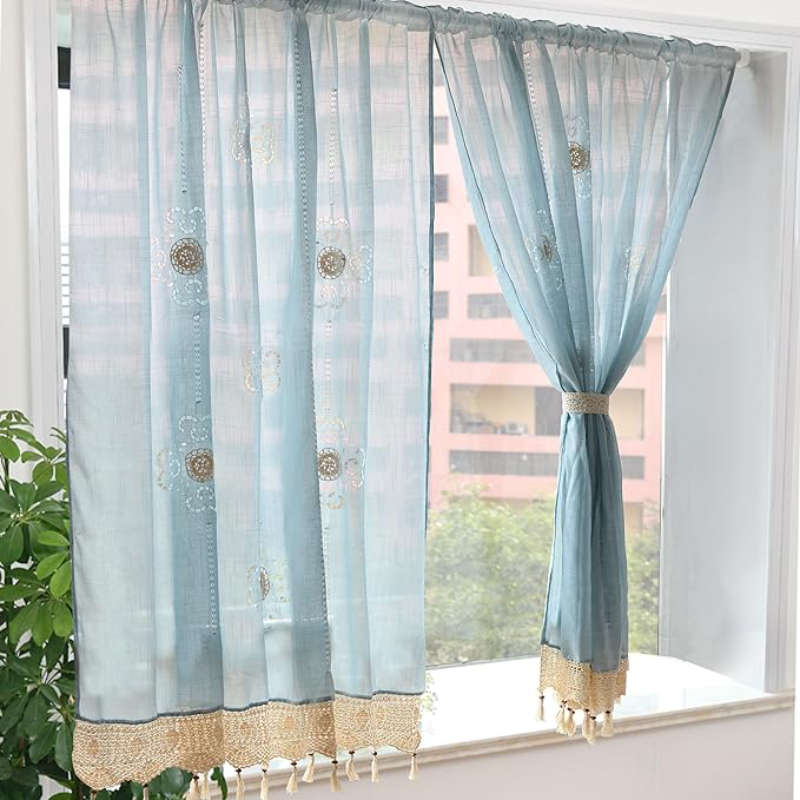
Classic floral patterns typically feature balanced compositions and richer color palettes. They are often paired with coordinated elements such as curtains, upholstered furniture, or decorative pillows to create a unified look.
Layered bedding sets—featuring sheets, quilts, and decorative covers—enhance the sense of luxury. In traditional interiors, floral bedding is not just decorative; it reinforces a structured and elegant environment.
6. Contemporary & Transitional: Harmonizing Styles
Contemporary and transitional interiors blend modern simplicity with classic influences. Floral bedding plays a strategic role in bridging these two aesthetics.
Refined floral patterns with updated color palettes—such as soft neutrals combined with muted blues or greens—work particularly well. The designs should feel modernized rather than overly ornate.
Balancing is essential. Clean-lined furniture and minimal decor help ground the space, while floral bedding introduces warmth and softness. This creates a cohesive look that feels both current and approachable.
Final Thoughts
Floral bedding is a highly versatile design element that can adapt to virtually any home style when used thoughtfully. Its effectiveness depends on three key factors:
-
Scale: Determines how dominant or subtle the pattern appears
-
Color: Aligns the bedding with the room’s overall palette
-
Context: Ensures consistency with the surrounding design elements
By adjusting these variables, floral bedding can transition from understated elegance to bold expression, making it suitable for a wide range of interiors. For brands and homeowners alike, this flexibility offers a powerful opportunity to create spaces that feel both stylish and personal.