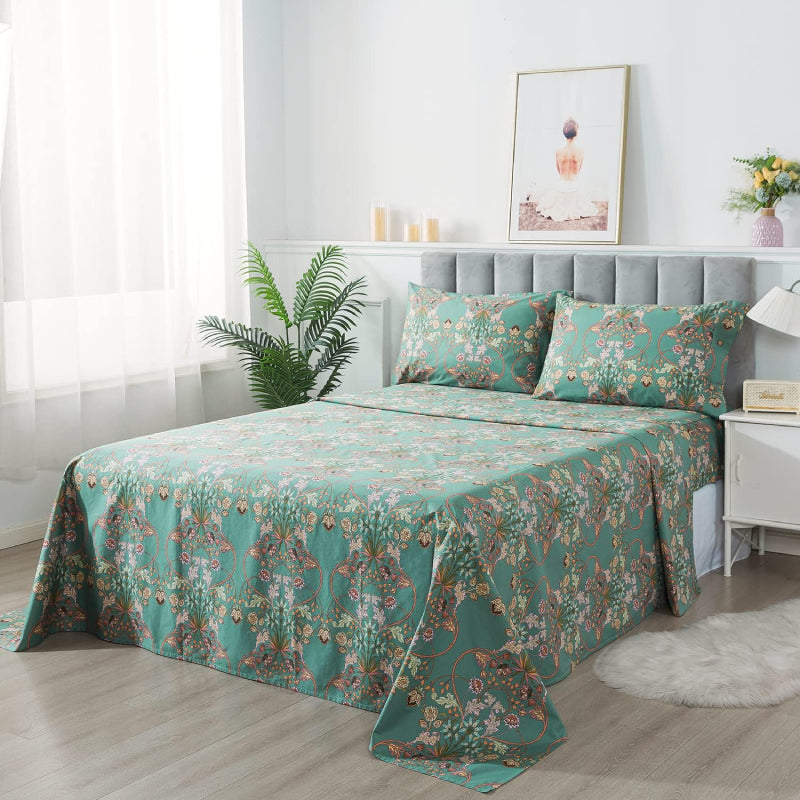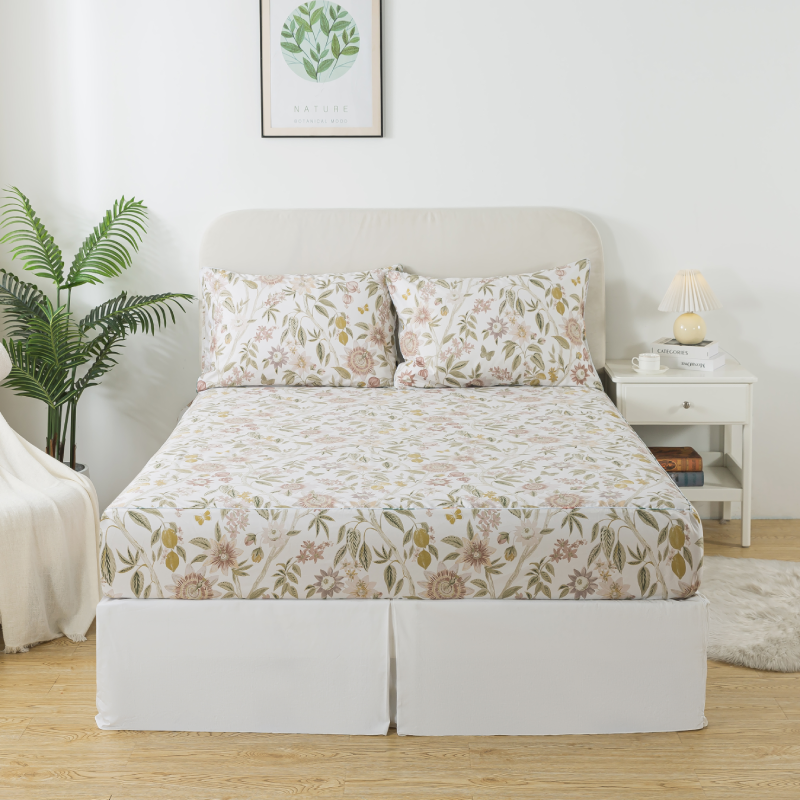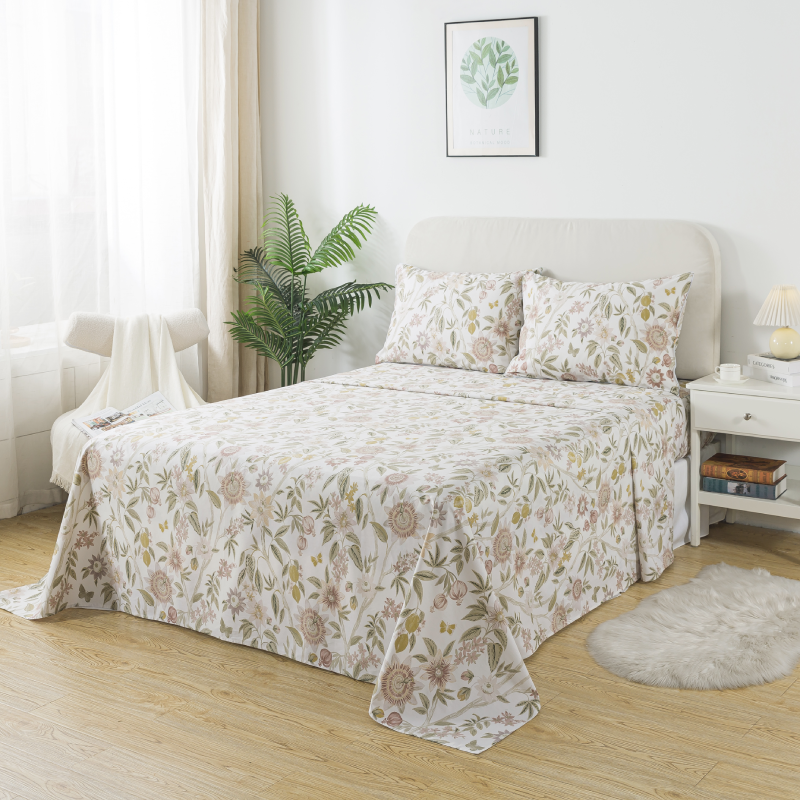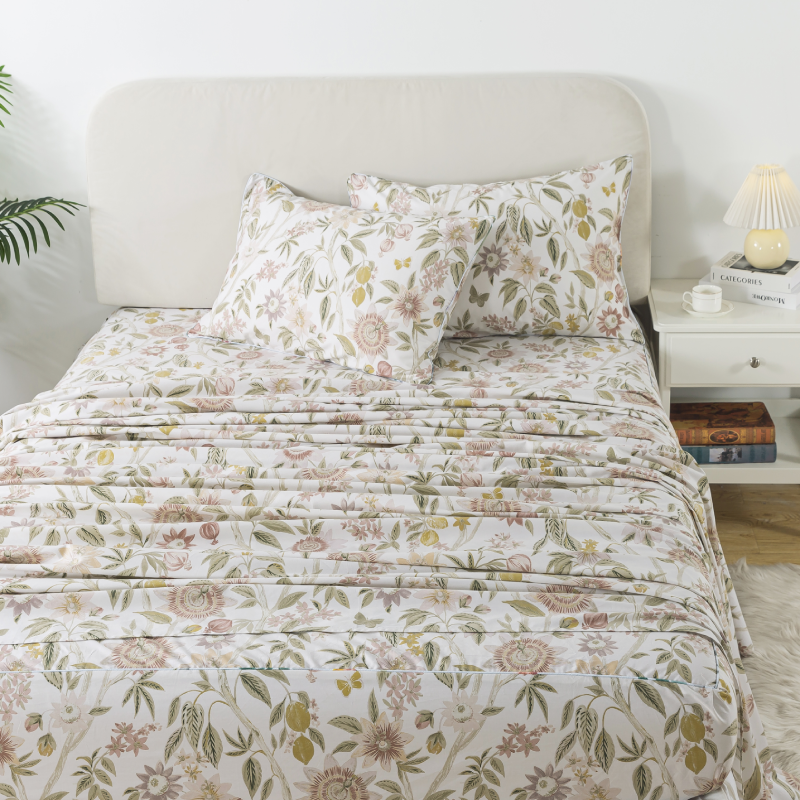




Home is not only defined by walls, furniture, or decoration. Very often, it is shaped by the quiet details we return to every day—the softness of a pillow, the color of a duvet, the way sheets feel against the skin after a long day. Among all the elements in a bedroom, bedding has one of the strongest emotional effects because it is directly connected to rest, comfort, and personal routine.
The right bedding does more than complete the look of a room. It can change how a space feels, how we relax, and how deeply we connect with the idea of home.
Bedding Creates the First Sense of Comfort
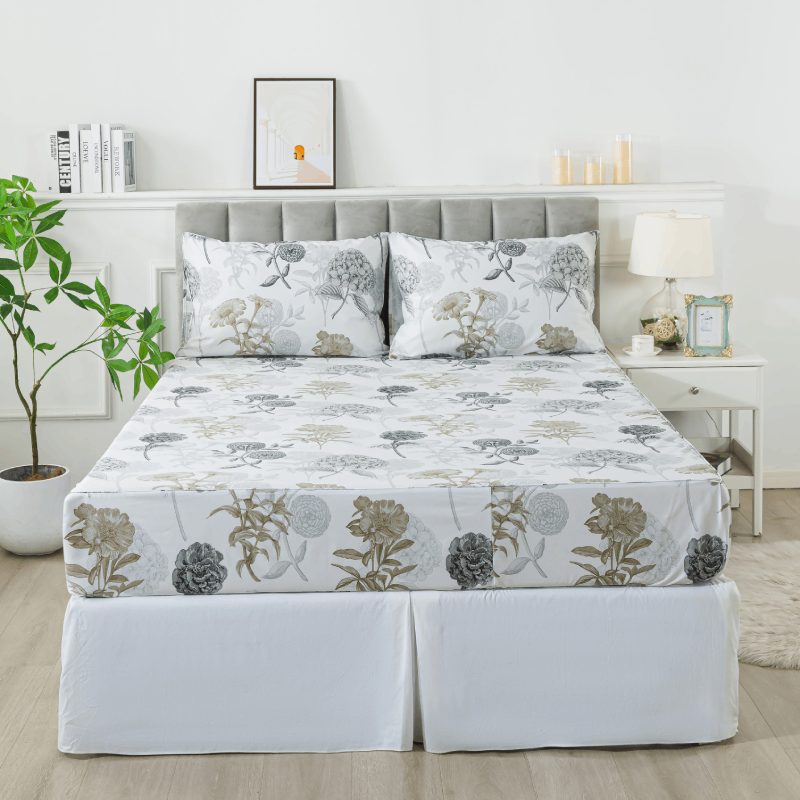
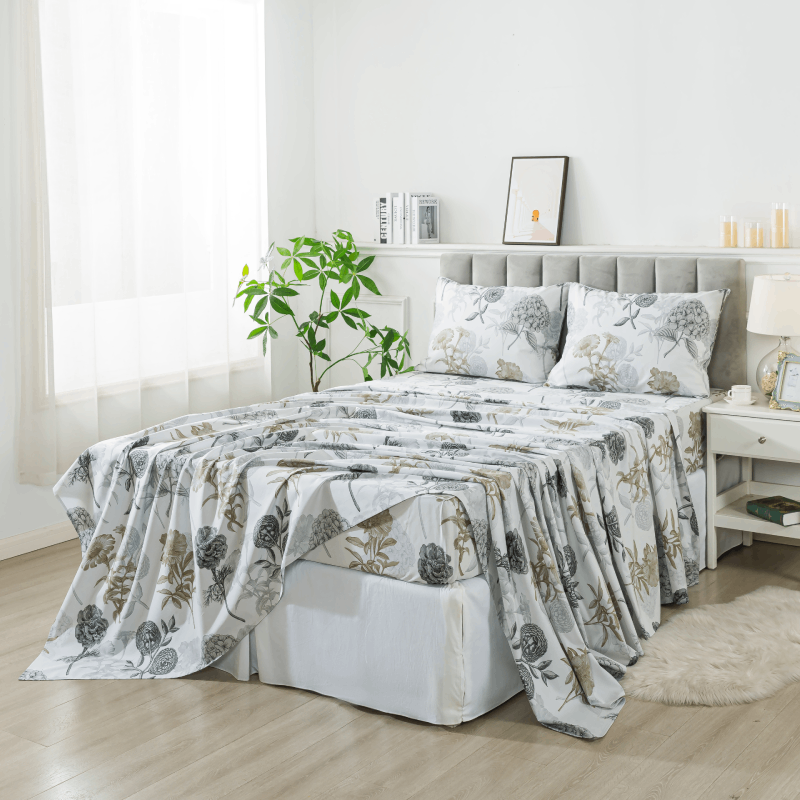
When we walk into a bedroom, the bed is usually the visual center of the space. Its color, texture, and overall style immediately influence the mood of the room. A neatly layered bed with soft, inviting bedding can make a bedroom feel calm, cared for, and complete.
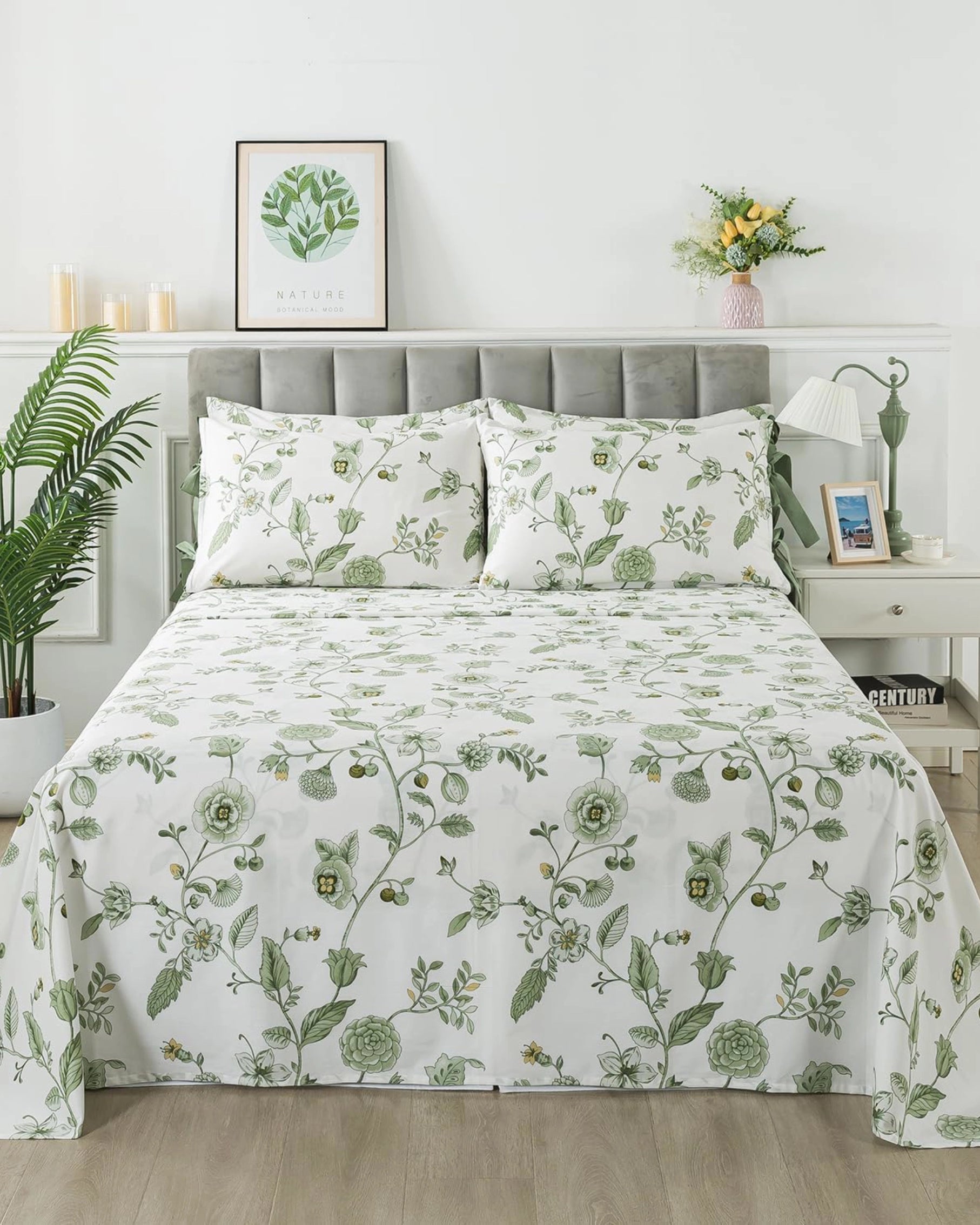
This first impression matters because the bedroom is where we often begin and end the day. Bedding that looks comfortable can create a sense of emotional ease before we even touch it. Soft cotton sheets, gentle floral prints, and relaxed textures can make the room feel warmer and more personal, rather than cold or purely decorative.
A bedroom does not need to be overly styled to feel beautiful. Sometimes, the most comforting spaces are the ones that feel natural, lived-in, and quietly elegant.
Texture Changes the Way a Room Feels
Bedding is one of the few home textiles we experience closely every day. Because of this, texture plays a major role in how we perceive comfort. Smooth, breathable cotton can make the bed feel fresh and clean, while slightly textured fabrics can add depth and warmth.
The feeling of home often comes from these tactile details. A soft quilt, a breathable duvet cover, or a pillowcase that feels gentle against the skin can make the bedroom feel more peaceful and intimate. These small physical comforts become part of a daily ritual—pulling back the covers at night, resting in bed on a quiet morning, or enjoying a slow weekend afternoon.
Good bedding should not only look beautiful in photos. It should feel good in real life, after many nights of use, after washing, and during ordinary daily moments.

Color and Pattern Shape the Mood
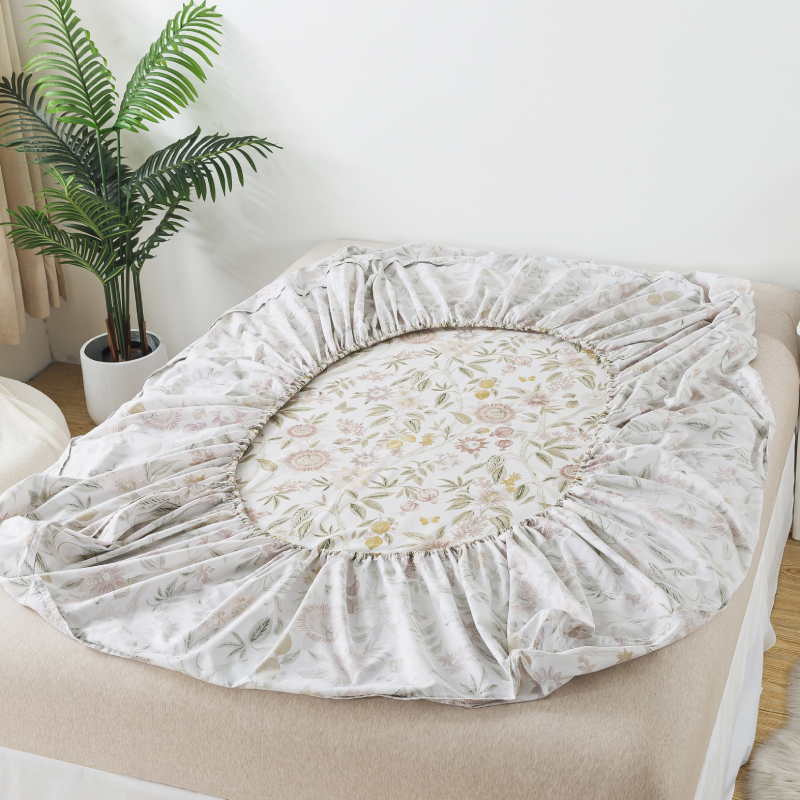
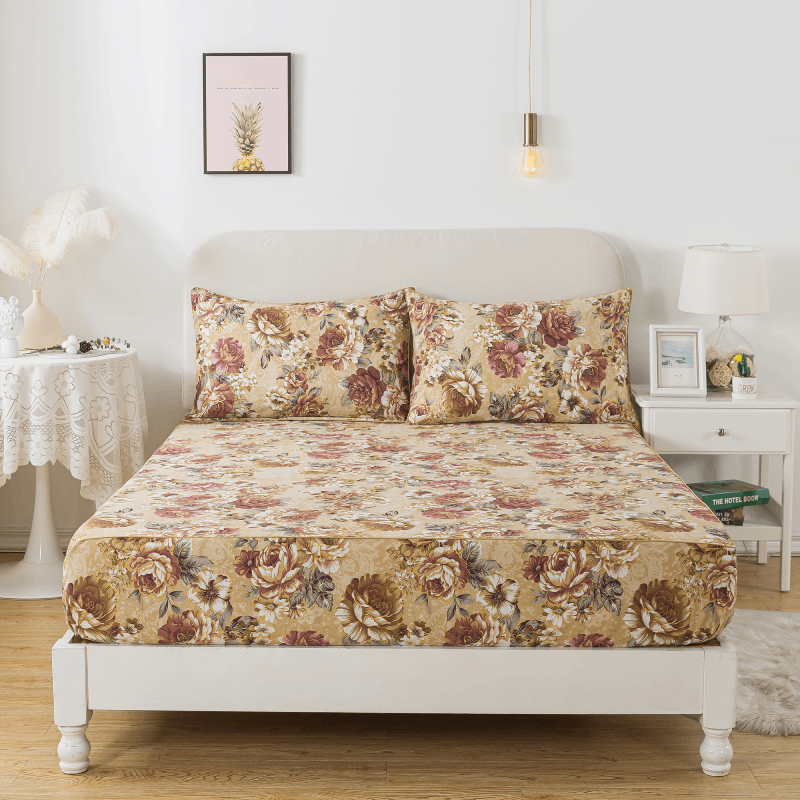
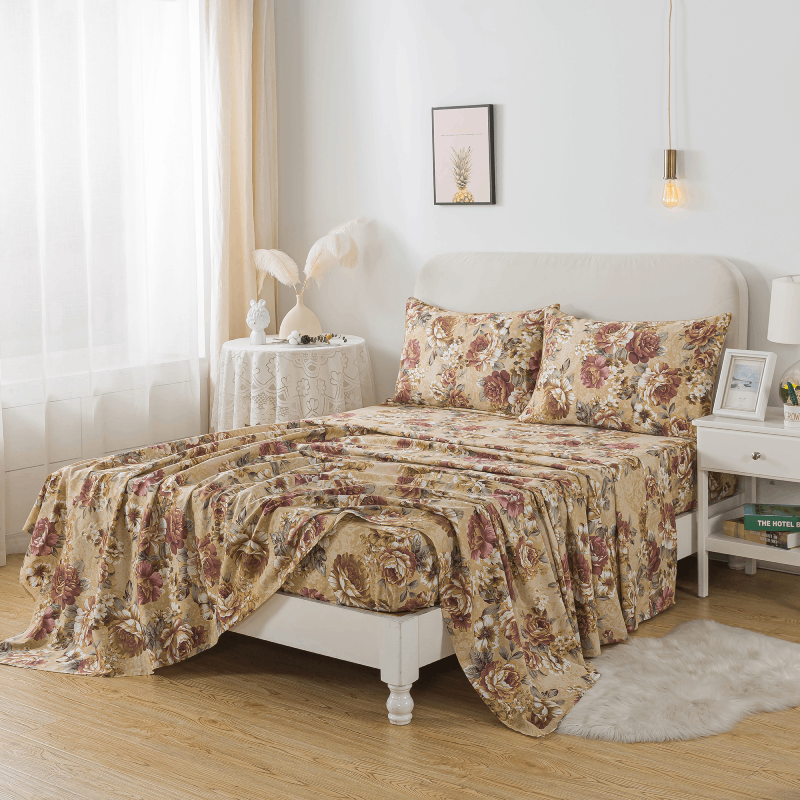
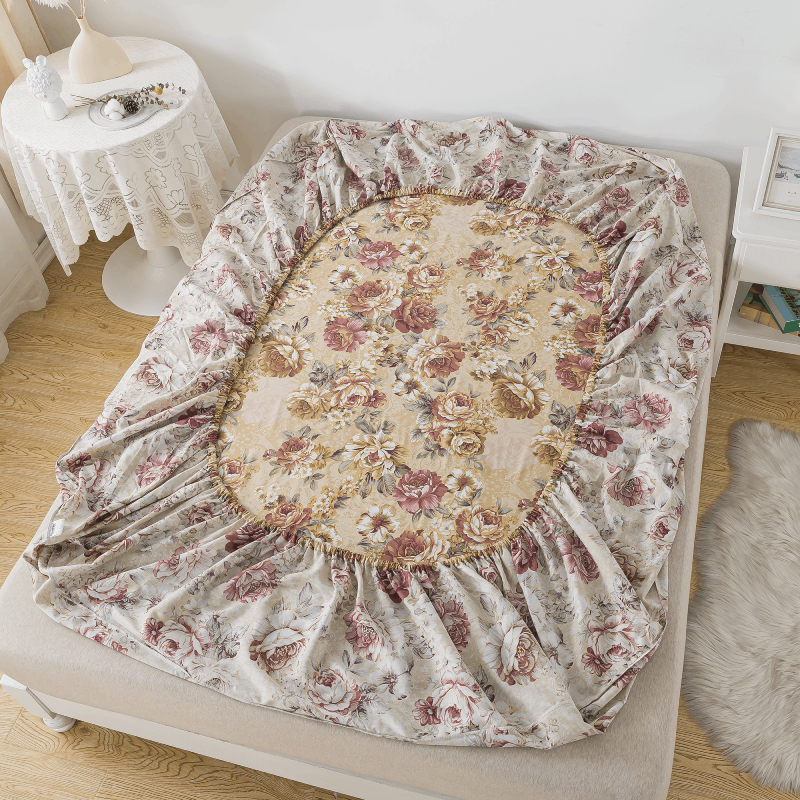
Color has a powerful influence on emotion. Bedding in soft, muted tones can make a bedroom feel calm and restful, while brighter patterns can create energy and personality. Floral bedding, in particular, can bring a gentle sense of nature indoors, making the space feel softer and more welcoming.
The key is balance. A bedding design does not need to be loud to make an impression. Delicate patterns, thoughtful color combinations, and elegant details can add character without overwhelming the room. When chosen carefully, bedding can make a bedroom feel more personal while still maintaining a peaceful atmosphere.
For many people, home is not about perfection. It is about feeling at ease. Bedding with soft colors and natural inspiration can help create that feeling by making the room appear warm, approachable, and emotionally comforting.
Bedding Reflects Personal Style
A bedroom is one of the most personal spaces in the home. Unlike a living room, which is often designed for guests, the bedroom is usually created for private comfort. Bedding becomes a quiet expression of personal taste.
Some people prefer crisp white bedding for a clean, hotel-like feeling. Others love vintage florals, ruffle details, or cottage-inspired patterns because they create a softer and more romantic atmosphere. Some choose minimal designs for a modern look, while others prefer layered textures for a cozy, collected feeling.
There is no single correct style. The best bedding is the one that feels aligned with how someone wants to live. It should support the mood they want to return to every day—calm, warm, elegant, relaxed, or nostalgic.
Bedding Supports Daily Rituals
The feeling of home is built through repetition. Making the bed in the morning, changing sheets at the end of the week, reading under a quilt, or resting with a pet beside you—these small routines create emotional attachment to a space.
Bedding is present in many of these moments. It becomes part of the rhythm of daily life. When bedding is soft, breathable, and easy to care for, these routines feel less like chores and more like acts of comfort.
A well-made bed can also bring a sense of order to the room. Even when the rest of life feels busy, returning to a comfortable bed can create a small feeling of stability. This is one reason bedding has such a strong emotional influence. It gives the body a place to rest and the mind a place to settle.
Quality Makes Comfort Last
Beautiful bedding should also be practical. A home is meant to be lived in, not only admired. Bedding that holds its softness, keeps its shape, and feels comfortable after repeated use helps create lasting comfort.
Natural fabrics such as cotton are often valued because they are breathable and gentle for everyday sleep. Durability also matters. Bedding that is easy to wash and comfortable across seasons makes the bedroom feel more dependable and relaxed.
The feeling of home grows stronger when comfort is consistent. A bedding set that remains soft and inviting over time becomes more than a decorative choice—it becomes part of the household’s everyday comfort.
Creating a Bedroom That Feels Like Home
To make a bedroom feel more like home, start with bedding that suits both your style and your daily needs. Choose textures that feel pleasant, colors that help you relax, and patterns that bring you joy without overwhelming the room.
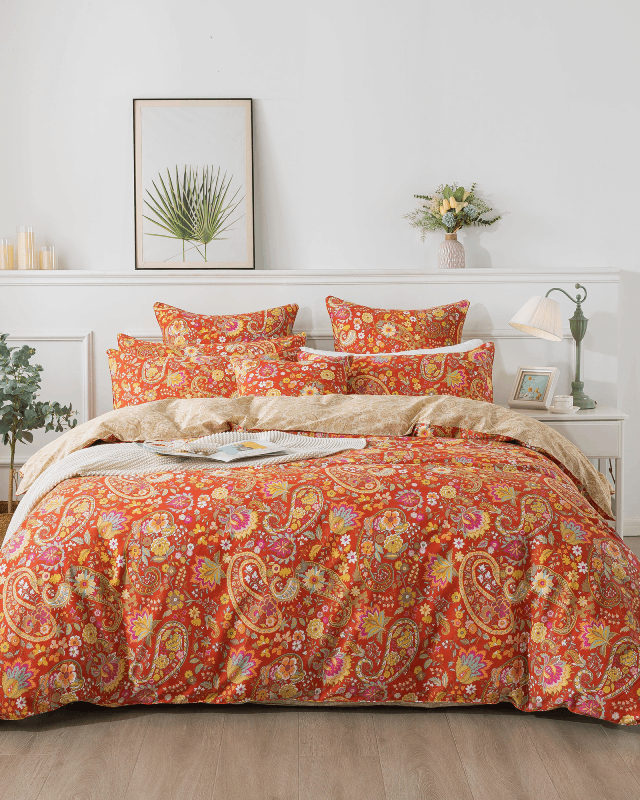
Layering can also help. A duvet cover, quilt, sheets, and pillows can work together to create depth and softness. The result does not need to look perfect. In fact, a slightly relaxed bed can often feel more welcoming than one that looks untouched.
Home is found in comfort, familiarity, and small details. Bedding brings all of these together. It touches the body, shapes the bedroom, and supports the quiet routines that make a space feel personal.
In the end, bedding influences the feeling of home because it connects beauty with everyday life. It turns a bedroom from a simple room into a place of rest, warmth, and belonging.