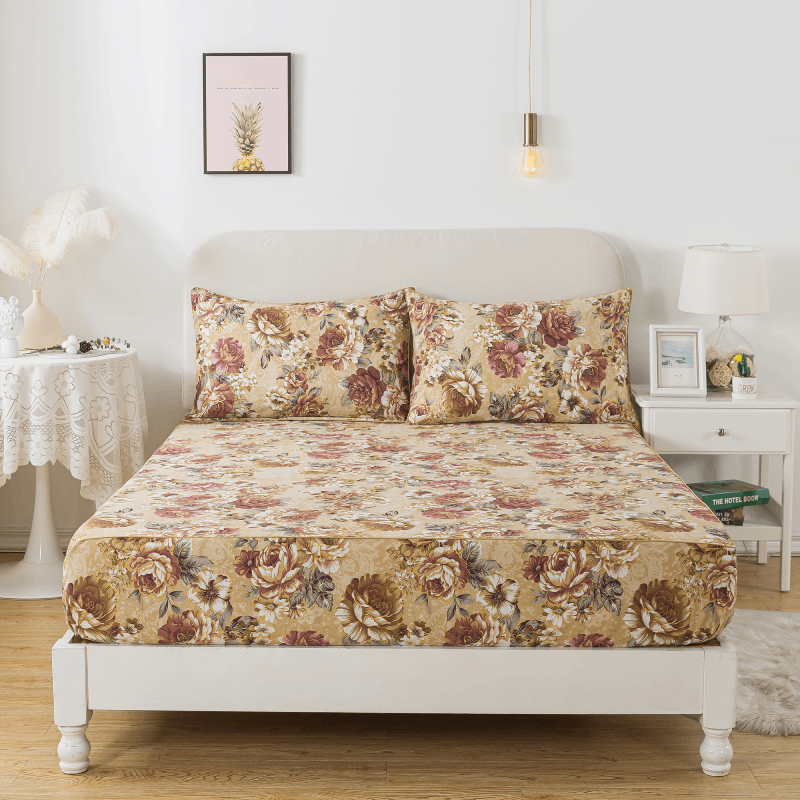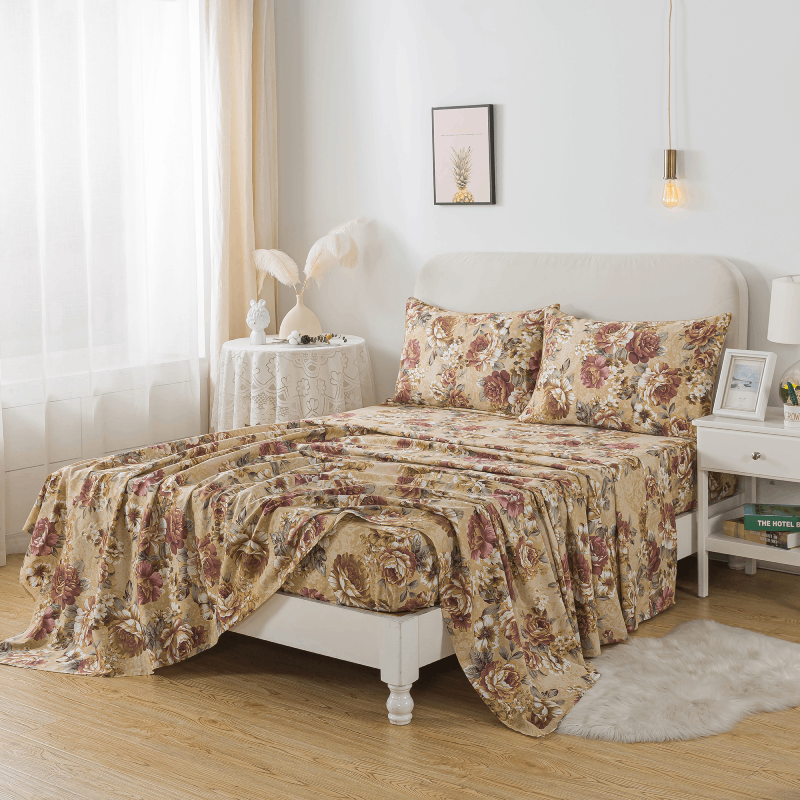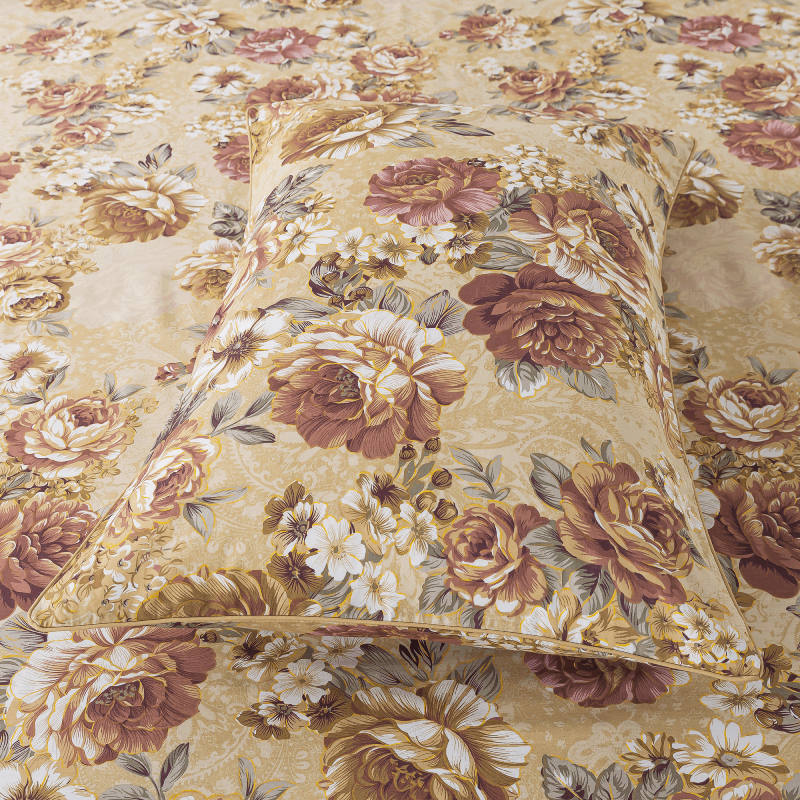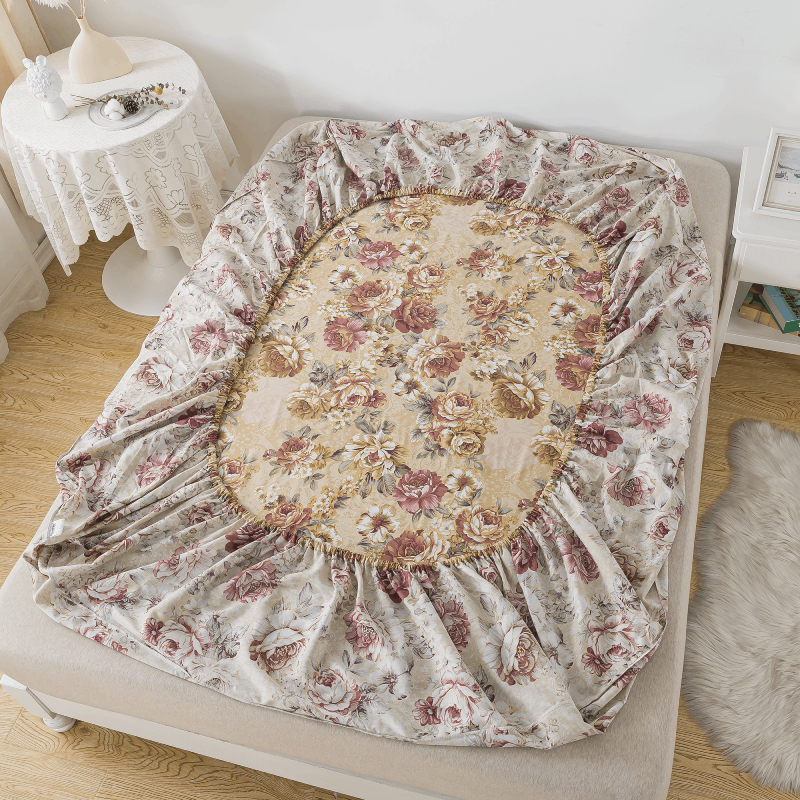





When designing a bedroom, most people focus on furniture layout, wall colors, or lighting fixtures. Yet one of the most influential visual elements in a bedroom is often overlooked: bedding. Because the bed is typically the largest object in the room, bedding plays a powerful role in shaping how we perceive light, depth, and spatial balance.
From color choices to fabric textures and pattern scale, bedding can make a bedroom feel brighter, larger, calmer, or more intimate. Understanding these visual principles can help transform a bedroom without changing the architecture of the space.
Bedding as the Visual Center of the Bedroom
In most bedrooms, the bed occupies the central visual field. This means bedding acts as a visual anchor that influences how the entire space is perceived.
When bedding reflects light and uses balanced patterns, it can create a sense of openness. Conversely, darker or overly dense patterns can make a room feel smaller or heavier.
Because of this visual dominance, the right bedding can:
-
Amplify natural light
-
Enhance perceived room depth
-
Create visual balance
-
Guide the viewer’s eye through the space
Designers often treat bedding like a large canvas that defines the atmosphere of the room.
Color and Light Reflection
Color is the most immediate factor affecting how bedding interacts with light.
Light-Colored Bedding
Soft, light tones such as ivory, cream, pastel blue, blush pink, or soft floral patterns reflect more light throughout the room. These shades help bedrooms appear:
-
Brighter
-
Airier
-
More spacious
Natural cotton bedding in light tones is especially effective because its matte texture diffuses light gently rather than reflecting it harshly.
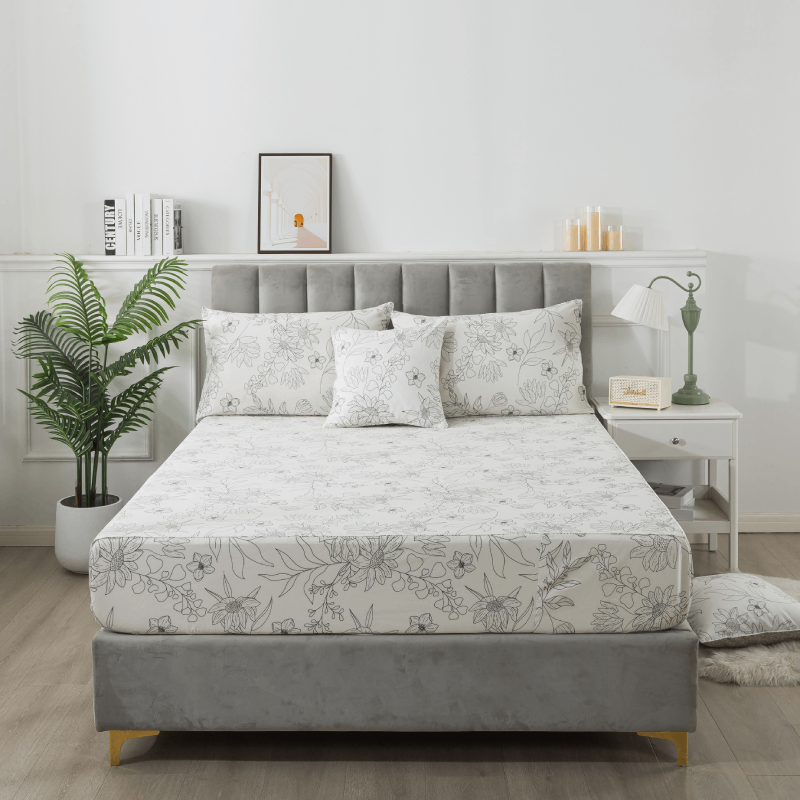
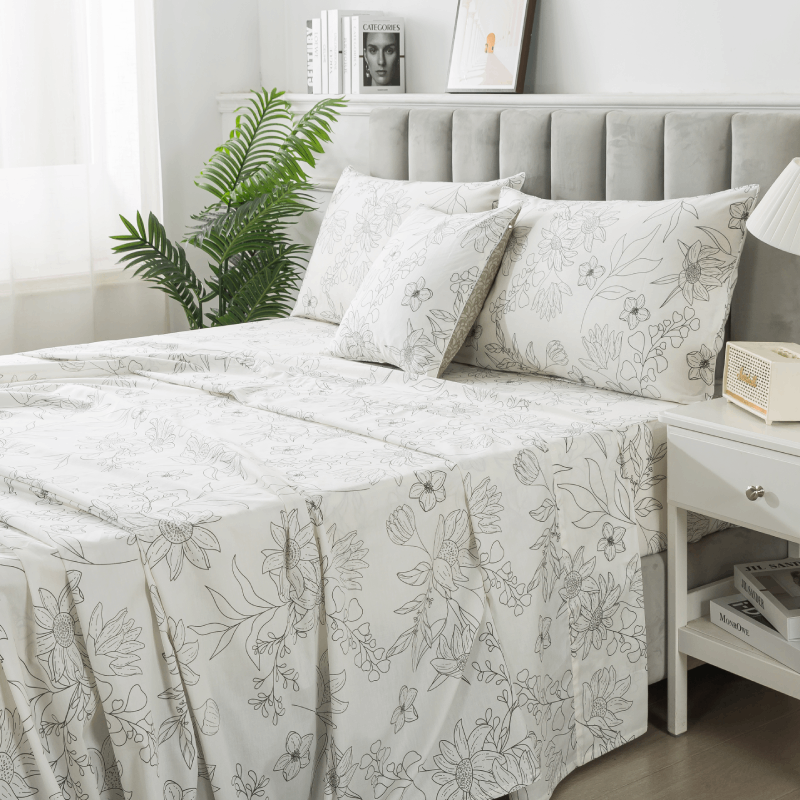
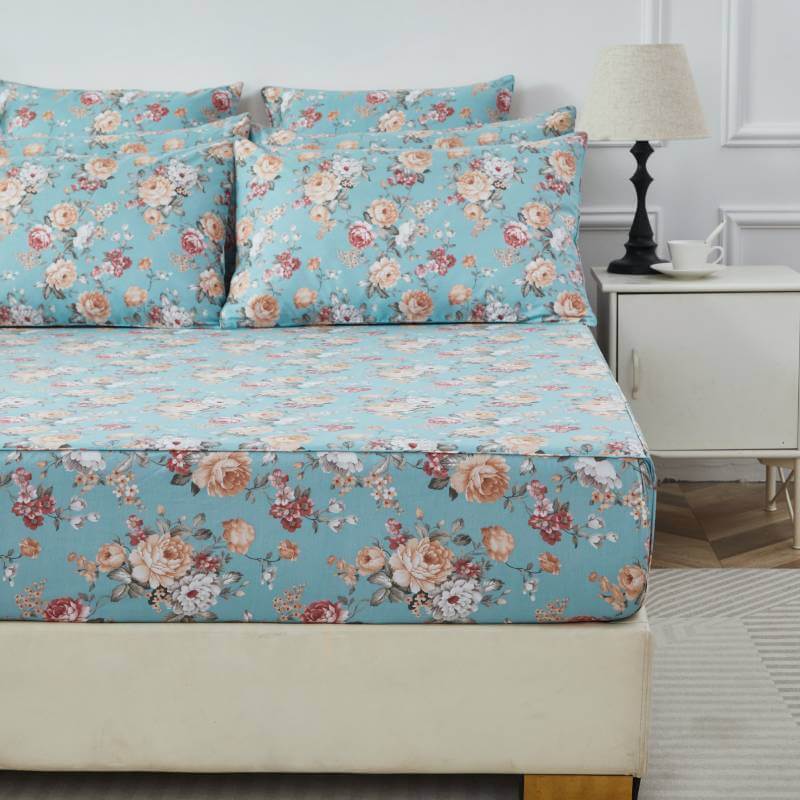
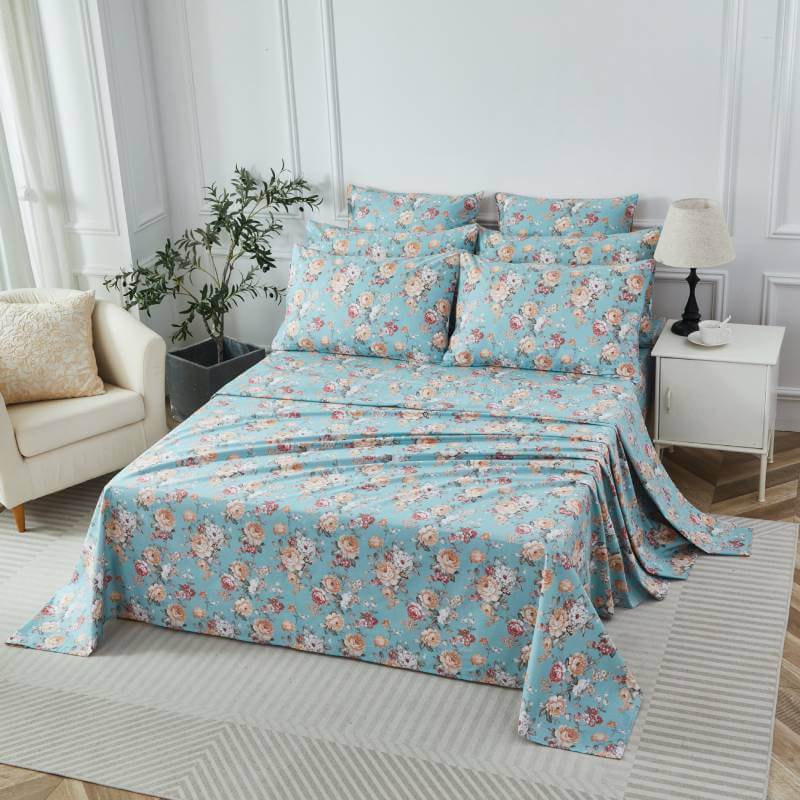
Light floral bedding, for example, can create a garden-like softness that enhances natural daylight entering through windows.
Dark or Saturated Bedding
Deep colors like navy, charcoal, or dark burgundy absorb light. While they create a cozy atmosphere, they can visually compress space if used excessively.
This doesn’t mean dark bedding should be avoided — instead, balance is key. Pairing darker bedding with lighter sheets, pillows, or throws can maintain depth without overwhelming the room.

Pattern Scale and Spatial Perception
Patterns influence how the eye moves across a surface. Bedding patterns therefore impact how large or small a room appears.
Small and Delicate Patterns
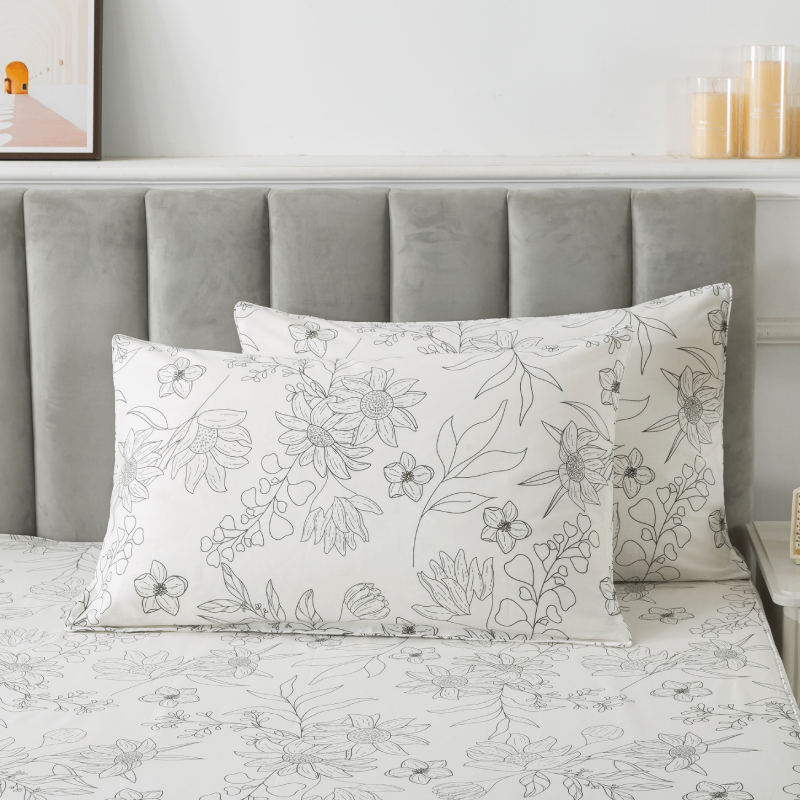
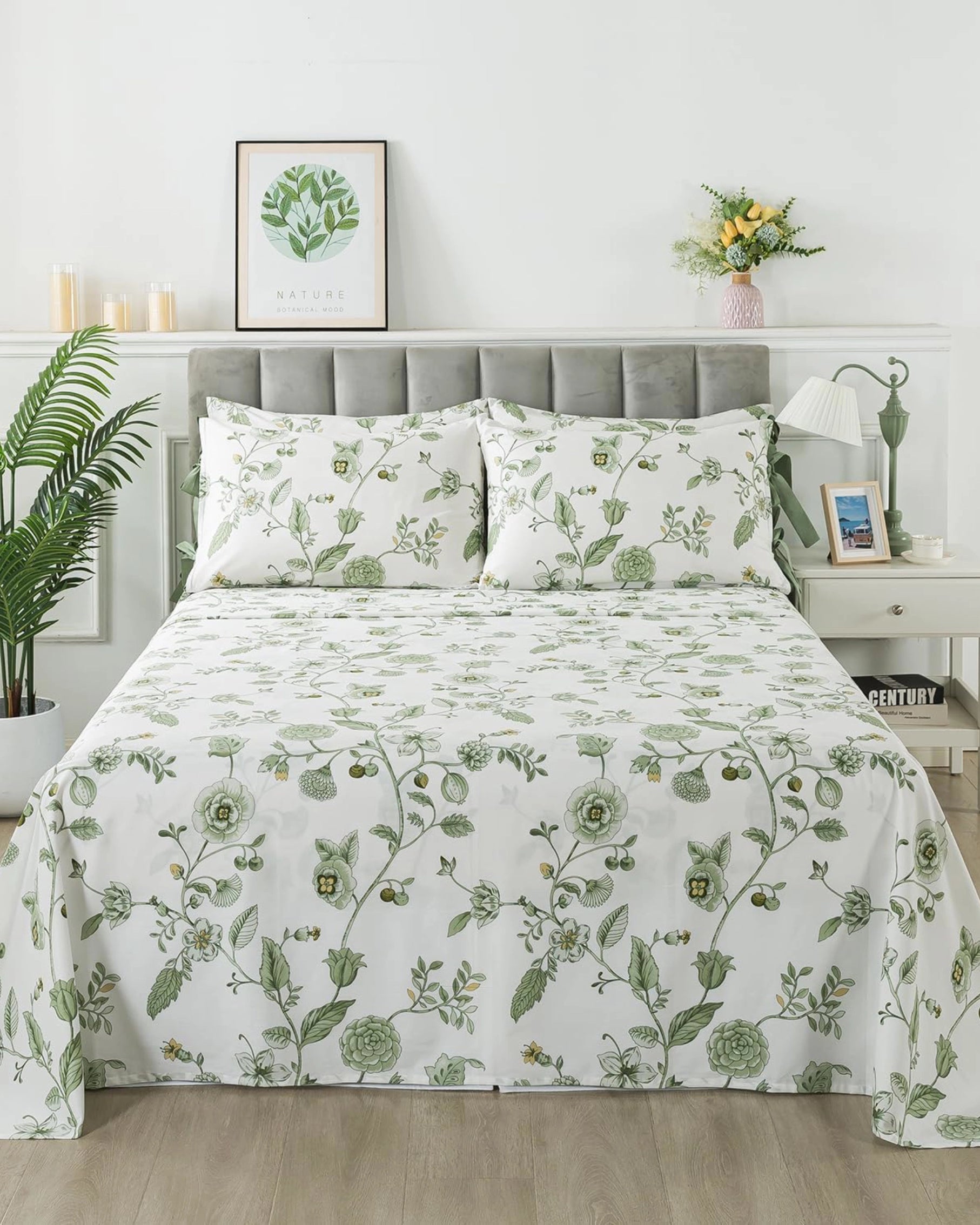
Fine floral prints, subtle botanical motifs, or soft repeating patterns help create visual continuity. These patterns allow the eye to move smoothly across the bed without interruption.
The result is a room that feels:
-
Calm
-
Balanced
-
More expansive
This is why classic floral bedding is often used in farmhouse, cottage, or romantic interiors — it adds character without overwhelming the space.
Large or Bold Patterns
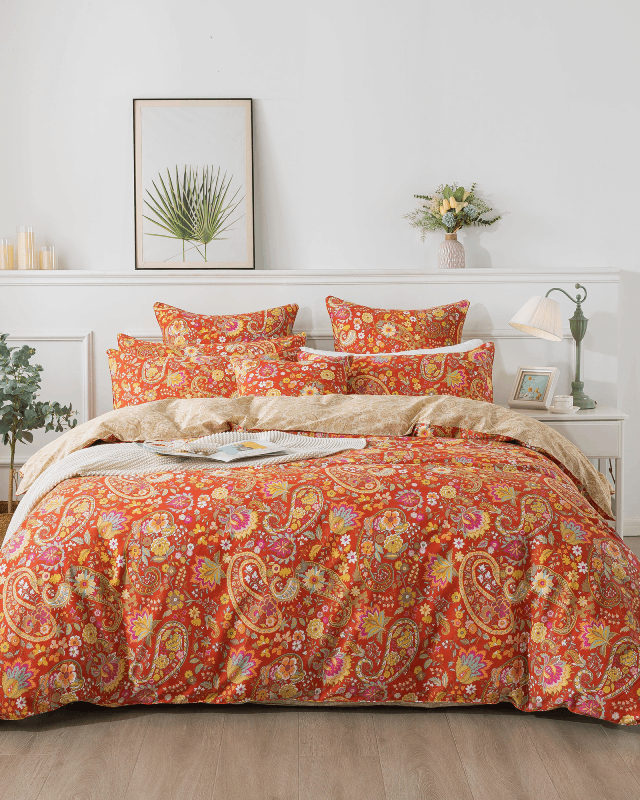
Large patterns can create drama and focal points. However, oversized motifs can sometimes visually dominate smaller rooms.
If using bold patterns, consider balancing them with:
-
Neutral pillowcases
-
Simple bed skirts
-
Minimal surrounding décor
This keeps the bedding as a statement piece without reducing the perceived room size.
Texture and Depth
Beyond color and pattern, fabric texture plays an important role in spatial perception.
Different materials interact with light differently:
| Fabric Type | Visual Effect |
|---|---|
| Cotton | Soft, natural light diffusion |
| Linen | Slight texture adds organic depth |
| Silk or satin | Reflective, luxurious highlights |
| Quilted fabrics | Layered shadows that create dimension |
Quilted bedding or stitched patterns can introduce subtle shadow lines that add visual depth without cluttering the room.
For example, patchwork quilts create layered geometry that gently guides the eye, making the bed feel rich and dimensional.
Layering for Visual Dimension
Layering bedding is one of the most effective ways to influence space perception.
A well-layered bed might include:
-
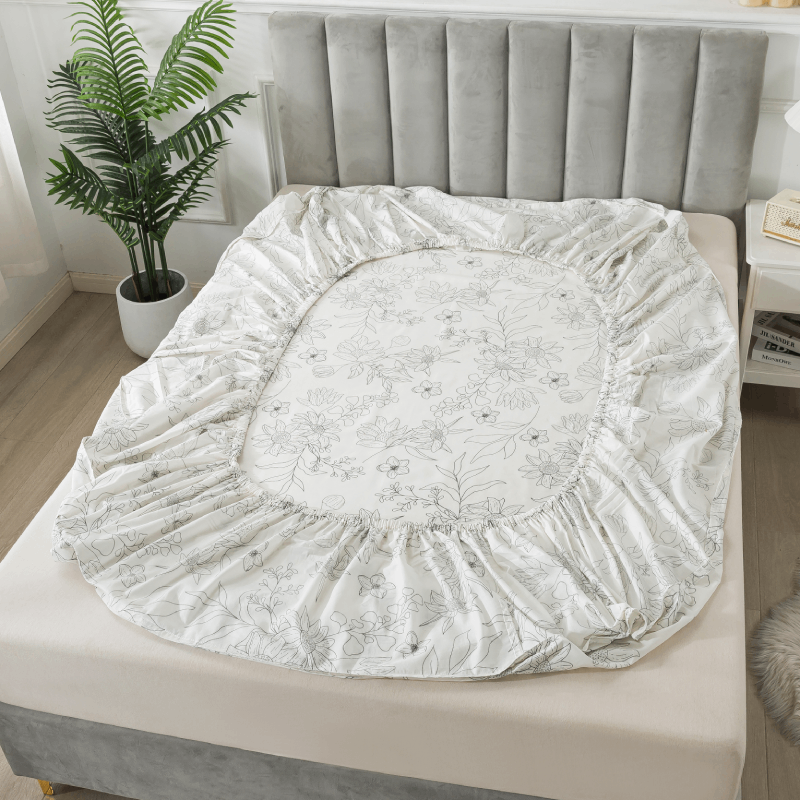
Fitted sheet
-
Flat sheet
-
Quilt or duvet
-
Accent pillows
-
Throw blanket
Each layer introduces slight variations in height, texture, and color, creating depth without visual chaos.
Layering works especially well in bedrooms that aim to feel cozy but still visually open. The key is keeping the palette cohesive so the layers feel intentional rather than crowded.
The Role of Natural Materials
Natural fabrics, especially 100% cotton bedding, enhance both light and spatial harmony in a bedroom.
Cotton fibers scatter light softly and maintain breathable comfort, which contributes to the calm visual environment people associate with restful spaces.
Floral cotton bedding, in particular, adds an organic connection to nature — subtly mimicking gardens, fields, and botanical textures. This natural imagery can make indoor spaces feel more expansive and relaxing.
Designing a Bedroom with Visual Balance
If you want bedding to enhance light and spatial perception, consider these simple design principles:
1. Choose light or balanced color palettes
Soft neutrals and florals help reflect light and open up the room.
2. Use patterns thoughtfully
Smaller patterns often feel calmer and more spacious.
3. Layer textures carefully
Combine quilts, pillows, and throws without overcrowding.
4. Maintain harmony with surrounding décor
Bedding should complement wall colors, curtains, and furniture tones.
5. Let the bed remain the focal point
Avoid too many competing visual elements nearby.
Final Thoughts
Bedding is far more than a functional necessity — it is a key design element that shapes how we experience a bedroom. Through thoughtful choices in color, pattern, and texture, bedding can transform the perception of light, depth, and space.
A well-chosen bedding set doesn’t just decorate the bed. It defines the atmosphere of the entire room, creating a space that feels brighter, more open, and ultimately more restful.
In the end, the right bedding turns an ordinary bedroom into a carefully balanced environment where comfort and visual harmony meet.